
Epidemiologic Transition 2012 Changes of fertility and mortality

![High Incidence of NCDs in Developing Countries ] Possible Infectious Etiology Macronodular Cirrhosis Hepatocellular](https://slidetodoc.com/presentation_image_h2/eb4ac493ce318c20b827f3c12a7e101c/image-41.jpg "High Incidence of NCDs in Developing Countries ] Possible Infectious Etiology Macronodular Cirrhosis Hepatocellular")

- Slides: 47
Epidemiologic Transition 2012: Changes of fertility and mortality with modernization Abdel Omran. The Epidemiologic Transition: A Theory of the epidemiology of population change. Milbank Quarterly. 1971; 49: 509 -538 http: //www. who. int/docstore/bulletin/pdf/2001/issue 2/vol. 79 no. 2. 1 59 -170. pdf
Lecture Epidemiologic Transition n Geographic Studies, what do they tell us? n
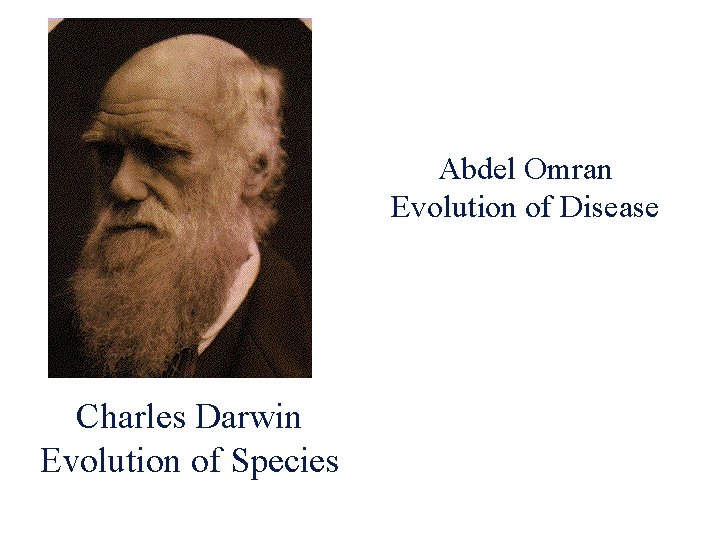
Abdel Omran Evolution of Disease Charles Darwin Evolution of Species
Epidemiology v v v Psychiatric Epidemiologists Diabetes Epidemiology Cardiovascular Epidemiology Cancer Epidemiology Infectious Disease Epidemiology
Instead at looking at individual diseases, we need to look at the patterns of diseases
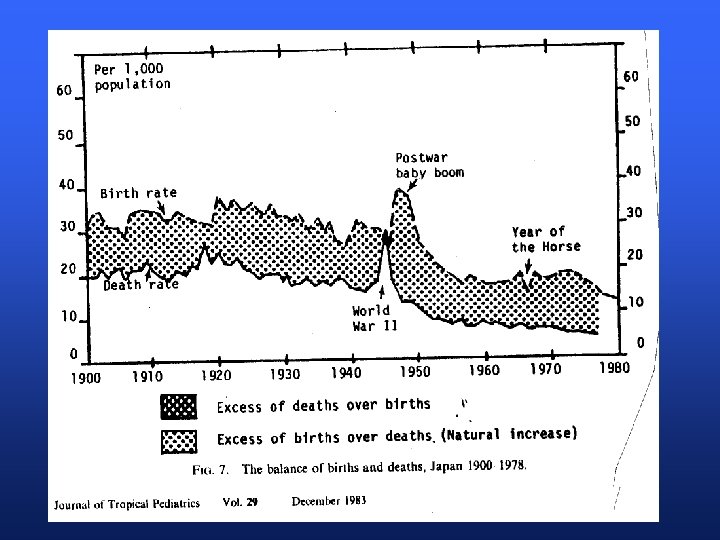
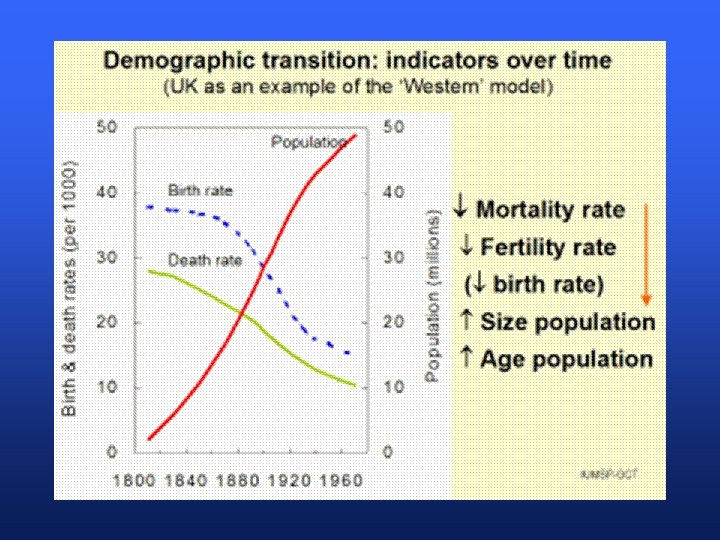
Mortality is the fundamental factor in the dynamics of population growth and causes of death. Mortality has no fixed upper limits. Thus if fertility approached its upper maximum, depopulation would still occur.
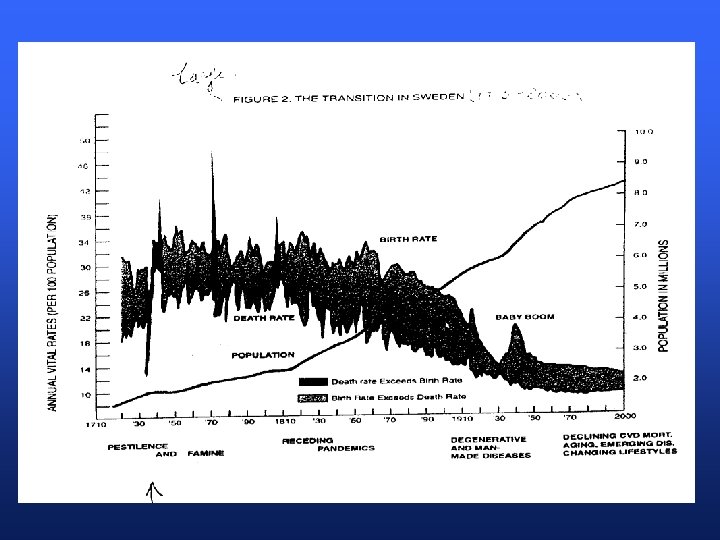
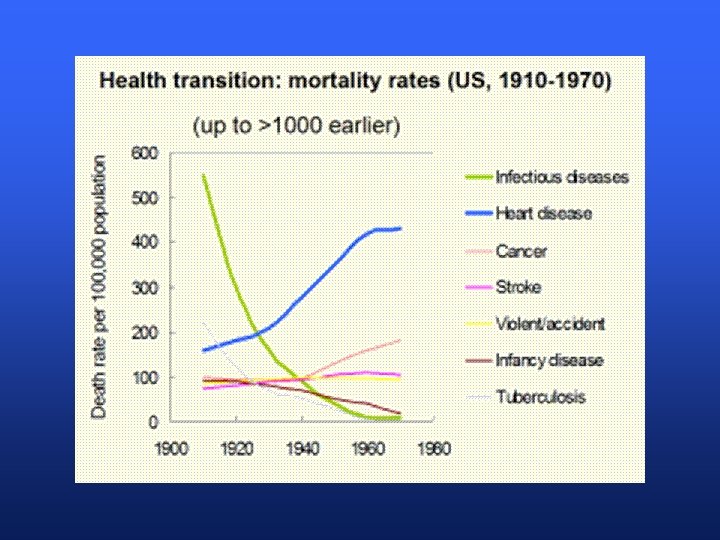
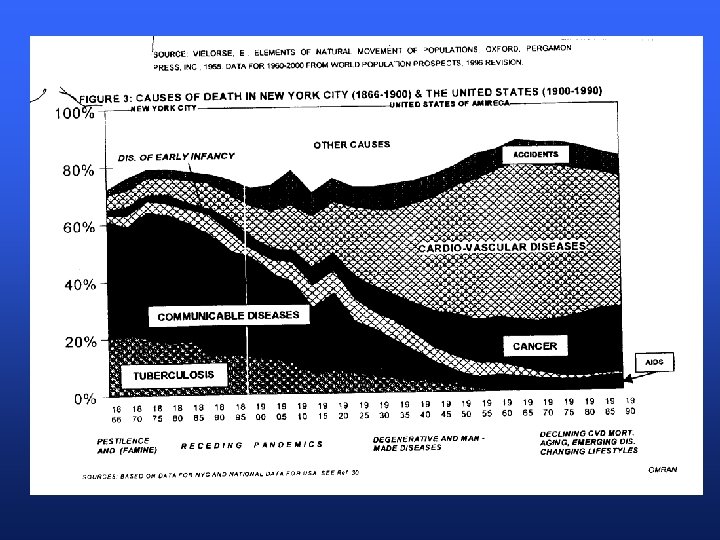
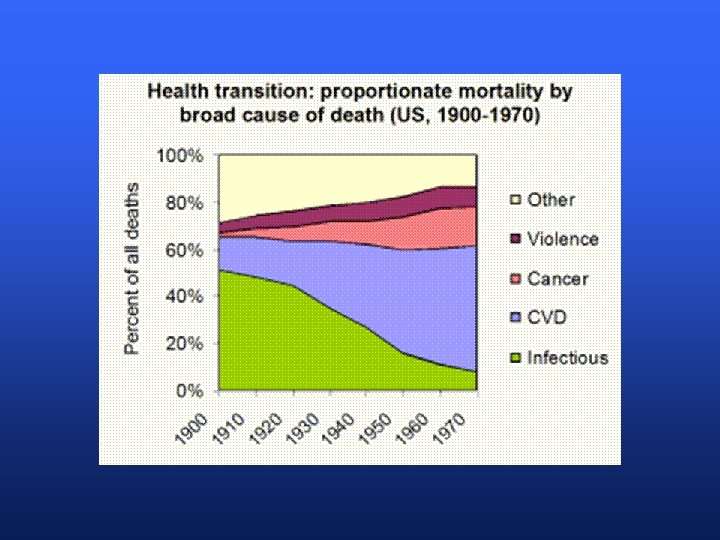
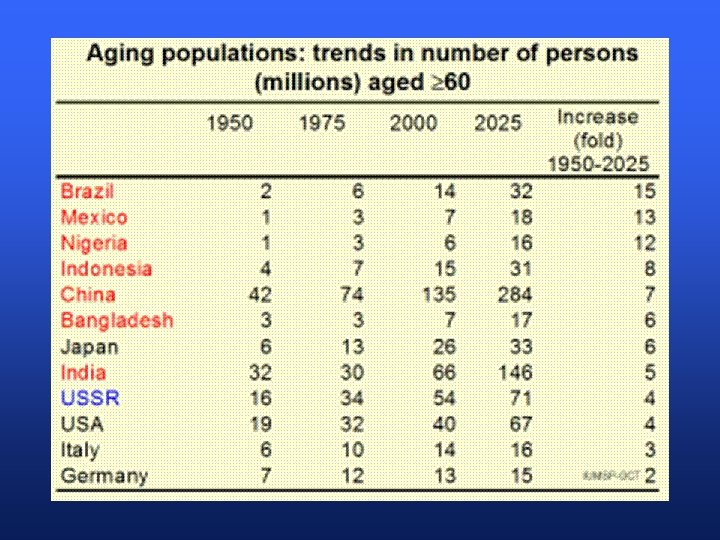
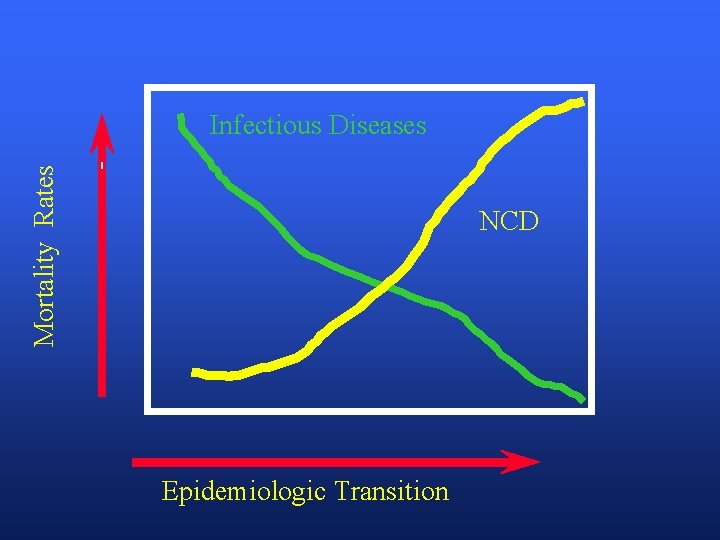
During the epidemiologic transition, a long-term shift occurs in mortality and disease patterns whereby pandemics of infection are replaced by degenerative and man-made diseases. . .
Age of Pestilence and Famine Characterized by high mortality rates, wide swings in the mortality rate, little population growth and very low life expectancy
Age of Receding Pandemics Epidemics become less frequent, infectious diseases in general become less frequent, a slow rise in degenerative diseases begin to appear
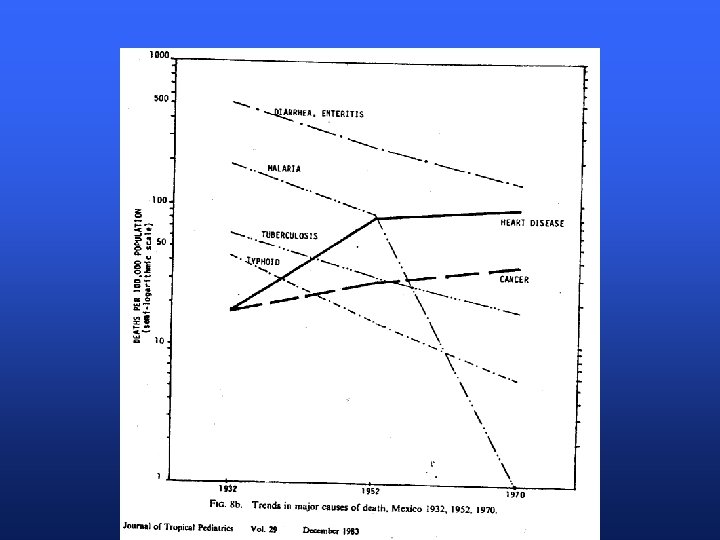
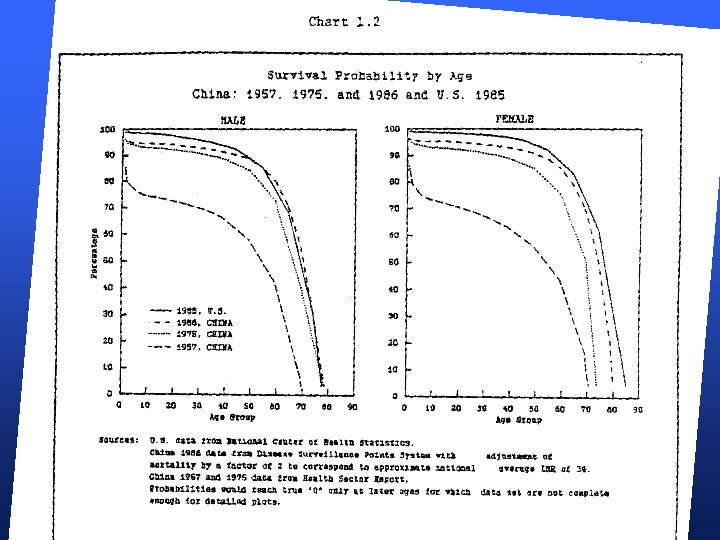
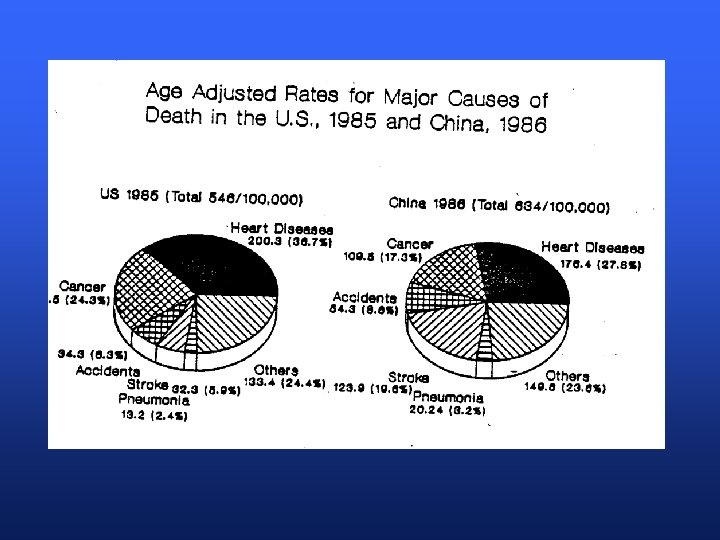
The shifts in disease patterns in the 19 th century were primarily related to changing SES. With the 20 th Century more related with disease control activities independent of SES: e. g. Mexico, China
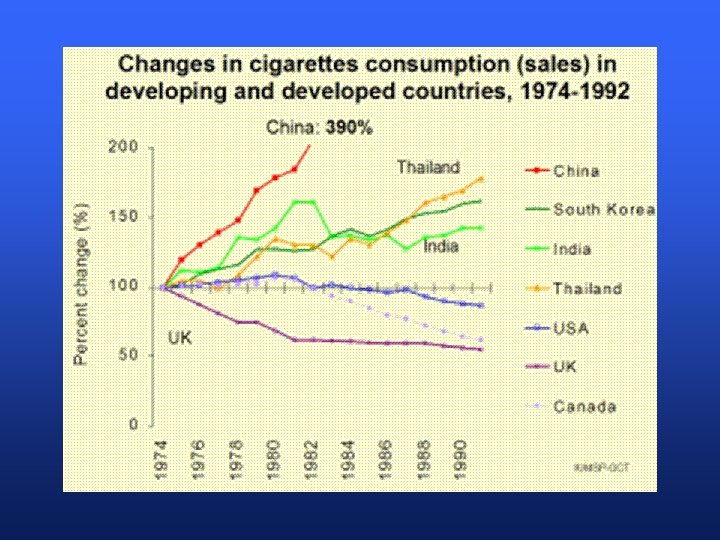
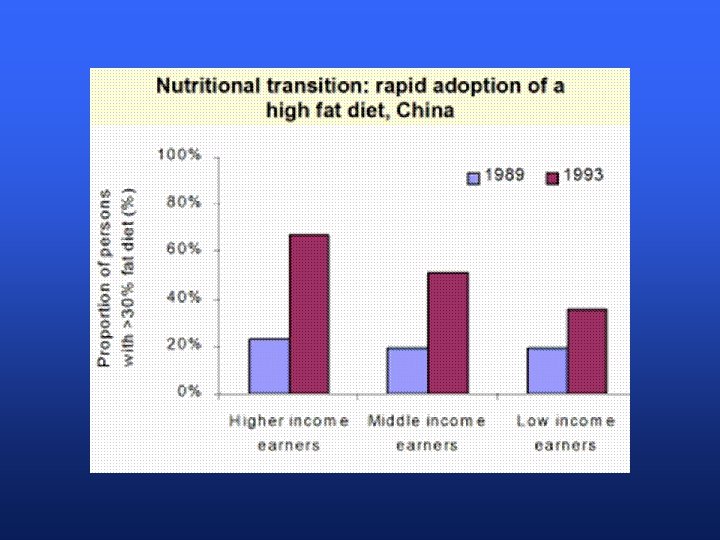
Epidemiologic Transition in Developing and Developed Countries
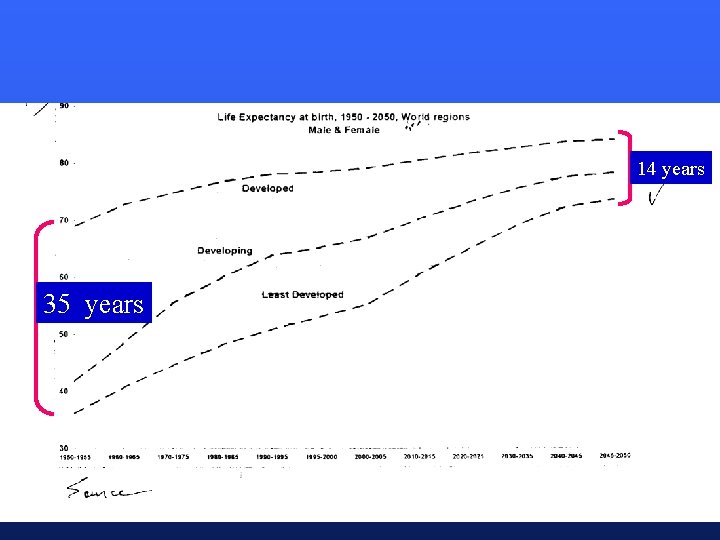
14 years 35 years
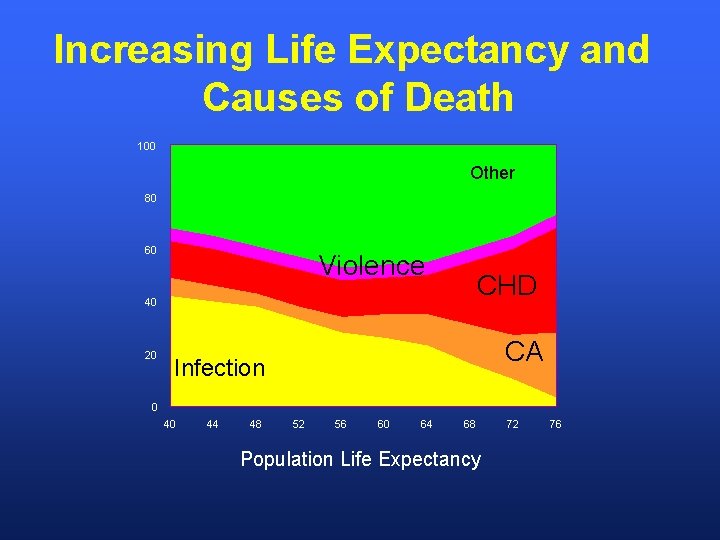
Increasing Life Expectancy and Causes of Death 100 Other 80 60 Violence CHD 40 20 CA Infection 0 40 44 48 52 56 60 64 68 Population Life Expectancy 72 76
Mortality Rates Infectious Diseases NCD Epidemiologic Transition
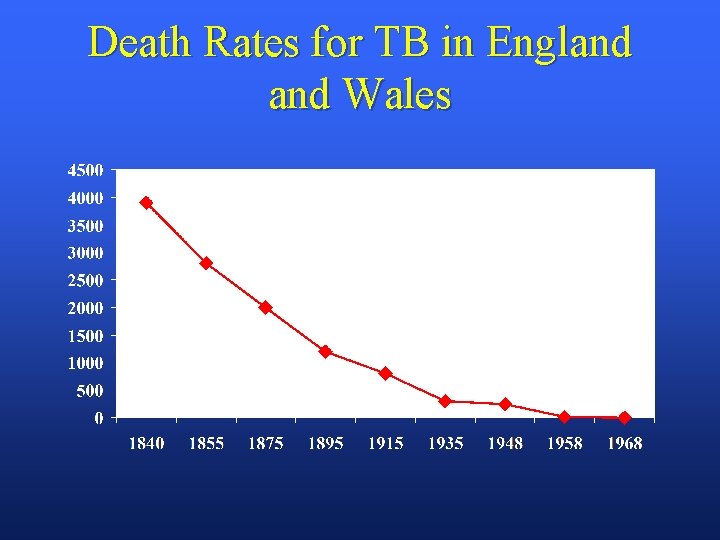
Death Rates for TB in England Wales
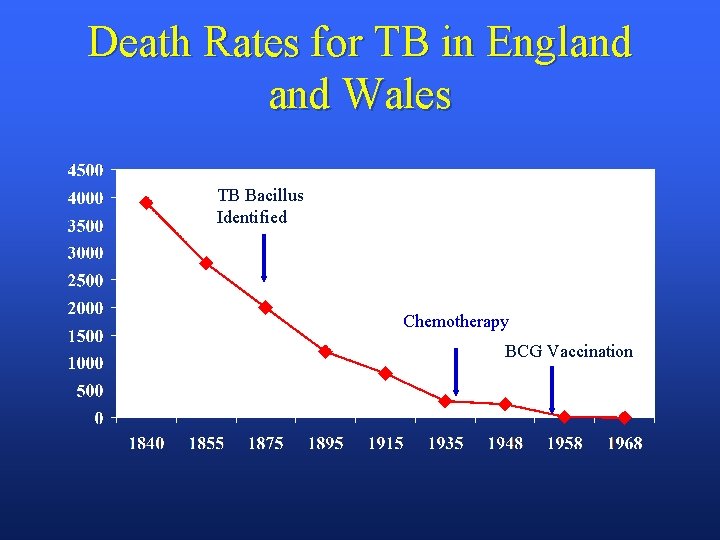
Death Rates for TB in England Wales TB Bacillus Identified Chemotherapy BCG Vaccination
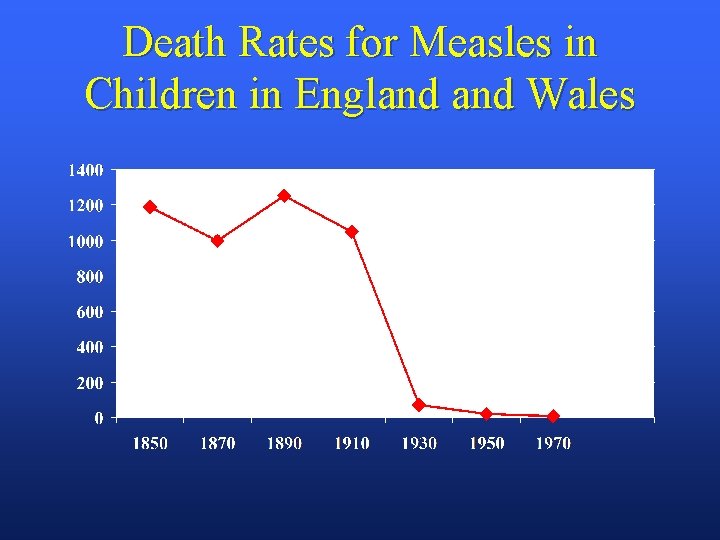
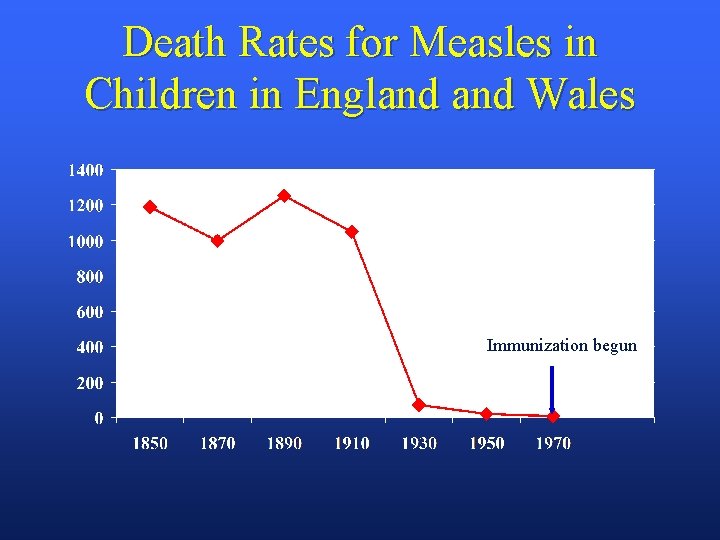
Death Rates for Measles in Children in England Wales
Death Rates for Measles in Children in England Wales Immunization begun
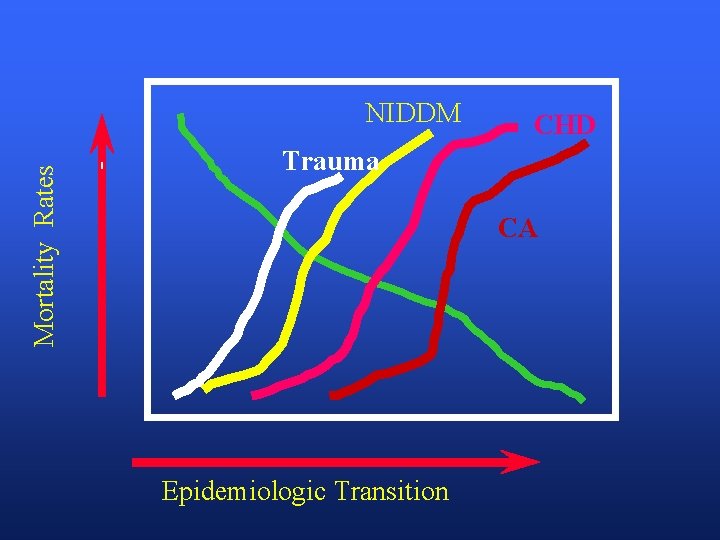
Mortality Rates NIDDM CHD Trauma CA Epidemiologic Transition
Importance of Geographic Patterns
Incidence of Stomach CA Males
Breast Cancer Incidence Females
CHD Death Rates Males, aged 45 -54
Cirrhosis Death Rates, Males, aged 45 -54
High Incidence of NCDs in Developing Countries ] Possible Infectious Etiology Macronodular Cirrhosis Hepatocellular Carcinoma Rheumatic Heart Disease Iron deficiency anemia ] Related to Nutrition Deficiency Endemic Goiter Malnutrition Related Diabetes.
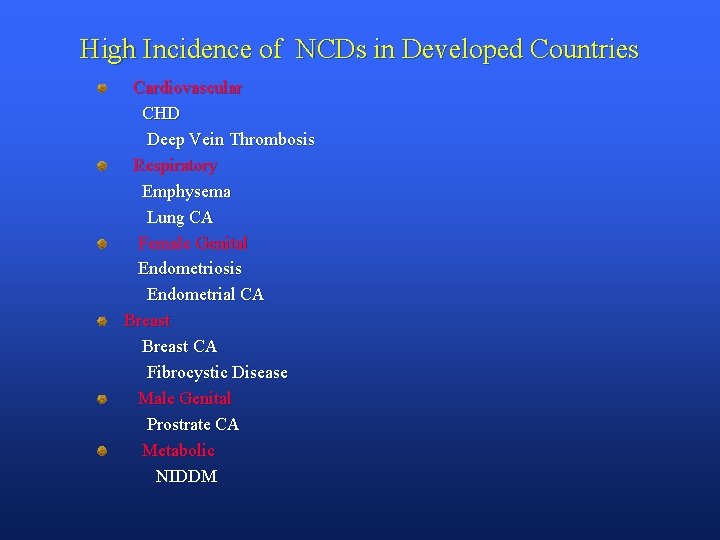
High Incidence of NCDs in Developed Countries Cardiovascular CHD Deep Vein Thrombosis Respiratory Emphysema Lung CA Female Genital Endometriosis Endometrial CA Breast CA Fibrocystic Disease Male Genital Prostrate CA Metabolic NIDDM
Back to Nature v Improved Physical activity v A Healthier Diet, less saturated fats, more fiber v Less Stress
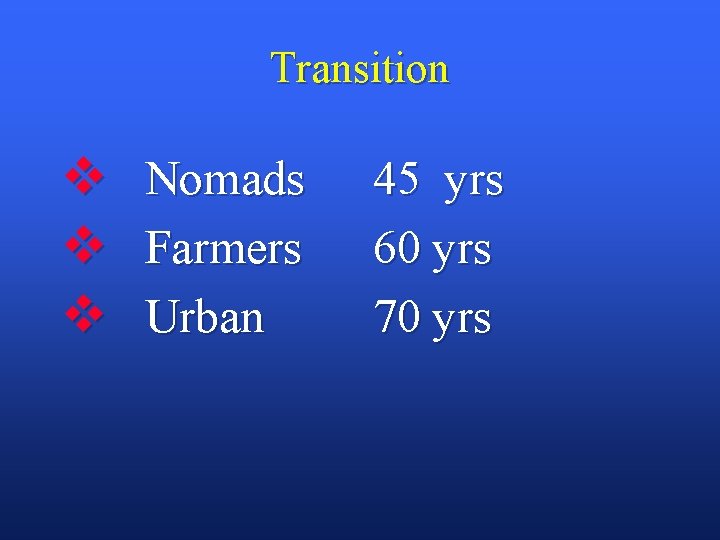
Transition v v v Nomads Farmers Urban 45 yrs 60 yrs 70 yrs
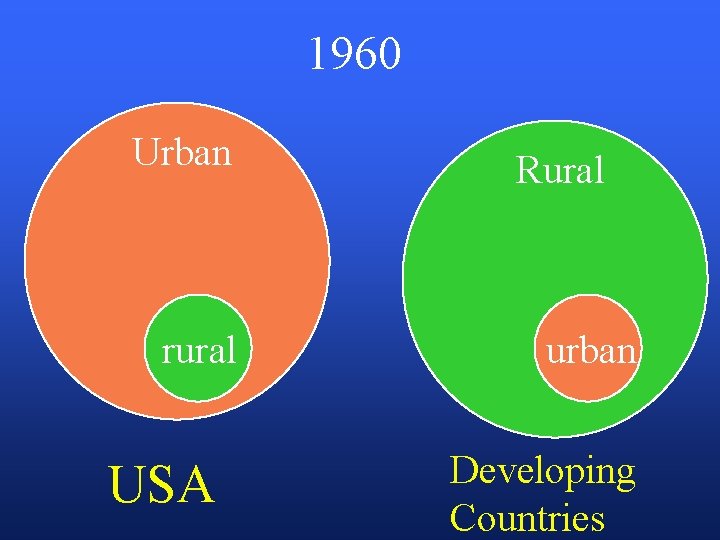
1960 Urban rural USA Rural urban Developing Countries
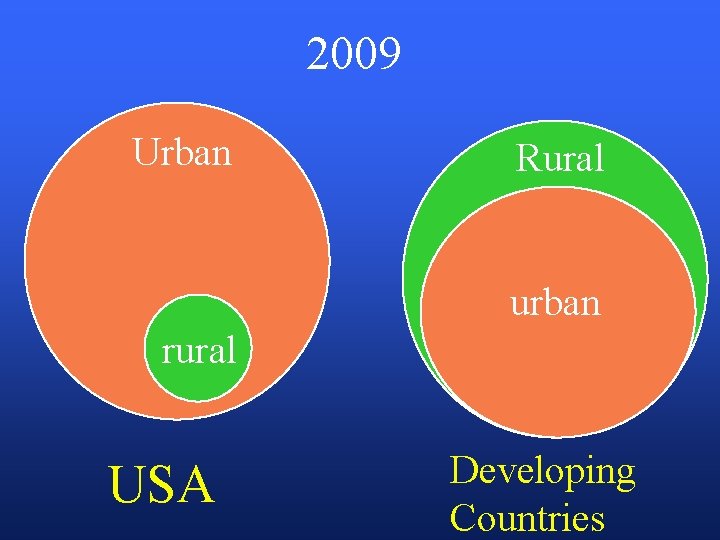
2009 Urban Rural urban rural USA Developing Countries
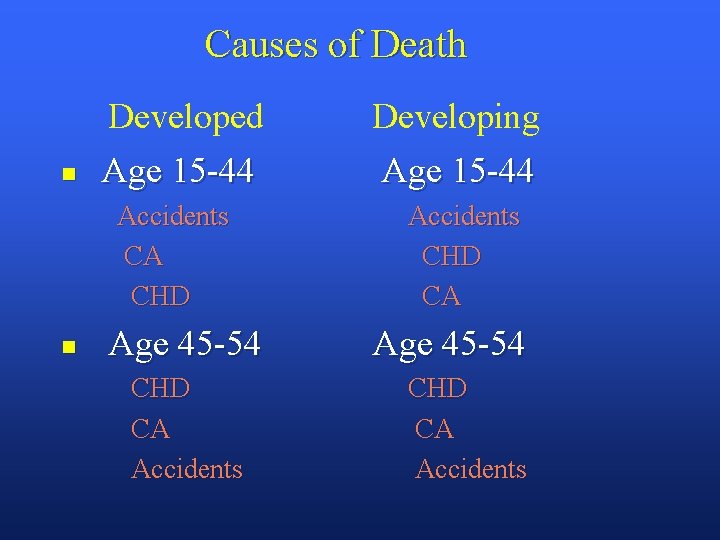
Causes of Death n n Developed Developing Age 15 -44 Accidents CA CHD Accidents CHD CA Age 45 -54 CHD CA Accidents