
Epibrassinolide Induced Apoptosis via Endoplasmic Reticulum Stress Regardless
Epibrassinolide Induced Apoptosis via Endoplasmic Reticulum Stress Regardless of p 53 Expression in Prostate Cancer Cells Pinar Obakan-Yerlikaya, Ph. D. Istanbul Kultur University Department of Molecular Biology and Genetics p. obakan@iku. edu. tr

http: //www. cancer. gov/types/prostate/hp/prostate-treatment-pdq#link/_1679_toc
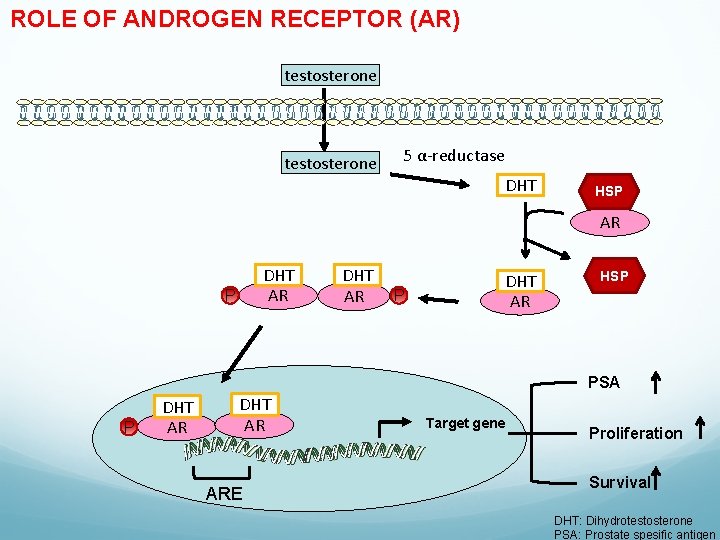
ROLE OF ANDROGEN RECEPTOR (AR) testosterone 5 α-reductase DHT HSP AR DHT AR P DHT AR HSP PSA P DHT AR ARE Target gene Proliferation Survival DHT: Dihydrotestosterone PSA: Prostate spesific antigen
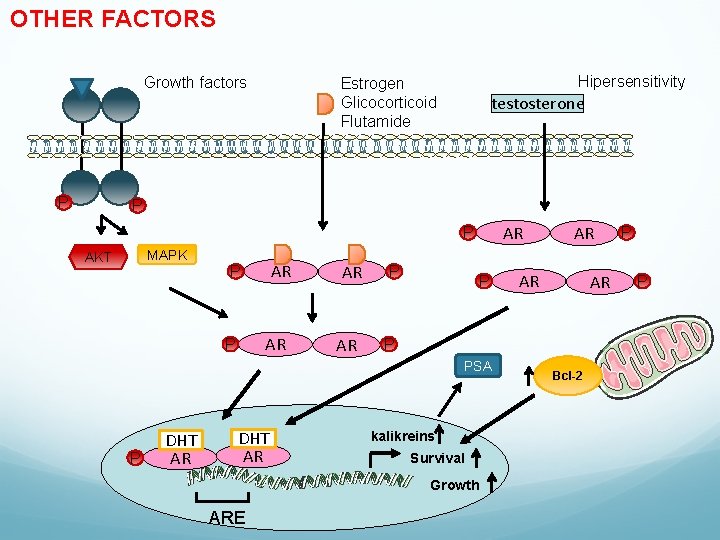
OTHER FACTORS Growth factors P Hipersensitivity Estrogen Glicocorticoid Flutamide testosterone P AR P MAPK AKT AR AR P P P DHT AR kalikreins Survival Growth ARE AR AR P PSA DHT AR AR Bcl-2 P P
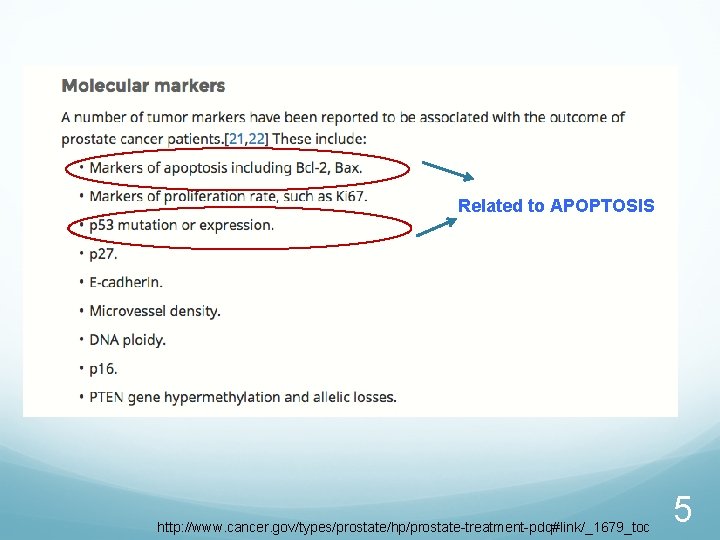
Related to APOPTOSIS http: //www. cancer. gov/types/prostate/hp/prostate-treatment-pdq#link/_1679_toc 5
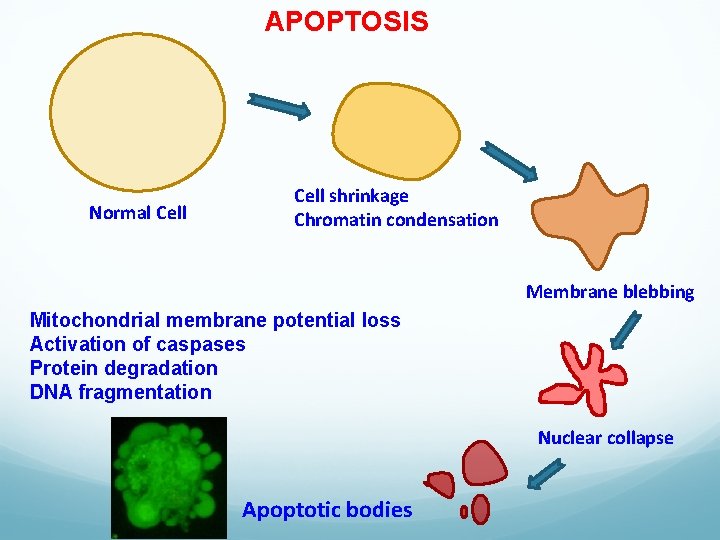
APOPTOSIS Normal Cell shrinkage Chromatin condensation Membrane blebbing Mitochondrial membrane potential loss Activation of caspases Protein degradation DNA fragmentation Nuclear collapse Apoptotic bodies
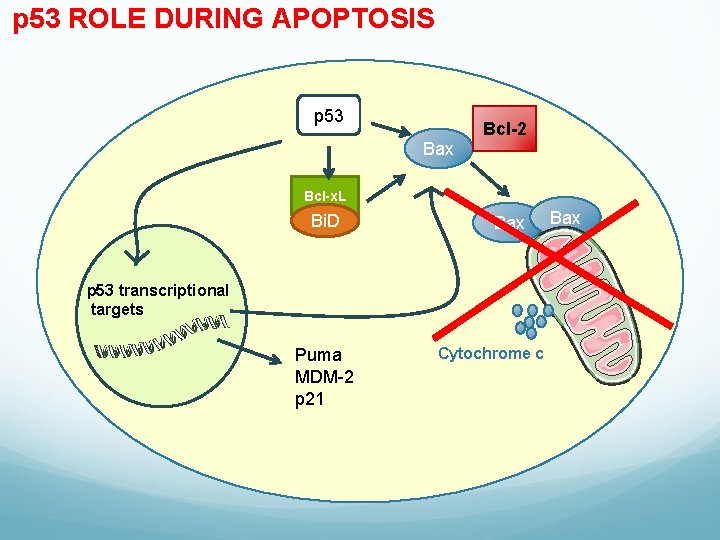
p 53 ROLE DURING APOPTOSIS p 53 Bcl-2 Bax Bcl-x. L Bi. D Bax p 53 transcriptional targets Puma MDM-2 p 21 Cytochrome c Bax
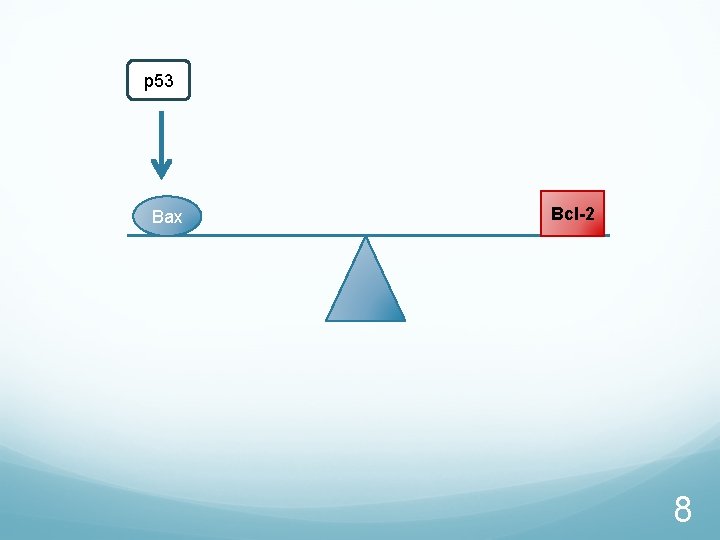
p 53 Bax Bcl-2 8
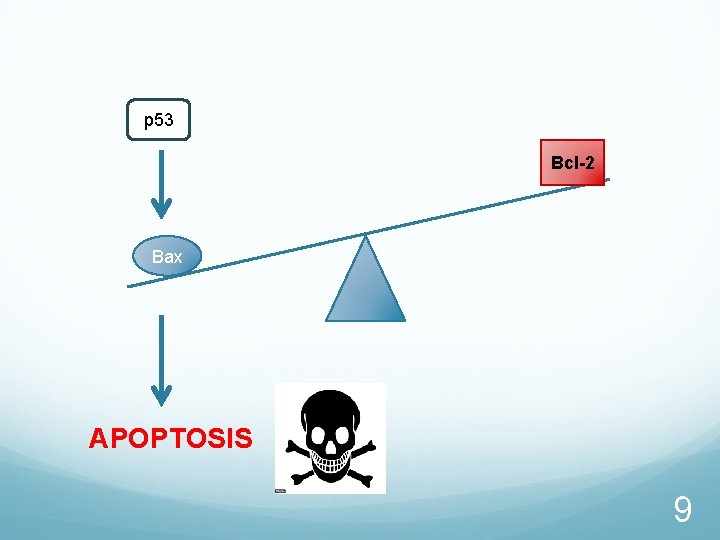
p 53 Bcl-2 Bax APOPTOSIS 9
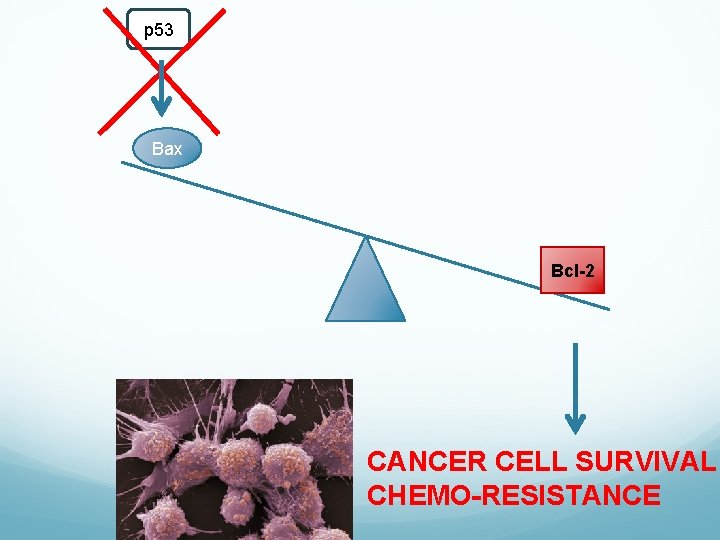
p 53 Bax Bcl-2 CANCER CELL SURVIVAL CHEMO-RESISTANCE
The search for a compound for the cure of advanced prostate cancer: - without toxic effect on normal epithelial cells - effective on both androgen receptor (+) and (-) cells - miminum side effects - easy to deliver A HUMAN STEROID-LİKE NATURAL AGENT EPIBRASSINOLIDE 11
Epibrassinolide (EBR): • A member of brassinosteroids (plant growth factor family) • Anti-proliferative activity in cancer cells (MCF-7) (Malikova et al. , Phytochemistry 2008) • Cell cycle arrest, mitotic arrest Nuclear hormone receptor blocker? (Steigerova et al. , Steroids, 2013) • EBR induces apoptosis regardless of AR expression in prostate cancer cells without affecting normal prostate epithelial cells (Obakan et. al, Aminoacids, 2014) • EBR induces p 53 -independent apoptosis in prostate cancer cells (Obakan et. al, The Prostate, 2014) 12
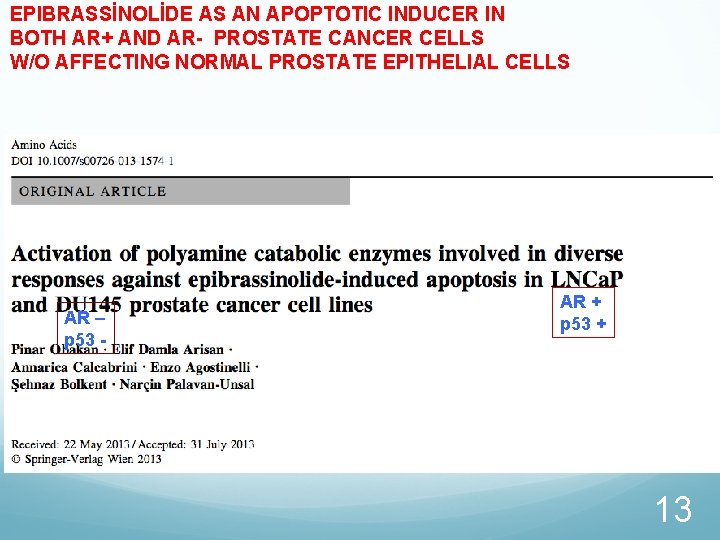
EPIBRASSİNOLİDE AS AN APOPTOTIC INDUCER IN BOTH AR+ AND AR- PROSTATE CANCER CELLS W/O AFFECTING NORMAL PROSTATE EPITHELIAL CELLS AR – p 53 - AR + p 53 + 13
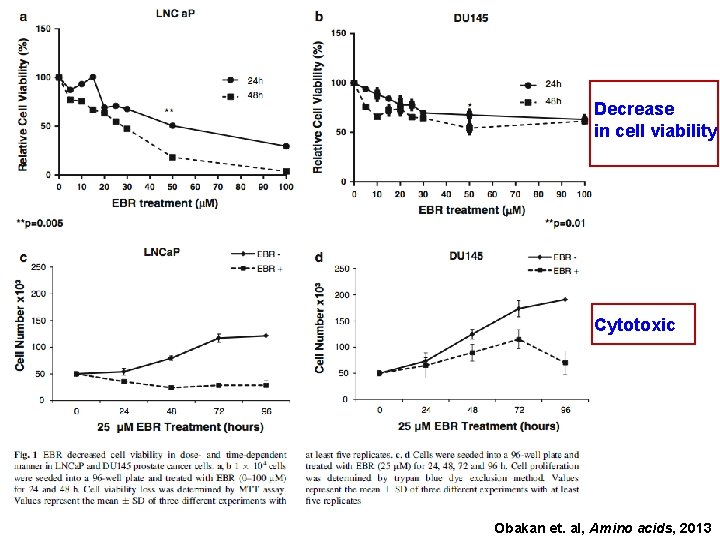
Decrease in cell viability Cytotoxic 14 Obakan et. al, Amino acids, 2013
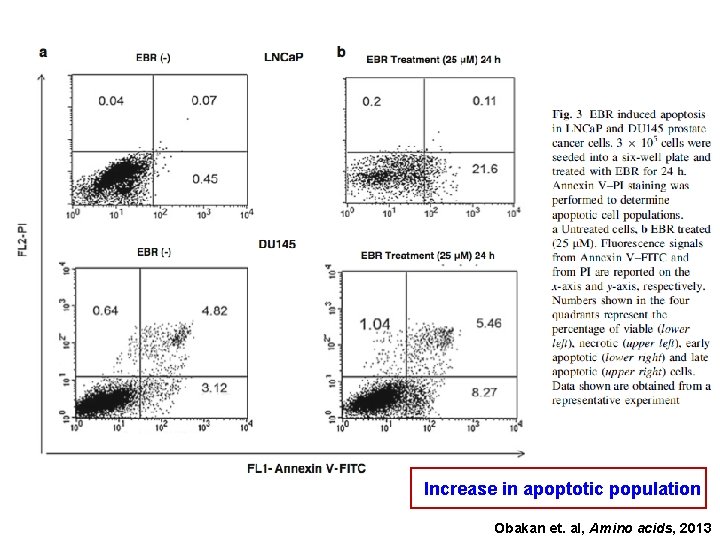
Increase in apoptotic population 15 Obakan et. al, Amino acids, 2013
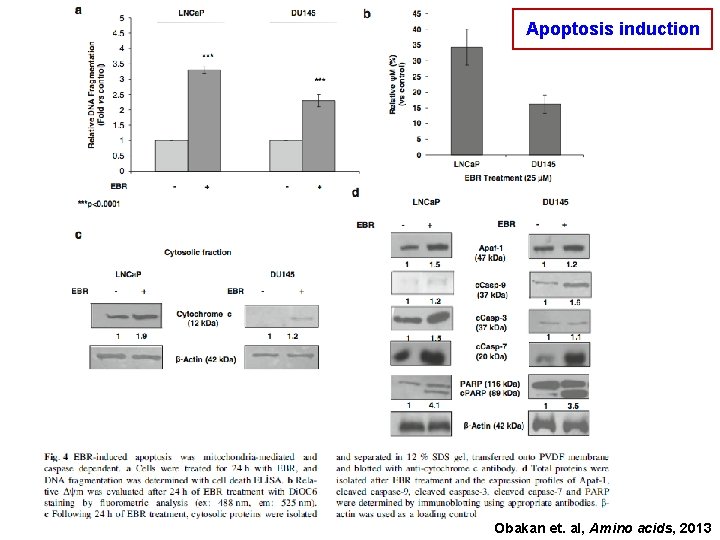
Apoptosis induction 16 Obakan et. al, Amino acids, 2013
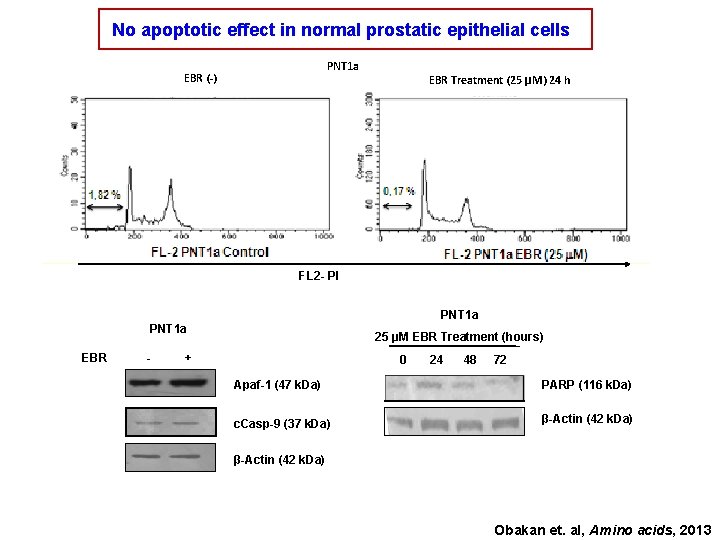
No apoptotic effect in normal prostatic epithelial cells PNT 1 a EBR (-) EBR Treatment (25 μM) 24 h FL 2 - PI PNT 1 a EBR - 25 μM EBR Treatment (hours) + 0 24 48 72 Apaf-1 (47 k. Da) PARP (116 k. Da) c. Casp-9 (37 k. Da) β-Actin (42 k. Da) Obakan et. al, Amino acids, 2013
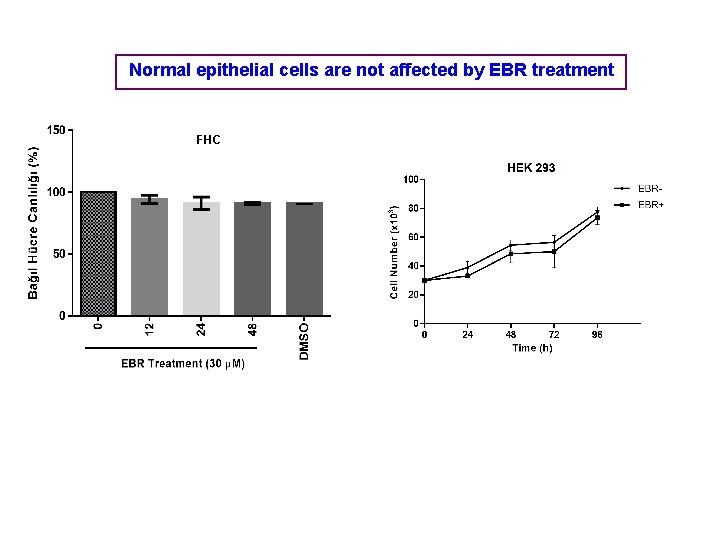
Normal epithelial cells are not affected by EBR treatment FHC
PC 3 prostate cancer cells and PC 3 p 53+ AR – p 53 - 19
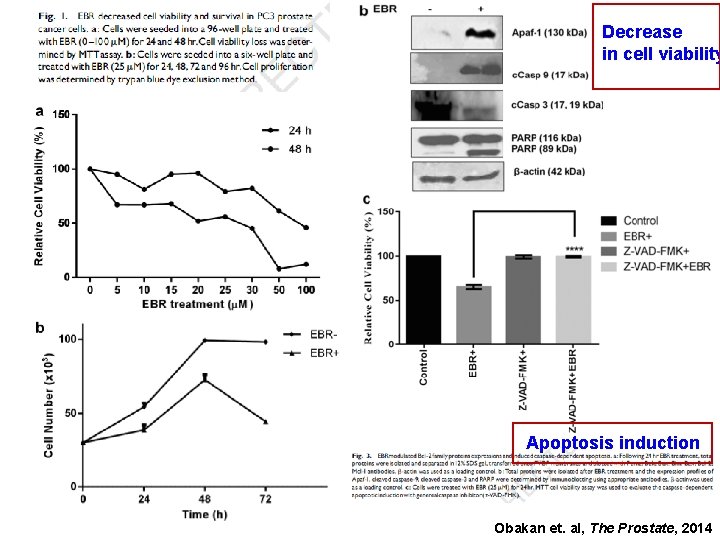
Decrease in cell viability Apoptosis induction 20 Obakan et. al, The Prostate, 2014
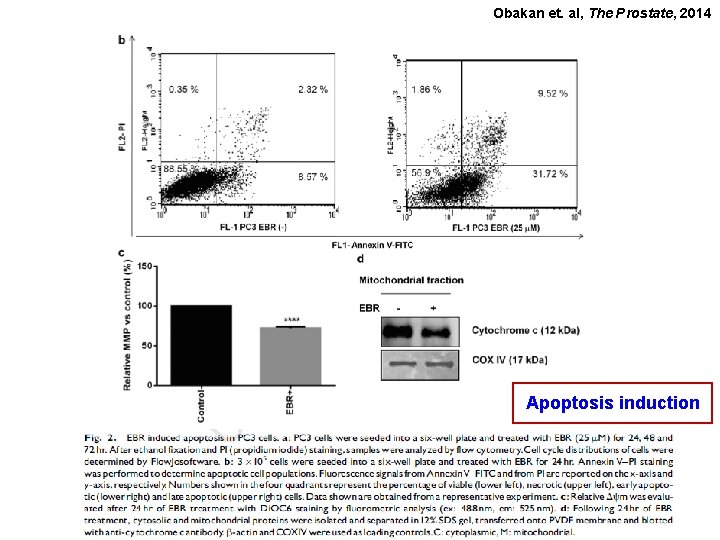
Obakan et. al, The Prostate, 2014 Apoptosis induction 21
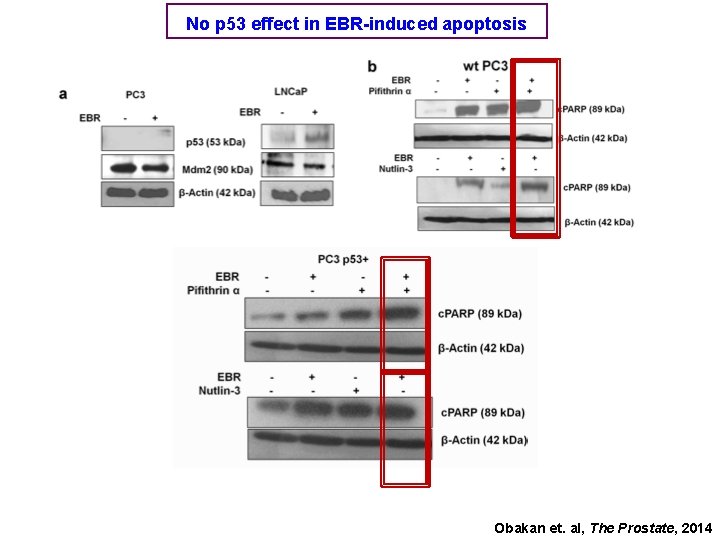
No p 53 effect in EBR-induced apoptosis 22 Obakan et. al, The Prostate, 2014
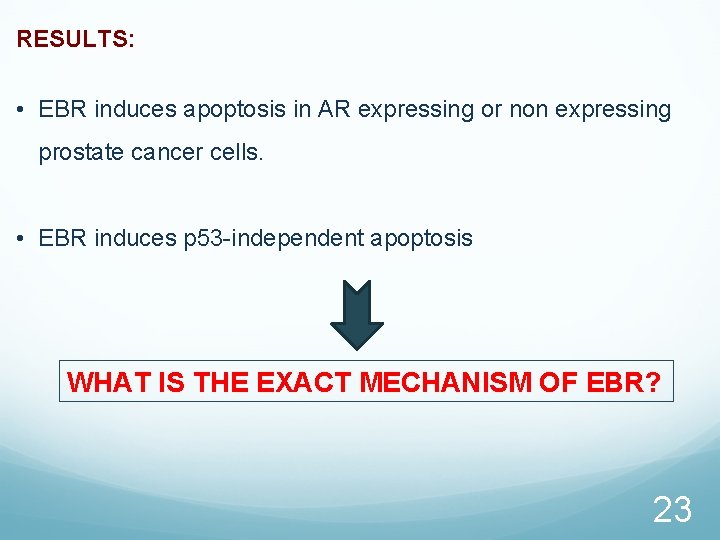
RESULTS: • EBR induces apoptosis in AR expressing or non expressing prostate cancer cells. • EBR induces p 53 -independent apoptosis WHAT IS THE EXACT MECHANISM OF EBR? 23
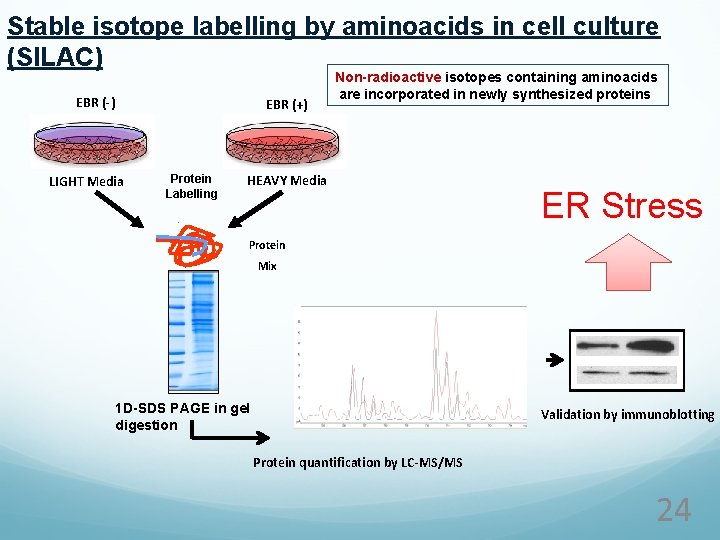
Stable isotope labelling by aminoacids in cell culture (SILAC) EBR (-) EBR (+) LIGHT Media Protein Labelling Non-radioactive isotopes containing aminoacids are incorporated in newly synthesized proteins HEAVY Media ER Stress Protein Mix 1 D-SDS PAGE in gel digestion Validation by immunoblotting Protein quantification by LC-MS/MS 24
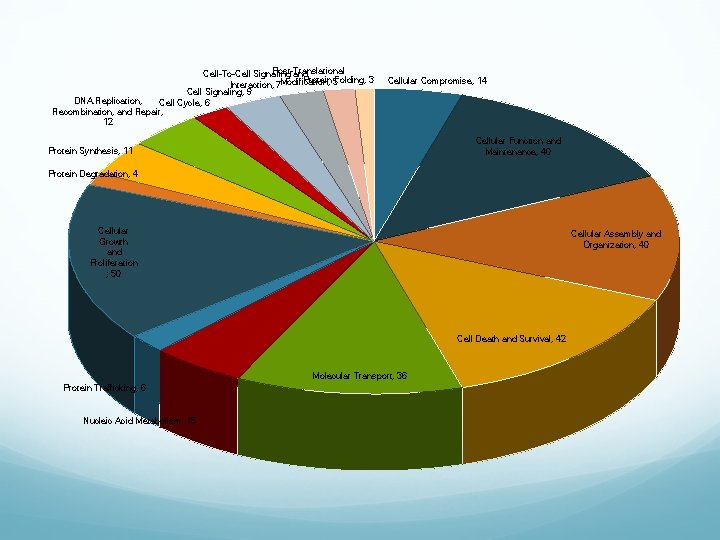
Post-Translational Cell-To-Cell Signaling and Protein Folding, 3 Interaction, 7 Modification, 5 Cell Signaling, 9 DNA Replication, Cell Cycle, 6 Recombination, and Repair, 12 Cellular Compromise, 14 Cellular Function and Maintenance, 40 Protein Synthesis, 11 Protein Degradation, 4 Cellular Growth and Proliferation ; 50 Cellular Assembly and Organization, 40 Cell Death and Survival, 42 Molecular Transport, 36 Protein Trafficking, 6 Nucleic Acid Metabolism, 15
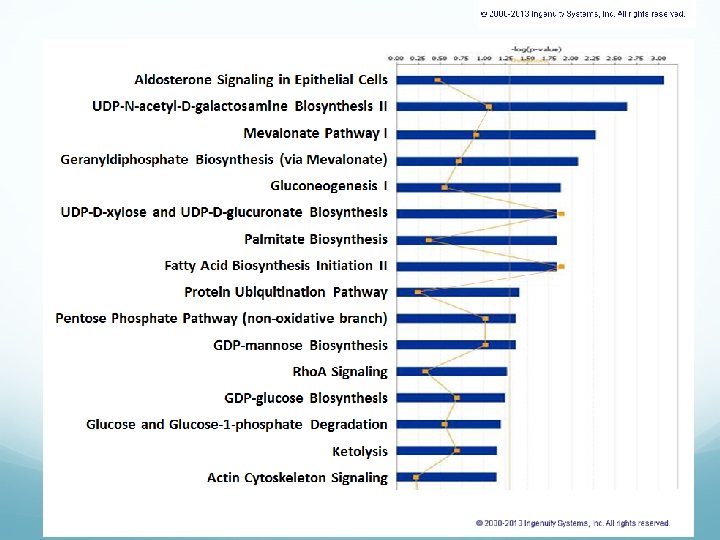
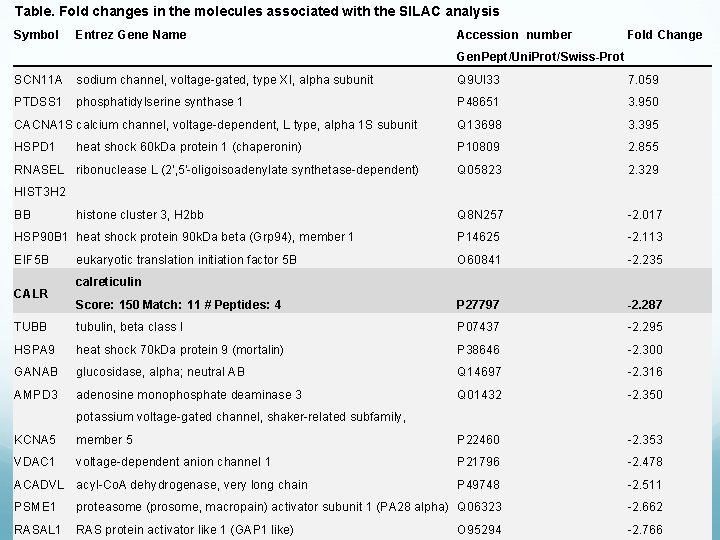
Table. Fold changes in the molecules associated with the SILAC analysis Symbol Entrez Gene Name Accession number Fold Change Gen. Pept/Uni. Prot/Swiss-Prot SCN 11 A sodium channel, voltage-gated, type XI, alpha subunit Q 9 UI 33 7. 059 PTDSS 1 phosphatidylserine synthase 1 P 48651 3. 950 CACNA 1 S calcium channel, voltage-dependent, L type, alpha 1 S subunit Q 13698 3. 395 HSPD 1 P 10809 2. 855 Q 05823 2. 329 Q 8 N 257 -2. 017 HSP 90 B 1 heat shock protein 90 k. Da beta (Grp 94), member 1 P 14625 -2. 113 EIF 5 B O 60841 -2. 235 Score: 150 Match: 11 # Peptides: 4 P 27797 -2. 287 TUBB tubulin, beta class I P 07437 -2. 295 HSPA 9 heat shock 70 k. Da protein 9 (mortalin) P 38646 -2. 300 GANAB glucosidase, alpha; neutral AB Q 14697 -2. 316 AMPD 3 adenosine monophosphate deaminase 3 Q 01432 -2. 350 heat shock 60 k. Da protein 1 (chaperonin) RNASEL ribonuclease L (2', 5'-oligoisoadenylate synthetase-dependent) HIST 3 H 2 BB CALR histone cluster 3, H 2 bb eukaryotic translation initiation factor 5 B calreticulin potassium voltage-gated channel, shaker-related subfamily, KCNA 5 member 5 P 22460 -2. 353 VDAC 1 voltage-dependent anion channel 1 P 21796 -2. 478 P 49748 -2. 511 PSME 1 proteasome (prosome, macropain) activator subunit 1 (PA 28 alpha) Q 06323 -2. 662 RASAL 1 RAS protein activator like 1 (GAP 1 like) -2. 766 ACADVL acyl-Co. A dehydrogenase, very long chain O 95294
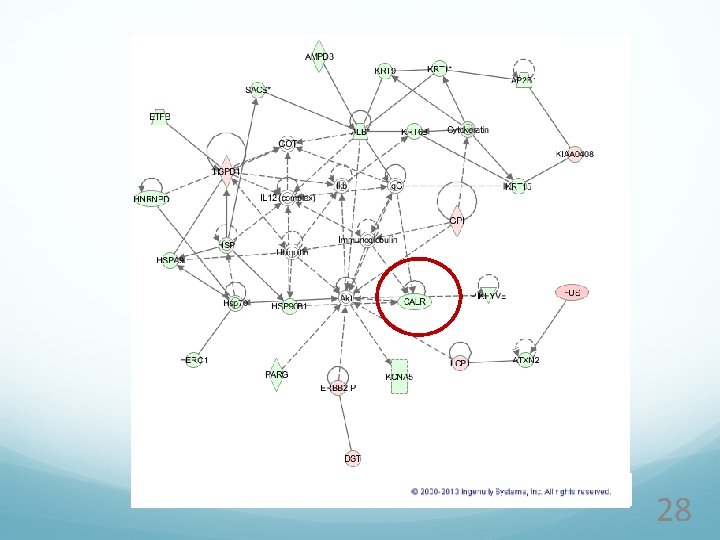
28
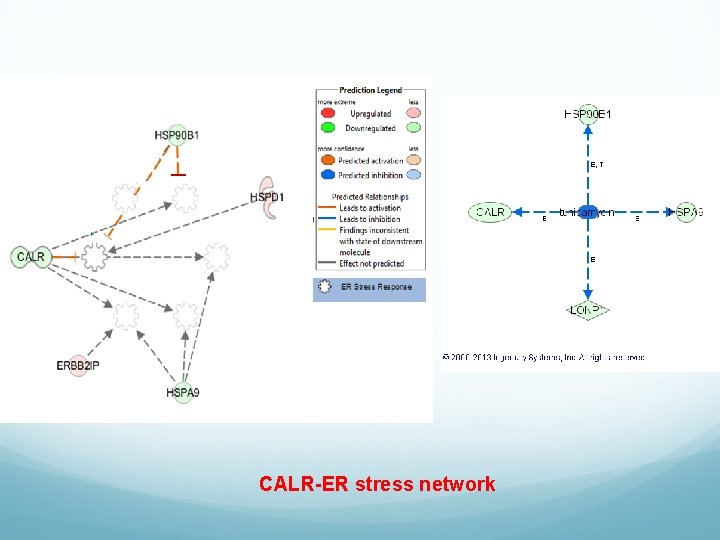
CALR-ER stress network
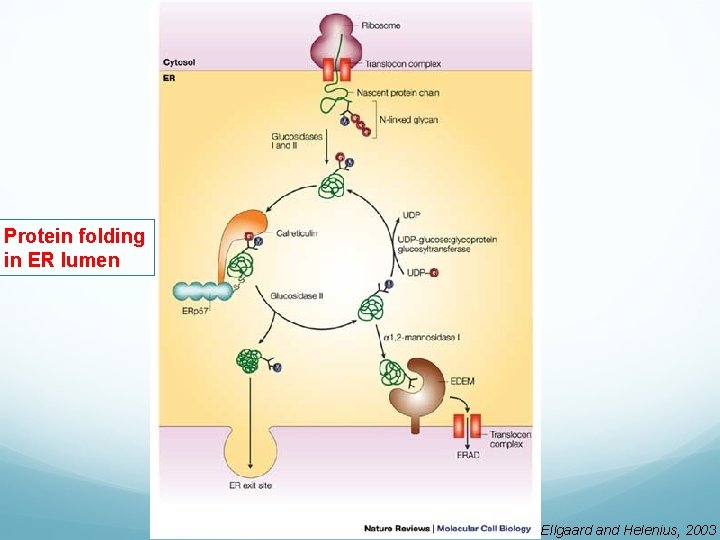
Protein folding in ER lumen Ellgaard and Helenius, 2003
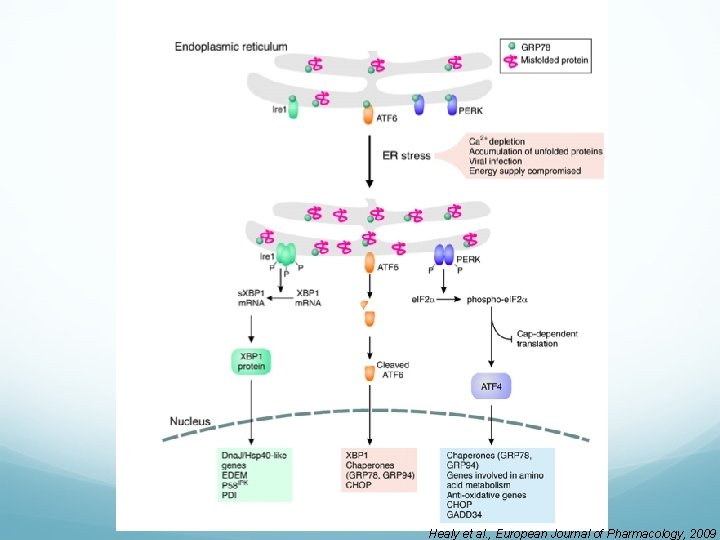
Healy et al. , European Journal of Pharmacology, 2009
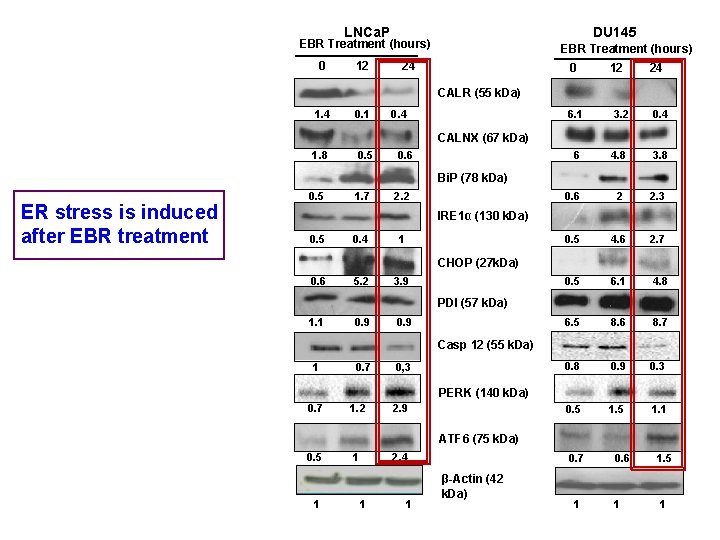
LNCa. P DU 145 EBR Treatment (hours) 0 12 EBR Treatment (hours) 24 0 12 24 CALR (55 k. Da) 1. 4 0. 1 0. 4 6. 1 3. 2 0. 4 6 4. 8 3. 8 0. 6 2 2. 3 0. 5 4. 6 2. 7 0. 5 6. 1 4. 8 6. 5 8. 6 8. 7 0. 8 0. 9 0. 3 0. 5 1. 1 CALNX (67 k. Da) 1. 8 0. 5 0. 6 Bi. P (78 k. Da) ER stress is induced after EBR treatment 0. 5 1. 7 2. 2 IRE 1α (130 k. Da) 0. 5 0. 4 1 CHOP (27 k. Da) 0. 6 5. 2 3. 9 PDI (57 k. Da) 1. 1 0. 9 Casp 12 (55 k. Da) 1 0. 7 0, 3 PERK (140 k. Da) 0. 7 1. 2 2. 9 ATF 6 (75 k. Da) 0. 5 1 1 2. 4 1 1 0. 7 β-Actin (42 k. Da) 1 0. 6 1. 5 1 1
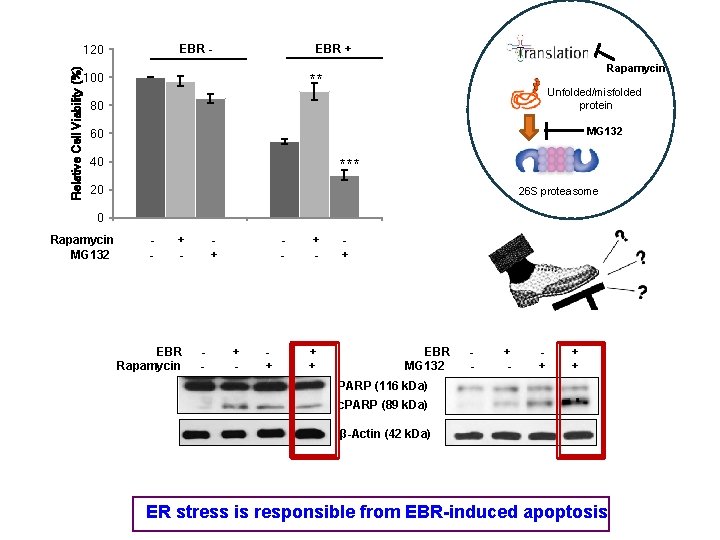
Relative Cell Viability (%) EBR + EBR - 120 100 Rapamycin ** Unfolded/misfolded protein 80 MG 132 60 40 *** 20 26 S proteasome 0 Rapamycin MG 132 - + - EBR Rapamycin + - - + + + EBR MG 132 - + + + PARP (116 k. Da) c. PARP (89 k. Da) β-Actin (42 k. Da) ER stress is responsible from EBR-induced apoptosis
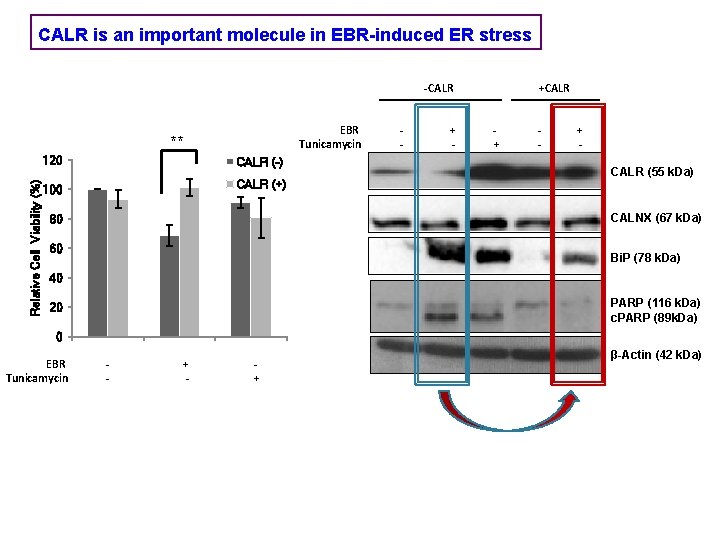
CALR is an important molecule in EBR-induced ER stress +CALR -CALR EBR Tunicamycin Relative Cell Viability (%) ** 120 CALR (-) 100 CALR (+) - + - + CALR (55 k. Da) CALNX (67 k. Da) 80 60 Bi. P (78 k. Da) 40 PARP (116 k. Da) c. PARP (89 k. Da) 20 0 EBR Tunicamycin - + β-Actin (42 k. Da)
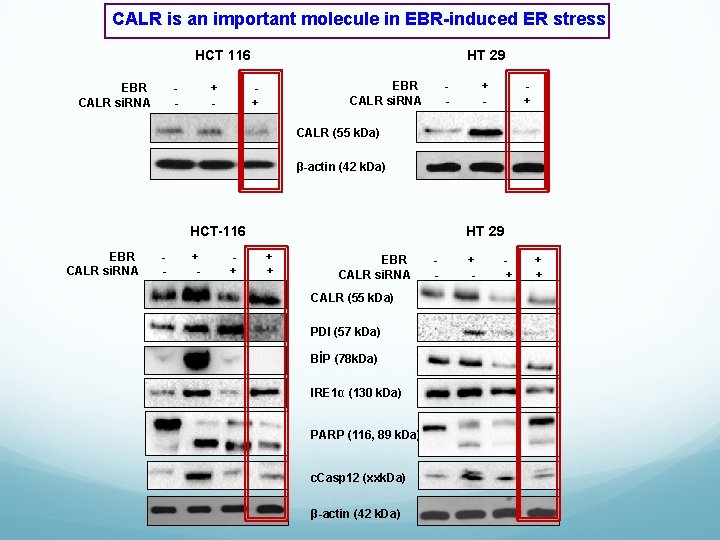
CALR is an important molecule in EBR-induced ER stress HCT 116 EBR CALR si. RNA - + - HT 29 EBR CALR si. RNA + - + CALR (55 k. Da) β-actin (42 k. Da) HCT-116 EBR CALR si. RNA - + HT 29 + + EBR CALR si. RNA CALR (55 k. Da) PDI (57 k. Da) BİP (78 k. Da) IRE 1α (130 k. Da) PARP (116, 89 k. Da) c. Casp 12 (xxk. Da) β-actin (42 k. Da) - + + +
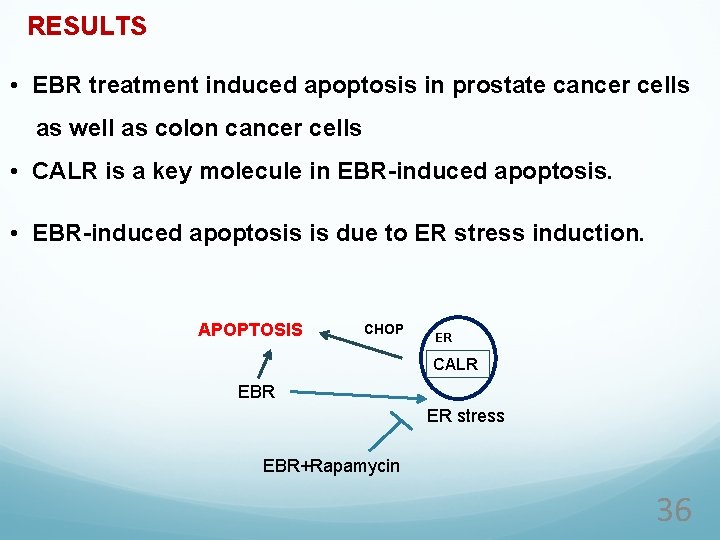
RESULTS • EBR treatment induced apoptosis in prostate cancer cells as well as colon cancer cells • CALR is a key molecule in EBR-induced apoptosis. • EBR-induced apoptosis is due to ER stress induction. APOPTOSIS CHOP ER CALR EBR ER stress EBR+Rapamycin 36
FUTURE WORK • Molecular targets of EBR in animal models ? (COST project: 115 Z 037) • The role of EBR in autophagy induction ? 37

Narçın Palavan-Ünsal Damla Arısan Ajda Çoker-Gürkan Pelin Özfiliz Özge Berrak Cagri Gumuskaptan Utku Ozbey Didem Baran Berna Somuncu Kaan Adacan Thank you. . . Project ♯: 113 Z 845 Open positions for Ph. D. Salim Merali Carlos Barrero Oscar Perez GENIE BM 1408 Project ♯: 115 Z 037
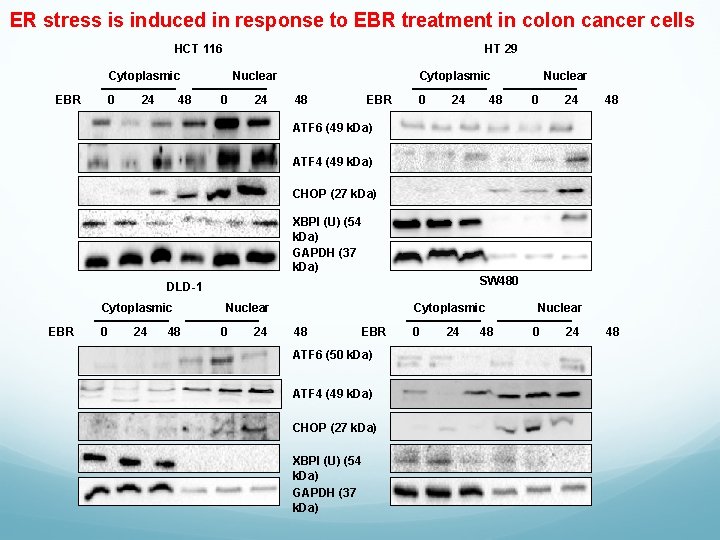
ER stress is induced in response to EBR treatment in colon cancer cells HCT 116 HT 29 Cytoplasmic EBR 0 24 48 Nuclear 0 24 Cytoplasmic 48 EBR 0 24 48 Nuclear 0 24 48 ATF 6 (49 k. Da) ATF 4 (49 k. Da) CHOP (27 k. Da) XBPI (U) (54 k. Da) GAPDH (37 k. Da) SW 480 DLD-1 Cytoplasmic EBR 0 24 48 Nuclear 0 24 Cytoplasmic 48 EBR ATF 6 (50 k. Da) ATF 4 (49 k. Da) CHOP (27 k. Da) XBPI (U) (54 k. Da) GAPDH (37 k. Da) 0 24 48 Nuclear 0 24 48
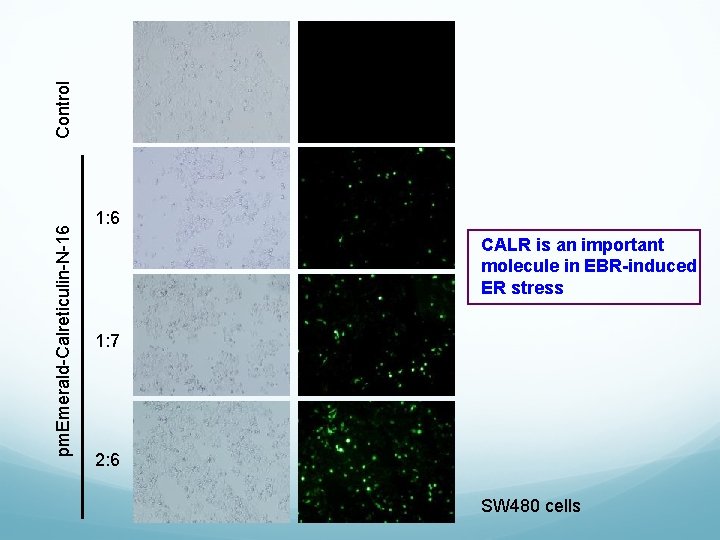
Control pm. Emerald-Calreticulin-N-16 1: 6 CALR is an important molecule in EBR-induced ER stress 1: 7 2: 6 SW 480 cells
- Slides: 40