
ENZYMES Enzyme Proteins that catalyze chemical reactions in
- Slides: 22
ENZYMES
Enzyme Proteins that catalyze chemical reactions in cells
Catalysts Chemicals that speed up chemical reactions but aren’t altered themselves (they can be reused)
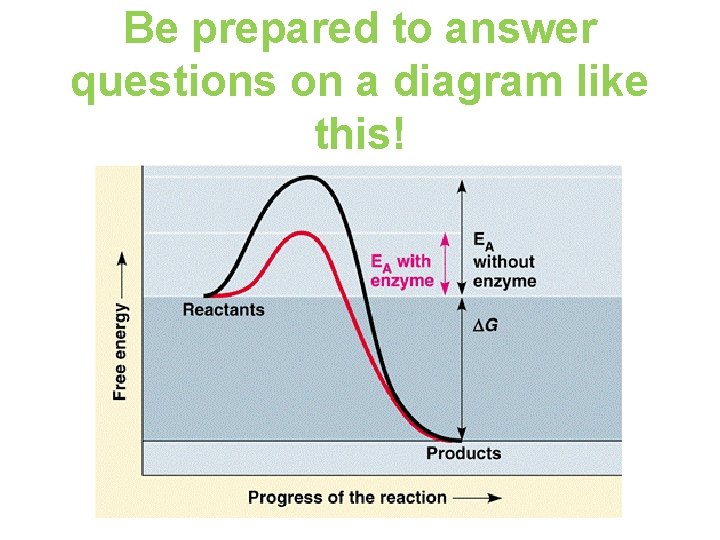
How Enzymes Work • Lower the activation energy (energy required to get a chemical reaction started)
For example: to burn a piece of paper (a chemical reaction) you have to add heat, then it continues to burn on its own
Enzymes can accelerate chemical reactions up to 10 billion times faster than would occur spontaneously
Enzymes cannot make chemical reactions occur that would not happen without them
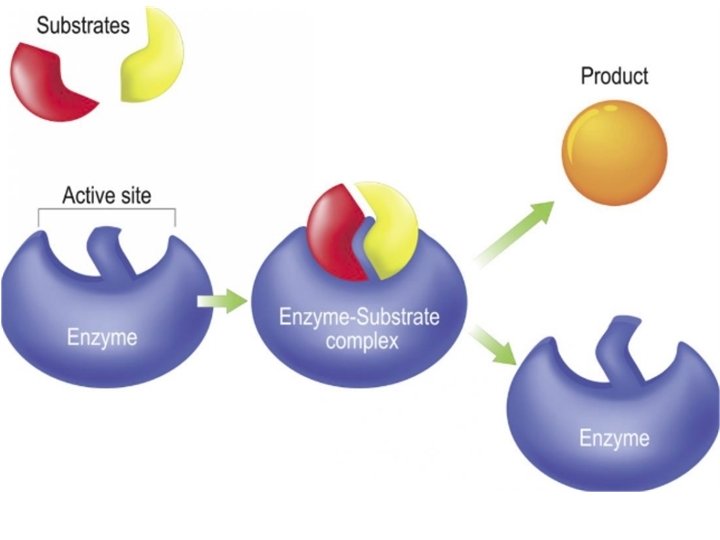
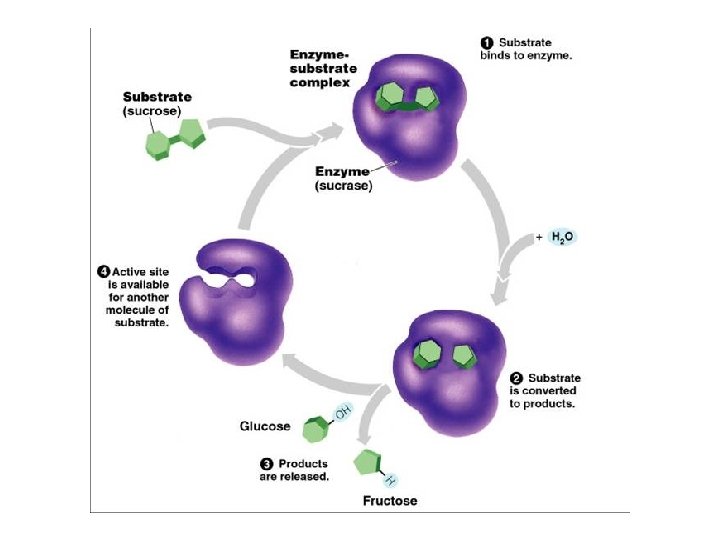
Be prepared to answer questions on a diagram like this!
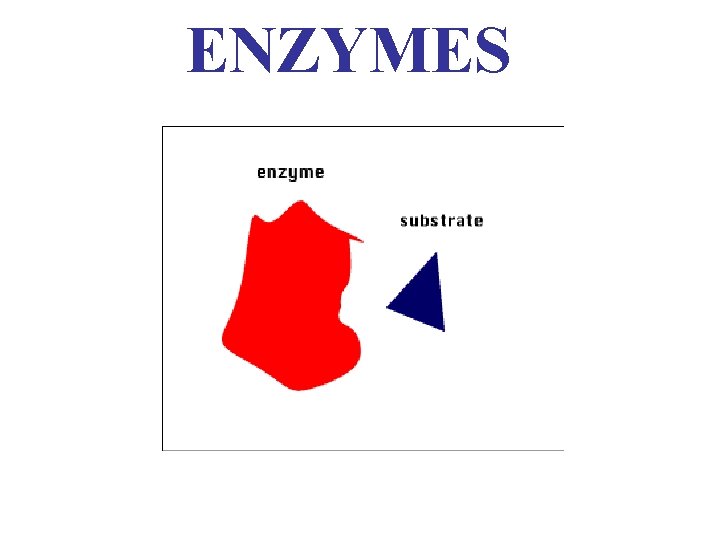
Substrates Molecules that are changed during the reaction catalyzed by the enzyme
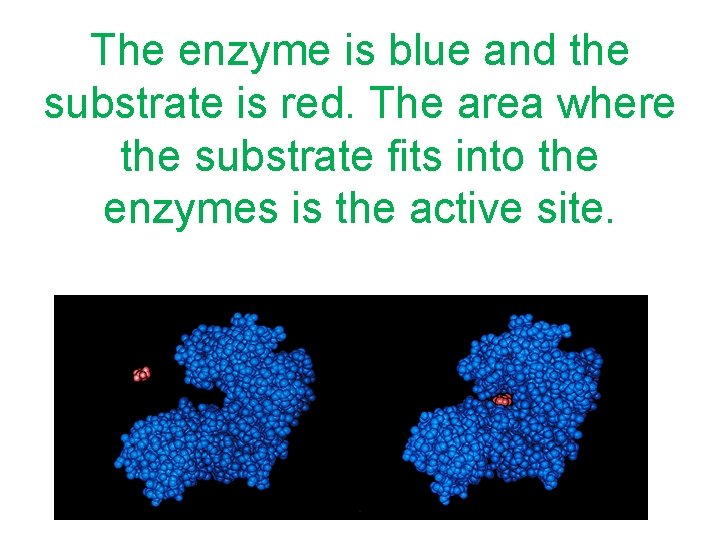
Active Site Area on the enzyme molecule where the substrate fits
ENZYMES HAVE SPECIFICITY Enzymes are specific for a particular type of substrate (they have to fit like a lock and key)
The enzyme is blue and the substrate is red. The area where the substrate fits into the enzymes is the active site.
Enzymes are named after their substrates with –ase added; for example, lactase is the enzyme that digests lactose
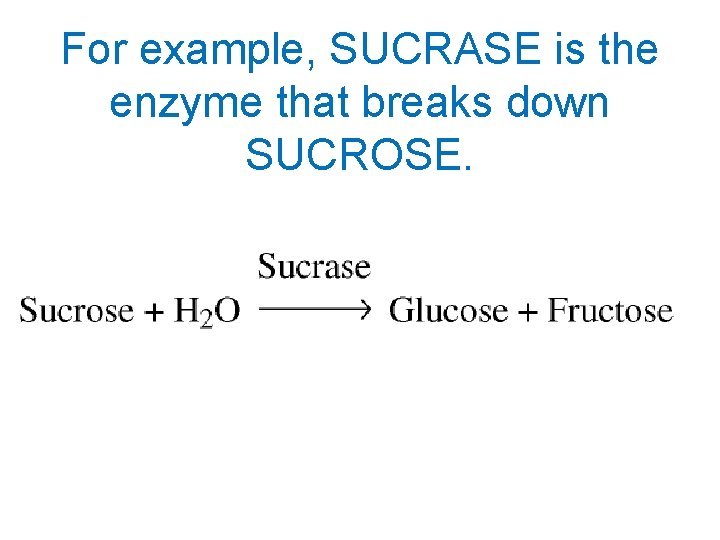
For example, SUCRASE is the enzyme that breaks down SUCROSE.
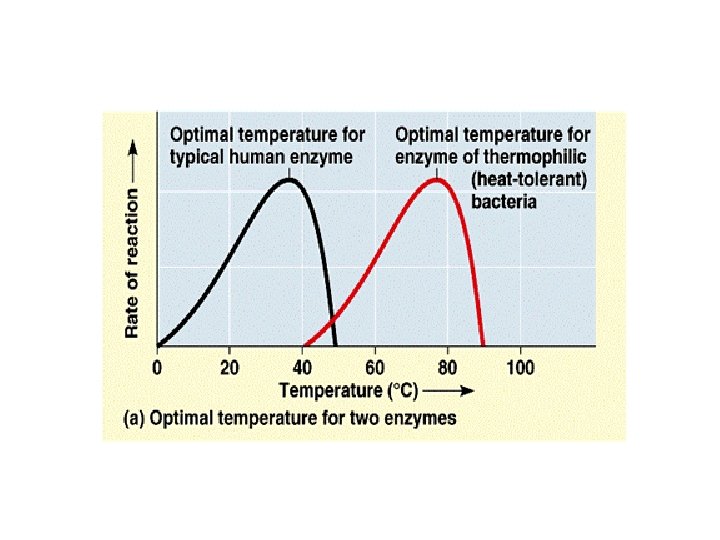
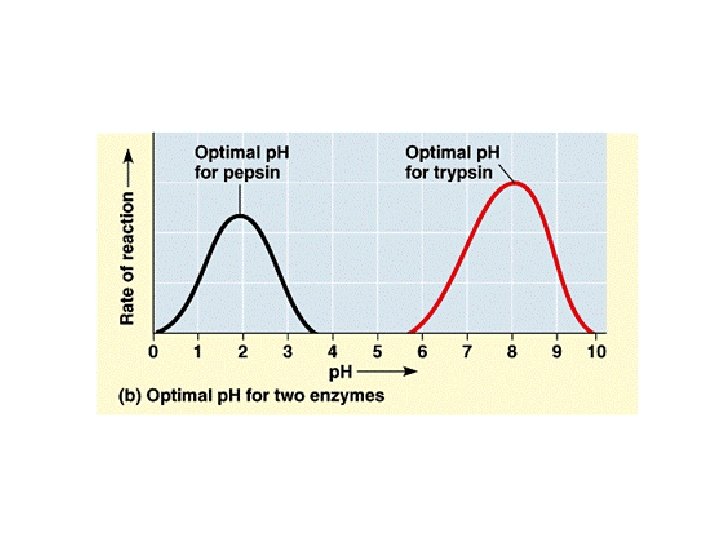
Enzymes are Affected By • p. H • Temperature • Concentration of enzyme • Concentration of substrate
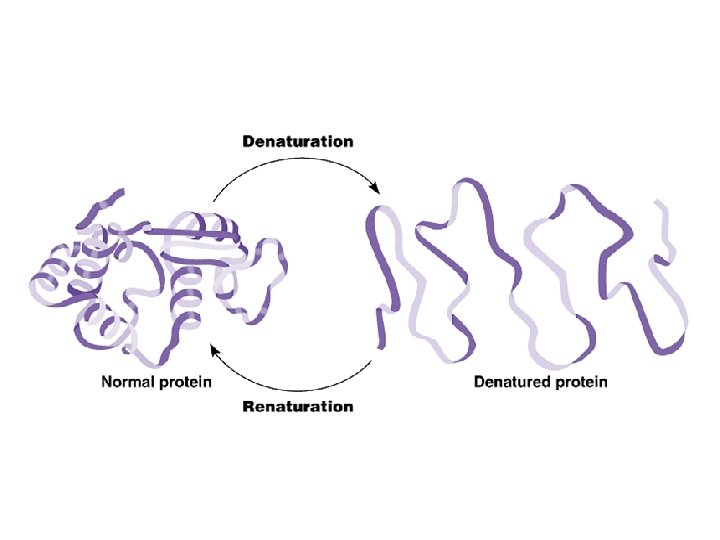
When an enzyme is denatured its shape is changed, so the substrate no longer fits into the active site
How do organisms maintain conditions for enzymes to work? Organisms have chemicals called buffers that regulate p. H so homeostasis (cell regulation) can be maintained.