
Enzymes and Digestion Let me break it down
Enzymes and Digestion Let me break it down for you
Learning Targets • The contraction of circular and longitudinal muscles of the small intestine mixes the food with enzymes and moves it along the gut. • The pancreas secretes enzymes into the lumen of the small intestine. • Enzymes digest most macromolecules in food into monomers in the small intestine.
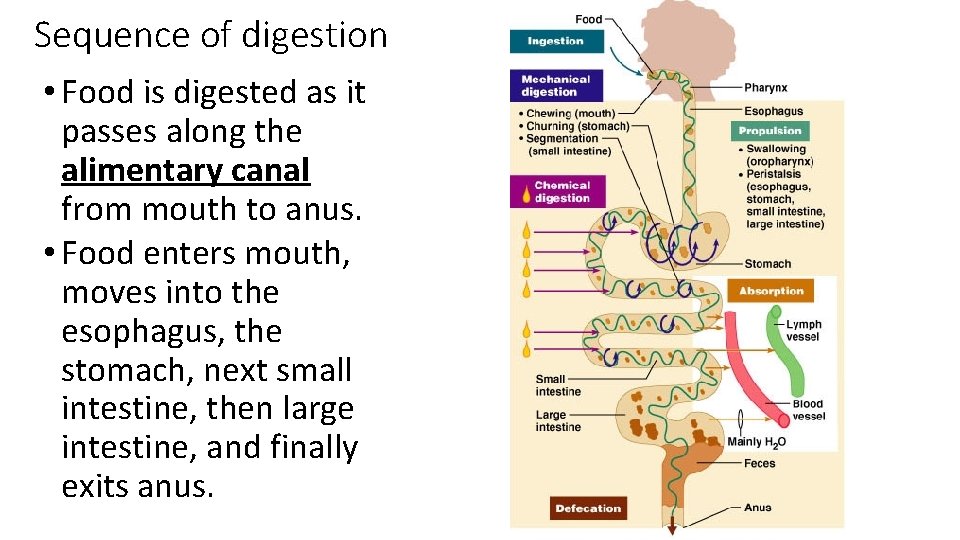
Sequence of digestion • Food is digested as it passes along the alimentary canal from mouth to anus. • Food enters mouth, moves into the esophagus, the stomach, next small intestine, then large intestine, and finally exits anus.
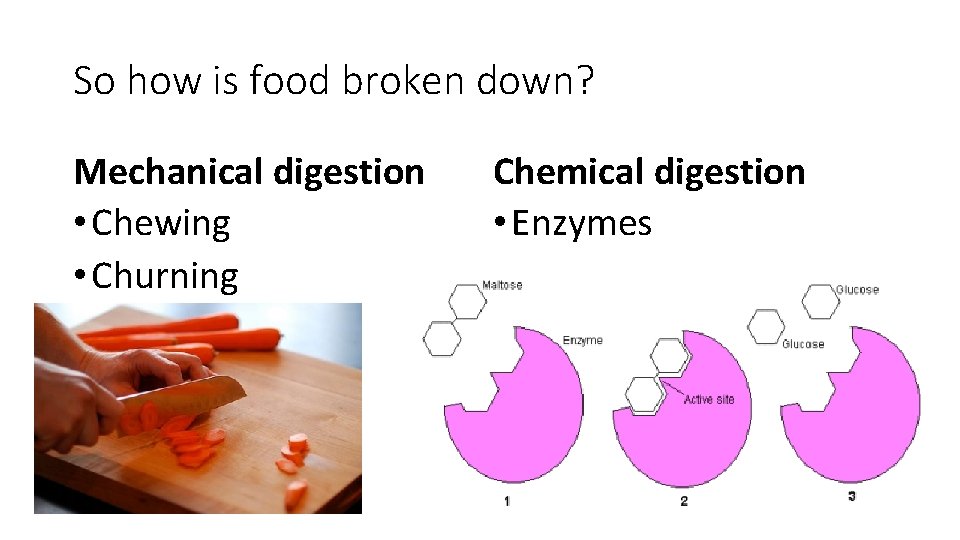
So how is food broken down? Mechanical digestion • Chewing • Churning Chemical digestion • Enzymes
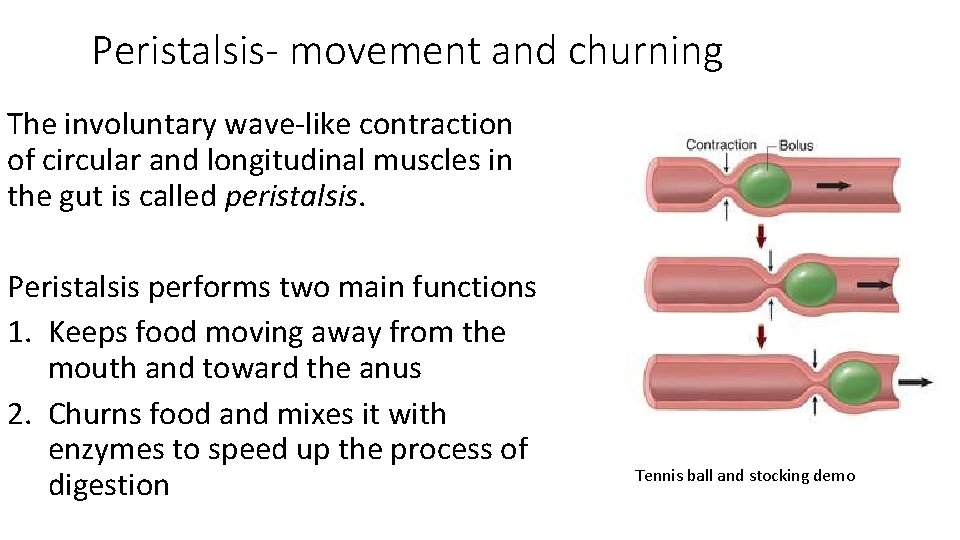
Peristalsis- movement and churning The involuntary wave-like contraction of circular and longitudinal muscles in the gut is called peristalsis. Peristalsis performs two main functions 1. Keeps food moving away from the mouth and toward the anus 2. Churns food and mixes it with enzymes to speed up the process of digestion Tennis ball and stocking demo
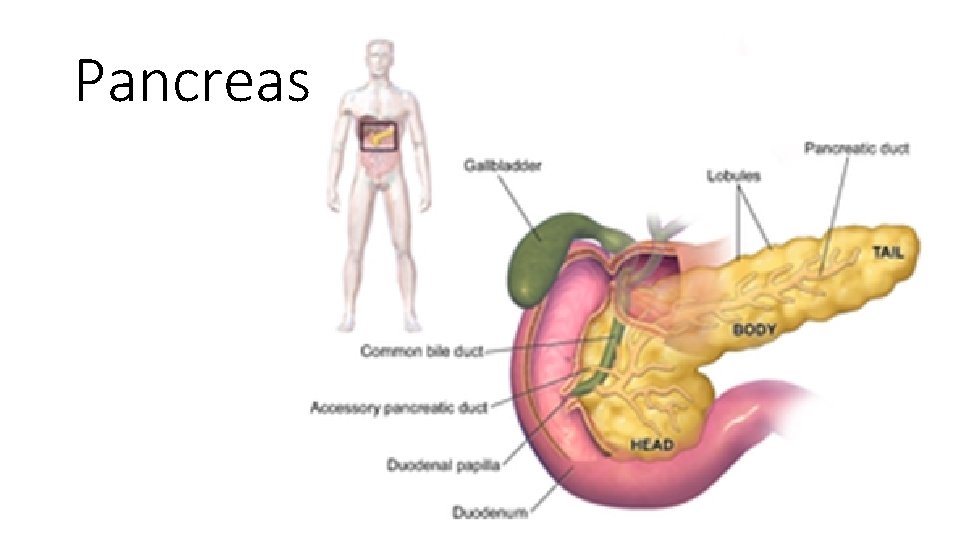
Pancreas
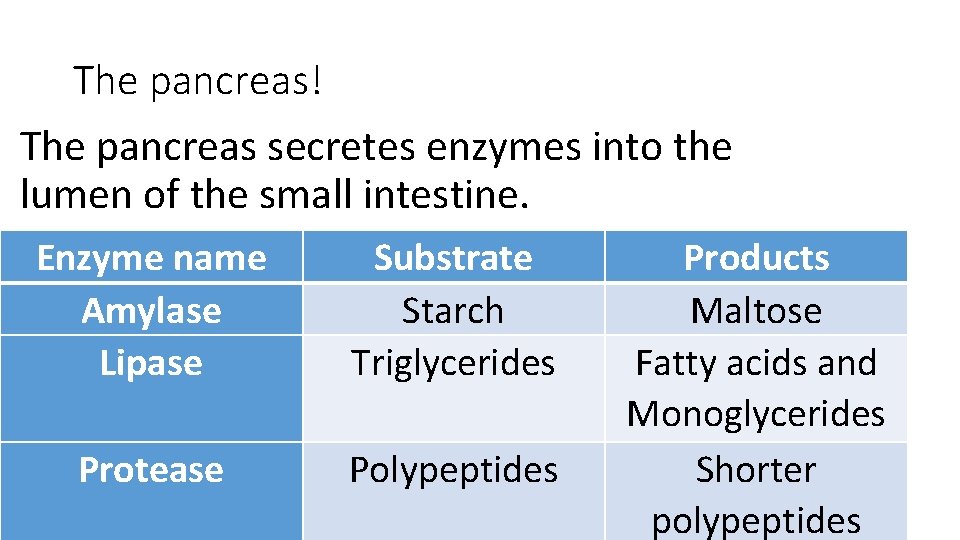
The pancreas! The pancreas secretes enzymes into the lumen of the small intestine. Enzyme name Amylase Lipase Substrate Starch Triglycerides Protease Polypeptides Products Maltose Fatty acids and Monoglycerides Shorter polypeptides
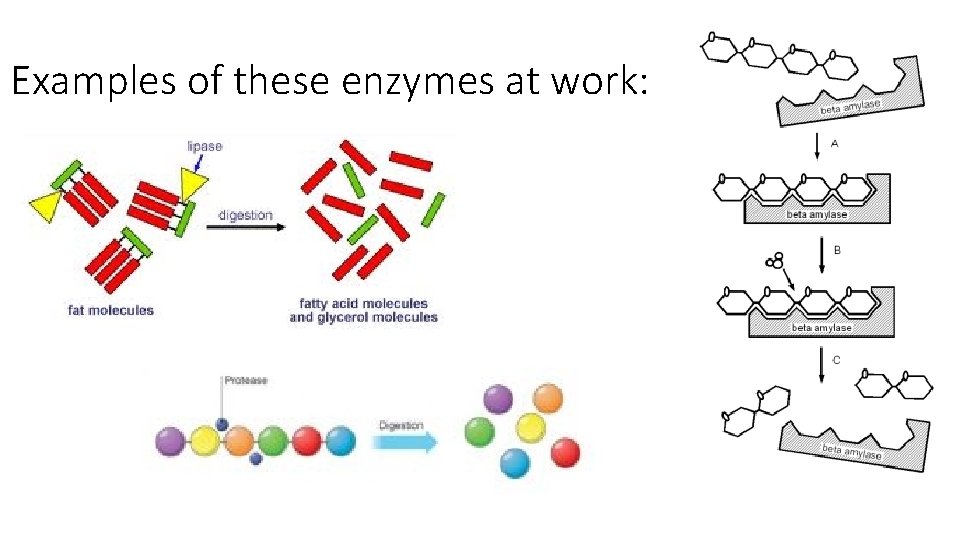
Examples of these enzymes at work:
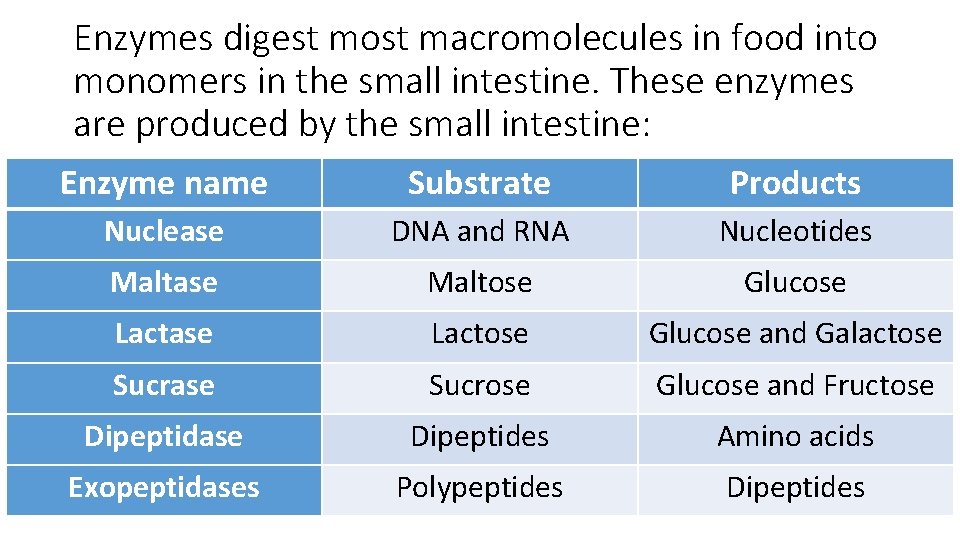
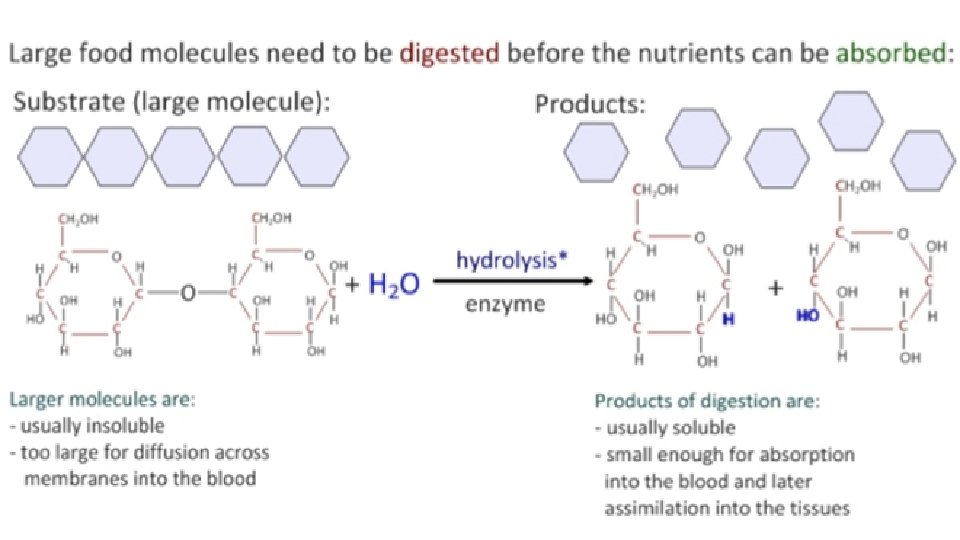
Enzymes digest most macromolecules in food into monomers in the small intestine. These enzymes are produced by the small intestine: Enzyme name Substrate Products Nuclease DNA and RNA Nucleotides Maltase Maltose Glucose Lactase Lactose Glucose and Galactose Sucrase Sucrose Glucose and Fructose Dipeptidase Dipeptides Amino acids Exopeptidases Polypeptides Dipeptides
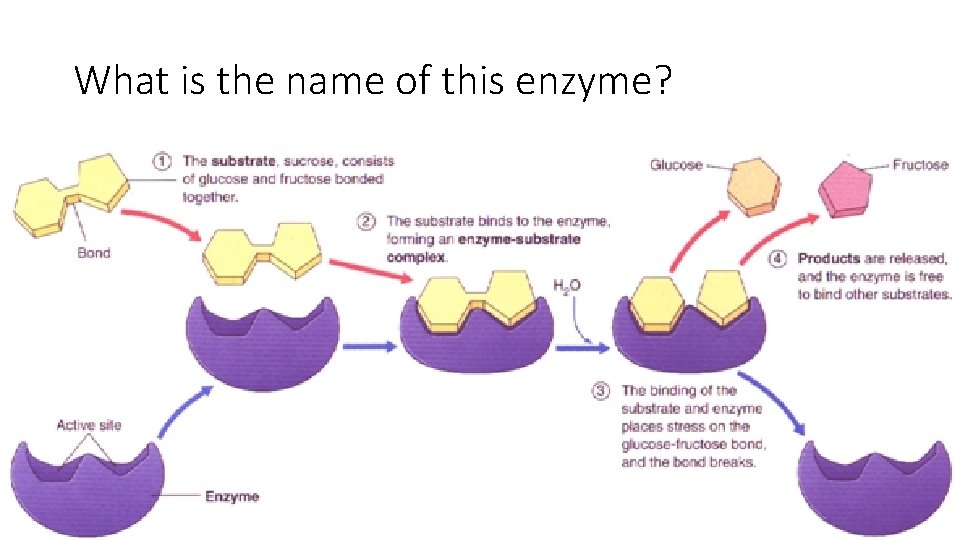
What is the name of this enzyme?
- Slides: 11