
Environmental Health Chapter 24 Environmental Health Planet supplies
- Slides: 25
Environmental Health Chapter 24
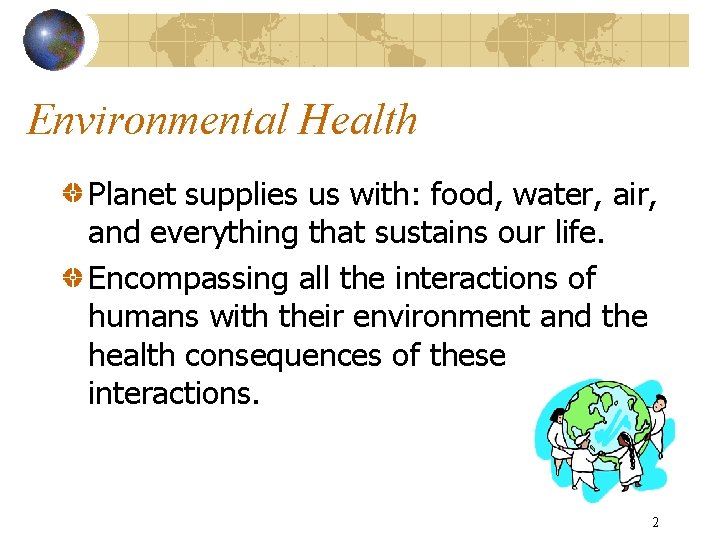
Environmental Health Planet supplies us with: food, water, air, and everything that sustains our life. Encompassing all the interactions of humans with their environment and the health consequences of these interactions. 2
Classic Environmental Health Concern Grew out of the efforts to control communicable diseases. Pathogens which can be transferred via sewage, drinking water and food. U. S. has a complex health system devoted to control such health issues. 3
Clean Water Contamination and Treatment. Fluoridation Water-treatment plants Water shortages 4
Protecting the Water Supply Shower Sink faucet aerators Fix leaky faucets Use organic versus chemical fertilizers Don’t pour toxins down the drain Gardening issues 5
Waste Disposal Humans generate large amounts of waste. Sewage • Septic system • Heavy metal • Polychlorinated biphenyls (PCBs) Solid waste • Garbage • Sanitary landfill 6
Waste Disposal What You Can Do to Reduce Garbage Products with least amount of packaging Products made of recycled paper or recyclable products Avoid using foam or paper cups Store food in glass jars and reusable plastic containers Recycle newspapers, glass, cans, paper, and any other recyclables Start a compost pile Stop junk mail 7
Food Inspection Pure Food and Drug Act of 1906 U. S. Department of Agriculture (USDA) U. S. Food and Drug Administration (FDA) Overall the food distribution in the U. S. is safe and efficient. 8
Insect and Rodent Control Great number of illnesses are associated with animal and insect contact. Encephalitis Lyme Disease Rocky Mountain spotted fever Bubonic plague West Nile virus 9
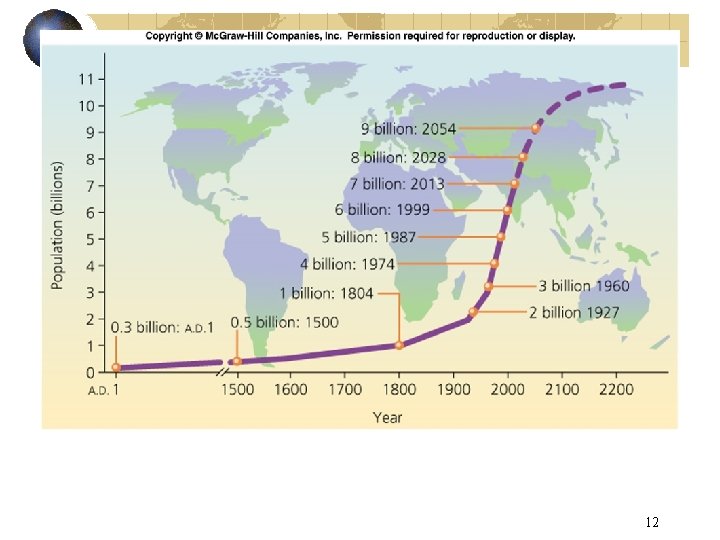
Population Growth World’s population currently estimated at 6. 1 billion Increasing by 78 million per year To exceed 9 billion by 2050 How Many People Can the World Hold? Food Available land water Energy Minimum acceptable standard of living 10
World Population Factors That Contribute to Population Growth High fertility rates Lack of family planning resources Lower death rates Population 11
12
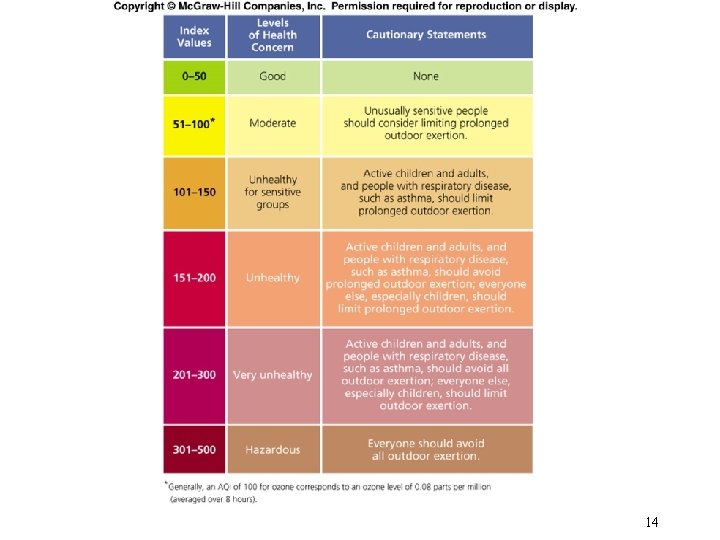
Pollution Air pollution Air quality and smog Air quality index (AQI) • Carbon monoxide • Sulfur dioxide • Nitrogen dioxide • Particulate matter (PM) • Ground-level ozone 13
14
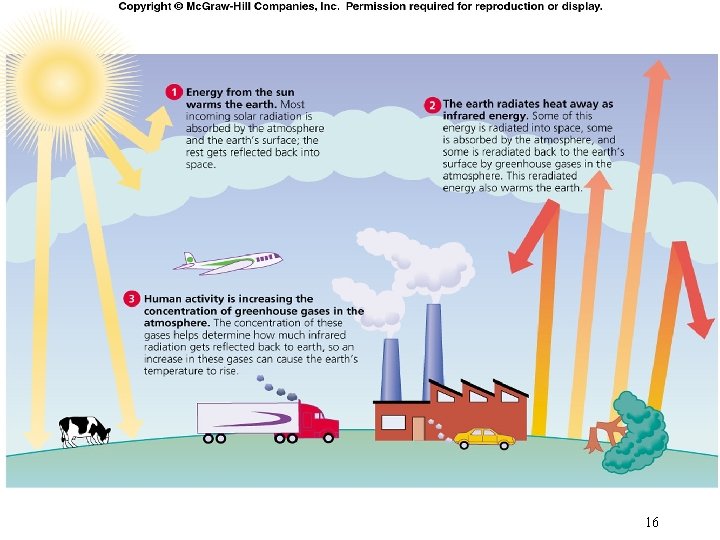
The Greenhouse Effect and Global Warming Consequences Increased rainfall and flooding or drought. Increased mortality from heat stress. A poleward shift of about 50 -350 miles Thinning of the Ozone Layer Chlorofluorocarbons (CFCs) Acid precipitation Energy Use and Air Pollution 15
16
Indoor Air Pollution Environmental tobacco smoke (ETS) Carbon monoxide and other combustion by-products Formaldehyde gas Biological pollutants 17
What You Can Do To Prevent Air Pollution Cut back on driving Keep your car tuned up Buy energy-efficient appliances Replace incandescent bulbs Homes well insulated Plant trees and shrubs Proper disposal of ozone-depleting appliances Keep house well ventilated Don’t smoke Clean and inspect chimneys, furnaces and other 18 appliances
Chemical Pollution Asbestos Lead Pesticides Biomagnification Mercury What You Can Do to Prevent Chemical Pollution Read labels of products purchased Proper disposal of house hold products Buy organic produce Lock-up pesticides Use licensed exterminators 19
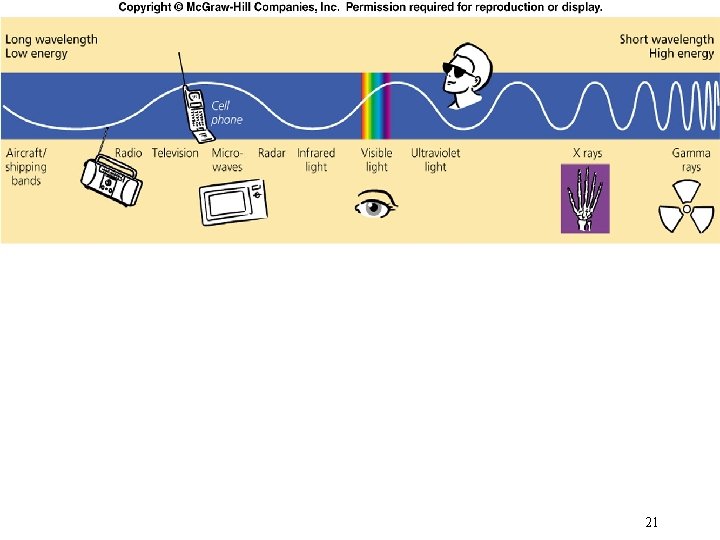
Radiation Nuclear Weapons and Nuclear Energy Medical Uses of Radiation in the Home and Workplace Radon What You Can Do to Prevent Chemical Pollution Only get X rays if really needed Check local and state health department about radon Find out if there are radioactive sites in your area 20
21
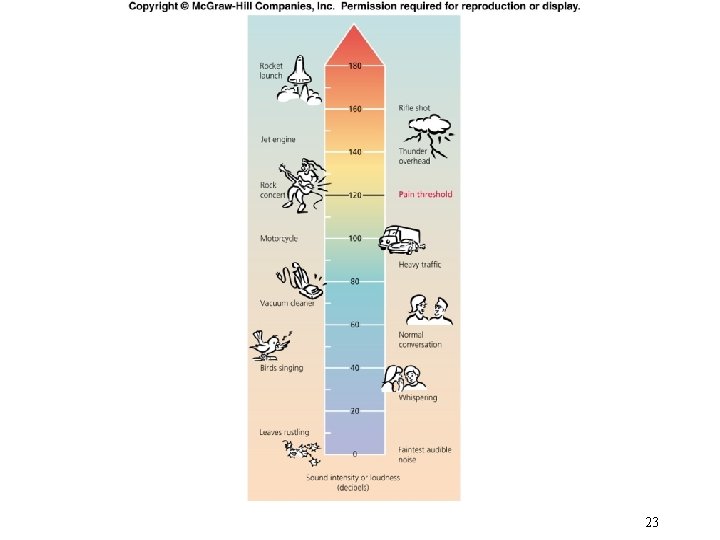
Noise Pollution Decibels Sounds above 80 -85 Two common sources of excessive noise • Workplace • Large gatherings of people at a concert or sporting event The Occupational Safety and Health Administrations (OSHA) standards What You Can Do to Prevent Chemical Pollution Wear protectors Listen to music on a headset with a volume at or below 4 Avoid loud music Avoid exposure to painfully loud sounds 80 + decibels 22
23
Healing the Environment • Share what you learn about environmental issues with your family and friends • Join, support, or volunteer with organizations working on environmental causes that are important to you • Contact your elected representatives and communicate your concerns 24
Thank You! 25