
ENTRY TASK 11 4 14 Start a new



- Slides: 59
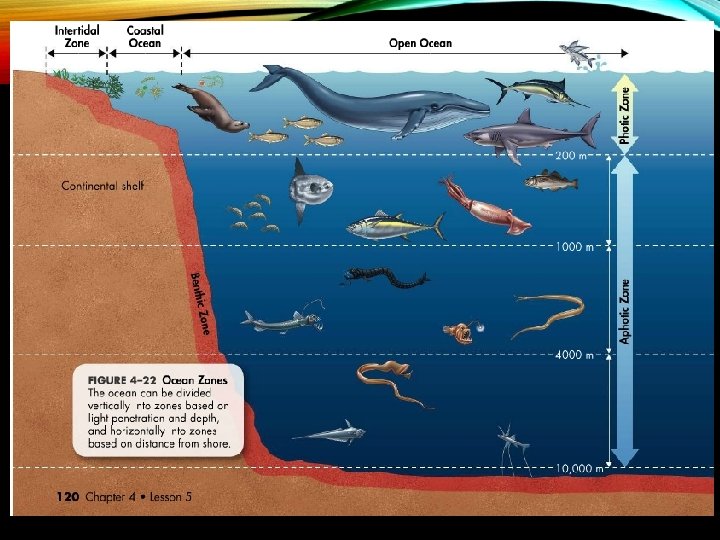
ENTRY TASK 11 -4 -14 Start a new entry task page for the PLANKTON unit (substitute teacher, did not show this day) Q: What is the difference between planktonic and benthonic organisms? A: Objective: Ocean zones
PLAN OF THE DAY • Start Poster on Ocean Zones • https: //www. youtube. com/watch? v=8101 v. Cj. M 7 n. Y
OCEAN ZONES POSTER • Join another person in the room (find someone different than your team members for the barnacle lab) • Decide on who will do which parts of the poster • Include the different zones, and a short explanation for each zone
ENTRY TASK 11 -5 -14 Start a new entry task page for the PLANKTON unit Q: What is the difference between planktonic and benthonic organisms? A: Objective: Ocean zones
PLAN OF THE DAY • Finish Poster on Ocean Zones • https: //www. youtube. com/watch? v=8101 v. Cj. M 7 n. Y
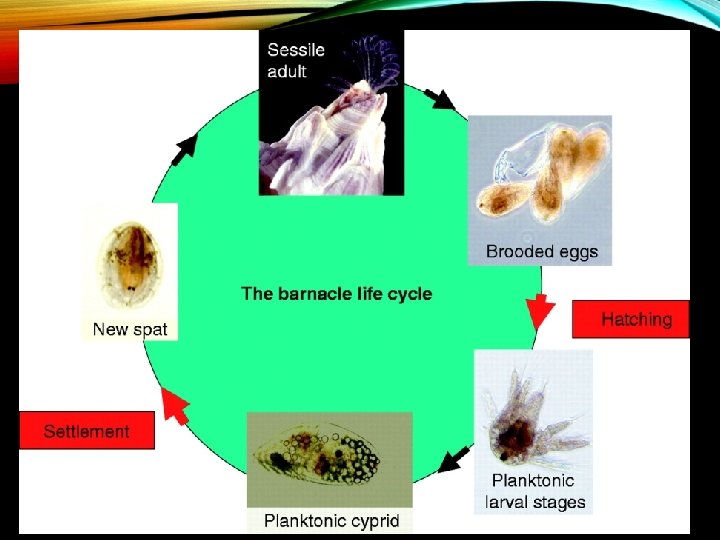
ENTRY TASK 11 -6 -14 2 nd entry task and objective for Plankton Unit Q: How would you classify a barnacle? Benthonic, planktonic, or nektonic? A: Objective: Different types of planktonic organisms
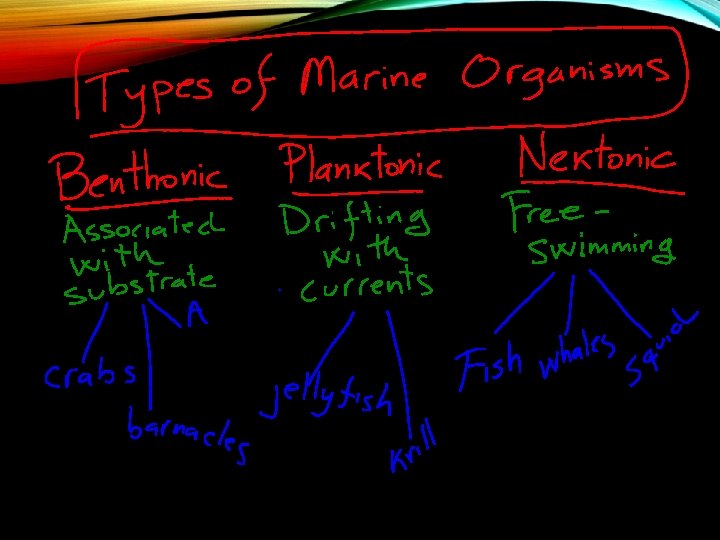
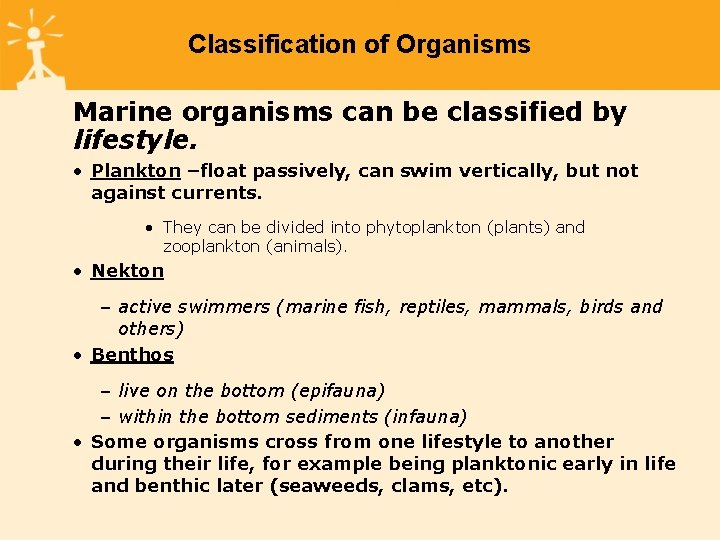
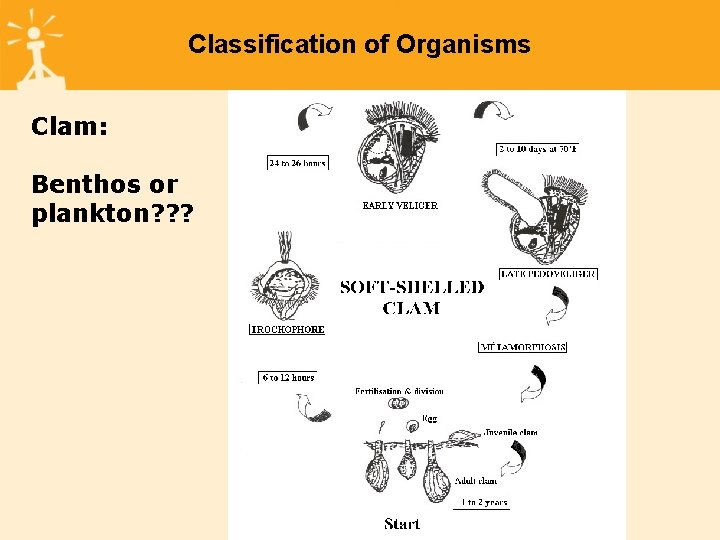
Classification of Organisms Marine organisms can be classified by lifestyle. • Plankton –float passively, can swim vertically, but not against currents. • They can be divided into phytoplankton (plants) and zooplankton (animals). • Nekton – active swimmers (marine fish, reptiles, mammals, birds and others) • Benthos – live on the bottom (epifauna) – within the bottom sediments (infauna) • Some organisms cross from one lifestyle to another during their life, for example being planktonic early in life and benthic later (seaweeds, clams, etc).
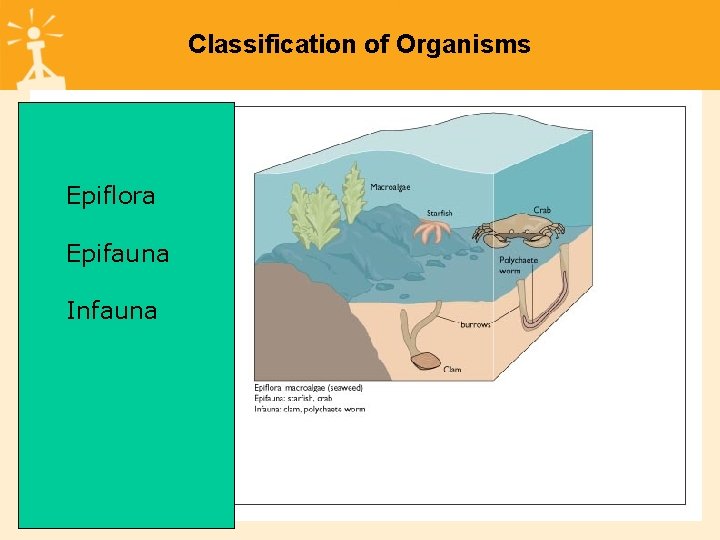
Classification of Organisms Epiflora Epifauna Infauna
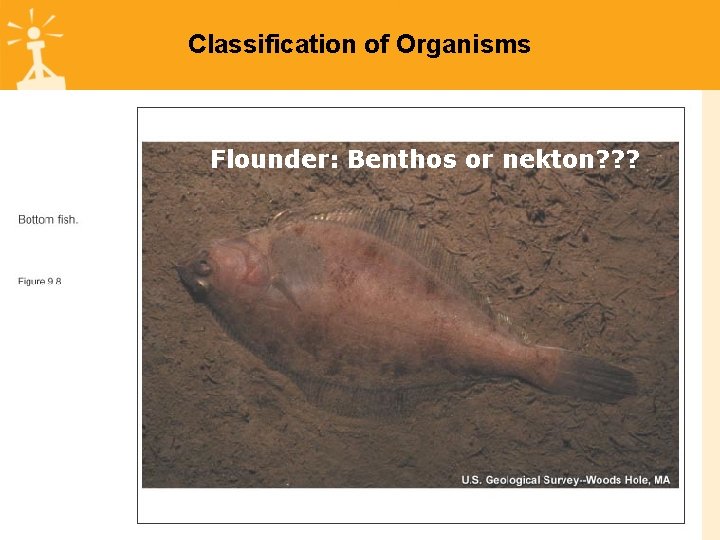
Classification of Organisms Flounder: Benthos or nekton? ? ?
Classification of Organisms Clam: Benthos or plankton? ? ?
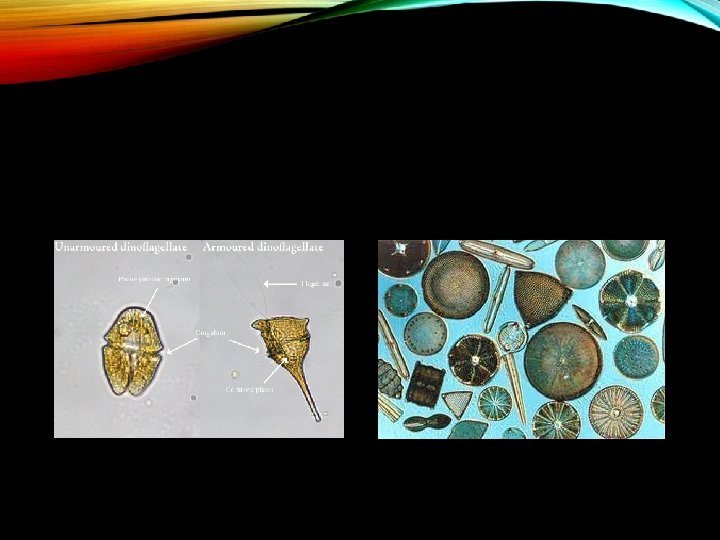
• Plankton can be classify into two main groups: –Phytoplankton (plant plankton) • Microscopic algae • Bacteria • Dinoflagellates –Zooplankton (animal plankton)
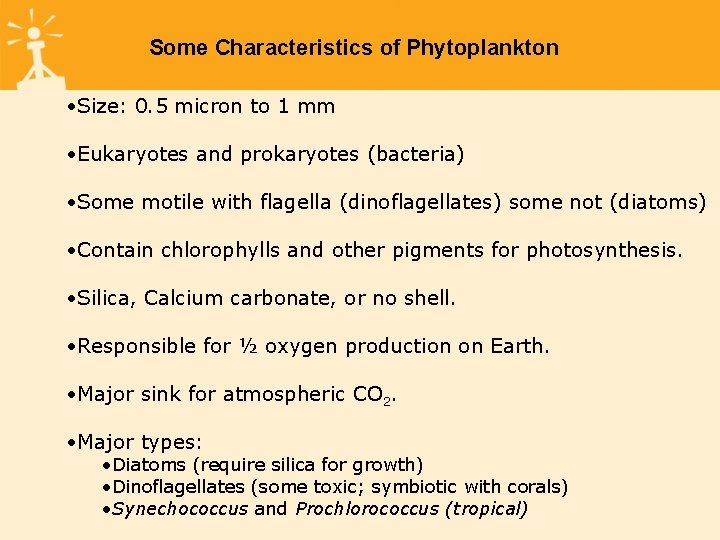
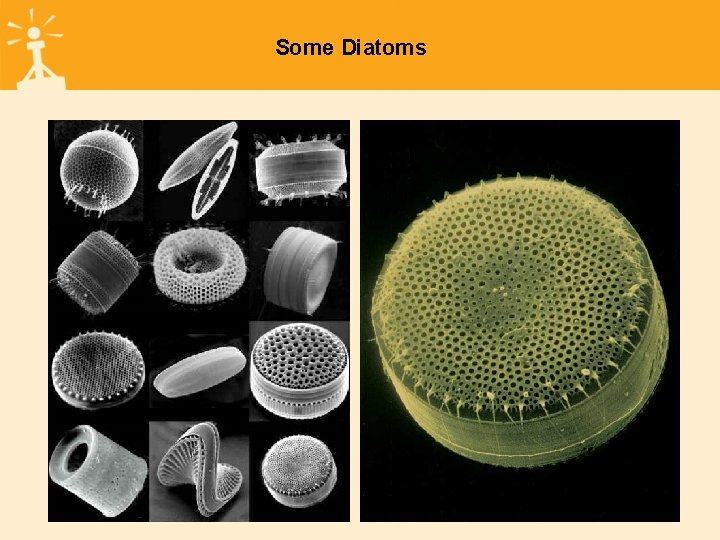
Some Characteristics of Phytoplankton • Size: 0. 5 micron to 1 mm • Eukaryotes and prokaryotes (bacteria) • Some motile with flagella (dinoflagellates) some not (diatoms) • Contain chlorophylls and other pigments for photosynthesis. • Silica, Calcium carbonate, or no shell. • Responsible for ½ oxygen production on Earth. • Major sink for atmospheric CO 2. • Major types: • Diatoms (require silica for growth) • Dinoflagellates (some toxic; symbiotic with corals) • Synechococcus and Prochlorococcus (tropical)
Some Diatoms
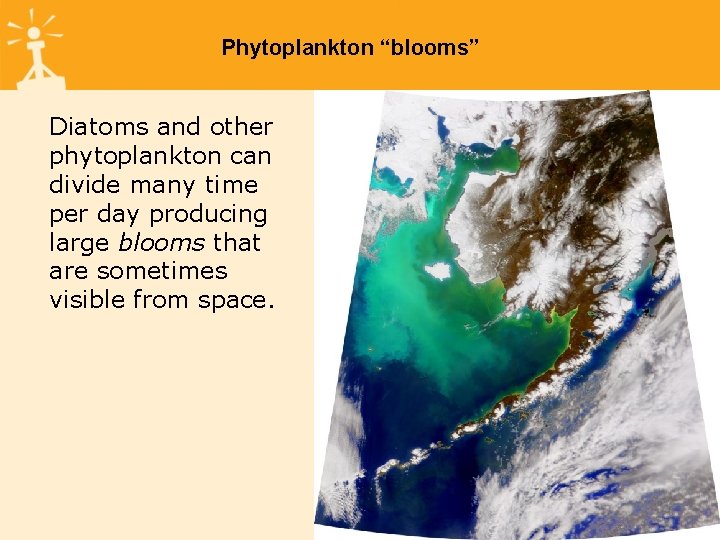
Phytoplankton “blooms” Diatoms and other phytoplankton can divide many time per day producing large blooms that are sometimes visible from space.
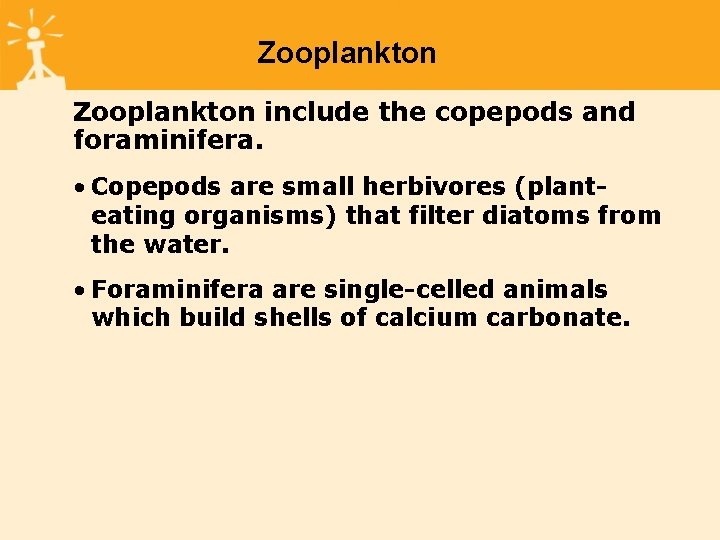
Zooplankton include the copepods and foraminifera. • Copepods are small herbivores (planteating organisms) that filter diatoms from the water. • Foraminifera are single-celled animals which build shells of calcium carbonate.
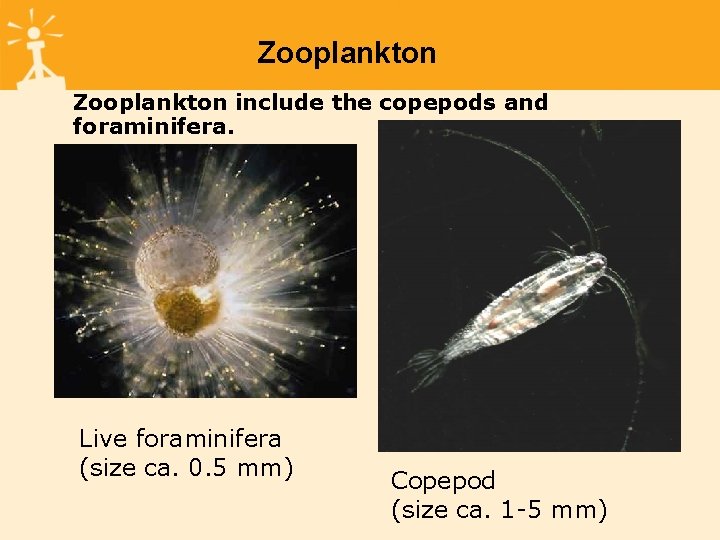
Zooplankton include the copepods and foraminifera. Live foraminifera (size ca. 0. 5 mm) Copepod (size ca. 1 -5 mm)
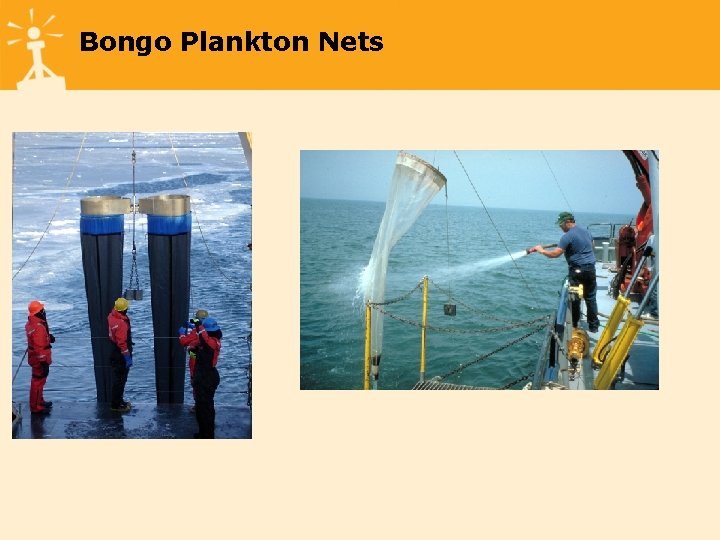
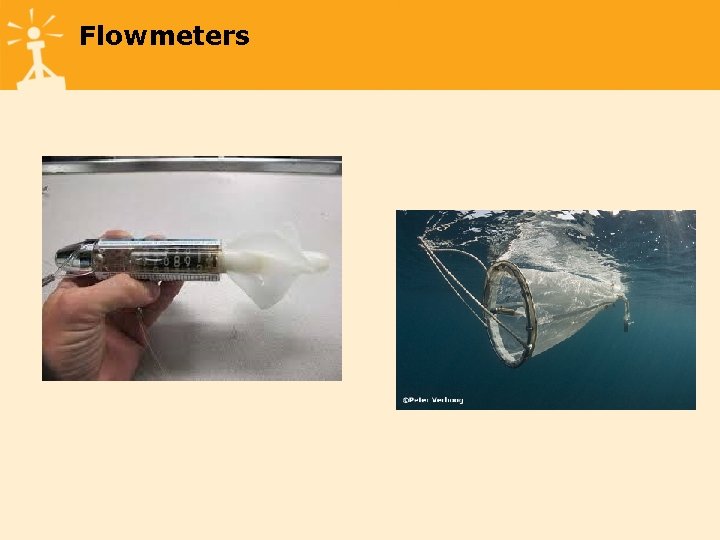
Bongo Plankton Nets
Flowmeters
PLANKTON • http: //ed. ted. com/lessons/the-secret-life-of-plankton • http: //www. planktonchronicles. org/en/episode/velellaplanktonic-vessels • http: //www. planktonchronicles. org/en/episode/plankton • https: //www. youtube. com/watch? v=Lu. XMz 3 j 9 E 8 k
DIATOMS – MICROSCOPIC BUT MIGHTY OXYGEN PRODUCERS • Diatomes • http: //www. sciencedaily. com/releases/2008/01/08012315051 6. htm • http: //westerndiatoms. colorado. edu/about/what_are_diatoms
ENTRY TASK 11 -7 -14 3 rd entry task and objective for Plankton Unit Q: In what ocean zone would you be able to find organisms such us corals? A: Objective: Different types of planktonic organisms
PLAN OF THE DAY • Graphic organizer for different types of Planktonic organisms
ENTRY TASK 11 -10 -14 4 th entry task and objective for Plankton Unit Q: Are diatoms and dinoflagellates phyto or zooplankton? A: Objective: identify different planktonic organisms
PLAN OF THE DAY • Looking at live plankton samples under microscope • Identifying plankton using different id guides • Plankton mini quiz • https: //www. youtube. com/watch? v=Havd 17 RNo_c • https: //www. youtube. com/watch? v=wb. Do. Pwf 8 DOA • https: //www. youtube. com/watch? v=u 1 Vtdz 4 J 7 J 8
ENTRY TASK 11 -12 -14 5 th entry task and objective for Plankton Unit Q: What are some characteristics your observed from the samples on Monday that differentiated zooplankton from phytoplankton? A: Objective: How to estimate plankton numbers
PLAN OF THE DAY • Check with other groups. Did they found different plankton organisms in their samples? • Estimating plankton numbers • Plankton mini quiz • https: //www. youtube. com/watch? v=Havd 17 RNo_c • https: //www. youtube. com/watch? v=wb. Do. Pwf 8 DOA • https: //www. youtube. com/watch? v=u 1 Vtdz 4 J 7 J 8
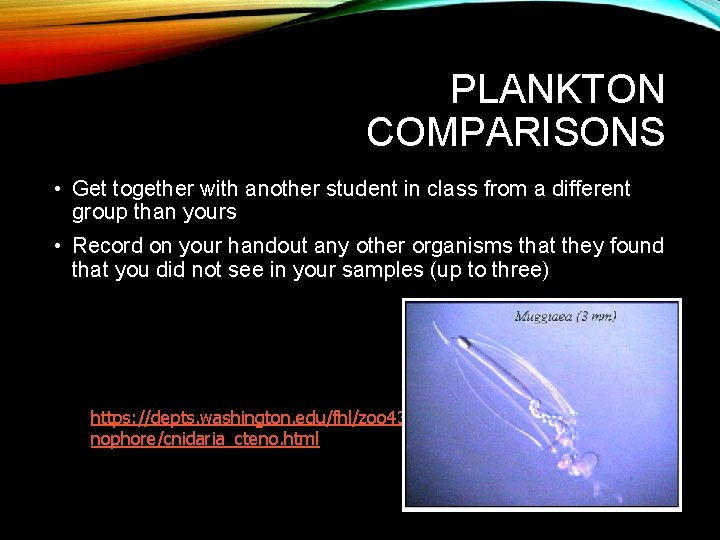
PLANKTON COMPARISONS • Get together with another student in class from a different group than yours • Record on your handout any other organisms that they found that you did not see in your samples (up to three) https: //depts. washington. edu/fhl/zoo 432/plankton/plcnidaria_cte nophore/cnidaria_cteno. html
THINK, PAIR, AND SHARE • Imagine that the bucket is a specific region of the ocean and you are a scientist wanting to determine the number of copepods in this area (volume) • Explain how would you go about sampling this ‘region’ to estimate the total number of diatoms living in it?
YOUR IDEAS HERE
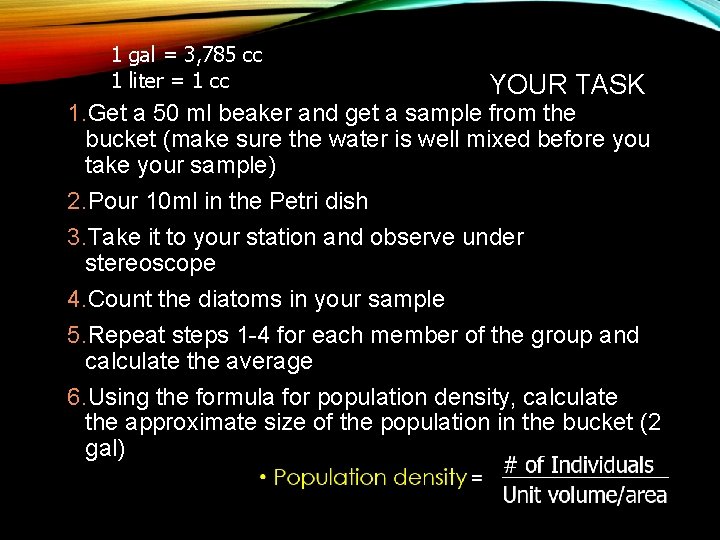
1 gal = 3, 785 cc 1 liter = 1 cc YOUR TASK 1. Get a 50 ml beaker and get a sample from the bucket (make sure the water is well mixed before you take your sample) 2. Pour 10 ml in the Petri dish 3. Take it to your station and observe under stereoscope 4. Count the diatoms in your sample 5. Repeat steps 1 -4 for each member of the group and calculate the average 6. Using the formula for population density, calculate the approximate size of the population in the bucket (2 gal)
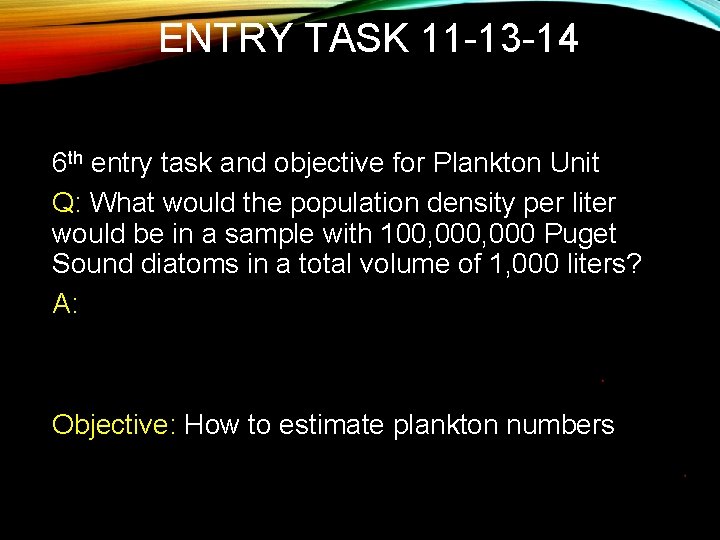
ENTRY TASK 11 -13 -14 6 th entry task and objective for Plankton Unit Q: What would the population density per liter would be in a sample with 100, 000 Puget Sound diatoms in a total volume of 1, 000 liters? A: Objective: How to estimate plankton numbers
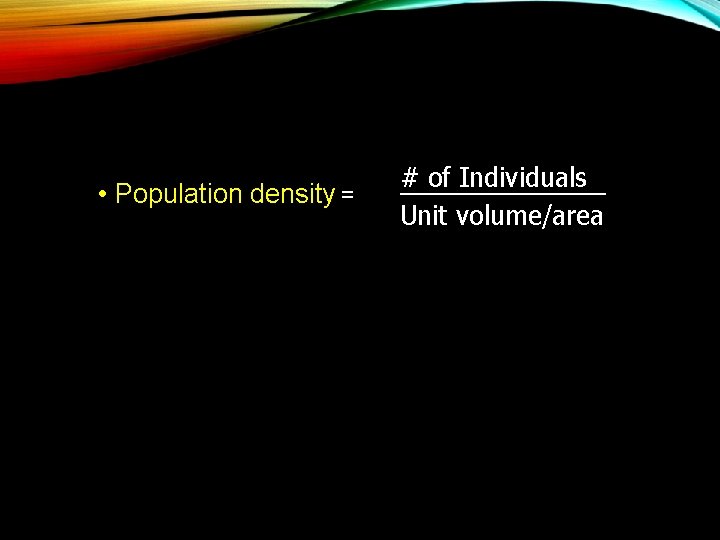
• Population density = # of Individuals _______ Unit volume/area
PLAN OF THE DAY • Estimating plankton numbers • https: //www. youtube. com/watch? v=Havd 17 RNo_c • https: //www. youtube. com/watch? v=wb. Do. Pwf 8 DOA • https: //www. youtube. com/watch? v=u 1 Vtdz 4 J 7 J 8
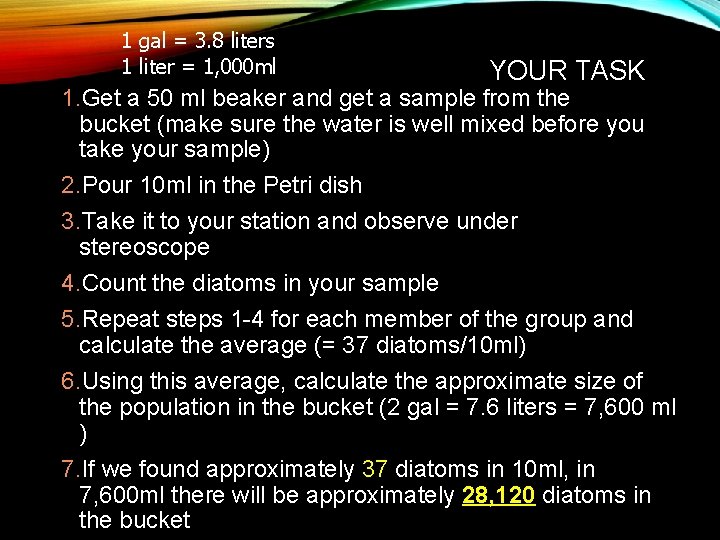
1 gal = 3. 8 liters 1 liter = 1, 000 ml YOUR TASK 1. Get a 50 ml beaker and get a sample from the bucket (make sure the water is well mixed before you take your sample) 2. Pour 10 ml in the Petri dish 3. Take it to your station and observe under stereoscope 4. Count the diatoms in your sample 5. Repeat steps 1 -4 for each member of the group and calculate the average (= 37 diatoms/10 ml) 6. Using this average, calculate the approximate size of the population in the bucket (2 gal = 7. 6 liters = 7, 600 ml ) 7. If we found approximately 37 diatoms in 10 ml, in 7, 600 ml there will be approximately 28, 120 diatoms in the bucket
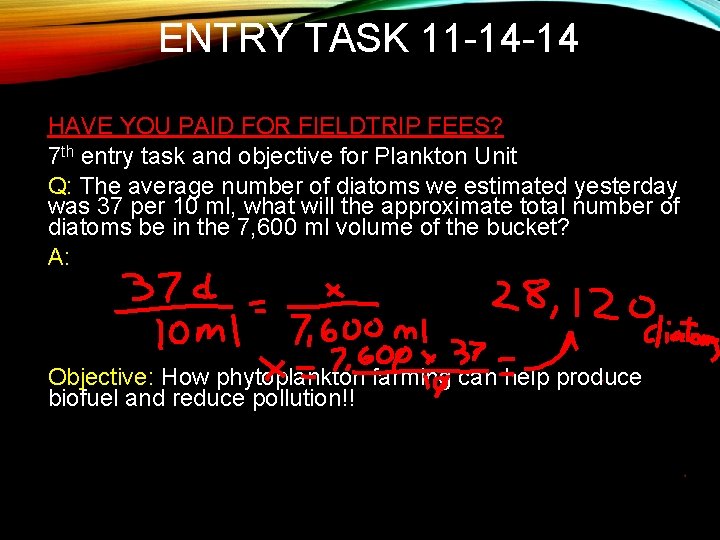
ENTRY TASK 11 -14 -14 HAVE YOU PAID FOR FIELDTRIP FEES? 7 th entry task and objective for Plankton Unit Q: The average number of diatoms we estimated yesterday was 37 per 10 ml, what will the approximate total number of diatoms be in the 7, 600 ml volume of the bucket? A: Objective: How phytoplankton farming can help produce biofuel and reduce pollution!!
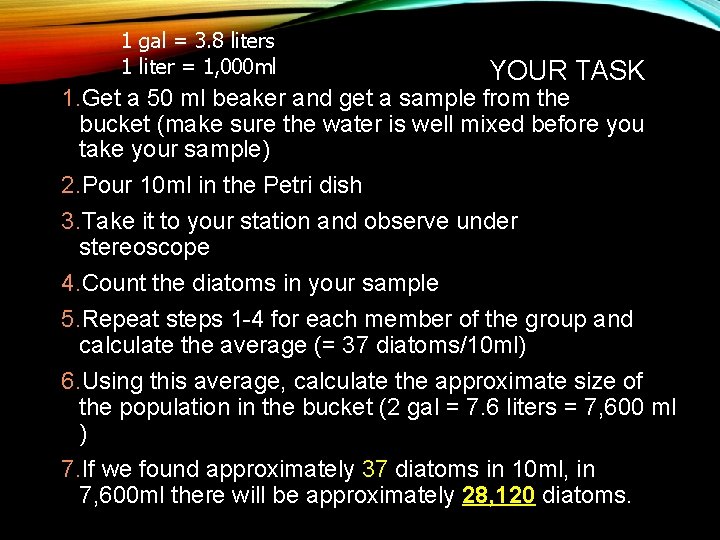
1 gal = 3. 8 liters 1 liter = 1, 000 ml YOUR TASK 1. Get a 50 ml beaker and get a sample from the bucket (make sure the water is well mixed before you take your sample) 2. Pour 10 ml in the Petri dish 3. Take it to your station and observe under stereoscope 4. Count the diatoms in your sample 5. Repeat steps 1 -4 for each member of the group and calculate the average (= 37 diatoms/10 ml) 6. Using this average, calculate the approximate size of the population in the bucket (2 gal = 7. 6 liters = 7, 600 ml ) 7. If we found approximately 37 diatoms in 10 ml, in 7, 600 ml there will be approximately 28, 120 diatoms.
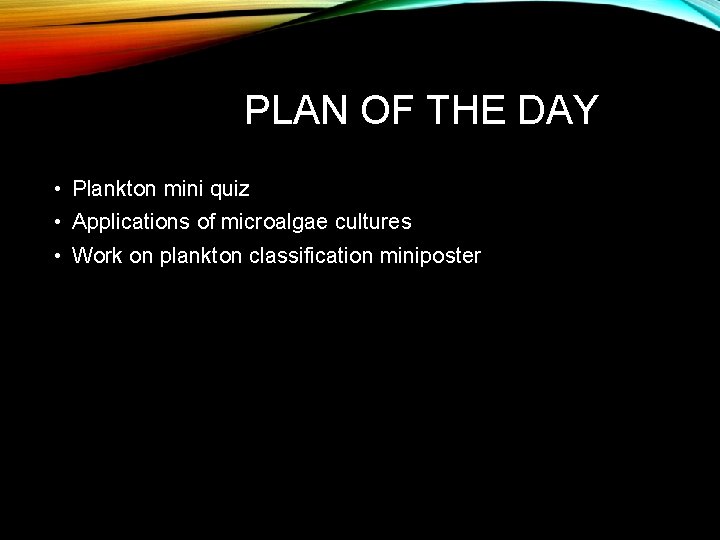
PLAN OF THE DAY • Plankton mini quiz • Applications of microalgae cultures • Work on plankton classification miniposter
TED TALK ON MICROALGAE AS BIOFUEL • Create a KWL chart on your paper to turn in today after viewing video • https: //www. youtube. com/watch? v=X-HE 4 Hfa-OY
ENTRY TASK 11 -17 -14 8 th entry task and objective for Plankton Unit • Write one of the questions you had after watching the video on microalgae as biofuel Objective: Types of plankton
PLAN OF THE DAY • Work on plankton classification miniposter • Phytoplankton vs. zooplankton cards
PLANKTON CLASSIFICATION POSTER • Starting with plankton, do a flowchart/graphic organizer that includes • The different types of plankton • Definitions for each of them • Drawing or picture for each of them • TOTAL POINTS - 20
ENTRY TASK 11 -18 -14 9 th entry task and objective for Plankton Unit • Write two examples of zooplankton organisms that can be classify as meroplankton Objectives: Differentiating between phytoplankton and zooplankton Exploring bioluminescence
PLAN OF THE DAY • Phytoplankton vs. zooplankton cards • Bioluminescence
PLANKTON CARDS • Cut the organisms on the paper with no names glue them on the cards (cut cards in half) • Cut the ones with names now, and glue them on the other side of the cards with the same organisms with no name • Practice memorizing what they are (phytoplankton vs. zooplankton, their whole name if you can) • Quiz each other • We will have a test on Thursday!
BIOLUMINESCENCE • http: //education. nationalgeographic. com/education/encyclop edia/bioluminescence/? ar_a=1 • http: //www. ted. com/talks/edith_widder_the_weird_and_wond erful_world_of_bioluminescence#t-748296 • https: //www. youtube. com/watch? v=uq. Jb. UKEPg. Xc
ENTRY TASK 11 -19 -14 10 th entry task and objective for Plankton Unit • What do you think are some reasons why some organisms produce bioluminescence? Objectives: Exploring bioluminescence
PLAN OF THE DAY • Bioluminescence video • Bioluminescence article • Your bioluminescence organism Power. Point
YOUR BIOLUMINESCENCE ORGANISM • Join two other students to work on this project • Decide on a bioluminescence organism to research • Create a mini-Power. Point presentation (yes, you will present to the whole class on Friday) that includes: • The name (including scientific name) of the organism your group chose, and why you chose it. • What type of organism it is (Planktonic – nektonic –benthonic). • Where it is found (geographic location), and what ocean region. • Why (if known) this organism displays bioluminescence (courtship display, defense, or to attract food). You can include a mini video (1 -2 min. )
• http: //education. nationalgeographic. com/education/encyclop edia/bioluminescence/? ar_a=1 • http: //www. ted. com/talks/edith_widder_the_weird_and_wond erful_world_of_bioluminescence#t-748296
ENTRY TASK 11 -20 -14 11 th entry task and objective for Plankton Unit • What do you think could be some applications of bioluminescence for us humans? Think big Objectives: Exploring bioluminescence • Quiz tomorrow on plankton (ID and definitions of types of plankton)
PLAN OF THE DAY • Bioluminescence video • Your bioluminescence organism Power. Point • Bioluminescence article and questions • Presentations
BIOLUMINESCENCE ARTICLE • After reading the article, answer the following questions: • How is bioluminescence produced? • Which is the largest group of organisms that produces bioluminescence? • Find an example of an organism that uses bioluminescence as • • Defense Attack Attraction Other • Give examples of bioluminescence uses for people
• http: //education. nationalgeographic. com/education/encyclop edia/bioluminescence/? ar_a=1 • http: //www. ted. com/talks/edith_widder_the_weird_and_wond erful_world_of_bioluminescence#t-748296
ENTRY TASK 11 -21 -14 12 th entry task and objective for Plankton Unit • Review for ten minutes before plankton quiz Objectives: Exploring bioluminescence
PLAN OF THE DAY • Plankton quiz • Your bioluminescence organism Power. Point • Bioluminescence article and questions • Presentations