
ENR 116 Engineering Materials Module 5 Surface Engineering


- Slides: 35
ENR 116 Engineering Materials Module 5 Surface Engineering Dr Tracie Whittle e. Tutor
Copyright Notice Do not remove this notice. COMMMONWEALTH OF AUSTRALIA Copyright Regulations 1969 WARNING This material has been produced and communicated to you by or on behalf of the University of South Australia pursuant to Part VB of the Copyright Act 1968 (the Act). The material in this communication may be subject to copyright under the Act. Any further reproduction or communication of this material by you may be the subject of copyright protection under the Act. Do not remove this notice.
Surface Engineering
Intended Learning Outcomes At the end of this section, students will be able to: - • Understand that surface engineering involves modifying the properties of a surface, while maintaining the bulk properties of the material. • Describe key techniques used to modify or characterise surfaces
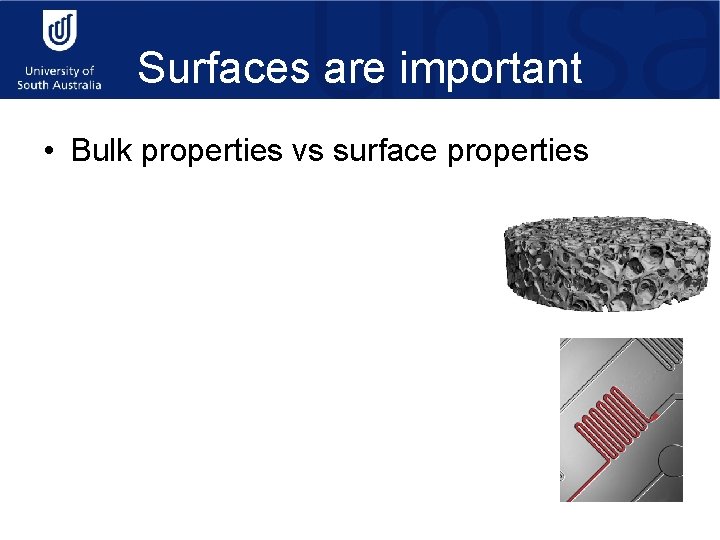
Surfaces are important • Bulk properties vs surface properties – We interact with surfaces – Interface with the environment • Drive towards smaller devices – Increased surface : volume ratio • New materials
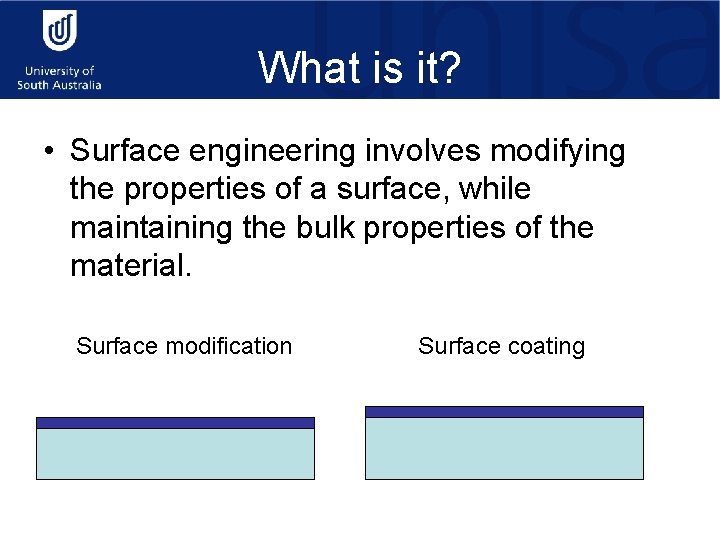
What is it? • Surface engineering involves modifying the properties of a surface, while maintaining the bulk properties of the material. Surface modification Surface coating
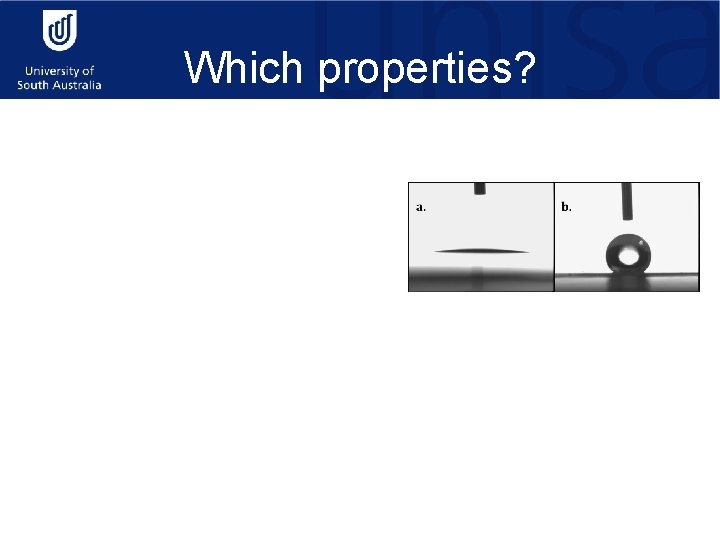
Which properties? • • • Hardness Roughness / friction Wettability Optical / reflectivity Chemical functionality
Techniques • • Heat treatment / Diffusion Ion bombardment Sputtering Polymeric coatings
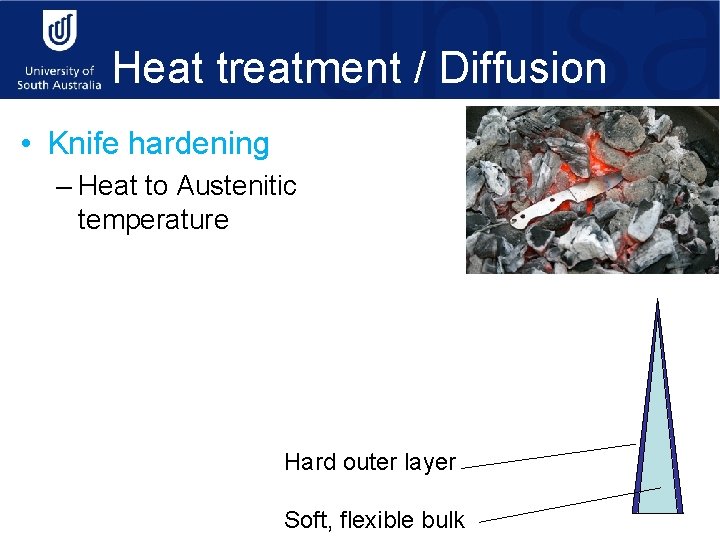
Heat treatment / Diffusion • Knife hardening – Heat to Austenitic temperature 1. Quench to form surface martensite 2. Or hold in charcoal for ~24 hrs to allow carbon to diffuse into the surface Hard outer layer Soft, flexible bulk
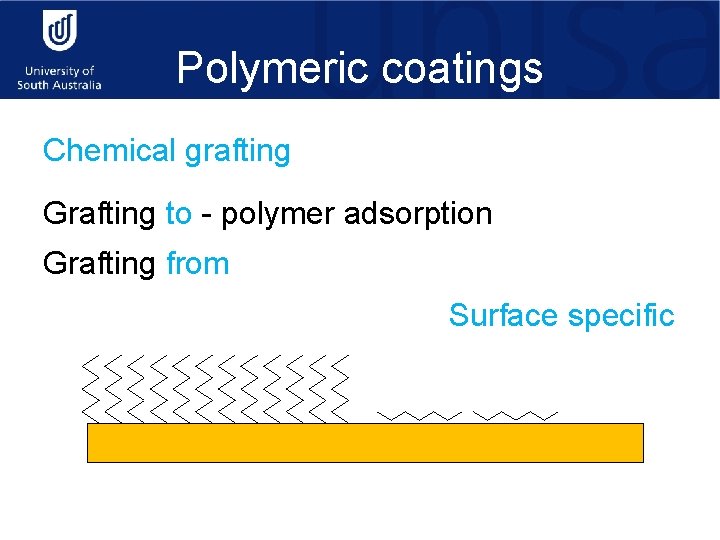
Polymeric coatings Chemical grafting Grafting to - polymer adsorption Grafting from Surface specific
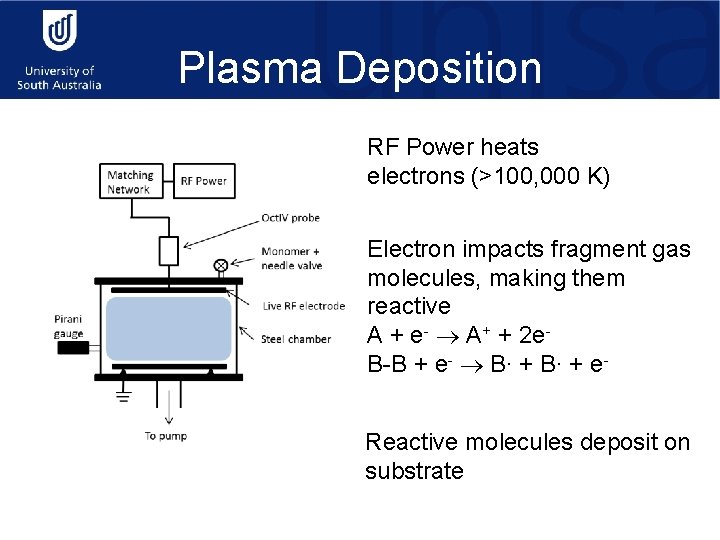
Plasma Deposition RF Power heats electrons (>100, 000 K) Electron impacts fragment gas molecules, making them reactive A + e- A+ + 2 e. B-B + e- B∙ + e. Reactive molecules deposit on substrate
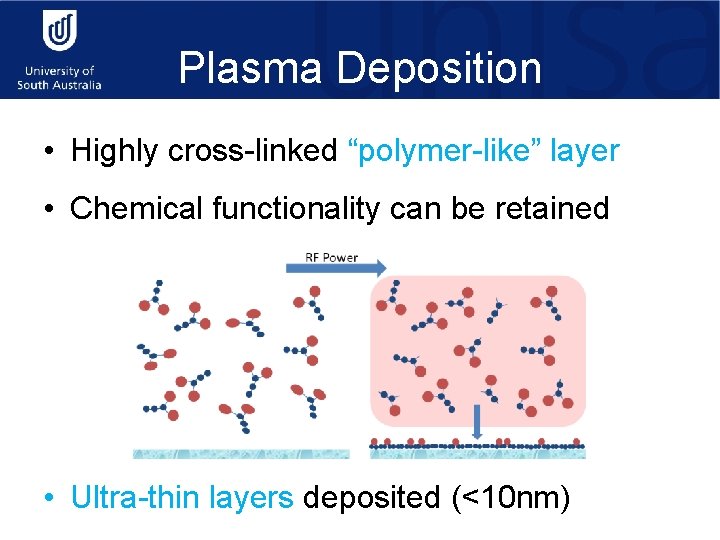
Plasma Deposition • Highly cross-linked “polymer-like” layer • Chemical functionality can be retained • Ultra-thin layers deposited (<10 nm)
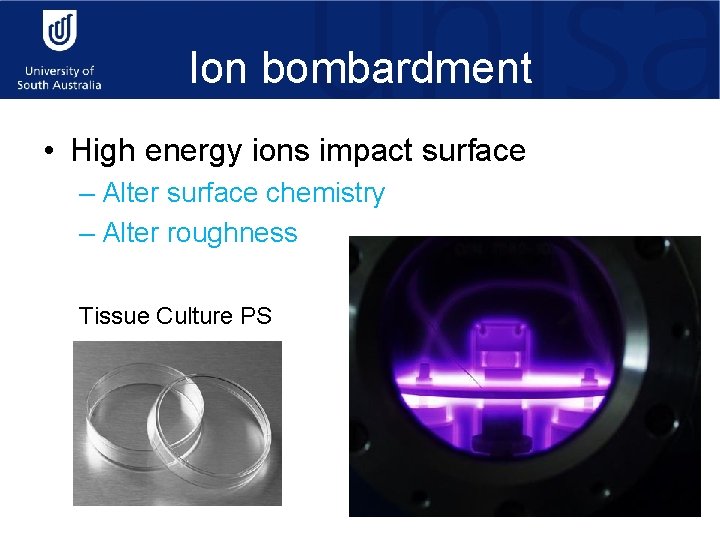
Ion bombardment • High energy ions impact surface – Alter surface chemistry – Alter roughness Tissue Culture PS
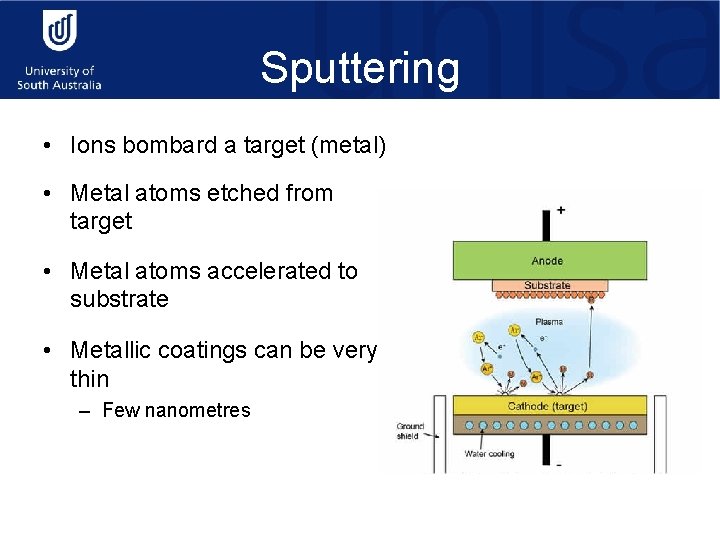
Sputtering • Ions bombard a target (metal) • Metal atoms etched from target • Metal atoms accelerated to substrate • Metallic coatings can be very thin – Few nanometres
Surface Analysis • X-ray Photoelectron Spectroscopy (XPS) • Atomic Force Microscopy (AFM) • Time-of-Flight Secondary Ion Mass Spectrometry (To. F-SIMS) • Scanning Electron Microscopy (SEM)
X-ray Photoelectron Spectroscopy • Surface technique (<10 nm) • Chemical analysis – Elemental analysis – Chemical bonding • Can be used for – Powders (minerals, sand etc) – Surfaces (wafers, polymers) – Fibres
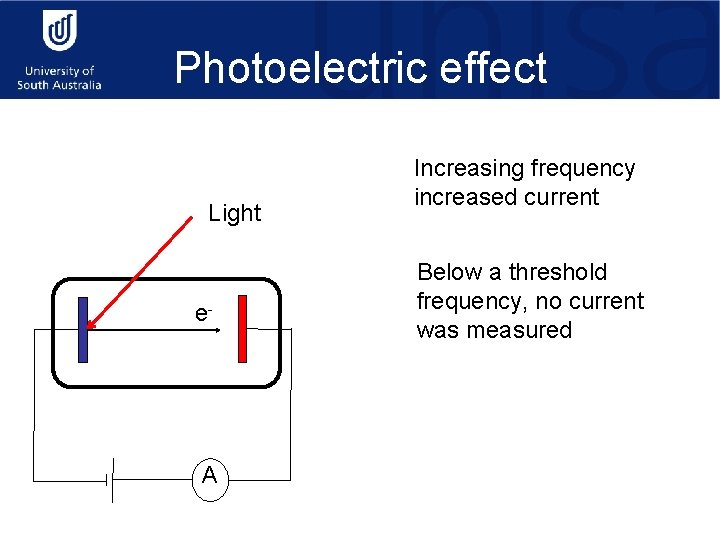
Photoelectric effect Light e- A Increasing frequency increased current Below a threshold frequency, no current was measured
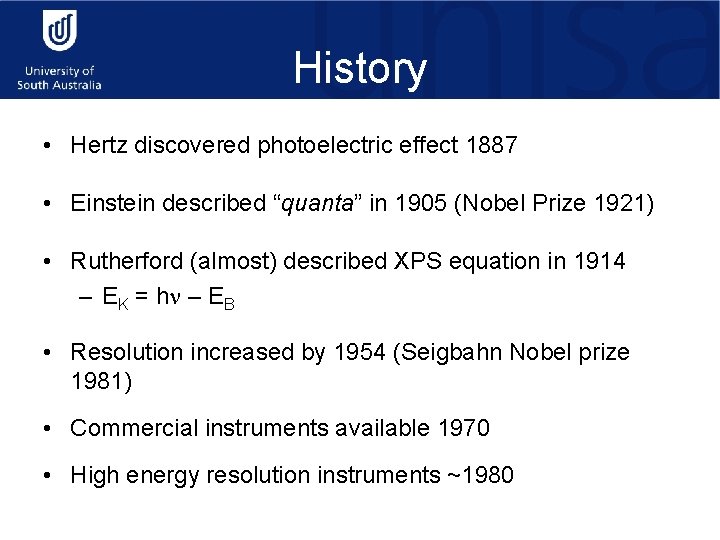
History • Hertz discovered photoelectric effect 1887 • Einstein described “quanta” in 1905 (Nobel Prize 1921) • Rutherford (almost) described XPS equation in 1914 – EK = hn – EB • Resolution increased by 1954 (Seigbahn Nobel prize 1981) • Commercial instruments available 1970 • High energy resolution instruments ~1980
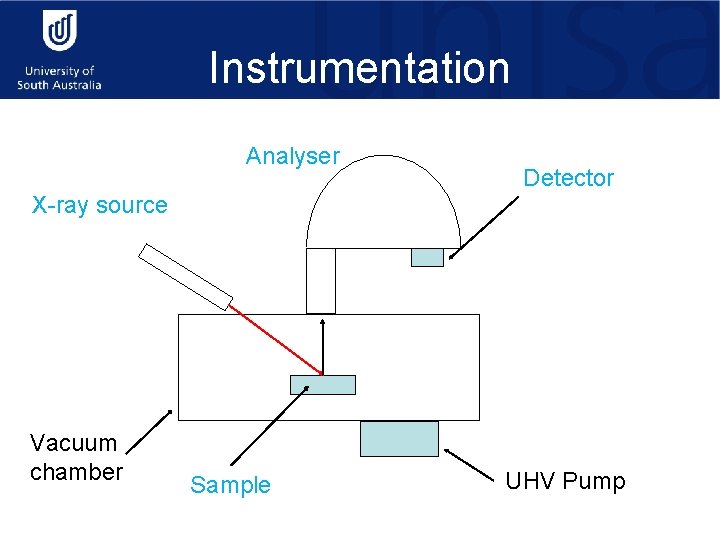
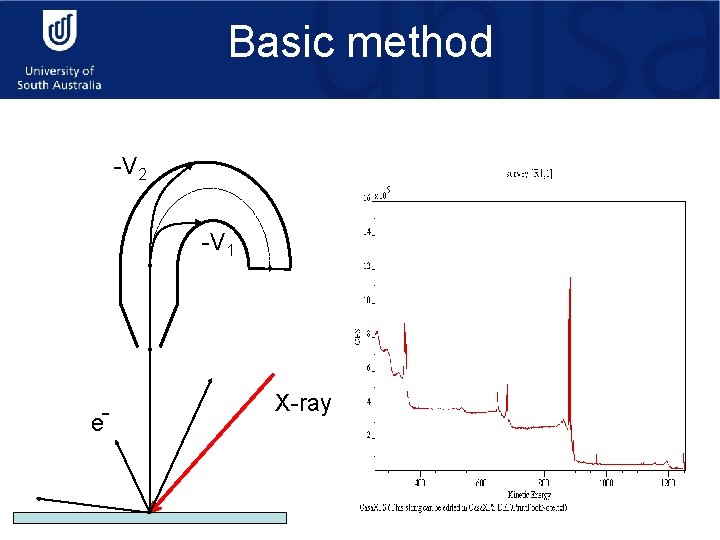
Instrumentation Analyser X-ray source Vacuum chamber Sample Detector UHV Pump
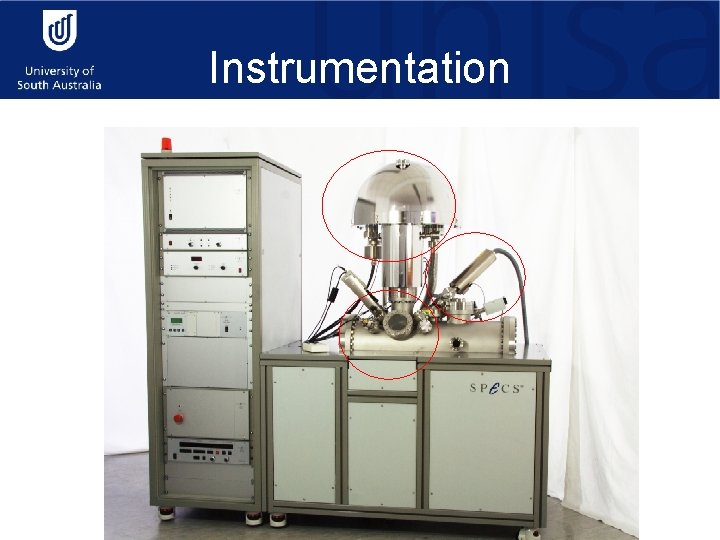
Instrumentation
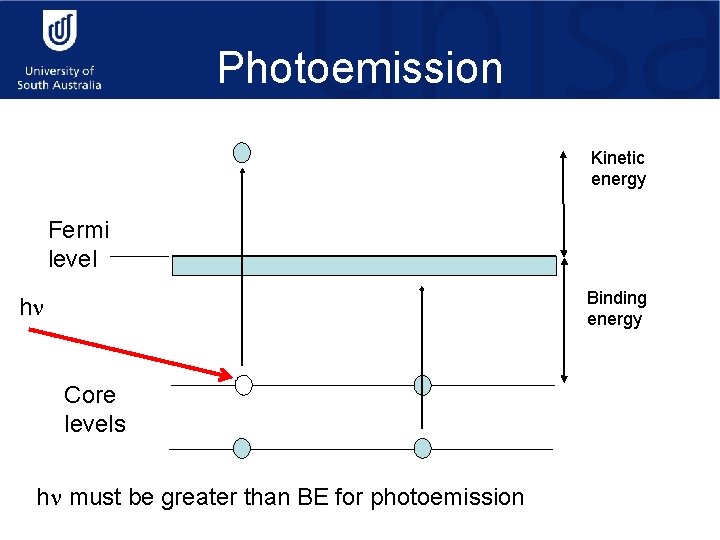
Photoemission Kinetic energy Fermi level Binding energy hn Core levels hn must be greater than BE for photoemission
Basic method -V 2 -V 1 e- X-ray
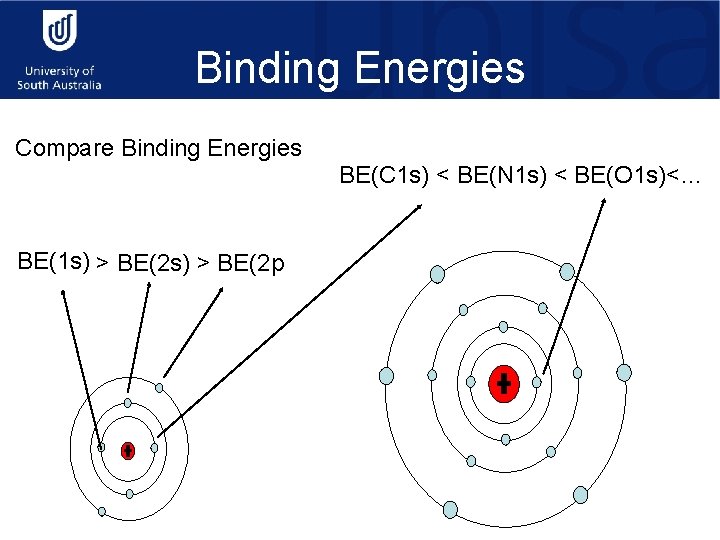
Binding Energies Compare Binding Energies BE(1 s) > BE(2 p BE(C 1 s) < BE(N 1 s) < BE(O 1 s)<…
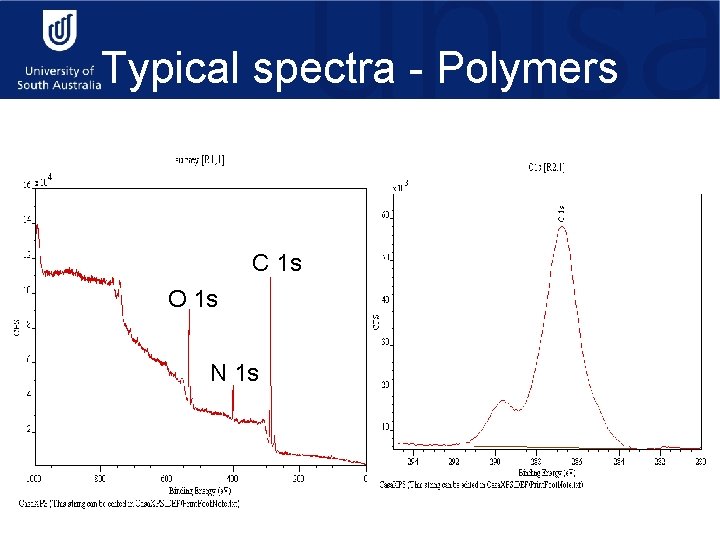
Typical spectra - Polymers C 1 s O 1 s N 1 s
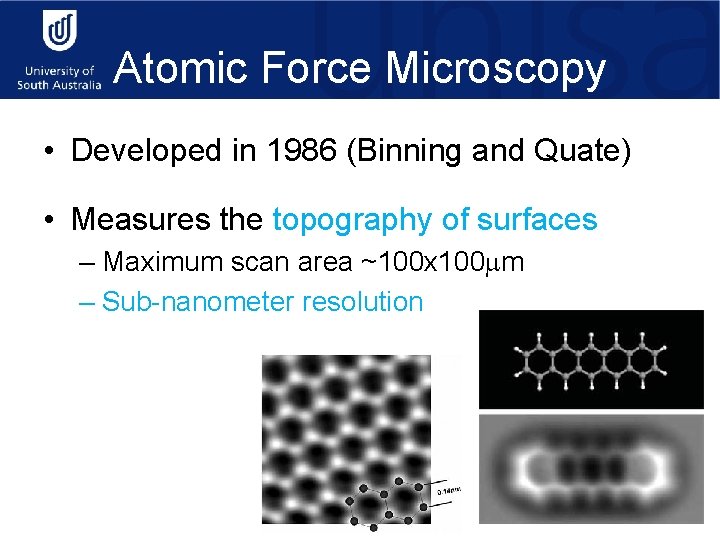
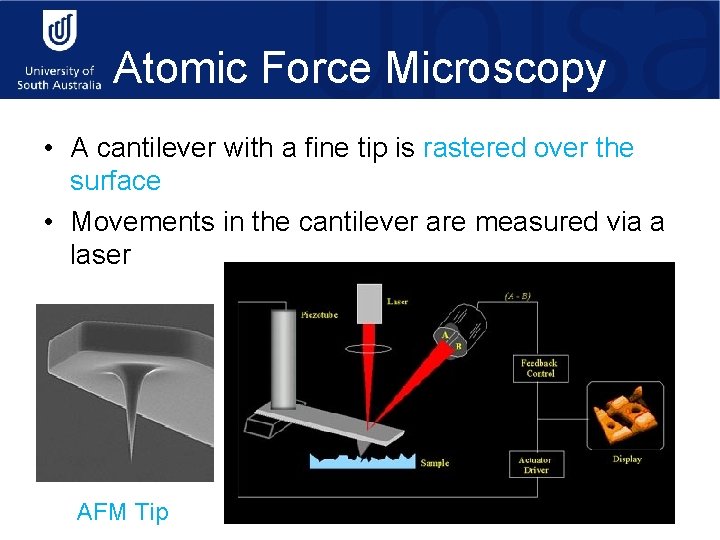
Atomic Force Microscopy • Developed in 1986 (Binning and Quate) • Measures the topography of surfaces – Maximum scan area ~100 x 100 mm – Sub-nanometer resolution
Atomic Force Microscopy • A cantilever with a fine tip is rastered over the surface • Movements in the cantilever are measured via a laser AFM Tip
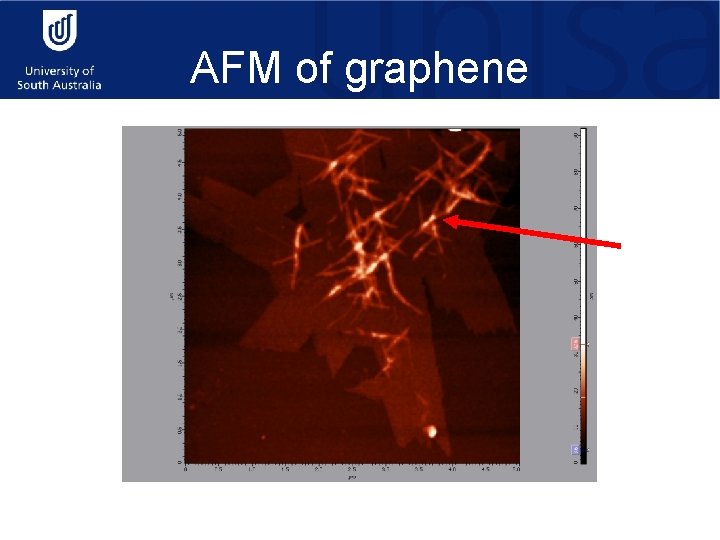
AFM of graphene
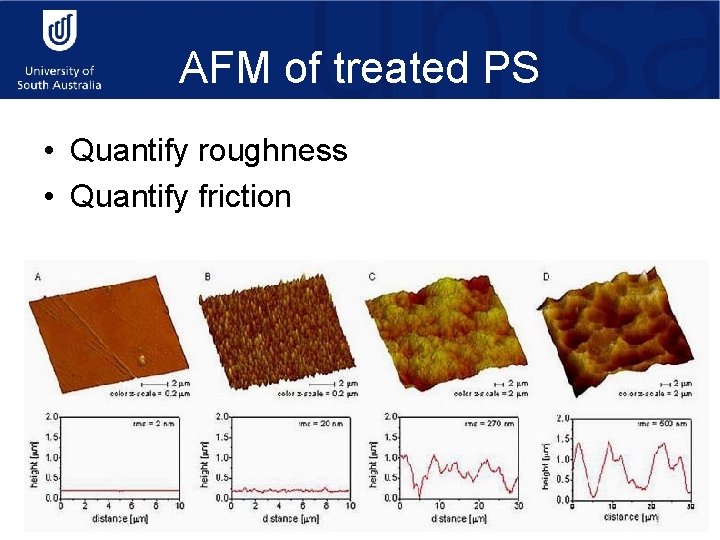
AFM of treated PS • Quantify roughness • Quantify friction
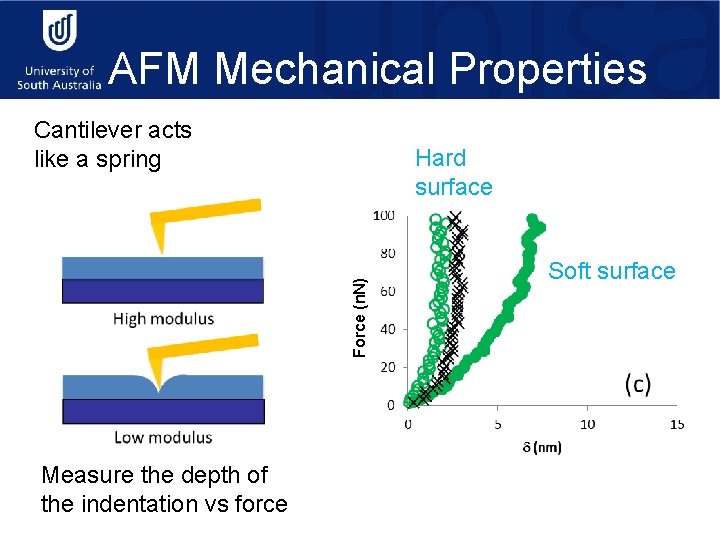
AFM Mechanical Properties Cantilever acts like a spring Force (n. N) Hard surface Measure the depth of the indentation vs force Soft surface
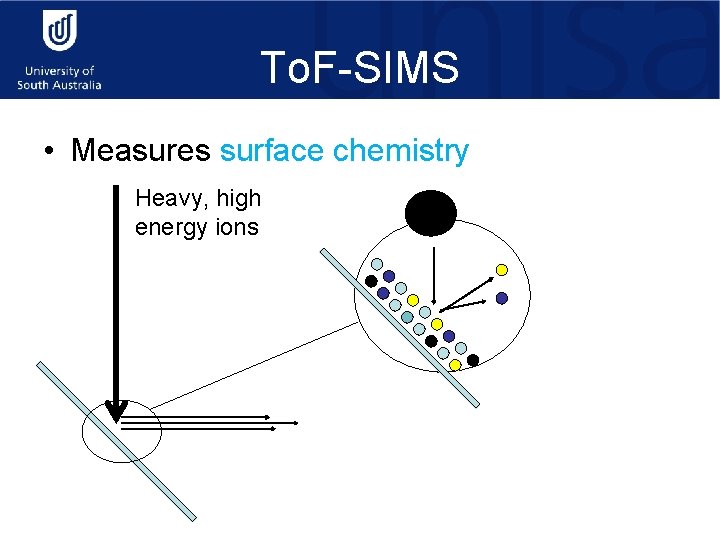
To. F-SIMS • Measures surface chemistry Heavy, high energy ions
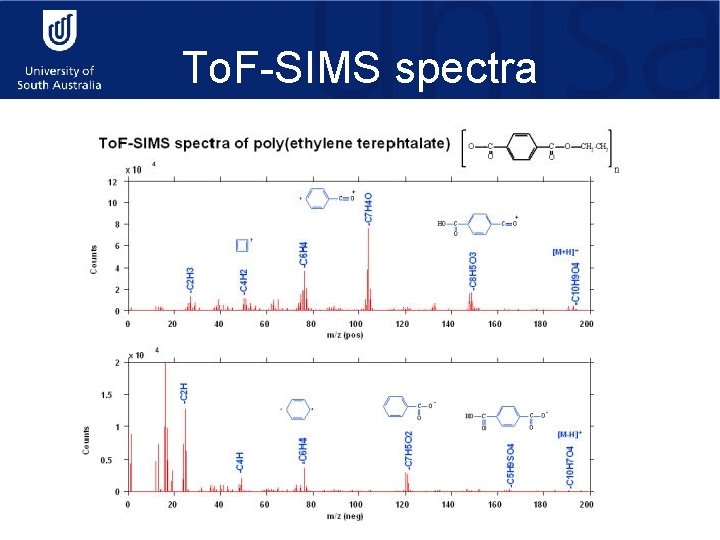
To. F-SIMS spectra
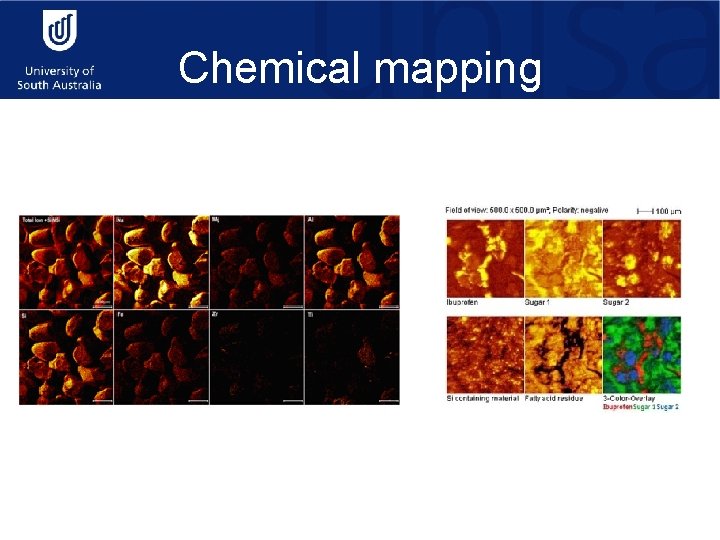
Chemical mapping
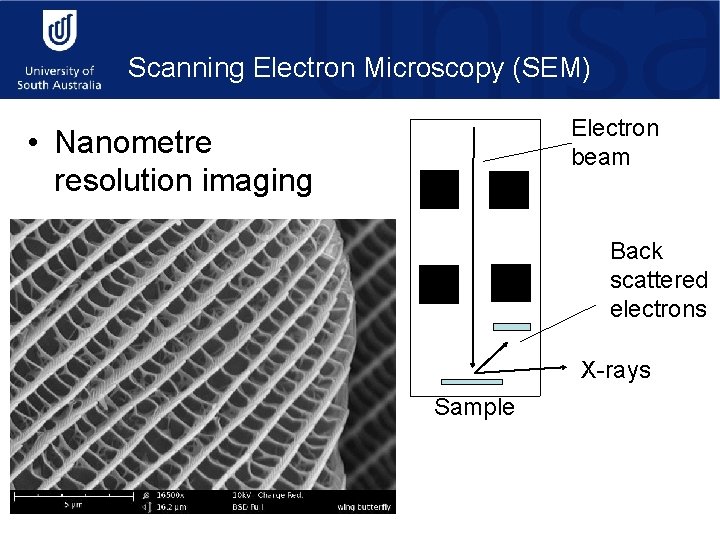
Scanning Electron Microscopy (SEM) Electron beam • Nanometre resolution imaging Back scattered electrons X-rays Sample
Summary • Surface Engineering involves modifying the properties of a surface, while maintaining the bulk properties of the material. • Techniques used to modify surfaces include heat treatments, polymeric coatings, plasma polymerisation, ion bombardment and sputtering • Surfaces can be characterised using a number of different methods. Common techniques include XPS, AFM, To. F SIMS and SEM
Thank you