
Enlightenment Philosophers EQ How did Enlightenment Philosophers address
- Slides: 11
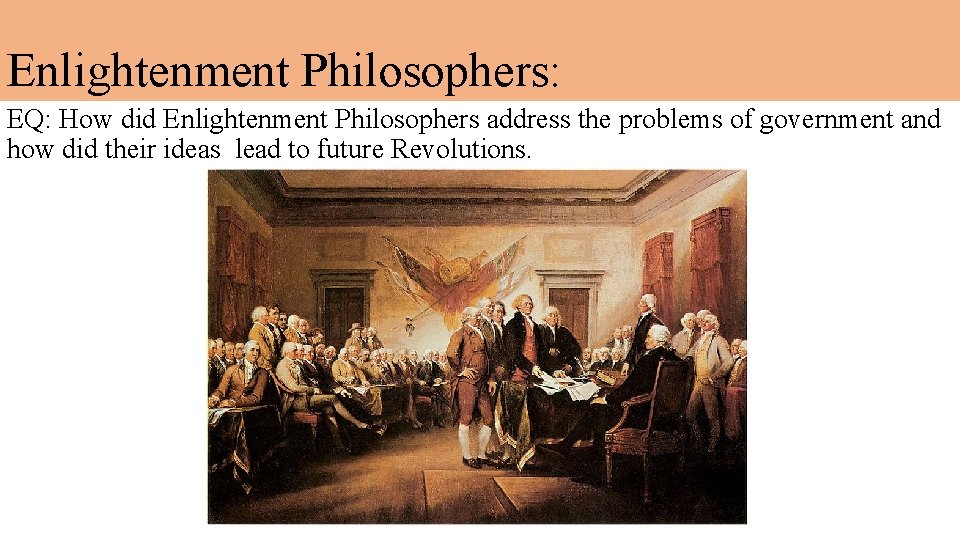
Enlightenment Philosophers: EQ: How did Enlightenment Philosophers address the problems of government and how did their ideas lead to future Revolutions.
What was the Enlightenment? • A period of history in the 18 th and 19 th centuries • People began to question the power of Monarchy • They began to demand government reform • At the heart of this movement were the new ideas that were being formatted by political philosophers called philosophes.
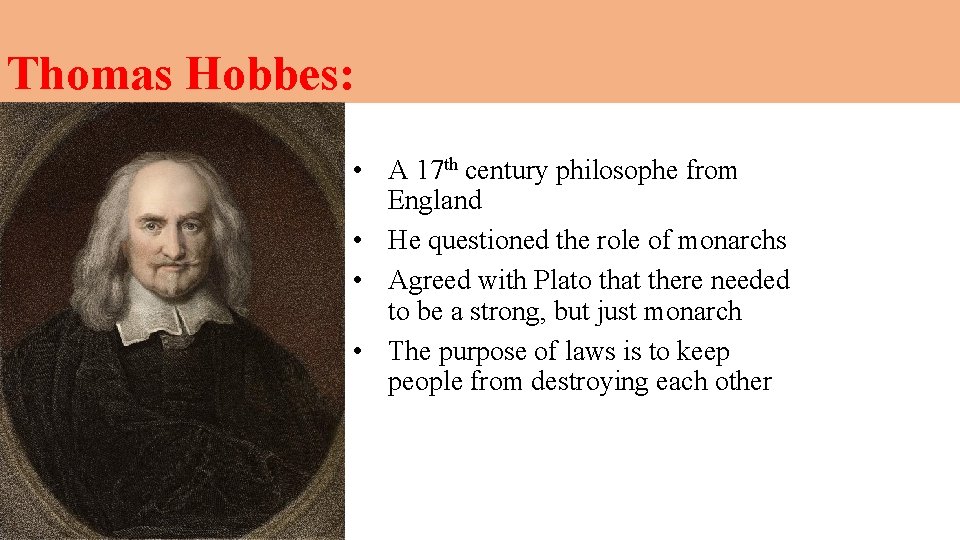
Thomas Hobbes: • A 17 th century philosophe from England • He questioned the role of monarchs • Agreed with Plato that there needed to be a strong, but just monarch • The purpose of laws is to keep people from destroying each other
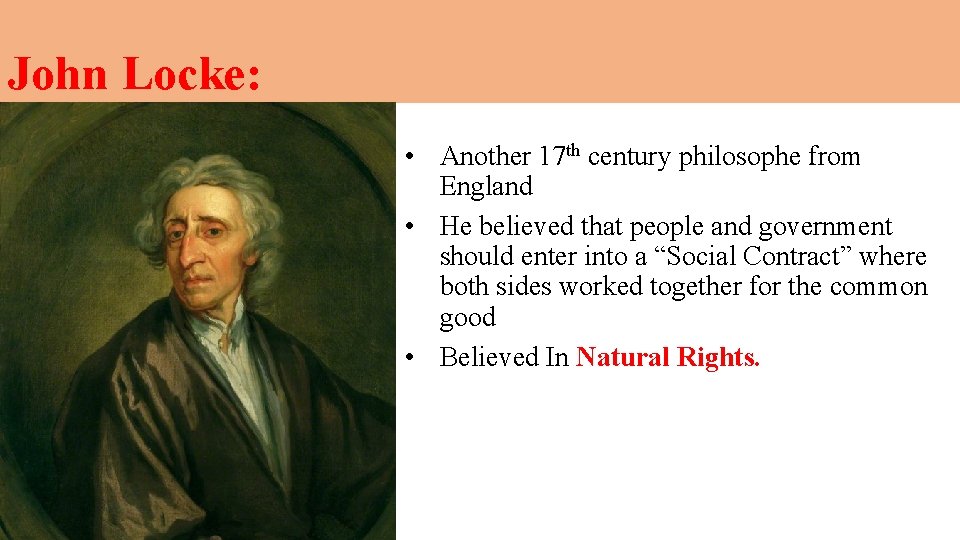
John Locke: • Another 17 th century philosophe from England • He believed that people and government should enter into a “Social Contract” where both sides worked together for the common good • Believed In Natural Rights.
Natural Rights: • According to Locke, Natural Rights were given to all people at birth • These included life, liberty, and property • If your government did not protect you natural rights, then change the government.
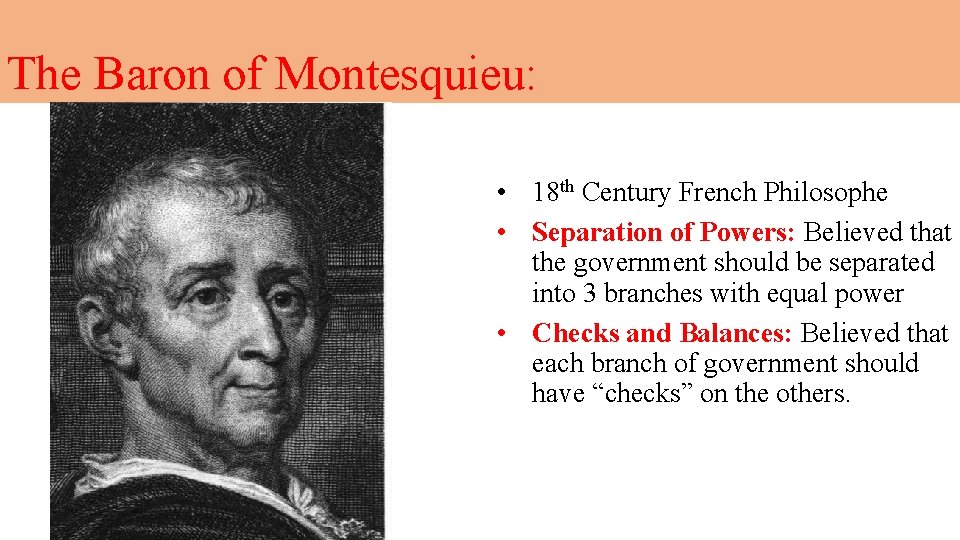
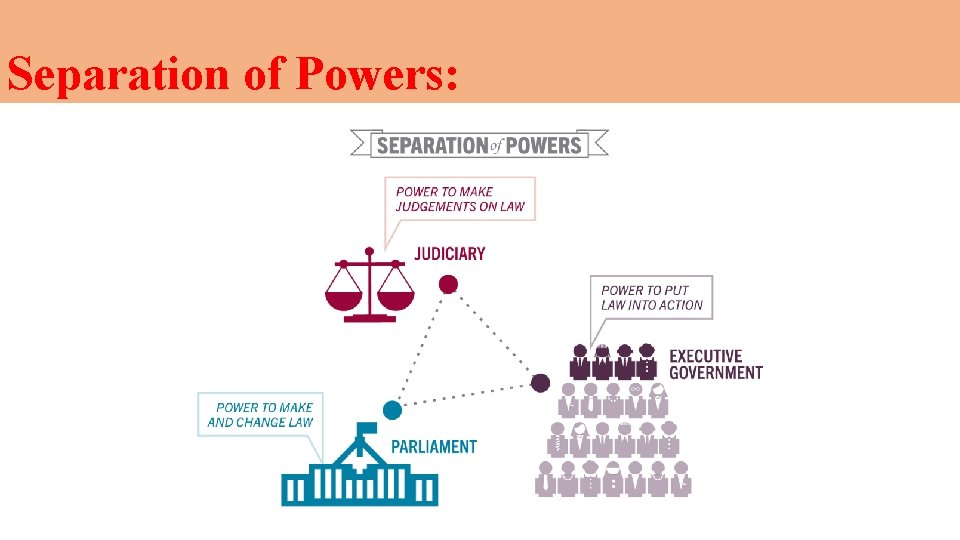
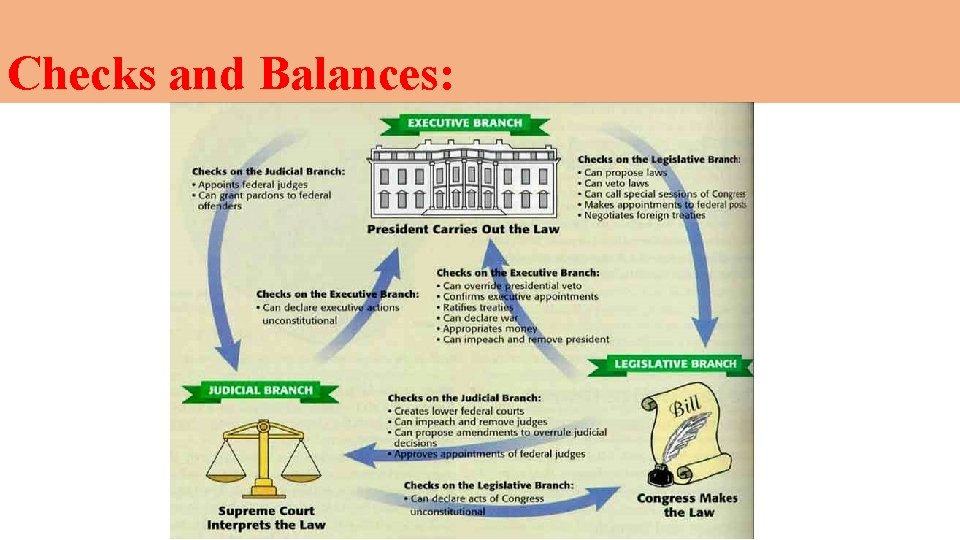
The Baron of Montesquieu: • 18 th Century French Philosophe • Separation of Powers: Believed that the government should be separated into 3 branches with equal power • Checks and Balances: Believed that each branch of government should have “checks” on the others.
Separation of Powers:
Checks and Balances:
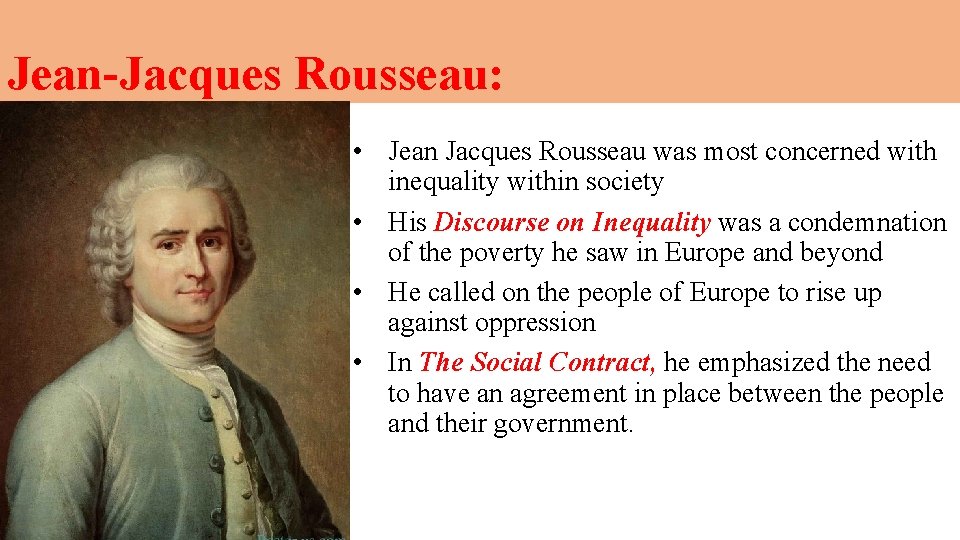
Jean-Jacques Rousseau: • Jean Jacques Rousseau was most concerned with inequality within society • His Discourse on Inequality was a condemnation of the poverty he saw in Europe and beyond • He called on the people of Europe to rise up against oppression • In The Social Contract, he emphasized the need to have an agreement in place between the people and their government.
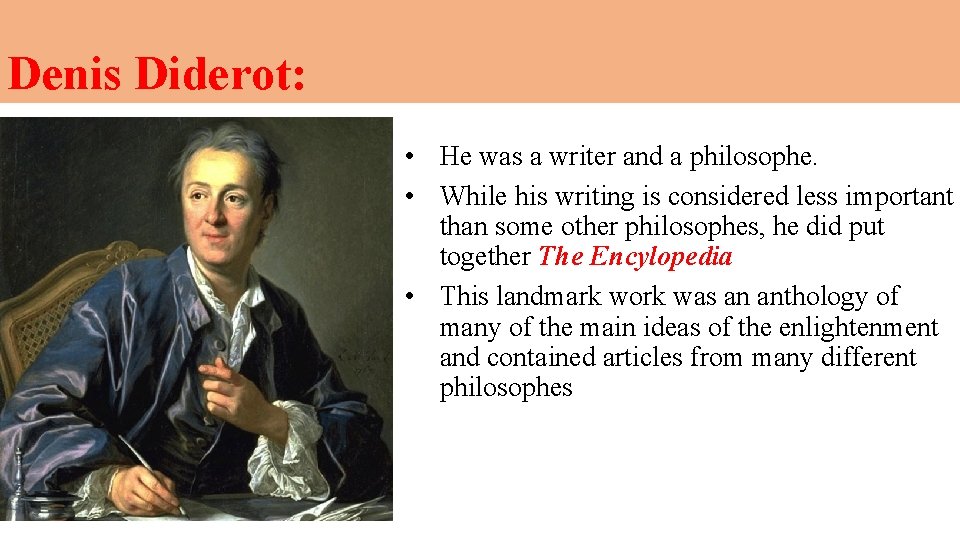
Denis Diderot: • He was a writer and a philosophe. • While his writing is considered less important than some other philosophes, he did put together The Encylopedia • This landmark work was an anthology of many of the main ideas of the enlightenment and contained articles from many different philosophes
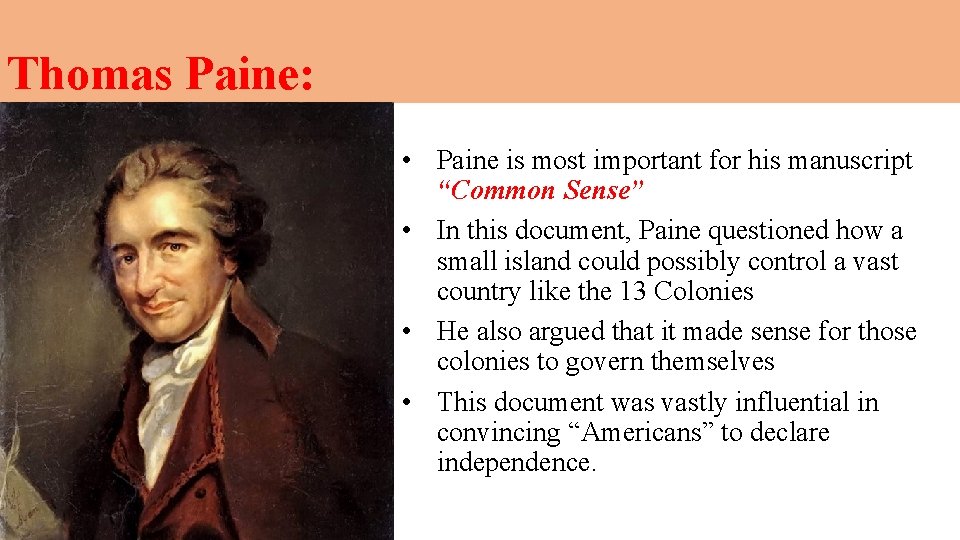
Thomas Paine: • Paine is most important for his manuscript “Common Sense” • In this document, Paine questioned how a small island could possibly control a vast country like the 13 Colonies • He also argued that it made sense for those colonies to govern themselves • This document was vastly influential in convincing “Americans” to declare independence.