
Enlightenment and Revolution 1550 1789 Scientific Revolution Enlightenment
- Slides: 31
Enlightenment and Revolution 1550 -1789 Scientific Revolution Enlightenment American Revolution
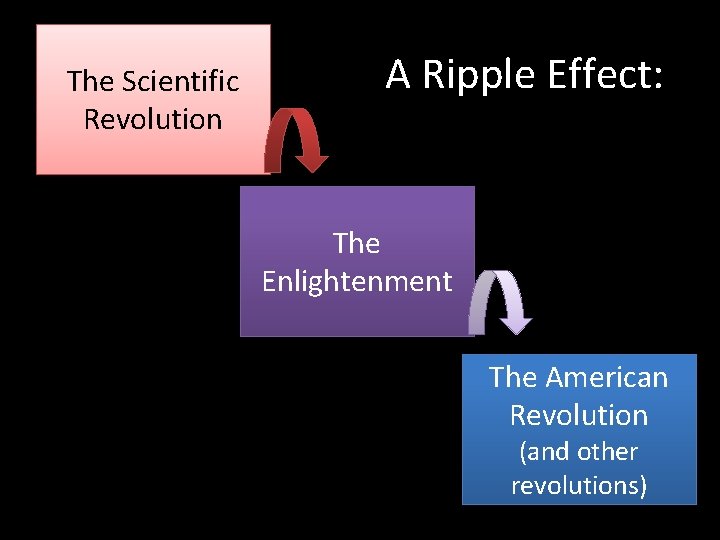
The Scientific Revolution A Ripple Effect: The Enlightenment The American Revolution (and other revolutions)
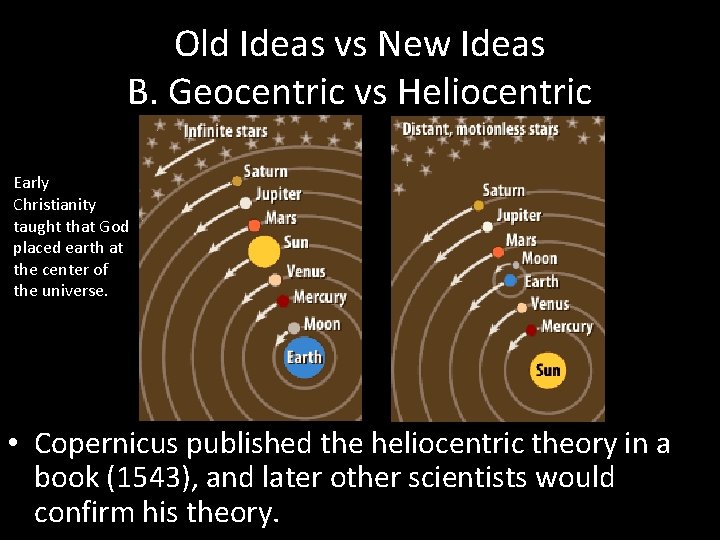
I. The Scientific Revolution • Terms to Know: • Geocentric theory—earth is the center of the universe • Heliocentric theory—sun is the center of the universe • Scientific Revolution—developed during Reformation in mid 1500 s, new way of thinking about the natural world, based upon observation and a willingness to question beliefs.
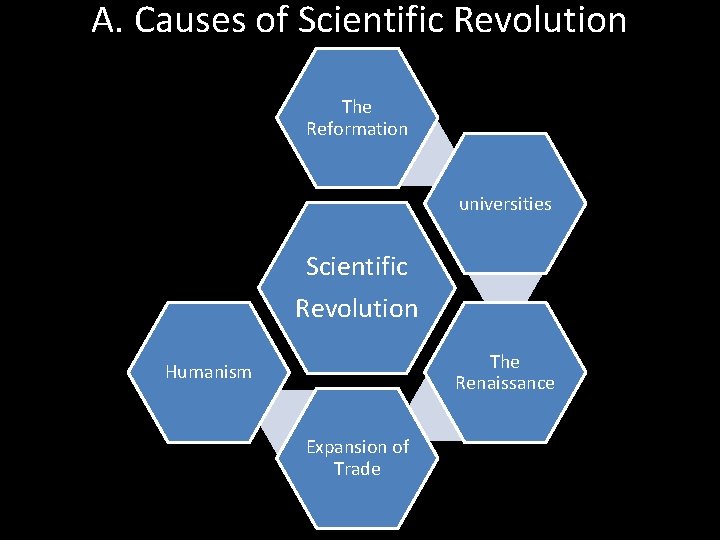
A. Causes of Scientific Revolution The Reformation universities Scientific Revolution The Renaissance Humanism Expansion of Trade
Old Ideas vs New Ideas B. Geocentric vs Heliocentric Early Christianity taught that God placed earth at the center of the universe. • Copernicus published the heliocentric theory in a book (1543), and later other scientists would confirm his theory.
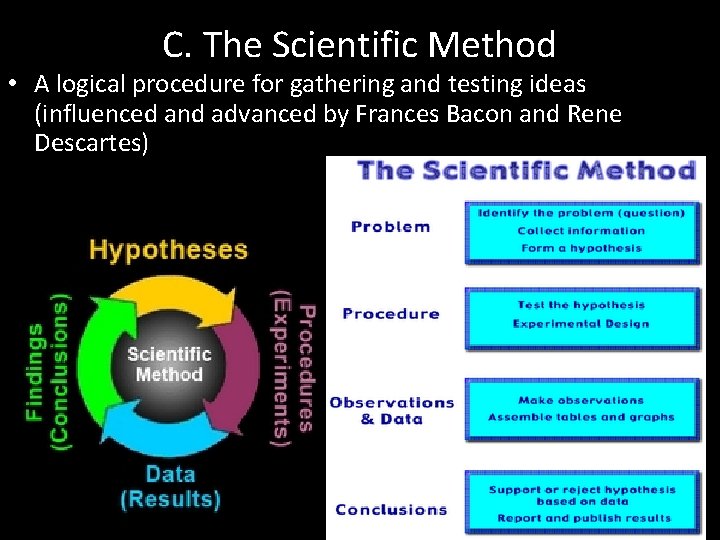
C. The Scientific Method • A logical procedure for gathering and testing ideas (influenced and advanced by Frances Bacon and Rene Descartes)
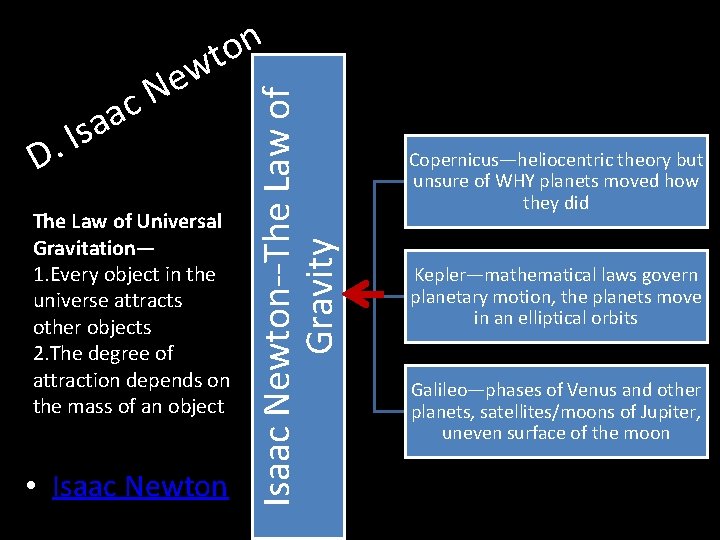
The Law of Universal Gravitation— 1. Every object in the universe attracts other objects 2. The degree of attraction depends on the mass of an object • Isaac Newton--The Law of Gravity Is. D N c aa n o t w e Copernicus—heliocentric theory but unsure of WHY planets moved how they did Kepler—mathematical laws govern planetary motion, the planets move in an elliptical orbits Galileo—phases of Venus and other planets, satellites/moons of Jupiter, uneven surface of the moon
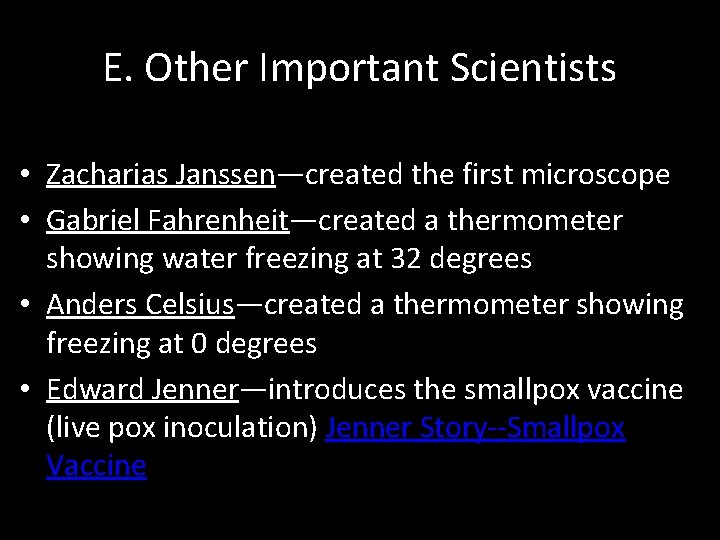
E. Other Important Scientists • Zacharias Janssen—created the first microscope • Gabriel Fahrenheit—created a thermometer showing water freezing at 32 degrees • Anders Celsius—created a thermometer showing freezing at 0 degrees • Edward Jenner—introduces the smallpox vaccine (live pox inoculation) Jenner Story--Smallpox Vaccine
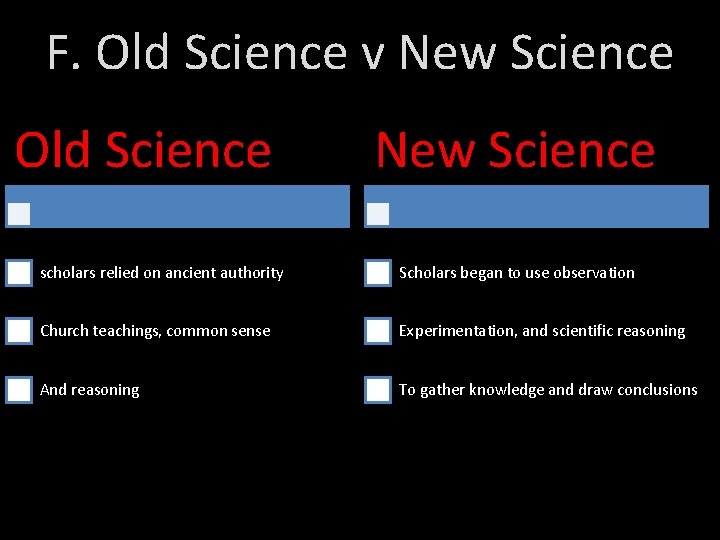
F. Old Science v New Science Old Science New Science scholars relied on ancient authority Scholars began to use observation Church teachings, common sense Experimentation, and scientific reasoning And reasoning To gather knowledge and draw conclusions
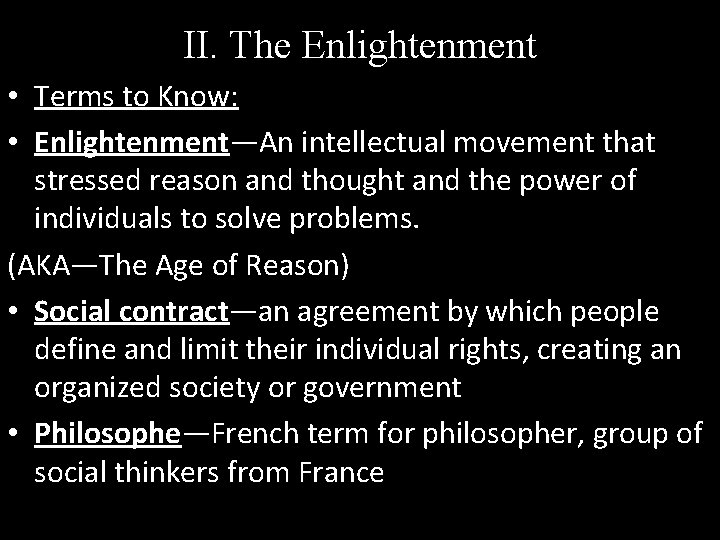
II. The Enlightenment • Terms to Know: • Enlightenment—An intellectual movement that stressed reason and thought and the power of individuals to solve problems. (AKA—The Age of Reason) • Social contract—an agreement by which people define and limit their individual rights, creating an organized society or government • Philosophe—French term for philosopher, group of social thinkers from France
Philosophical Chairs <<<Agree Disagree>>> The government should have complete control over the people in its country so that the government and society can run smoothly.
Philosophical Chairs <<<Agree Disagree>>> The government should have restrictions even when it comes to keeping its citizens safe or free from harm.
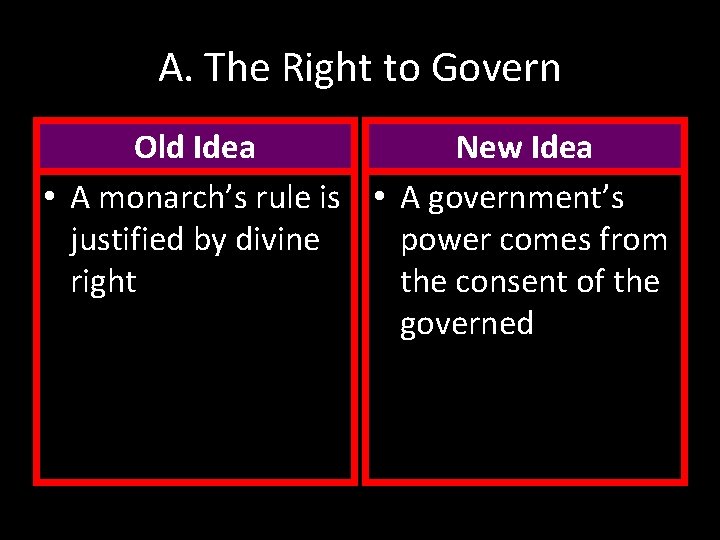
A. The Right to Govern Old Idea New Idea • A monarch’s rule is • A government’s justified by divine power comes from right the consent of the governed
A. The Right to Govern Thomas Hobbes John Locke
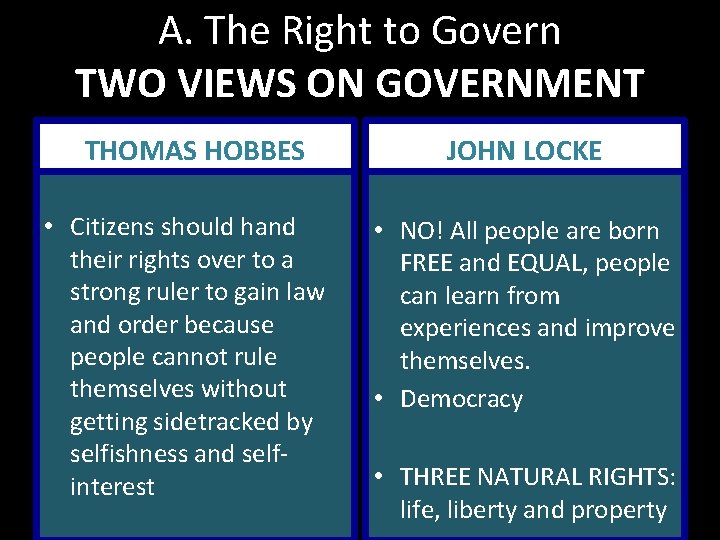
A. The Right to Govern TWO VIEWS ON GOVERNMENT THOMAS HOBBES • Citizens should hand their rights over to a strong ruler to gain law and order because people cannot rule themselves without getting sidetracked by selfishness and selfinterest JOHN LOCKE • NO! All people are born FREE and EQUAL, people can learn from experiences and improve themselves. • Democracy • THREE NATURAL RIGHTS: life, liberty and property
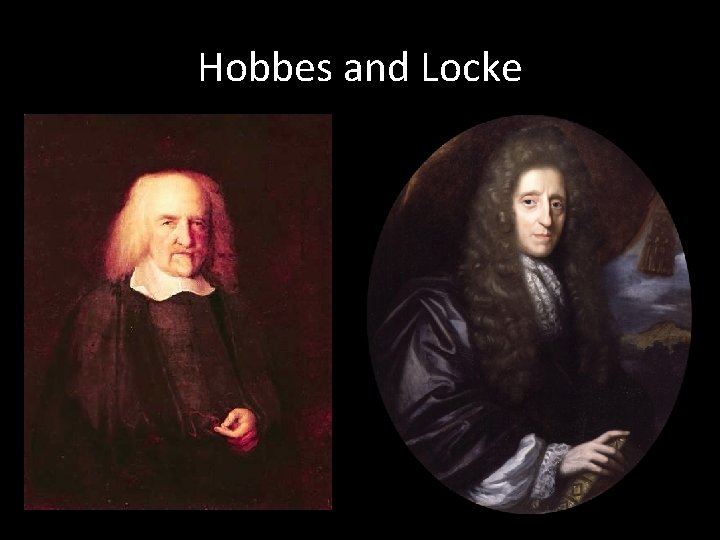
Hobbes and Locke
PAIRING ACTIVITY The Ideas of Locke HAND OUT
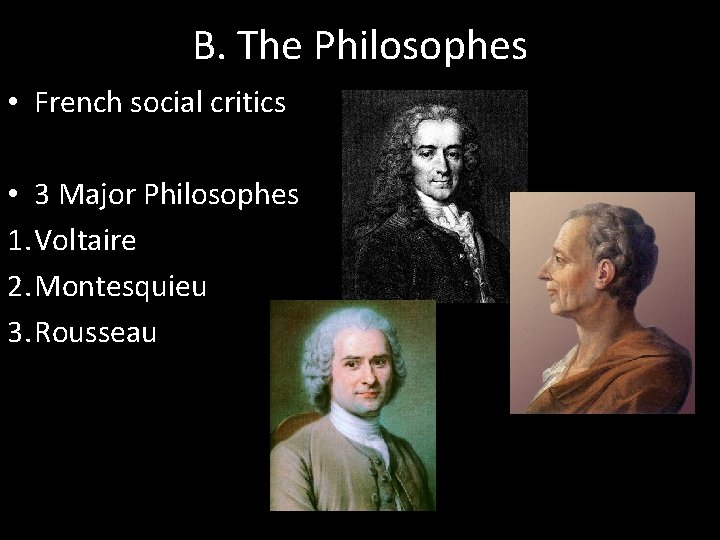
B. The Philosophes • French social critics • 3 Major Philosophes 1. Voltaire 2. Montesquieu 3. Rousseau
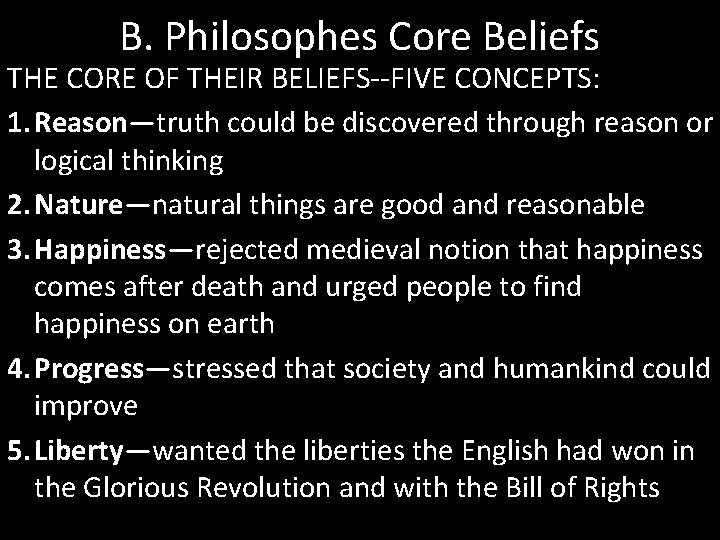
B. Philosophes Core Beliefs THE CORE OF THEIR BELIEFS--FIVE CONCEPTS: 1. Reason—truth could be discovered through reason or logical thinking 2. Nature—natural things are good and reasonable 3. Happiness—rejected medieval notion that happiness comes after death and urged people to find happiness on earth 4. Progress—stressed that society and humankind could improve 5. Liberty—wanted the liberties the English had won in the Glorious Revolution and with the Bill of Rights
DOCUMENT BASED QUESTIONING VOLTAIRE, ROUSSEAU, MONTESQUEIU
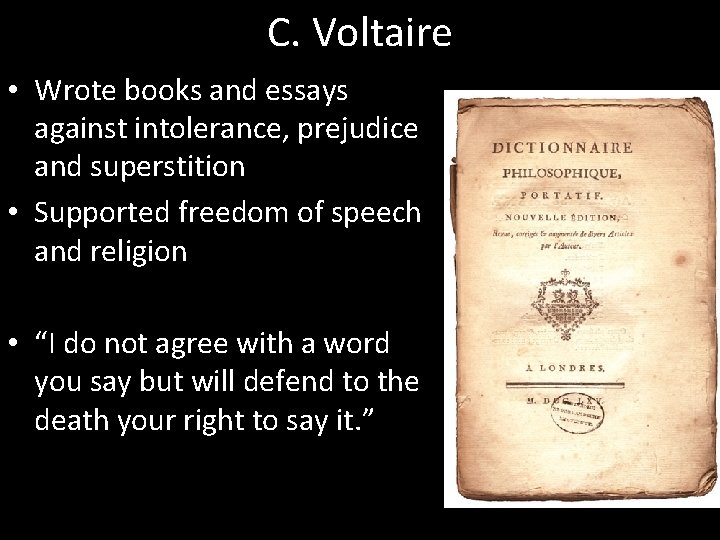
C. Voltaire • Wrote books and essays against intolerance, prejudice and superstition • Supported freedom of speech and religion • “I do not agree with a word you say but will defend to the death your right to say it. ”
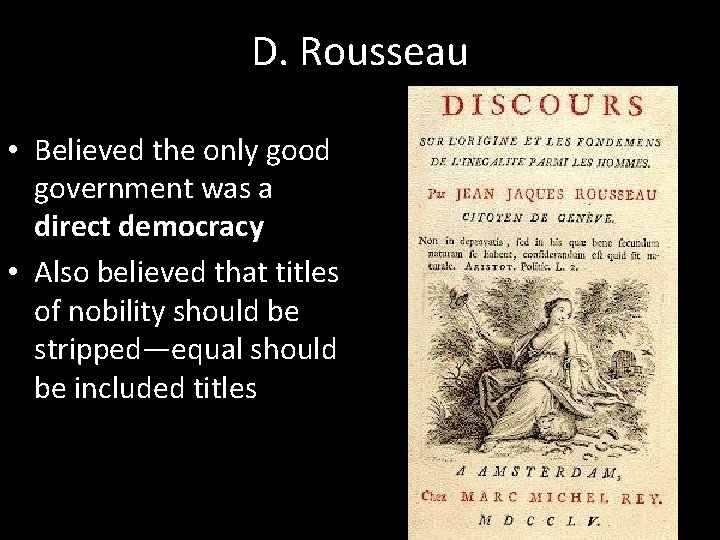
D. Rousseau • Believed the only good government was a direct democracy • Also believed that titles of nobility should be stripped—equal should be included titles
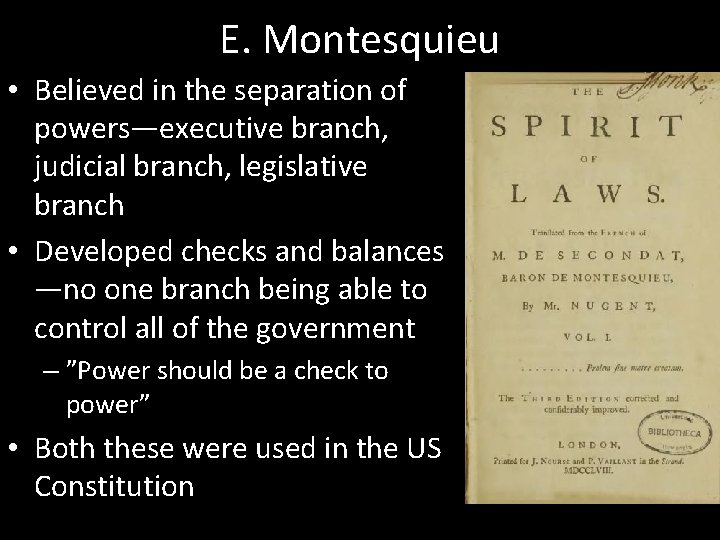
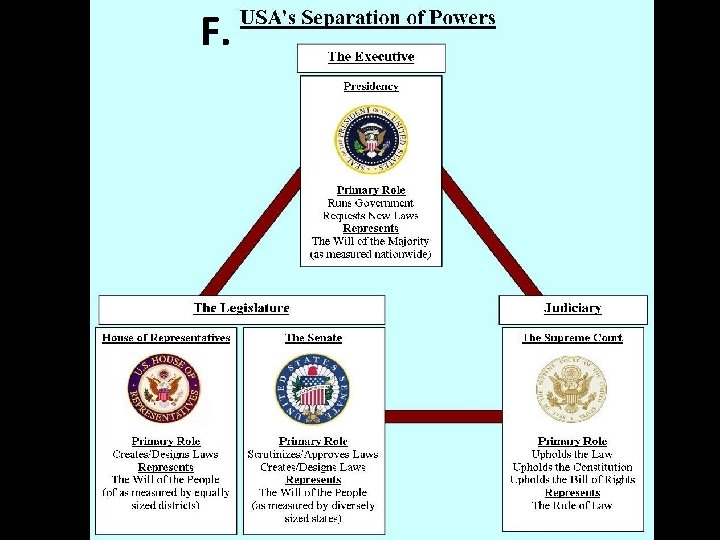
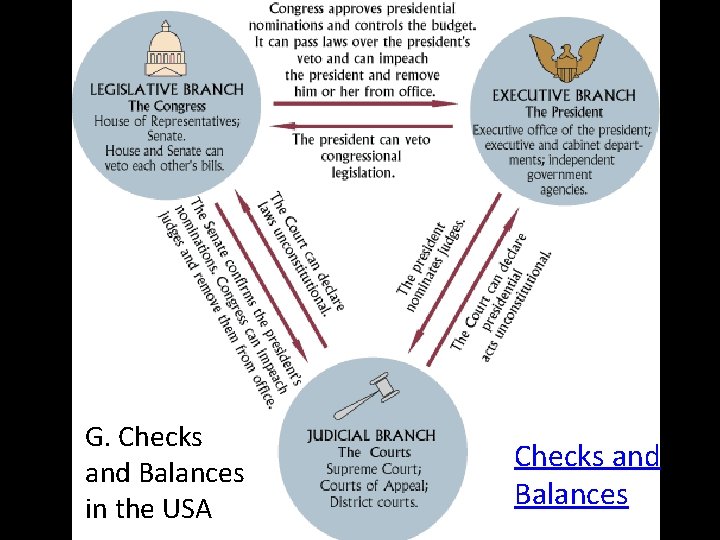
E. Montesquieu • Believed in the separation of powers—executive branch, judicial branch, legislative branch • Developed checks and balances —no one branch being able to control all of the government – ”Power should be a check to power” • Both these were used in the US Constitution
F.
G. Checks and Balances in the USA • Checks and Balances
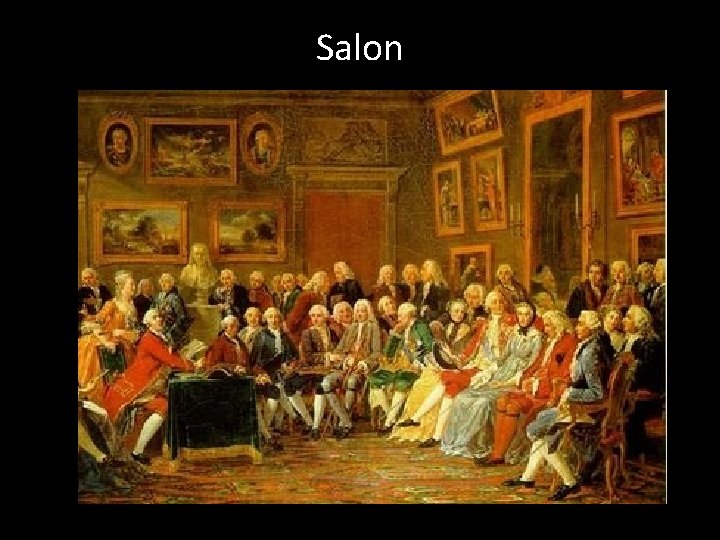
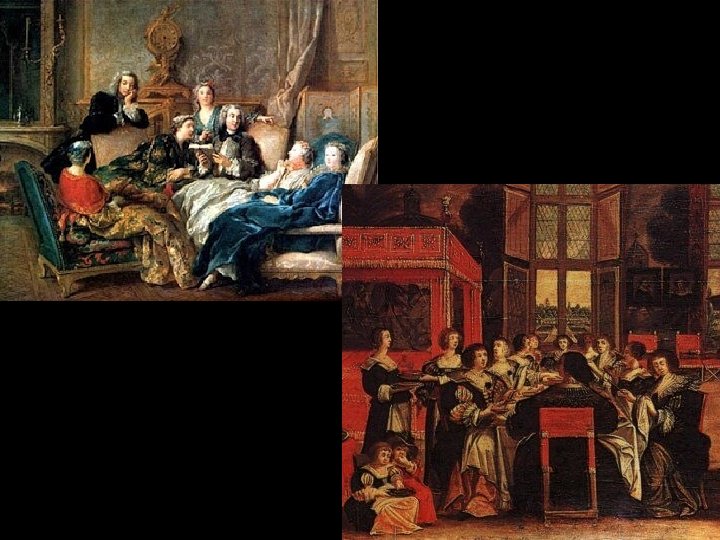
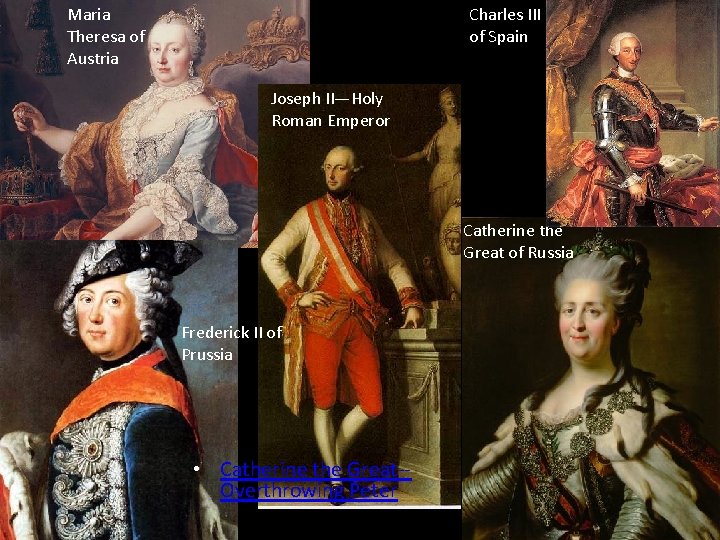
III. The Enlightenment Spreads • TERMS TO KNOW: • Salons—social gatherings where philosphers, writers, artists, scientists and other great intellects met to discuss Enlightenment ideas. • Enlightened despots—rulers who embraced Enlightenment ideas and wanted reform and to rule their subjects fairly – Despot- “absolute ruler”
Salon
Maria Theresa of Austria Charles III of Spain Joseph II—Holy Roman Emperor Catherine the Great of Russia Frederick II of Prussia • Catherine the Great-Overthrowing Peter
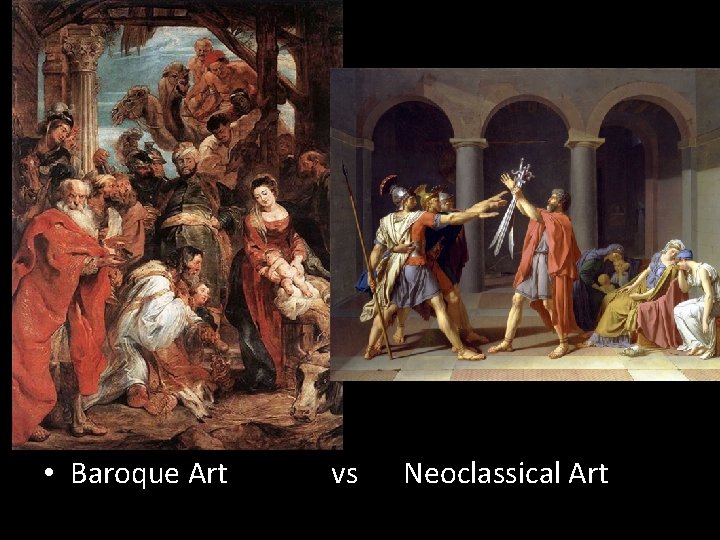
A. Enlightenment Music and Art • Neoclassical Art: “new classical”, simple and elegant form of art using borrowed ideas and themes from classical Greece and Rome. • Classical Music: simpler form with less “trills” but very elegant and light – Franz Joseph Haydn, Wolfgang Amadeus Mozart, and Ludwig van Beethoven – Beethoven's Fur Elise (classical) – Toccata and Fugue in D Minor (Bach) (baroque)
• Baroque Art vs Neoclassical Art