
Enhancing Patient Safety using systems and process thinking
- Slides: 28
Enhancing Patient Safety; using systems and process thinking Learning from Listening
Session objectives • To understand what a process is. • To practice mapping a simple process. • To understand how processes support systems. • Recognise the points of risk in processes.
Systems • Every system is perfectly designed to get the results it gets. • If we want better outcomes, we must change something in the system. • To do this we need to understand our systems.
Processes • Processes are the components of a system. • A process is a series of connected steps or actions to achieve an outcome. • They have purposes and functions of their own, but cannot work entirely by themselves.
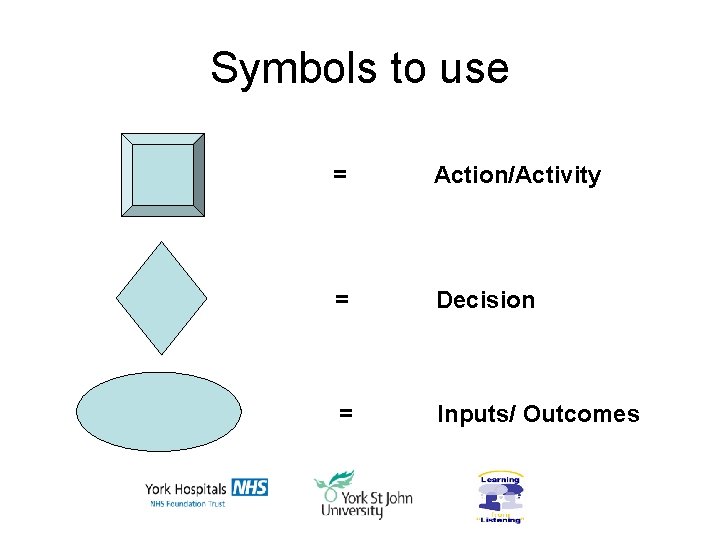
Symbols to use = Action/Activity = Decision = Inputs/ Outcomes
Break into small groups and using the symbols map your journey into today’s session.
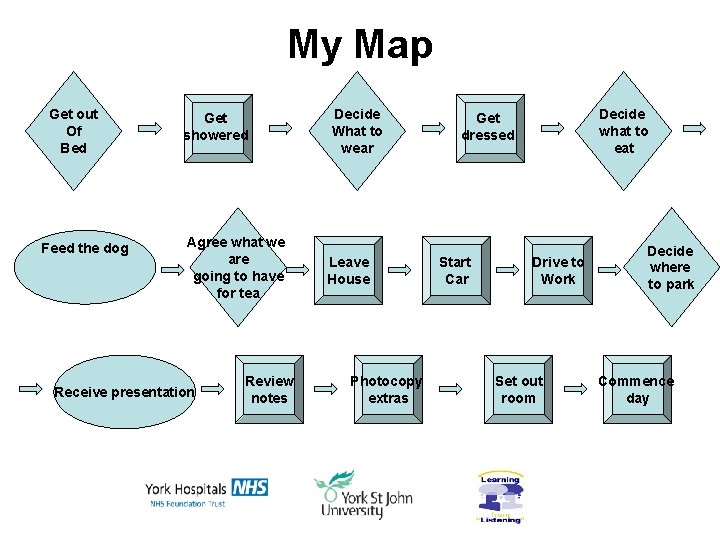
My Map Get out Of Bed Feed the dog Get showered Agree what we are going to have for tea Receive presentation Review notes Decide What to wear Leave House Photocopy extras Decide what to eat Get dressed Start Car Drive to Work Set out room Decide where to park Commence day
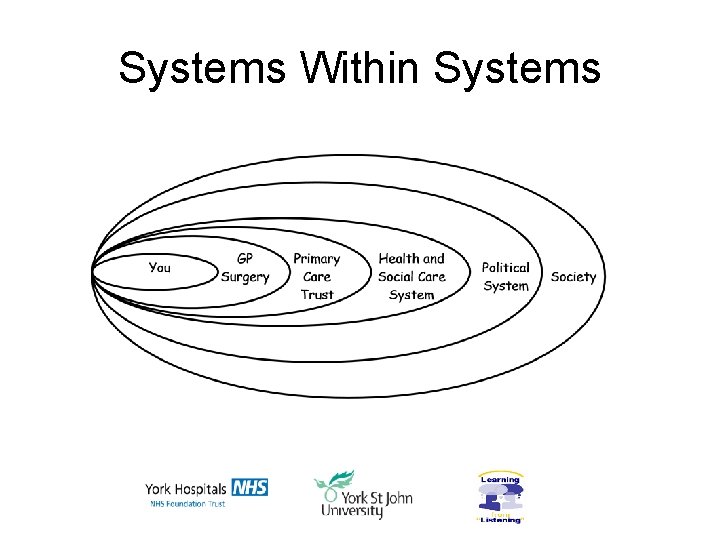
A system • A system is a collection of parts or processes organised around a purpose. • Each system is embedded in other systems. • Each process is part of at least one system. • Each system is part of a bigger system, which are in even bigger systems etc. Working in Systems, NHS Institute for Innovation & Improvement 2005
Exercise 1
Why is it important to understand the systems we work in?
Systems Within Systems
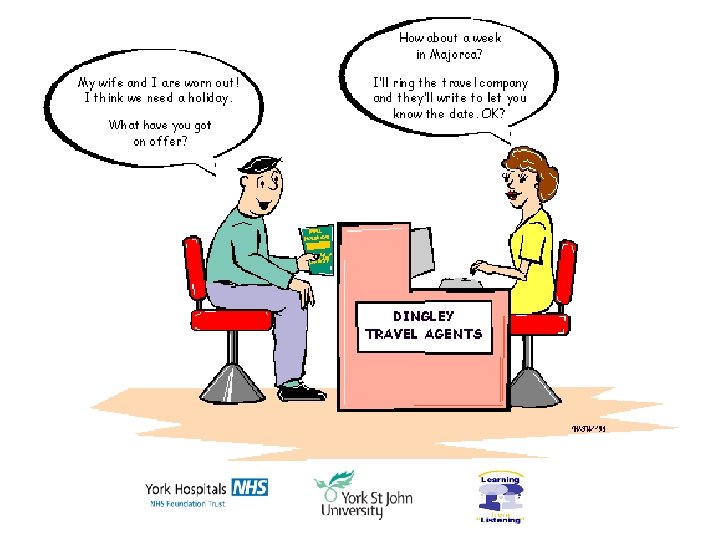
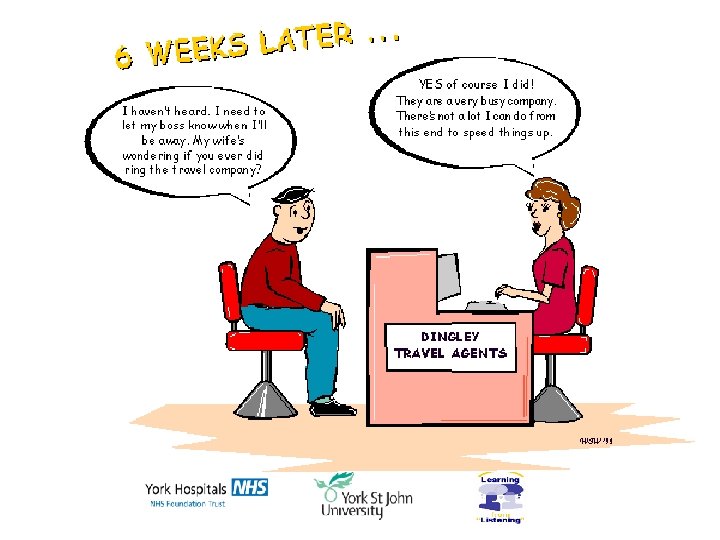
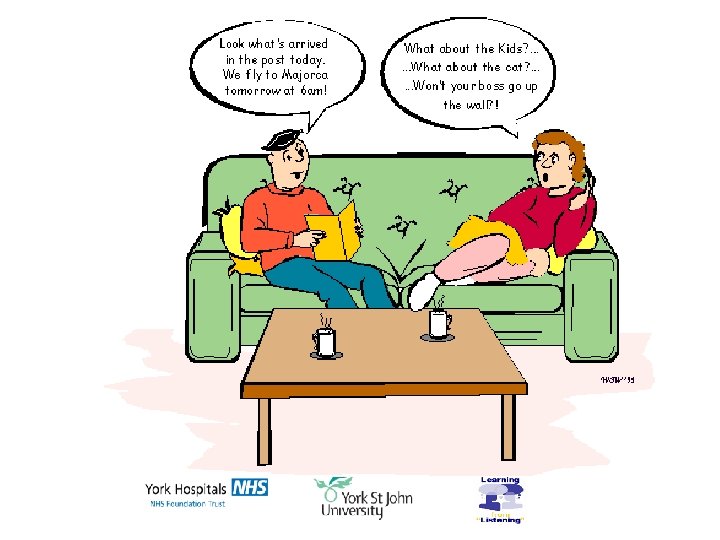
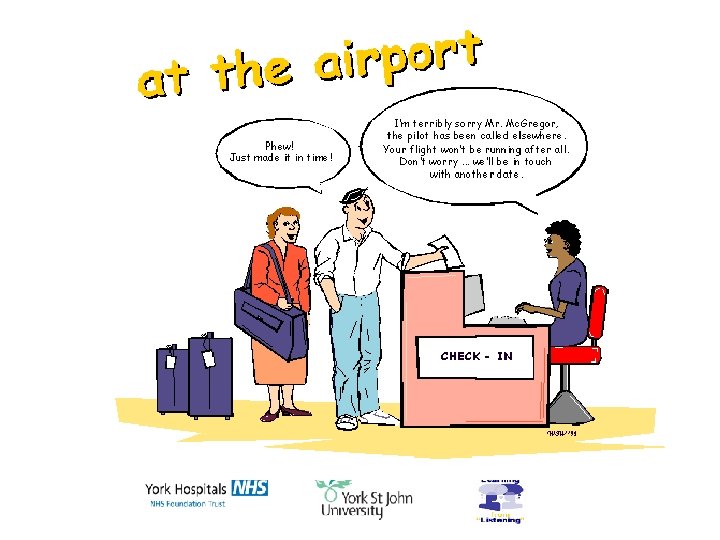
A short story about ‘expectations’ • Why the NHS is concerned about improvement?
Exercise 2 • What went wrong? • What impact did it have? • Can you relate this to a healthcare experience?
What does the story tell you about patient safety? • Patients have expectations and failure to achieve these reduces trust • Processes are linked but are sometimes working against each other • Confidence is reduced by failure to be consistent • Patient is not supported and this undermines their personal preparation • The creation of uncertainty increases and perpetuates anxiety
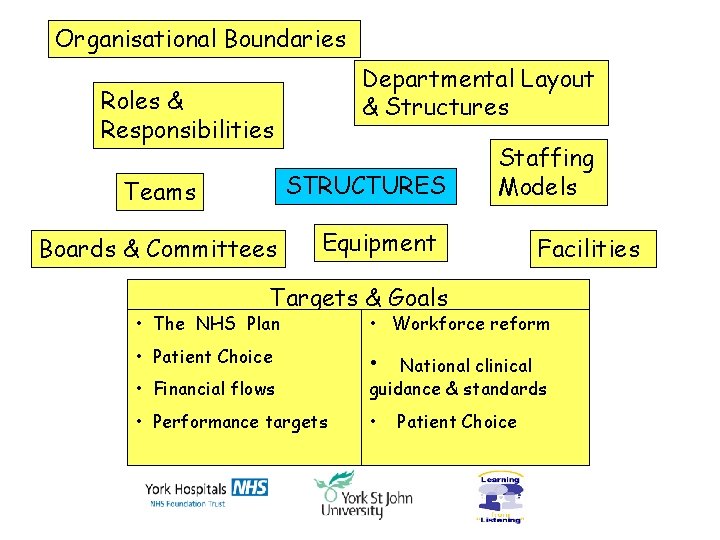
Making Improvements within complex Systems • Structures • Processes • Patterns • Frijot Capra 2002
Organisational Boundaries Departmental Layout & Structures Roles & Responsibilities STRUCTURES Teams Boards & Committees Staffing Models Equipment Facilities Targets & Goals • The NHS Plan • Workforce reform • Patient Choice • • Financial flows • Performance targets National clinical guidance & standards • Patient Choice
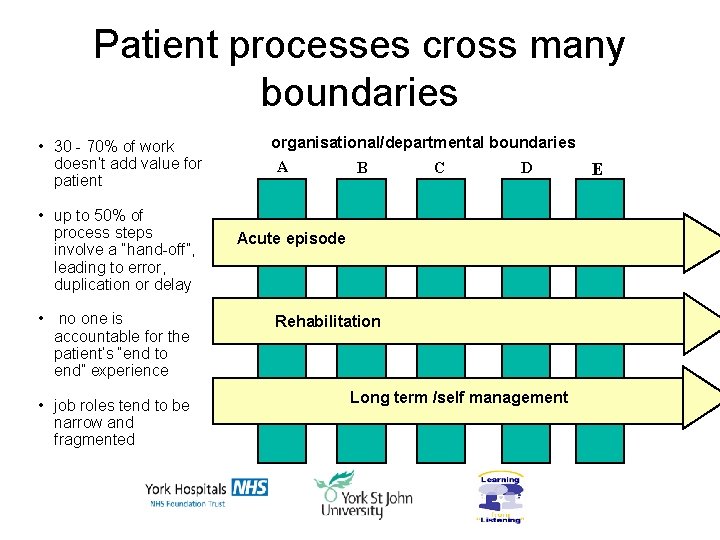
Patient processes cross many boundaries • 30 - 70% of work doesn’t add value for patient • up to 50% of process steps involve a “hand-off”, leading to error, duplication or delay • no one is accountable for the patient’s “end to end” experience • job roles tend to be narrow and fragmented organisational/departmental boundaries A B C D Acute episode Rehabilitation Long term /self management E
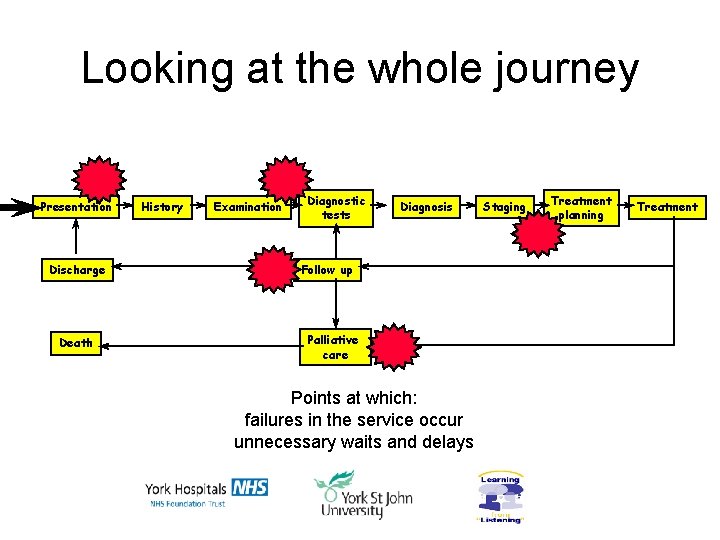
Looking at the whole journey Presentation Discharge Death History Examination Diagnostic tests Diagnosis Follow up Palliative care Points at which: failures in the service occur unnecessary waits and delays Staging Treatment planning Treatment
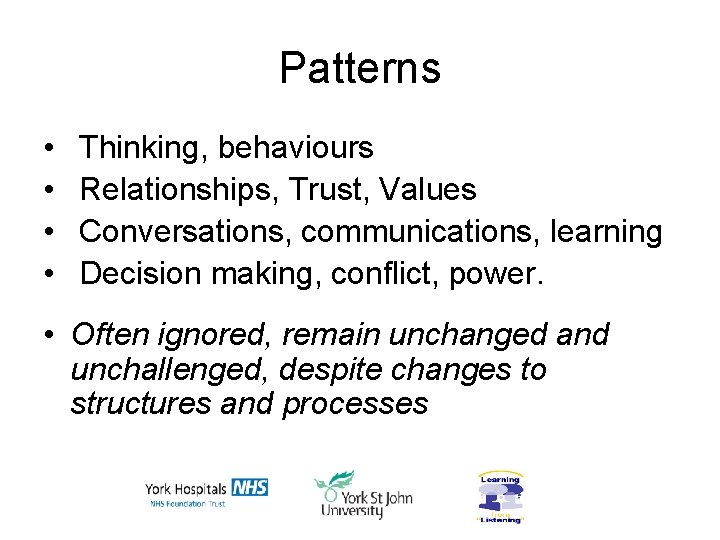
Patterns • • Thinking, behaviours Relationships, Trust, Values Conversations, communications, learning Decision making, conflict, power. • Often ignored, remain unchanged and unchallenged, despite changes to structures and processes
“For me it’s my world – for the staff I am one of thousands” Patient, Learning from Listening – York Hospitals NHS Trust
Exercise • From the patients stories, identify a care process that a patient felt could be better. • Is there a potential for improvement that you could influence? • What interactions between the elements would you need to consider and manage if you were going to take this change forward?
In Summary • In Healthcare we work in a Complex Adaptive System • Complex – many and varied relationships among parts of the system, making detailed behaviour difficult to predict • Adaptive – people who make up the systems can change and evolve in response to new conditions in the environment • System – coordinated action towards some sense of purpose Plsek 2000
To change an organisation, the more people you can involve, and the faster you can help them understand how the system works and how to take responsibility for making it work better, the faster will be the change. ” • Marvin Weisbord • Training and Development Journal