
English Traditions of Government US History EOC Review



- Slides: 27
English Traditions of Government US History EOC Review
USHC 1. 2 Analyze the early development of representative government and political rights in the American colonies, including the influence of the British political system and the rule of law as written in the Magna Carta and the English Bill of Rights, and the conflict between the colonial legislatures and the British Parliament over the right to tax that resulted in the American Revolutionary War.
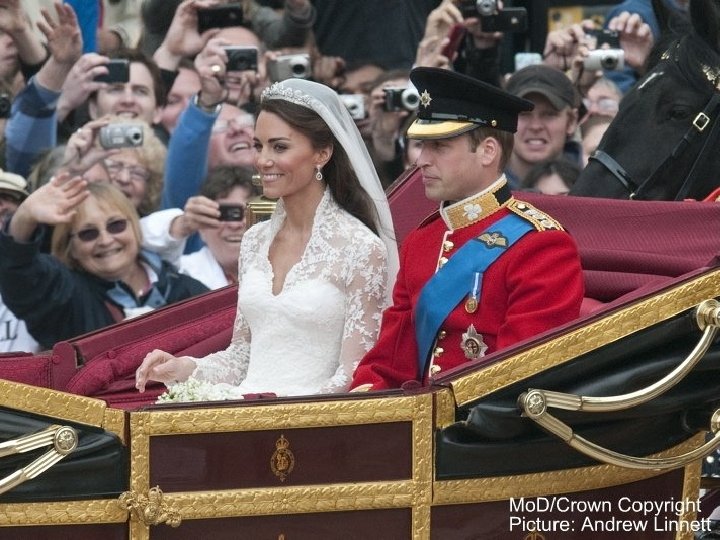
Credit: Daniel Sorabji / AFP/Getty Images
Constitutional Government LIMITED
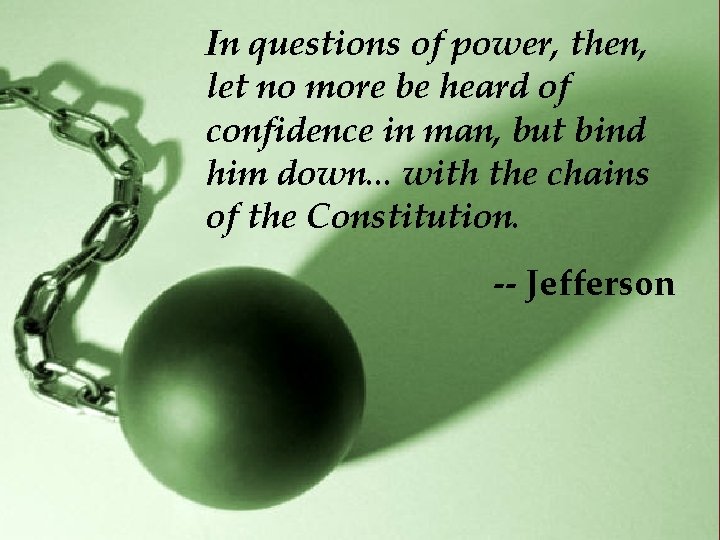
In questions of power, then, let no more be heard of confidence in man, but bind him down. . . with the chains of the Constitution. -- Jefferson
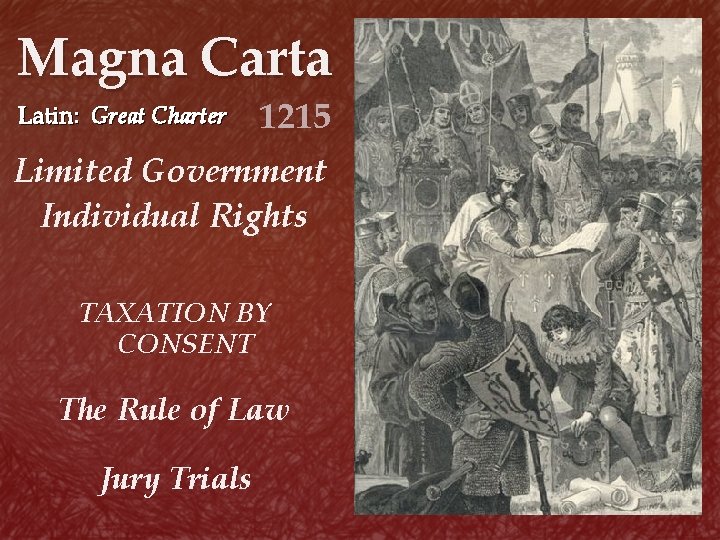
Magna Carta Latin: Great Charter 1215 Limited Government Individual Rights TAXATION BY CONSENT The Rule of Law Jury Trials
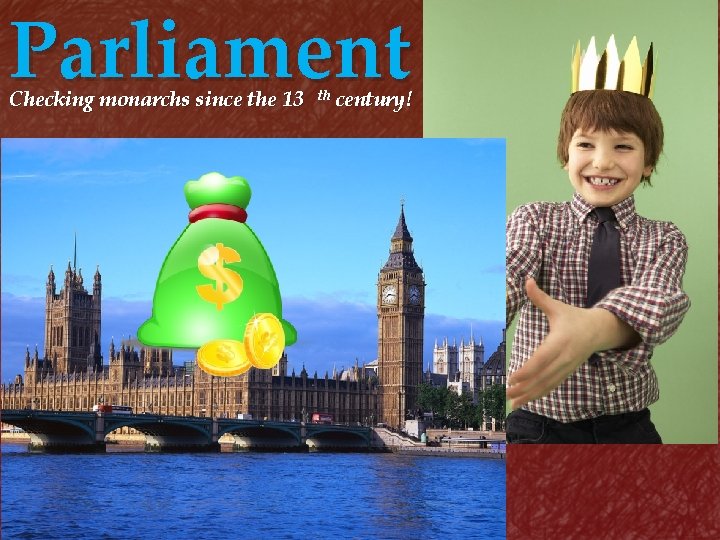
Parliament Checking monarchs since the 13 th century!
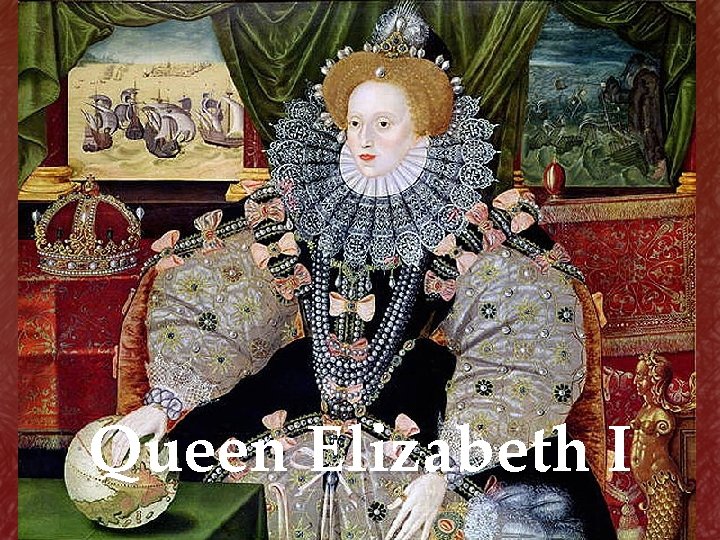
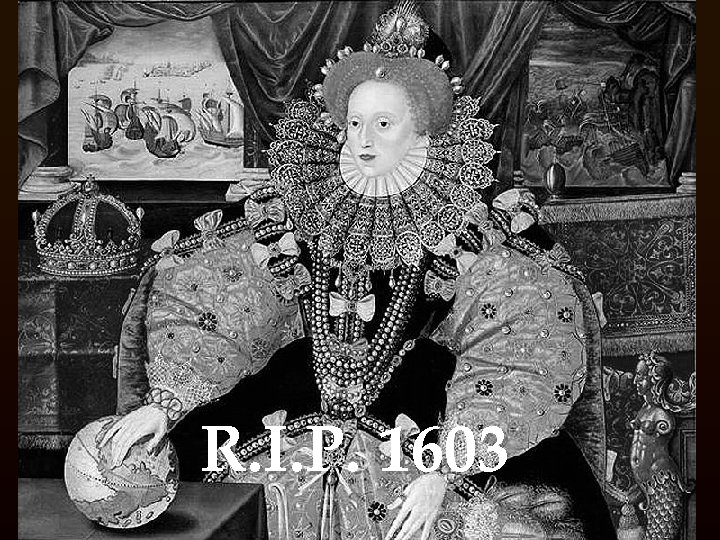
Queen Elizabeth I
R. I. P. 1603
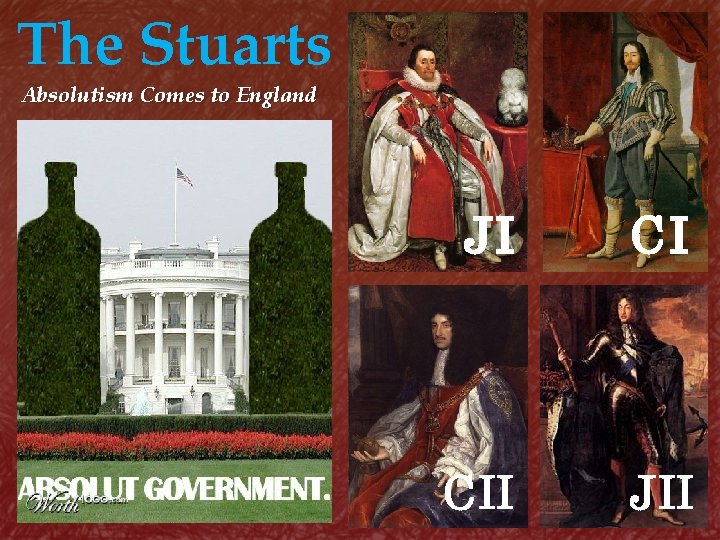
The Stuarts Absolutism Comes to England JI CI C II J II
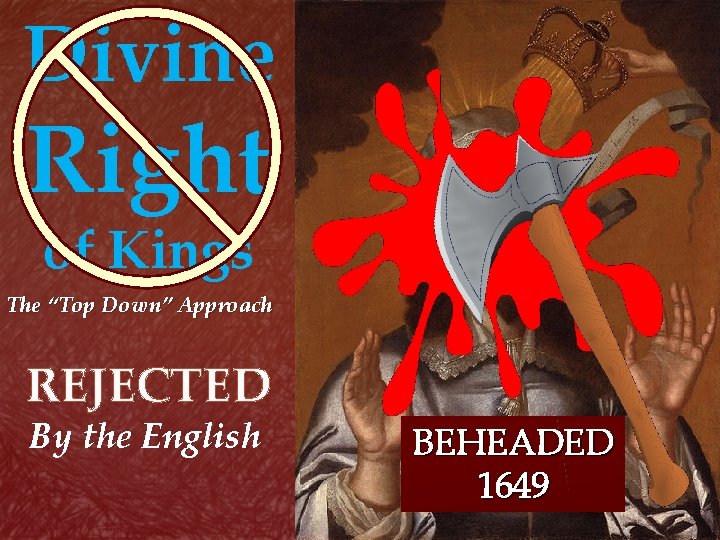
Divine Right of Kings The “Top Down” Approach REJECTED By the English BEHEADED 1649
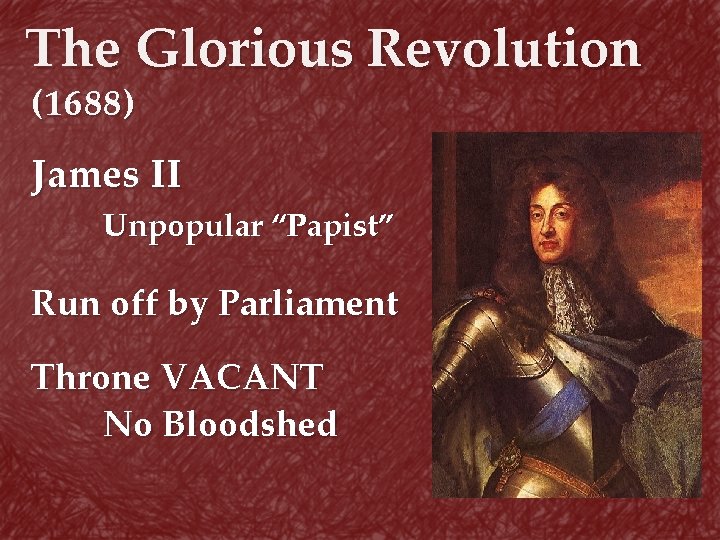
The Glorious Revolution (1688) James II Unpopular “Papist” Run off by Parliament Throne VACANT No Bloodshed
WANTED A monarch who will sit down, shut up, and { let Parliament take care of governing.
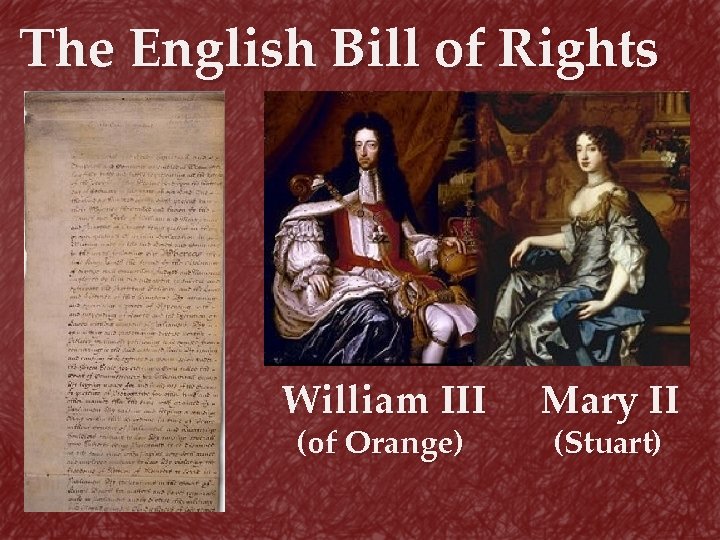
The English Bill of Rights William III (of Orange) Mary II (Stuart)
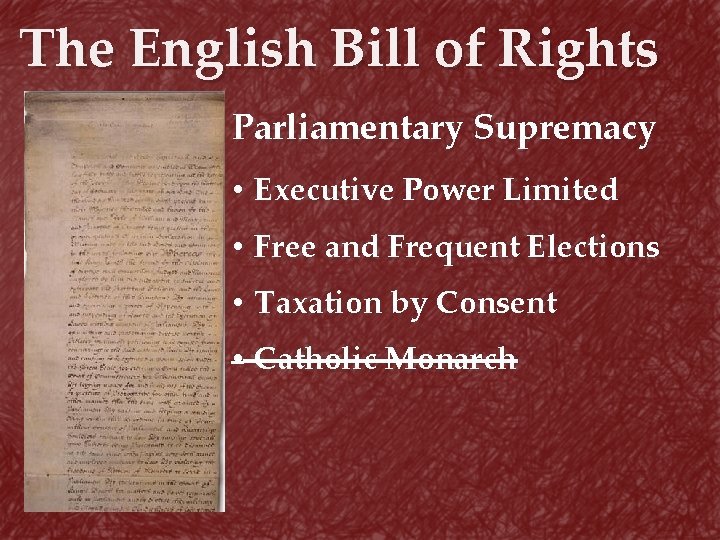
The English Bill of Rights Parliamentary Supremacy • Executive Power Limited • Free and Frequent Elections • Taxation by Consent • Catholic Monarch
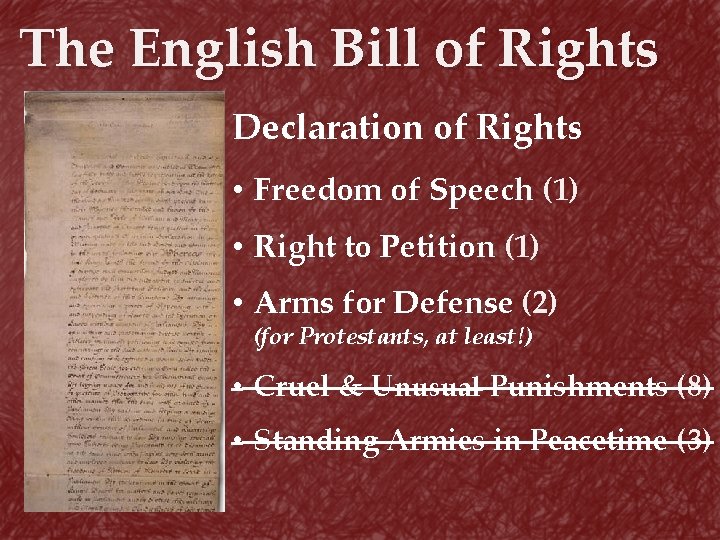
The English Bill of Rights Declaration of Rights • Freedom of Speech (1) • Right to Petition (1) • Arms for Defense (2) (for Protestants, at least!) • Cruel & Unusual Punishments (8) • Standing Armies in Peacetime (3)
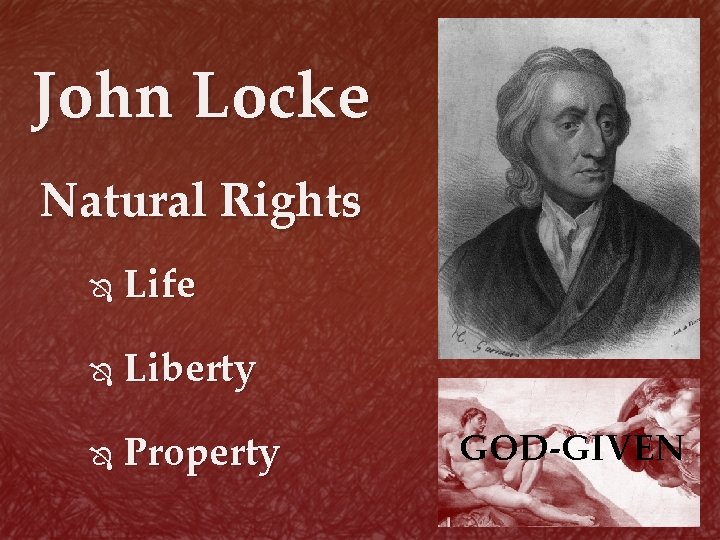
John Locke Natural Rights Life Liberty Property GOD-GIVEN
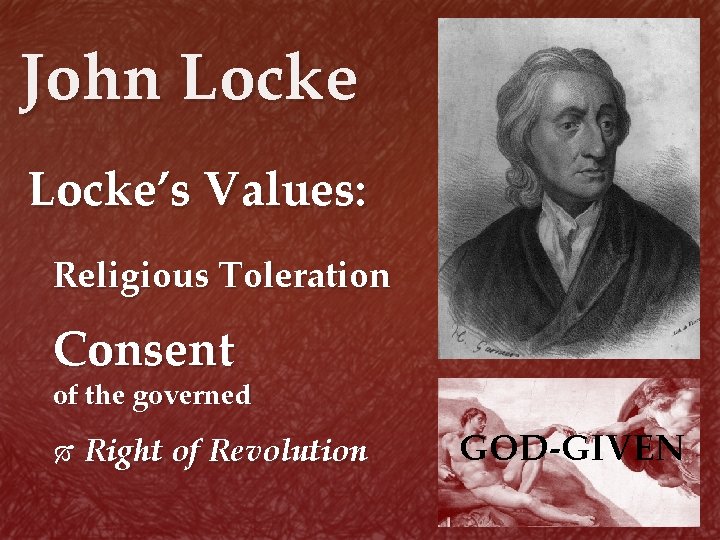
John Locke’s Values: Religious Toleration Consent of the governed Right of Revolution GOD-GIVEN
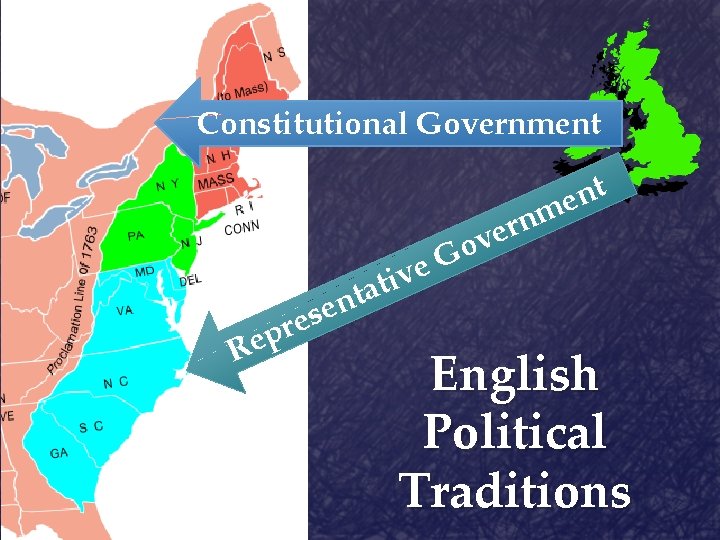
Constitutional Government t n e p e R n e s re e v i tat m n r e v Go English Political Traditions
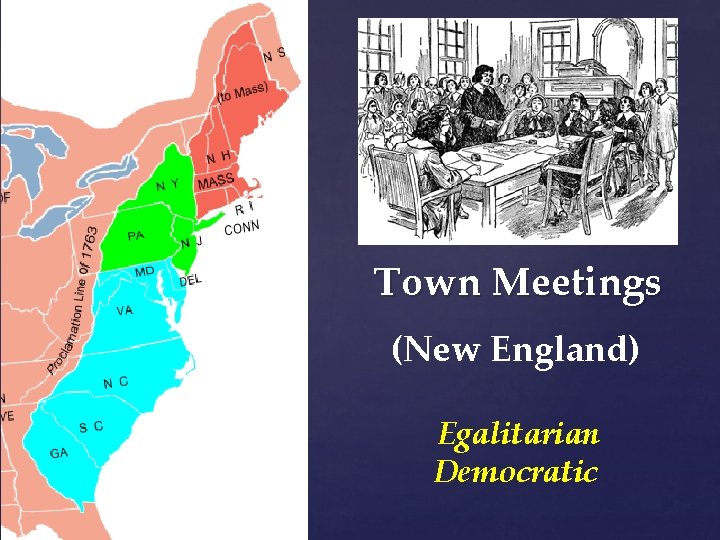
Town Meetings (New England) Egalitarian Democratic
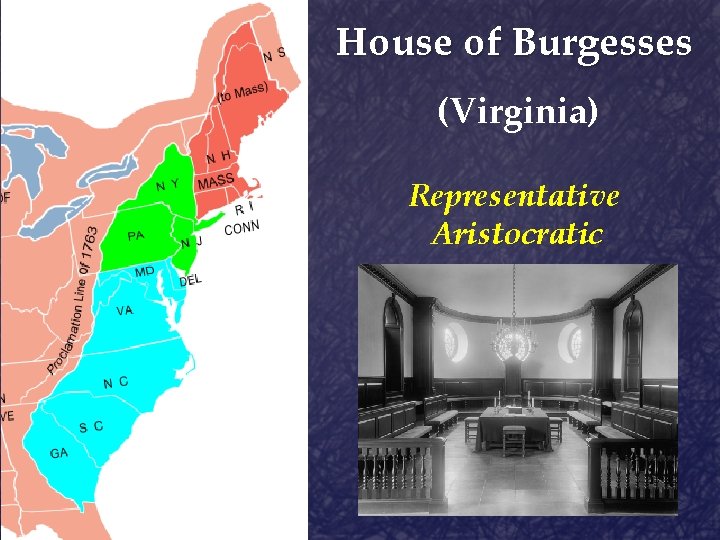
House of Burgesses (Virginia) Representative Aristocratic
Salutary Neglect
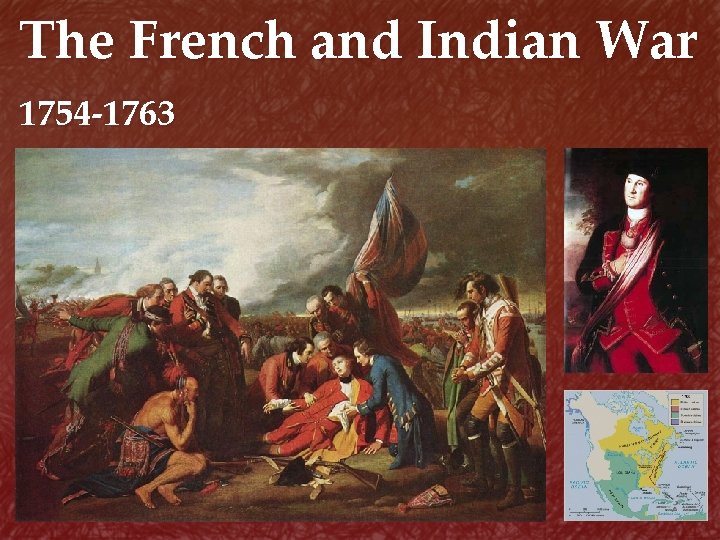
The French and Indian War 1754 -1763 {