
ENGLISH FIRST ADDITIONAL LANGUAGE LEVEL 2 LESSON 1

- Slides: 24
ENGLISH FIRST ADDITIONAL LANGUAGE LEVEL 2 (LESSON: 1) BY NKOMONDE SM
LESSON OUTCOMES: LISTENING AND READING � Oral Work � Short Stories LANGUAGE AND COMMUNICATION PRACTICE Ø Parts of Speech � Language and Editing � TEXTS PRODUCED IN SPEAKING AND WRITING � Comprehension Test � summaries
ORAL WORK � What you say and when do you say it is very important � Oral presentation is a short talk on a set topic given to a group of students. Students are expected to give a talk to classmates and present their views on the topic based on their reading or research.
HOW TO PREPARE FOR AN EFFECTIVE ORAL PRESENTATION � Organize your thoughts � Have a strong opening � Define terms early � Finish with a bang � Time yourself � Create effective notes for yourself
FACTORS TO CONSIDER DURING ORAL PRESENTATION � Body � Voice • • • language(facial expressions , gesture ) ( your voice can be controlled in many ways based on what you want to convey, you can speak slow or fast) Inflection( going up or down) Pitch (high or low) Tempo (fast or slow) Volume (soft or loud) Tone (feelings or emotions)
READING LOUD VOICE Ø Pronounce words correctly Ø articulate clearly
SHORT STORIES � A brief, imaginative narrative unfolding a single predominating incident and theme. � It contains a plot, the details of which are so compressed (pressed tightly together), and the whole treatment so organized as to produce a single impression. � it is a narrative drama with a single effect.
ELEMENTS OF A SHORT STORY Setting( location and time) � Characters (people and their relationship) � Plot/ Story line( Actions and events) � Style( writing techniques) using figures of speech ü simile(a direct comparison that always contains the words as or like)e. g. He is wealthy as Bill Gates. ü metaphor(comparison without the use of as or like). e. g. He is a Bill Gates ü personification (giving human qualities to inanimate objects or abstract ideas). eg Pride embraced her as she went up to receive her award. ü Irony (the opposite of what is said) e. g. ‘’ I can't wait for my detention on Friday” �
Ø Theme (main or recurred idea, could also be a lesson to learn) Ø conflict( the character struggle, which may be external or internal)
HOW TO READ AND UNDERSTAND SHORT STORIES Research on the book before you start reading, this will help you to see what you are getting yourself into and know your interest in the short story whether you like horror or romantic. � Identify theme. This will help to know where the writer came from when writing or what they are trying to say through their words. � Identify the” meat and potatoes” of the story. This may help you to eagerly anticipate more about the story. �
Learn to analyse each story ü Go deep on the story after reading it. ü ask yourself questions( why, what, when, how, who and where. ) ü what was the writer trying to say to me? ü Who were the characters in the story? ü what really happened in the story? �
PARTS OF SPEECH NOUNS - they are naming words � There are four kinds of nouns which are the following: ü Common Nouns ü Proper Nouns ü Collective Nouns ü Abstract Nouns � Ø ü ü ü Pronouns- they take a place of a noun. They perform a similar function to the noun. We use pronouns to avoid repetition e. g. Joan plays the piano. She plays it daily. Pronouns will change depending on their usage either as a subject or an object e. g. He likes to help other buy wont let others to help him.
� � � Adjectives –they qualify or describe Nouns or Pronouns. They add interest and colour to sentences by describing or giving more information. Verb- a ‘doing’ or an ‘action’ word. Adverbs- they modify or tell us more about verbs. They may also modify adjectives, other adverbs or even the tone of the whole sentence.
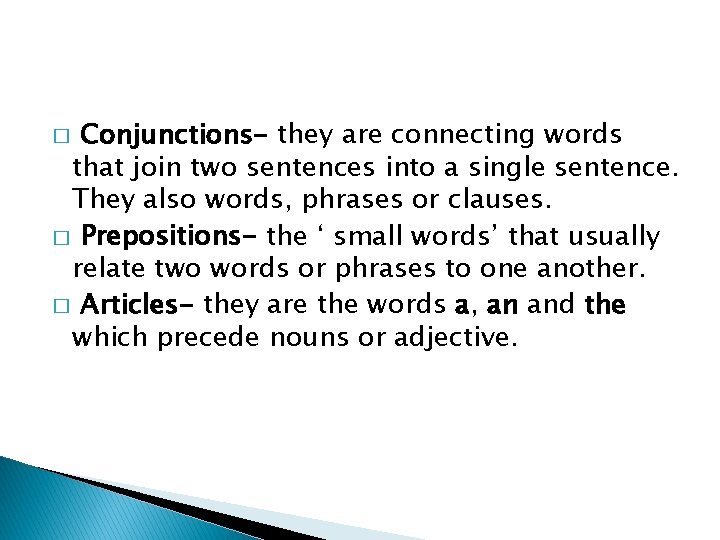
Conjunctions- they are connecting words that join two sentences into a single sentence. They also words, phrases or clauses. � Prepositions- the ‘ small words’ that usually relate two words or phrases to one another. � Articles- they are the words a, an and the which precede nouns or adjective. �
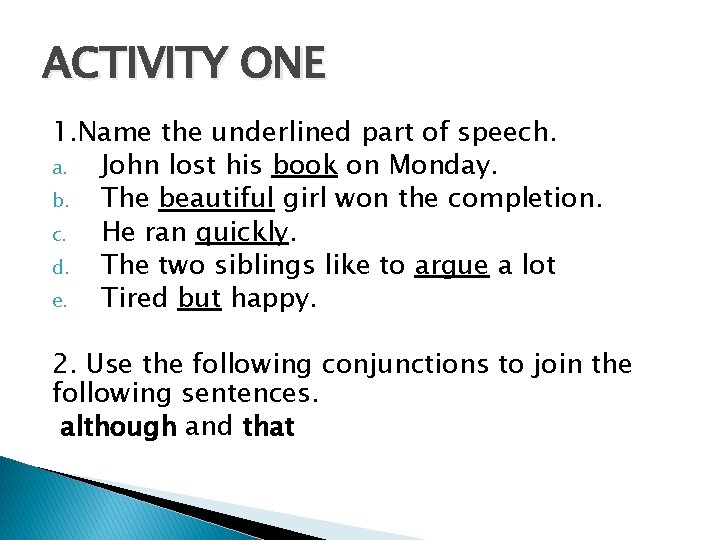
ACTIVITY ONE 1. Name the underlined part of speech. a. John lost his book on Monday. b. The beautiful girl won the completion. c. He ran quickly. d. The two siblings like to argue a lot e. Tired but happy. 2. Use the following conjunctions to join the following sentences. although and that
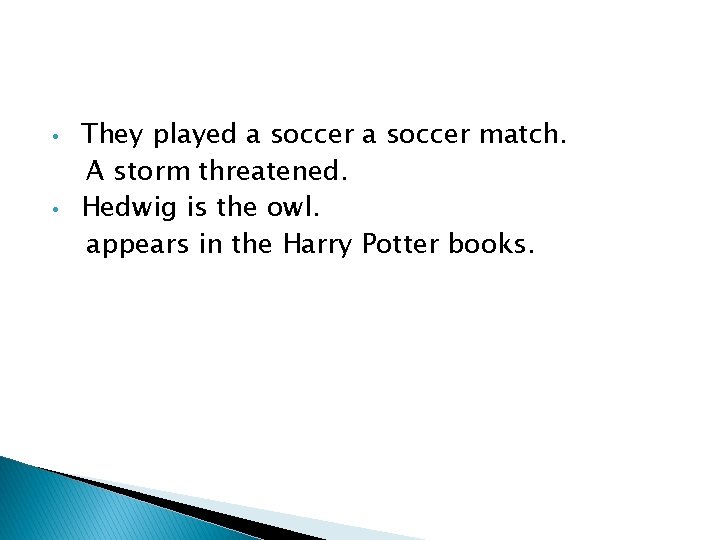
• • They played a soccer match. A storm threatened. Hedwig is the owl. appears in the Harry Potter books.
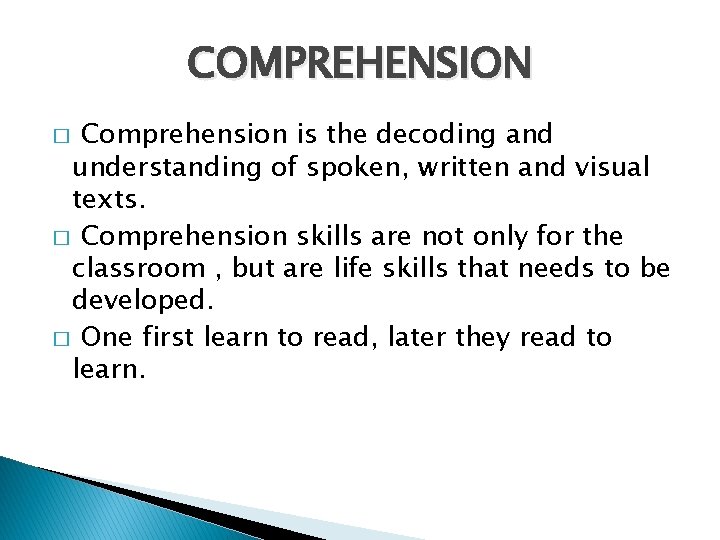
COMPREHENSION Comprehension is the decoding and understanding of spoken, written and visual texts. � Comprehension skills are not only for the classroom , but are life skills that needs to be developed. � One first learn to read, later they read to learn. �
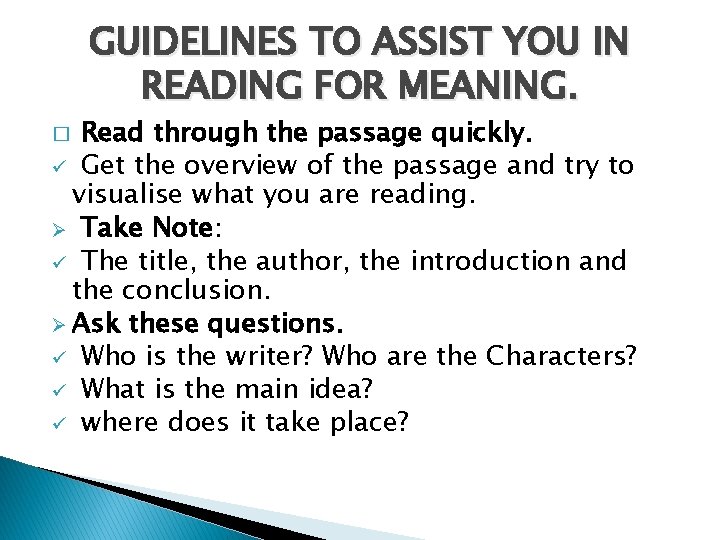
GUIDELINES TO ASSIST YOU IN READING FOR MEANING. Read through the passage quickly. ü Get the overview of the passage and try to visualise what you are reading. Ø Take Note: ü The title, the author, the introduction and the conclusion. Ø Ask these questions. ü Who is the writer? Who are the Characters? ü What is the main idea? ü where does it take place? �
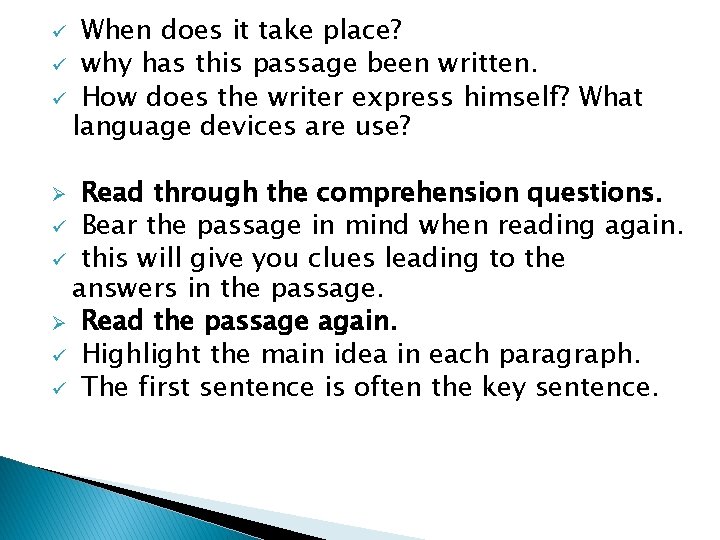
When does it take place? ü why has this passage been written. ü How does the writer express himself? What language devices are use? ü Read through the comprehension questions. ü Bear the passage in mind when reading again. ü this will give you clues leading to the answers in the passage. Ø Read the passage again. ü Highlight the main idea in each paragraph. ü The first sentence is often the key sentence. Ø
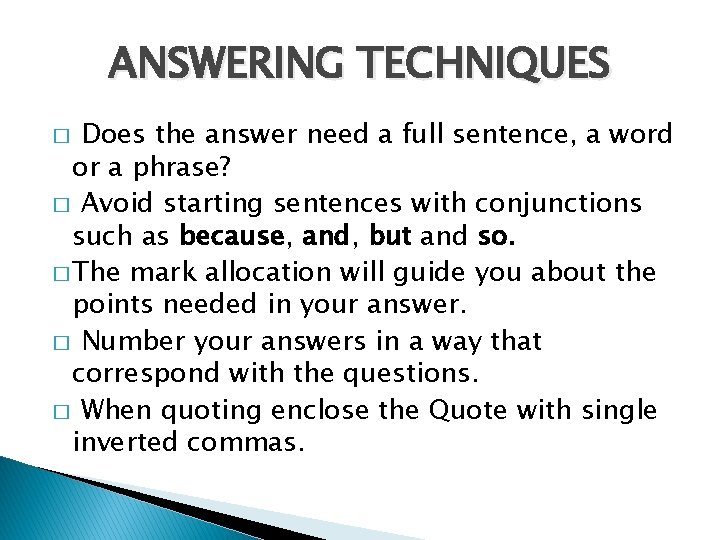
ANSWERING TECHNIQUES Does the answer need a full sentence, a word or a phrase? � Avoid starting sentences with conjunctions such as because, and, but and so. � The mark allocation will guide you about the points needed in your answer. � Number your answers in a way that correspond with the questions. � When quoting enclose the Quote with single inverted commas. �
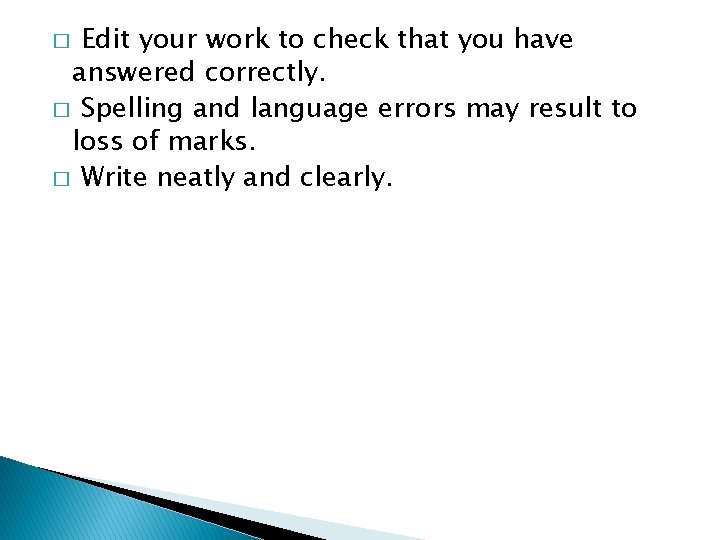
Edit your work to check that you have answered correctly. � Spelling and language errors may result to loss of marks. � Write neatly and clearly. �
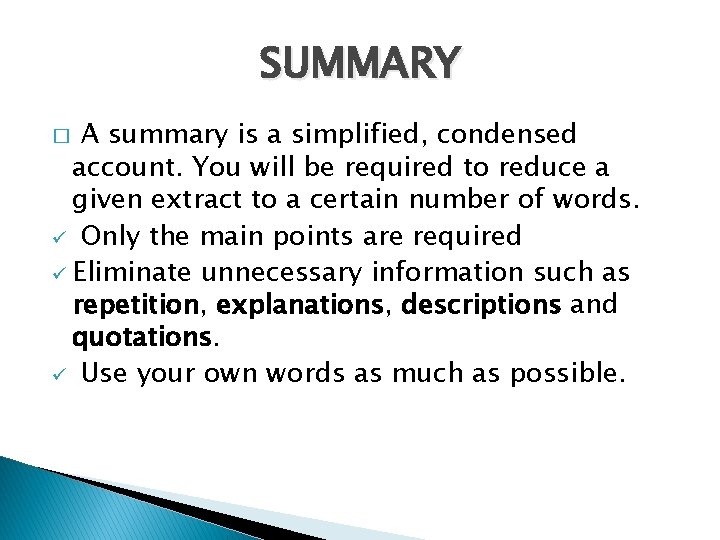
SUMMARY A summary is a simplified, condensed account. You will be required to reduce a given extract to a certain number of words. ü Only the main points are required ü Eliminate unnecessary information such as repetition, explanations, descriptions and quotations. ü Use your own words as much as possible. �
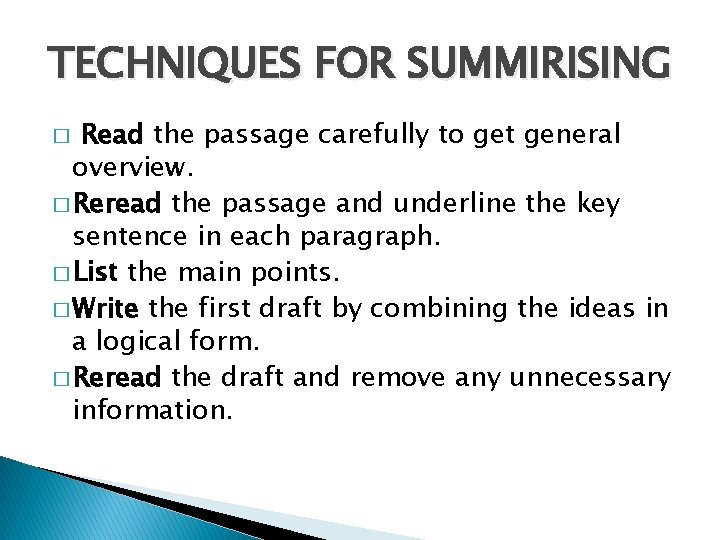
TECHNIQUES FOR SUMMIRISING Read the passage carefully to get general overview. � Reread the passage and underline the key sentence in each paragraph. � List the main points. � Write the first draft by combining the ideas in a logical form. � Reread the draft and remove any unnecessary information. �
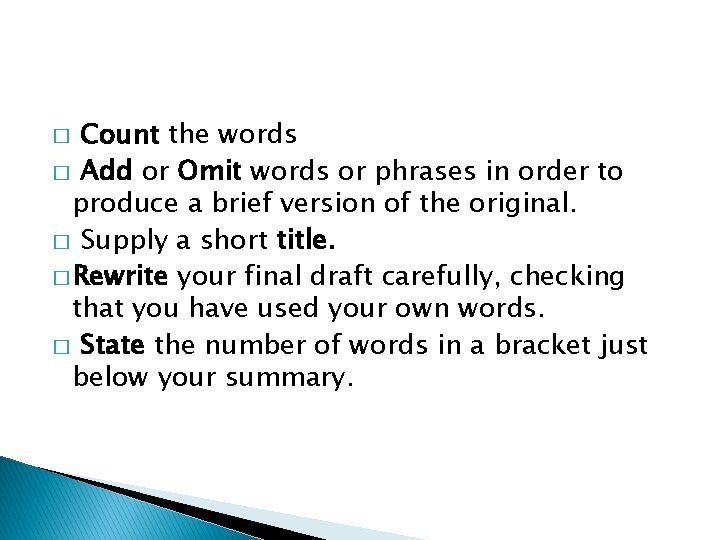
Count the words � Add or Omit words or phrases in order to produce a brief version of the original. � Supply a short title. � Rewrite your final draft carefully, checking that you have used your own words. � State the number of words in a bracket just below your summary. �