
Engineering in OutofSchool Time Educator Workshop By the
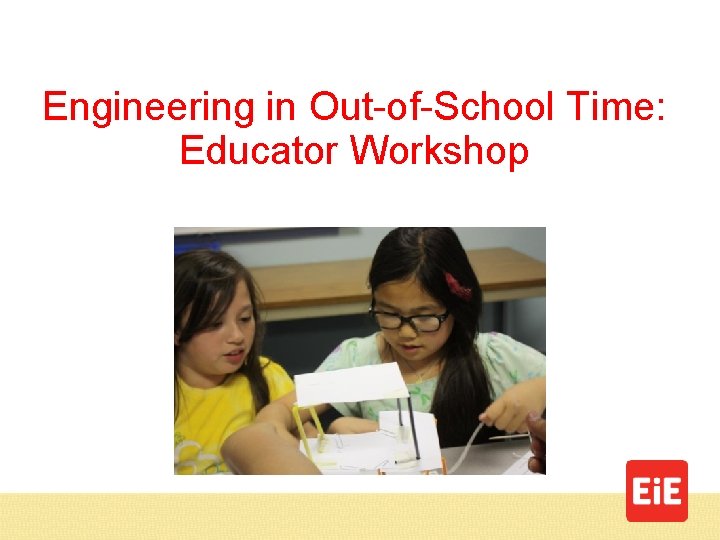
Engineering in Out-of-School Time: Educator Workshop
By the end of this workshop, you will… • Know what it feels like to engineer • Understand what it means to lead Engineering Adventures & Engineering Everywhere successfully • Feel ready to lead Engineering Adventures & Engineering Everywhere activities with your kids
Agenda • Goals and Overview • What is Engineering? Tower Power • The Engineering Design Process • What is Technology? • Break • Unit Exploration • Success in Engineering Adventures • Questioning Strategies • Adaptation Scenarios • Tour through Online Resources
Agenda • Goals and Overview • What is Engineering? Tower Power • The Engineering Design Process • What is Technology? • Break • Unit Exploration • Success in Engineering Adventures • Questioning Strategies • Adaptation Scenarios • Tour through Online Resources
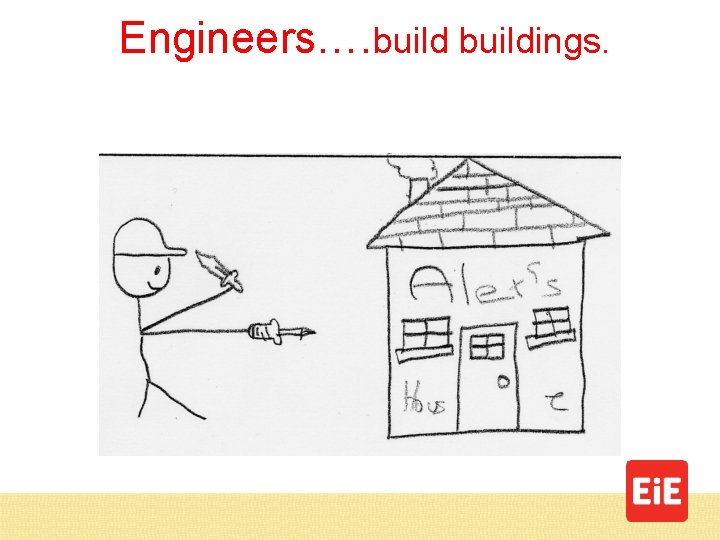
Engineers…. buildings.
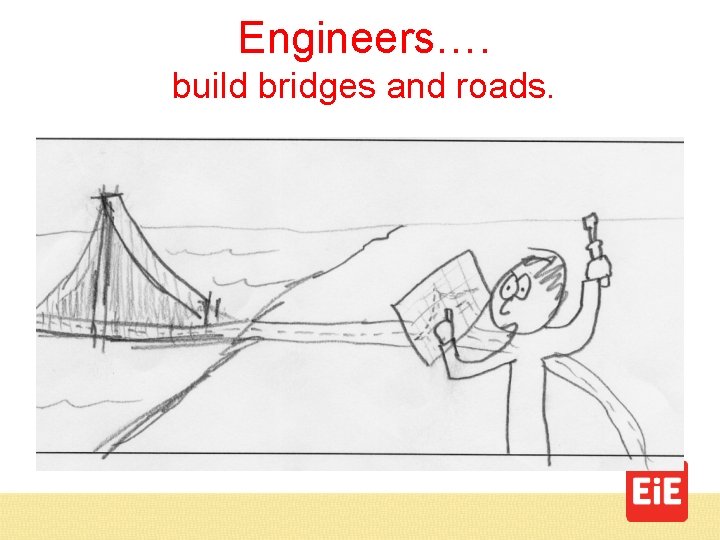
Engineers…. build bridges and roads.
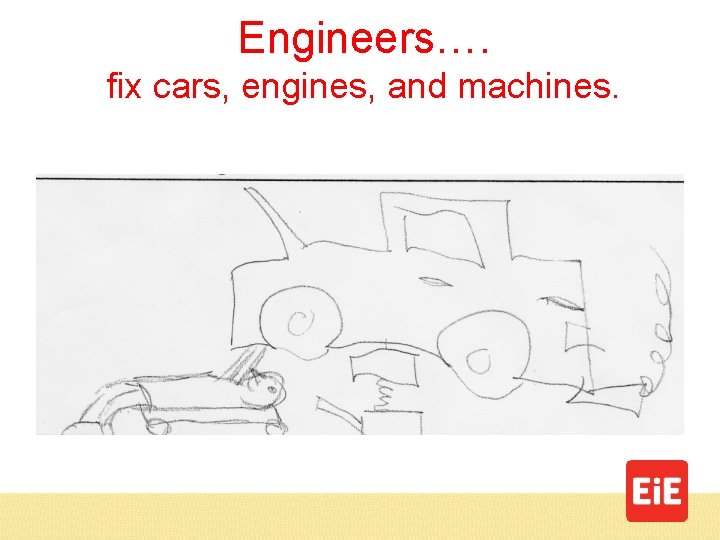
Engineers…. fix cars, engines, and machines.
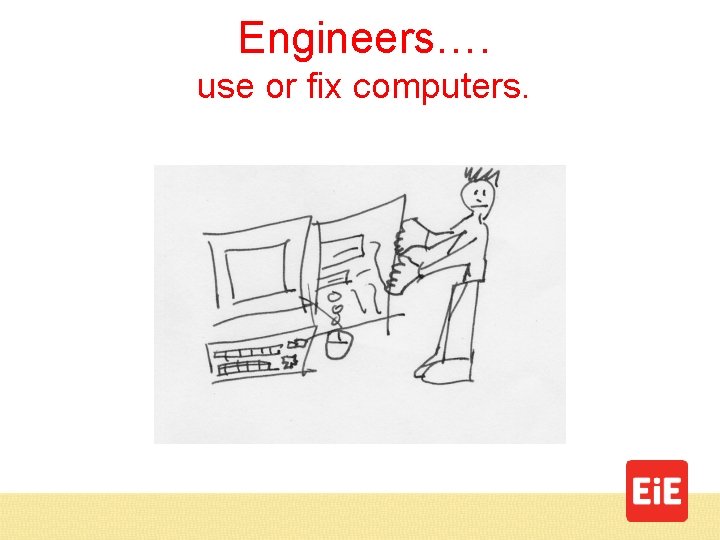
Engineers…. use or fix computers.
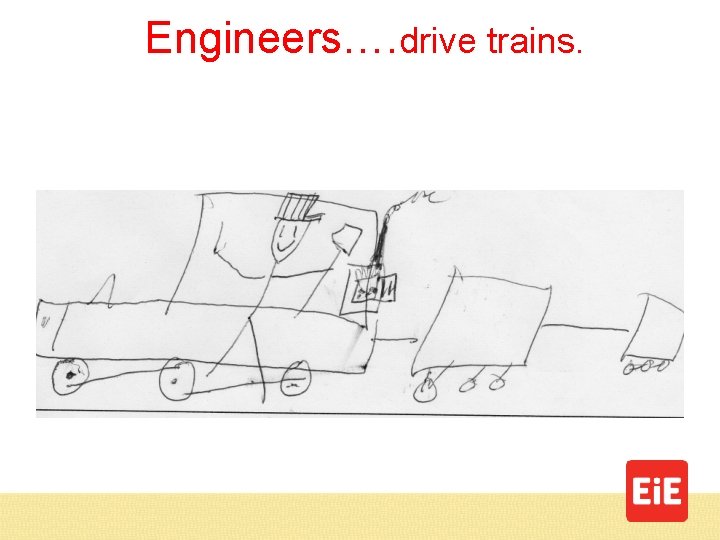
Engineers…. drive trains.
Goals: Kids will learn that: • they can use the Engineering Design Process to help solve problems • engineers design technologies to help people and to solve problems • they have talent and potential for designing and improving technologies • they, too, can be engineers
Kids best learn engineering when they: • engage in activities that are fun, exciting, and connect to the world in which they live • choose their path through open-ended challenges that have multiple solutions • have the opportunity to succeed in engineering challenges • communicate and collaborate in innovative, active, problem solving
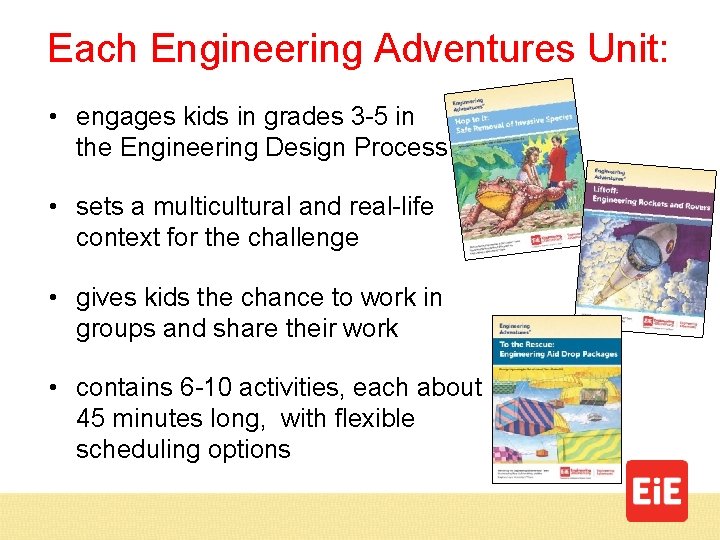
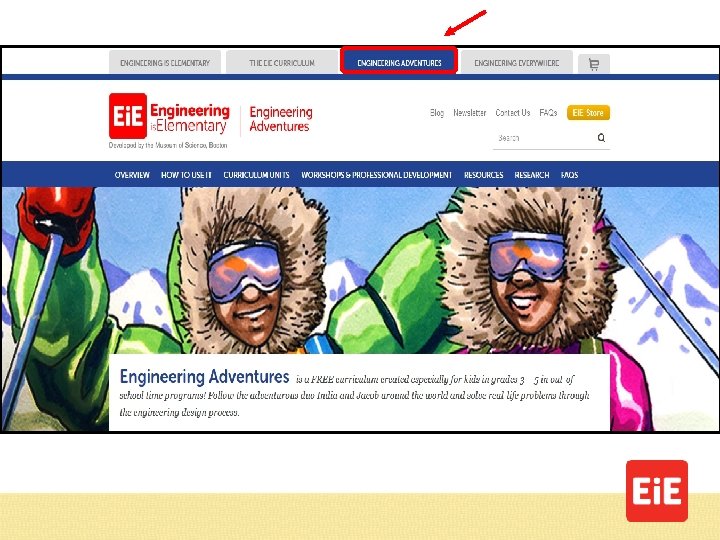
Each Engineering Adventures Unit: • engages kids in grades 3 -5 in the Engineering Design Process • sets a multicultural and real-life context for the challenge • gives kids the chance to work in groups and share their work • contains 6 -10 activities, each about 45 minutes long, with flexible scheduling options
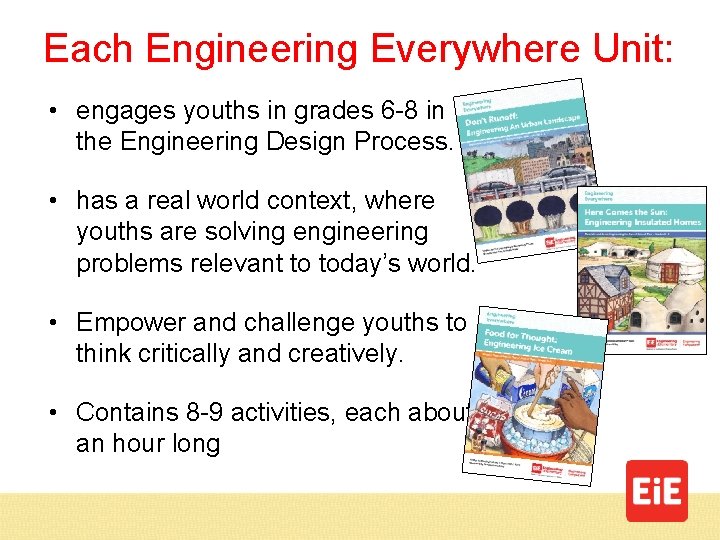
Each Engineering Everywhere Unit: • engages youths in grades 6 -8 in the Engineering Design Process. • has a real world context, where youths are solving engineering problems relevant to today’s world. • Empower and challenge youths to think critically and creatively. • Contains 8 -9 activities, each about an hour long
Curriculum Development Process Initial Unit Development National Pilot Testing Unit Revisions Final Unit Released
Agenda • Goals and Overview • What is Engineering? Tower Power • The Engineering Design Process • What is Technology? • Break • Unit Exploration • Success in Engineering Adventures • Questioning Strategies • Adaptation Scenarios • Tour through Online Resources
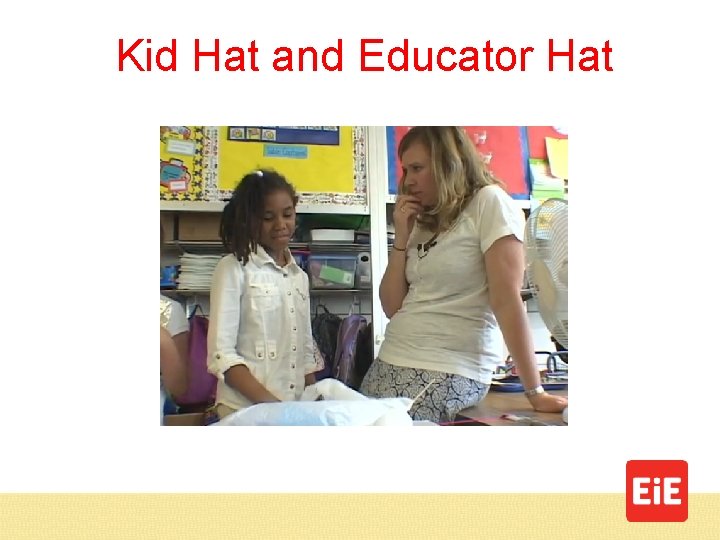
Kid Hat and Educator Hat
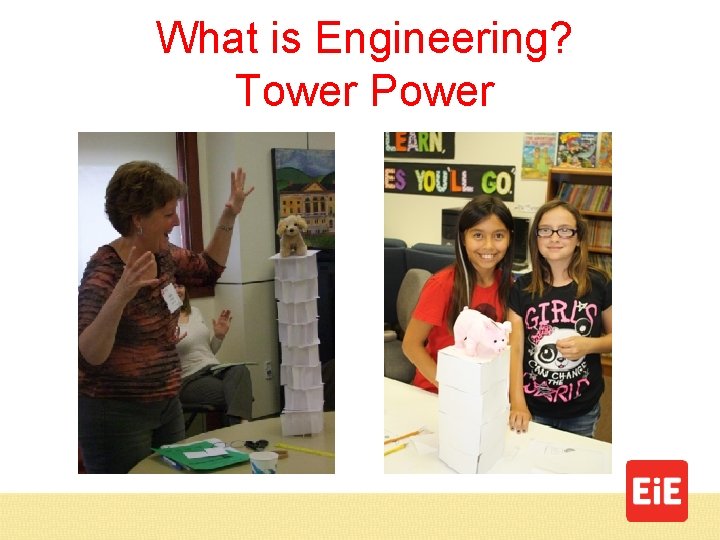
What is Engineering? Tower Power
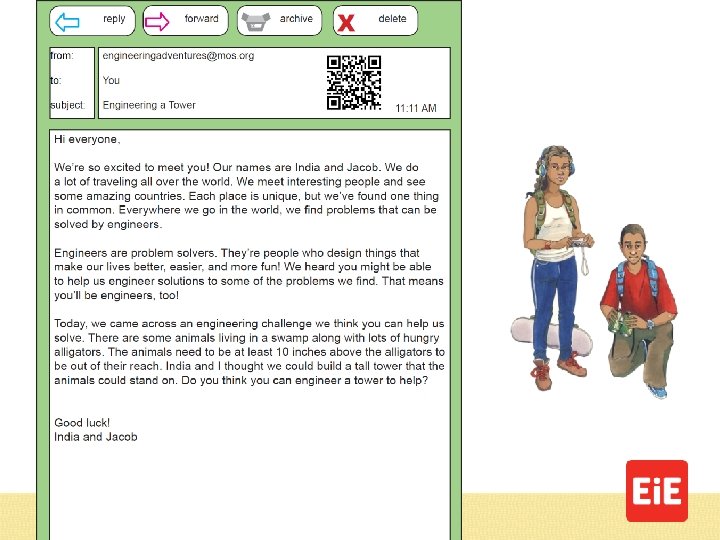
Imagine For the next 2 minutes, imagine and try out different ways you can manipulate index cards so they can support more weight.
Engineering Terminology • Criteria: The qualities designated within a design to solve a problem or fulfill a need. • Constraints: Components like time, money, or materials that may limit the design.
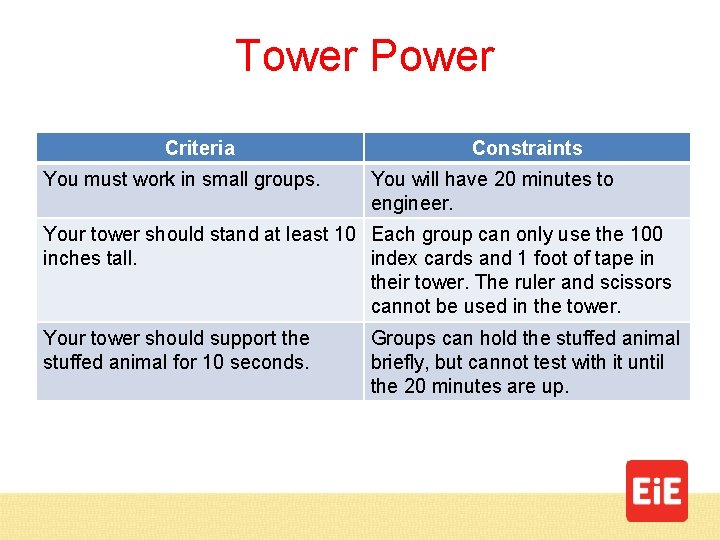
Tower Power Criteria You must work in small groups. Constraints You will have 20 minutes to engineer. Your tower should stand at least 10 Each group can only use the 100 inches tall. index cards and 1 foot of tape in their tower. The ruler and scissors cannot be used in the tower. Your tower should support the stuffed animal for 10 seconds. Groups can hold the stuffed animal briefly, but cannot test with it until the 20 minutes are up.
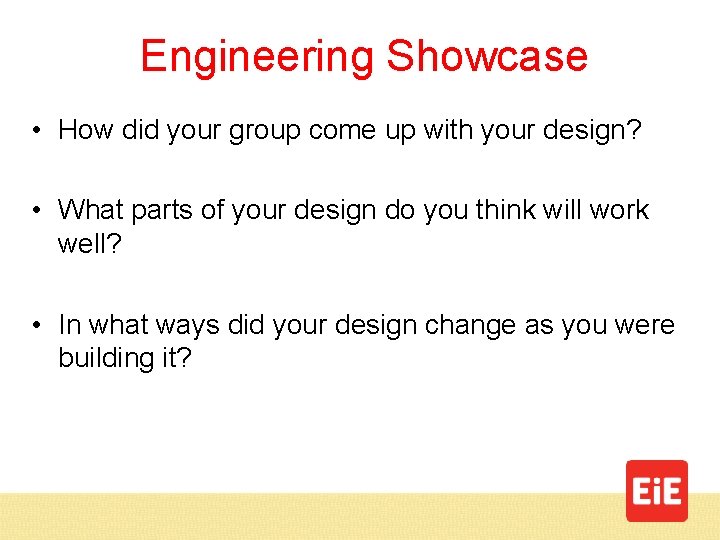
Engineering Showcase • How did your group come up with your design? • What parts of your design do you think will work well? • In what ways did your design change as you were building it?
Agenda • Goals and Overview • What is Engineering? Tower Power • The Engineering Design Process • What is Technology? • Break • Unit Exploration • Success in Engineering Adventures • Questioning Strategies • Adaptation Scenarios • Tour through Online Resources
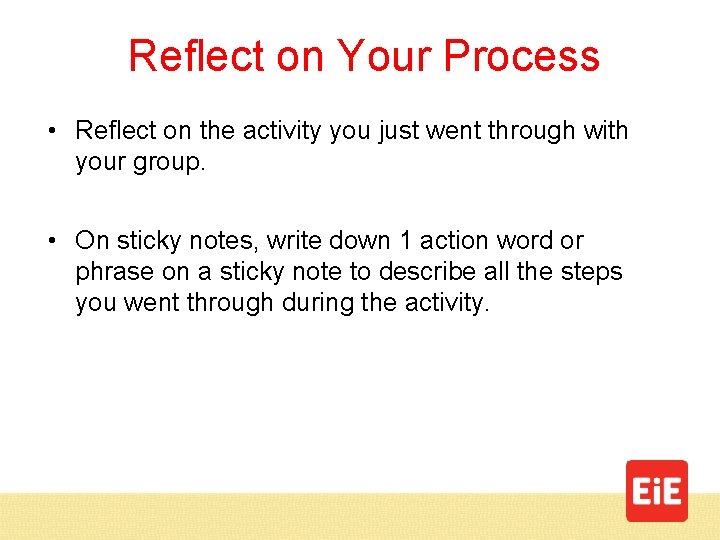
Reflect on Your Process • Reflect on the activity you just went through with your group. • On sticky notes, write down 1 action word or phrase on a sticky note to describe all the steps you went through during the activity.
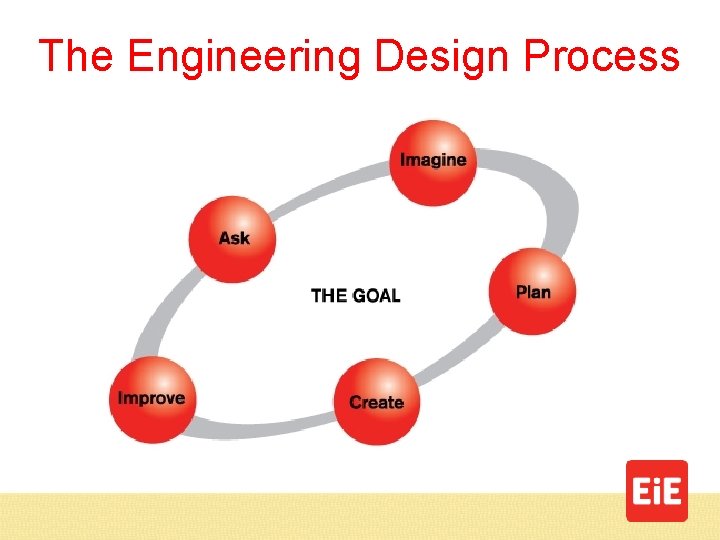
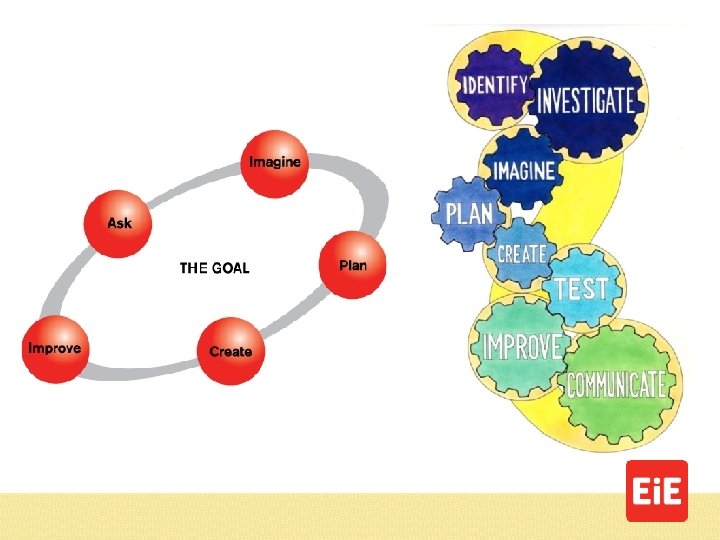
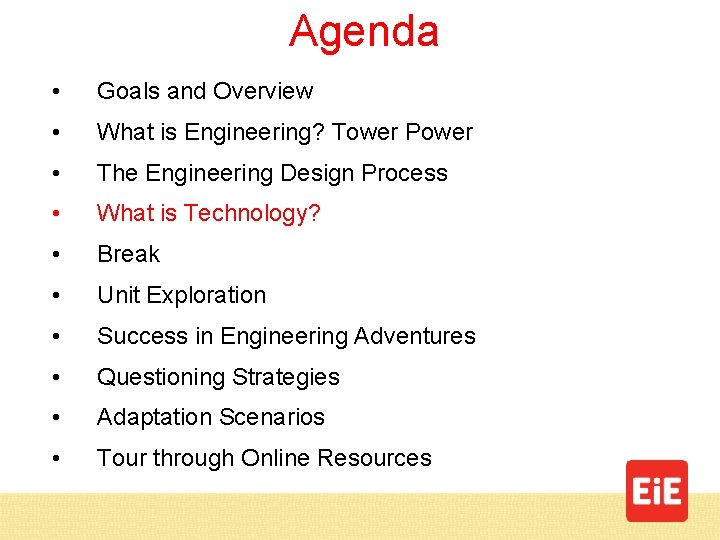
The Engineering Design Process
Agenda • Goals and Overview • What is Engineering? Tower Power • The Engineering Design Process • What is Technology? • Break • Unit Exploration • Success in Engineering Adventures • Questioning Strategies • Adaptation Scenarios • Tour through Online Resources
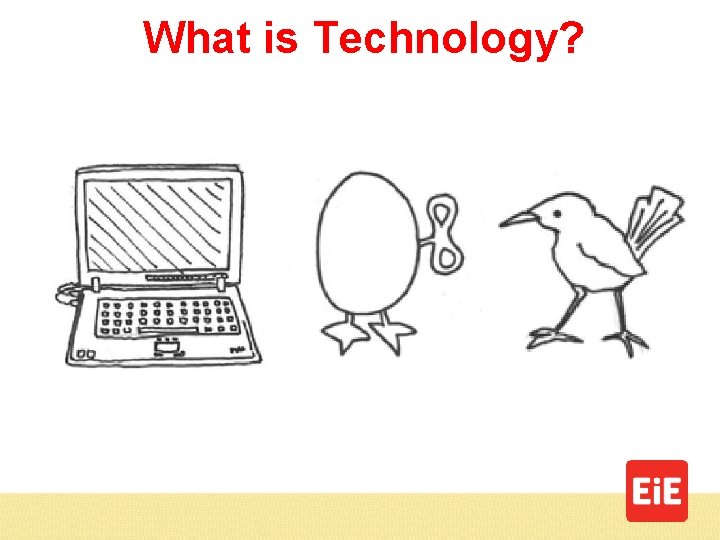
What is Technology?
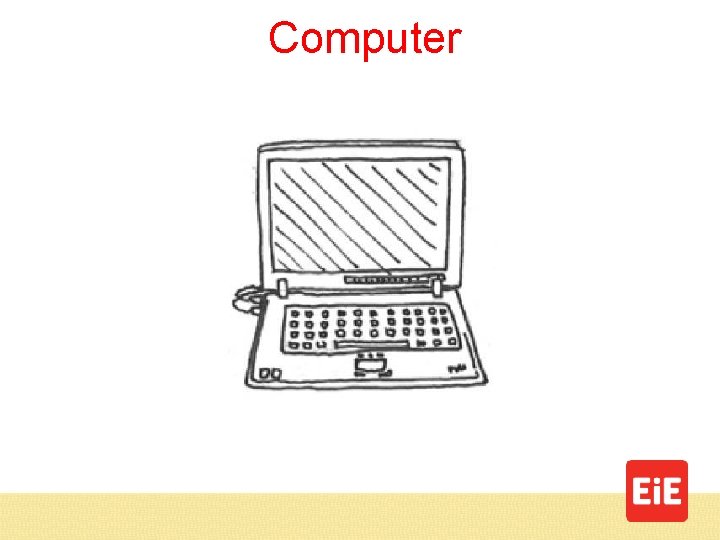
Computer
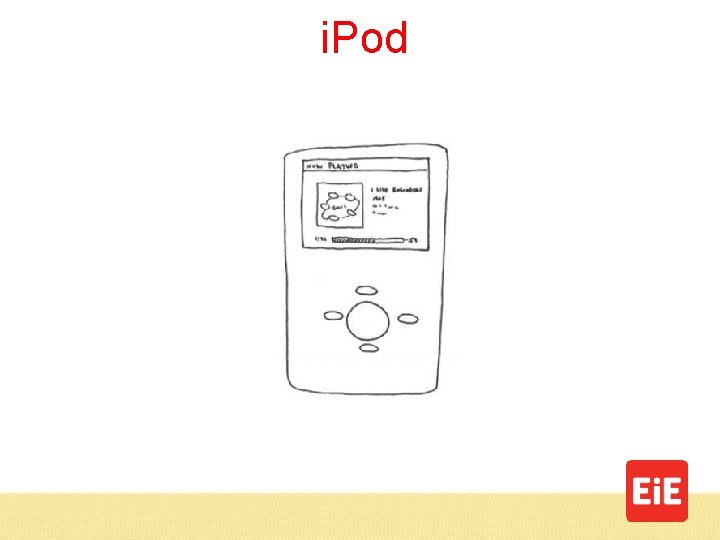
i. Pod
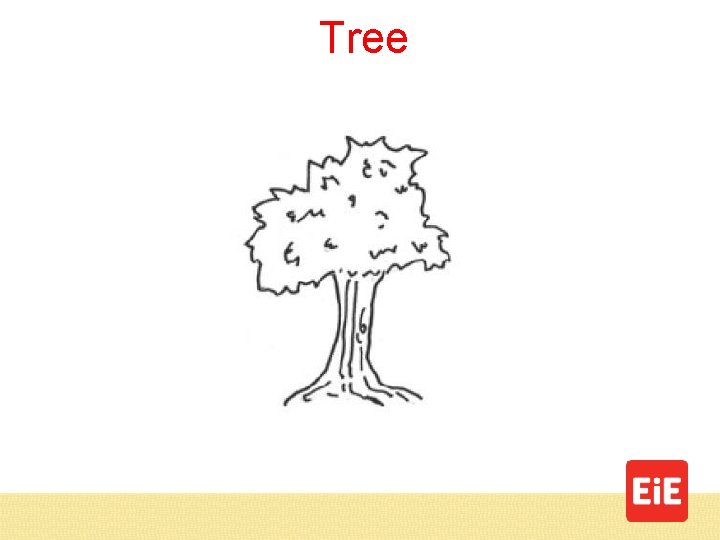
Tree
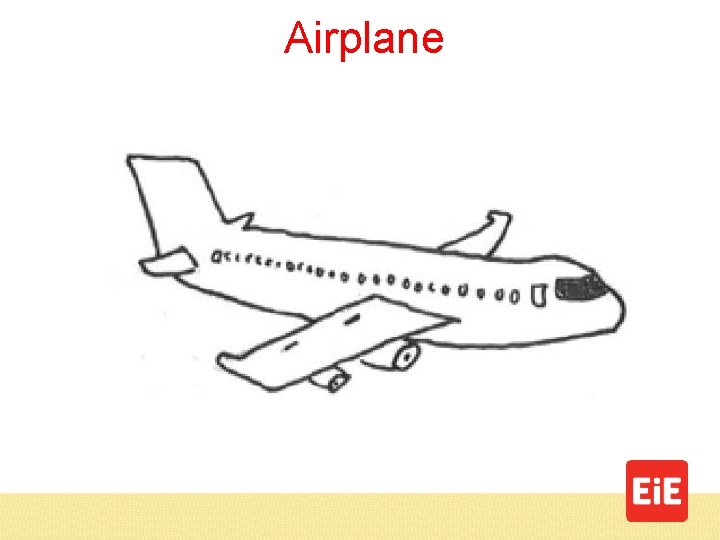
Airplane
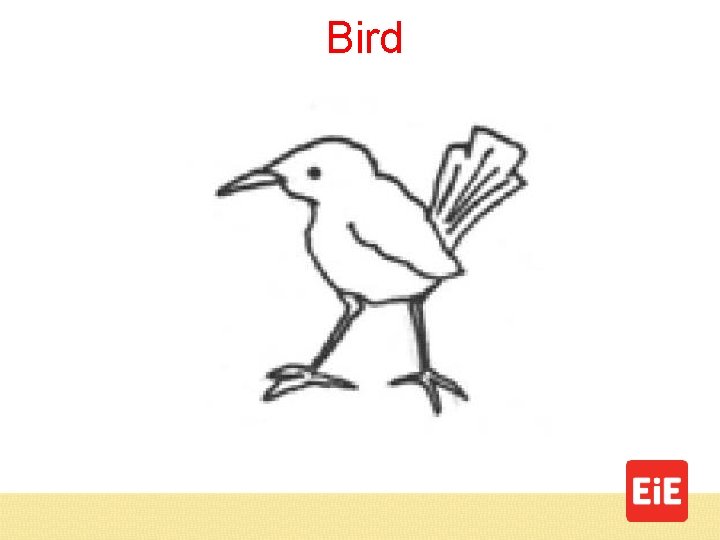
Bird
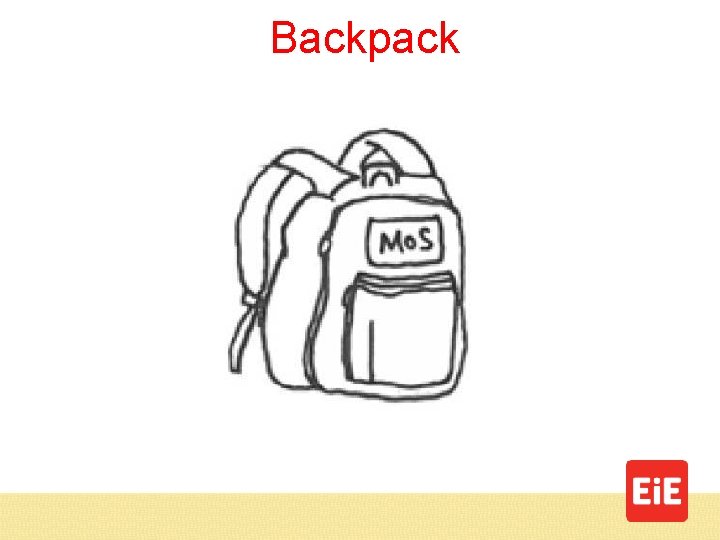
Backpack
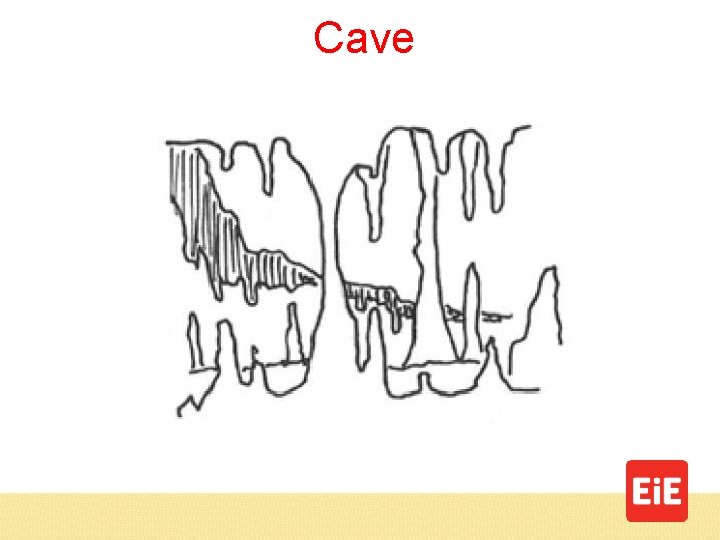
Cave

Dog Food
Hiccup
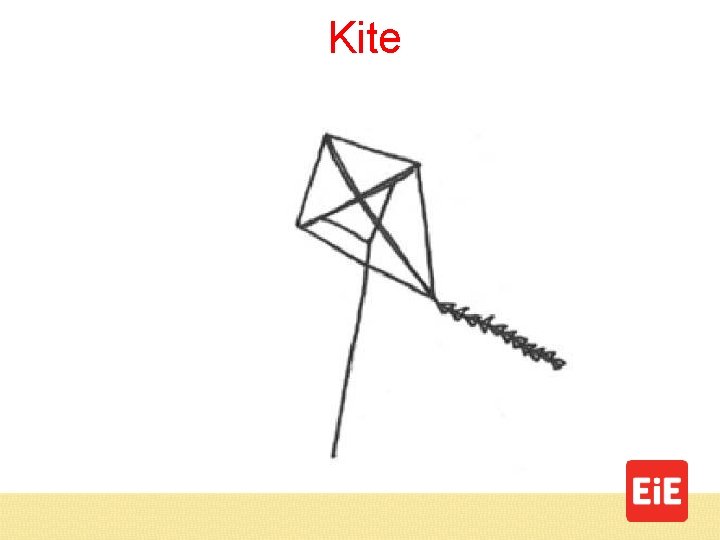
Kite
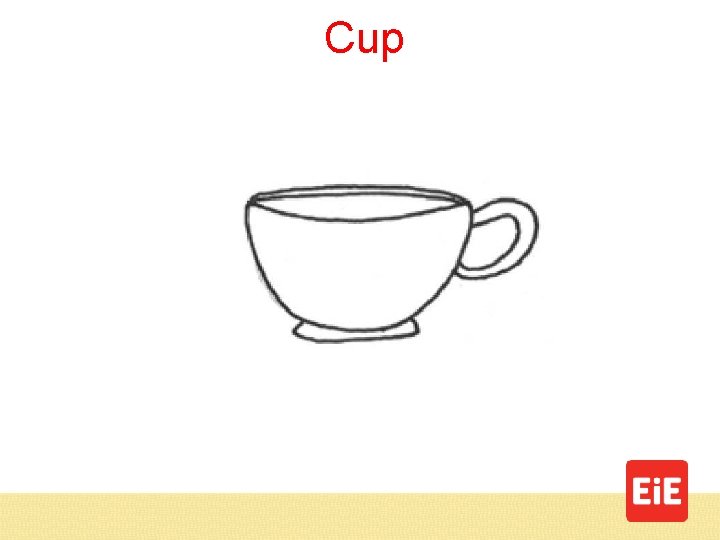
Cup
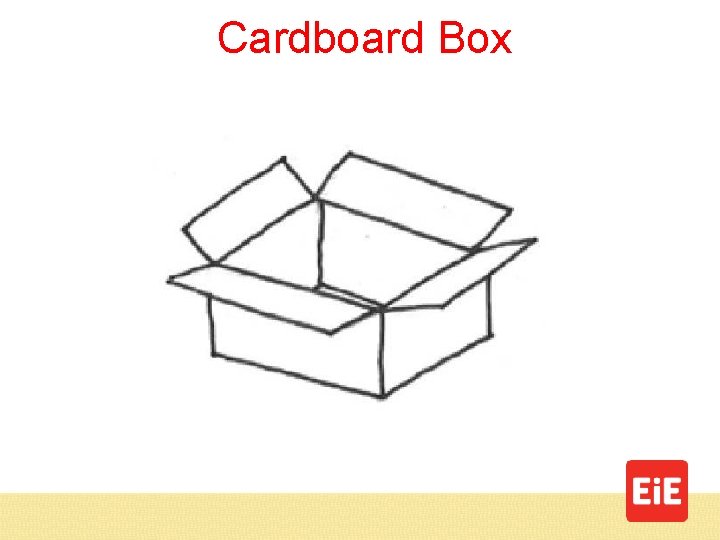
Cardboard Box
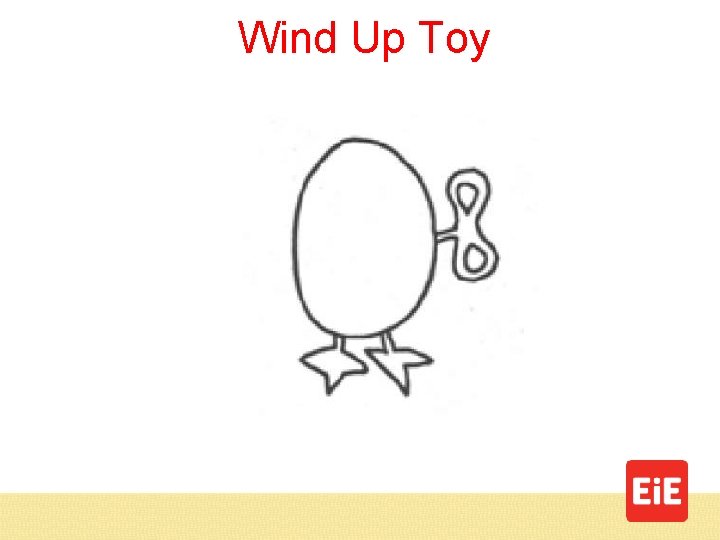
Wind Up Toy
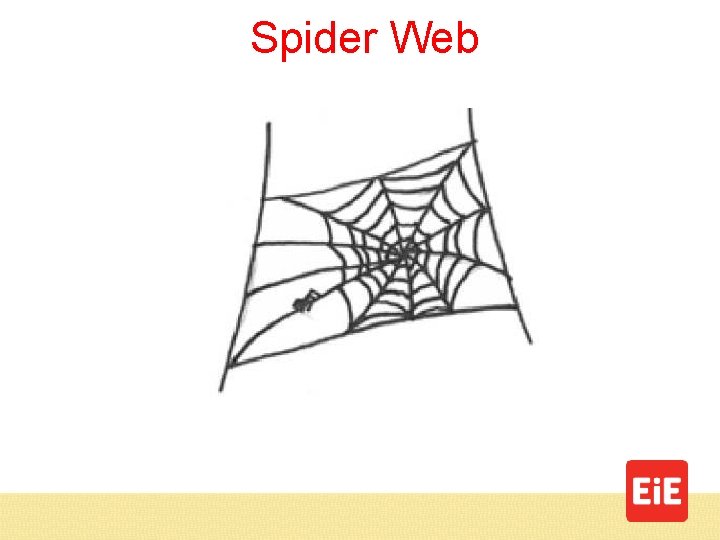
Spider Web
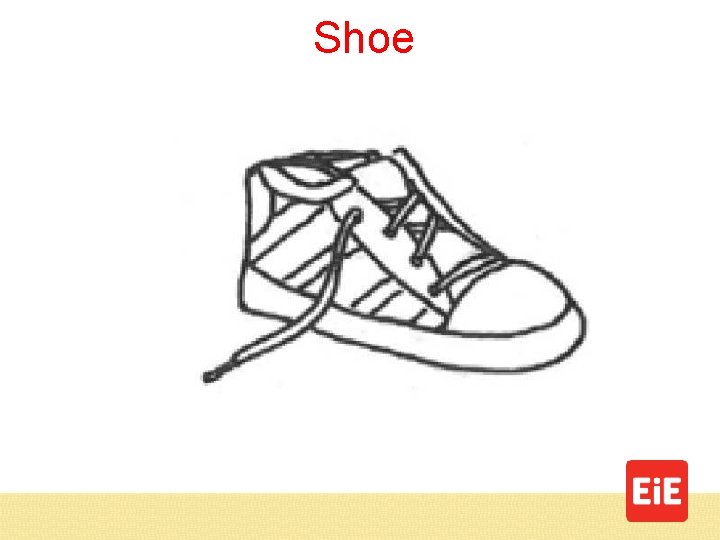
Shoe
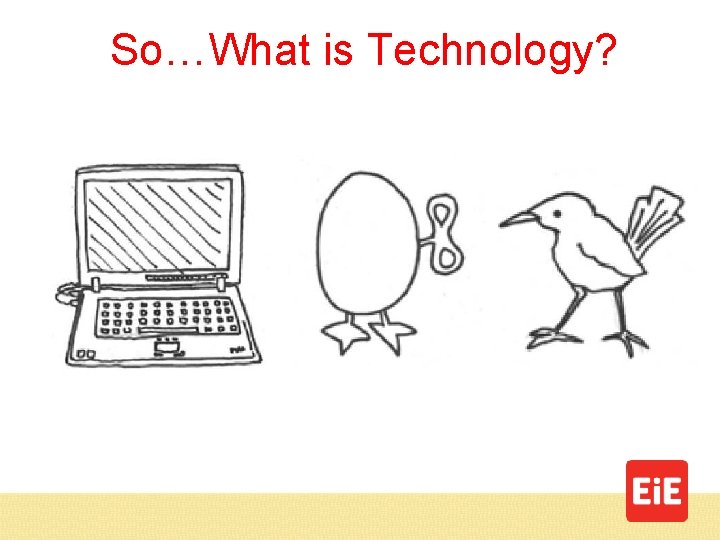
So…What is Technology?
Technology Defined In Engineering Adventures and Engineering Everywhere, technology is defined as: Any thing designed by humans to help solve a problem.
Agenda • Goals and Overview • What is Engineering? Tower Power • The Engineering Design Process • What is Technology? • Break • Unit Exploration • Success in Engineering Adventures • Questioning Strategies • Adaptation Scenarios • Tour through Online Resources
Agenda • Goals and Overview • What is Engineering? Tower Power • The Engineering Design Process • What is Technology? • Break • Unit Exploration • Success in Engineering Adventures • Questioning Strategies • Adaptation Scenarios • Tour through Online Resources
Unit Exploration Complete the mini-design challenge to become familiar with the types of unique engineering challenges introduced to kids in OST programs.
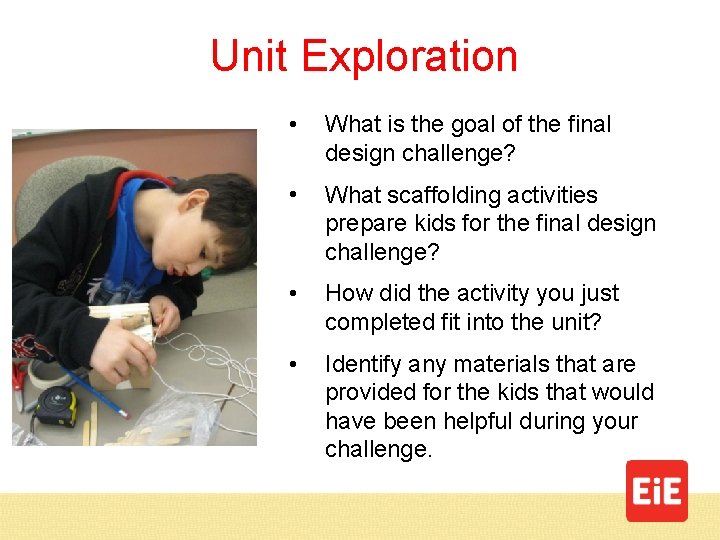
Unit Exploration • What is the goal of the final design challenge? • What scaffolding activities prepare kids for the final design challenge? • How did the activity you just completed fit into the unit? • Identify any materials that are provided for the kids that would have been helpful during your challenge.
Agenda • Goals and Overview • What is Engineering? Tower Power • The Engineering Design Process • What is Technology? • Break • Unit Exploration • Success in Engineering Adventures • Questioning Strategies • Adaptation Scenarios • Tour through Online Resources
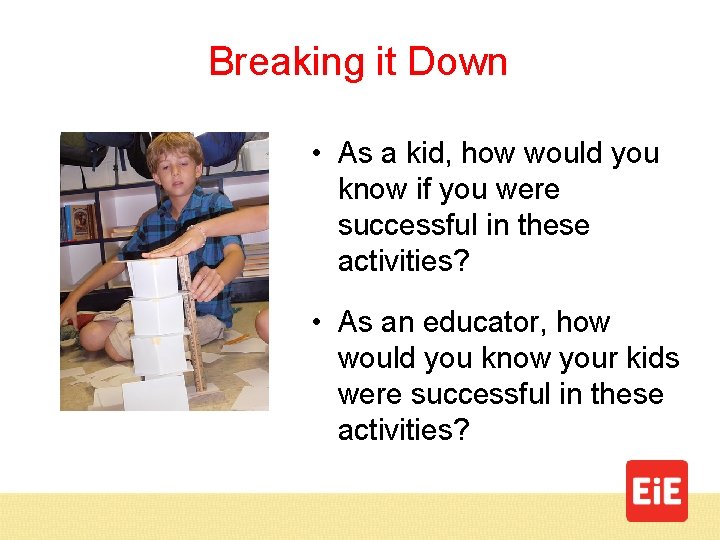
Breaking it Down • As a kid, how would you know if you were successful in these activities? • As an educator, how would you know your kids were successful in these activities?
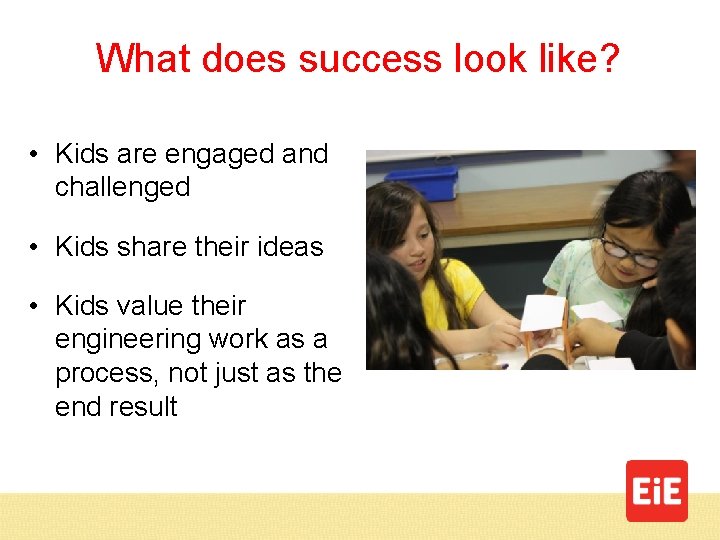
What does success look like? • Kids are engaged and challenged • Kids share their ideas • Kids value their engineering work as a process, not just as the end result
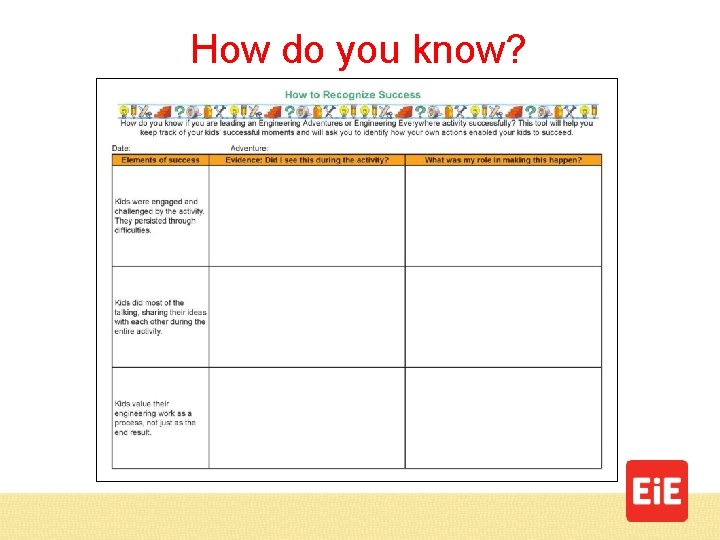
How do you know?
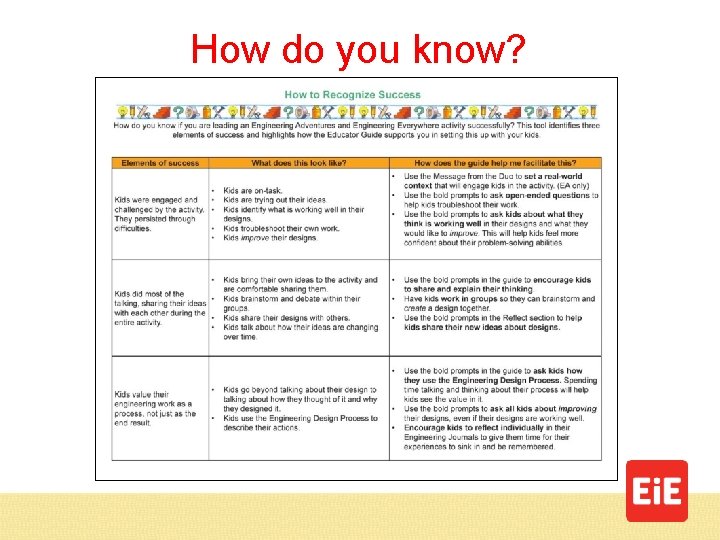
How do you know?
Agenda • Goals and Overview • What is Engineering? Tower Power • The Engineering Design Process • What is Technology? • Break • Unit Exploration • Success in Engineering Adventures • Questioning Strategies • Adaptation Scenarios • Tour through Online Resources
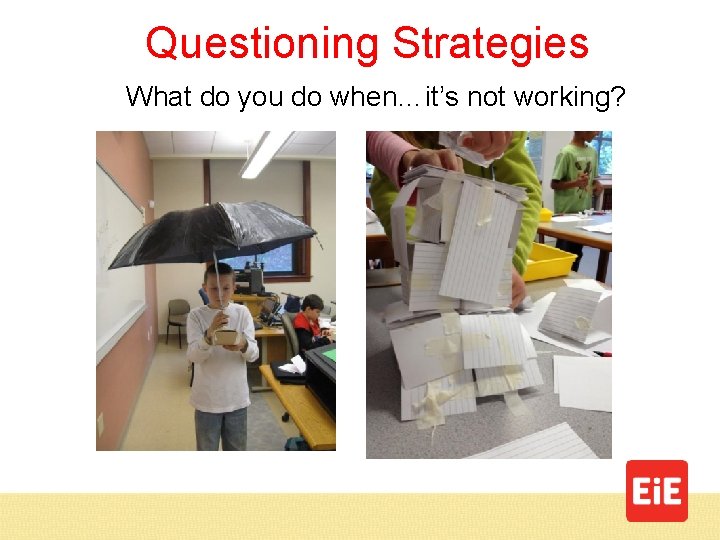
Questioning Strategies What do you do when…it’s not working?
Questioning Strategies Imagine that your technology was created by a group of your kids. They still have plenty of time to improve it. • Come up with several questions you could ask your kids to help guide them to improve their design. • Write each question down on a separate sticky note.
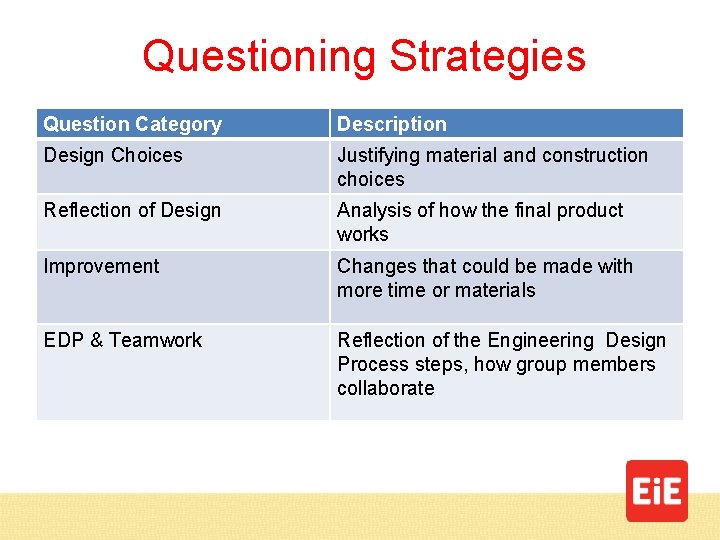
Questioning Strategies Question Category Description Design Choices Justifying material and construction choices Reflection of Design Analysis of how the final product works Improvement Changes that could be made with more time or materials EDP & Teamwork Reflection of the Engineering Design Process steps, how group members collaborate
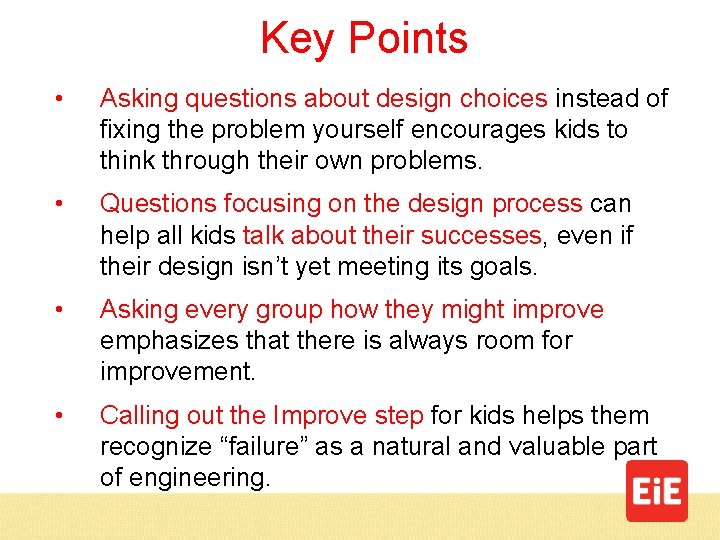
Key Points • Asking questions about design choices instead of fixing the problem yourself encourages kids to think through their own problems. • Questions focusing on the design process can help all kids talk about their successes, even if their design isn’t yet meeting its goals. • Asking every group how they might improve emphasizes that there is always room for improvement. • Calling out the Improve step for kids helps them recognize “failure” as a natural and valuable part of engineering.
Agenda • Goals and Overview • What is Engineering? Tower Power • The Engineering Design Process • What is Technology? • Break • Unit Exploration • Success in Engineering Adventures • Questioning Strategies • Adaptation Scenarios • Tour through Online Resources
Adapting Directions • With your group, discuss and write down on the chart paper different ways you could adapt Tower Power to overcome the issues identified in the scenario • If a different group has already written down your adaptation idea or you agree with an idea that is there, place a star next to it.
Four Major Adaptation Areas • Time • Materials • Grouping • Criteria and Constraints
Agenda • Goals and Overview • What is Engineering? Tower Power • The Engineering Design Process • What is Technology? • Break • Unit Exploration • Success in Engineering Adventures • Questioning Strategies • Adaptation Scenarios • Tour through Online Resources
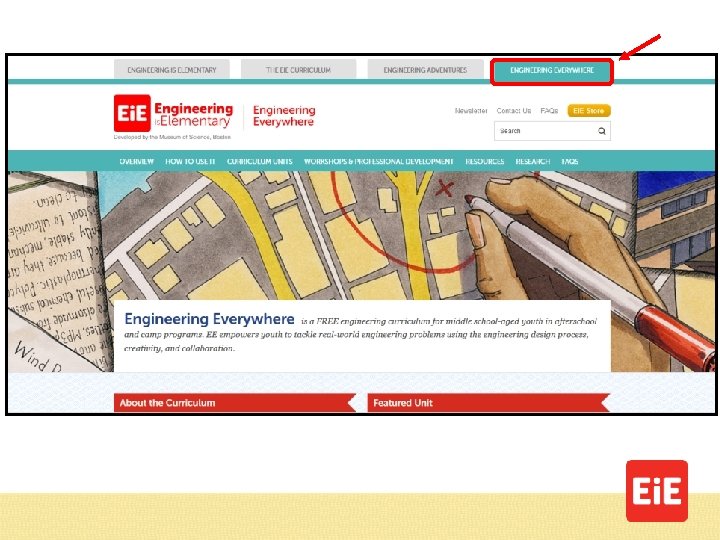
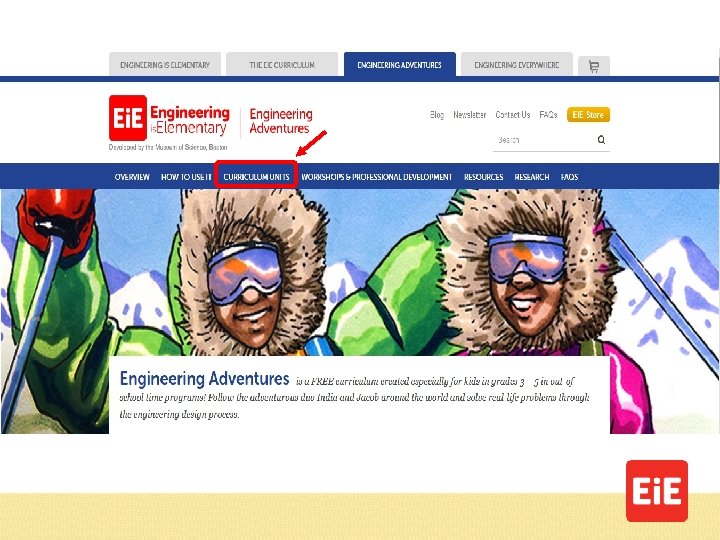
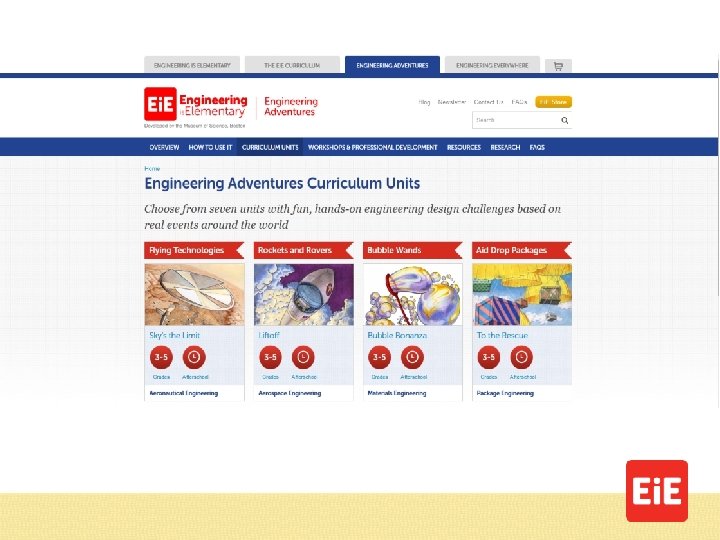
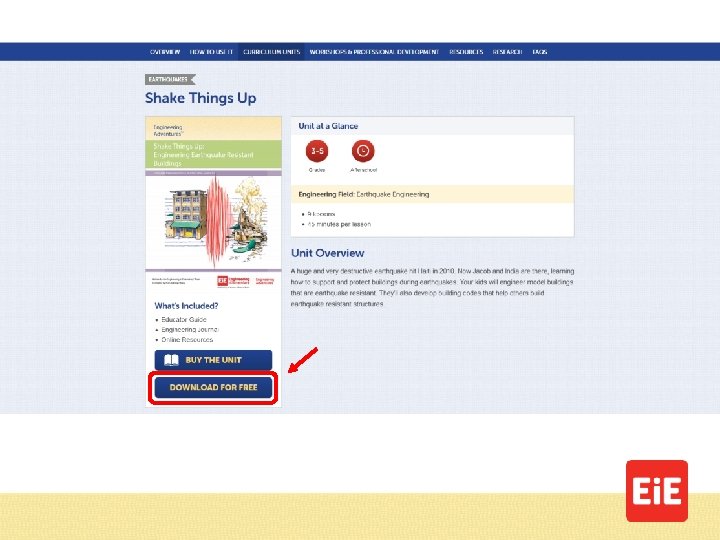
www. engineeringadventures. org www. engineeringeverywhere. org • Engineering unit materials • Introductory activities • i. OS Apps • Professional Development Guide • Videos • Pilot opportunities
Questions?

Contact Us! engineeringadventures@mos. org engineeringeverywhere@mos. org @eie_org facebook. com/eiemos Sign up for our quarterly Afterschool Engineering Update newsletter: eie. org/newsletter
- Slides: 71