
ENGINEERING A PREVENTIVE MAINTENANCE PROGRAM Elements Selection of


- Slides: 51
ENGINEERING A PREVENTIVE MAINTENANCE PROGRAM
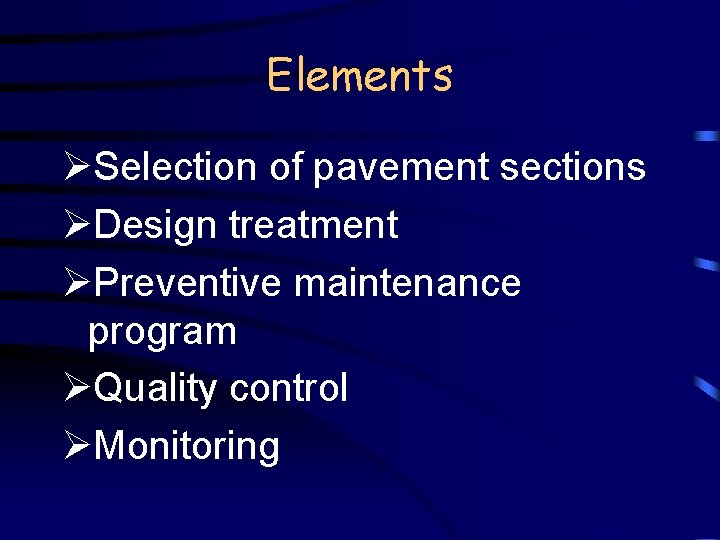
Elements ØSelection of pavement sections ØDesign treatment ØPreventive maintenance program ØQuality control ØMonitoring
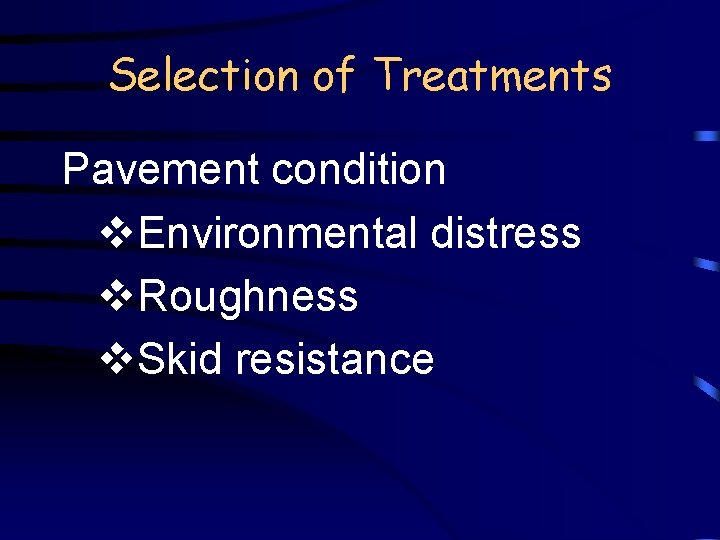
Selection of Treatments Pavement condition v. Environmental distress v. Roughness v. Skid resistance
Distresses in Asphalt Pavement
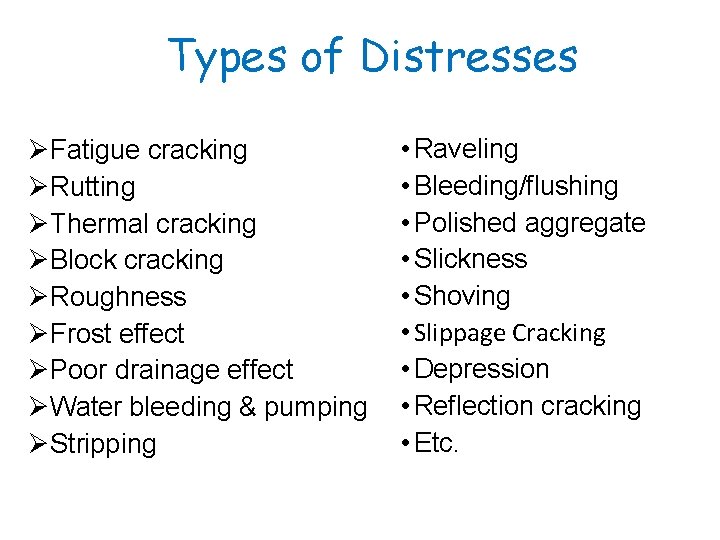
Types of Distresses ØFatigue cracking ØRutting ØThermal cracking ØBlock cracking ØRoughness ØFrost effect ØPoor drainage effect ØWater bleeding & pumping ØStripping • Raveling • Bleeding/flushing • Polished aggregate • Slickness • Shoving • Slippage Cracking • Depression • Reflection cracking • Etc.
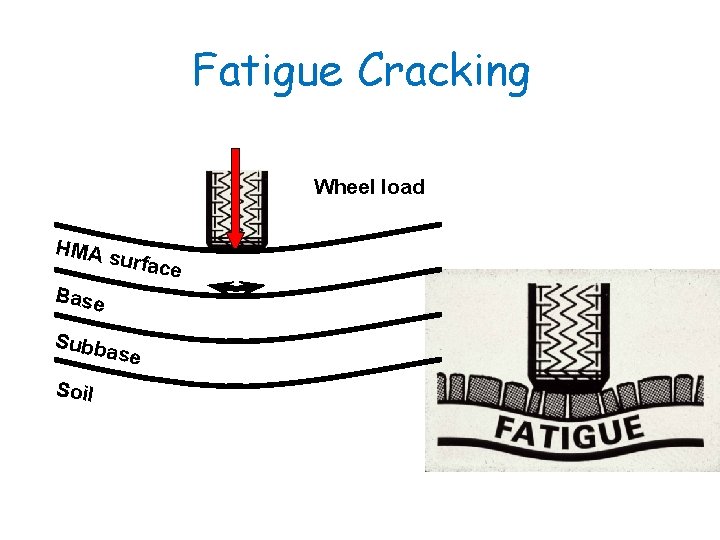
Fatigue Cracking Wheel load HMA s urface Base Subb ase Soil
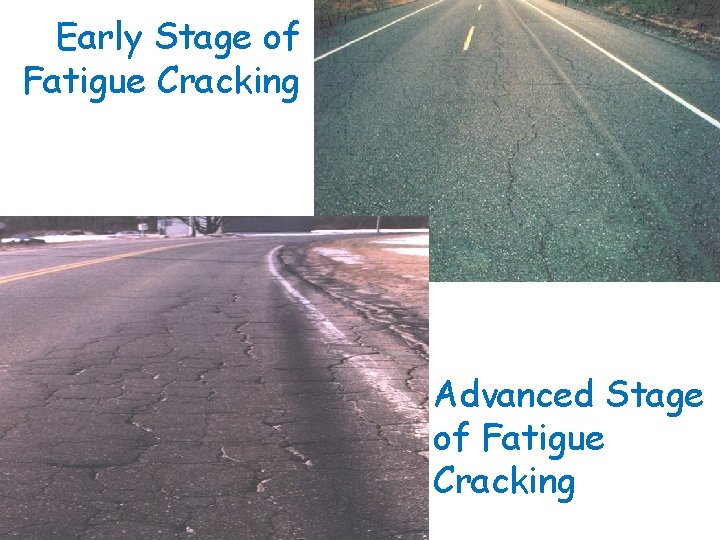
Early Stage of Fatigue Cracking Advanced Stage of Fatigue Cracking
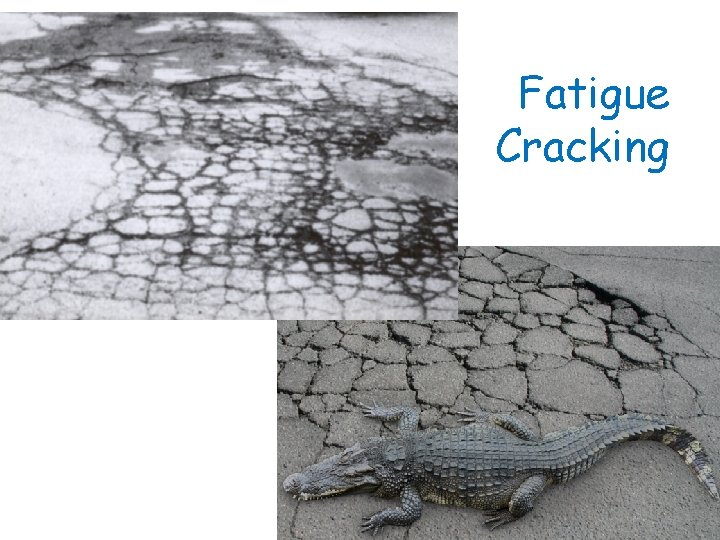
Fatigue Cracking
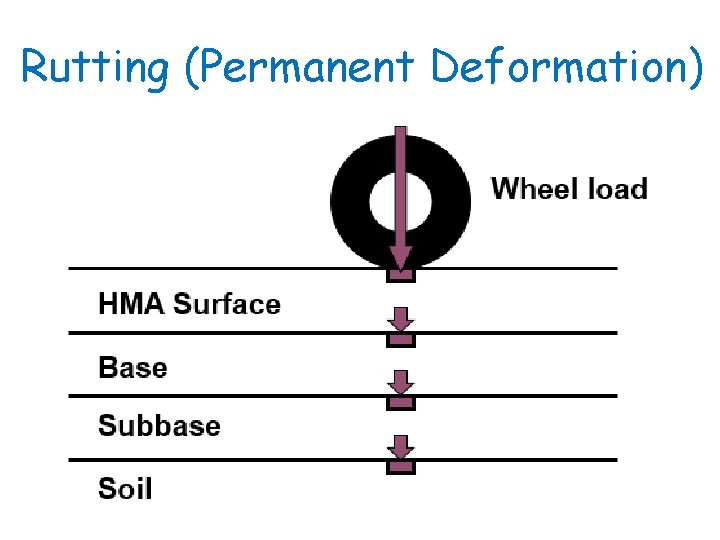
Rutting (Permanent Deformation)
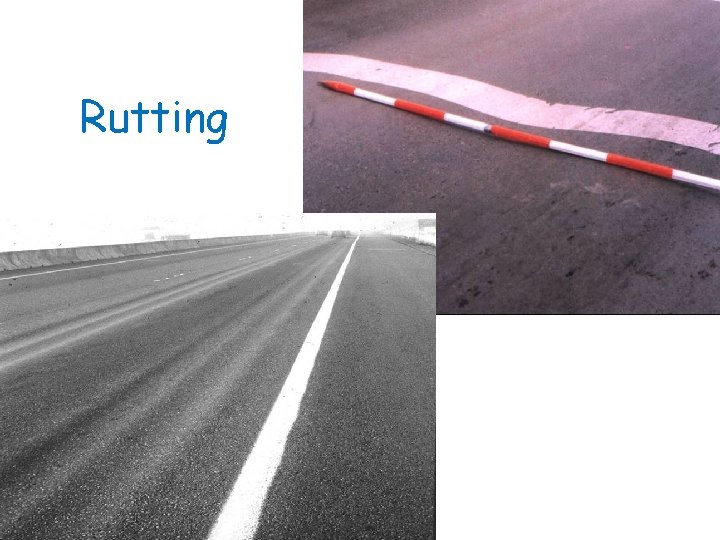
Rutting
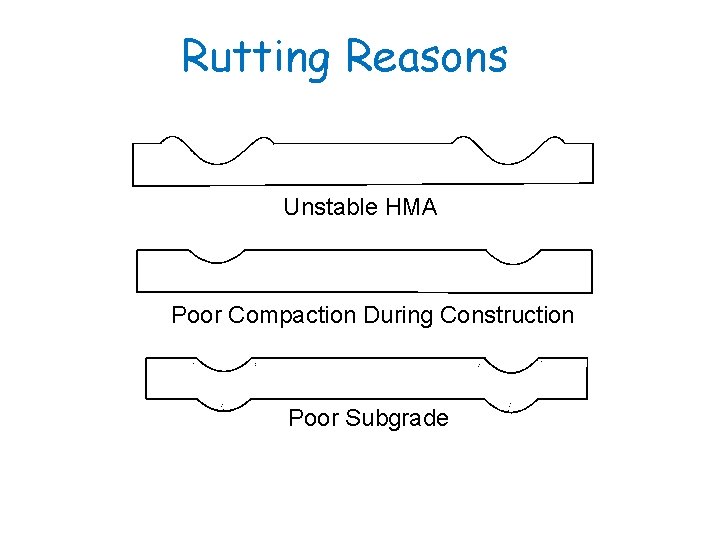
Rutting Reasons Unstable HMA Poor Compaction During Construction Poor Subgrade
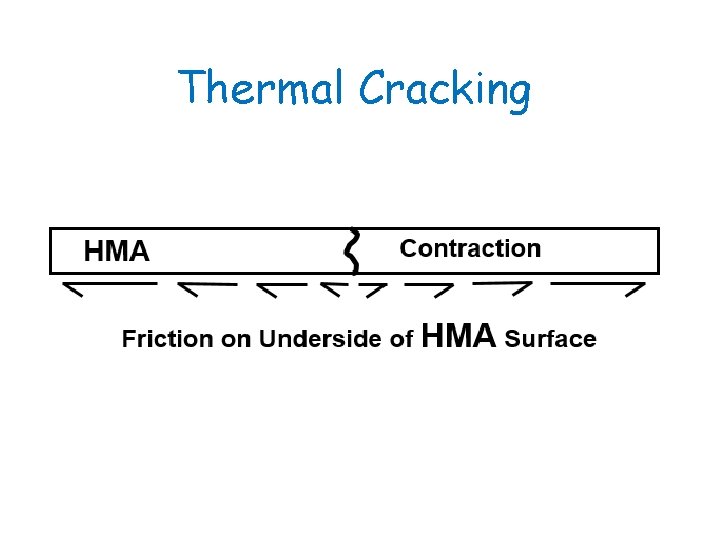
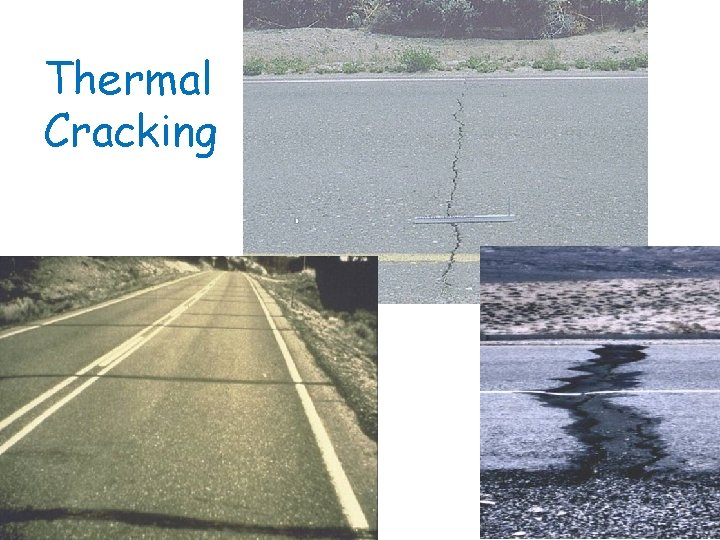
Thermal Cracking
Thermal Cracking
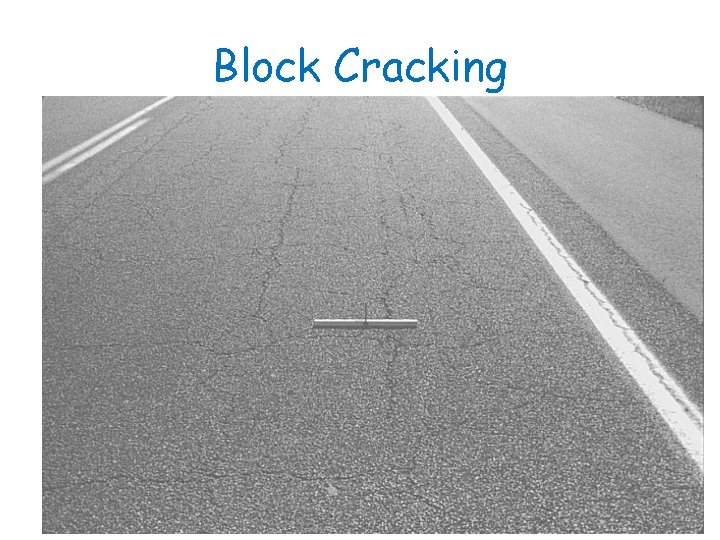
Block Cracking
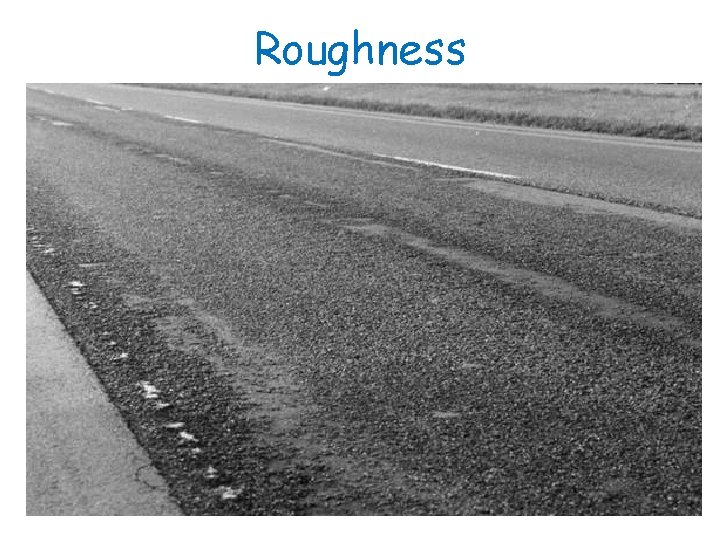
Roughness
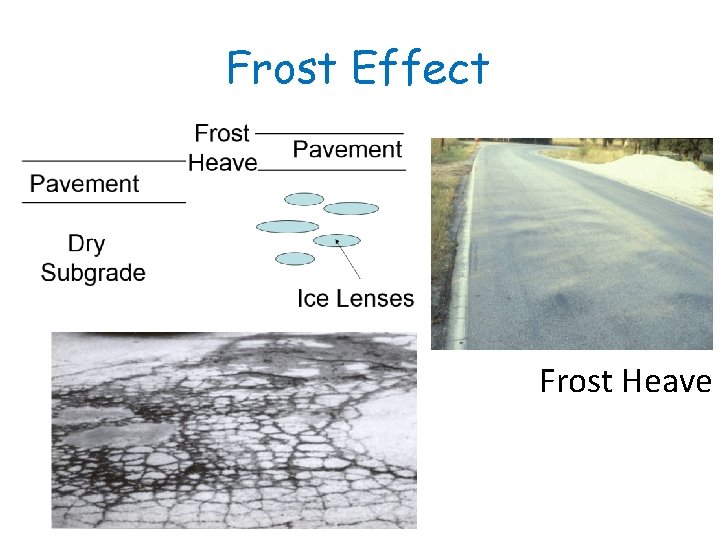
Frost Effect Frost Heave
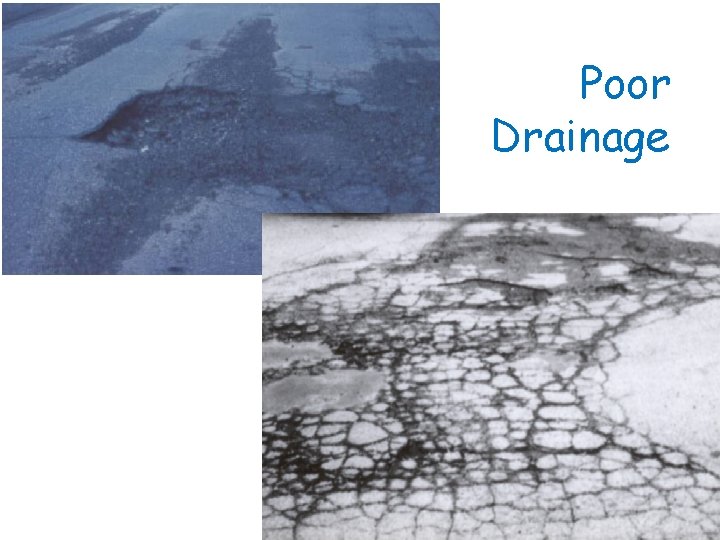
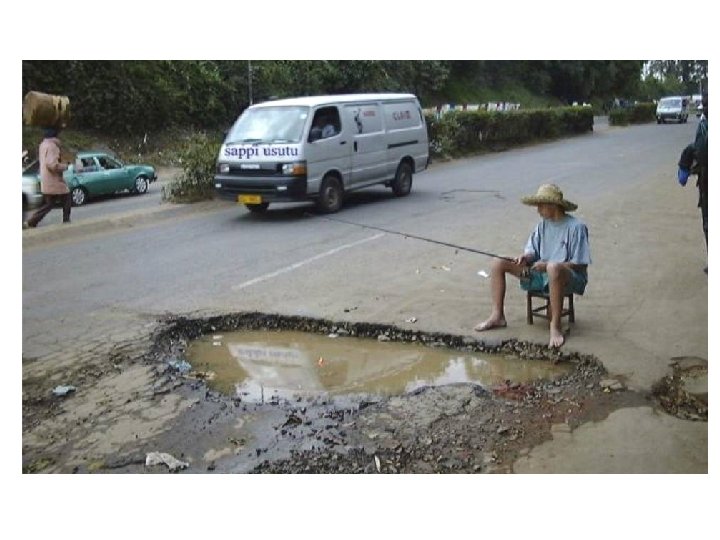
Poor Drainage
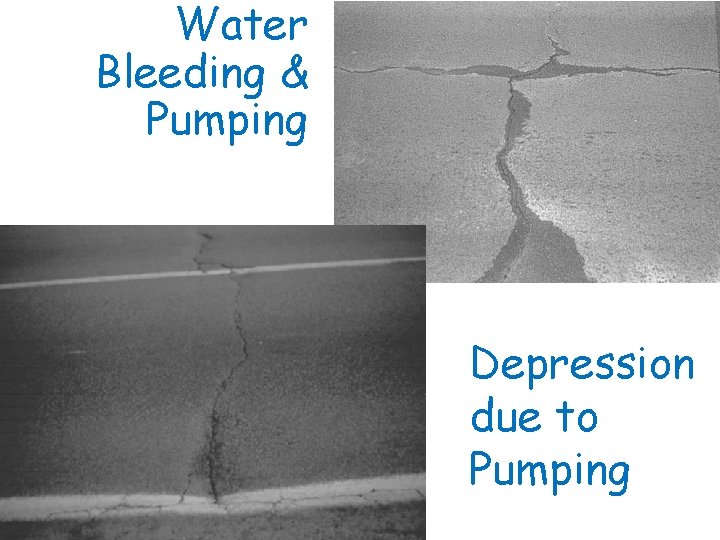
Water Bleeding & Pumping Depression due to Pumping
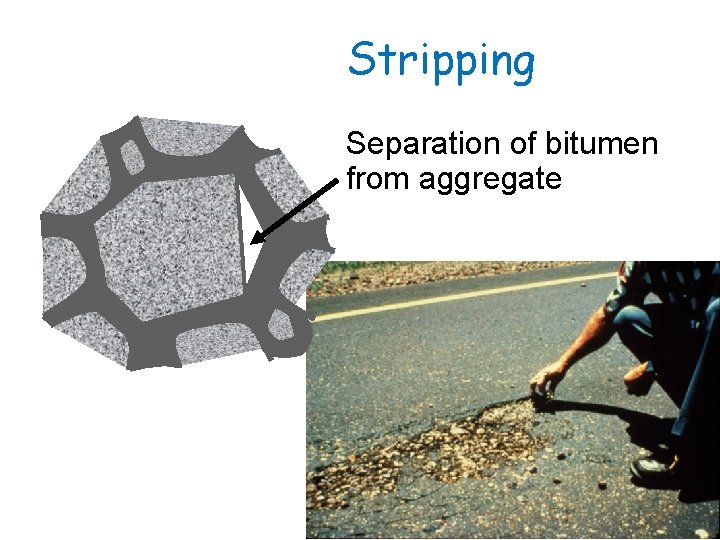
Stripping Separation of bitumen from aggregate
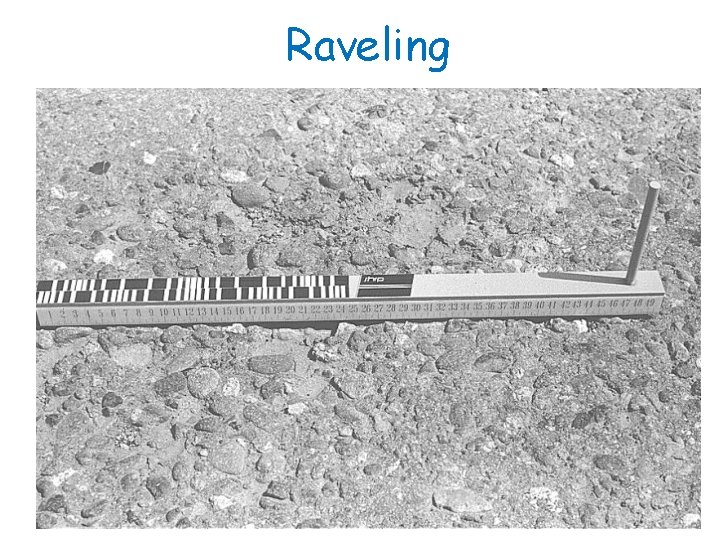
Raveling
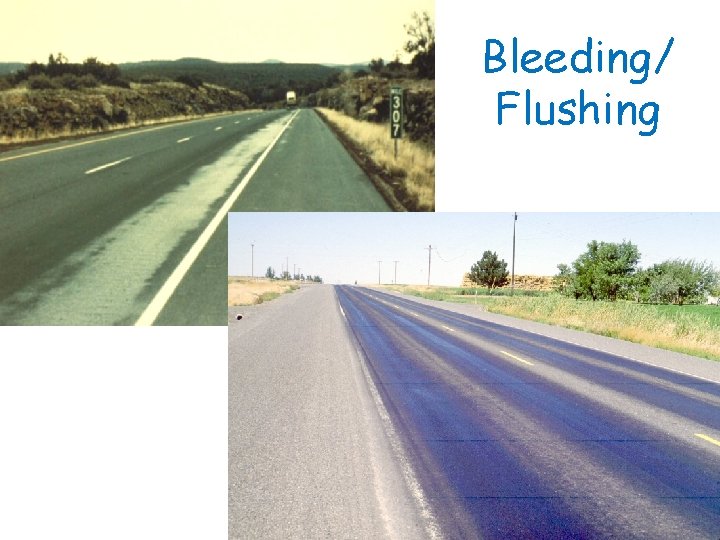
Bleeding/ Flushing
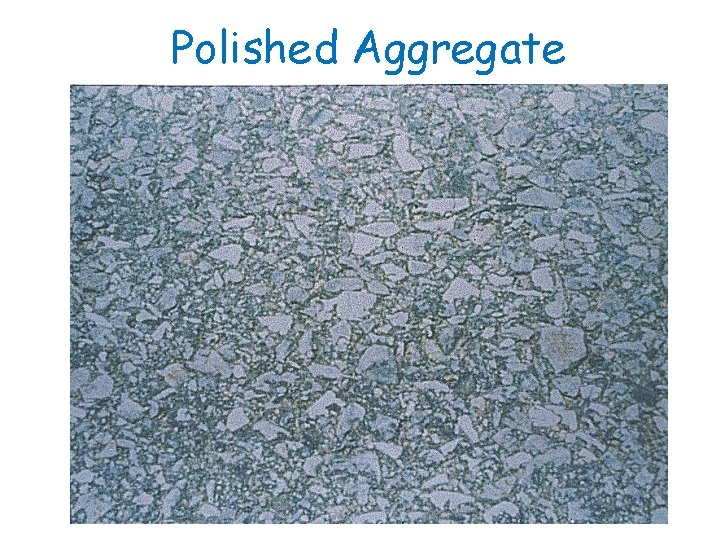
Polished Aggregate
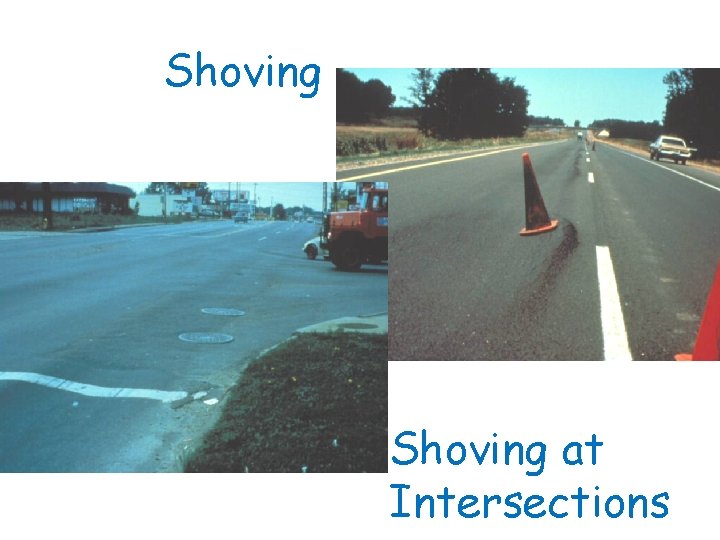
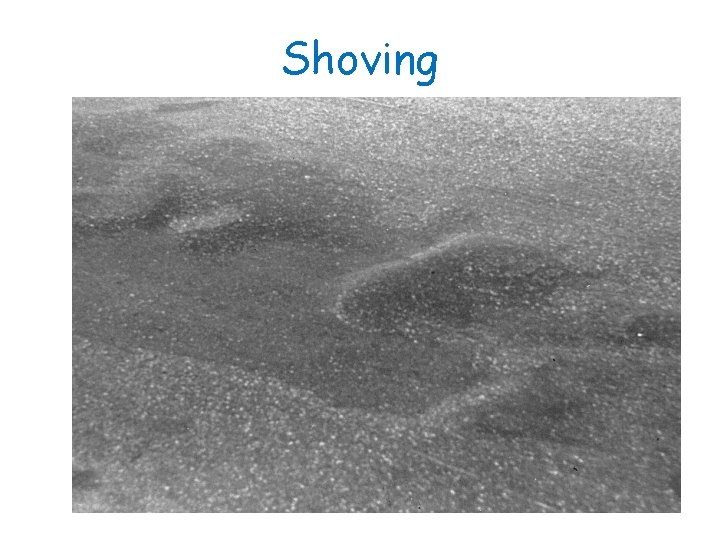
Shoving at Intersections
Shoving
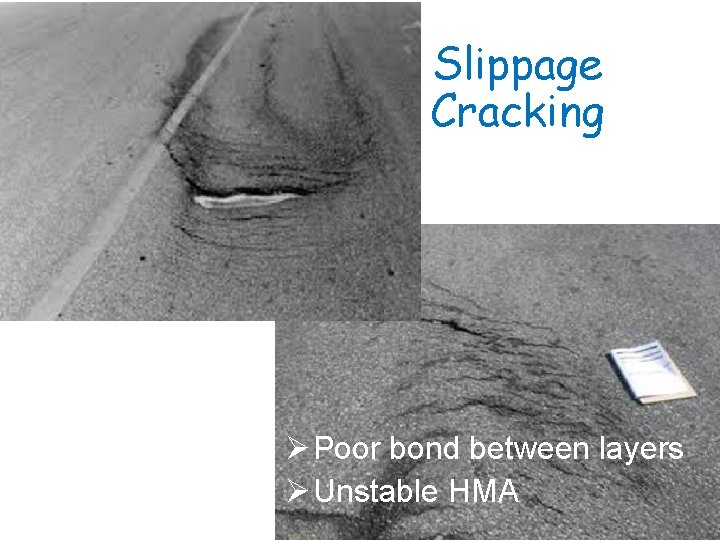
Slippage Cracking Ø Poor bond between layers Ø Unstable HMA
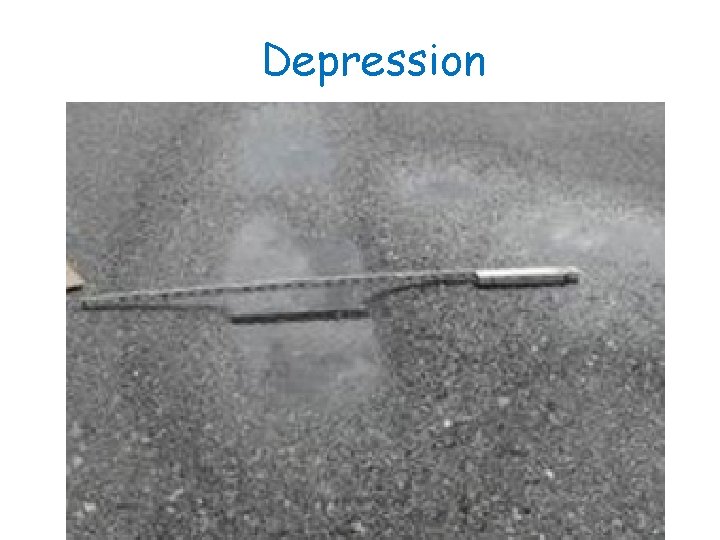
Depression
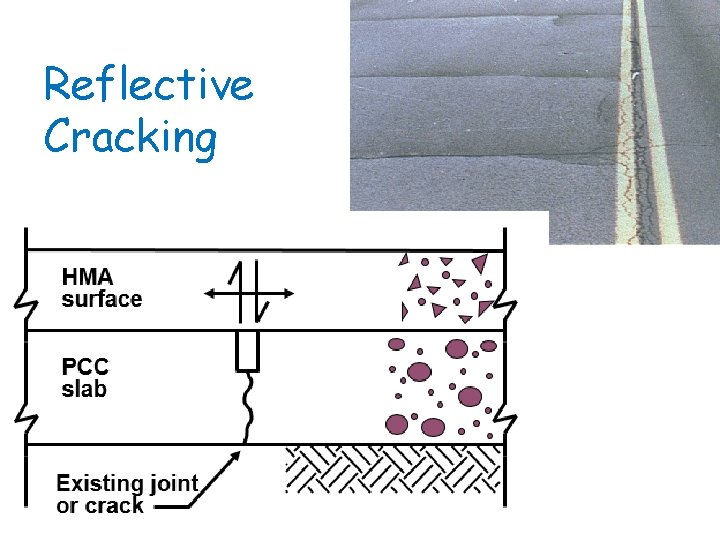
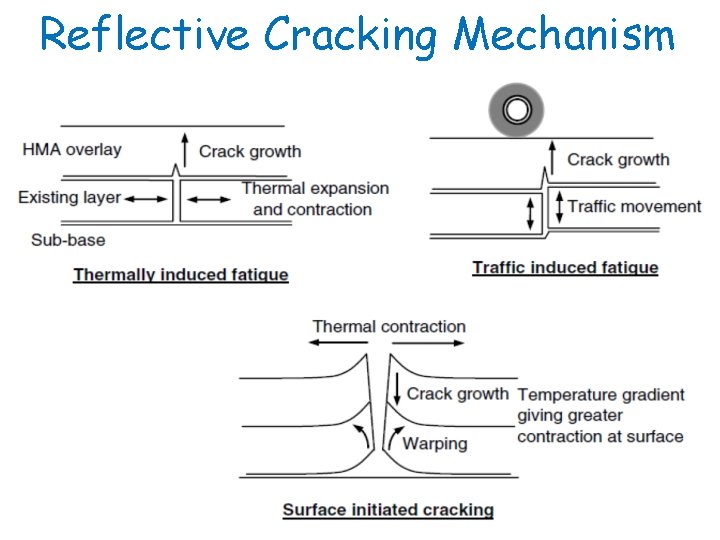
Reflective Cracking
Reflective Cracking Mechanism
Combination of Distresses ØCombine treatments to repair all distresses ØCuring between treatments
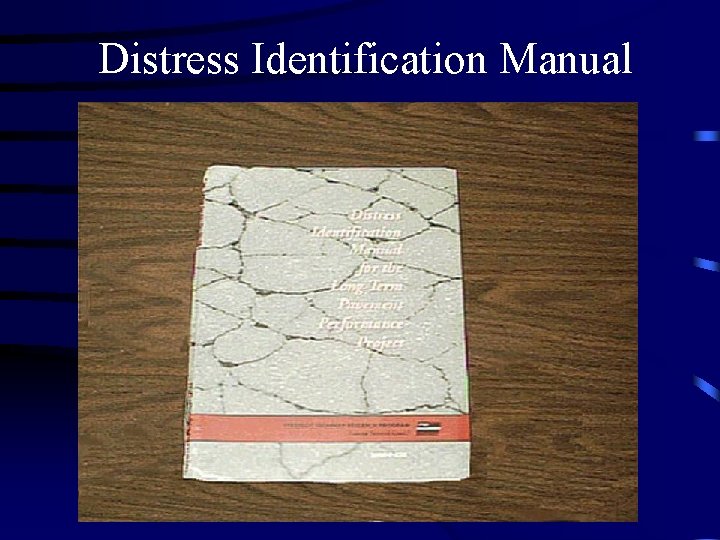
Distress Identification Manual
Preventive Maintenance ØPreventive maintenance is not structural ØDurability is key ØDurability is related to treatment selection, material selection and proper construction
Environment Preventive maintenance is effective for correcting environmental distress • Prevents water intrusion • Renews the surface
Construction Considerations ØSpeed of construction ØLife of the treatment
Treatment Design ØNo structural design ØMaterial selection v. Aggregate characteristics v. Binder v. Quantities ØSpecifications
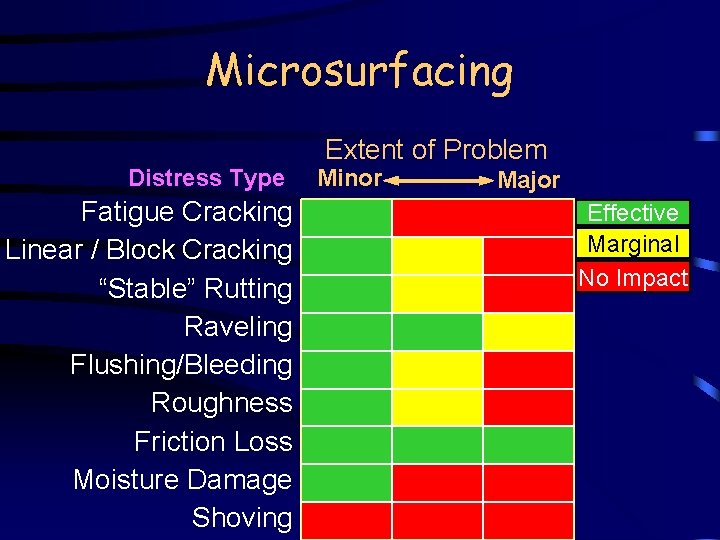
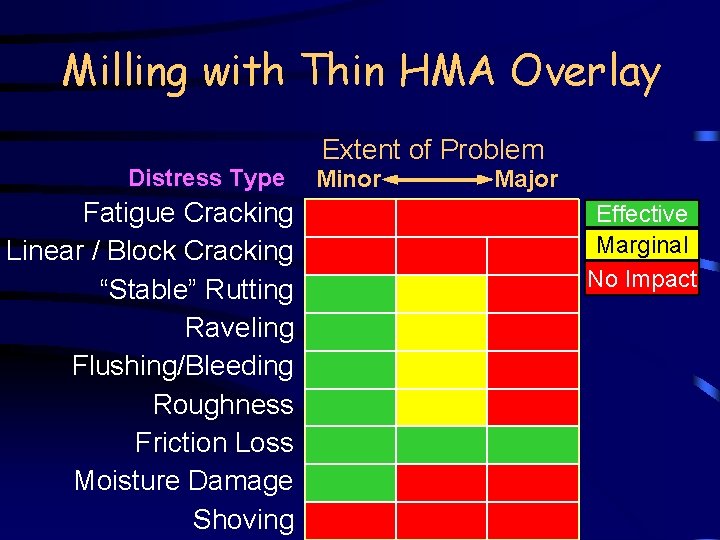
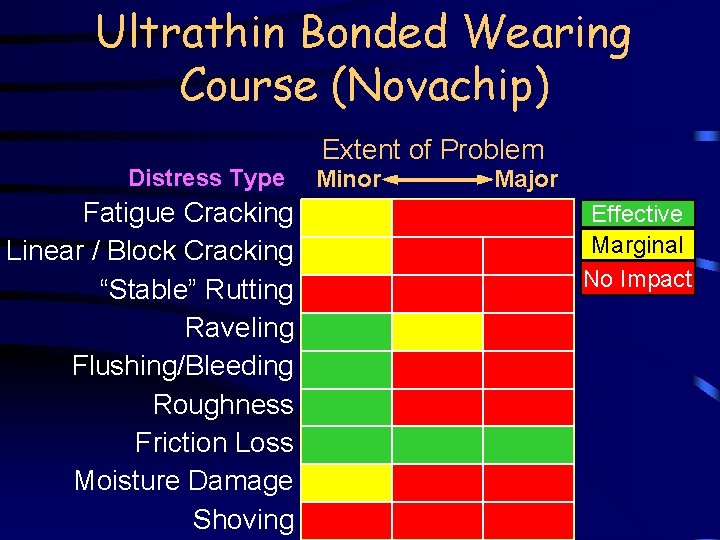
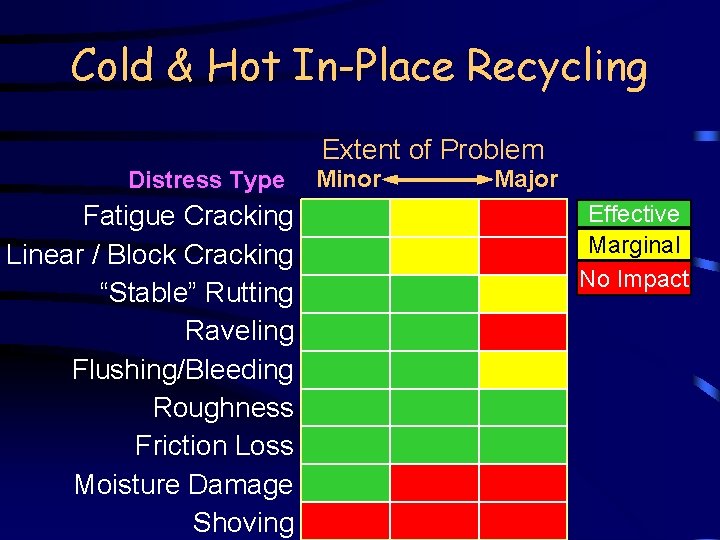
How effective are these treatments? ØIt depends on pavement condition ØThe better the condition before the treatment, the more effective the treatment is. ØIt varies with the type of treatment
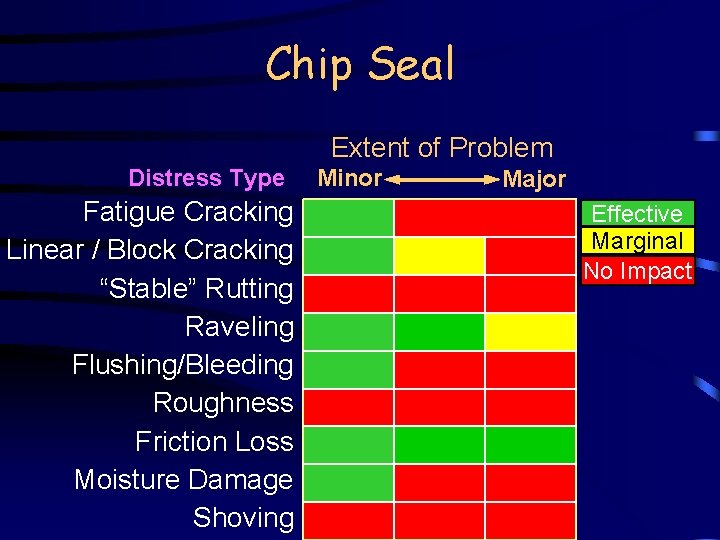
Chip Seal Extent of Problem Distress Type Fatigue Cracking Linear / Block Cracking “Stable” Rutting Raveling Flushing/Bleeding Roughness Friction Loss Moisture Damage Shoving Minor Major Effective Marginal No Impact
Microsurfacing Distress Type Fatigue Cracking Linear / Block Cracking “Stable” Rutting Raveling Flushing/Bleeding Roughness Friction Loss Moisture Damage Shoving Extent of Problem Minor Major Effective Marginal No Impact
Milling with Thin HMA Overlay Distress Type Fatigue Cracking Linear / Block Cracking “Stable” Rutting Raveling Flushing/Bleeding Roughness Friction Loss Moisture Damage Shoving Extent of Problem Minor Major Effective Marginal No Impact
Ultrathin Bonded Wearing Course (Novachip) Distress Type Fatigue Cracking Linear / Block Cracking “Stable” Rutting Raveling Flushing/Bleeding Roughness Friction Loss Moisture Damage Shoving Extent of Problem Minor Major Effective Marginal No Impact
Cold & Hot In-Place Recycling Extent of Problem Distress Type Fatigue Cracking Linear / Block Cracking “Stable” Rutting Raveling Flushing/Bleeding Roughness Friction Loss Moisture Damage Shoving Minor Major Effective Marginal No Impact
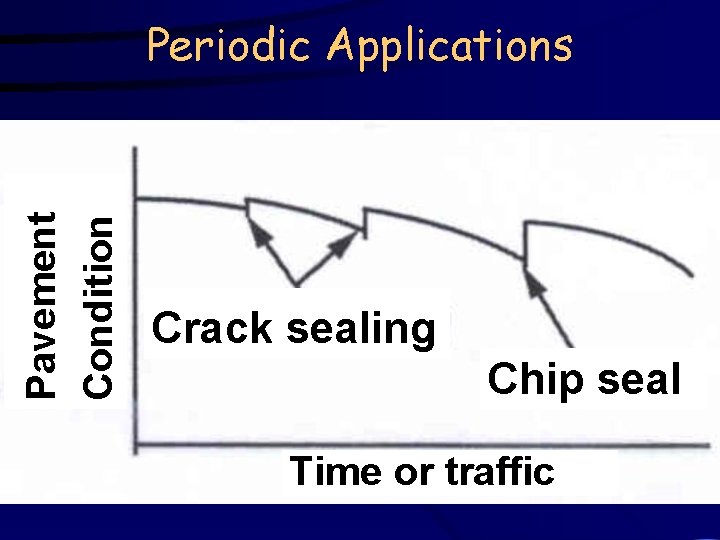
Pavement Condition Periodic Applications Crack sealing Chip seal Time or traffic
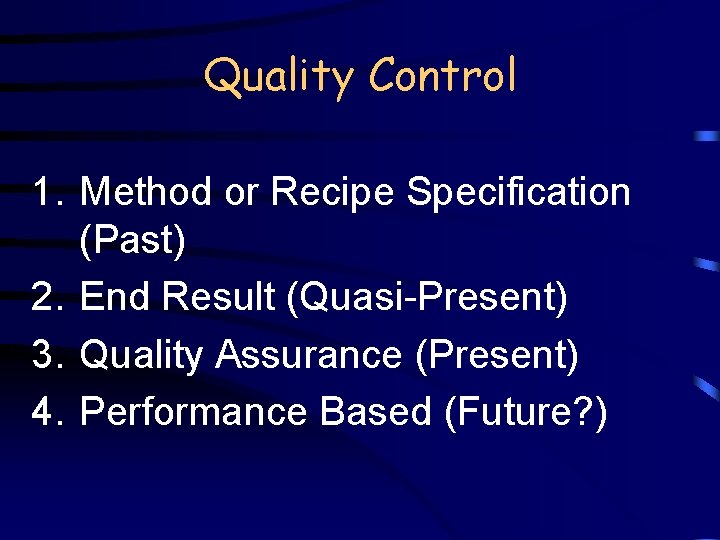
Quality Control 1. Method or Recipe Specification (Past) 2. End Result (Quasi-Present) 3. Quality Assurance (Present) 4. Performance Based (Future? )
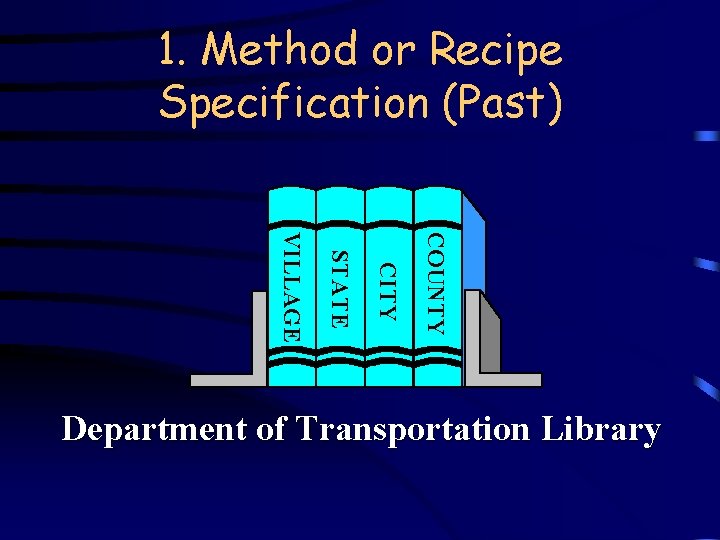
1. Method or Recipe Specification (Past) COUNTY CITY STATE VILLAGE Department of Transportation Library
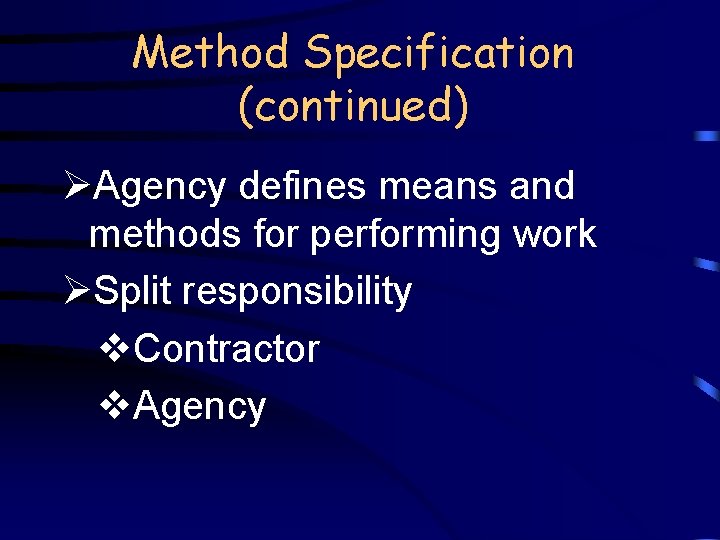
Method Specification (continued) ØAgency defines means and methods for performing work ØSplit responsibility v. Contractor v. Agency
2. End Result Specifications ØAgency defines required properties ØContractor controls process to achieve properties ØResponsibility is contractor’s
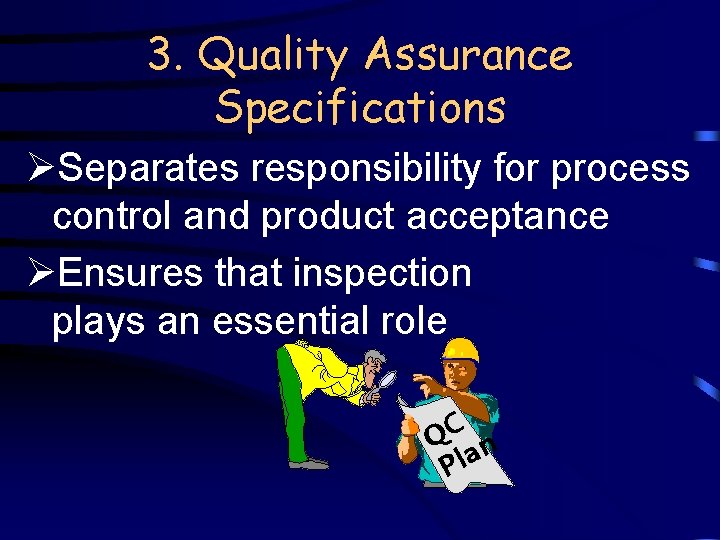
3. Quality Assurance Specifications ØSeparates responsibility for process control and product acceptance ØEnsures that inspection plays an essential role QC n Pla
4. Performance Based Specifications ØContractor warranties performance for a specified period of time ØContractor controls design, materials, and construction
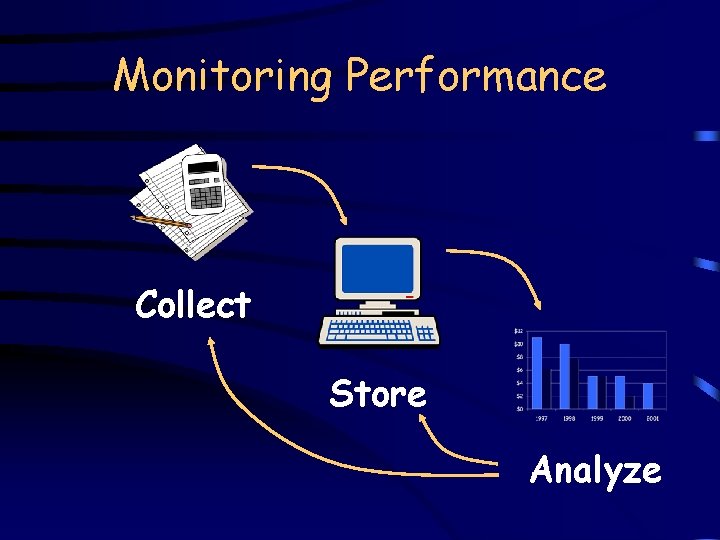
Monitoring Performance Collect Store Analyze
Monitoring Performance ØNew applications of existing methods ØApplication of emerging technology ØNeed to evaluate cost-effectiveness