
Engaging students in Reflection the role of e
- Slides: 16
Engaging students in Reflection: the role of e. Portfolios across different subject areas Federica Oradini Online Learning Development
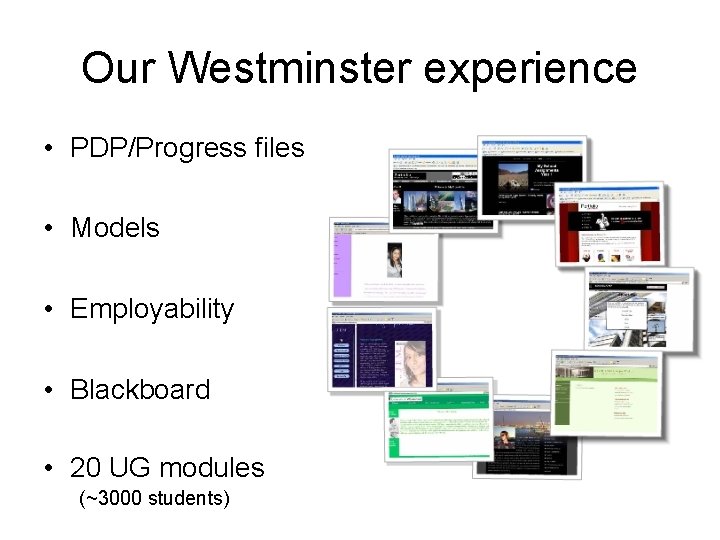
Our Westminster experience • PDP/Progress files • Models • Employability • Blackboard • 20 UG modules (~3000 students)
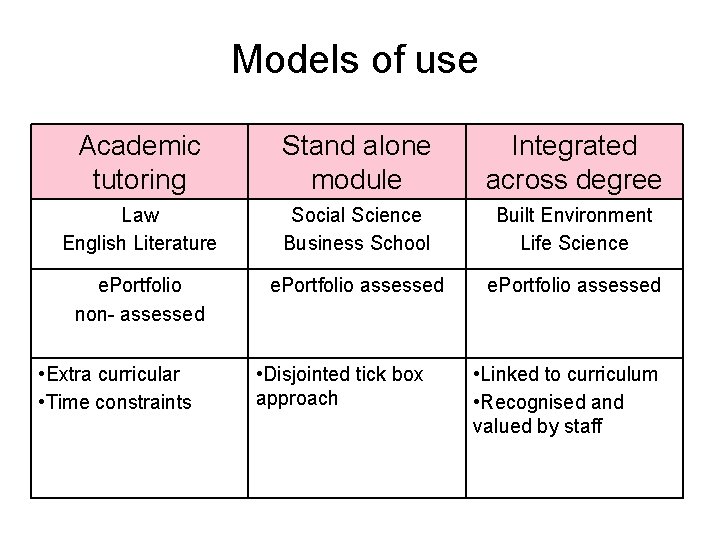
Models of use Academic tutoring Stand alone module Integrated across degree Law English Literature Social Science Business School Built Environment Life Science e. Portfolio non- assessed e. Portfolio assessed • Extra curricular • Time constraints • Disjointed tick box approach • Linked to curriculum • Recognised and valued by staff
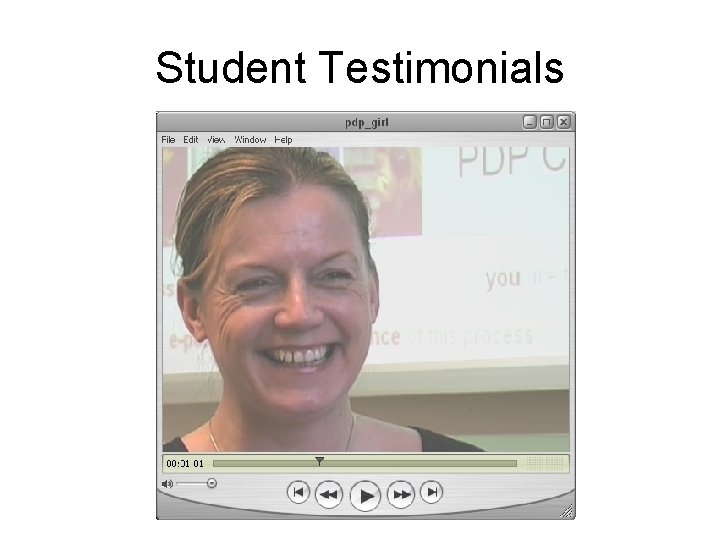
Student Testimonials
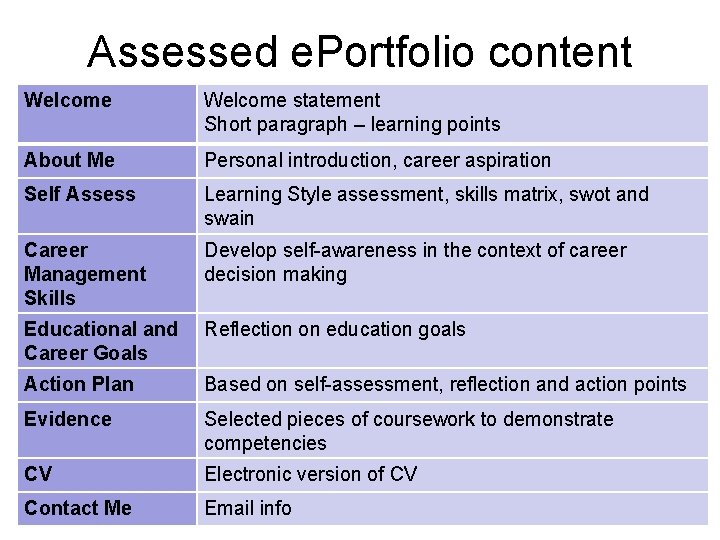
Assessed e. Portfolio content Welcome statement Short paragraph – learning points About Me Personal introduction, career aspiration Self Assess Learning Style assessment, skills matrix, swot and swain Career Management Skills Develop self-awareness in the context of career decision making Educational and Career Goals Reflection on education goals Action Plan Based on self-assessment, reflection and action points Evidence Selected pieces of coursework to demonstrate competencies CV Electronic version of CV Contact Me Email info
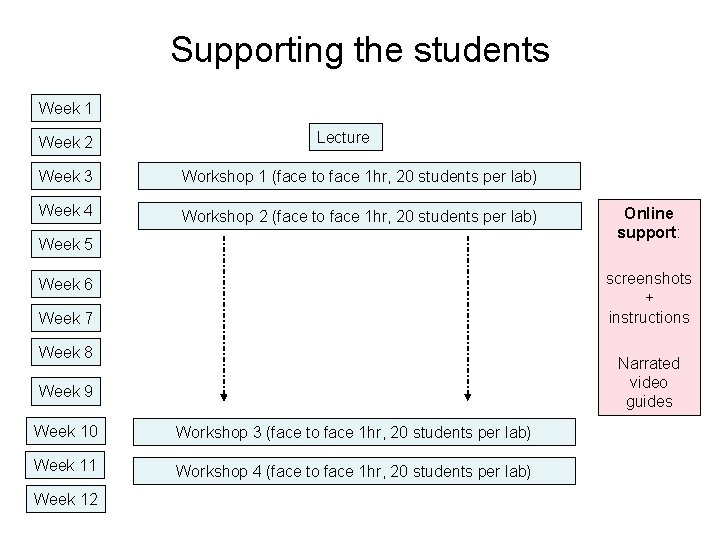
Supporting the students Week 1 Week 2 Lecture Week 3 Workshop 1 (face to face 1 hr, 20 students per lab) Week 4 Workshop 2 (face to face 1 hr, 20 students per lab) Week 5 screenshots + instructions Week 6 Week 7 Week 8 Narrated video guides Week 9 Week 10 Workshop 3 (face to face 1 hr, 20 students per lab) Week 11 Workshop 4 (face to face 1 hr, 20 students per lab) Week 12 Online support:
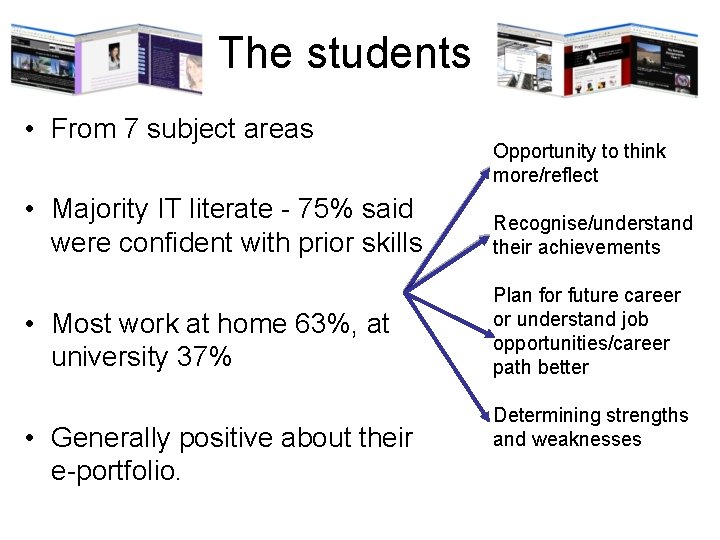
The students • From 7 subject areas Opportunity to think more/reflect • Majority IT literate - 75% said were confident with prior skills Recognise/understand their achievements • Most work at home 63%, at university 37% Plan for future career or understand job opportunities/career path better • Generally positive about their e-portfolio. Determining strengths and weaknesses
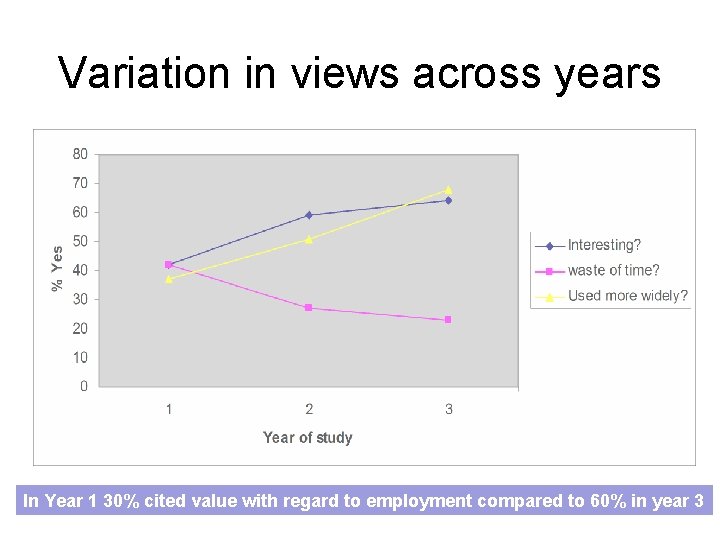
Variation in views across years In Year 1 30% cited value with regard to employment compared to 60% in year 3
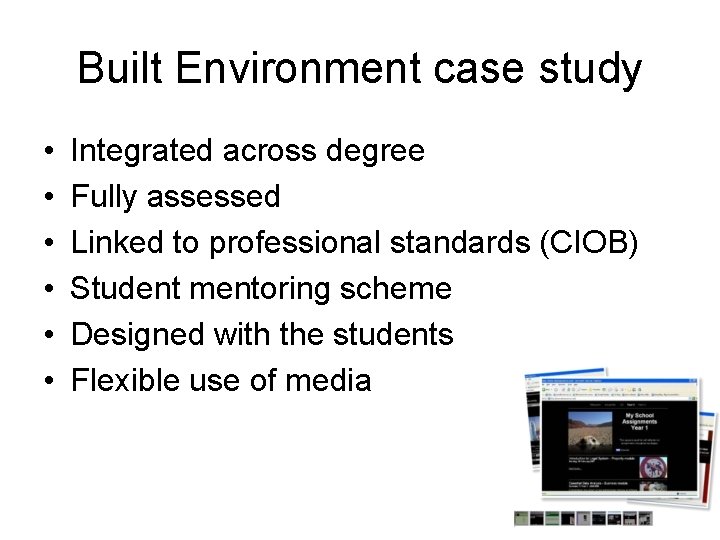
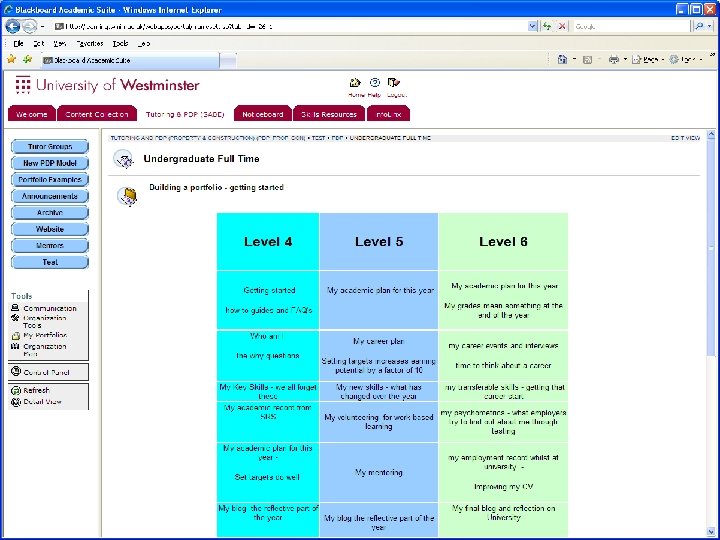
Built Environment case study • • • Integrated across degree Fully assessed Linked to professional standards (CIOB) Student mentoring scheme Designed with the students Flexible use of media
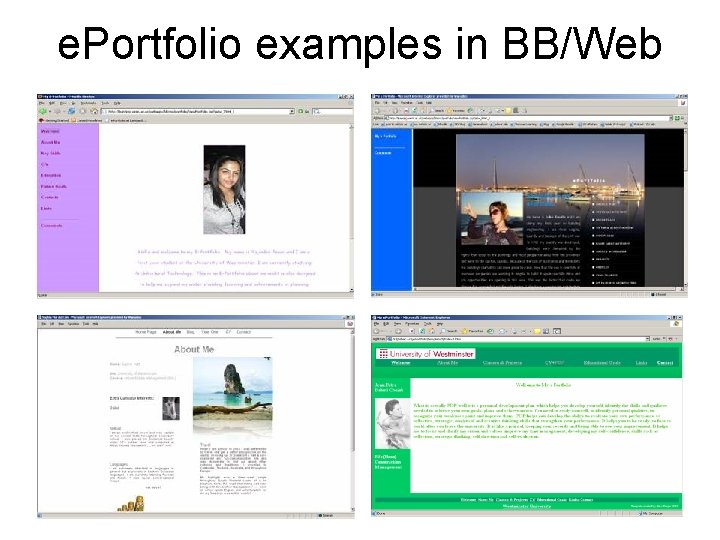
e. Portfolio examples in BB/Web
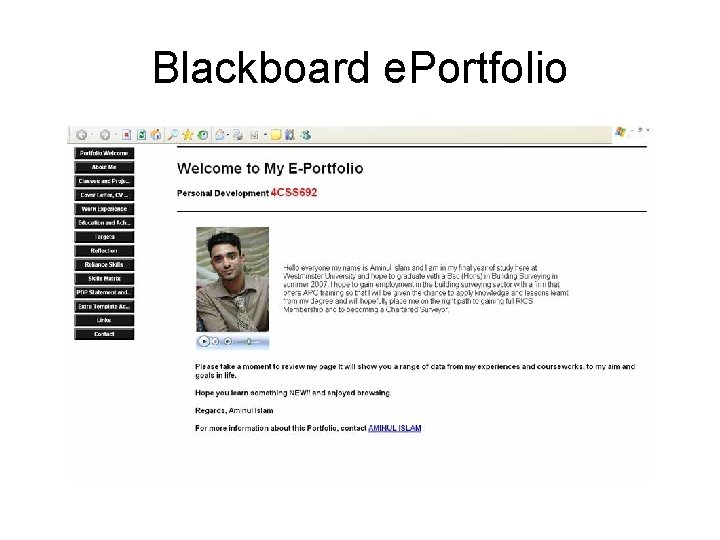
Blackboard e. Portfolio
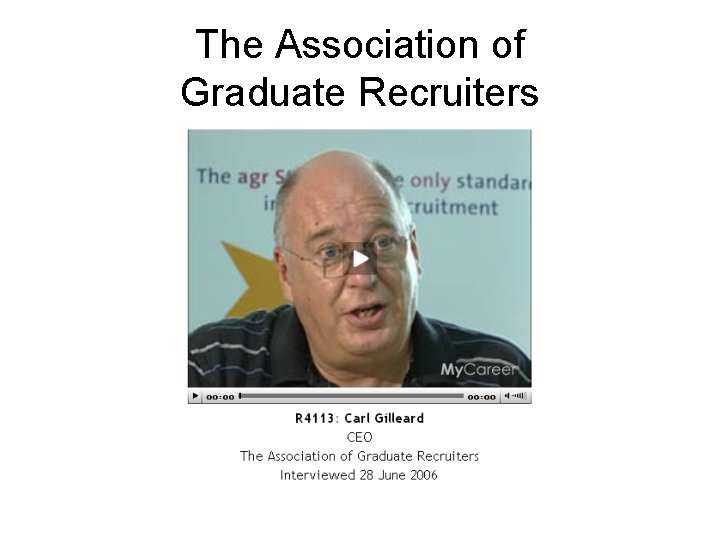
The Association of Graduate Recruiters
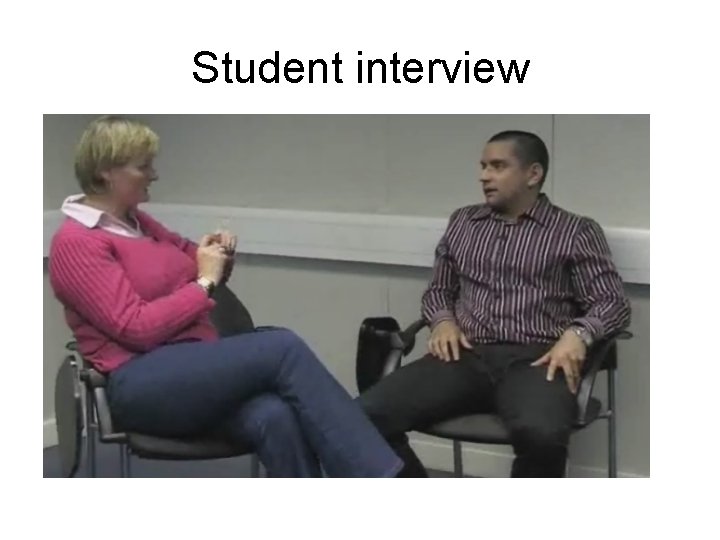
Student interview
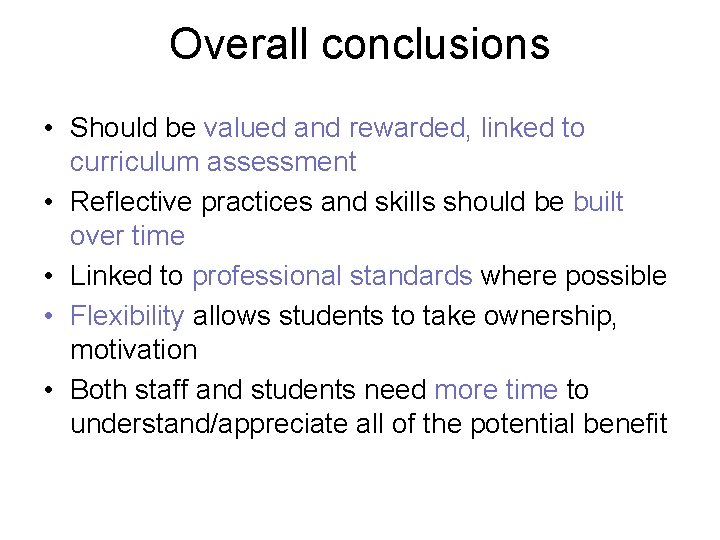
Overall conclusions • Should be valued and rewarded, linked to curriculum assessment • Reflective practices and skills should be built over time • Linked to professional standards where possible • Flexibility allows students to take ownership, motivation • Both staff and students need more time to understand/appreciate all of the potential benefit
Contact us Federica Oradini F. Oradini@westminster. ac. uk Senior Learning Technologist and Teaching Fellow Westminster Exchange University of Westminster 115 New Cavendish Street London W 1 W 6 UW United Kingdom