
Engagement Action Plan Training Introductions Brooke Bascom Arun
Engagement Action Plan Training
Introductions • Brooke Bascom • Arun Sambataro & Paula Harris-White • LéTania Severe & Shannon Harris
Introductions • Your name • Where you work • 3 words to describe yourself
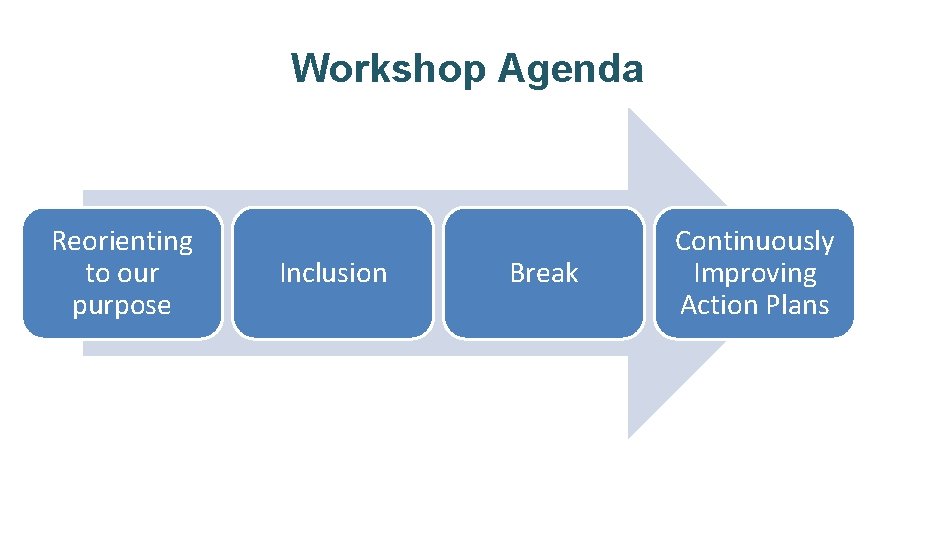
Workshop Agenda Reorienting to our purpose Inclusion Break Continuously Improving Action Plans
Agreements • Be present in the room • Cell phones on silent • Stay curious
Workshop Goals • Describe why engagement is important to King County. • Emphasize how ESJ, Lean and Engagement work together to help us be Best Run Government. • Create a culture of inclusion that helps us achieve our ESJ employee engagement goals. • Create action plans using lean concepts that have impact.
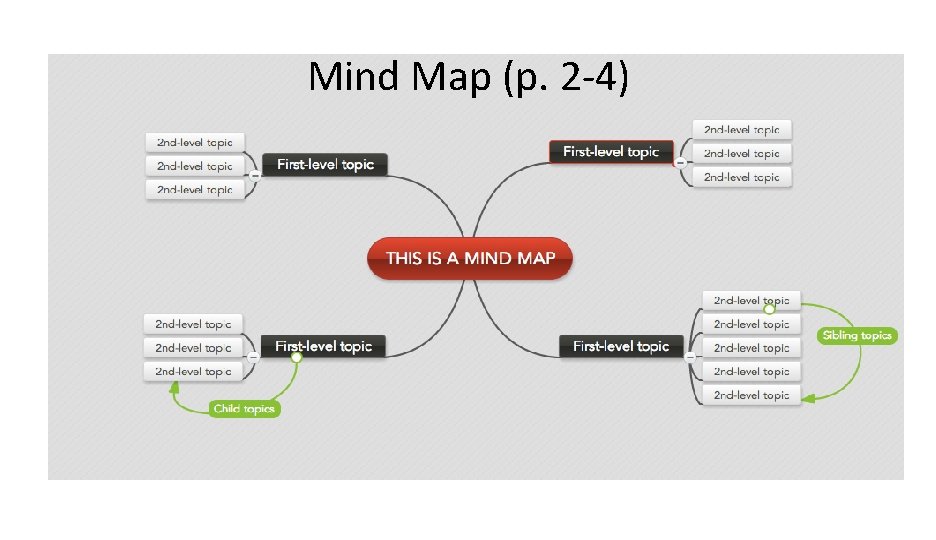
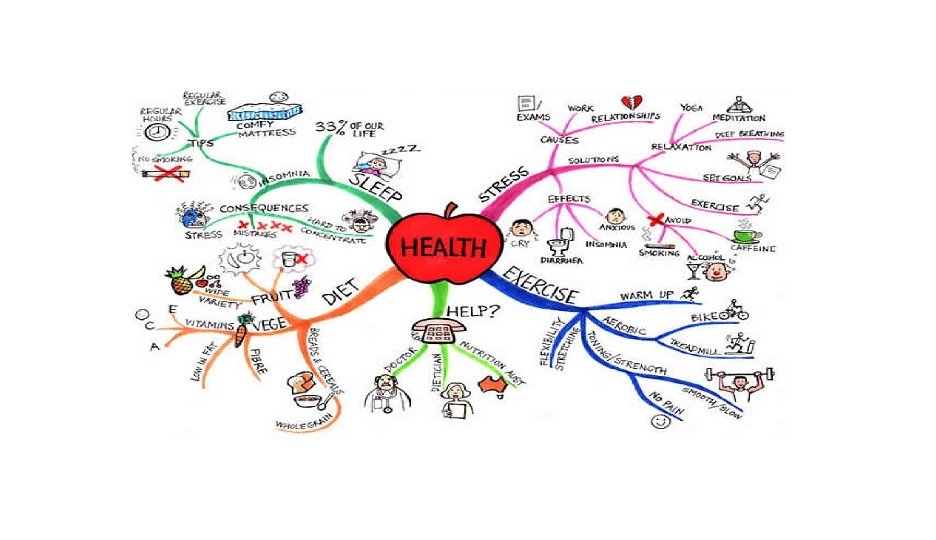
Mind Map (p. 2 -4)
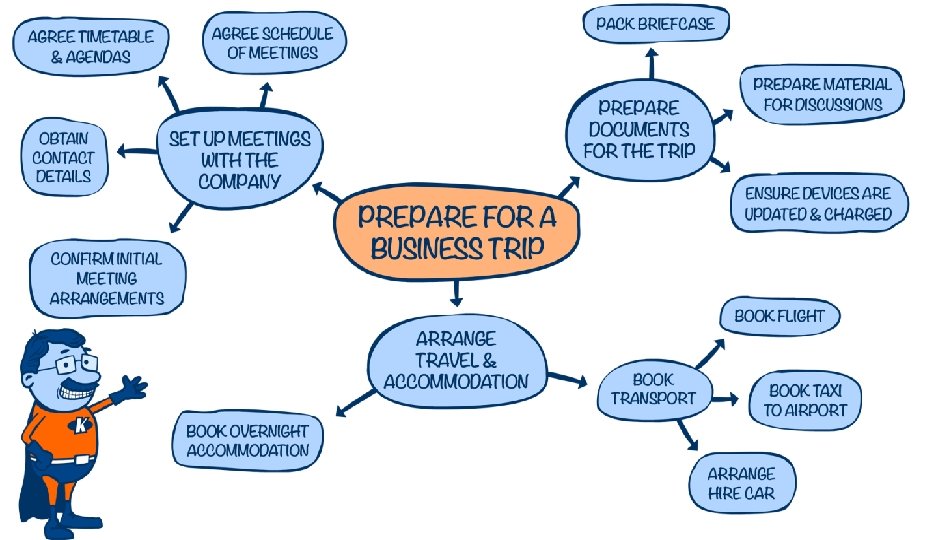
Why we care about engagement
Best Run Government We listen. We improve. We deliver. - We listen to employees, customers and communities - We improve by focusing on results and aligning to our vision and goals - We use our creativity and resources to deliver value for those we serve
Focus on engagement as a strategy to become the Best Run Government
Employee Engagement Employee engagement is the extent to which employees feel passionate about their jobs, are committed to the organization, and put discretionary effort into their work. It’s our culture that allows this to happen “Culture eats strategy for breakfast…. ” Attributed to Peter Drucker
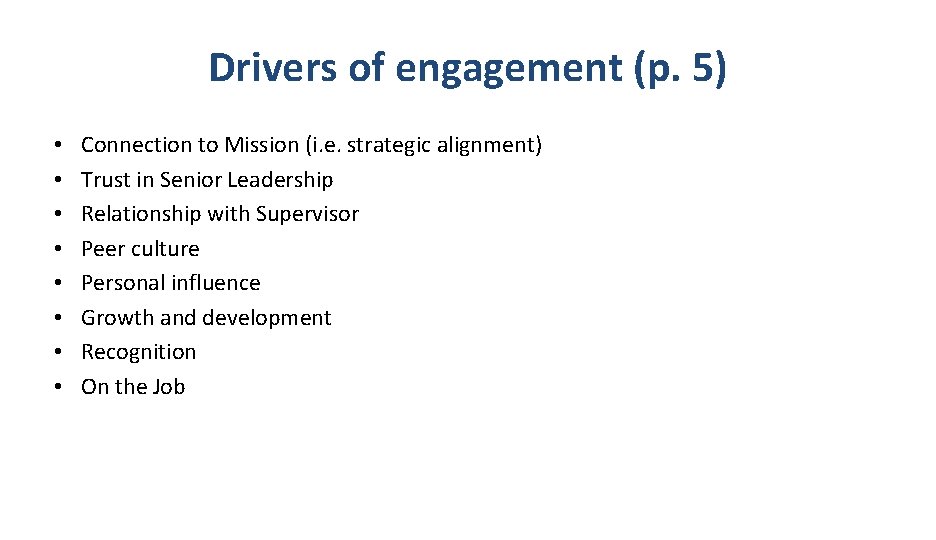
Drivers of engagement (p. 5) • • Connection to Mission (i. e. strategic alignment) Trust in Senior Leadership Relationship with Supervisor Peer culture Personal influence Growth and development Recognition On the Job
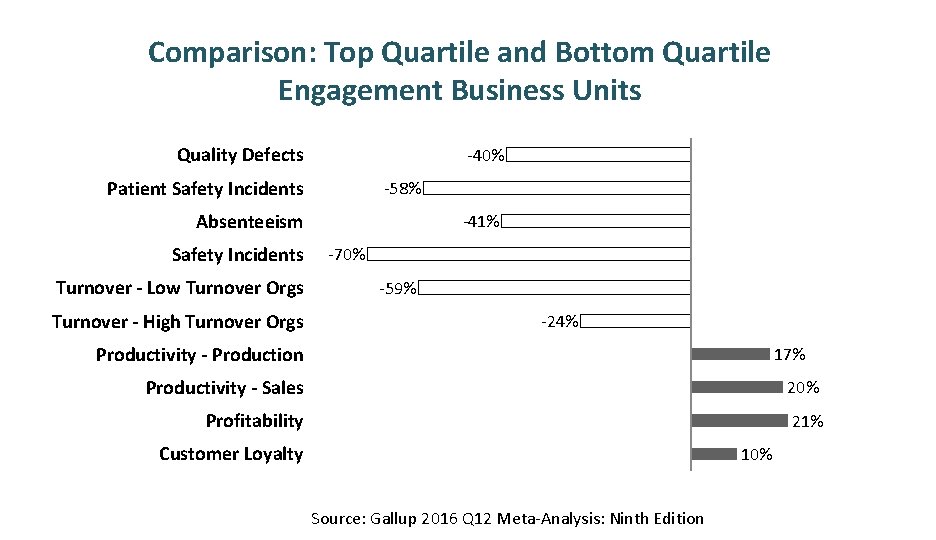
Comparison: Top Quartile and Bottom Quartile Engagement Business Units Quality Defects -40% Patient Safety Incidents -58% Absenteeism Safety Incidents Turnover - Low Turnover Orgs Turnover - High Turnover Orgs -41% -70% -59% -24% Productivity - Production 17% Productivity - Sales 20% Profitability 21% Customer Loyalty 10% Source: Gallup 2016 Q 12 Meta-Analysis: Ninth Edition
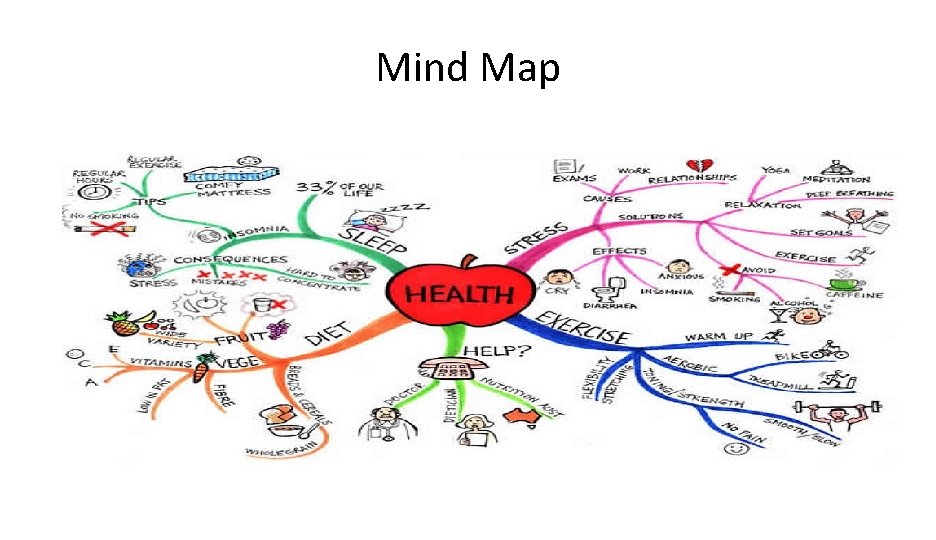
Mind Map
Culture of Equity & Inclusion
• What does it feel like to be excluded?
• What does it feel like to be included?
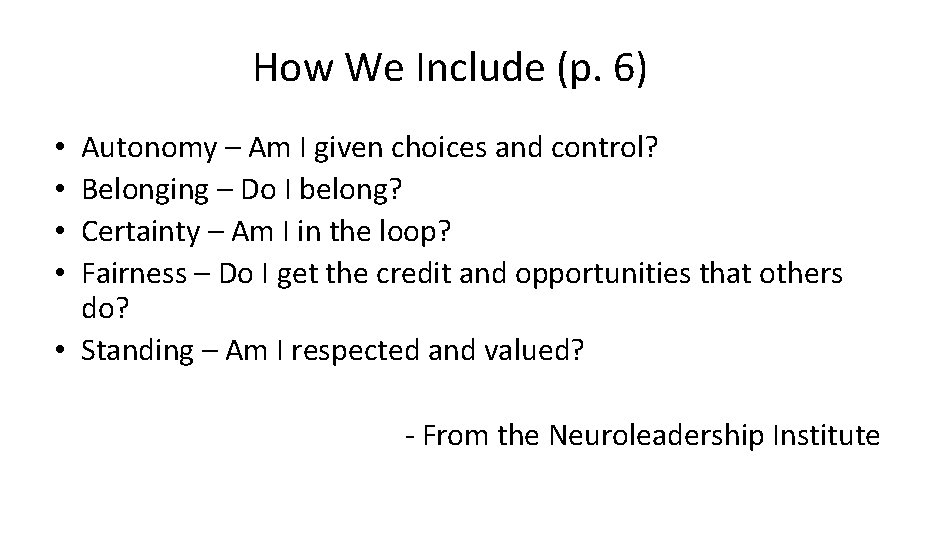
How We Include (p. 6) Autonomy – Am I given choices and control? Belonging – Do I belong? Certainty – Am I in the loop? Fairness – Do I get the credit and opportunities that others do? • Standing – Am I respected and valued? • • - From the Neuroleadership Institute
King County Survey Data Shows Variation in Experience (pp. 7 -9)
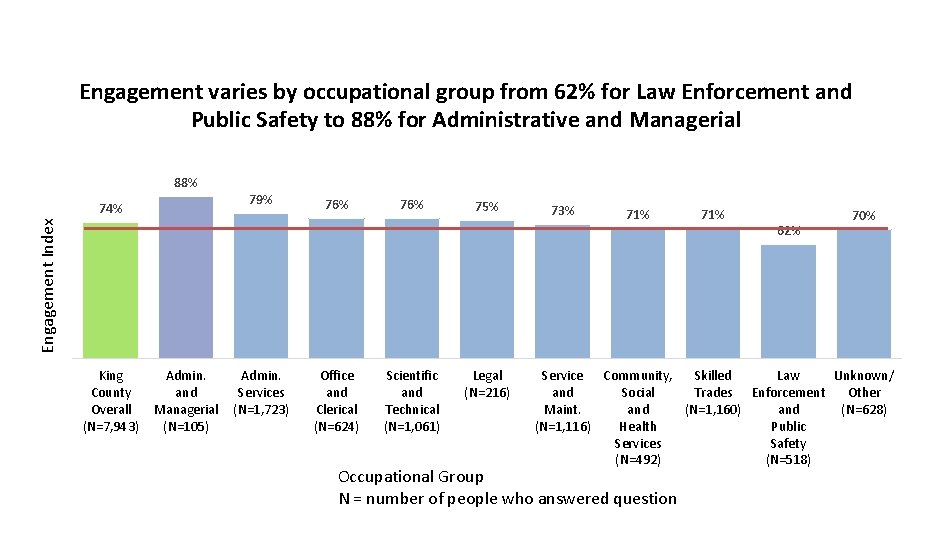
Engagement varies by occupational group from 62% for Law Enforcement and Public Safety to 88% for Administrative and Managerial 88% 79% 76% 75% Engagement Index 74% King County Overall (N=7, 943) Admin. and Managerial (N=105) Admin. Services (N=1, 723) Office and Clerical (N=624) Scientific and Technical (N=1, 061) Legal (N=216) 73% 71% 62% 70% Service Community, Skilled Law Unknown/ and Social Trades Enforcement Other Maint. and (N=1, 160) and (N=628) (N=1, 116) Health Public Services Safety (N=492) (N=518) Occupational Group N = number of people who answered question
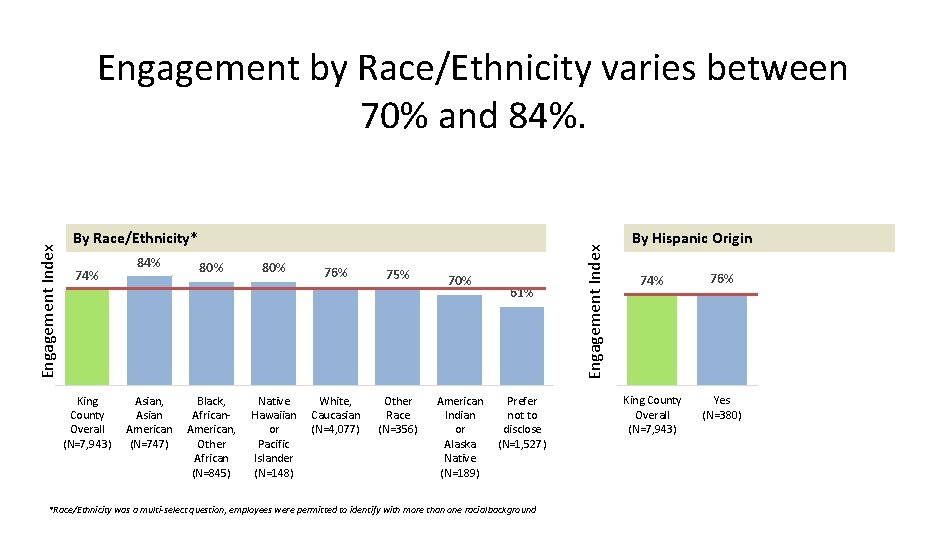
By Race/Ethnicity* 74% King County Overall (N=7, 943) 84% Asian, Asian American (N=747) 80% Black, African. American, Other African (N=845) 80% Native Hawaiian or Pacific Islander (N=148) 76% White, Caucasian (N=4, 077) 75% Other Race (N=356) 70% American Indian or Alaska Native (N=189) 61% Prefer not to disclose (N=1, 527) *Race/Ethnicity was a multi-select question, employees were permitted to identify with more than one racial background Engagement Index Engagement by Race/Ethnicity varies between 70% and 84%. By Hispanic Origin 74% 76% 77% 60% King County Overall (N=7, 943) Yes (N=380) No (N=5, 807) Prefer not to disclose (N=1, 288)
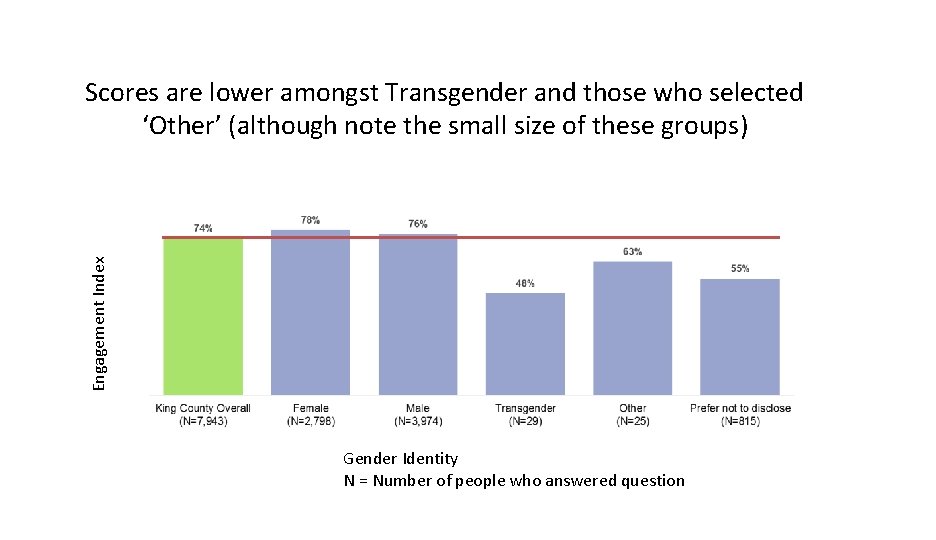
Engagement Index Scores are lower amongst Transgender and those who selected ‘Other’ (although note the small size of these groups) Gender Identity N = Number of people who answered question
There are differences in how people feel about countywide key drivers based on demographic categories see p. 8
There are differences in countywide key drivers based on demographic categories see p. 9
Key Driver Analysis – Equity and Inclusion Gives Meaning to People’s Work • Q 57 “I have the support to apply equity and social justice to my work” – Countywide key driver question – Also a key driver for 4/9 departments (DCHS, DES, DPH, DNRP)
Making Action Planning Inclusive • What can you do this year to make your action plan process even more inclusive? – 2 minutes alone – 5 minute table discussion – Report out
• What are some ways you can use shared decision making to develop your action plan? – 2 minutes alone – 5 minute table discussion – Report out
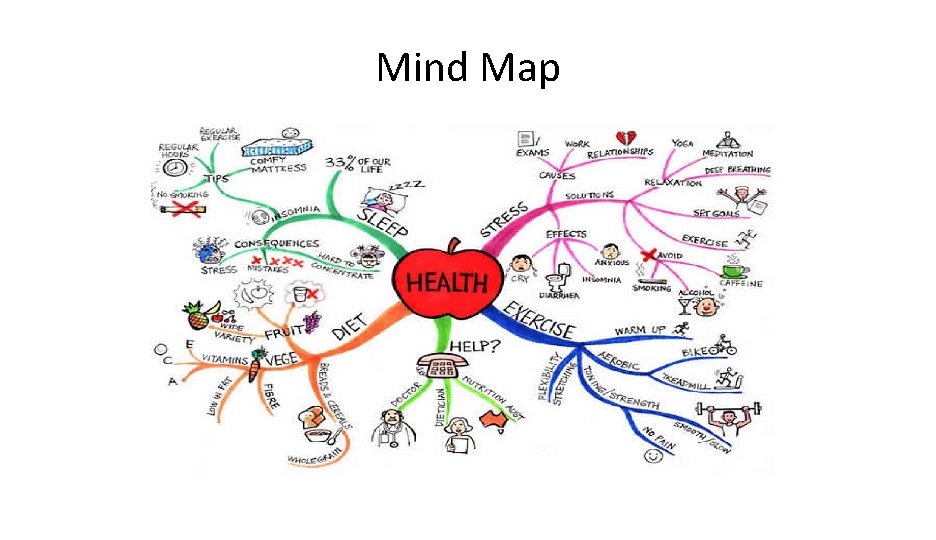
Mind Map

BREAK
Action Planning 2016
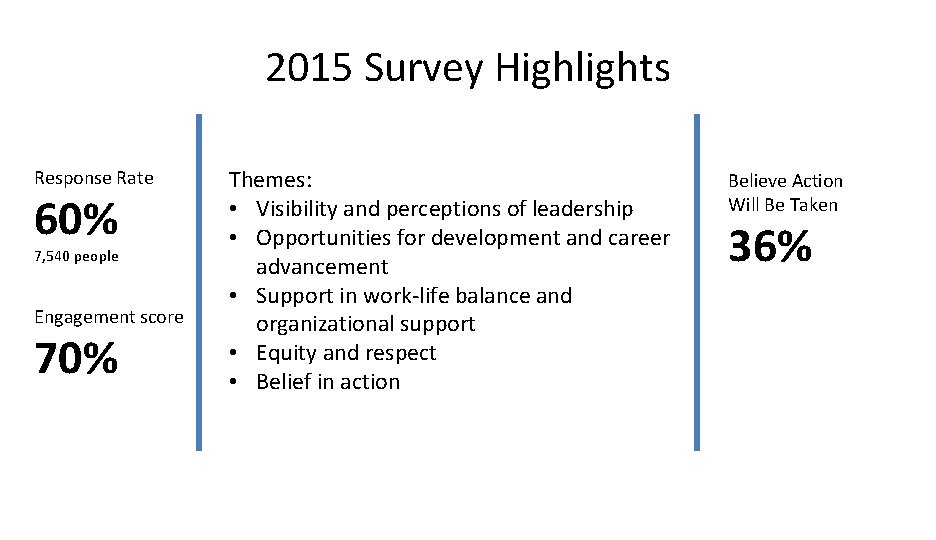
2015 Survey Highlights Response Rate 60% 7, 540 people Engagement score 70% Themes: • Visibility and perceptions of leadership • Opportunities for development and career advancement • Support in work-life balance and organizational support • Equity and respect • Belief in action Believe Action Will Be Taken 36%
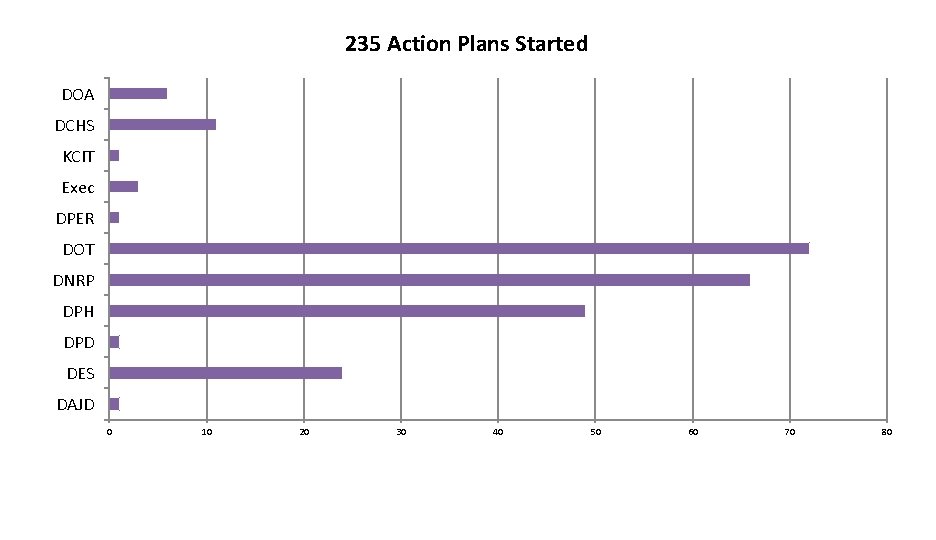
235 Action Plans Started DOA DCHS KCIT Exec DPER DOT DNRP DPH DPD DES DAJD 0 10 20 30 40 50 60 70 80
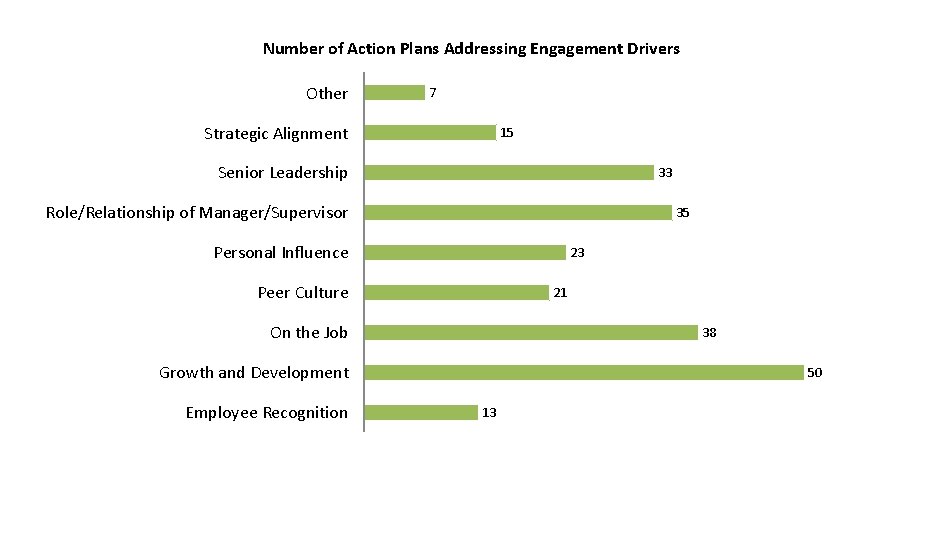
Number of Action Plans Addressing Engagement Drivers Other 7 Strategic Alignment 15 Senior Leadership 33 Role/Relationship of Manager/Supervisor 35 Personal Influence 23 Peer Culture 21 On the Job 38 Growth and Development Employee Recognition 50 13
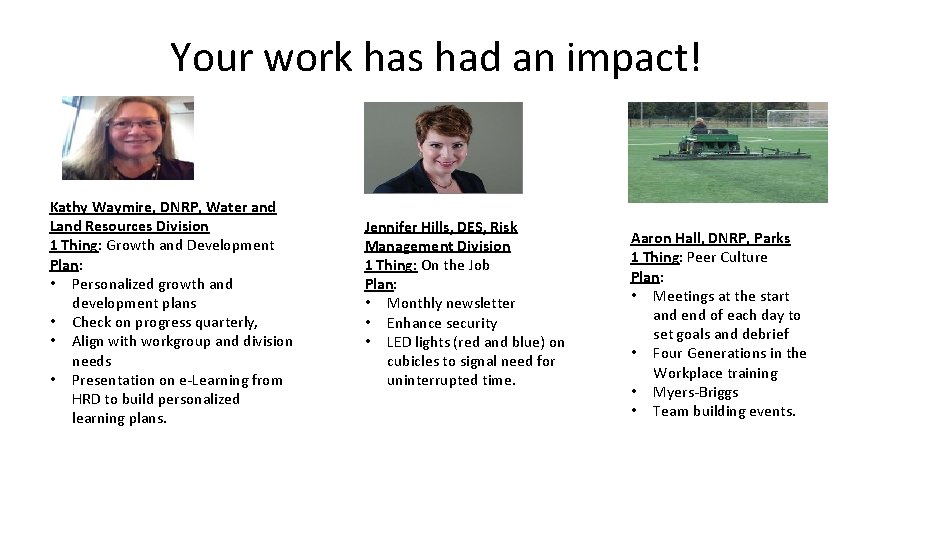
Your work has had an impact! Kathy Waymire, DNRP, Water and Land Resources Division 1 Thing: Growth and Development Plan: • Personalized growth and development plans • Check on progress quarterly, • Align with workgroup and division needs • Presentation on e-Learning from HRD to build personalized learning plans. Jennifer Hills, DES, Risk Management Division 1 Thing: On the Job Plan: • Monthly newsletter • Enhance security • LED lights (red and blue) on cubicles to signal need for uninterrupted time. Aaron Hall, DNRP, Parks 1 Thing: Peer Culture Plan: • Meetings at the start and end of each day to set goals and debrief • Four Generations in the Workplace training • Myers-Briggs • Team building events.
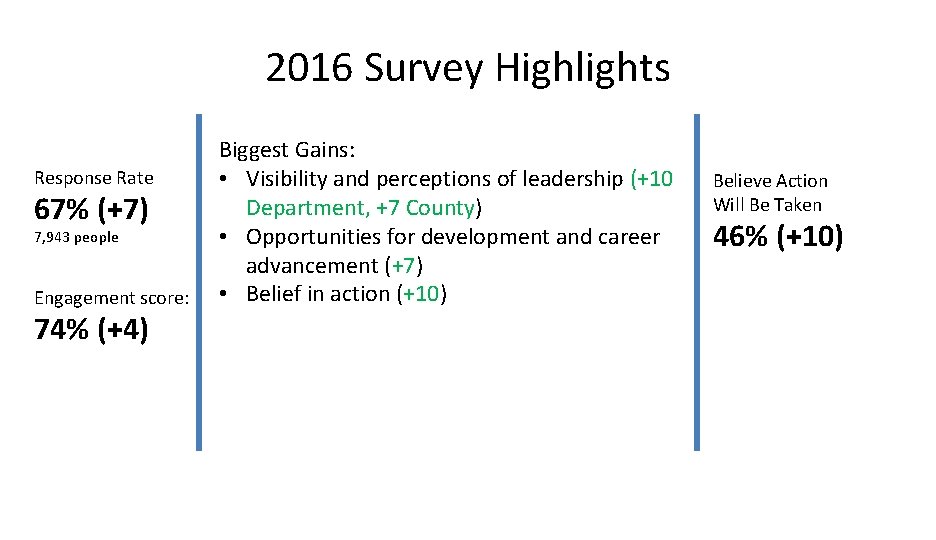
2016 Survey Highlights Response Rate 67% (+7) 7, 943 people Engagement score: 74% (+4) Biggest Gains: • Visibility and perceptions of leadership (+10 Department, +7 County) • Opportunities for development and career advancement (+7) • Belief in action (+10) Believe Action Will Be Taken 46% (+10)
Continuously Improving Action Plans
How to read your reports
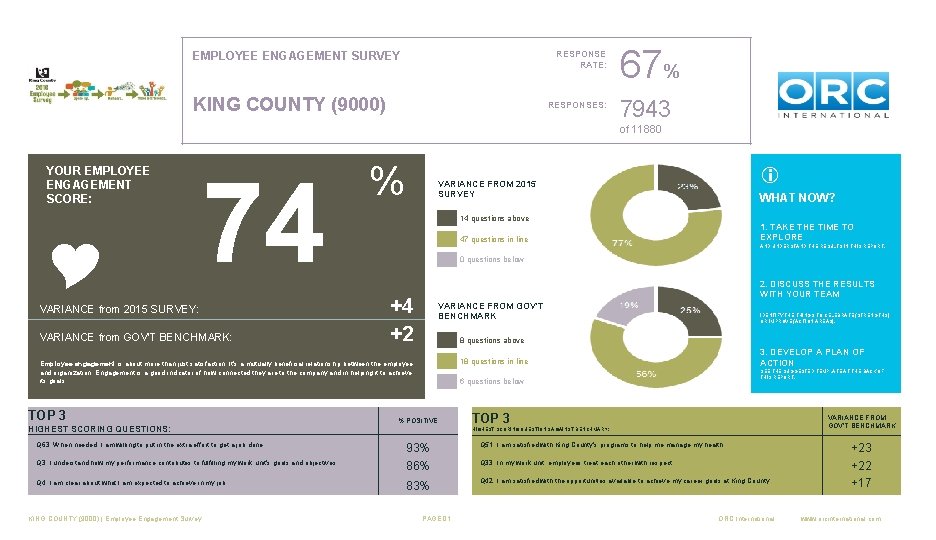
RESPONSE RATE: EMPLOYEE ENGAGEMENT SURVEY KING COUNTY (9000) RESPONSES: 67% 7943 of 11880 74 YOUR EMPLOYEE ENGAGEMENT SCORE: Y VARIANCE from 2015 SURVEY: 0 VARIANCE from GOV'T BENCHMARK: 0 % HIGHEST SCORING QUESTIONS: Q 63. When needed, I am willing to put in the extra effort to get a job done Q 3. I understand how my performance contributes to fulfilling my work unit's goals and objectives Q 4. I am clear about what I am expected to achieve in my job KING COUNTY (9000) | Employee Engagement Survey WHAT NOW? 14 questions above 1. TAKE THE TIME TO EXPLORE 47 questions in line AND UNDERSTAND THE RESULTS IN THIS REPORT. 0 questions below 2. DISCUSS THE RESULTS WITH YOUR TEAM +4 +2 VARIANCE FROM GOV'T BENCHMARK IDENTIFY THE THINGS TO CELEBRATE (STRENGTHS) OR IMPROVE (ACTION AREAS). 8 questions above 3. DEVELOP A PLAN OF ACTION 18 questions in line Employee engagement is about more than just satisfaction. It's a mutually beneficial relationship between the employee and organization. Engagement is a good indicator of how connected they are to the company and in helping it to achieve its goals. TOP 3 i VARIANCE FROM 2015 SURVEY SEE THE SUGGESTED TEMPLATE AT THE BACK OF THIS REPORT. 6 questions below % POSITIVE TOP 3 VARIANCE FROM GOV'T BENCHMARK HIGHEST SCORING QUESTIONS AGAINST BENCHMARK: 93% 86% Q 51. I am satisfied with King County's programs to help me manage my health 83% Q 42. I am satisfied with the opportunities available to achieve my career goals at King County PAGE 01. Q 33. In my work unit, employees treat each other with respect ORC International +23 +22 +17 www. orcinternational. com
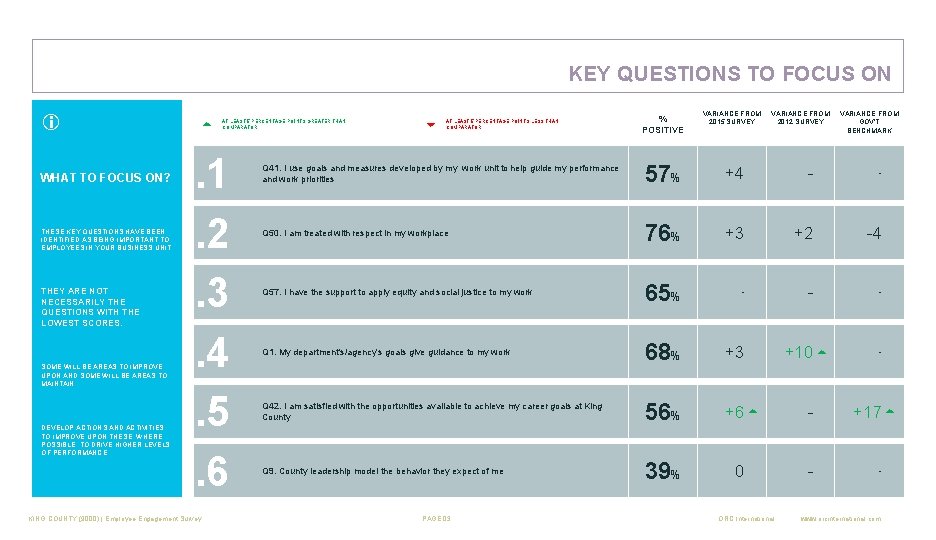
KEY QUESTIONS TO FOCUS ON i WHAT TO FOCUS ON? THESE KEY QUESTIONS HAVE BEEN IDENTIFIED AS BEING IMPORTANT TO EMPLOYEES IN YOUR BUSINESS UNIT. THEY ARE NOT NECESSARILY THE QUESTIONS WITH THE LOWEST SCORES. SOME WILL BE AREAS TO IMPROVE UPON AND SOME WILL BE AREAS TO MAINTAIN. DEVELOP ACTIONS AND ACTIVITIES TO IMPROVE UPON THESE, WHERE POSSIBLE, TO DRIVE HIGHER LEVELS OF PERFORMANCE. 5 AT LEAST 5 PERCENTAGE POINTS GREATER THAN COMPARATOR . 1. 2. 3. 4. 5. 6 KING COUNTY (9000) | Employee Engagement Survey 6 AT LEAST 5 PERCENTAGE POINTS LESS THAN COMPARATOR % POSITIVE VARIANCE FROM 2015 SURVEY VARIANCE FROM 2012 SURVEY VARIANCE FROM GOV'T BENCHMARK Q 41. I use goals and measures developed by my work unit to help guide my performance and work priorities 57% +4 - - Q 50. I am treated with respect in my workplace 76% +3 +2 -4 Q 57. I have the support to apply equity and social justice to my work 65% - - - Q 1. My department's/agency's goals give guidance to my work 68% +3 Q 42. I am satisfied with the opportunities available to achieve my career goals at King County 56% +6 5 - Q 9. County leadership model the behavior they expect of me 39% 0 - PAGE 03. ORC International +10 5 - +17 5 - www. orcinternational. com
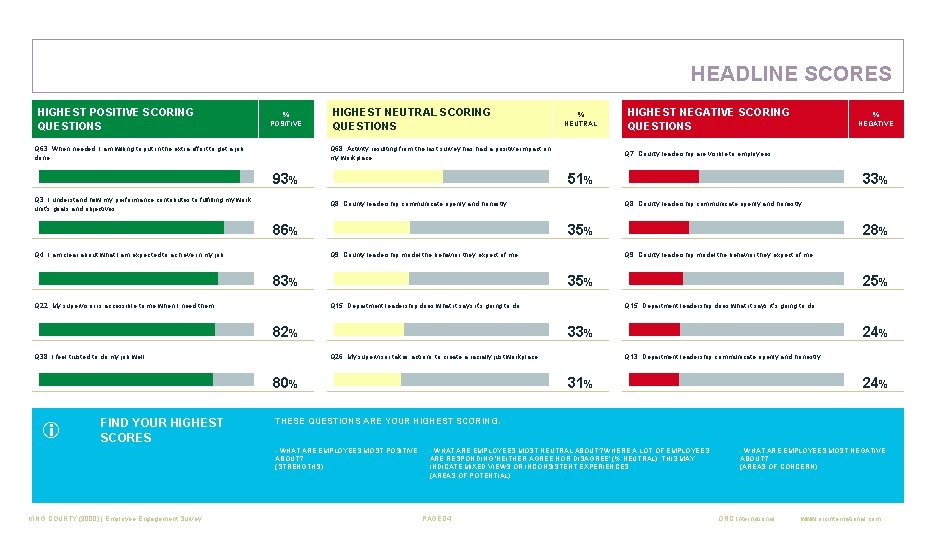
HEADLINE SCORES HIGHEST POSITIVE SCORING QUESTIONS % POSITIVE Q 63. When needed, I am willing to put in the extra effort to get a job done HIGHEST NEUTRAL SCORING QUESTIONS Q 68. Activity resulting from the last survey has had a positive impact on my workplace 93% Q 3. I understand how my performance contributes to fulfilling my work unit's goals and objectives 35% 83% 35% 82% Q 15. Department leadership does what it says it's going to do Q 26. My supervisor takes actions to create a racially just workplace 24% Q 13. Department leadership communicate openly and honestly 31% 24% THESE QUESTIONS ARE YOUR HIGHEST SCORING. - WHAT ARE EMPLOYEES MOST POSITIVE ABOUT? (STRENGTHS) KING COUNTY (9000) | Employee Engagement Survey 25% 33% 80% FIND YOUR HIGHEST SCORES 28% Q 9. County leadership model the behavior they expect of me Q 15. Department leadership does what it says it's going to do Q 38. I feel trusted to do my job well 33% Q 8. County leadership communicate openly and honestly Q 9. County leadership model the behavior they expect of me Q 22. My supervisor is accessible to me when I need them % NEGATIVE Q 7. County leadership are visible to employees Q 8. County leadership communicate openly and honestly Q 4. I am clear about what I am expected to achieve in my job HIGHEST NEGATIVE SCORING QUESTIONS 51% 86% i % NEUTRAL - WHAT ARE EMPLOYEES MOST NEUTRAL ABOUT? WHERE A LOT OF EMPLOYEES ARE RESPONDING 'NEITHER AGREE NOR DISAGREE' (% NEUTRAL), THIS MAY INDICATE MIXED VIEWS OR INCONSISTENT EXPERIENCES. (AREAS OF POTENTIAL) PAGE 04. - WHAT ARE EMPLOYEES MOST NEGATIVE ABOUT? (AREAS OF CONCERN) ORC International www. orcinternational. com
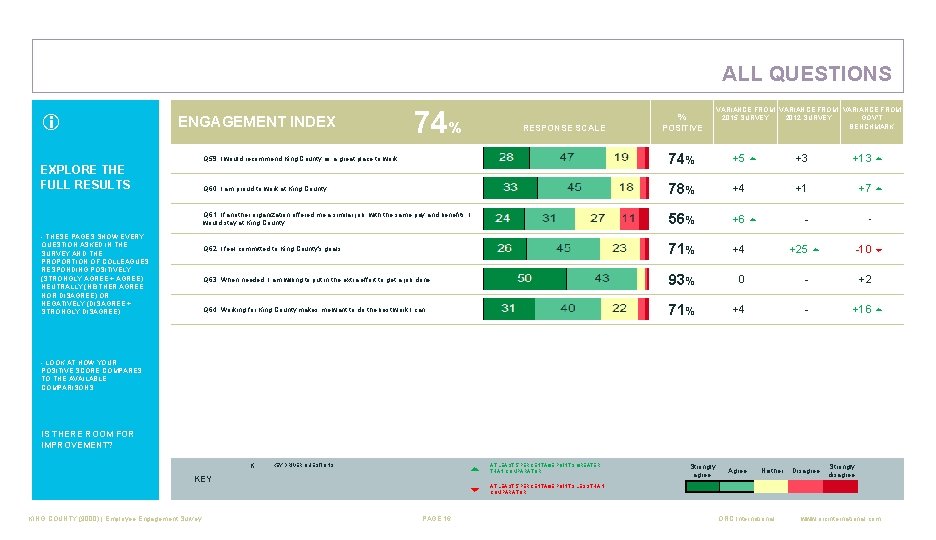
ALL QUESTIONS i ENGAGEMENT INDEX EXPLORE THE FULL RESULTS - THESE PAGES SHOW EVERY QUESTION ASKED IN THE SURVEY AND THE PROPORTION OF COLLEAGUES RESPONDING POSITIVELY (STRONGLY AGREE + AGREE), NEUTRALLY (NEITHER AGREE NOR DISAGREE) OR NEGATIVELY (DISAGREE + STRONGLY DISAGREE). 74% RESPONSE SCALE % POSITIVE VARIANCE FROM 2015 SURVEY 2012 SURVEY GOV'T BENCHMARK Q 59. I would recommend King County as a great place to work 74% +5 5 +3 +13 5 Q 60. I am proud to work at King County 78% +4 +1 +7 5 Q 61. If another organization offered me a similar job, with the same pay and benefits, I would stay at King County 56% +6 5 Q 62. I feel committed to King County's goals 71% Q 63. When needed, I am willing to put in the extra effort to get a job done Q 64. Working for King County makes me want to do the best work I can - - +4 +25 5 -10 6 93% 0 - 71% +4 - +2 +16 5 - LOOK AT HOW YOUR POSITIVE SCORE COMPARES TO THE AVAILABLE COMPARISONS. IS THERE ROOM FOR IMPROVEMENT? K KEY DRIVER QUESTIONS KEY KING COUNTY (9000) | Employee Engagement Survey PAGE 16. 5 AT LEAST 5 PERCENTAGE POINTS GREATER THAN COMPARATOR 6 AT LEAST 5 PERCENTAGE POINTS LESS THAN COMPARATOR Strongly agree Agree Neither ORC International Disagree Strongly disagree www. orcinternational. com
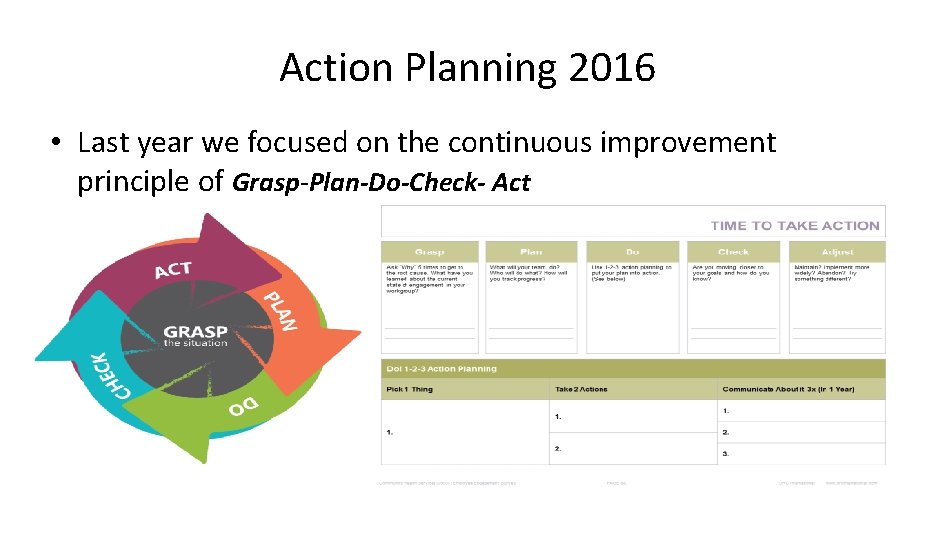
Action Planning 2016 • Last year we focused on the continuous improvement principle of Grasp-Plan-Do-Check- Act
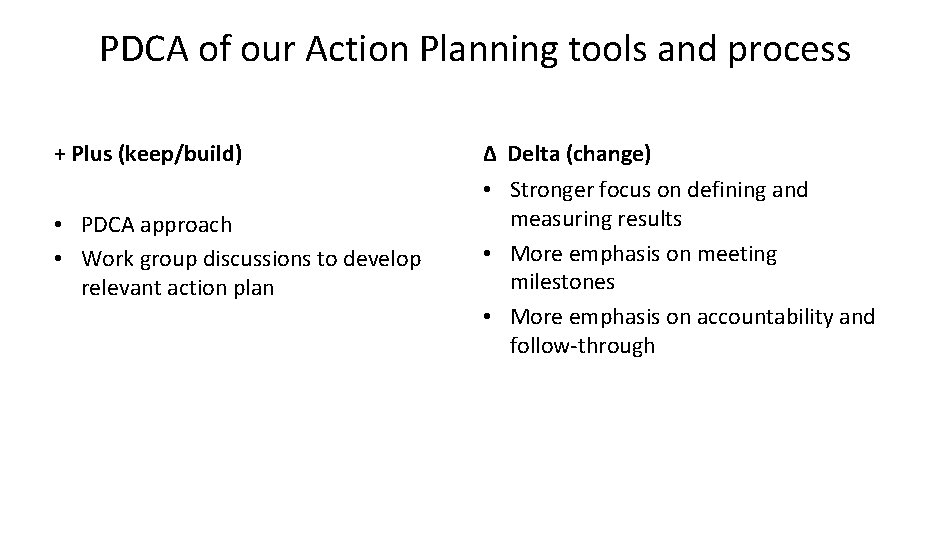
PDCA of our Action Planning tools and process + Plus (keep/build) • PDCA approach • Work group discussions to develop relevant action plan Δ Delta (change) • Stronger focus on defining and measuring results • More emphasis on meeting milestones • More emphasis on accountability and follow-through
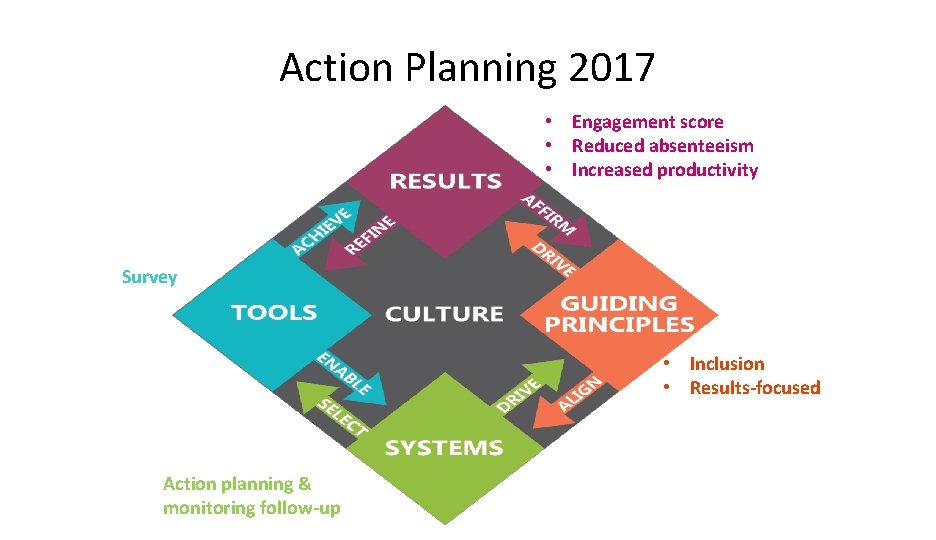
Action Planning 2017 • Engagement score • Reduced absenteeism • Increased productivity Survey • Inclusion • Results-focused Action planning & monitoring follow-up
Action Plan Reflection (p. 10) 3 minutes Things to think about: • Assess your 2016 action plan (too big, small, hard, easy? ) • Who owned it? Who contributed to it? • Did you see results based on the 2016 survey results? • Do you have other ways of measuring results or impact? • What did you learn (about your group, yourself, about what is possible)
Get advice from each other • Pick your biggest problem and get expert peer advice – What do you see as the most difficult thing about doing action planning again this year? • Process: Get into Groups of 3 Designate a “client” and 2 “consultants” 2 minutes. Client describes challenge uninterrupted. 2 minutes. Consultants ask clarifying questions 4 minutes. Client turns around. Consultants discuss potential solutions to the challenge. – 2 minutes. Client turns around and shares what was most valuable. – Switch roles. – – –
How can you measure results? • Changes in people’s experience and how they show up e. g. – – – • Changes in how service is delivered e. g. Engagement score Absenteeism Safety incidents Grievances/complaints Development opportunities • Decrease the cost of delivering services or use resources to do more high-value work – How much you can accomplish/deliver – Customer satisfaction – Quality of the work – Increasing the number of ideas employees contribute to improve products or services
2017 Action Planning
Action Plan Tracking Tool Form (p. 11 -14)
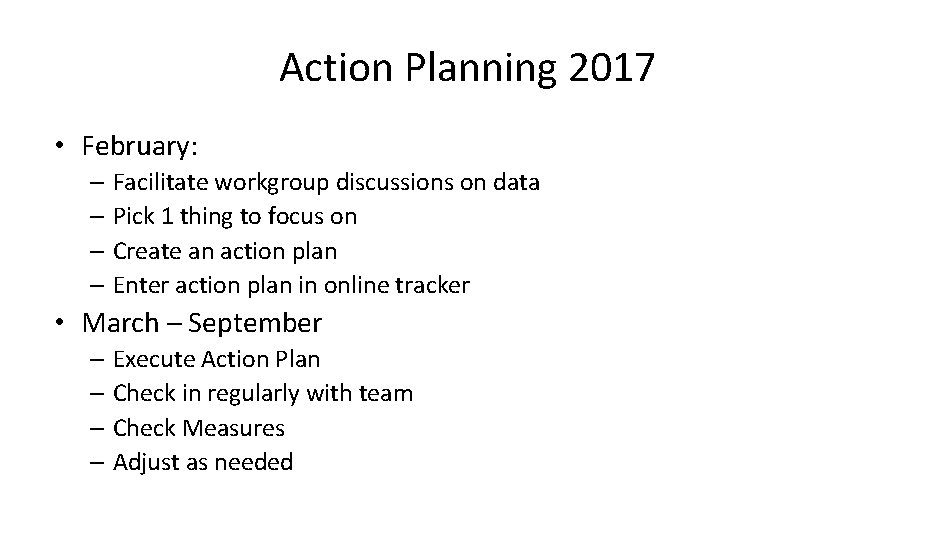
Action Planning 2017 • February: – Facilitate workgroup discussions on data – Pick 1 thing to focus on – Create an action plan – Enter action plan in online tracker • March – September – Execute Action Plan – Check in regularly with team – Check Measures – Adjust as needed
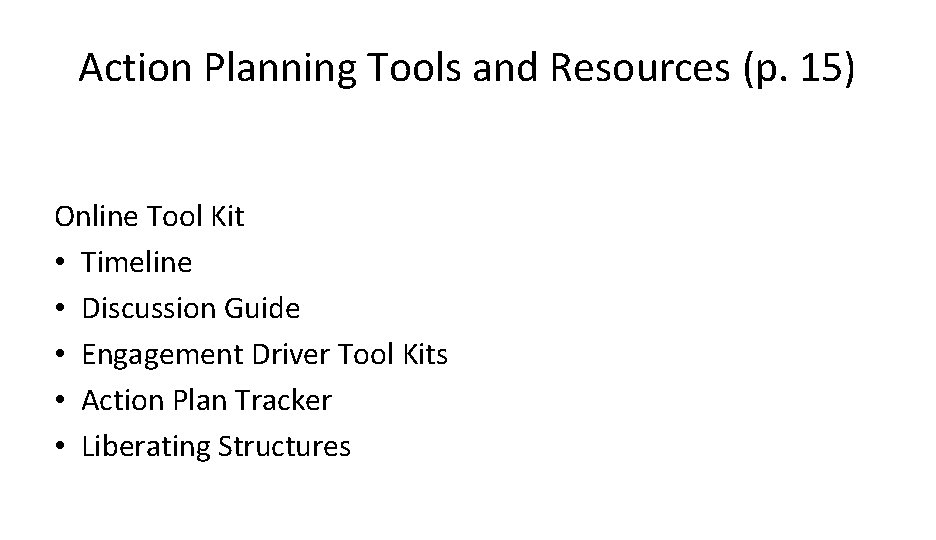
Action Planning Tools and Resources (p. 15) Online Tool Kit • Timeline • Discussion Guide • Engagement Driver Tool Kits • Action Plan Tracker • Liberating Structures
Countywide Context • Leadership Modeling the Way • Countywide Systems – Training – Career Advancement – Focus on Equity
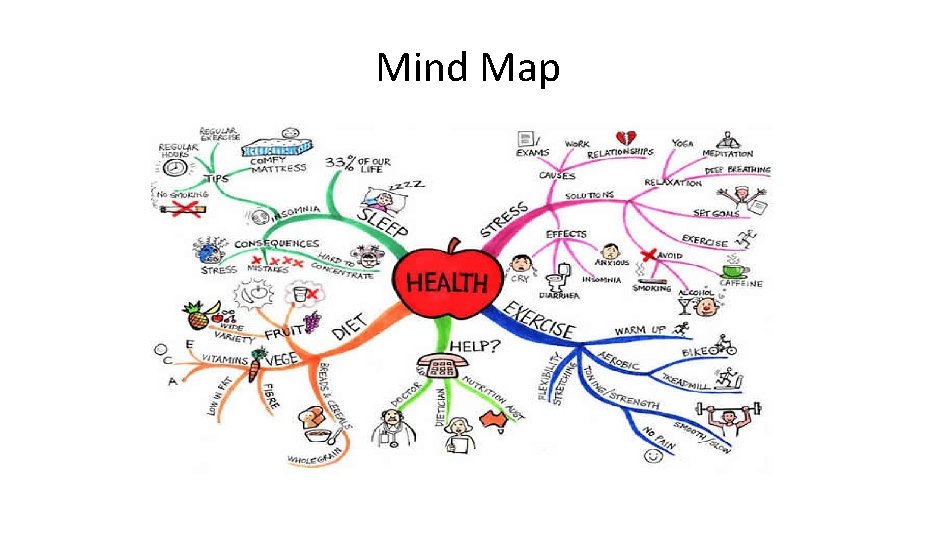
Mind Map

Wrap Up
- Slides: 56