
Energy Transport and You Internal v external Maritime


- Slides: 29
Energy, Transport and You • Internal v external • Maritime transport v other transport • Transport v… • capital • finance • government • Why Petroleum? • What is Energy? • What Makes Energy Geopolitical? – – Volatility Inelastic Demand Transport and Location Technology • Beyond Petroleum 1
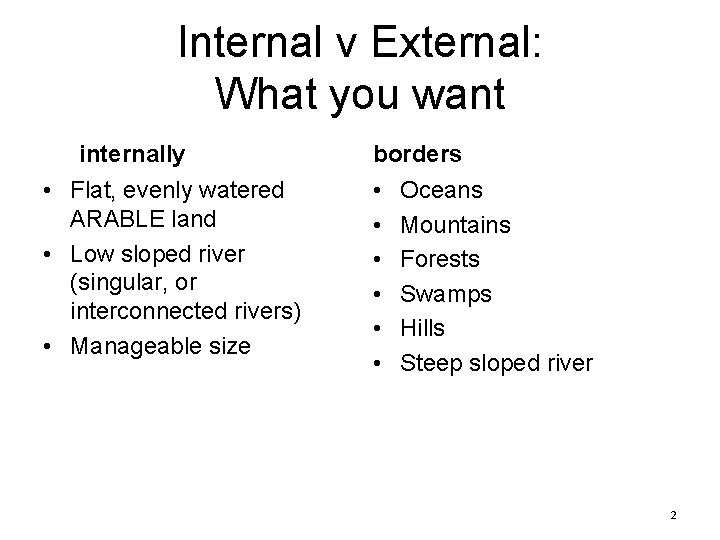
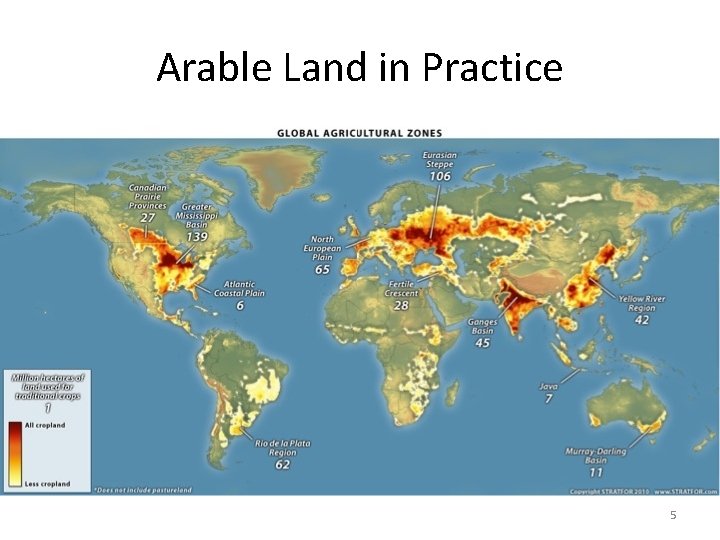
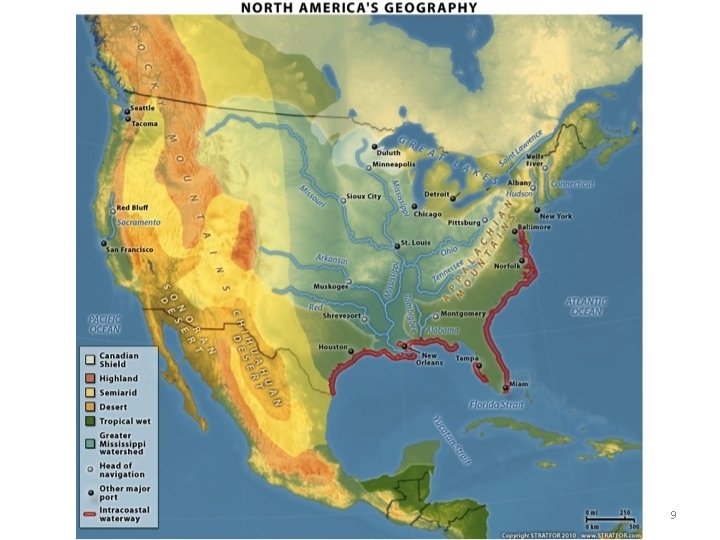
Internal v External: What you want internally • Flat, evenly watered ARABLE land • Low sloped river (singular, or interconnected rivers) • Manageable size borders • • • Oceans Mountains Forests Swamps Hills Steep sloped river 2
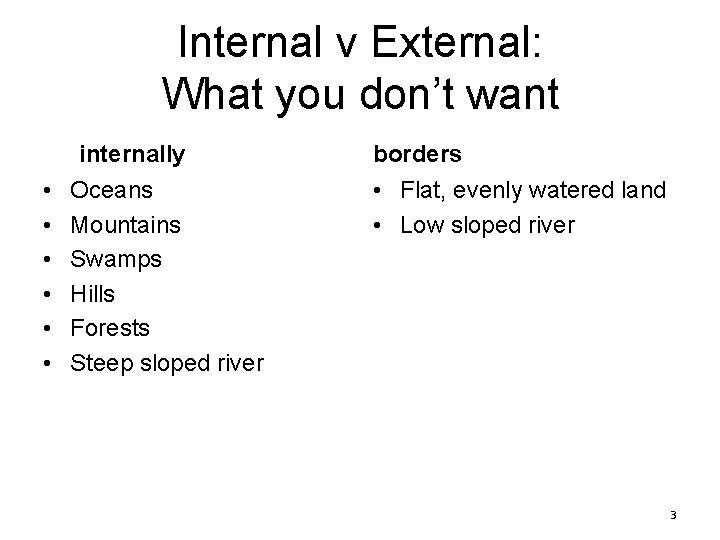
Internal v External: What you don’t want internally • • • Oceans Mountains Swamps Hills Forests Steep sloped river borders • Flat, evenly watered land • Low sloped river 3
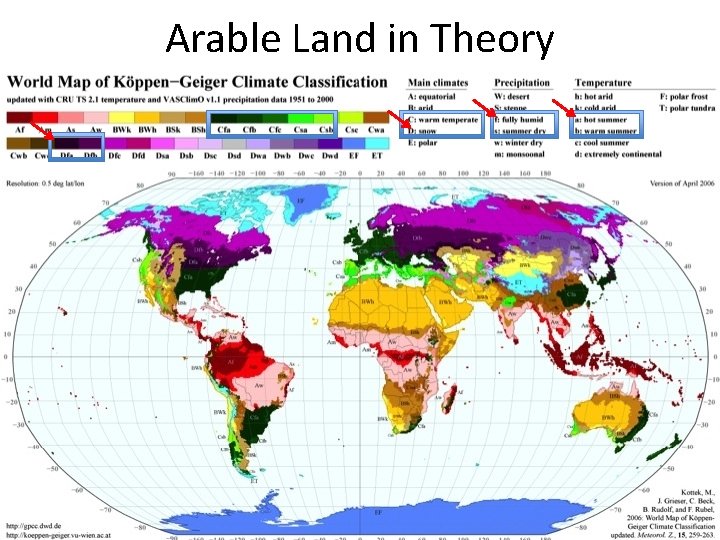
Arable Land in Theory
Arable Land in Practice 5
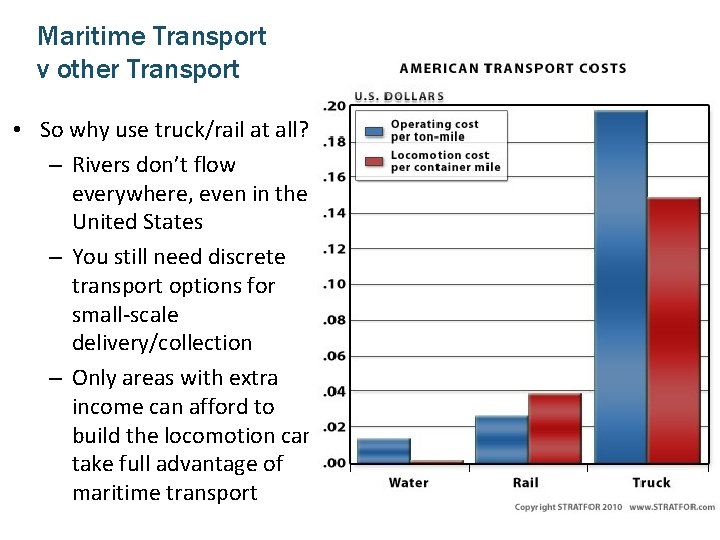
Modes of Locomotion cost per containermiles per containers miles per life mile (cents) Cost (mil) life (mil) per load (mil) container ship rail engine semi Operating cost per ton-mile (cents) $145 4. 4 15000 66000 0. 0022 1 $3 0. 75 100 75 0. 04 3 $0. 15 1 1 1 0. 15 20 4 lane interstate or single track rail line costs ~$6 m per mile to construct assuming input availability The River/Ocean is free Short version: water advantage is at worst 70 -1 over truck 6
Maritime Transport v other Transport • So why use truck/rail at all? – Rivers don’t flow everywhere, even in the United States – You still need discrete transport options for small-scale delivery/collection – Only areas with extra income can afford to build the locomotion can take full advantage of maritime transport
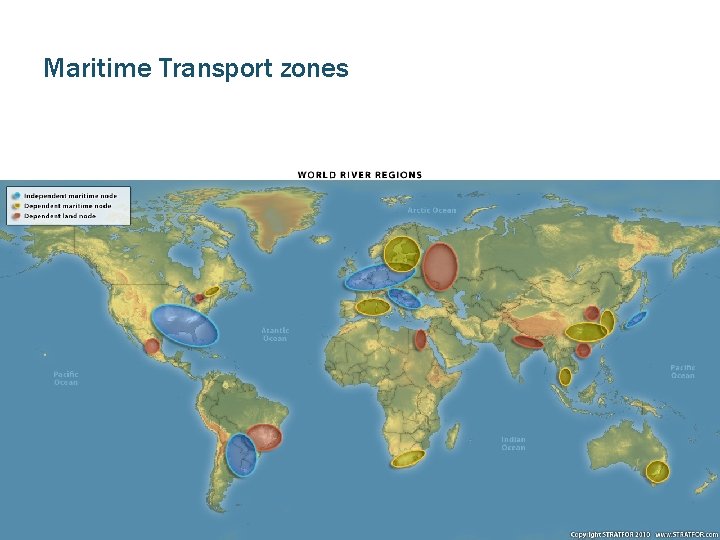
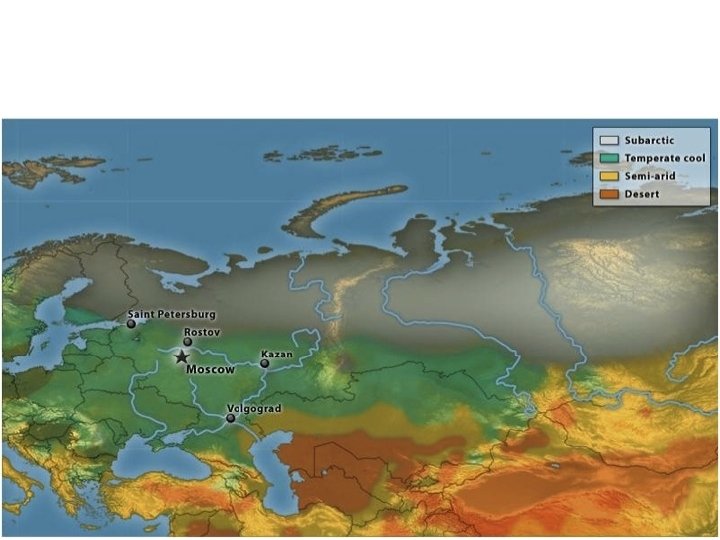
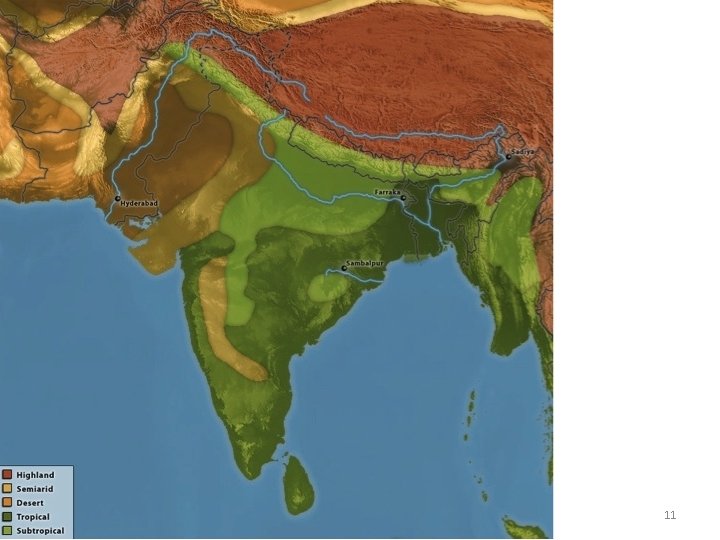
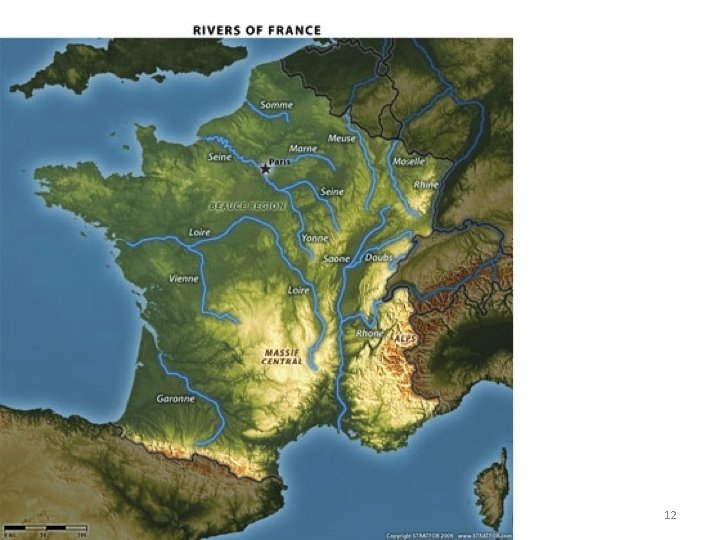
Maritime Transport zones
9
10
11
12
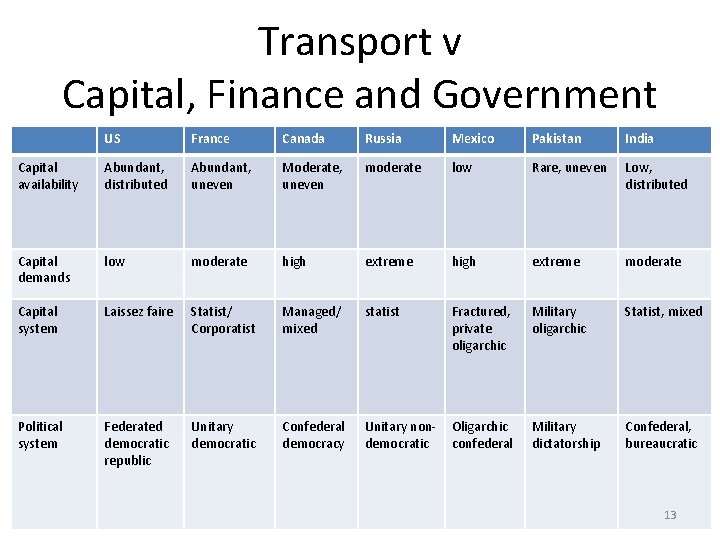
Transport v Capital, Finance and Government US France Canada Russia Mexico Pakistan India Capital availability Abundant, distributed Abundant, uneven Moderate, uneven moderate low Rare, uneven Low, distributed Capital demands low moderate high extreme moderate Capital system Laissez faire Statist/ Corporatist Managed/ mixed statist Fractured, private oligarchic Military oligarchic Statist, mixed Political system Federated democratic republic Unitary democratic Confederal democracy Unitary nondemocratic Oligarchic confederal Military dictatorship Confederal, bureaucratic 13
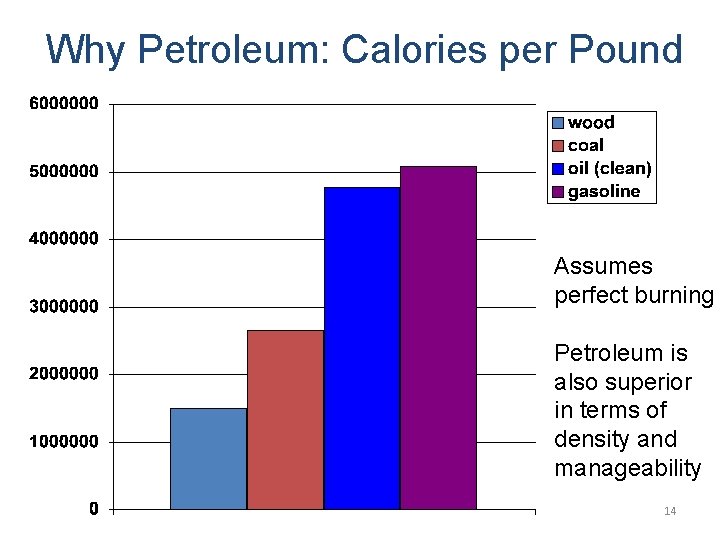
Why Petroleum: Calories per Pound Assumes perfect burning Petroleum is also superior in terms of density and manageability 14
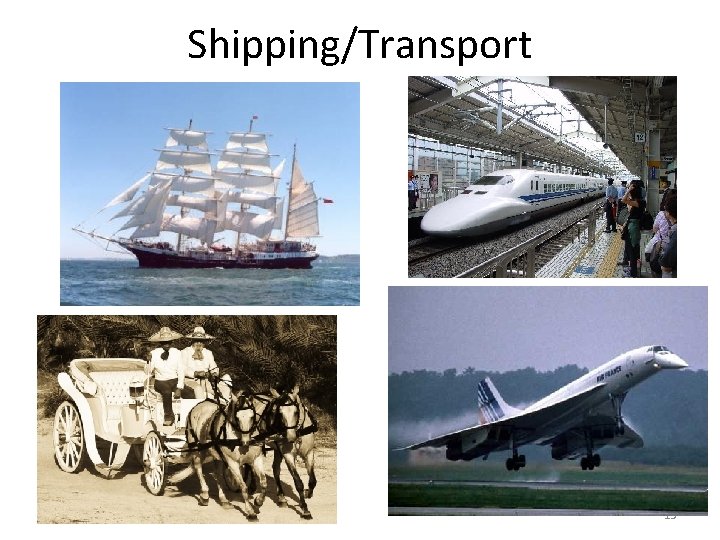
Shipping/Transport 15
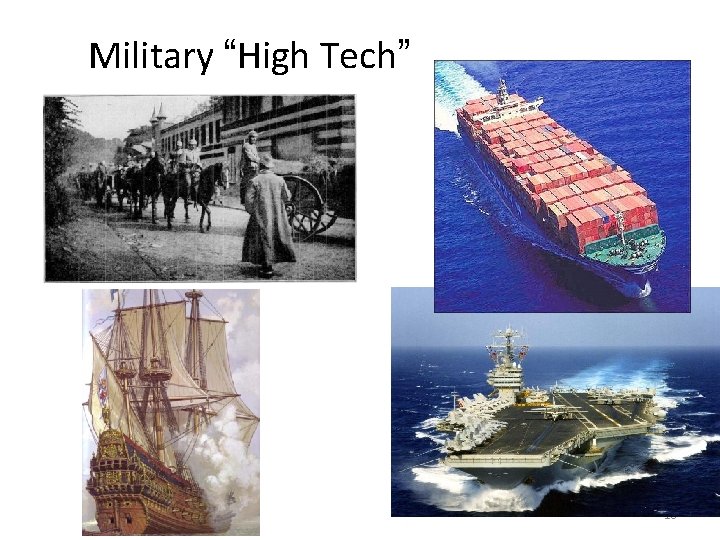
Military “High Tech” 16
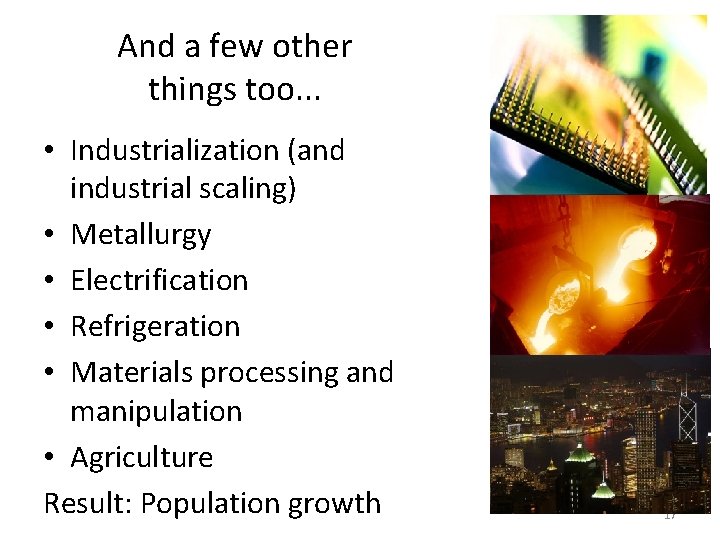
And a few other things too. . . • Industrialization (and industrial scaling) • Metallurgy • Electrification • Refrigeration • Materials processing and manipulation • Agriculture Result: Population growth 17
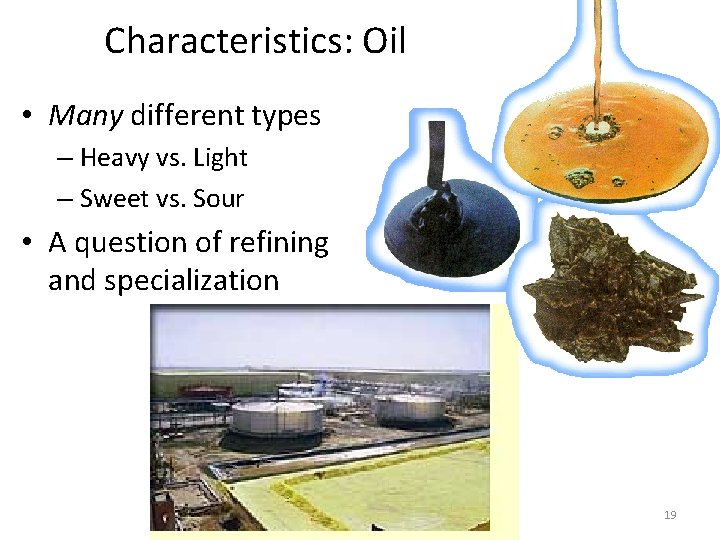
What is Energy: Oil • fuel oil (electricity), gasoline, diesel, jet fuel, waxes, sulfuric acid, asphalt, tar, lubricants, petrochem 18
Characteristics: Oil • Many different types – Heavy vs. Light – Sweet vs. Sour • A question of refining and specialization 19
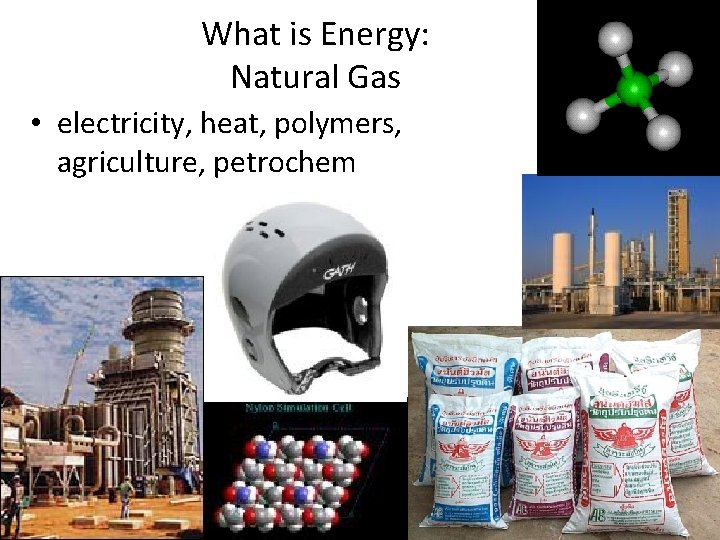
What is Energy: Natural Gas • electricity, heat, polymers, agriculture, petrochem 20
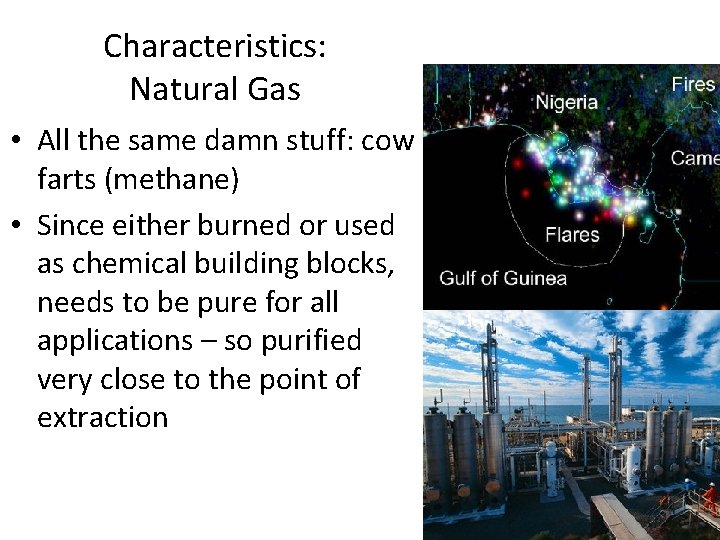
Characteristics: Natural Gas • All the same damn stuff: cow farts (methane) • Since either burned or used as chemical building blocks, needs to be pure for all applications – so purified very close to the point of extraction 21
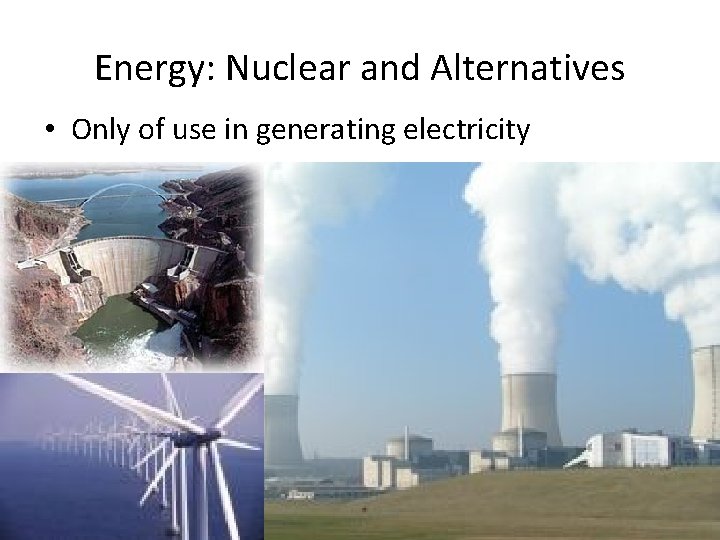
Energy: Nuclear and Alternatives • Only of use in generating electricity 22
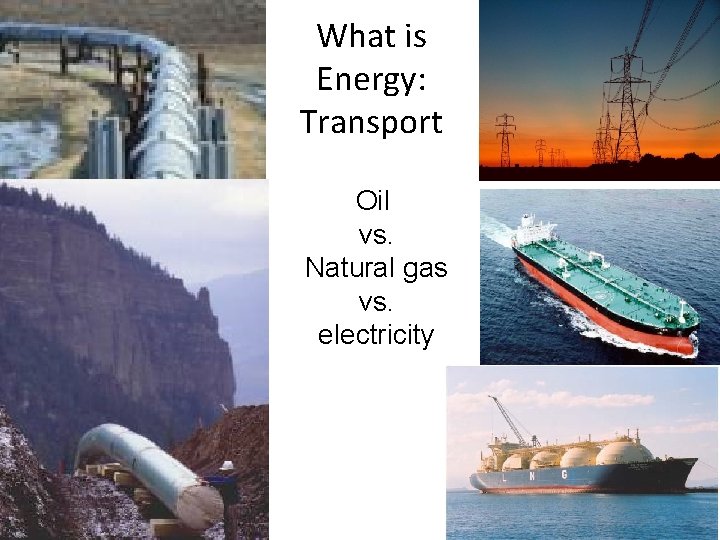
What is Energy: Transport Oil vs. Natural gas vs. electricity 23
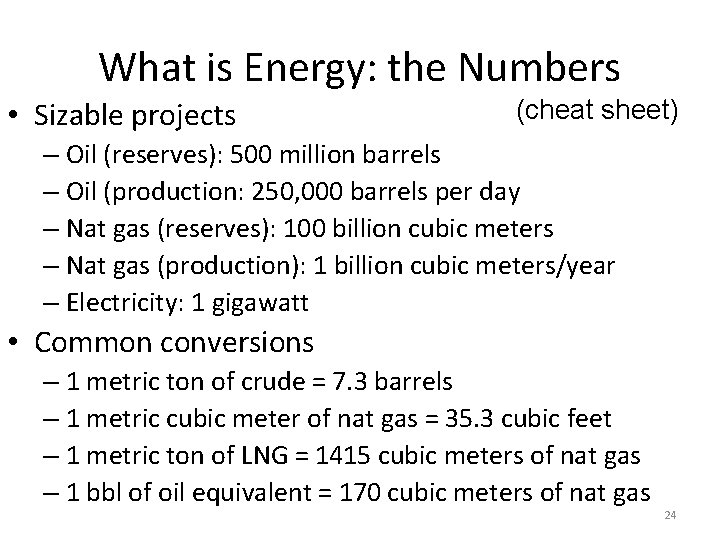
What is Energy: the Numbers • Sizable projects (cheat sheet) – Oil (reserves): 500 million barrels – Oil (production: 250, 000 barrels per day – Nat gas (reserves): 100 billion cubic meters – Nat gas (production): 1 billion cubic meters/year – Electricity: 1 gigawatt • Common conversions – 1 metric ton of crude = 7. 3 barrels – 1 metric cubic meter of nat gas = 35. 3 cubic feet – 1 metric ton of LNG = 1415 cubic meters of nat gas – 1 bbl of oil equivalent = 170 cubic meters of nat gas 24
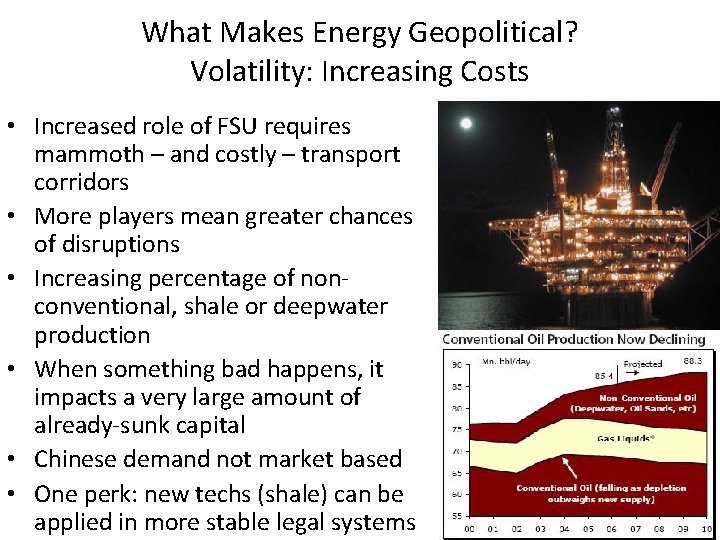
What Makes Energy Geopolitical? Volatility: Increasing Costs • Increased role of FSU requires mammoth – and costly – transport corridors • More players mean greater chances of disruptions • Increasing percentage of nonconventional, shale or deepwater production • When something bad happens, it impacts a very large amount of already-sunk capital • Chinese demand not market based • One perk: new techs (shale) can be applied in more stable legal systems 25
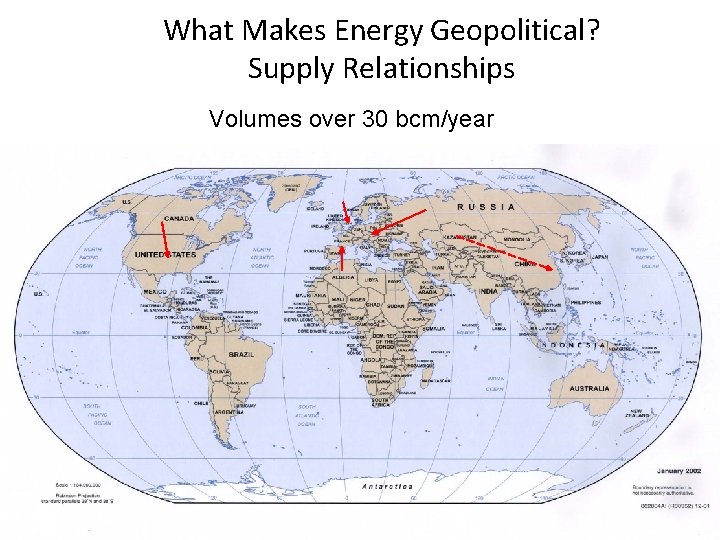
What Makes Energy Geopolitical? Supply Relationships Volumes over 30 bcm/year 26
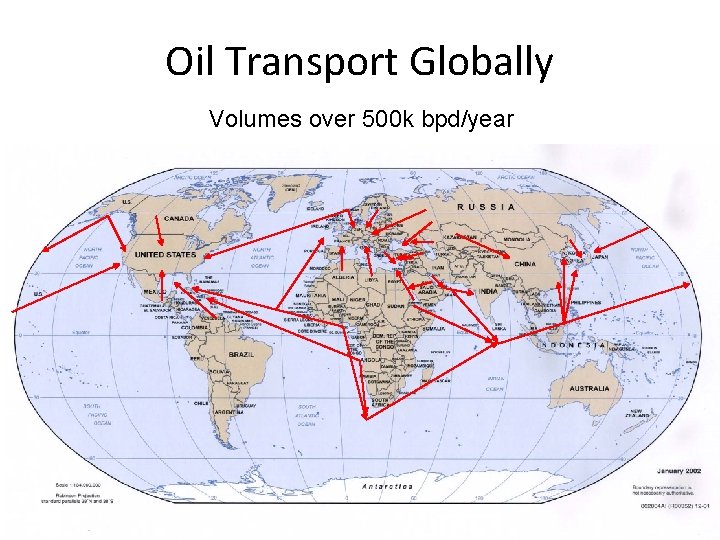
Oil Transport Globally Volumes over 500 k bpd/year 27
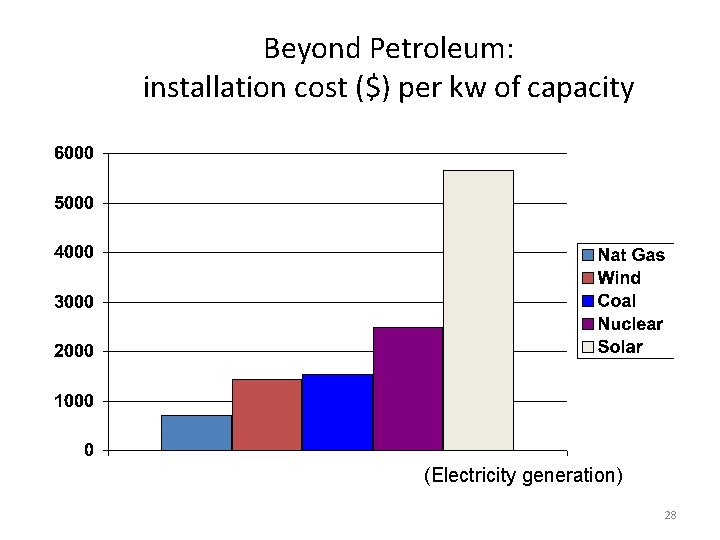
Beyond Petroleum: installation cost ($) per kw of capacity (Electricity generation) 28
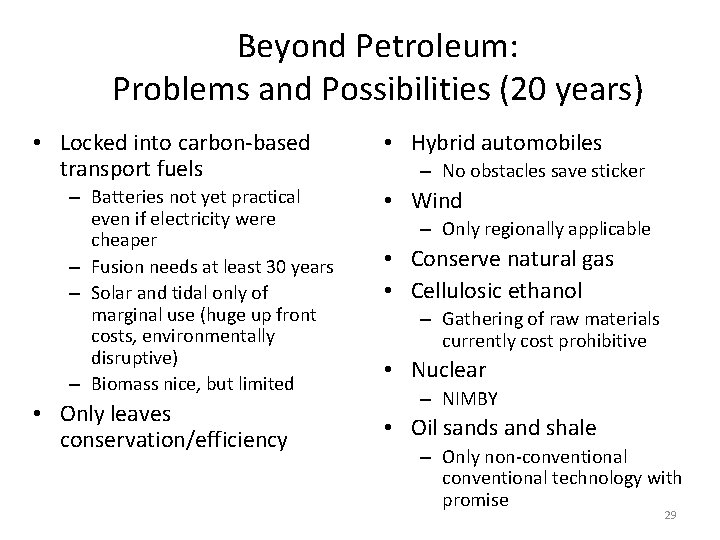
Beyond Petroleum: Problems and Possibilities (20 years) • Locked into carbon-based transport fuels – Batteries not yet practical even if electricity were cheaper – Fusion needs at least 30 years – Solar and tidal only of marginal use (huge up front costs, environmentally disruptive) – Biomass nice, but limited • Only leaves conservation/efficiency • Hybrid automobiles – No obstacles save sticker • Wind – Only regionally applicable • Conserve natural gas • Cellulosic ethanol – Gathering of raw materials currently cost prohibitive • Nuclear – NIMBY • Oil sands and shale – Only non-conventional technology with promise 29