
Energy Resources Lets take a trip to Iceland



- Slides: 50
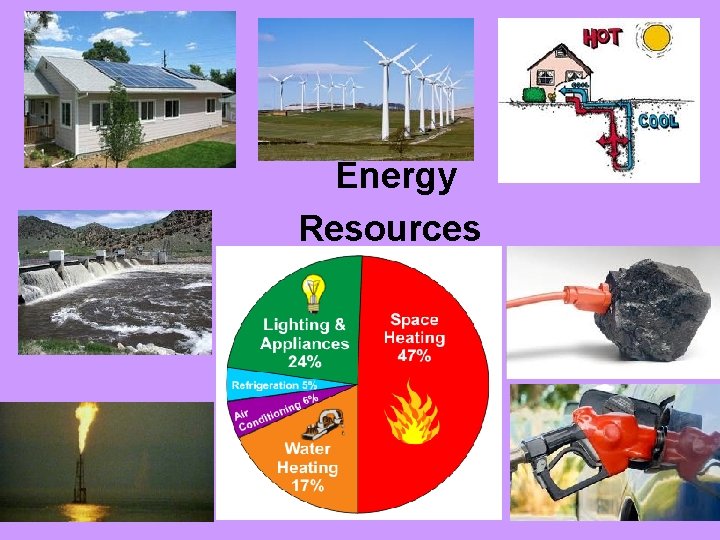
Energy Resources
Let’s take a trip to Iceland…
Why are we going to Iceland to study energy? http: //www 3. nationalgeographic. com/places/countries/country_iceland. html
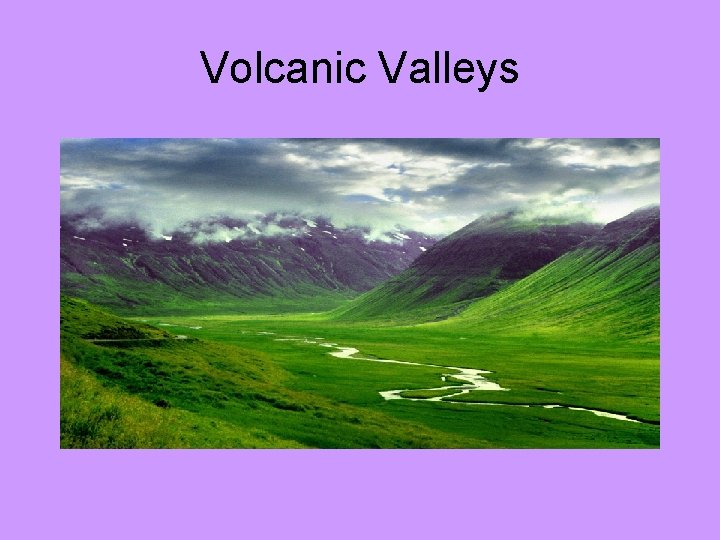
Volcanic Valleys
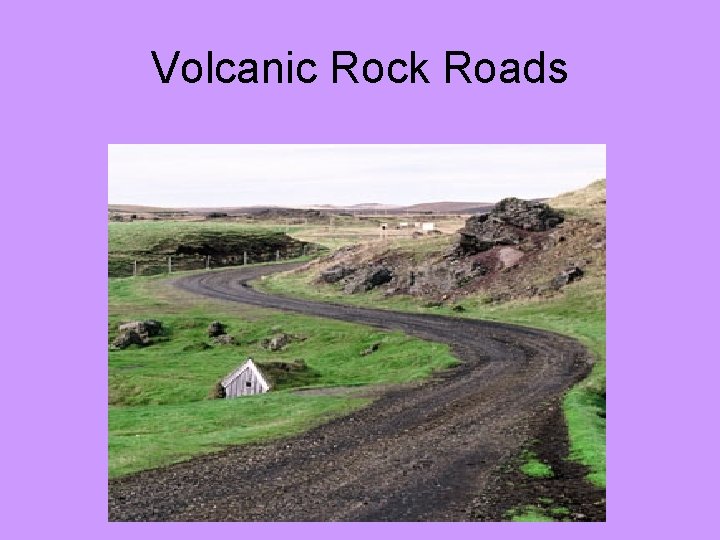
Volcanic Rock Roads
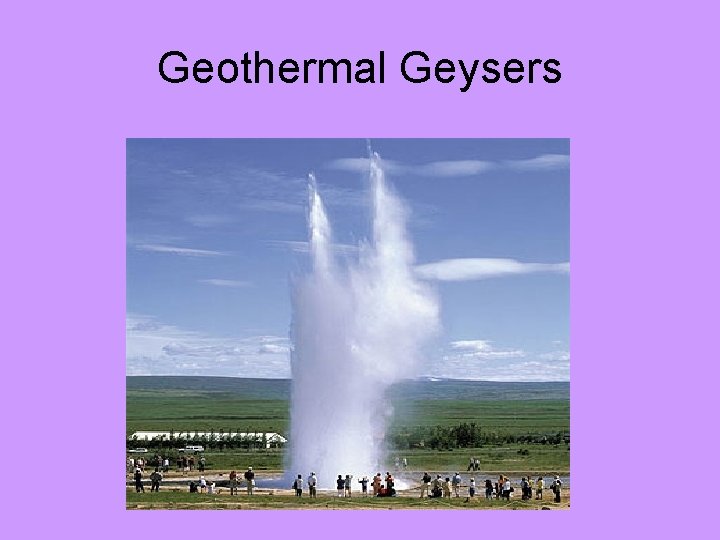
Geothermal Geysers
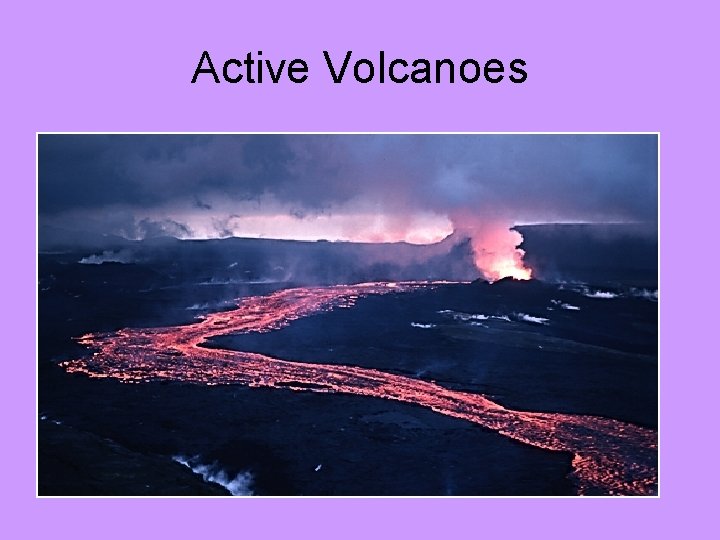
Active Volcanoes
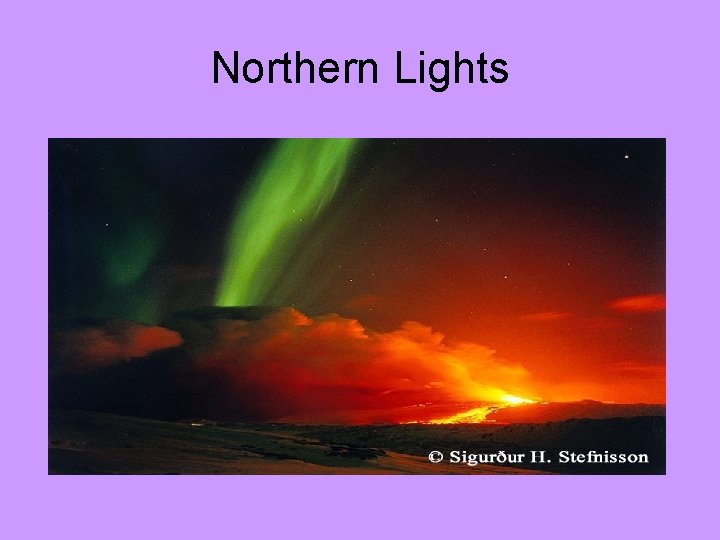
Northern Lights
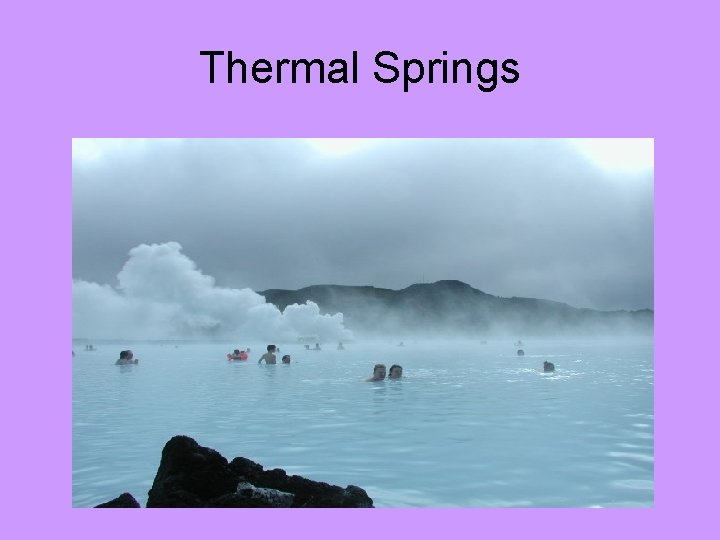
Thermal Springs
Energy is the ability to do work. Natural Resources are used to create energy for many human needs and wants
2 Types of Energy Nonrenewable Energy is energy that cannot be created in our lifetime (think about 100 years). Examples: nuclear, coal, oil, natural gas Renewable Energy is energy from sources that are constantly being formed. Examples: Wind, Solar, Water (hydro), Geothermal, Biomass, Hydrogen
Nonrenewable Energy Most of the energy we use comes from a group of natural resources called fossil fuels. These are the remains of ancient organisms that have changed into coal, oil, or natural gas.
Problems with Fossil Fuels 1. Supply is limited. 2. Obtaining and using them causes negative impacts on the environment.
Fossil Fuels are used for: 1. 2. 3. 4. Transportation Manufacturing Heating and Cooling buildings Generating Electricity to run machines and appliances
COAL
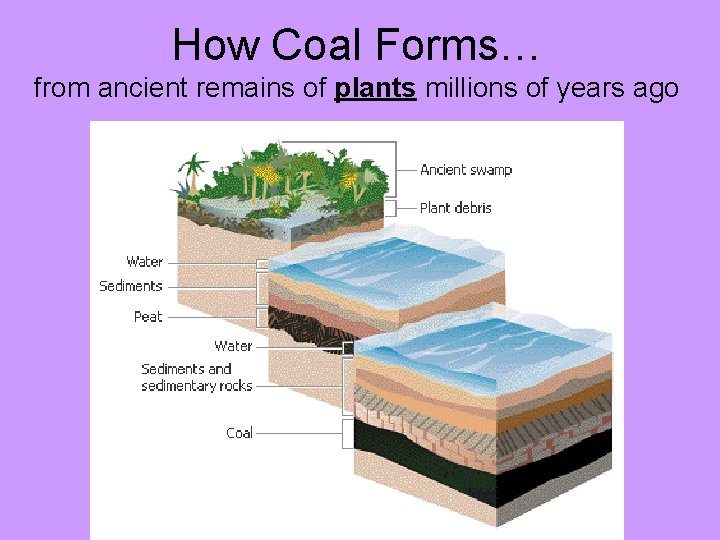
How Coal Forms… from ancient remains of plants millions of years ago
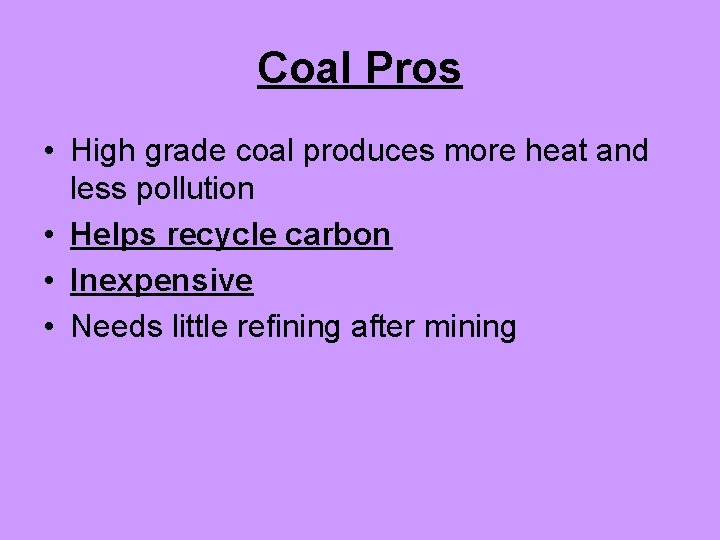
Coal Pros • High grade coal produces more heat and less pollution • Helps recycle carbon • Inexpensive • Needs little refining after mining
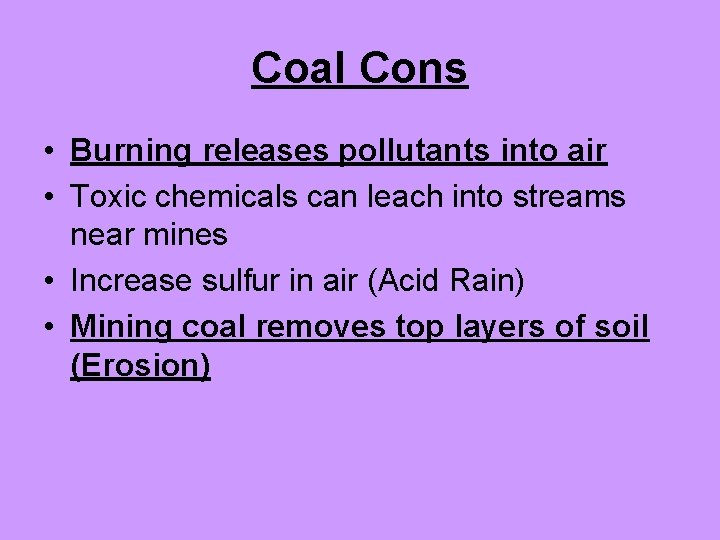
Coal Cons • Burning releases pollutants into air • Toxic chemicals can leach into streams near mines • Increase sulfur in air (Acid Rain) • Mining coal removes top layers of soil (Erosion)
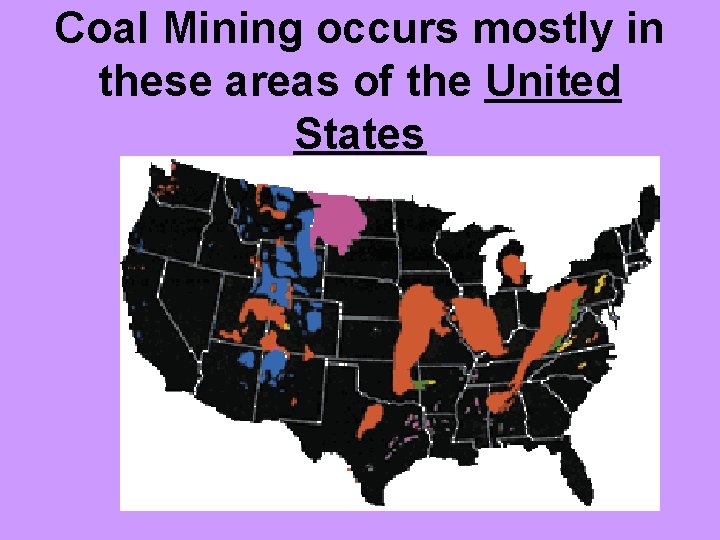
Coal Mining occurs mostly in these areas of the United States
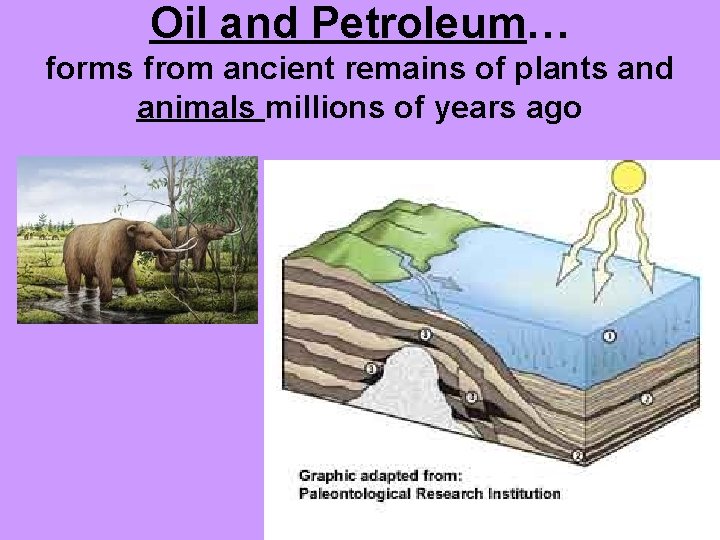
Oil and Petroleum… forms from ancient remains of plants and animals millions of years ago
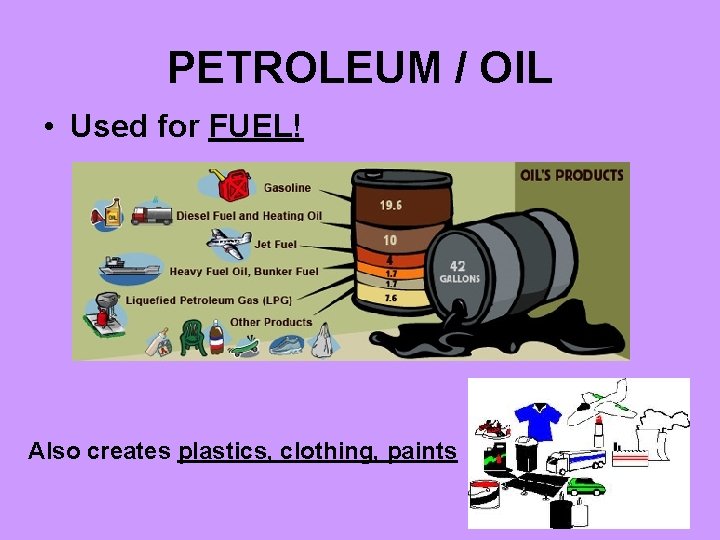
PETROLEUM / OIL • Used for FUEL! Also creates plastics, clothing, paints
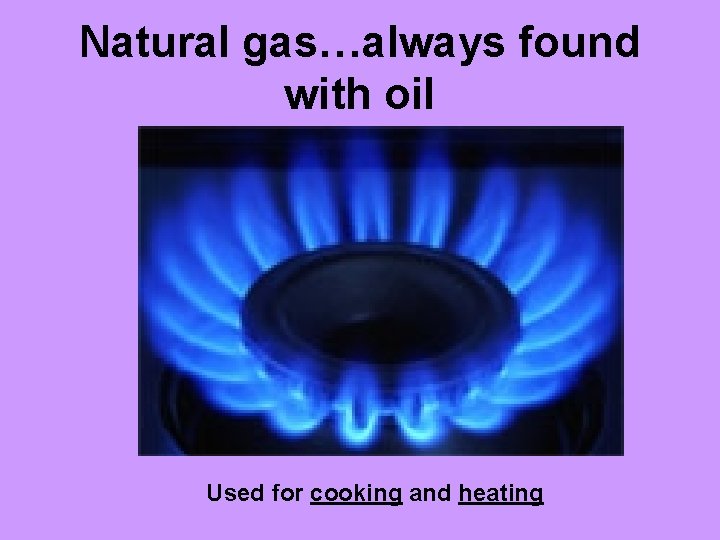
Natural gas…always found with oil Used for cooking and heating
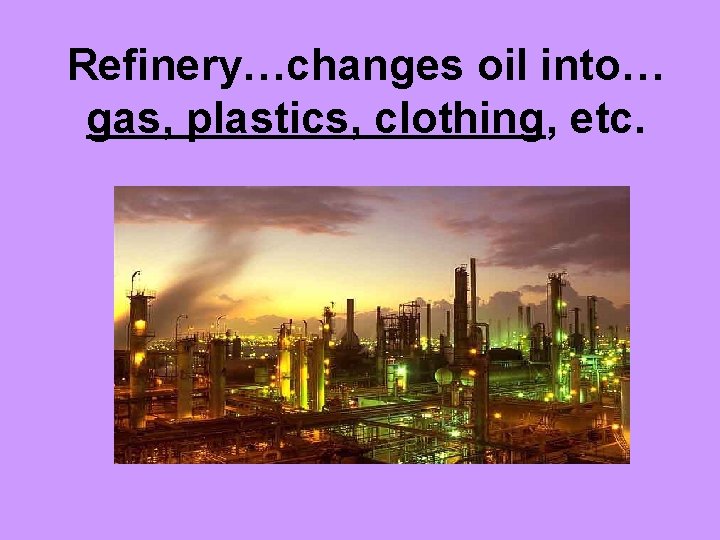
Refinery…changes oil into… gas, plastics, clothing, etc.
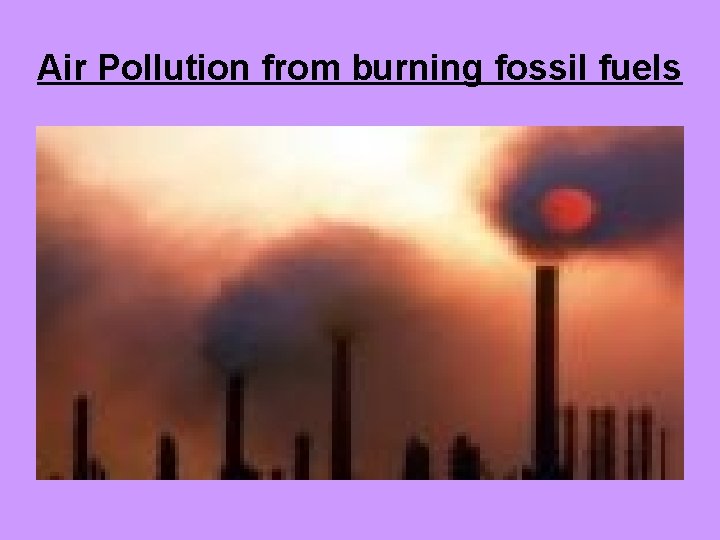
Air Pollution from burning fossil fuels
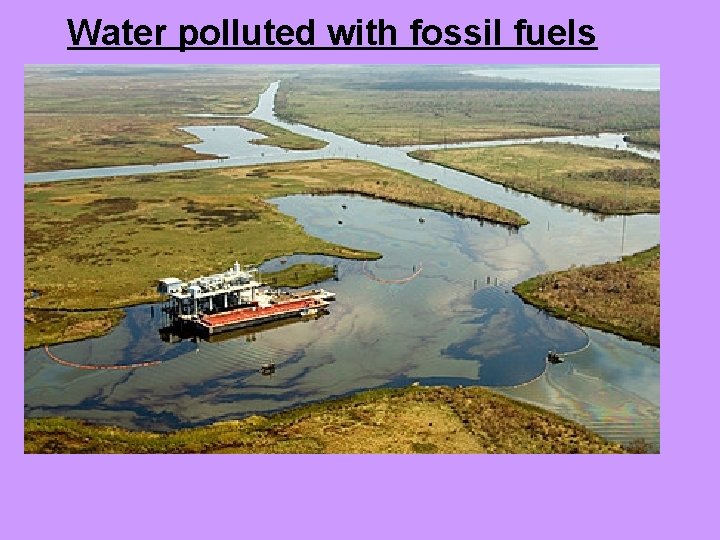
Water polluted with fossil fuels
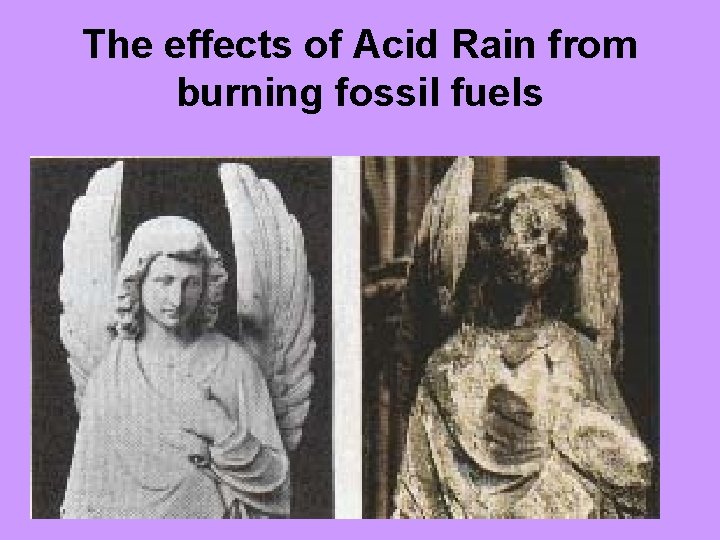
The effects of Acid Rain from burning fossil fuels
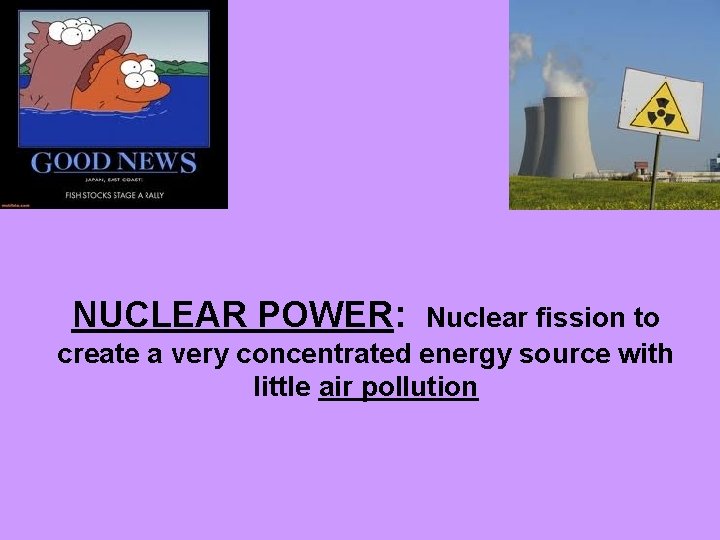
NUCLEAR POWER: Nuclear fission to create a very concentrated energy source with little air pollution
Nuclear Pros 1. Very Concentrated Energy Source 2. No air pollution 3. Releases less radioactivity than coal fired plants 4. Good for countries with limited fossil fuel
Nuclear Cons 1. Building and maintaining a safe reactor is Expensive 2. Radioactive Waste storage 3. Safety concerns from Radiation leaks 4. Mining of uranium
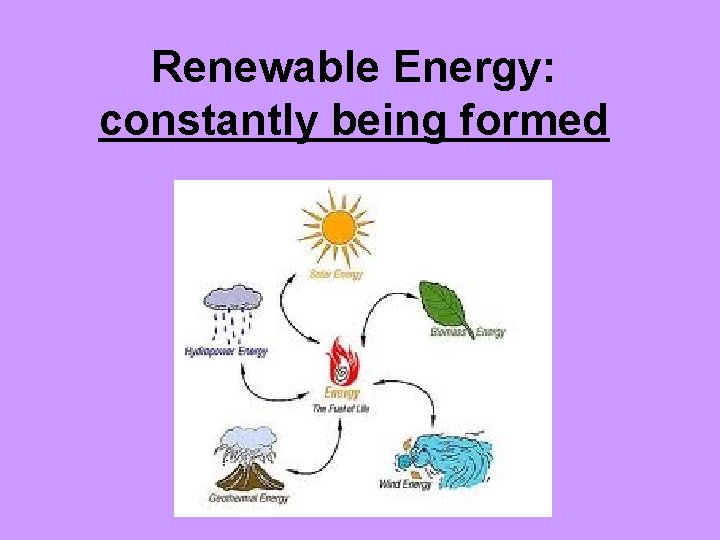
Renewable Energy: constantly being formed
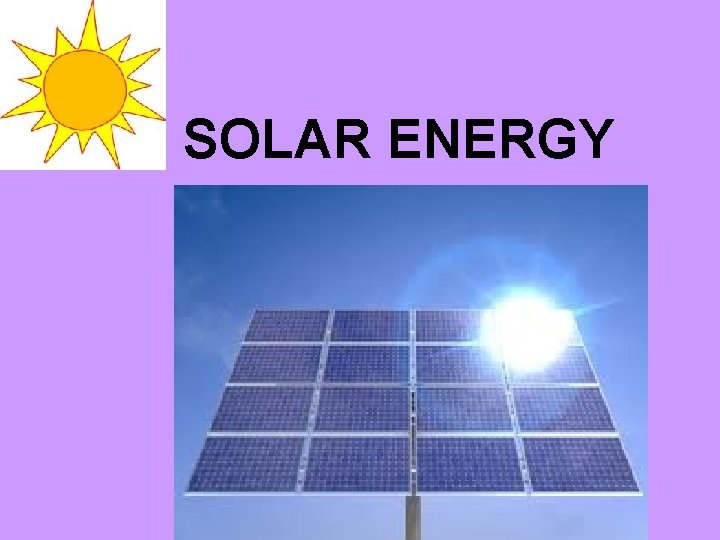
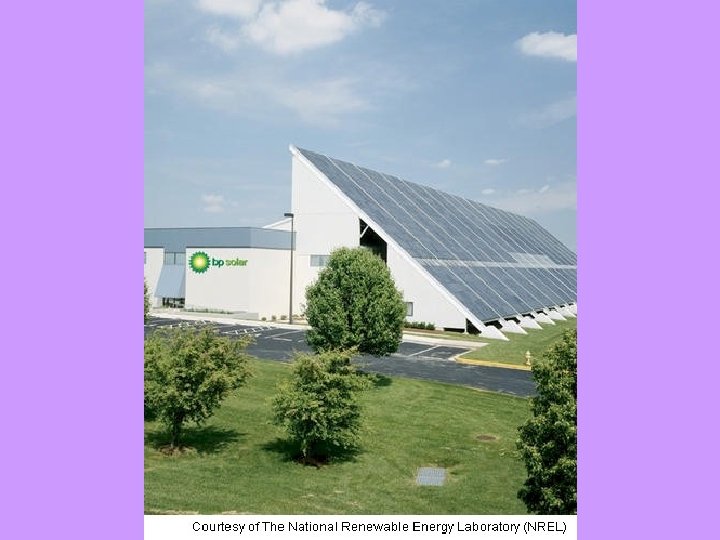
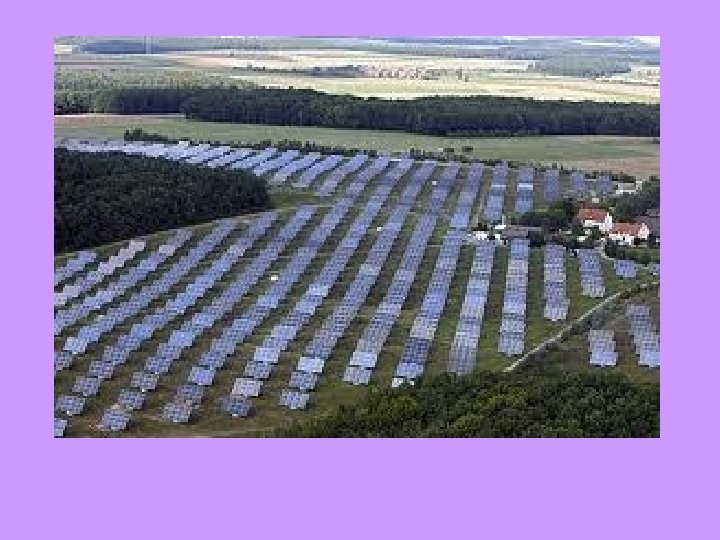
SOLAR ENERGY
Solar Pros – Excellent for heating water – Less expensive – Great for developing countries – No Pollution – Available in most parts of the world
Solar Cons – Winter sunshine less common in some areas – Inefficient – Freezing damages panels – Can’t operate on rainy days – Needs lots of space
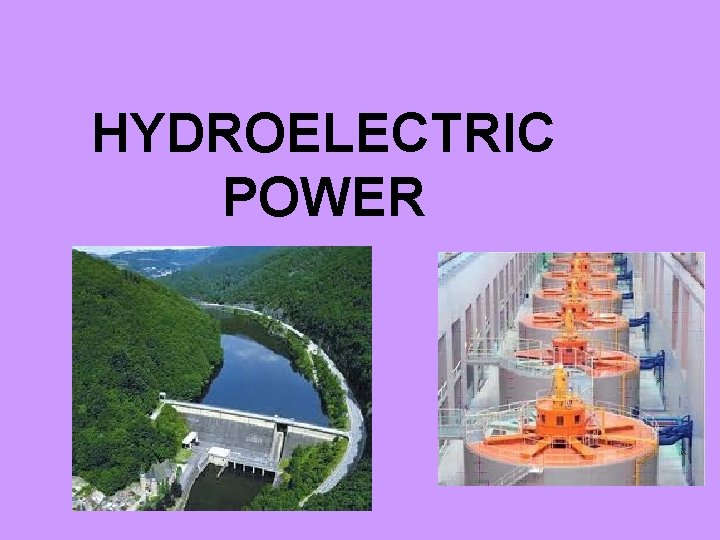
HYDROELECTRIC POWER
Hydro Pros • • Inexpensive to run No air pollution Last longer than fossil fuels Dams can be used for – Flood control – Drinking water – Recreation
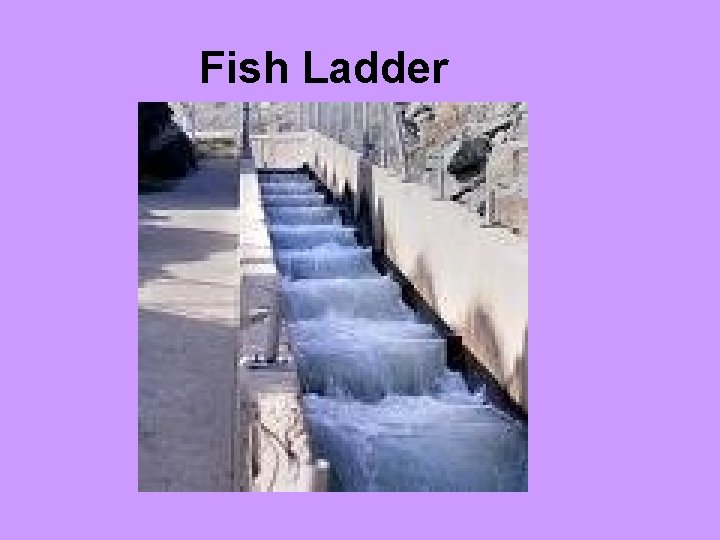
Hydro Cons • Expensive to build • Dams block river flow • Ecosystem below dam is disrupted – Prevents fish from swimming up stream – If dam breaks, flooding can destroy towns – Need lots of space
Fish Ladder
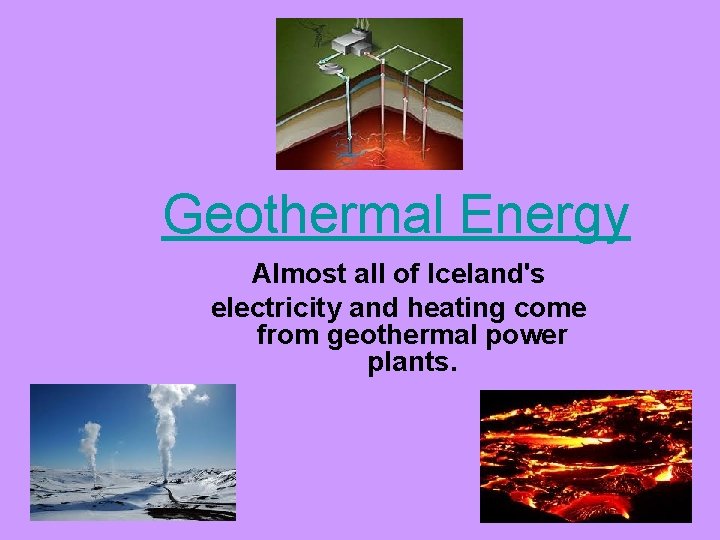
Geothermal Energy Almost all of Iceland's electricity and heating come from geothermal power plants.
Geothermal Pros 1. Less pollution 2. Less expensive to maintain
Geothermal Cons 1. Not everywhere 2. Expensive to build
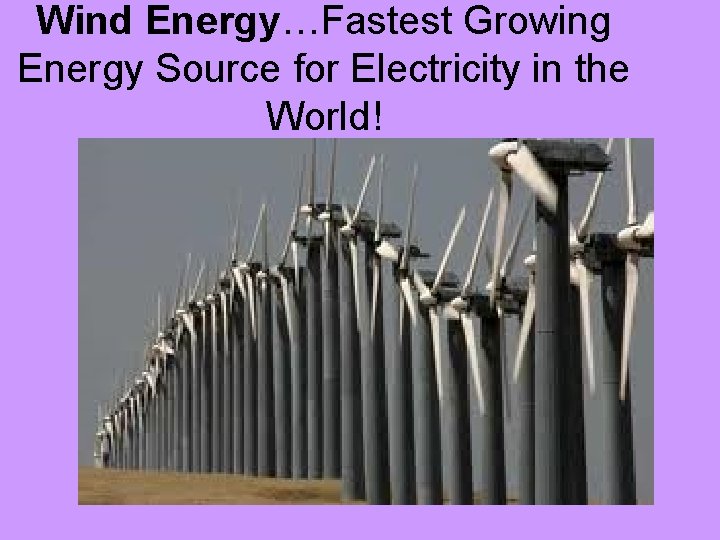
Wind Energy…Fastest Growing Energy Source for Electricity in the World!
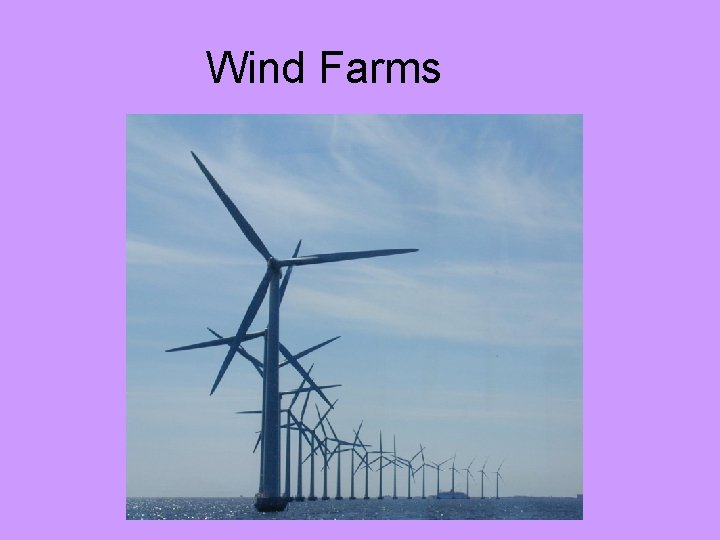
Wind Farms
Wind Pros 1. Abundant 2. Cost effective
Wind Cons 1. Transporting electricity from rural areas where it is generated to urban centers where it is needed is difficult 2. Ecosystem disruptions for birds 3. Noisy
Biomass is…natural resources! • Biomass is any non-fossil type of natural resource that can be burned for energy. Examples: 1. trees, 2. crops 3. municipal solid waste (trash) 4. animal wastes,
Sources of biomass energy • • • • • woodchips paper trash corn sugar cane canola sunflower soybeans grains animal waste sewage food scraps hemp straw vegetable oil algae
Biomass Pros - Available to developing countries Waste from cows can be burned Can be used to make ethanol for cars Less air pollution than fossil fuels
Biomass Cons – Increases Acid Rain – More Carbon Dioxide – Deforestation = Habitat Loss – Growing corn for fuel instead of food