
Energy Pyramids and Bioaccumulation Ecology How living things
Energy Pyramids and Bioaccumulation
Ecology How living things interact with each other
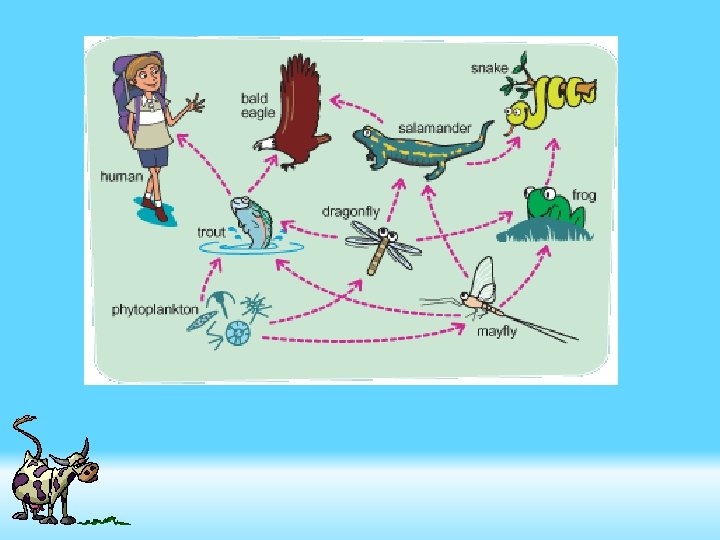
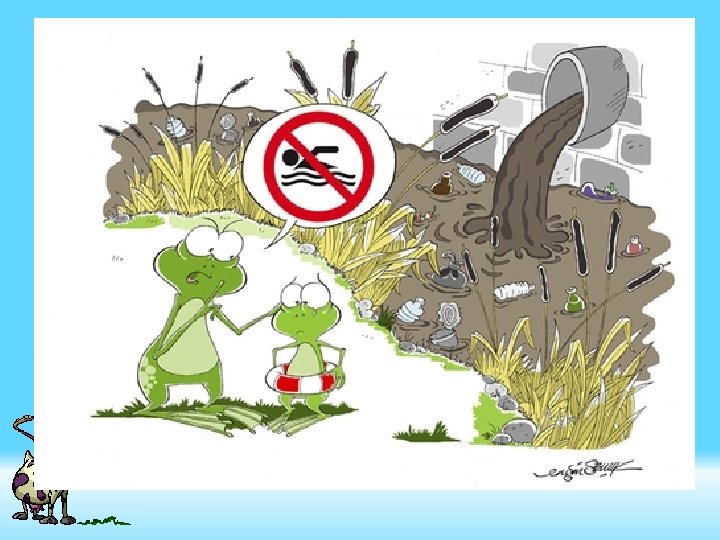

Who is consuming who?
§ Producers : (Autotrophs) can synthesize their own food from inorganic compounds and an energy source.
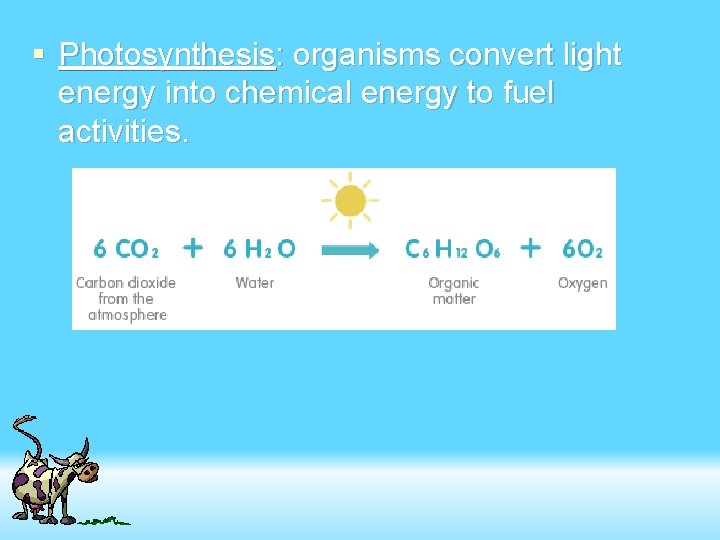
§ Photosynthesis: organisms convert light energy into chemical energy to fuel activities.
§ Primary Consumer: (Herbivore) feed on plants. Cannot make own food.
§ Secondary Consumers: feeds upon primary consumers
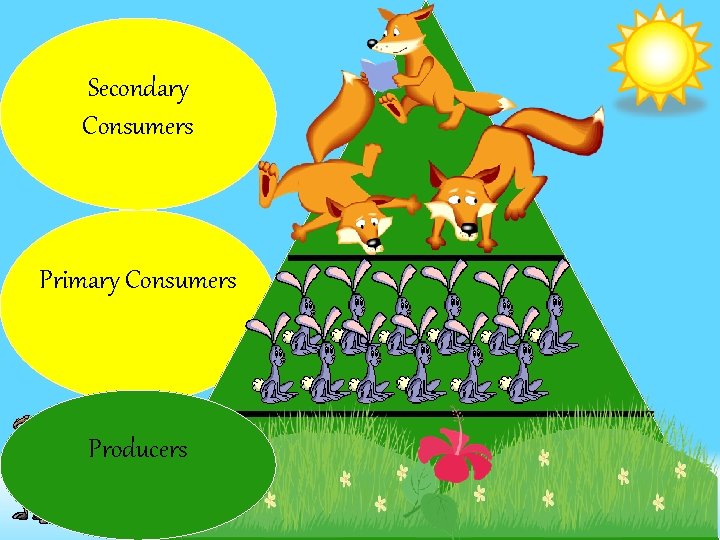
Secondary Consumers Primary Consumers Producers
Energy Pyramid: is a graphical model of energy flow in a community. Trophic level: where a particular organism is in the food chain

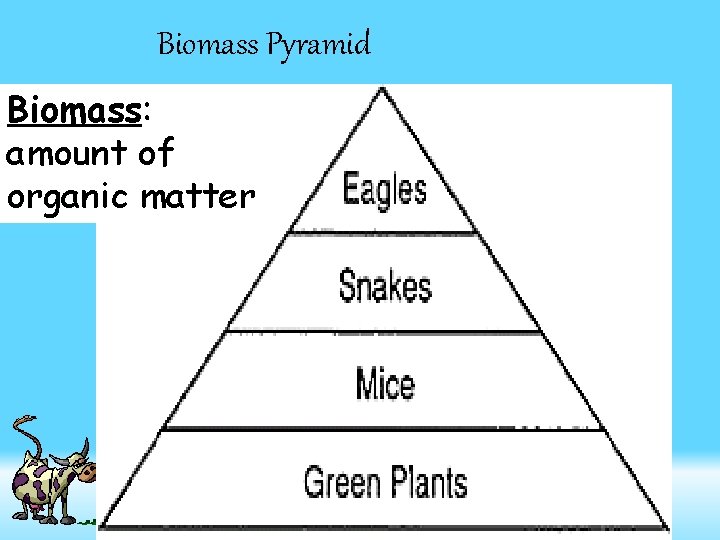
Biomass Pyramid Biomass: amount of organic matter
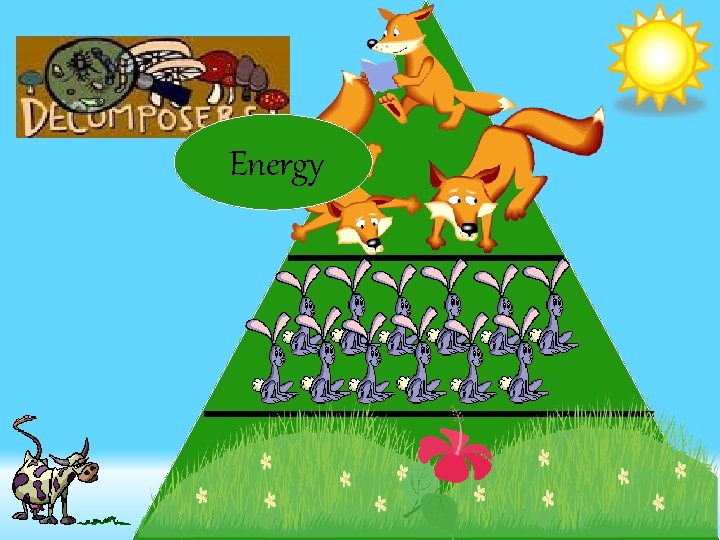
Energy
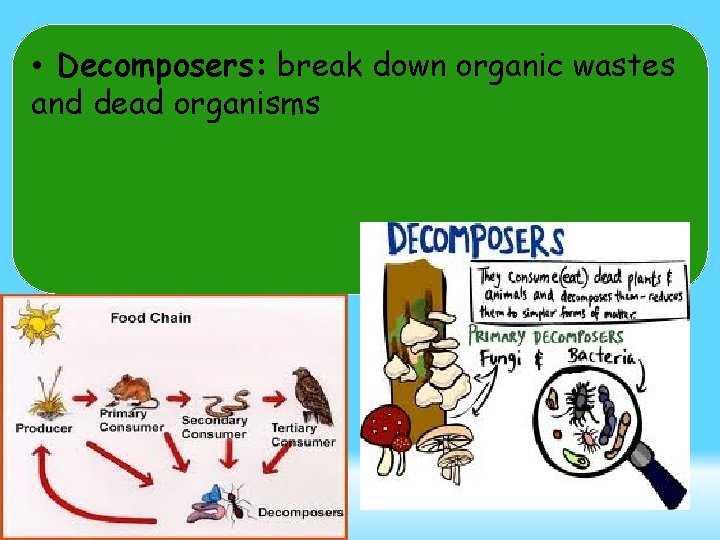
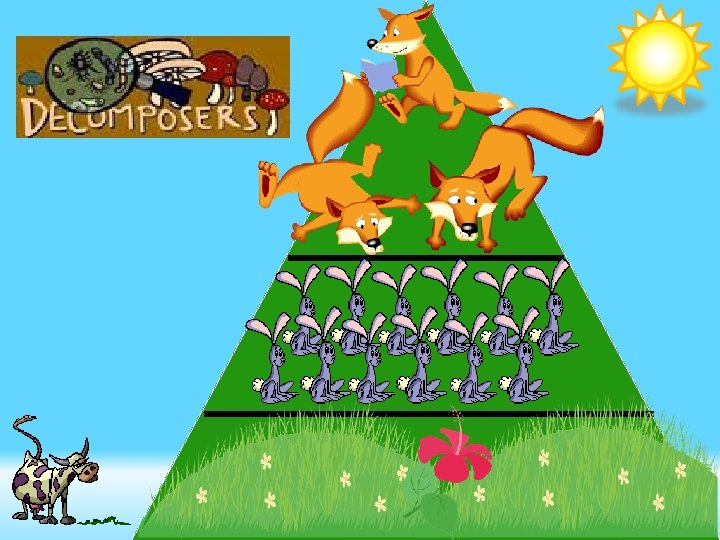
• Decomposers: break down organic wastes and dead organisms
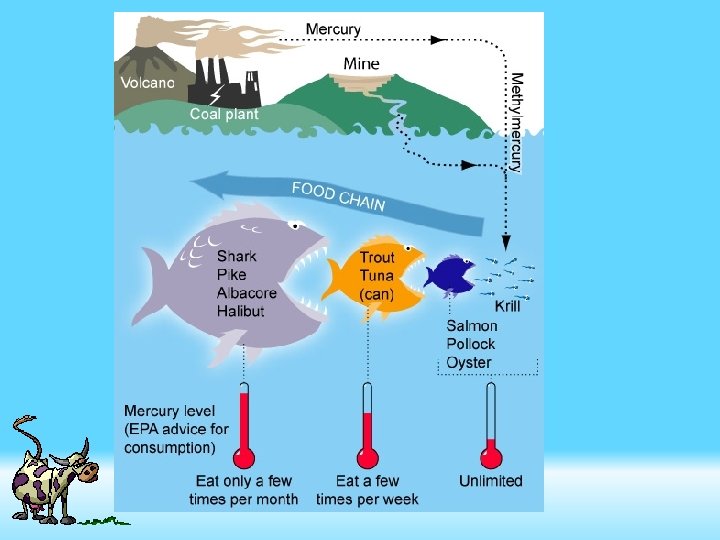
Bioaccumulation: gradual build up over time of a chemical in a living organism.
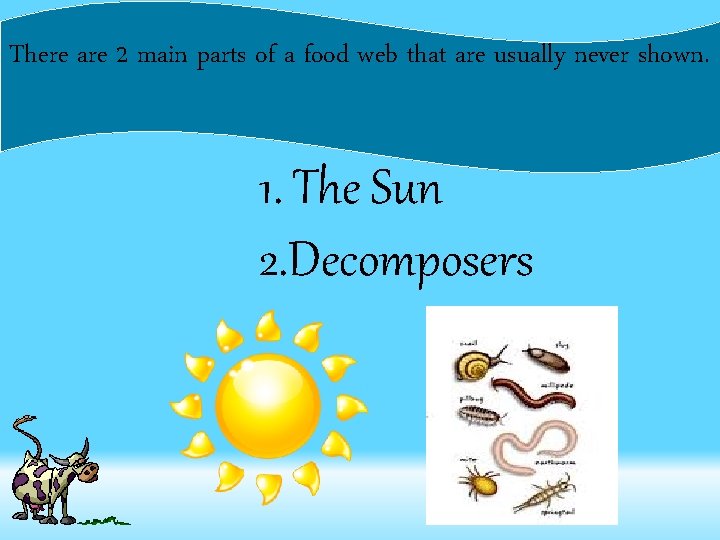
There are 2 main parts of a food web that are usually never shown. 1. The Sun 2. Decomposers
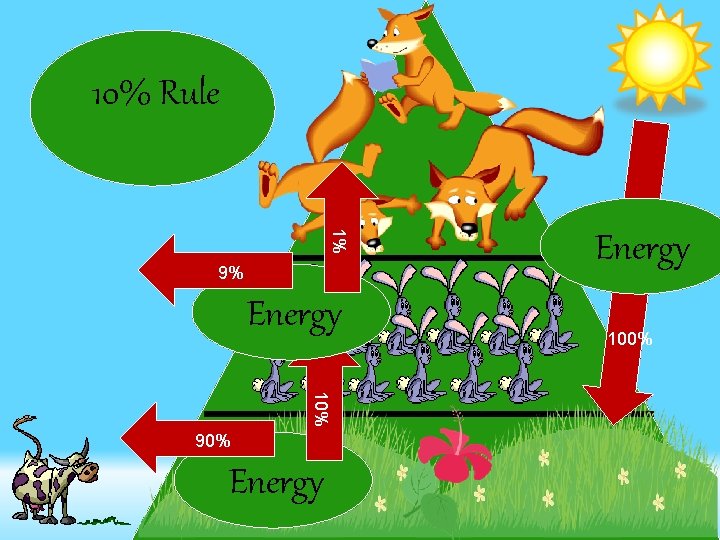
10% Rule 1% 9% Energy 10% 90% Energy 100%
10% Rule • According to the rule, only 10% of energy is transferred to the next level of the food chain, from the remaining energy. • Some is used up metabolically for survival and the rest is lost as heat.
An ecosystem is self-sustaining if the following requirements are met: § § § 1. Constant source of energy 2. Autotrophs 3. A cycling of materials between organisms and their environment.
- Slides: 22