
Energy in the Atmosphere Energy Transfer in the



- Slides: 28
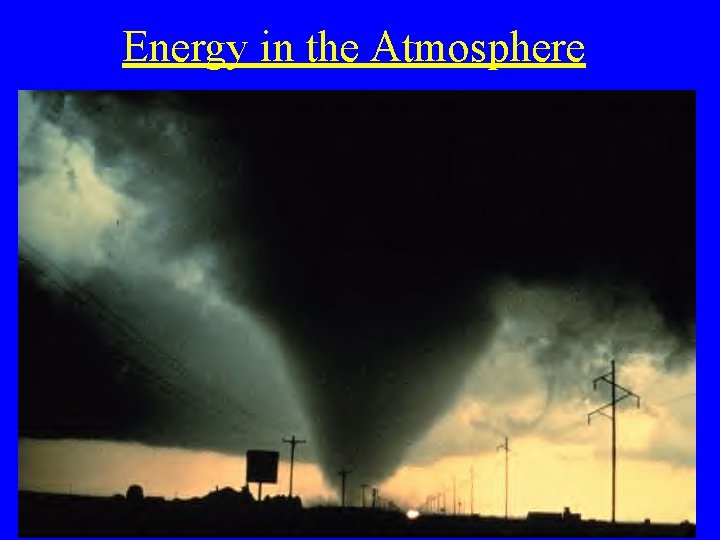
Energy in the Atmosphere
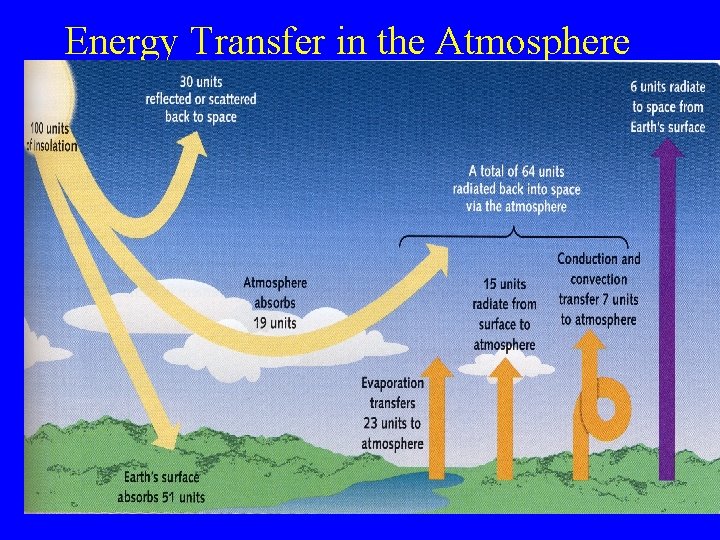
Energy Transfer in the Atmosphere
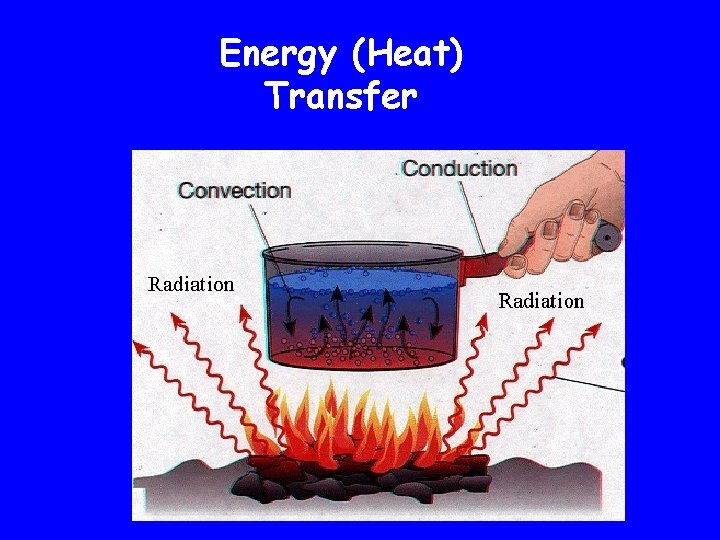
Heat Energy Is Transferred in the Atmosphere by: • Radiation • Conduction • Convection
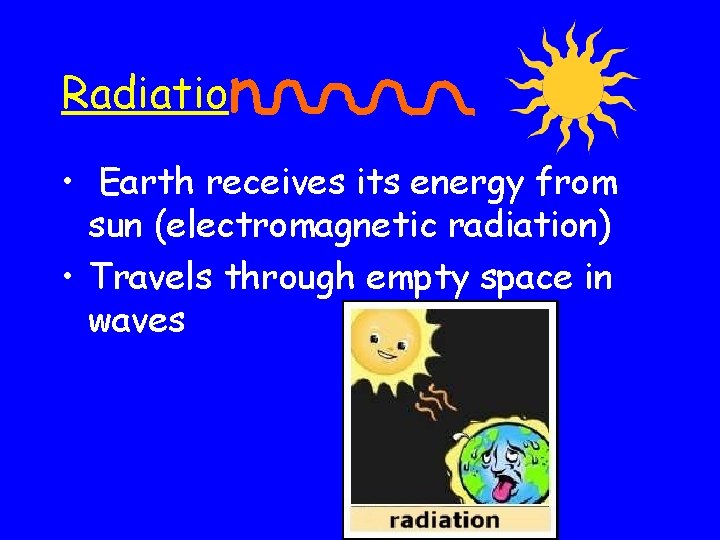
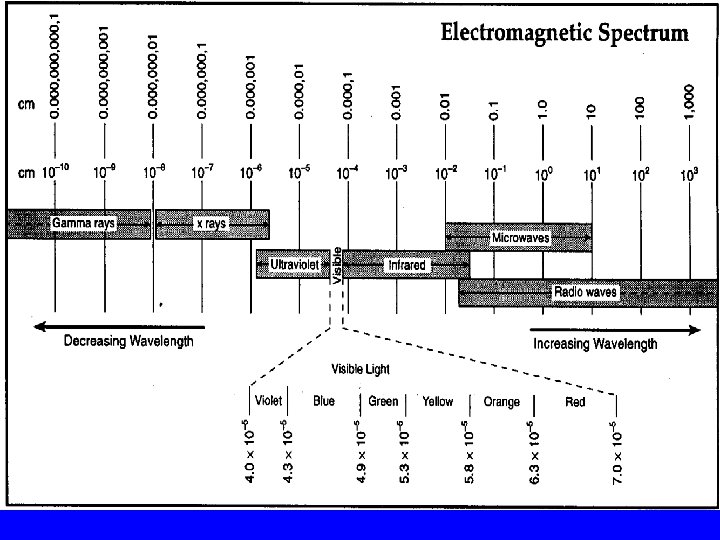
Radiatio • Earth receives its energy from sun (electromagnetic radiation) • Travels through empty space in waves
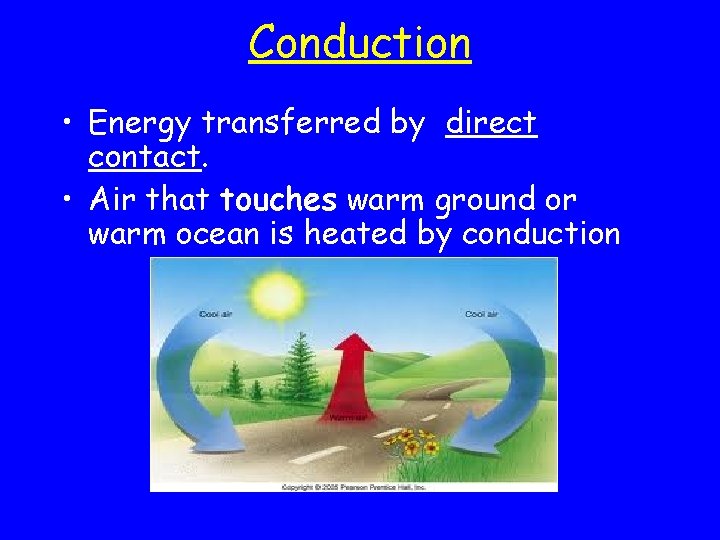
Conduction • Energy transferred by direct contact. • Air that touches warm ground or warm ocean is heated by conduction
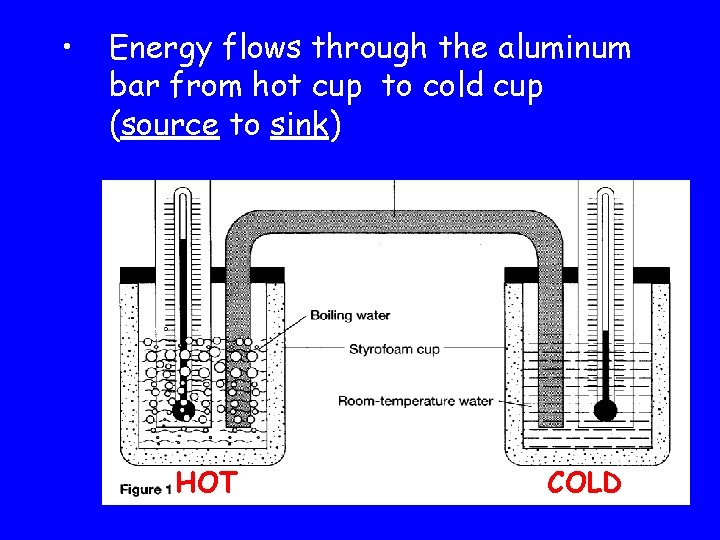
• Energy flows through the aluminum bar from hot cup to cold cup (source to sink) HOT COLD
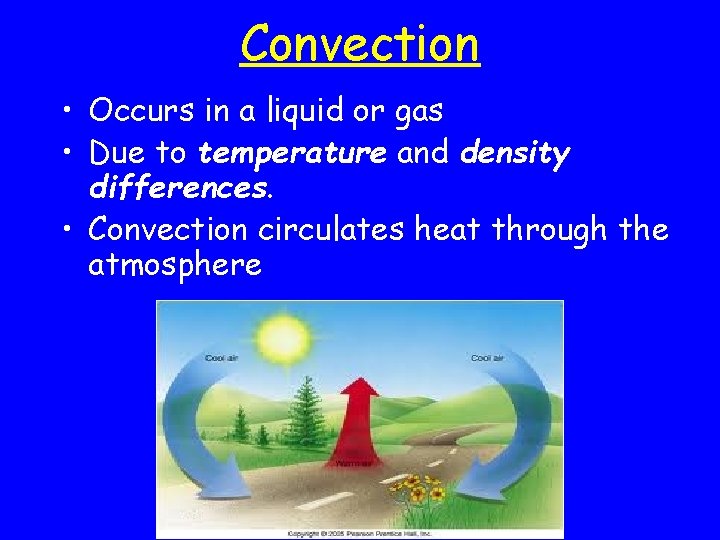
Convection • Occurs in a liquid or gas • Due to temperature and density differences. • Convection circulates heat through the atmosphere
Energy (Heat) Transfer
INSOLATION INcoming Solar radi. ATION
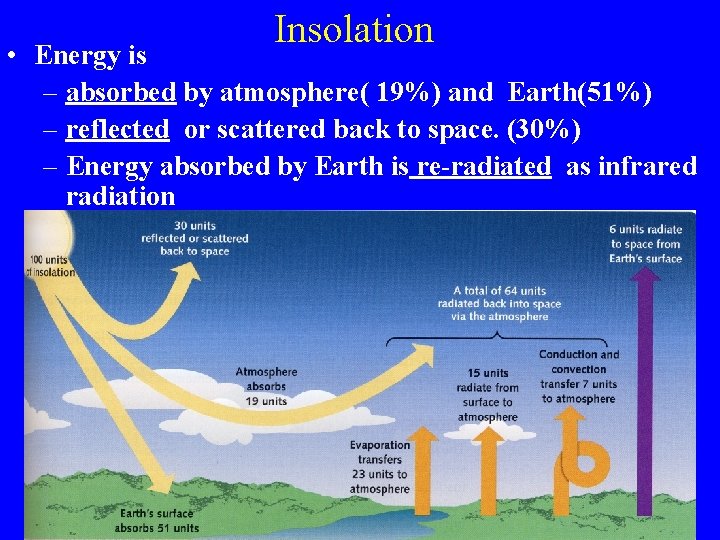
Insolation • Energy is – absorbed by atmosphere( 19%) and Earth(51%) – reflected or scattered back to space. (30%) – Energy absorbed by Earth is re-radiated as infrared radiation
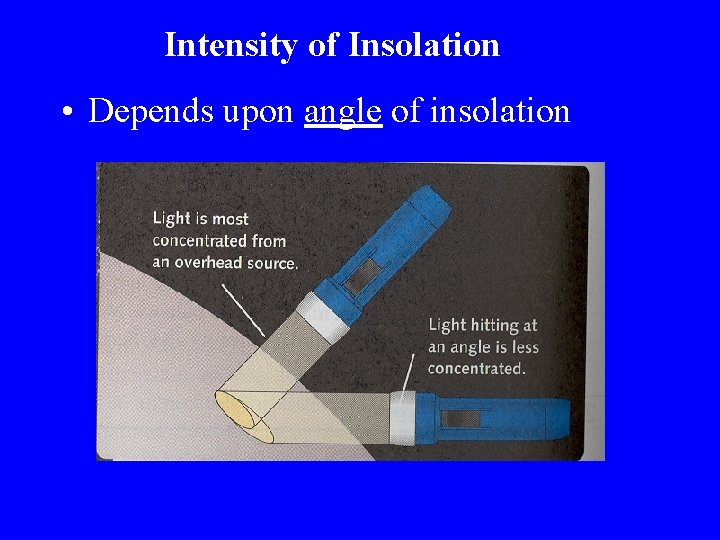
Intensity of Insolation • Depends upon angle of insolation
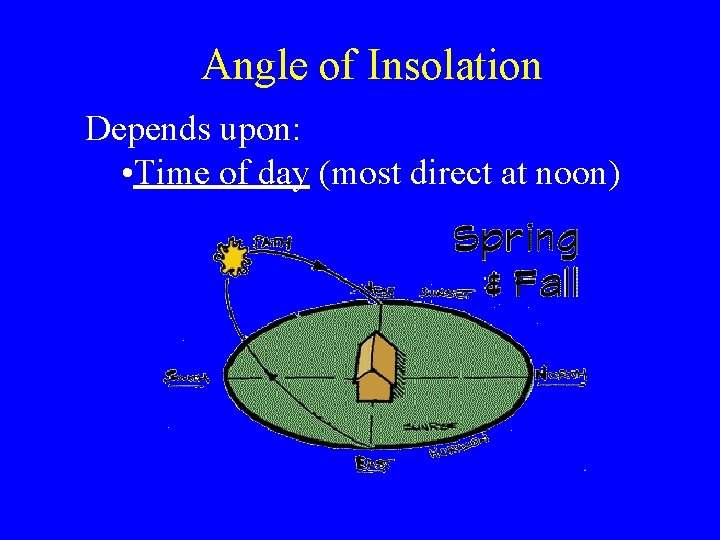
Angle of Insolation Depends upon: • Time of day (most direct at noon)
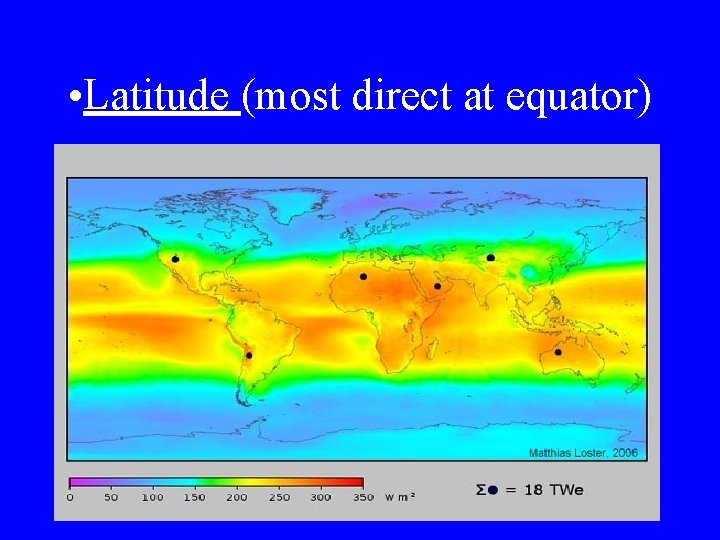
• Latitude (most direct at equator)
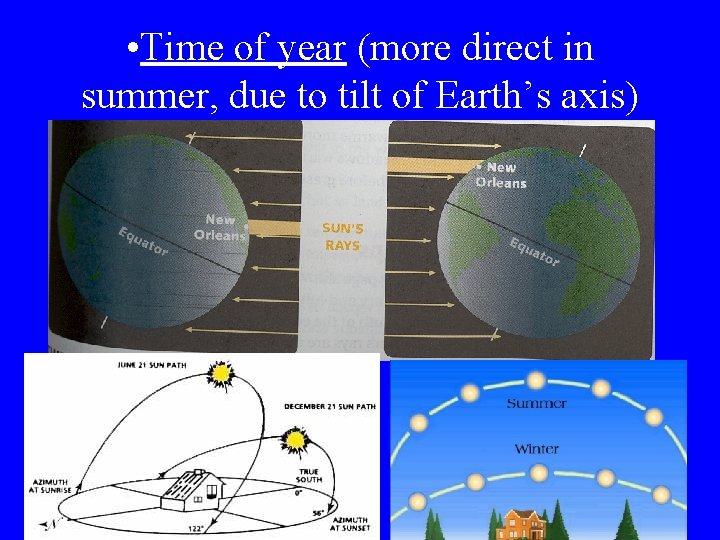
• Time of year (more direct in summer, due to tilt of Earth’s axis)
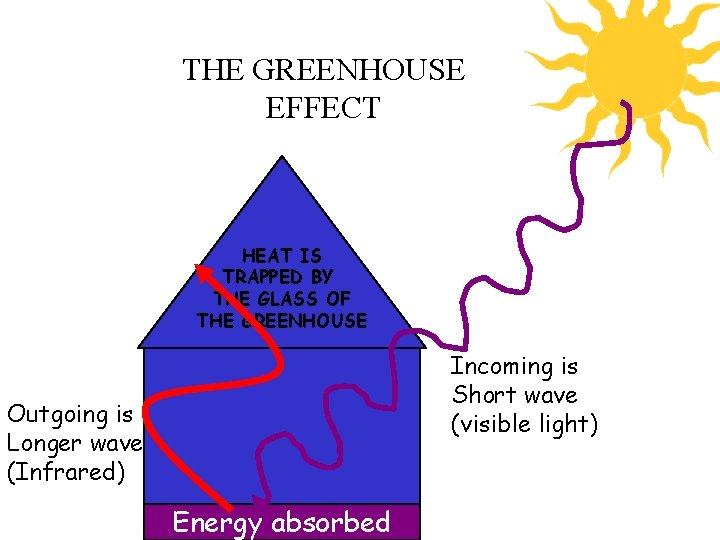
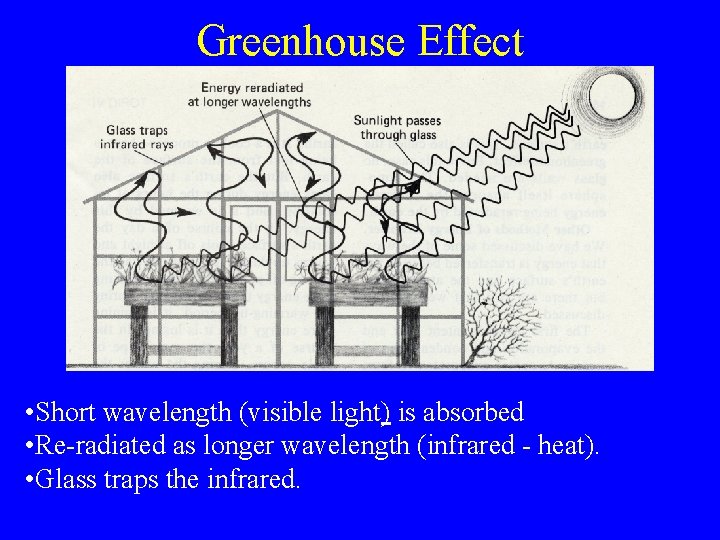
THE GREENHOUSE EFFECT HEAT IS TRAPPED BY THE GLASS OF THE GREENHOUSE Incoming is Short wave (visible light) Outgoing is Longer wave (Infrared) Energy absorbed
Greenhouse Effect • Short wavelength (visible light) is absorbed • Re-radiated as longer wavelength (infrared - heat). • Glass traps the infrared.
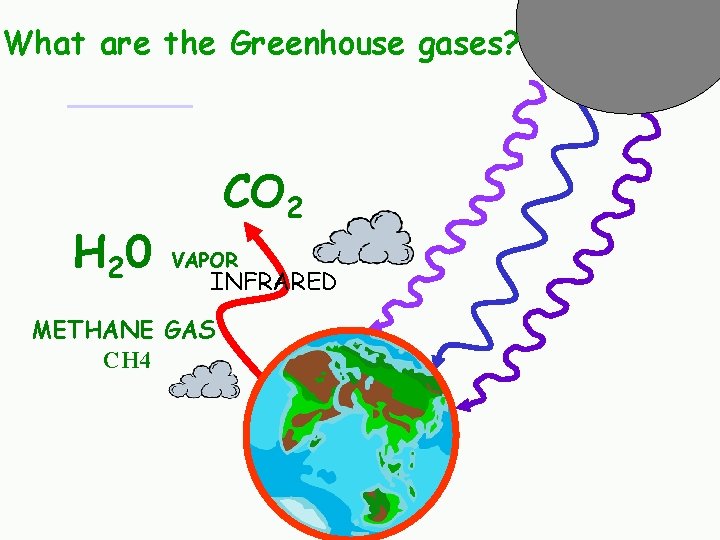
What are the Greenhouse gases? H 2 0 CO 2 VAPOR INFRARED METHANE GAS CH 4
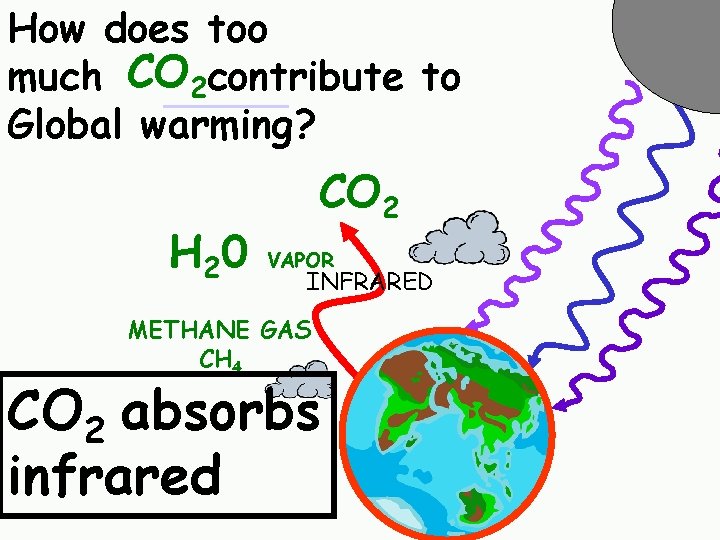
How does too much CO 2 contribute to Global warming? H 2 0 CO 2 VAPOR INFRARED METHANE GAS CH 4 CO 2 absorbs infrared
Greenhouse Effect • CO 2, CH 4 and H 2 O (greenhouse gases) absorb infrared that is re-radiated from Earth. • They act like the glass in the greenhouse by trapping heat. • Raising the global temperature.
Global Warming
Increase in Greenhouse Effect Leads to Global Warming • What human activities contribute to CO 2 production and an increase in the greenhouse effect? –Burning of fossil fuels –Global deforestation
If present trends continue possible effects may include • Rising sea levels due to melting polar ice caps; • Increasing frequency and severity of storms and hurricanes; • More frequent heat waves and droughts; and • Relocation of major crop growing areas.
Pave Paradise
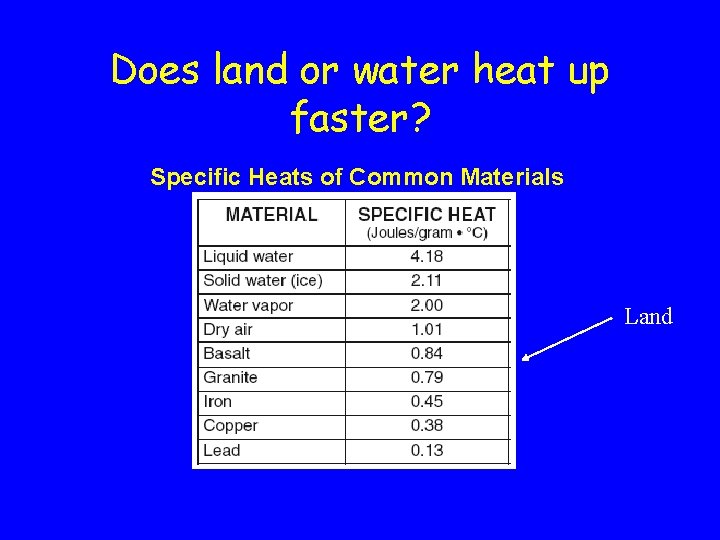
Absorbtion Do all surfaces absorb the same amount of insolation? No, substances heat up at different rates due to their specific heat.
Does land or water heat up faster? Specific Heats of Common Materials Land