
Energy Flow Through an Ecosystem Food Chains Food
- Slides: 18
Energy Flow Through an Ecosystem Food Chains, Food Webs, Energy Pyramids
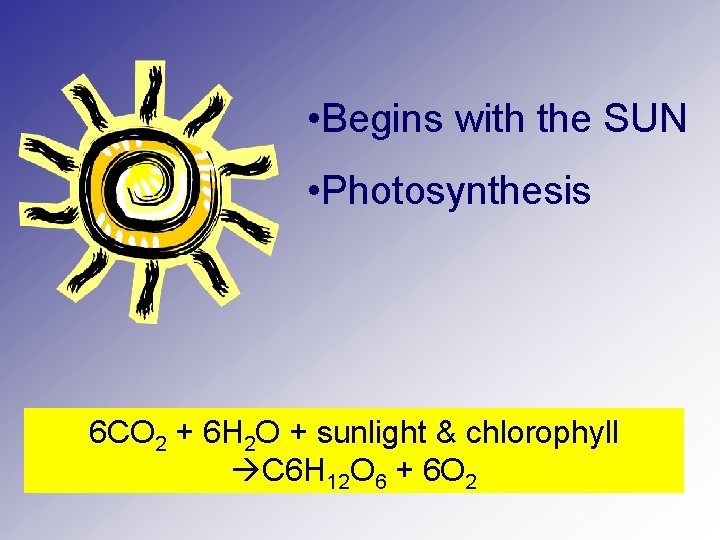
• Begins with the SUN • Photosynthesis 6 CO 2 + 6 H 2 O + sunlight & chlorophyll C 6 H 12 O 6 + 6 O 2
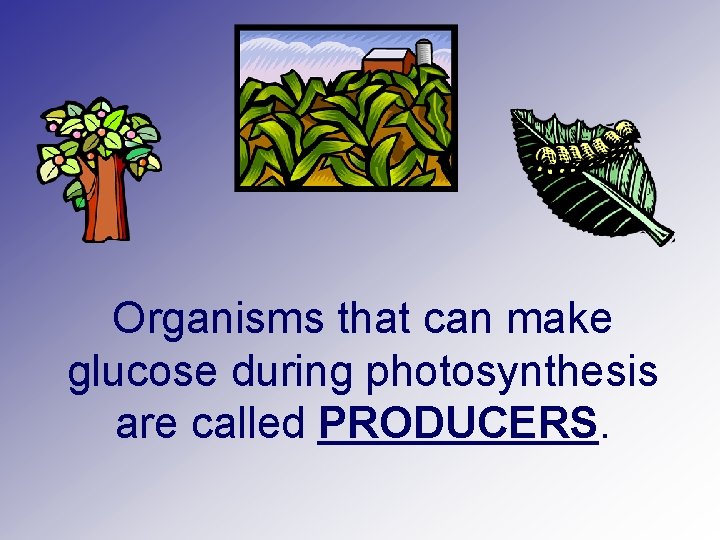
Organisms that can make glucose during photosynthesis are called PRODUCERS.
Producers use most of the energy they make for themselves.
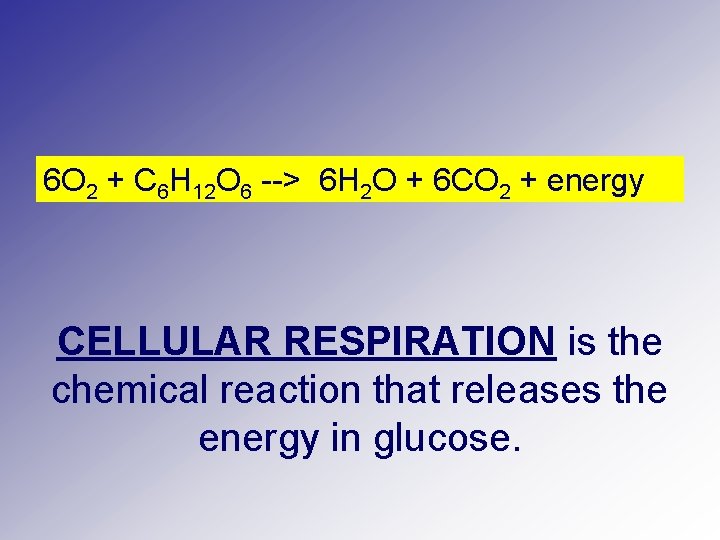
6 O 2 + C 6 H 12 O 6 --> 6 H 2 O + 6 CO 2 + energy CELLULAR RESPIRATION is the chemical reaction that releases the energy in glucose.
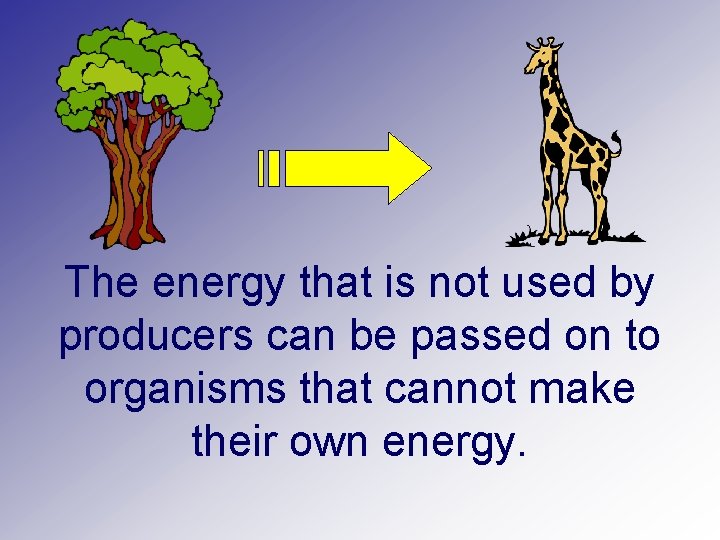
The energy that is not used by producers can be passed on to organisms that cannot make their own energy.
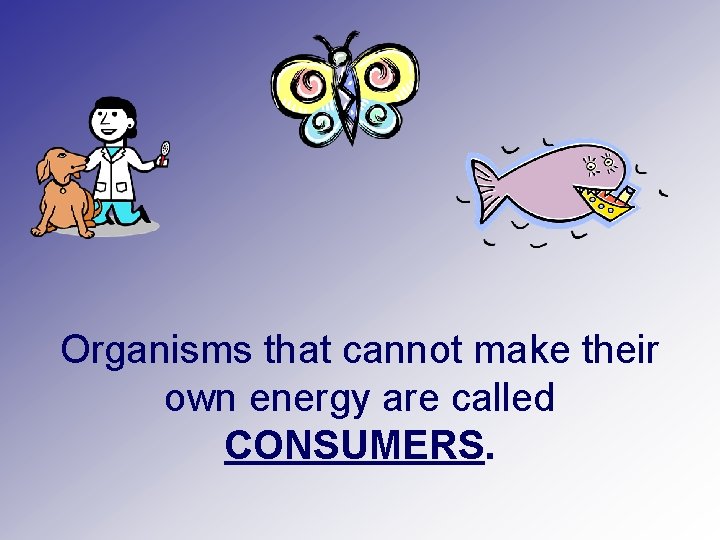
Organisms that cannot make their own energy are called CONSUMERS.
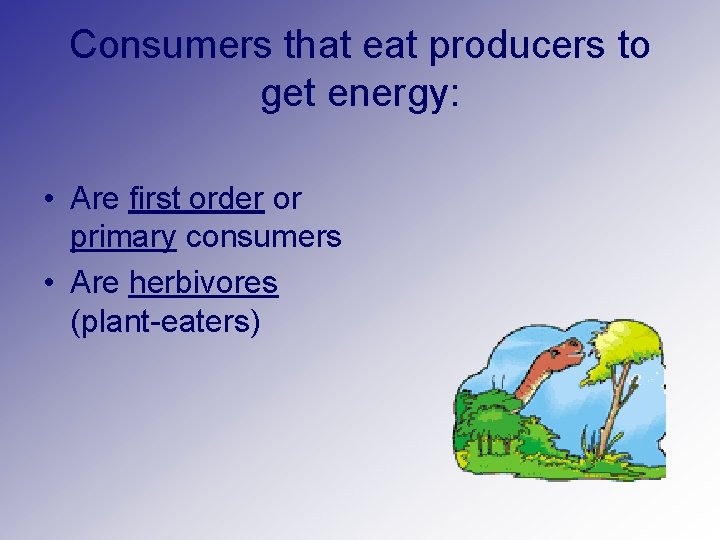
Consumers that eat producers to get energy: • Are first order or primary consumers • Are herbivores (plant-eaters)
Most of the energy the primary consumer gets from the producer is used by the consumer.
Some energy in the primary consumer is not lost to the atmosphere or used by the consumer itself. This energy is available for another consumer.
A consumer that eats another consumer for energy: • Is called a secondary or second order consumer • May be a carnivore • May be a predator • May be a scavenger
Some of the energy is lost as heat, but some energy is stored and can be passed on to another consumer.
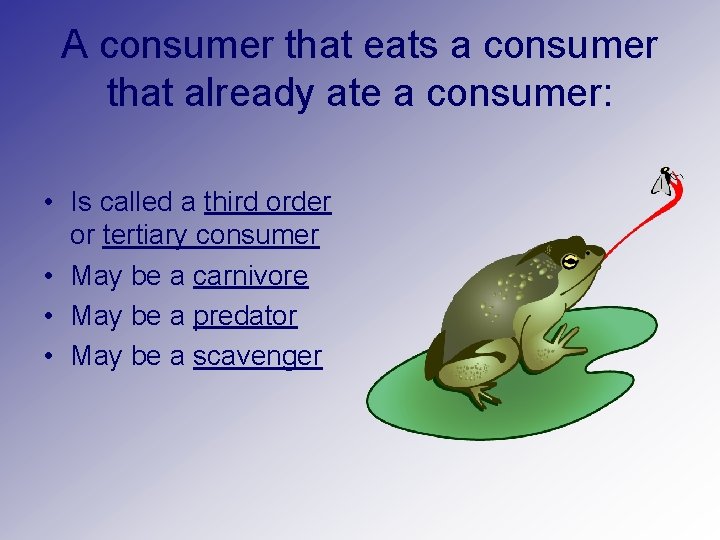
A consumer that eats a consumer that already ate a consumer: • Is called a third order or tertiary consumer • May be a carnivore • May be a predator • May be a scavenger
Consumers that eat producers & other consumers • Are called omnivores • Omnivores eat plants and animals
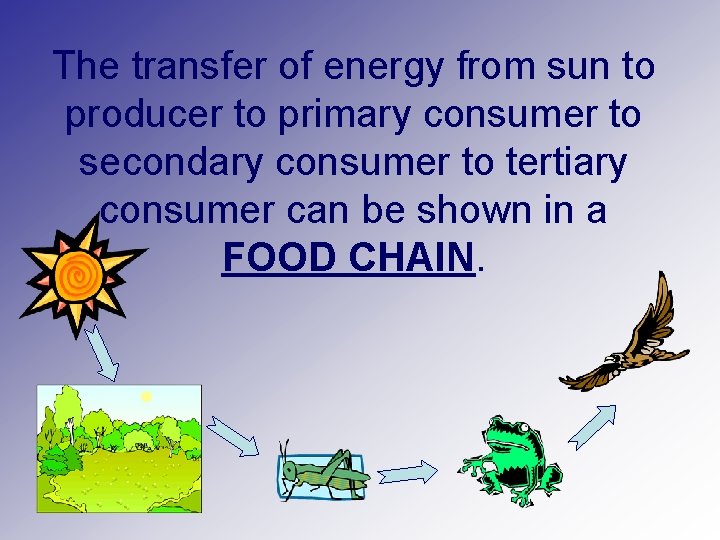
The transfer of energy from sun to producer to primary consumer to secondary consumer to tertiary consumer can be shown in a FOOD CHAIN.
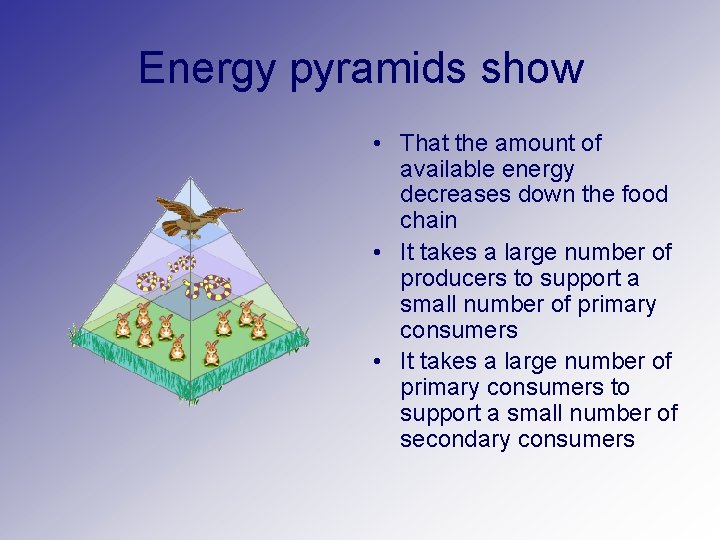
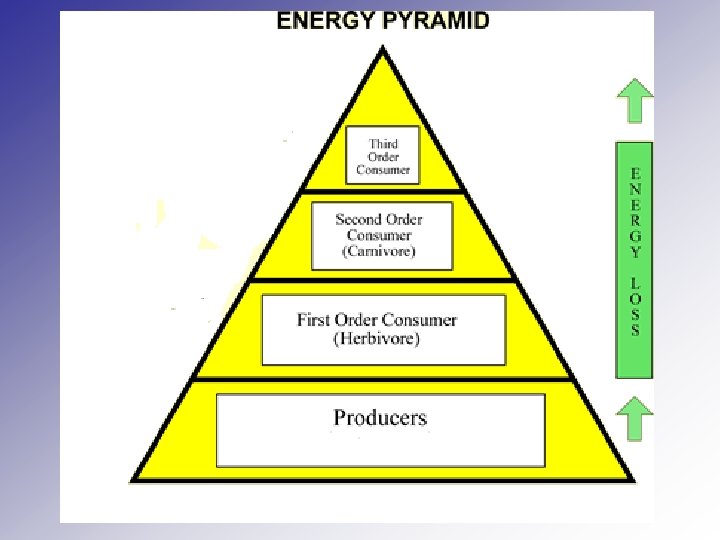
Energy pyramids show • That the amount of available energy decreases down the food chain • It takes a large number of producers to support a small number of primary consumers • It takes a large number of primary consumers to support a small number of secondary consumers
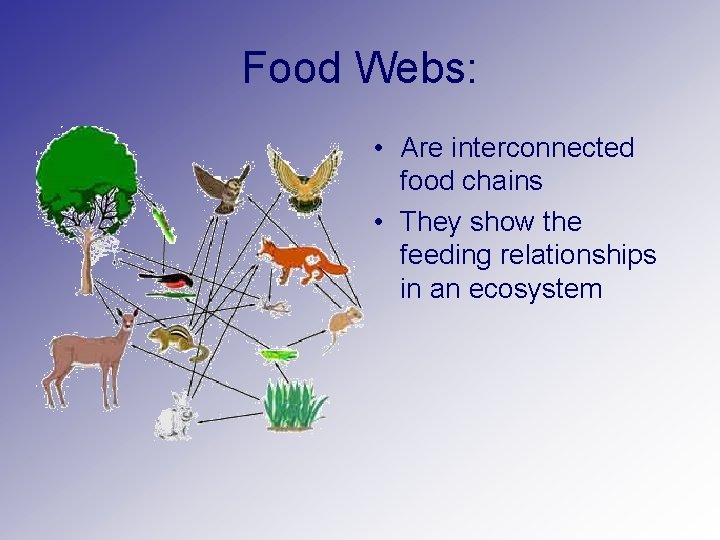
Food Webs: • Are interconnected food chains • They show the feeding relationships in an ecosystem