
ENDOMETRIAL CANCER Cancer of the uterine endometrial lining

- Slides: 45
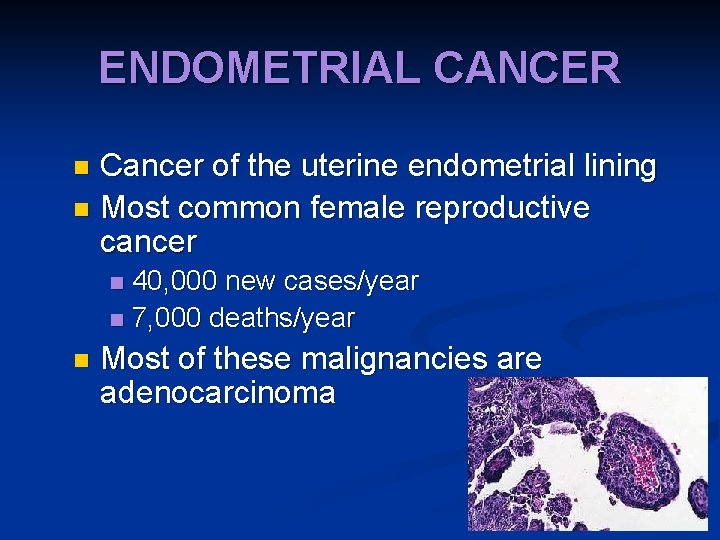
ENDOMETRIAL CANCER Cancer of the uterine endometrial lining n Most common female reproductive cancer n 40, 000 new cases/year n 7, 000 deaths/year n n Most of these malignancies are adenocarcinoma
Incidence and Prevalence Most common gynecologic cancer n 4 th most common in women (US) n 2 nd most common in women (UK) n 5 th most common in women (worldwide) n Western developed > Southeast Asia n Increase in the 1970’s n n Increased use of menopausal estrogen therapy
GYNECOLOGIC CANCER Endometrium 6% of all cancer in women 2 -3% lifetime risk
GYNECOLOGIC CANCER Endometrium Age Mean is 61 yrs. Menopausal 75 -80% Pre-menopausal 20 -25% ~5% <40 yrs old.
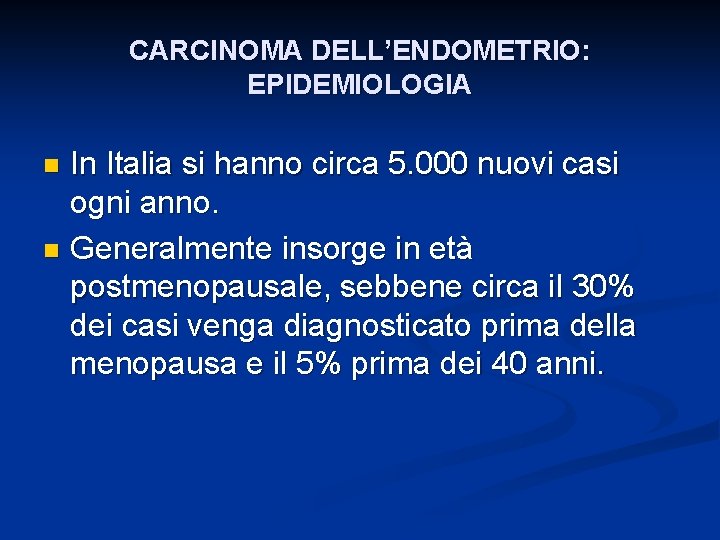
CARCINOMA DELL’ENDOMETRIO: EPIDEMIOLOGIA In Italia si hanno circa 5. 000 nuovi casi ogni anno. n Generalmente insorge in età postmenopausale, sebbene circa il 30% dei casi venga diagnosticato prima della menopausa e il 5% prima dei 40 anni. n
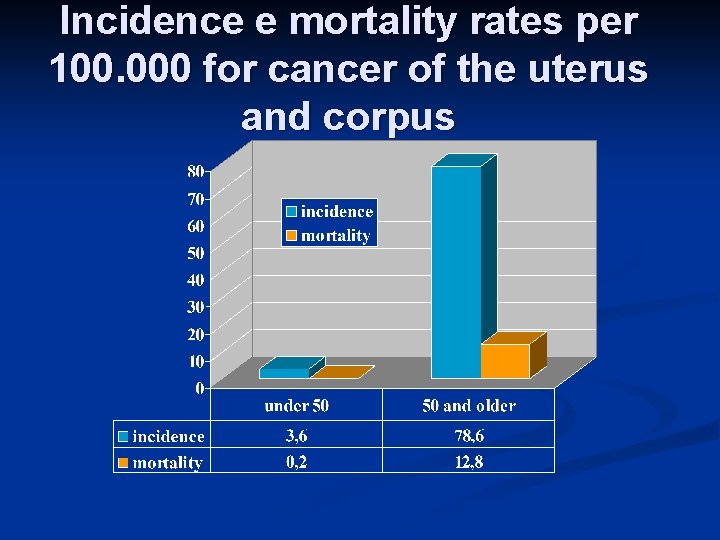
Incidence e mortality rates per 100. 000 for cancer of the uterus and corpus
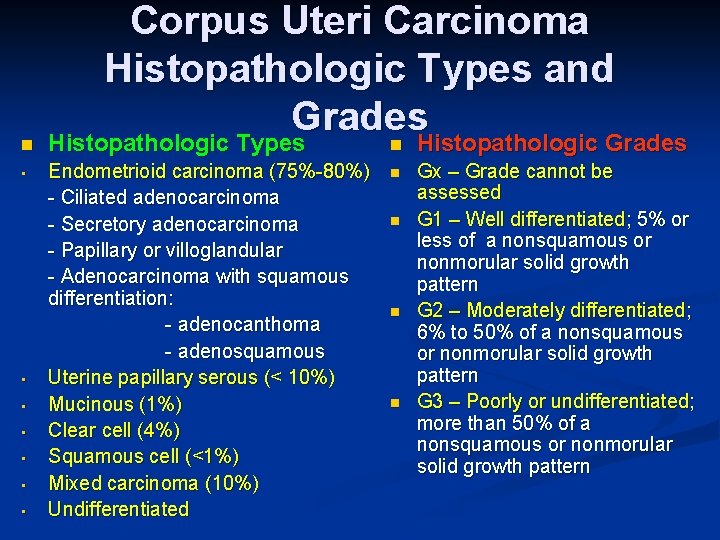
n • • Corpus Uteri Carcinoma Histopathologic Types and Grades Histopathologic Types n Histopathologic Grades Endometrioid carcinoma (75%-80%) - Ciliated adenocarcinoma - Secretory adenocarcinoma - Papillary or villoglandular - Adenocarcinoma with squamous differentiation: - adenocanthoma - adenosquamous Uterine papillary serous (< 10%) Mucinous (1%) Clear cell (4%) Squamous cell (<1%) Mixed carcinoma (10%) Undifferentiated n Gx – Grade cannot be assessed G 1 – Well differentiated; 5% or less of a nonsquamous or nonmorular solid growth pattern G 2 – Moderately differentiated; 6% to 50% of a nonsquamous or nonmorular solid growth pattern G 3 – Poorly or undifferentiated; more than 50% of a nonsquamous or nonmorular solid growth pattern n
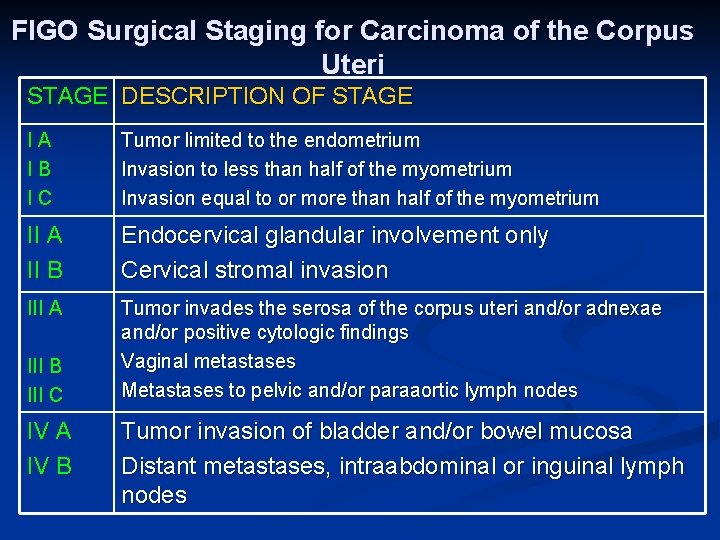
FIGO Surgical Staging for Carcinoma of the Corpus Uteri STAGE DESCRIPTION OF STAGE IA IB IC Tumor limited to the endometrium Invasion to less than half of the myometrium Invasion equal to or more than half of the myometrium II A II B Endocervical glandular involvement only Cervical stromal invasion III A Tumor invades the serosa of the corpus uteri and/or adnexae and/or positive cytologic findings Vaginal metastases Metastases to pelvic and/or paraaortic lymph nodes III B III C IV A IV B Tumor invasion of bladder and/or bowel mucosa Distant metastases, intraabdominal or inguinal lymph nodes
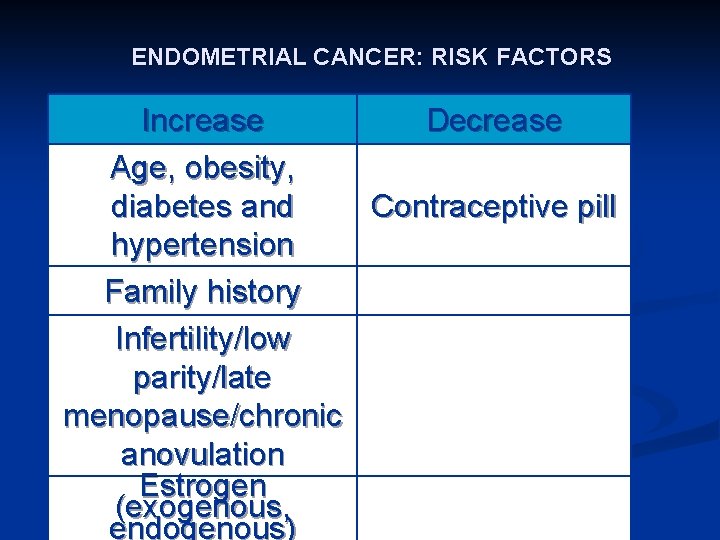
ENDOMETRIAL CANCER: RISK FACTORS Increase Decrease Age, obesity, diabetes and Contraceptive pill hypertension Family history Infertility/low parity/late menopause/chronic anovulation Estrogen (exogenous, endogenous)
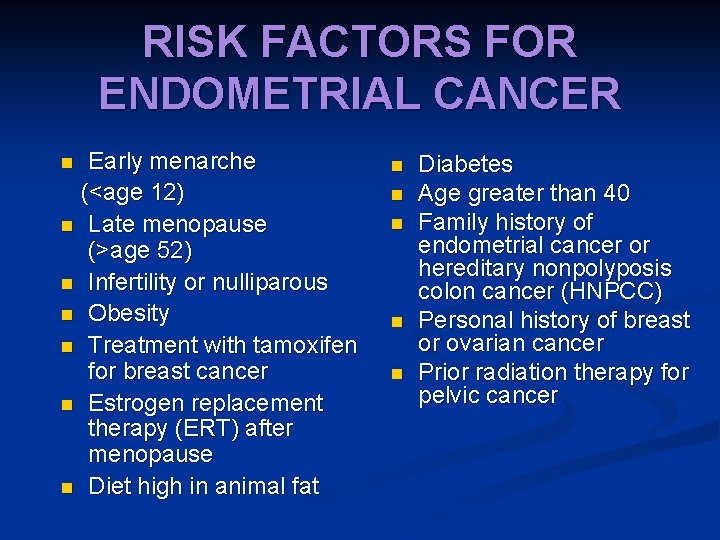
RISK FACTORS FOR ENDOMETRIAL CANCER Early menarche (<age 12) n Late menopause (>age 52) n Infertility or nulliparous n Obesity n Treatment with tamoxifen for breast cancer n Estrogen replacement therapy (ERT) after menopause n Diet high in animal fat n n n Diabetes Age greater than 40 Family history of endometrial cancer or hereditary nonpolyposis colon cancer (HNPCC) Personal history of breast or ovarian cancer Prior radiation therapy for pelvic cancer
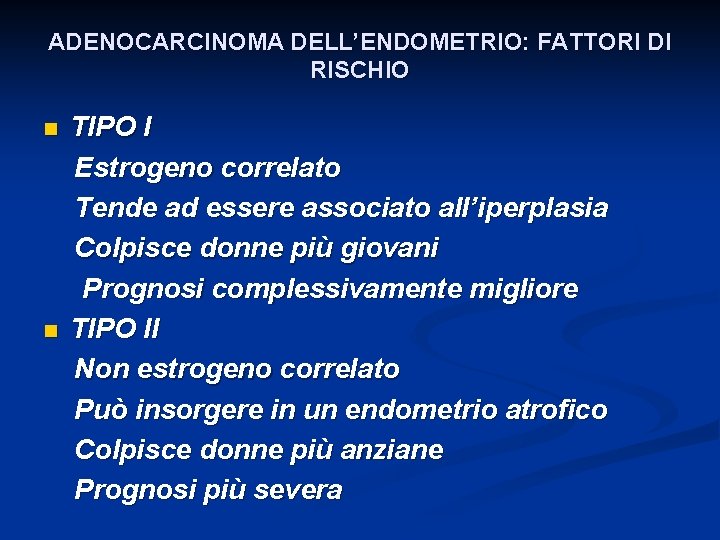
ADENOCARCINOMA DELL’ENDOMETRIO: FATTORI DI RISCHIO n n TIPO I Estrogeno correlato Tende ad essere associato all’iperplasia Colpisce donne più giovani Prognosi complessivamente migliore TIPO II Non estrogeno correlato Può insorgere in un endometrio atrofico Colpisce donne più anziane Prognosi più severa
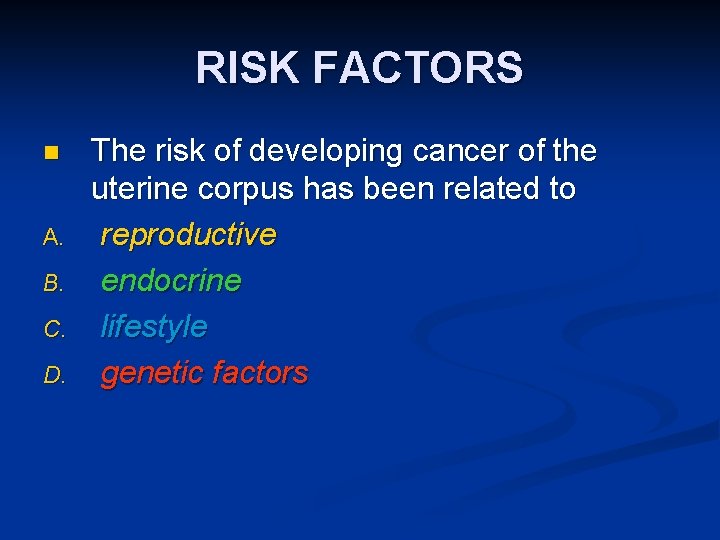
RISK FACTORS n A. B. C. D. The risk of developing cancer of the uterine corpus has been related to reproductive endocrine lifestyle genetic factors
A. REPRODUCTIVE RISK n n Nulliparity has been shown to independently increase the risk of endometrial cancer May be related to the higher incidence of anovulation among nulliparous women Age at first and last birth were not significant when results were adjusted for number of births There is an age-adjusted decrease in mortality of 9. 2% for each birth.
B. ENDOCRINE RISK n The major risk factor for endometrial carcinoma is thought to be endogenous or exogenous estrogen exposure unopposed by progesterone or synthetic progestins. The unopposed estrogen theory suggests that there is a resultant increase in mitotic activity of endometrials cells, Dna replications errors and somatic mutations causing endometrial hyperplasia and malignancy or type I endometrial carcinoma n Type II endometrial carcinoma is likely unrelated to n estrogen exposure and results from atrophic rather hyperplastic epithelium. Because the two types differ in histopathologic appearance and biologic behavior, differences may be associated with distinct molecular genetic alterations. n
B. ENDOCRINE RISK n ENDOGENOUS RISK FACTORS that are known to increase the risk of developing endometrial cancer include: 1. Obesity: in postmenopausal women conversion of androstenedione to estrone in adipose tissue is postulated as a mechanism for increased risk of endometrial cancer associated with obesity 2. Menstruation span: it is theorized that both early menarche age and older age at menopause increase uterine exposure to estrogens, thereby increasing risk of developing endometrial cancer.
Endometrial Cancer n Strong association with excess weight
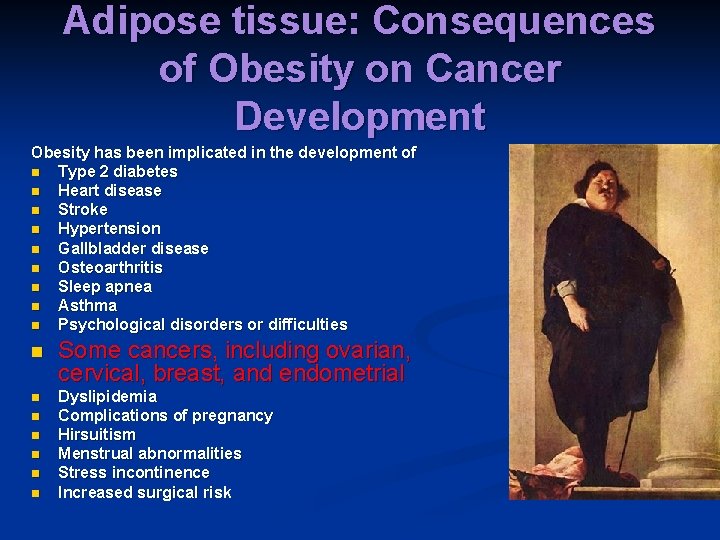
Adipose tissue: Consequences of Obesity on Cancer Development Obesity has been implicated in the development of n Type 2 diabetes n Heart disease n Stroke n Hypertension n Gallbladder disease n Osteoarthritis n Sleep apnea n Asthma n Psychological disorders or difficulties n n n n Some cancers, including ovarian, cervical, breast, and endometrial Dyslipidemia Complications of pregnancy Hirsuitism Menstrual abnormalities Stress incontinence Increased surgical risk
Endometrial Cancer and Lifestyle
B. ENDOCRINE RISK 3. Diabetes: women with diabetes had an 4. Anovulation and Other Endocrinopathies adjusted OR of 1. 86 for developing endometrial carcinoma. The association was influenced and modified by BMI. When obese (BMI>31. 9), diabetic women had an elevated risk (OR 2. 95) Anovulation cause infertility and can is responsable of increased risk for endometrial cancer. PCOS (polycystic ovary syndrome) is characterized by anovulation, hyperandrogenism and menstrual dysfunction. Chronic anovulation associated with PCOS increases risk for endometrial carcinoma caused by unopposed estrogen.
B. ENDOCRINE RISK n 1. EXOGENOUS FACTORS include: Estrogen replacement therapy (ERT) There is a parallel increase in the incidence of endometrial cancer and use of ERT. RR is of 2. 3 for women taking estrogen compared with those not taking estrogen. Among women taking estrogen for 10 years or longer, the RR was 9. 5. Progestins appear to antagonize the effects of estrogen on the endometrium and prevent or reverse endometrial hyperplasia. Continous combined estrogen-progestin therapy has been found superior to estrogen and progestin given sequentially because of bleeding and other adverse affects associated with sequential therapy. 2. Oral contraceptive have been shown to reduce the incidence of endometrial carcinoma as well as epithelial ovarian cancer
B. ENDOCRINE RISK 3. Tamoxifen adjuvant therapy Tamoxifen belongs to a group of drugs known as selective estrogen receptors modulators that produce varied effects in different body organs. Tamoxifen increases survival from breast cancer by inhibiting estrogenreceptor positive cells, but incidence rates for endometrial cancer are increased somewhat in patients who take the drug, either because of coincident risk of developing endometrial carcinoma or direct and indirect estrogen-like effects on the endometrium. Tamoxifen benefits in the treatment of breast cancer outweigh the risk of developing endometrial carcinoma because most tamoxifen-related endometrial cancers are detected early and are highly curable at early stage. Raloxifene is under investigation as an alternative to tamoxifen because it appears to be less likely to cause endometrial stimulation.
C. LIFESTYLE-related RISK 1. Smoking: cigarette smokers have a reduced risk of endometrial cancer. Risk reduction was greatest in women who are obese or who use postmenopausal hormones. Smoking, however, was associated with advancedstage and higher tumor grade. 2. Dietary Factors dietary inclusion of complex carbohydrates such as breads and cereals was associated with reduced risk, whereas higher levels of animal fat were associated with higher risk. Reduced risks were found with phytosterols, vitamin C, folate, alphacarotene, beta-carotene, lycopne and vegetables.
D. GENETIC RISK Role of alterations in oncogenes and tumor suppressor genes in the genesis of cancer of the uterine corpus and molecular pathogenesis of endometrial carcinoma. 1. 2. 3. 4. Family History Hereditary Nonpolyposis Colon Carcinoma Oncogenes and Tumor Suppressor Genes A 2 Allele of CYP 17
D. GENETIC RISK 1. Family History: the risk of endometrial cancer was substantially increased in women who had a first-degree female relative with endometrial carcinoma. 2. Hereditary Nonpolyposis Colon Carcinoma: at least five gene mutations have been identified in families with HNPCC. Women who inherit HNPCC susceptibility syndrome have a 60% chance of developing endometrial cancer as well as an 80% chance of developing colon cancer.
D. GENETIC RISK 3. Oncogenes and Tumor Suppressor Genes: Poor survival has been correlated with overexpression of the HER-2/neu oncogene which occurs in 10% of endometrial cancer Mutations in the K-ras oncogene are present in 10% of American women and in 20% to 30% of Japanese women with endometrial carcinoma. (26% c. endometrioid; 2% c. serous) Overexpression of p 53 mutant protein resulting from mutation of p 53 tumor suppressor gene is present in 20% of women with endometrial adenocarcinomas. (17% c. endometrioid; 93% serous) 4. A 2 Allele of CYP 17: increase the hormones steroid endogenous
GYNECOLOGIC CANCER Endometrium—Prevention Progestin with estrogen Diet, Exercise and Weight control If genetic mutation, AND done with reproduction, offer hysterectomy and BSO
Dietary fiber Increases estrogen excretion and decreases estrogen reuptake: whole grains, vegetables, fruits, and seaweeds
SYMPTOMS OF ENDOMETRIAL CANCER n Symptoms n Non-menstrual bleeding or discharge n Especially post-menopausal bleeding Heavy bleeding n Dysuria n Pain during intercourse n Pain and/or mass in pelvic area n Weight loss n Back pain n
GYNECOLOGIC CANCER Endometrium Presentation—Abnormal Bleeding EVEN ONE DROP OF BLOOD IN A MENOPAUSAL WOMAN NOT ON HORMONES DEMANDS WORKUP 10 -20% will have endometrial cancer, and probability increases with age.
ABNORMAL UTERINE BLEEDING(AUB) n n A. B. C. Diagnosis of endometrial carcinoma depends on early differential assessment of abnormal vaginal bleeding, present in 90% of women with cancer of the uterine corpus. Women of all ages experience unusual vaginal bleeding, but the significance and likely causes vary with age: In premenopausal women the causes are: pregnancyrelated disorders, infection, birth control methods and dysfunctional uterine bleeding (DUB) associated with anovulation. In perimenopause an abnormal uterine bleeding is expected, but heavy abnormal bleeding requires evaluation. In postmenopausal women, endometrial carcinoma should be suspected.
CARCINOMA DELL’ENDOMETRIO: Sintomatologia n PAZIENTI ASINTOMATICHE (5 -10%) 1. Cellule endometriali al pap test Ispessimento endometriale in pazienti in trattamento con HRT o TAMOXIFENE Soggetti a rischio di patologia neoplastica 2. 3. n PAZIENTI SINTOMATICHE (90 -95%) 1. Perdite ematiche atipiche
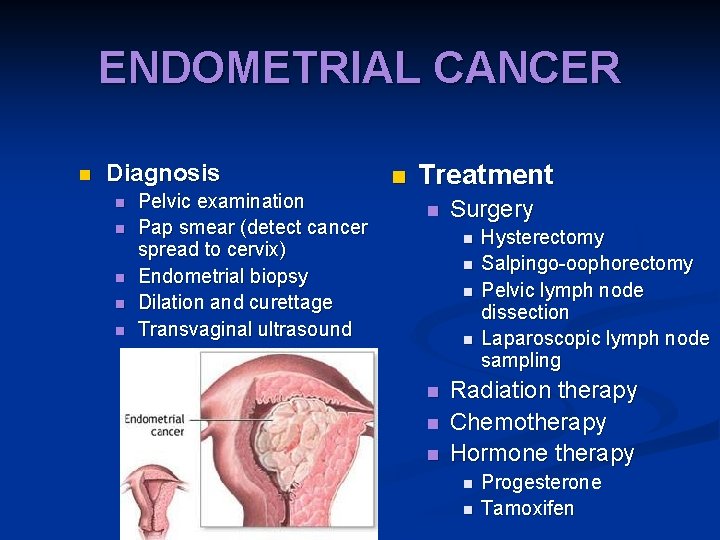
ENDOMETRIAL CANCER n Diagnosis n n n Pelvic examination Pap smear (detect cancer spread to cervix) Endometrial biopsy Dilation and curettage Transvaginal ultrasound n Treatment n Surgery n n n n Hysterectomy Salpingo-oophorectomy Pelvic lymph node dissection Laparoscopic lymph node sampling Radiation therapy Chemotherapy Hormone therapy n n Progesterone Tamoxifen
CARCINOMA DELL’ENDOMETRIO: ITER DIAGNOSTICO NELLA PAZIENTE CON PERDITE EMATICHE ATIPICHE n ESAME PELVICO n ECOGRAFIA TRANSVAGINALE
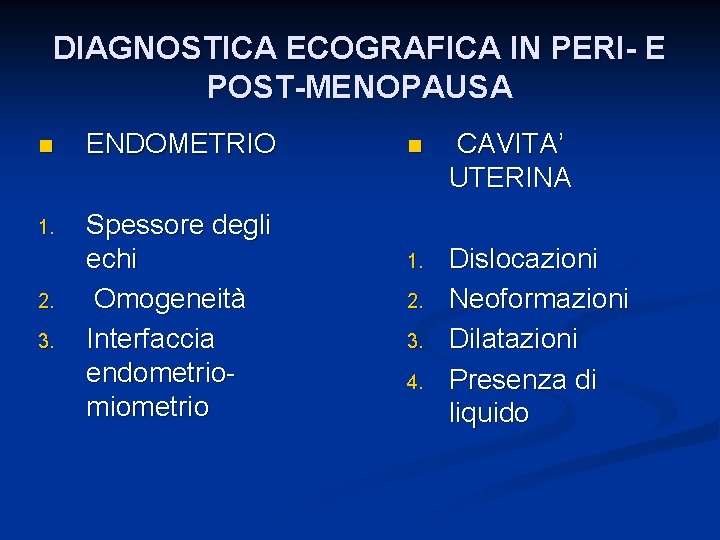
DIAGNOSTICA ECOGRAFICA IN PERI- E POST-MENOPAUSA n ENDOMETRIO 1. Spessore degli echi Omogeneità Interfaccia endometriomiometrio 2. 3. n CAVITA’ UTERINA 1. Dislocazioni Neoformazioni Dilatazioni Presenza di liquido 2. 3. 4.
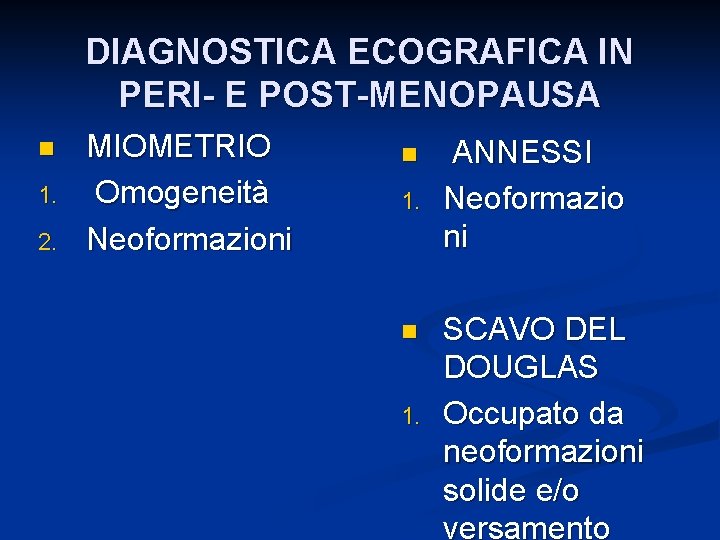
DIAGNOSTICA ECOGRAFICA IN PERI- E POST-MENOPAUSA n 1. 2. MIOMETRIO Omogeneità Neoformazioni n 1. ANNESSI Neoformazio ni SCAVO DEL DOUGLAS Occupato da neoformazioni solide e/o versamento
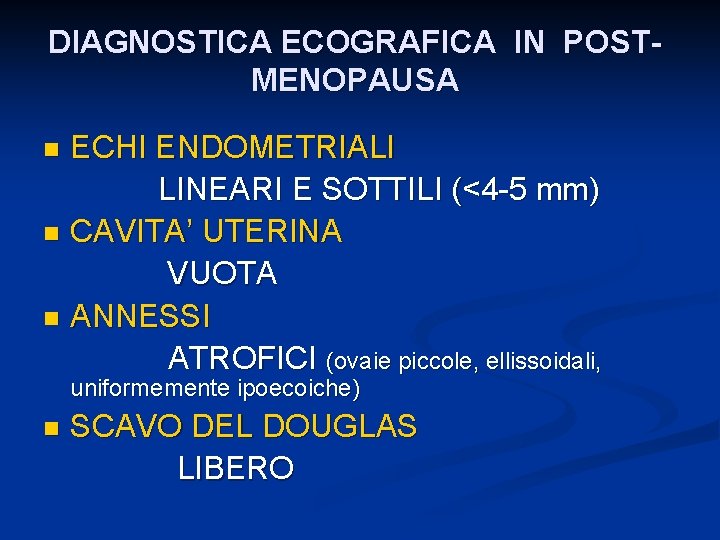
DIAGNOSTICA ECOGRAFICA IN POSTMENOPAUSA ECHI ENDOMETRIALI LINEARI E SOTTILI (<4 -5 mm) n CAVITA’ UTERINA VUOTA n ANNESSI ATROFICI (ovaie piccole, ellissoidali, n uniformemente ipoecoiche) n SCAVO DEL DOUGLAS LIBERO
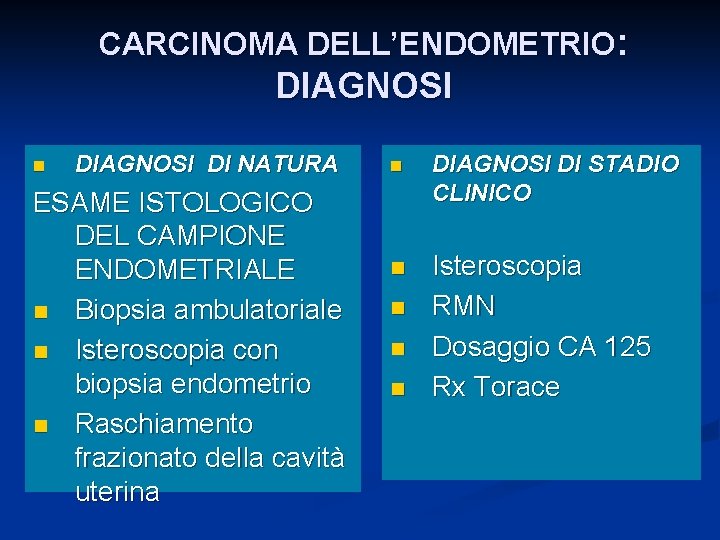
CARCINOMA DELL’ENDOMETRIO: DIAGNOSI n DIAGNOSI DI NATURA ESAME ISTOLOGICO DEL CAMPIONE ENDOMETRIALE n Biopsia ambulatoriale n Isteroscopia con biopsia endometrio n Raschiamento frazionato della cavità uterina n DIAGNOSI DI STADIO CLINICO n Isteroscopia RMN Dosaggio CA 125 Rx Torace n n n
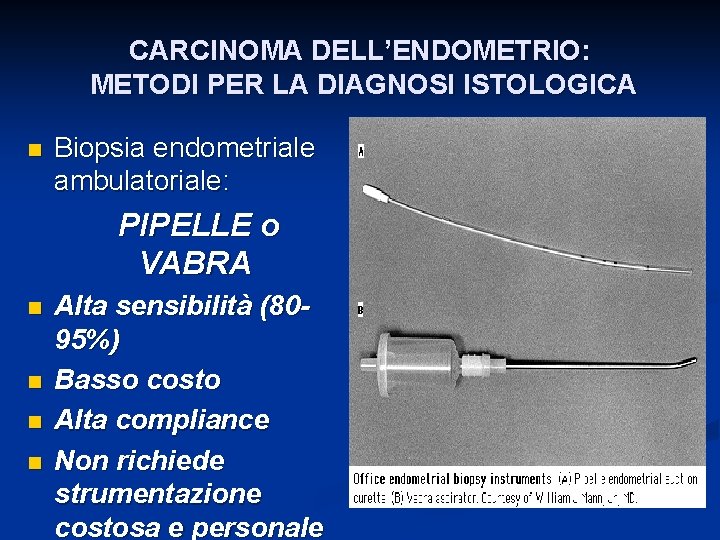
CARCINOMA DELL’ENDOMETRIO: METODI PER LA DIAGNOSI ISTOLOGICA Biopsia endometriale ambulatoriale: PIPELLE o VABRA n Raschiamento frazionato della cavità uterina con curet (D&C). Richiede ospedalizzazione ed anestesia generale n Isteroscopia con biopsia diretta alla lesione. n
CARCINOMA DELL’ENDOMETRIO: METODI PER LA DIAGNOSI ISTOLOGICA n Biopsia endometriale ambulatoriale: PIPELLE o VABRA n n Alta sensibilità (8095%) Basso costo Alta compliance Non richiede strumentazione costosa e personale
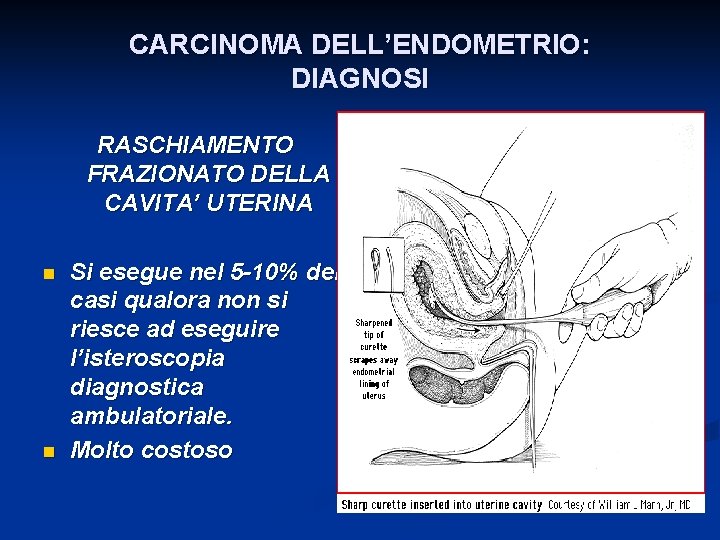
CARCINOMA DELL’ENDOMETRIO: DIAGNOSI RASCHIAMENTO FRAZIONATO DELLA CAVITA’ UTERINA n n Si esegue nel 5 -10% dei casi qualora non si riesce ad eseguire l’isteroscopia diagnostica ambulatoriale. Molto costoso
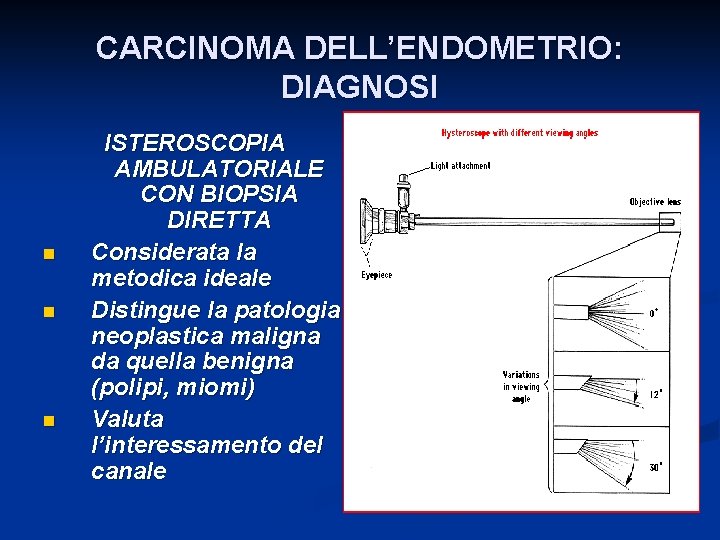
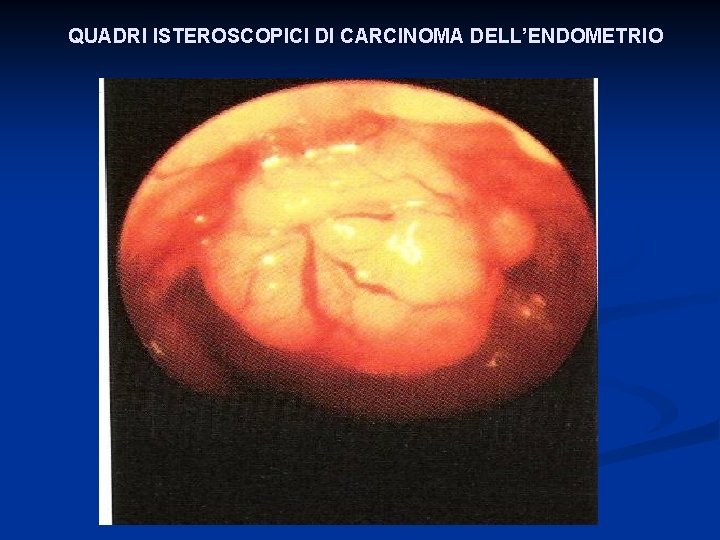
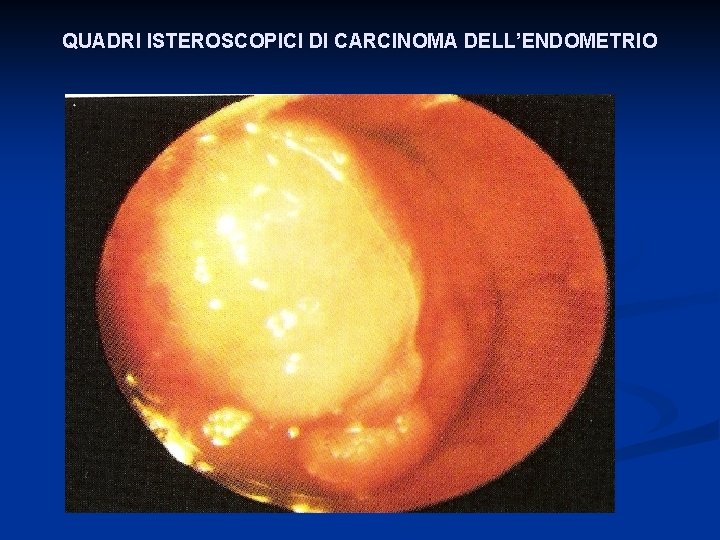
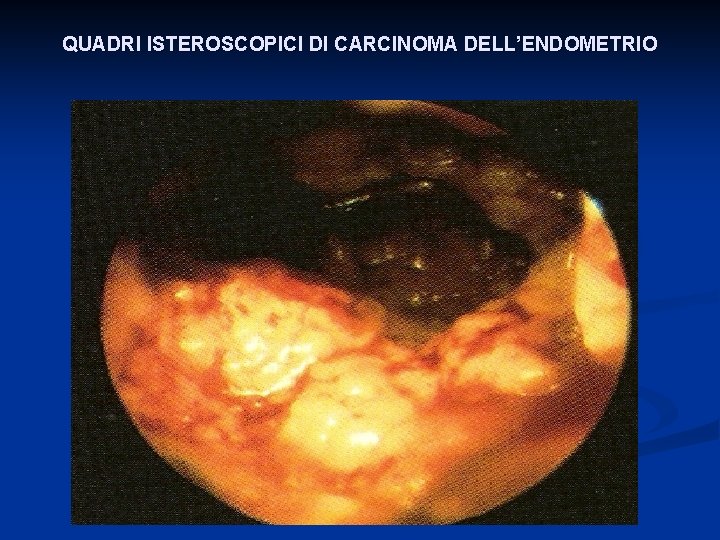
CARCINOMA DELL’ENDOMETRIO: DIAGNOSI n n n ISTEROSCOPIA AMBULATORIALE CON BIOPSIA DIRETTA Considerata la metodica ideale Distingue la patologia neoplastica maligna da quella benigna (polipi, miomi) Valuta l’interessamento del canale
QUADRI ISTEROSCOPICI DI CARCINOMA DELL’ENDOMETRIO
QUADRI ISTEROSCOPICI DI CARCINOMA DELL’ENDOMETRIO
QUADRI ISTEROSCOPICI DI CARCINOMA DELL’ENDOMETRIO
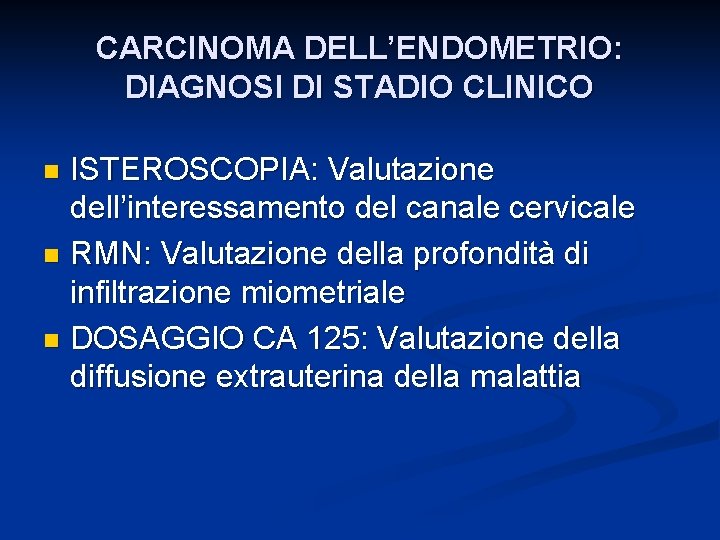
CARCINOMA DELL’ENDOMETRIO: DIAGNOSI DI STADIO CLINICO ISTEROSCOPIA: Valutazione dell’interessamento del canale cervicale n RMN: Valutazione della profondità di infiltrazione miometriale n DOSAGGIO CA 125: Valutazione della diffusione extrauterina della malattia n