
Endocrine System Types of hormones and homeostasis Negative
- Slides: 49
Endocrine System Types of hormones and homeostasis Negative feedback Endocrine glands overview The pituitary Posterior pituitary Anterior pituitary Thyroxin - metabolism PTH and Calcitonin - blood calcium Insulin / glucagon – blood sugar Adrenal Glands Other glands
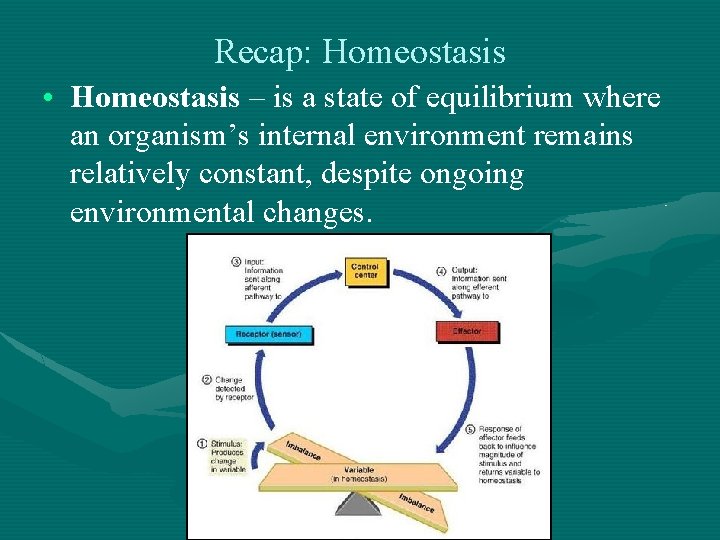
Recap: Homeostasis • Homeostasis – is a state of equilibrium where an organism’s internal environment remains relatively constant, despite ongoing environmental changes.
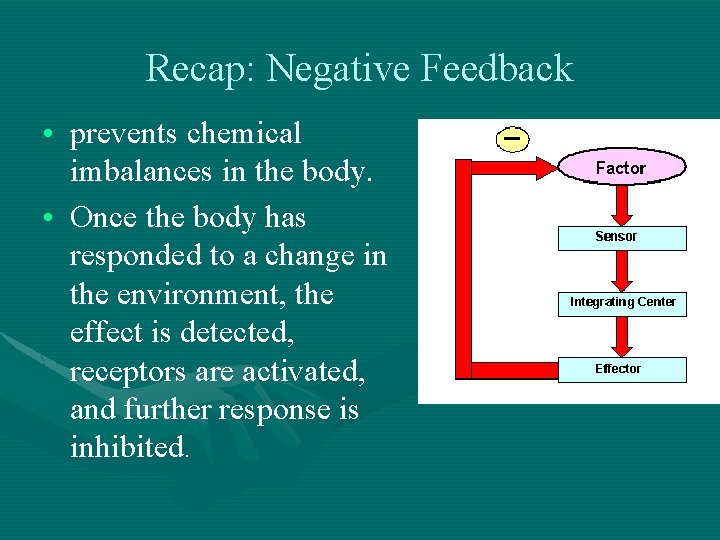
Recap: Negative Feedback • prevents chemical imbalances in the body. • Once the body has responded to a change in the environment, the effect is detected, receptors are activated, and further response is inhibited.
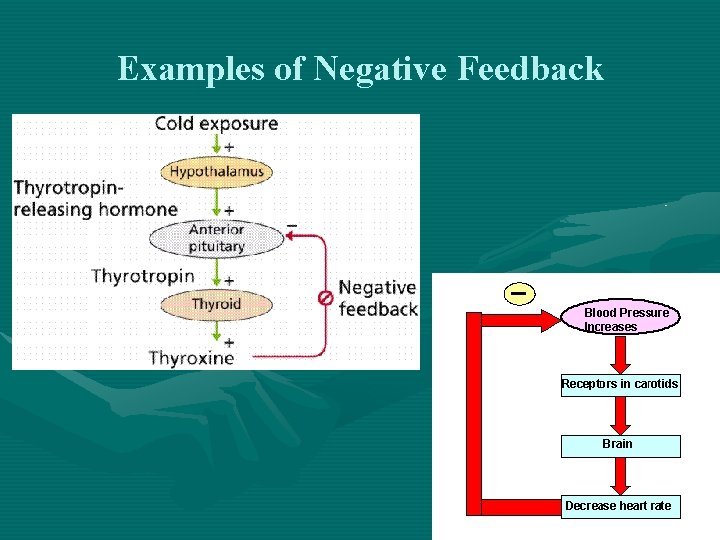
Examples of Negative Feedback
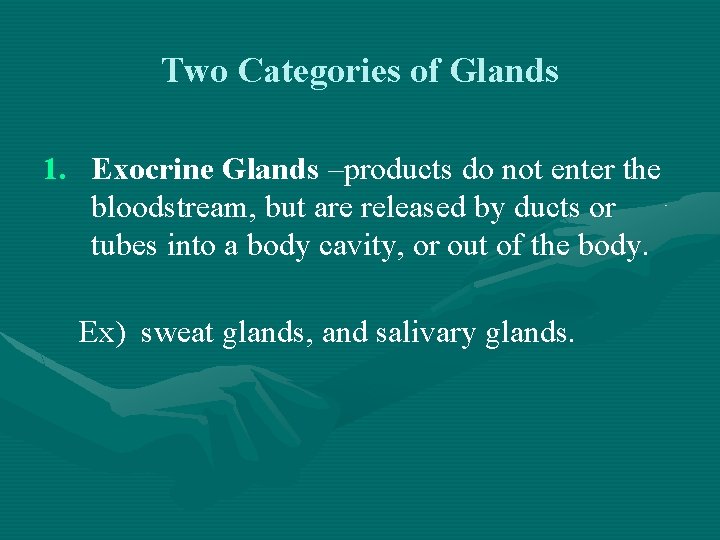
Two Categories of Glands 1. Exocrine Glands –products do not enter the bloodstream, but are released by ducts or tubes into a body cavity, or out of the body. Ex) sweat glands, and salivary glands.
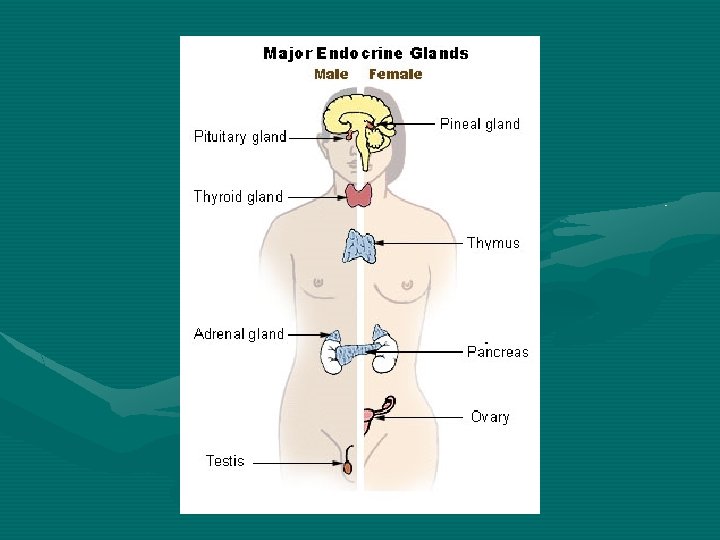
2. Endocrine Glands –release hormones into the blood stream
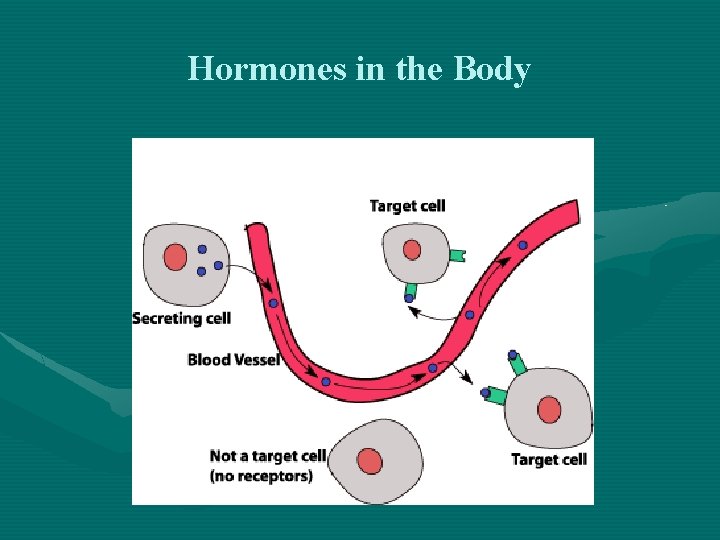
Hormones in the Body
Hypothalamus • Produces Anti-Diuretic Hormone and Oxytocin -stored in the posterior pituitary gland • Produces releasing and inhibiting factors to control the pituitary gland
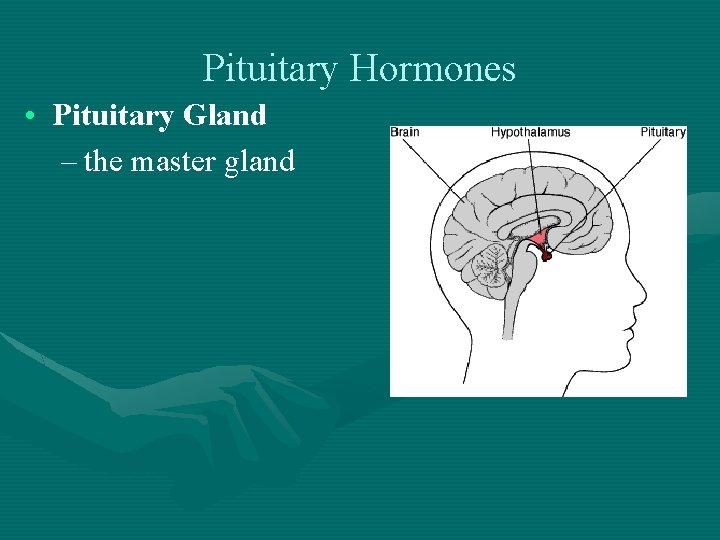
Pituitary Hormones • Pituitary Gland – the master gland
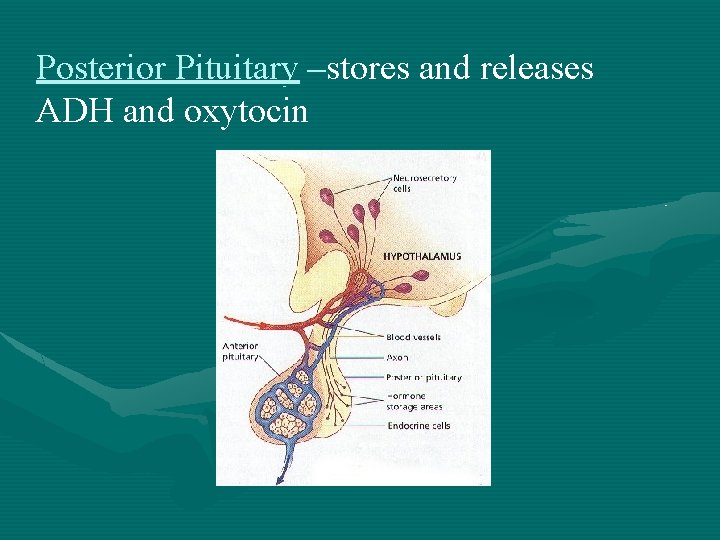
Posterior Pituitary –stores and releases – ADH and oxytocin
Anti-Diuretic Hormone (ADH) – increases water re-absorption by the kidneys when the blood becomes too concentrated with solutes – Diabetes insipidus – excessive urination, dehydration and thirst resulting from a lack of ADH, usually caused by a tumor
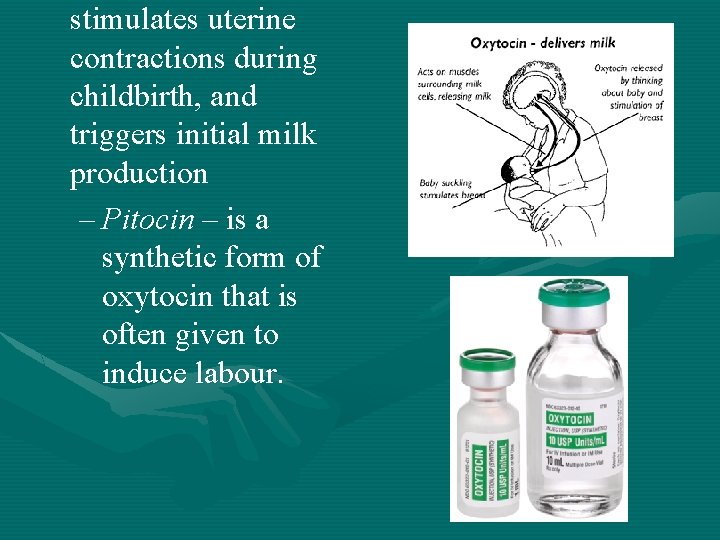
stimulates uterine contractions during childbirth, and triggers initial milk production – Pitocin – is a synthetic form of oxytocin that is often given to induce labour.
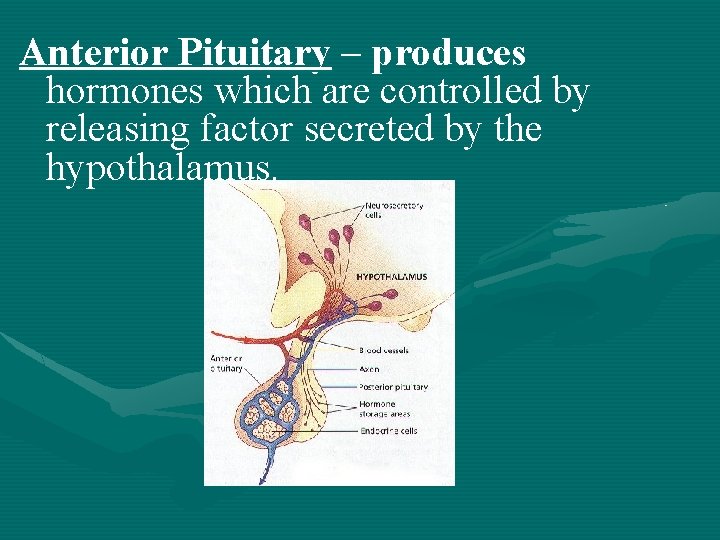
Anterior Pituitary – produces hormones which are controlled by releasing factor secreted by the hypothalamus.
Ex) Thyroid Stimulating Hormone (TSH) – stimulates the thyroid gland to release thyroxin (controls metabolism) and calcitonin (controls blood calcium)
Ex) Adrenocorticotropic Hormone (ACTH) – stimulates the adrenal cortex to release aldosterone and cortisol which regulate the release of fatty acids in the blood and regulate fat metabolism
Ex) Prolactin Hormone (PRL) – stimulates milk production in the mammary glands after birth, suckling or other stimulation may result in the “let down” reflex
Ex) Follicle Stimulating Hormone (FSH) – stimulates the production of gametes (sperm and egg) in the male and female reproductive systems Ex) Luteinizing Hormone (LH) – stimulates the production of hormones (estrogen, progesterone and testosterone) in the male and female reproductive systems
Ex) human Growth Hormone (h. GH) – regulates the growth of bones and tissues during childhood by assisting amino acids across cell membranes for protein synthesis.
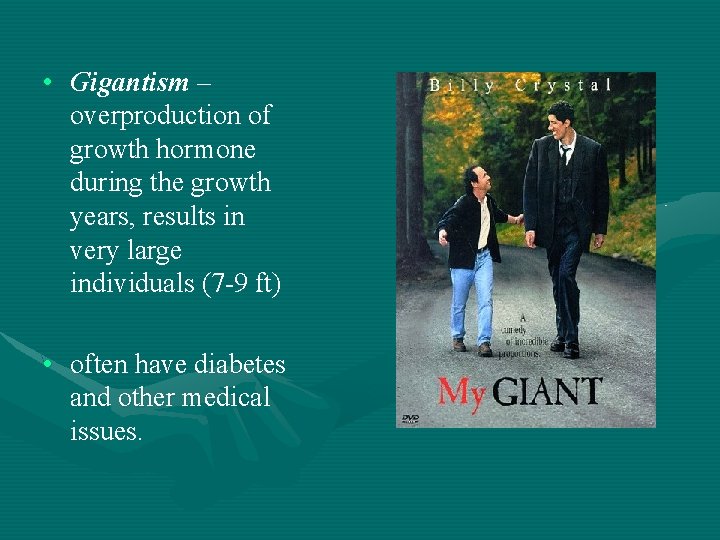
• Gigantism – overproduction of growth hormone during the growth years, results in very large individuals (7 -9 ft) • often have diabetes and other medical issues.
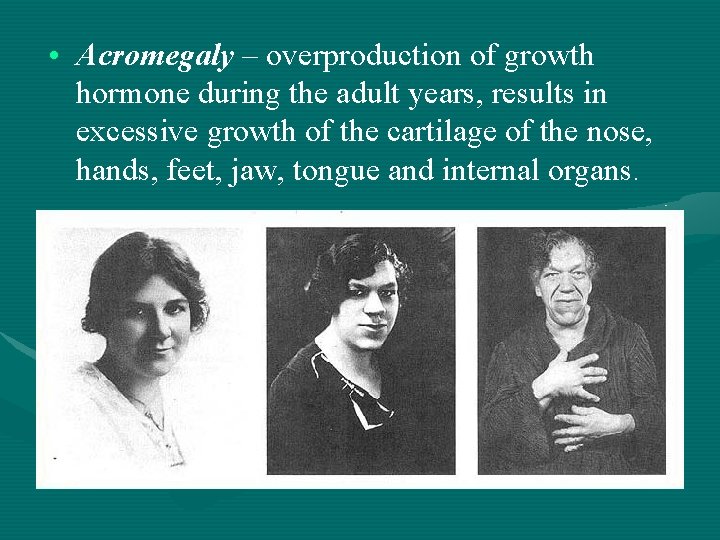
• Acromegaly – overproduction of growth hormone during the adult years, results in excessive growth of the cartilage of the nose, hands, feet, jaw, tongue and internal organs.
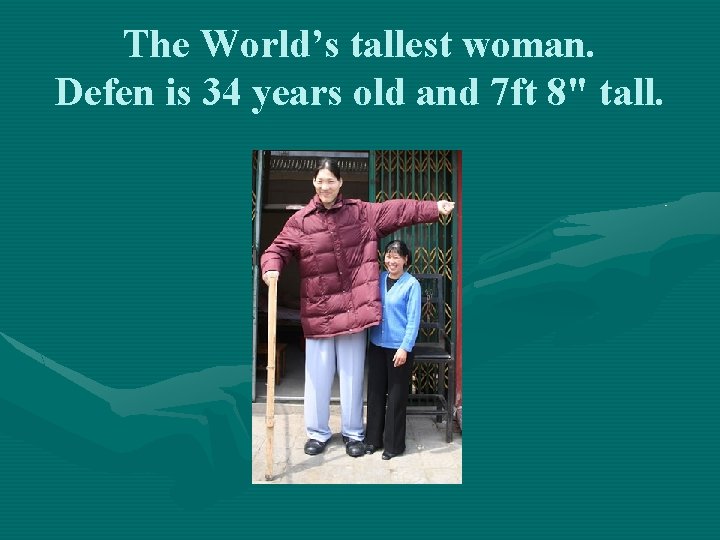
The World’s tallest woman. Defen is 34 years old and 7 ft 8" tall.
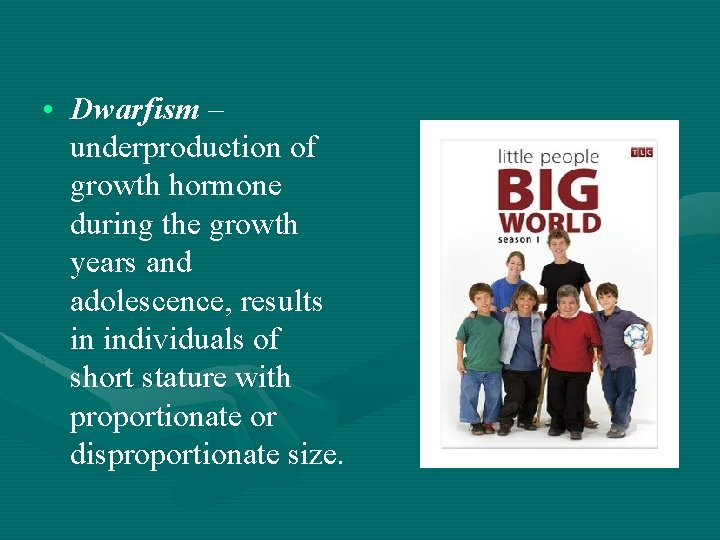
• Dwarfism – underproduction of growth hormone during the growth years and adolescence, results in individuals of short stature with proportionate or disproportionate size.
• Extra: Melanocyte Stimulating Hormone (MSH) – affects skin pigmentation
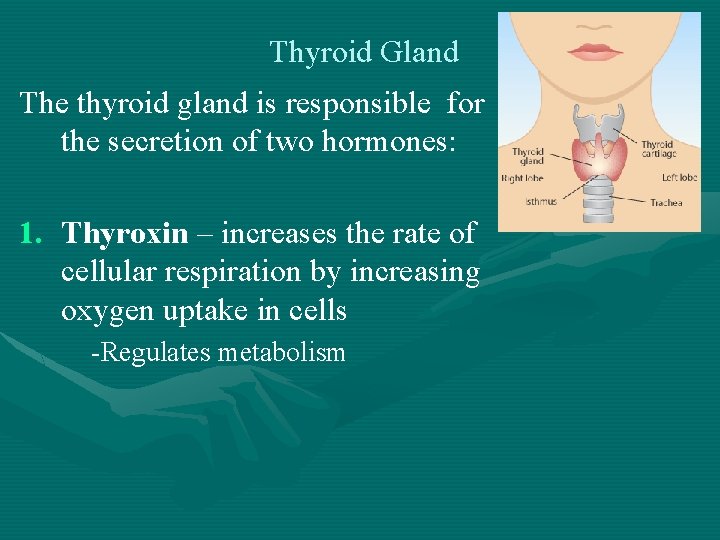
Thyroid Gland The thyroid gland is responsible for the secretion of two hormones: 1. Thyroxin – increases the rate of cellular respiration by increasing oxygen uptake in cells -Regulates metabolism
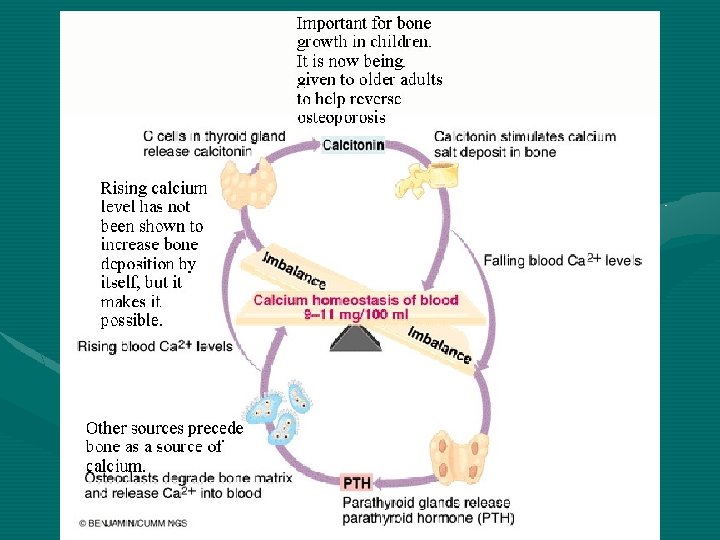
2. Calcitonin – decreases the concentration of blood calcium -Decreases the rate that calcium leaves the bones, reduces intestinal uptake of calcium, and reduces reabsoprtion of calcium by the kidneys. (Works in opposition to parathyroid hormone)
• Hyperthyroidism – excessive production of Thyroid Disorders thyroxin results in nervousness, weight loss, sweating, tachycardia, hyperactivity • Hypothyroidism – underproduction of thyroxin results in sluggishness, depression, weight gain, tiredness, goiter – Goiter may also be caused by a lack of iodine in the diet.
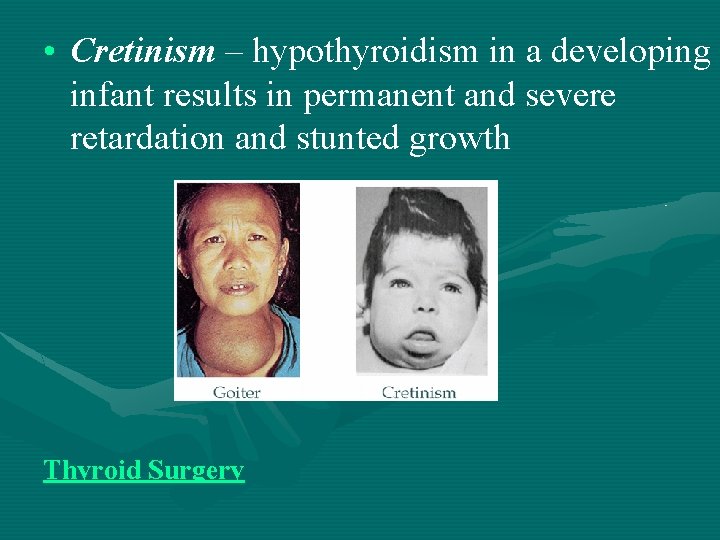
• Cretinism – hypothyroidism in a developing infant results in permanent and severe retardation and stunted growth Thyroid Surgery
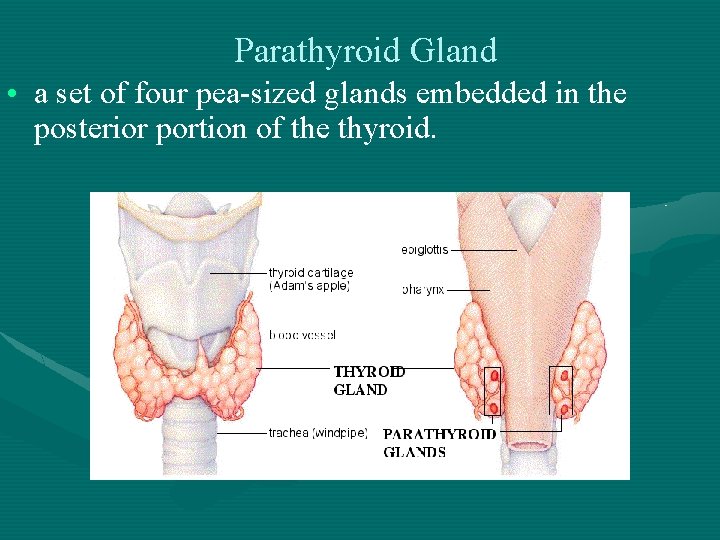
Parathyroid Gland • a set of four pea-sized glands embedded in the posterior portion of the thyroid.
• Parathyroid Hormone (PTH) – increases blood calcium – increases removal of calcium ions from bones and increases re-absorption of calcium ions from the kidneys.
• Tetany – underproduction of the parathyroid (low blood calcium) resulting in muscle spasms, convulsions and nervous twitches • Osteoporosis – demineralization of the bones due to overproduction of the parathyroid, or lack of calcium – very common after menopause due to lowered estrogen levels (estrogen counters the effect of PTH)
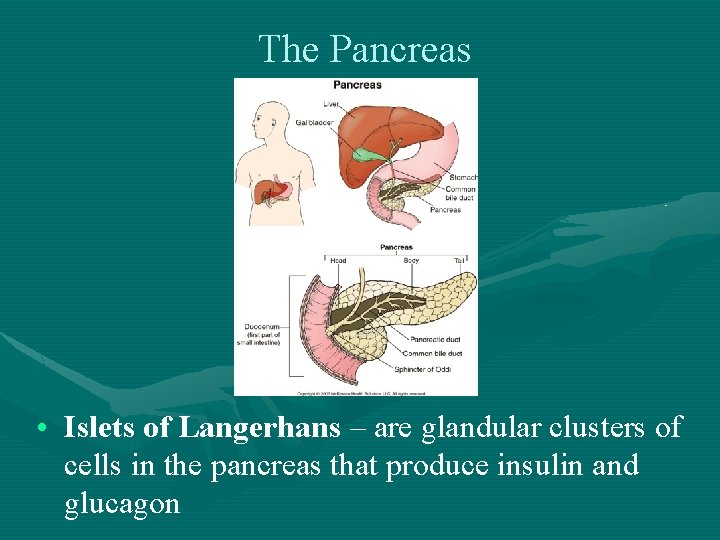
The Pancreas • Islets of Langerhans – are glandular clusters of cells in the pancreas that produce insulin and glucagon
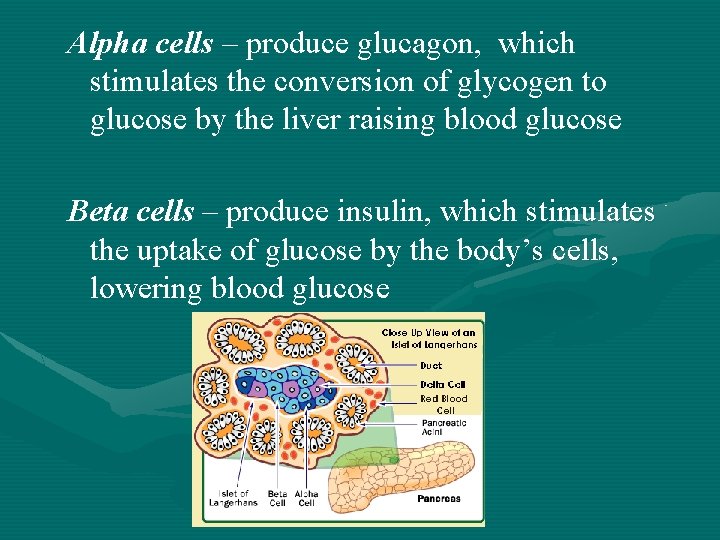
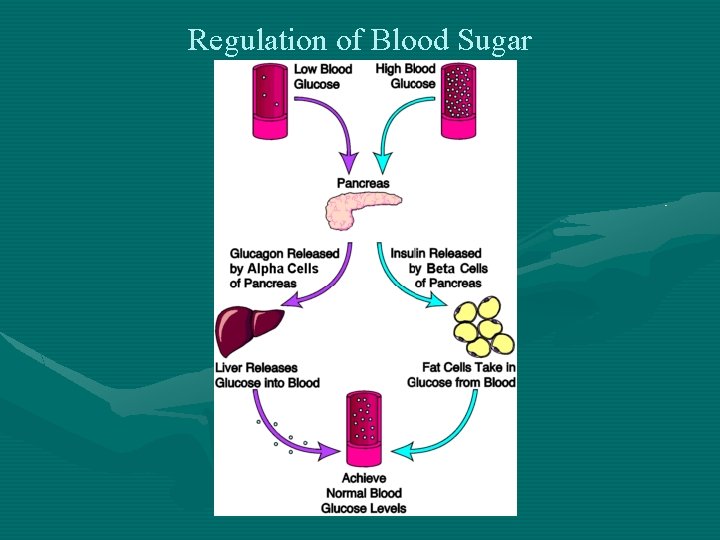
Alpha cells – produce glucagon, which stimulates the conversion of glycogen to glucose by the liver raising blood glucose Beta cells – produce insulin, which stimulates the uptake of glucose by the body’s cells, lowering blood glucose
Regulation of Blood Sugar
Blood Sugar Disorders • Diabetes Mellitis –sugar diabetes or hyperglycemia – blood sugar is very high (while cellular glucose is too low) – increased urination, fruity odour on the breath, weight loss, fatigue, blindness
– Type I /Juvenile Onset – the inability to produce insulin, degeneration of beta cells – Type II / Adult Onset – decreased insulin production or ineffective use of insulin (may be related to insulinase)
• Diabetic Coma – slow onset, lack of insulin that result in the brain being deprived of glucose, and eventually shutting down (insulin is required) • Insulin Shock – sudden excess amount of insulin causing dizziness, sweating, hunger, confusion, normal urine output (sugar is required) • main
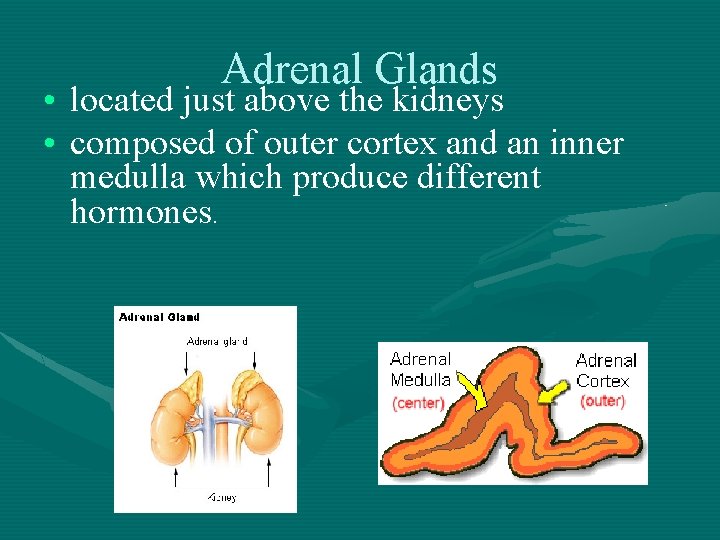
Adrenal Glands • located just above the kidneys • composed of outer cortex and an inner medulla which produce different hormones.
Adrenal Medulla Adrenaline/Epinephrine – released to elicit the fight or flight response during short term stress, causes: • increased blood glucose • increased heart rate • increased metabolism • increased blood flow to the skeletal muscles • decreased rate of digestion • relaxes smooth muscles in the walls of the bronchioles
Adrenal Cortex -stimulated by Adrenocorticotropic Hormone Produces three classes of hormones: 1. Sex hormones – small amounts of both male and female sex hormones are released by the adrenal cortex. Over-activity causes masculinization of females and feminization of males.
2. Cortisol – is a glucocorticoid( steroid that binds with glucocorticoid receptors) -long term stress -breaks down muscle proteins to produce amino acids which are converted into glucose in response to stress - stimulates the metabolism of fatty acids raising the blood glucose. - counter the inflammatory response.
• Aldosterone – is a mineralocorticoid (steroid that binds to mineralocorticoid receptor). – regulates Na+/K+ levels and maintains blood pressure. – promotes absorption of Na+ ions by the kidney, drawing in water and thus increasing blood pressure.
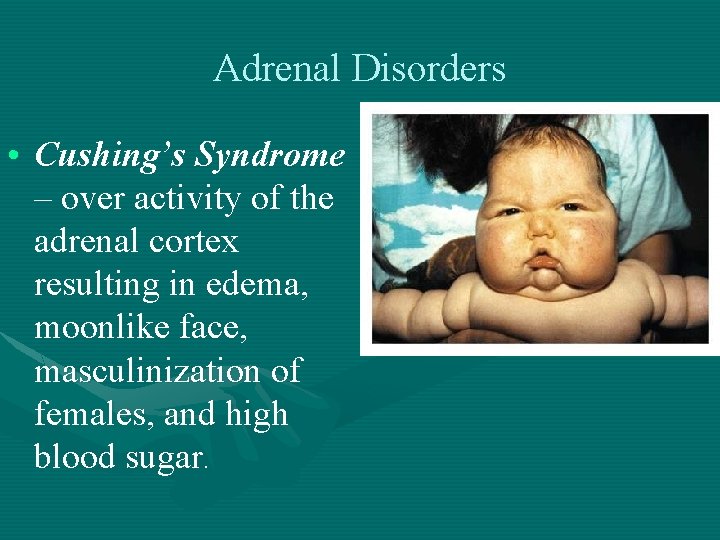
Adrenal Disorders • Cushing’s Syndrome – over activity of the adrenal cortex resulting in edema, moonlike face, masculinization of females, and high blood sugar.
• Addison’s Disease – under-activity of the adrenal cortex resulting in low blood pressure, acidosis, fainting, increased risk of infection and bronzing of the skin.
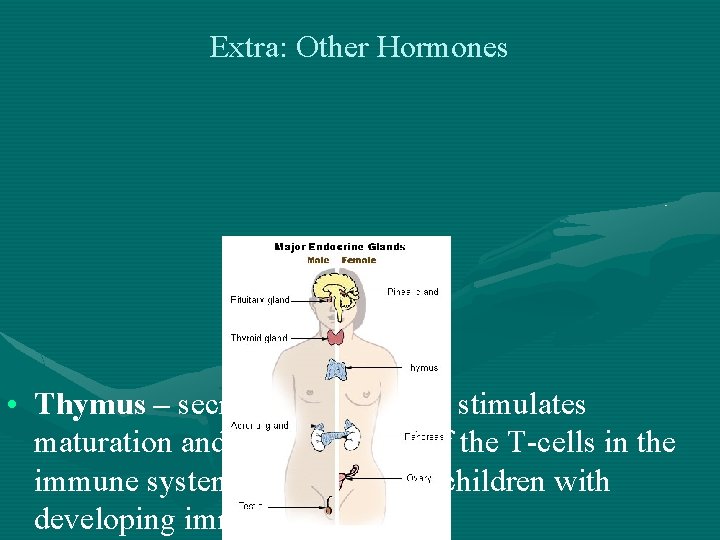
Extra: Other Hormones • Thymus – secrete thymosin that stimulates maturation and differentiation of the T-cells in the immune system (most active in children with developing immune systems)
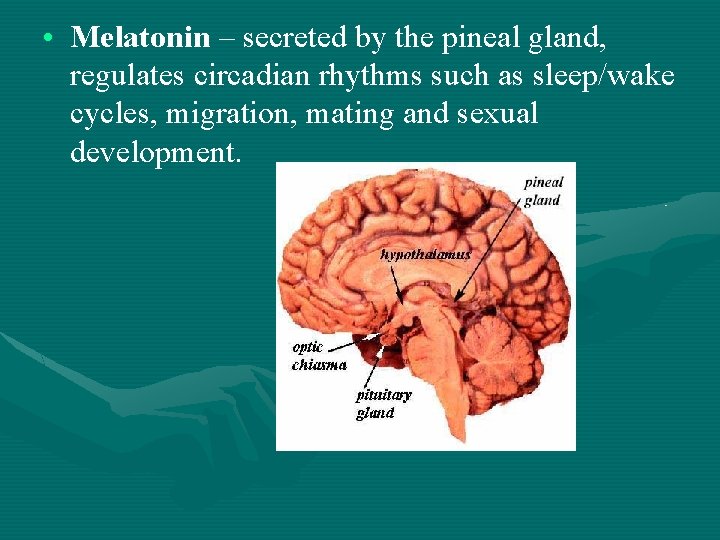
• Melatonin – secreted by the pineal gland, regulates circadian rhythms such as sleep/wake cycles, migration, mating and sexual development.
• Prostaglandins – made by tissue not glands – Not delivered in blood – Act on the cells that make them or nearby tissue • Link
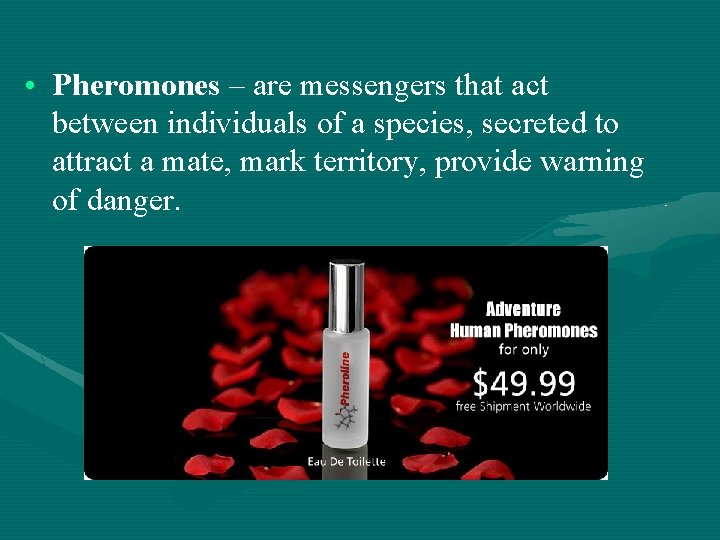
• Pheromones – are messengers that act between individuals of a species, secreted to attract a mate, mark territory, provide warning of danger.