
Endocrine System Hormone Homeostasis Unit 1 What do
- Slides: 20
Endocrine System Hormone Homeostasis - Unit 1
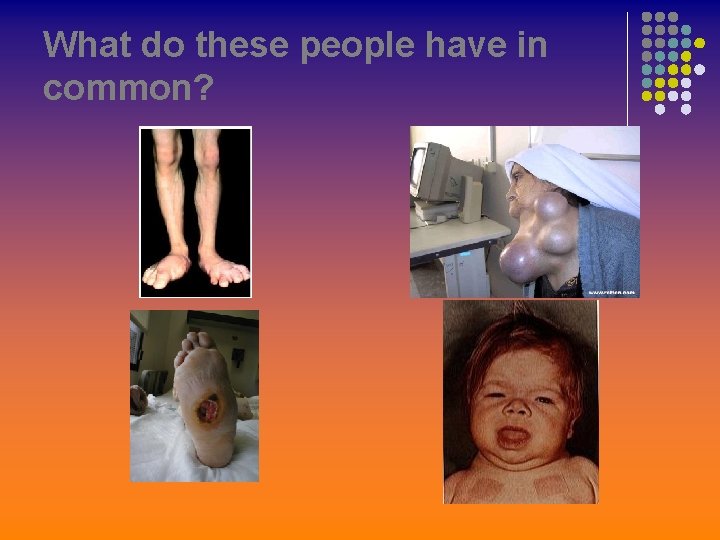
What do these people have in common?
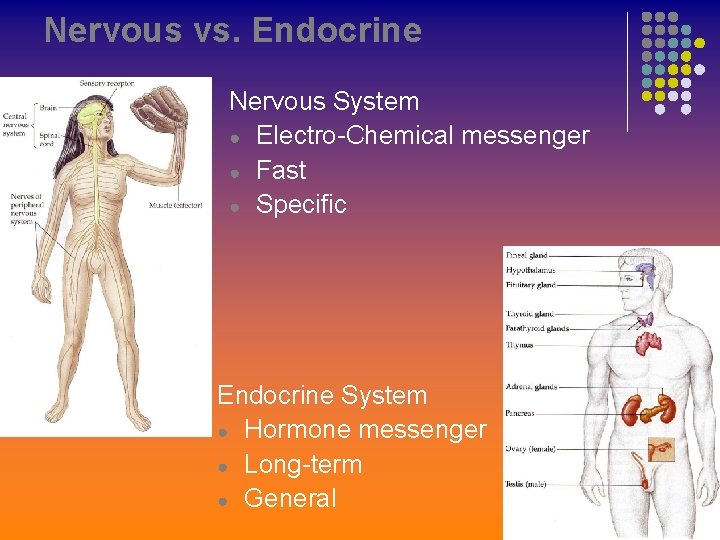
Nervous vs. Endocrine Nervous System ● Electro-Chemical messenger ● Fast ● Specific Endocrine System ● Hormone messenger ● Long-term ● General
Types of Glands ● Endocrine glands release their hormones directly into the blood stream. ● Exocrine glands release products into ducts first. ● Prostaglandins: hormones which are released by mediator cells, and have effect only on the cells immediately around them.
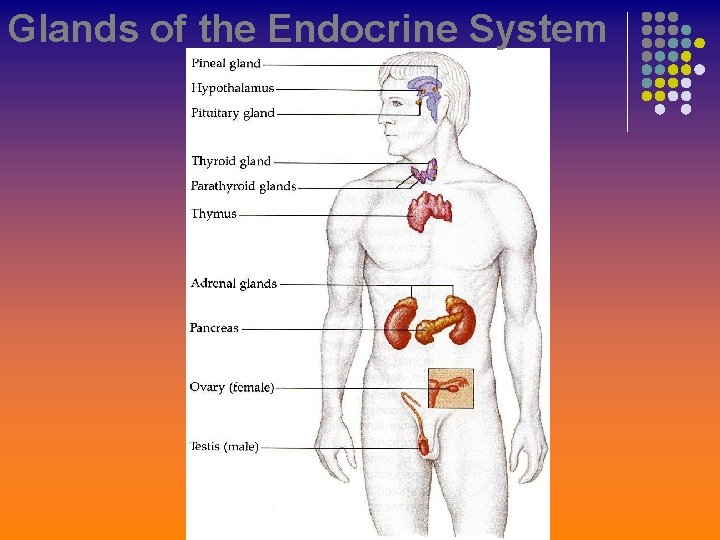
Glands of the Endocrine System
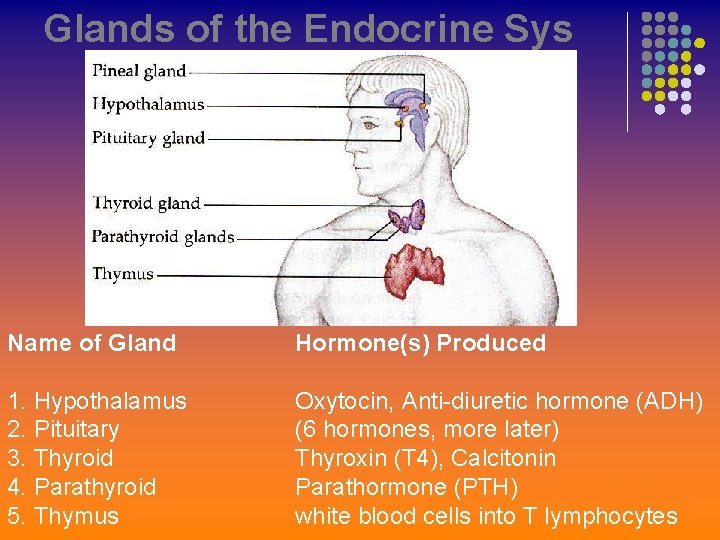
Glands of the Endocrine Sys Name of Gland Hormone(s) Produced 1. Hypothalamus 2. Pituitary 3. Thyroid 4. Parathyroid 5. Thymus Oxytocin, Anti-diuretic hormone (ADH) (6 hormones, more later) Thyroxin (T 4), Calcitonin Parathormone (PTH) white blood cells into T lymphocytes
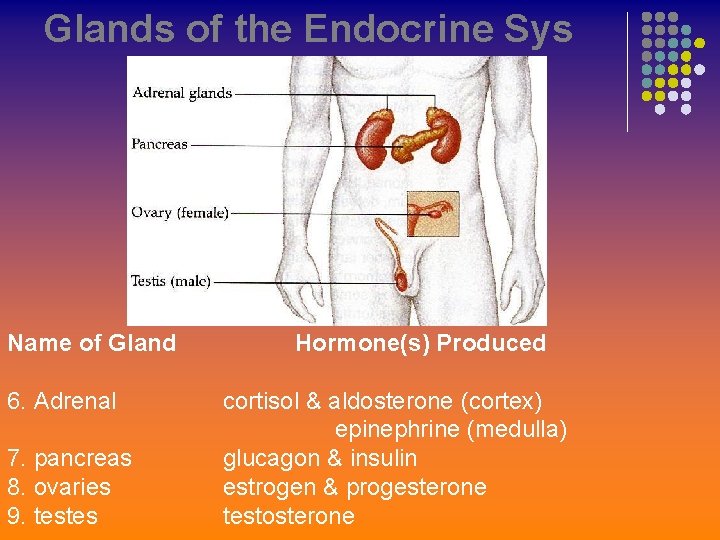
Glands of the Endocrine Sys Name of Gland 6. Adrenal 7. pancreas 8. ovaries 9. testes Hormone(s) Produced cortisol & aldosterone (cortex) epinephrine (medulla) glucagon & insulin estrogen & progesterone testosterone
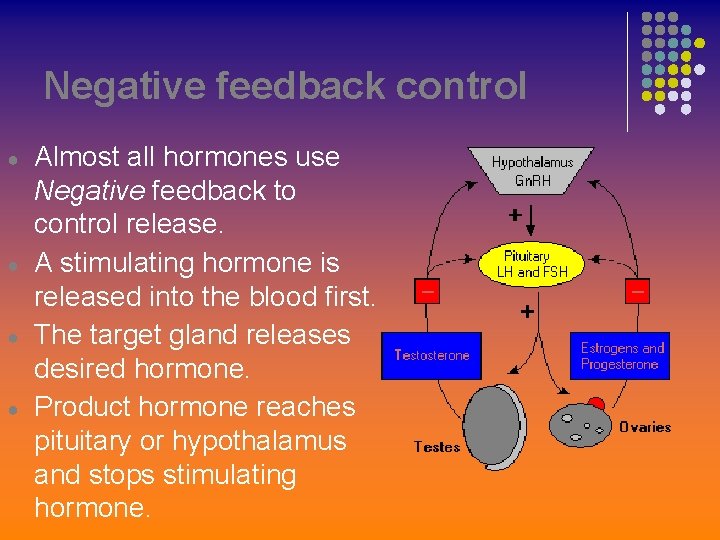
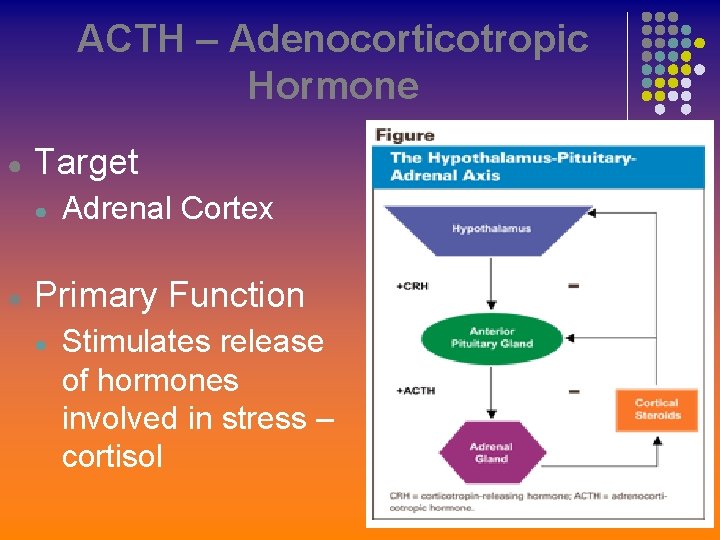
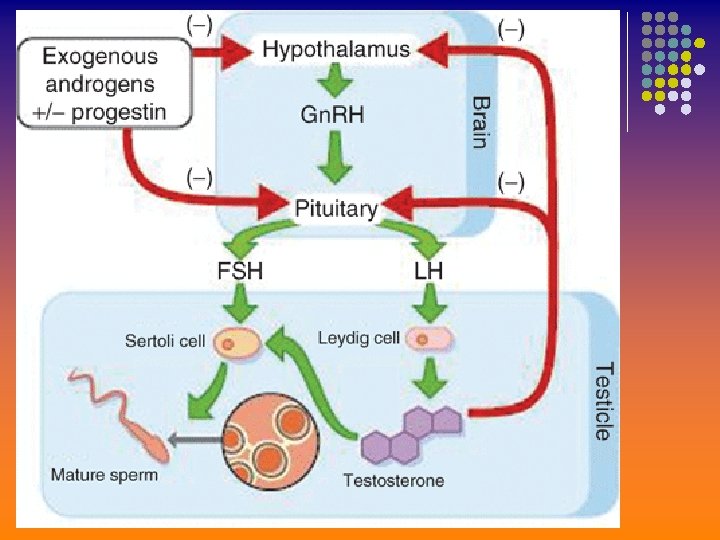
Negative feedback control ● ● Almost all hormones use Negative feedback to control release. A stimulating hormone is released into the blood first. The target gland releases desired hormone. Product hormone reaches pituitary or hypothalamus and stops stimulating hormone.
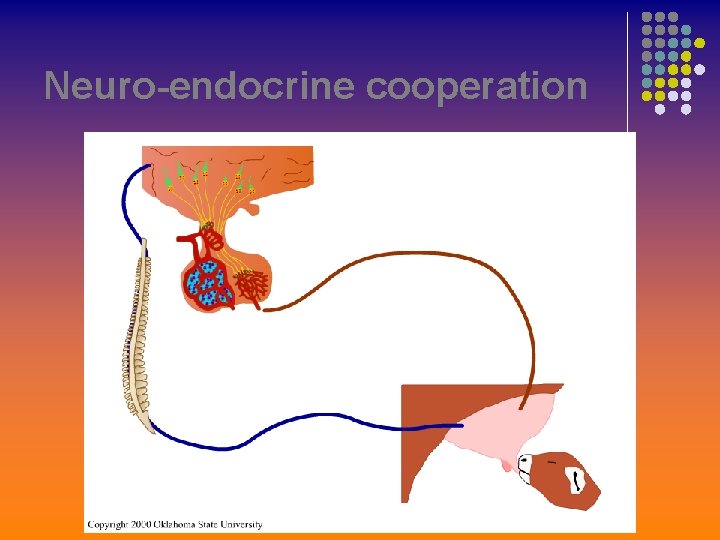
Neuro-endocrine cooperation
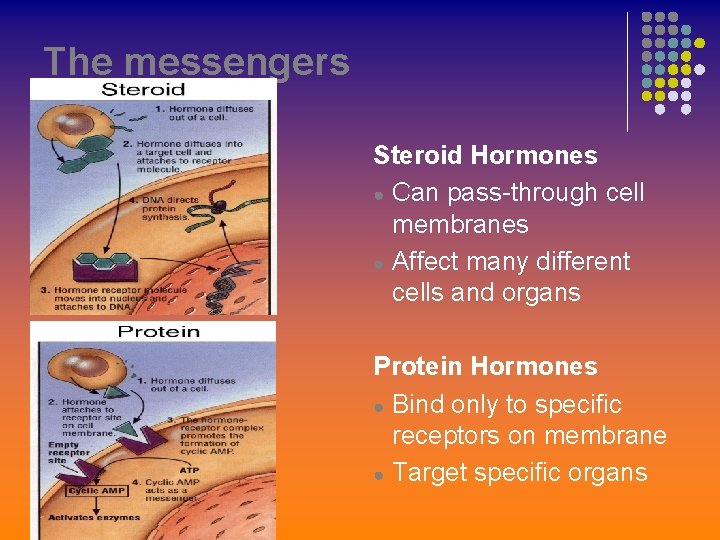
The messengers Steroid Hormones ● Can pass-through cell membranes ● Affect many different cells and organs Protein Hormones ● Bind only to specific receptors on membrane ● Target specific organs
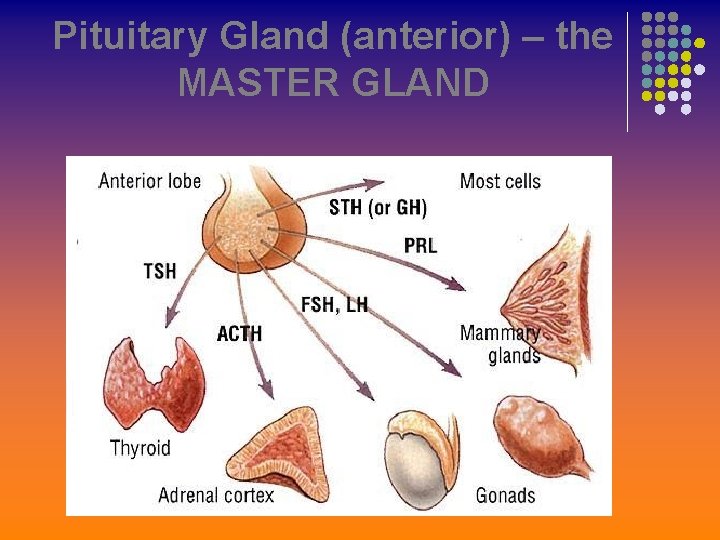
Hypothalamus ● ● Regulates the anterior pituitary Produces hormones that are stored in the posterior pituitary ● Oxytocin ● ADH ● Releases hypothalamic releasing and inhibiting hormones
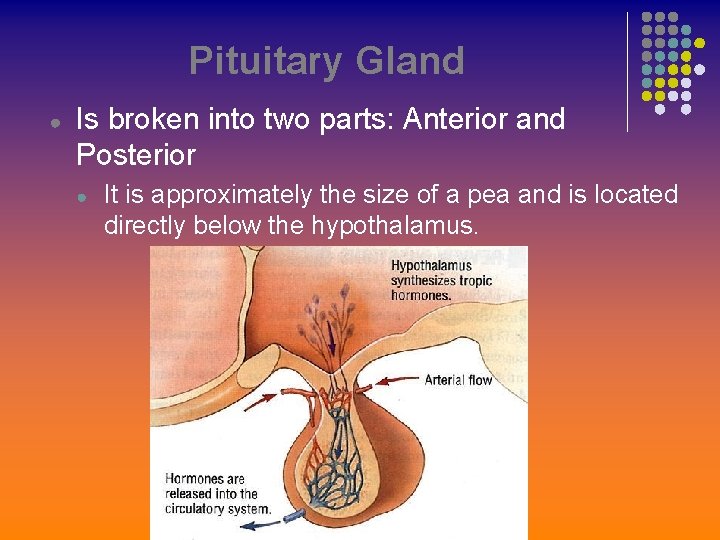
Pituitary Gland ● Is broken into two parts: Anterior and Posterior ● It is approximately the size of a pea and is located directly below the hypothalamus.
Pituitary Gland (anterior) – the MASTER GLAND
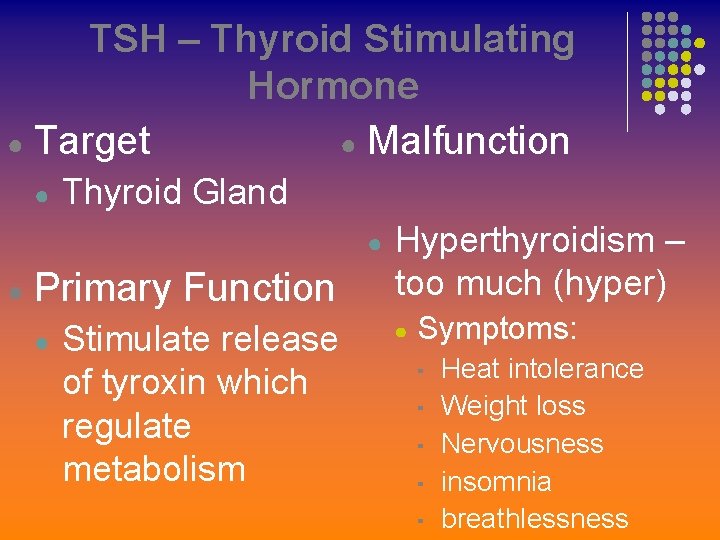
TSH – Thyroid Stimulating Hormone ● Target ● Malfunction ● Thyroid Gland ● ● Primary Function ● Stimulate release of tyroxin which regulate metabolism Hyperthyroidism – too much (hyper) ● Symptoms: ▪ ▪ ▪ Heat intolerance Weight loss Nervousness insomnia breathlessness
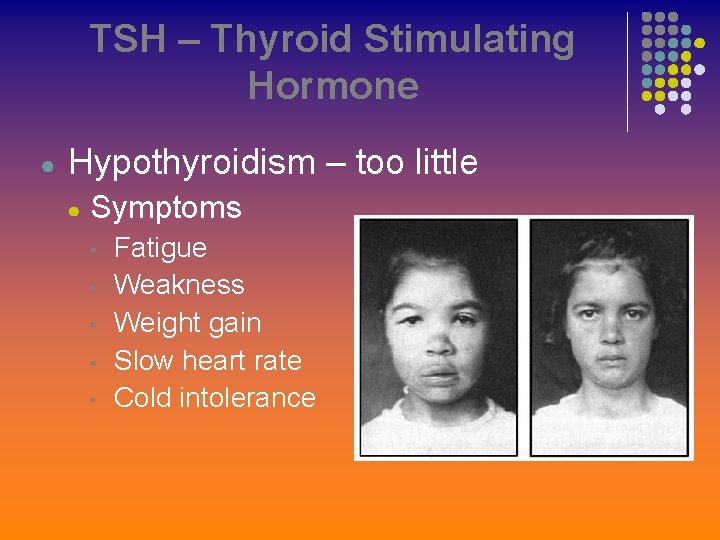
TSH – Thyroid Stimulating Hormone ● Hypothyroidism – too little ● Symptoms ▪ ▪ ▪ Fatigue Weakness Weight gain Slow heart rate Cold intolerance
ACTH – Adenocorticotropic Hormone ● Target ● ● Adrenal Cortex Primary Function ● Stimulates release of hormones involved in stress – cortisol
LH – Luteinizing Hormone ● Target ● ● Ovaries or testes Primary Function ● ● In females – stimulates ovulation and formation of corpum luteum In males – stimulate production of testosterone ● Malfunction ● Failure of gonadal function (hypogonadism) ● Males – decrease sperm production ● Females – cessation of reproductive cycle
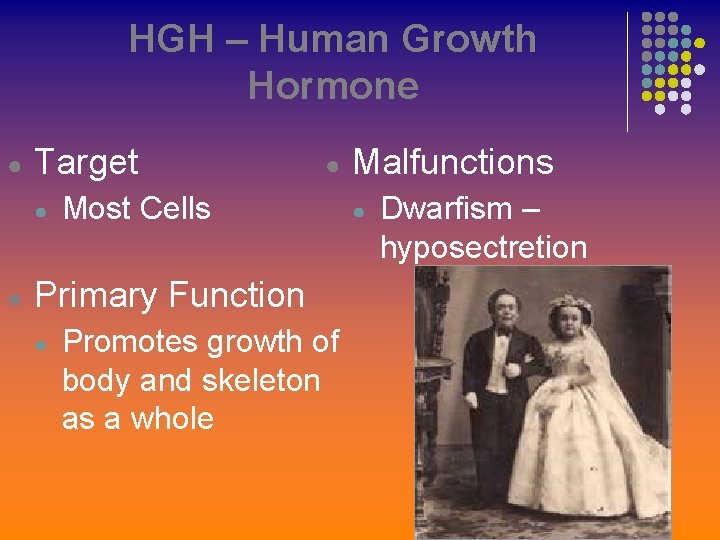
HGH – Human Growth Hormone ● Target ● ● ● Most Cells Primary Function ● Promotes growth of body and skeleton as a whole Malfunctions ● Dwarfism – hyposectretion
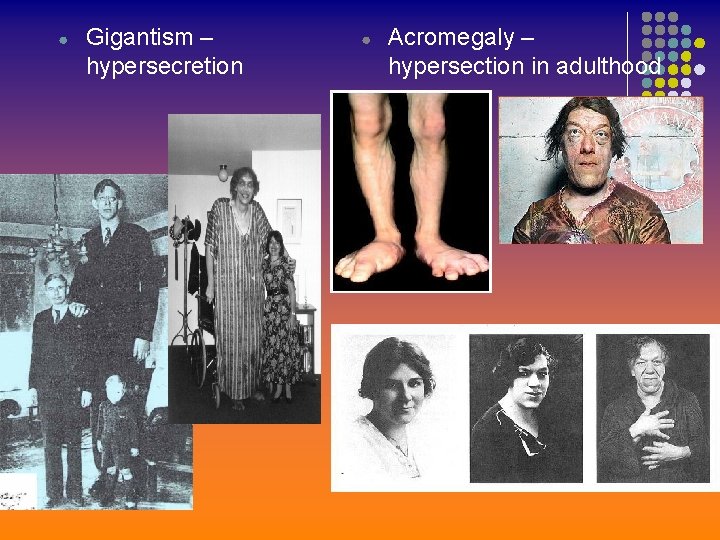
● Gigantism – hypersecretion ● Acromegaly – hypersection in adulthood