
ENDOCRINE SYSTEM Diabetes Mellitus low insulin production Hirsutism
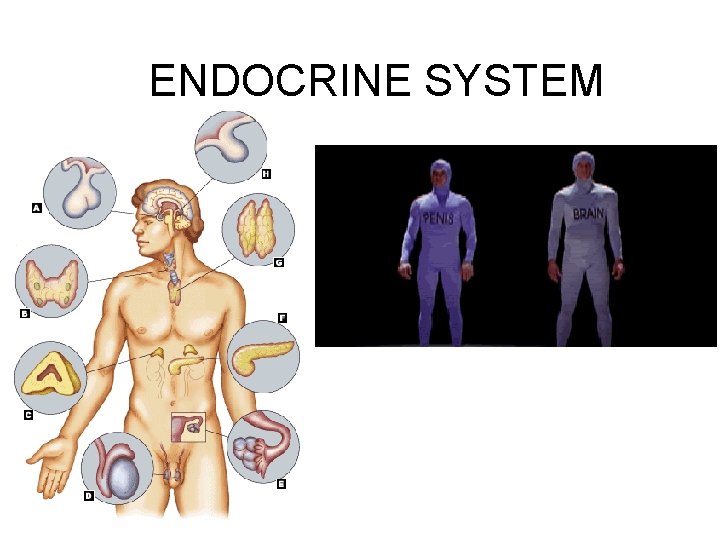
ENDOCRINE SYSTEM
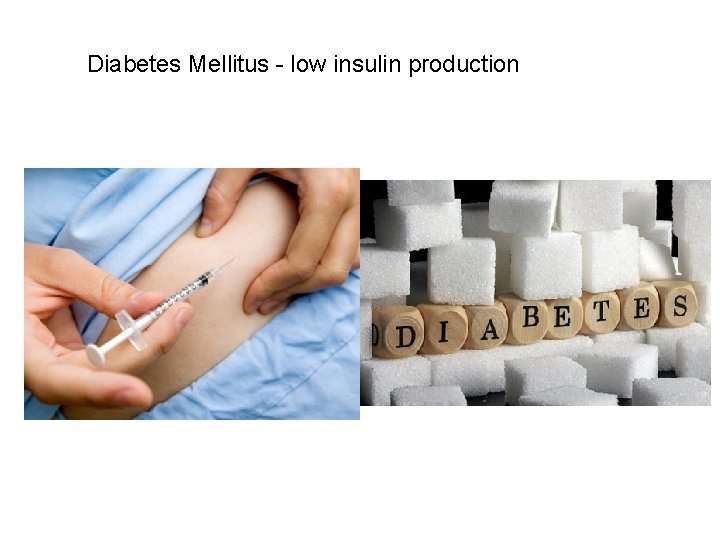
Diabetes Mellitus - low insulin production
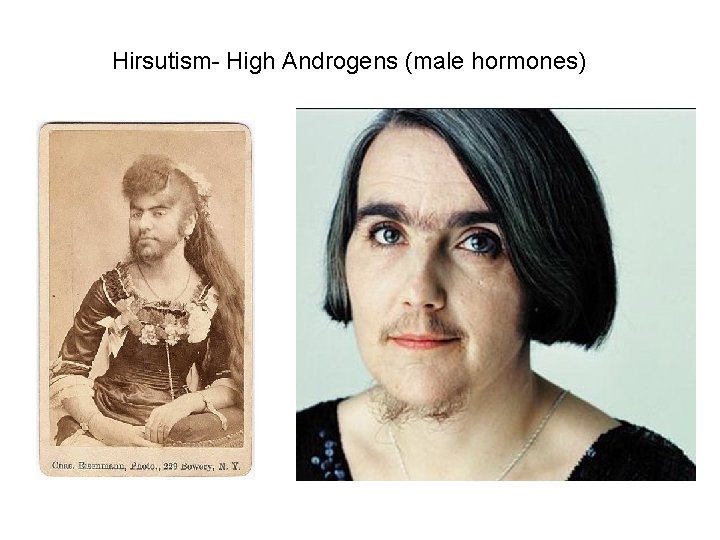
Hirsutism- High Androgens (male hormones)
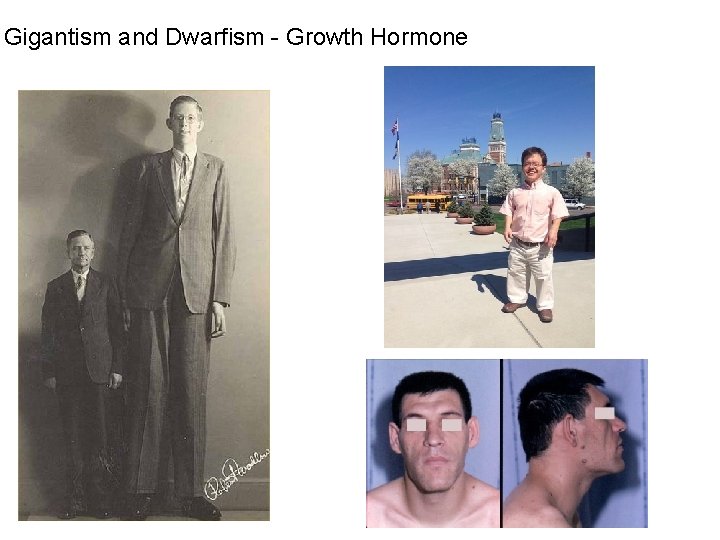
Gigantism and Dwarfism - Growth Hormone
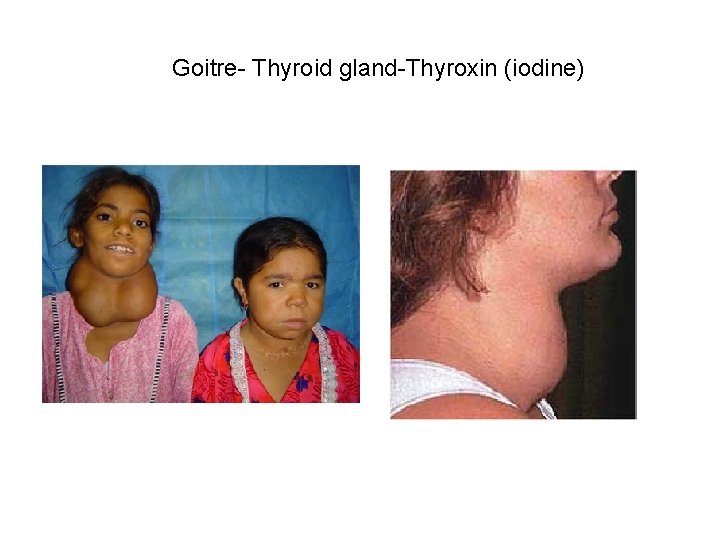
Goitre- Thyroid gland-Thyroxin (iodine)
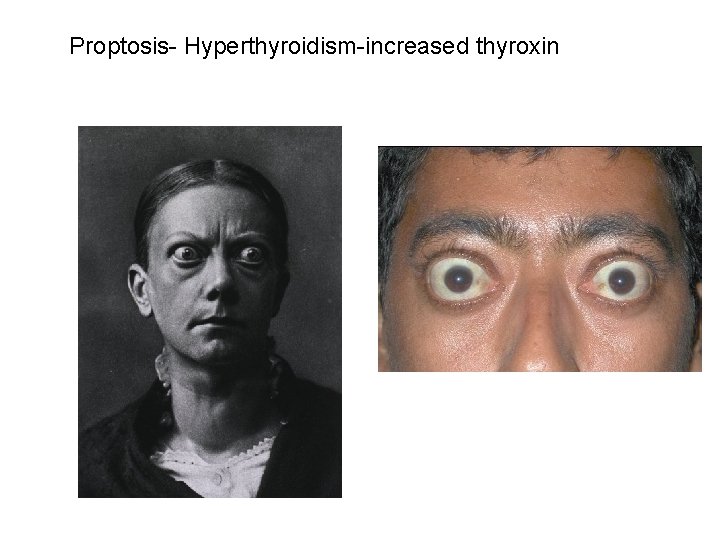
Proptosis- Hyperthyroidism-increased thyroxin
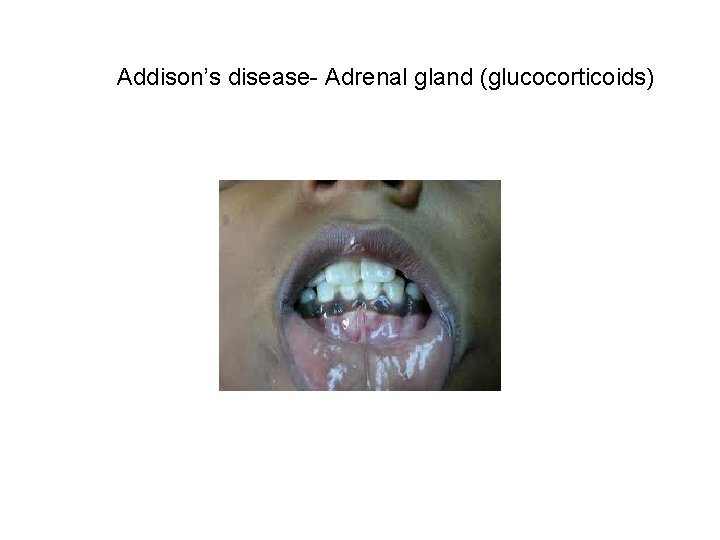
Addison’s disease- Adrenal gland (glucocorticoids)
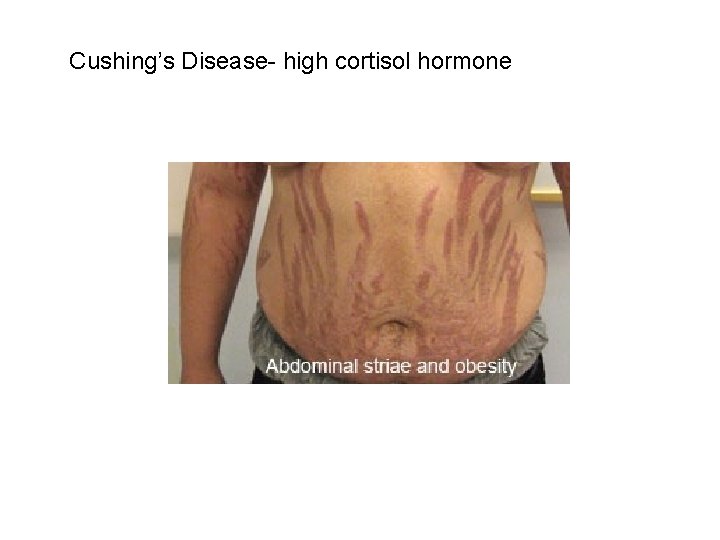
Cushing’s Disease- high cortisol hormone
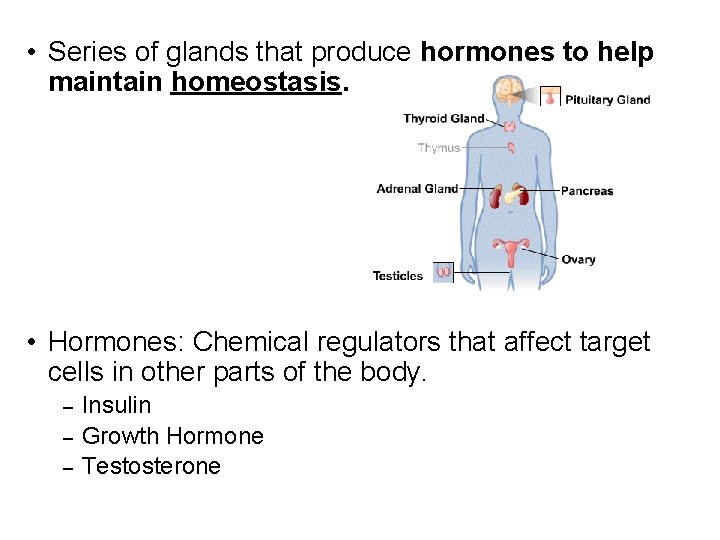
• Series of glands that produce hormones to help maintain homeostasis. • Hormones: Chemical regulators that affect target cells in other parts of the body. – – – Insulin Growth Hormone Testosterone
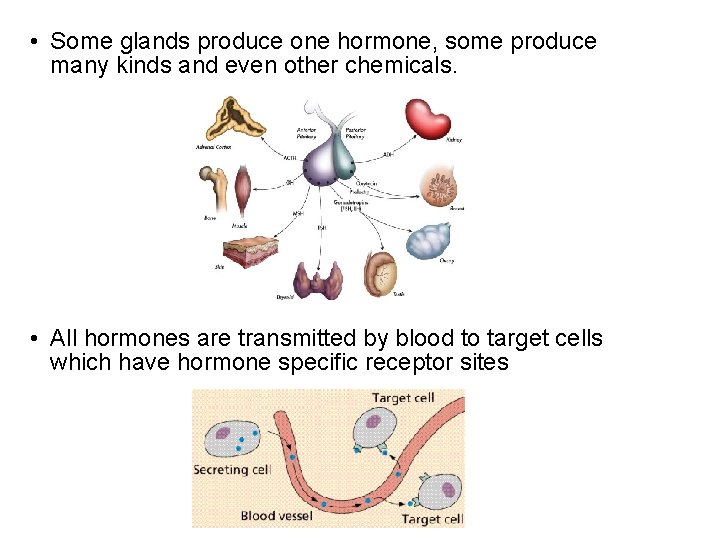
• Some glands produce one hormone, some produce many kinds and even other chemicals. • All hormones are transmitted by blood to target cells which have hormone specific receptor sites
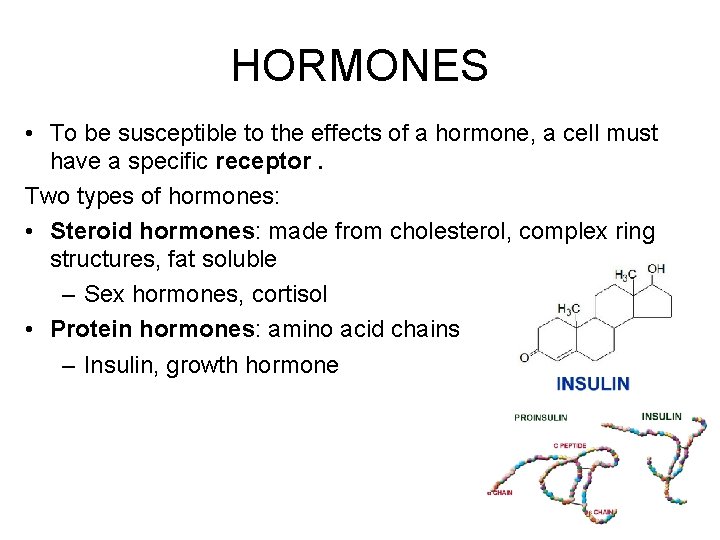
HORMONES • To be susceptible to the effects of a hormone, a cell must have a specific receptor. Two types of hormones: • Steroid hormones: made from cholesterol, complex ring structures, fat soluble – Sex hormones, cortisol • Protein hormones: amino acid chains – Insulin, growth hormone
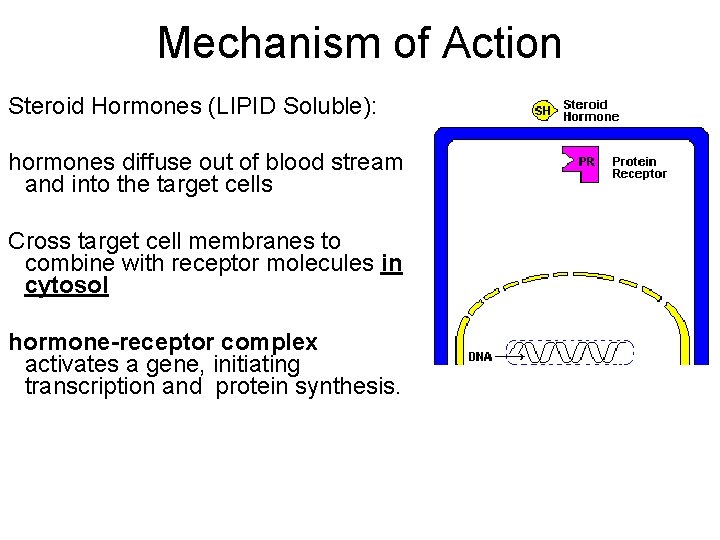
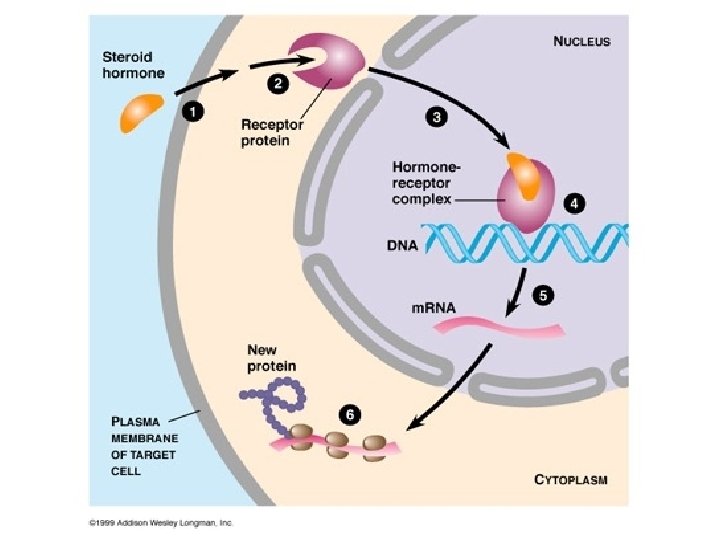
Mechanism of Action Steroid Hormones (LIPID Soluble): hormones diffuse out of blood stream and into the target cells Cross target cell membranes to combine with receptor molecules in cytosol hormone-receptor complex activates a gene, initiating transcription and protein synthesis.
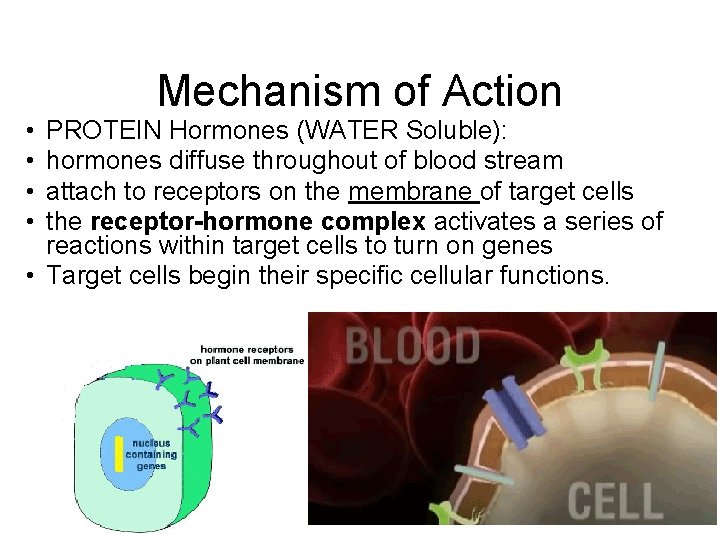
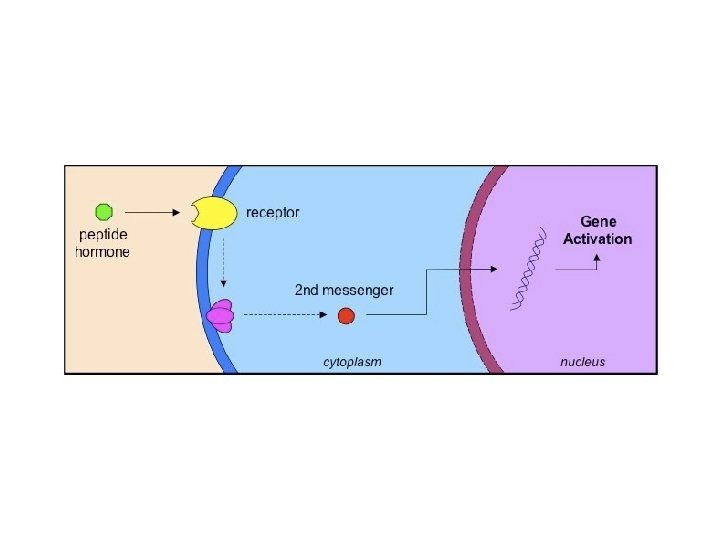
Mechanism of Action • • PROTEIN Hormones (WATER Soluble): hormones diffuse throughout of blood stream attach to receptors on the membrane of target cells the receptor-hormone complex activates a series of reactions within target cells to turn on genes • Target cells begin their specific cellular functions.
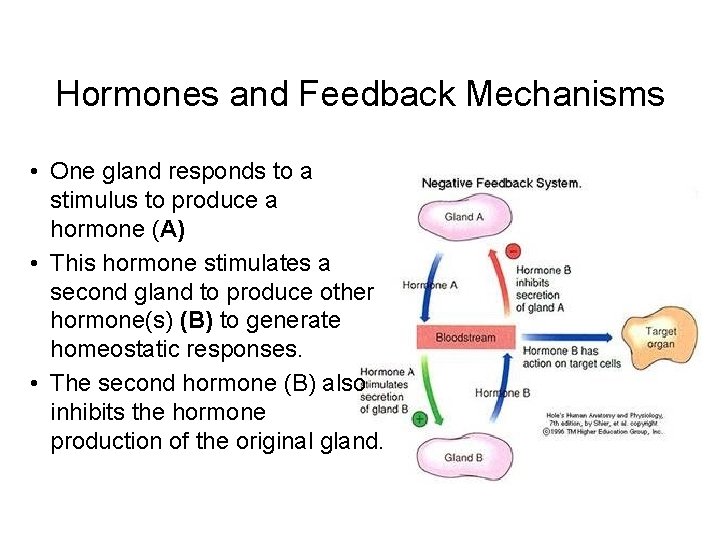
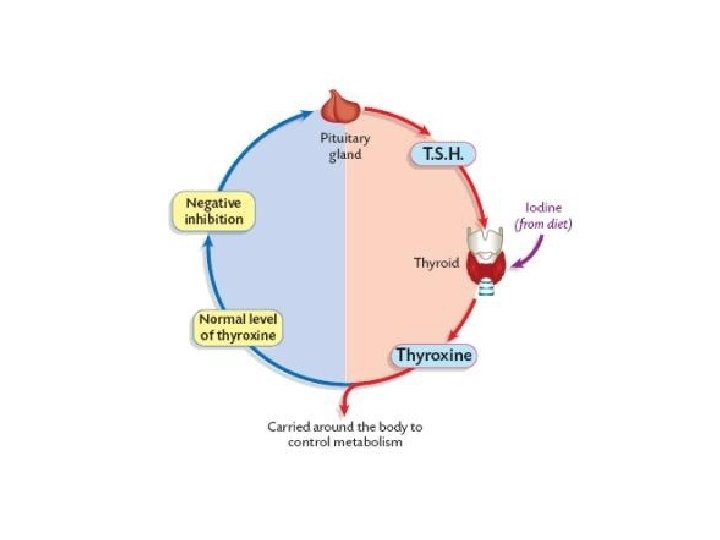
Hormones and Feedback Mechanisms • One gland responds to a stimulus to produce a hormone (A) • This hormone stimulates a second gland to produce other hormone(s) (B) to generate homeostatic responses. • The second hormone (B) also inhibits the hormone production of the original gland.
- Slides: 17