
ENDOCRINE EMERGENCIES ANDREW SCORDATO EMSI SCENARIO 18 YO

- Slides: 33
ENDOCRINE EMERGENCIES ANDREW SCORDATO EMS-I
SCENARIO • 18 YO unresponsive found in the bathroom. Father states Pt. is a known diabetic. No Hx of drug abuse. • V/S • • • BP-88/60 HR-86 RR-16 BS-116 Skin-pale, warm and dry/has a bronze hue • HX-Addison Disease and Diabetes, NKA and MEDS? • As you continue to assess him he becomes agitated and violent • What is going on with your Patient?
ENDOCRINE EMERGENCIES • 3 major Disorders • Pancreas • Thyroid • Adrenals • Endocrine emergencies often produce a wide variety of signs and symptoms • Deficient/Excess hormone production/action • Diabetes one of the most common disease in North America • ADA-25. 8 million Americans
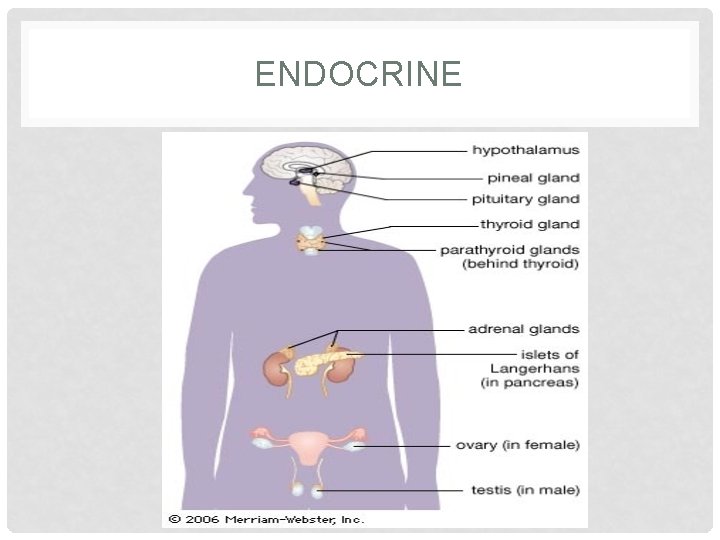
ENDOCRINE SYSTEM • HYPOTHALAMUS • PITUITARY • ANTERIOR • POSTERIOR • THYROID • PARATHYROID • THYMUS • PANCREASE • ISLETS OF LANGERHANS • ALPHA • BETA • DELTA • ADRENALS • MEDULA • CORTEX • GONADS • ESTROGEN • TESTOSTERONE
ENDOCRINE
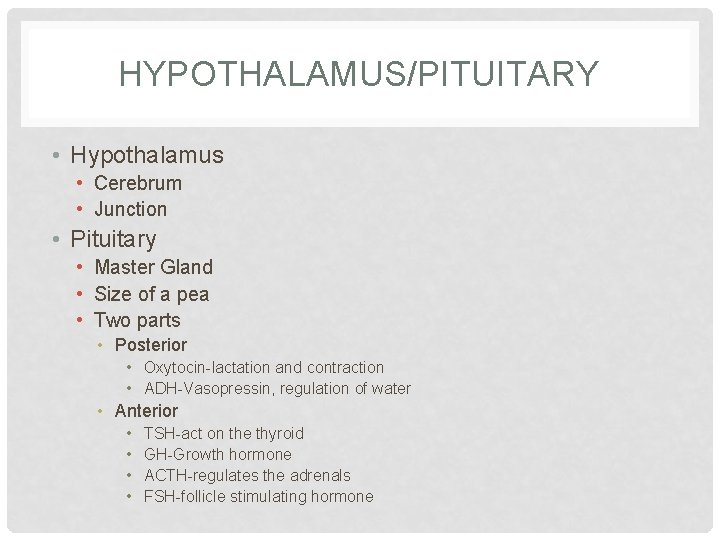
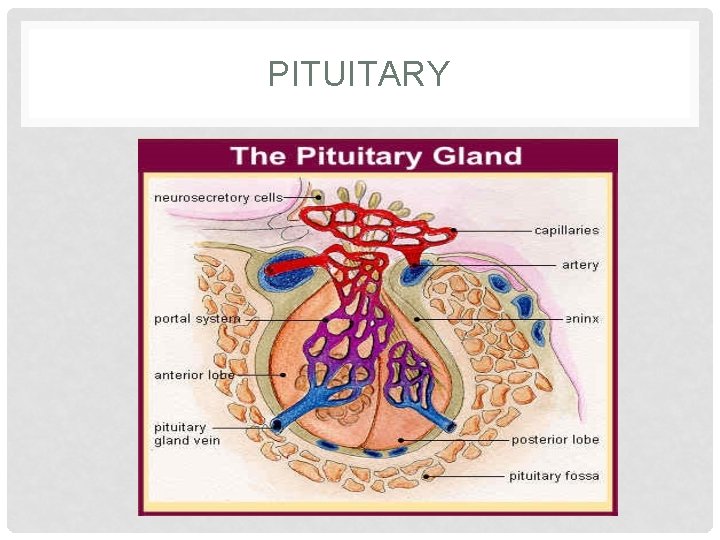
HYPOTHALAMUS/PITUITARY • Hypothalamus • Cerebrum • Junction • Pituitary • Master Gland • Size of a pea • Two parts • Posterior • Oxytocin-lactation and contraction • ADH-Vasopressin, regulation of water • Anterior • • TSH-act on the thyroid GH-Growth hormone ACTH-regulates the adrenals FSH-follicle stimulating hormone
PITUITARY
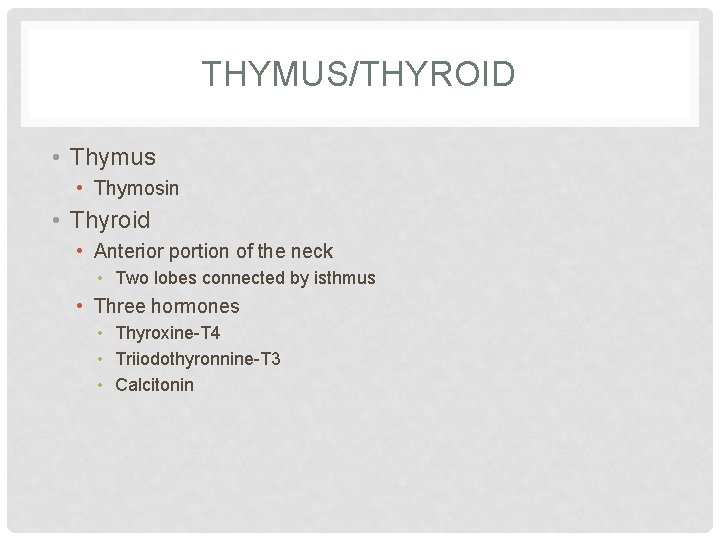
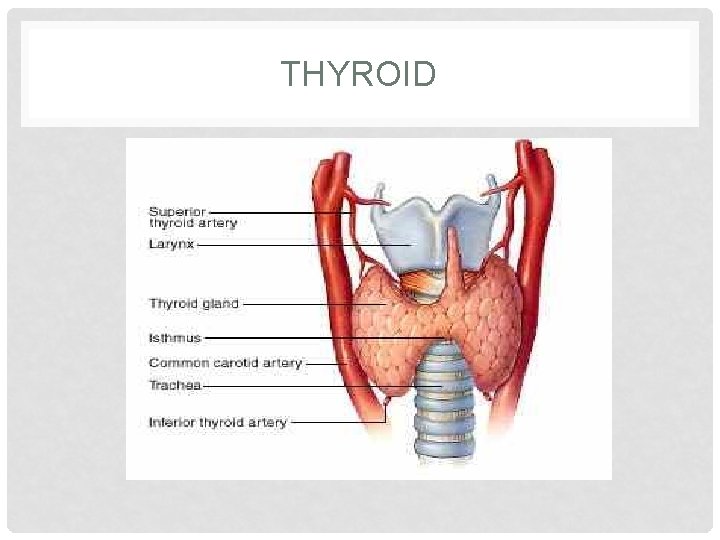
THYMUS/THYROID • Thymus • Thymosin • Thyroid • Anterior portion of the neck • Two lobes connected by isthmus • Three hormones • Thyroxine-T 4 • Triiodothyronnine-T 3 • Calcitonin
THYROID
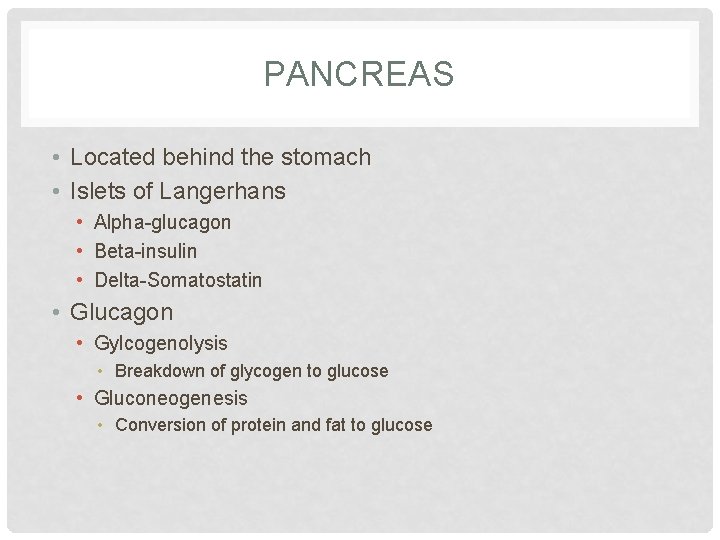
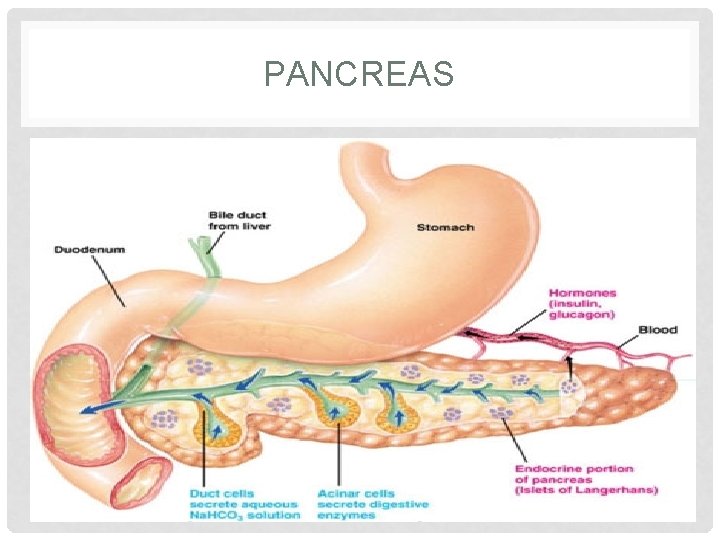
PANCREAS • Located behind the stomach • Islets of Langerhans • Alpha-glucagon • Beta-insulin • Delta-Somatostatin • Glucagon • Gylcogenolysis • Breakdown of glycogen to glucose • Gluconeogenesis • Conversion of protein and fat to glucose
PANCREAS
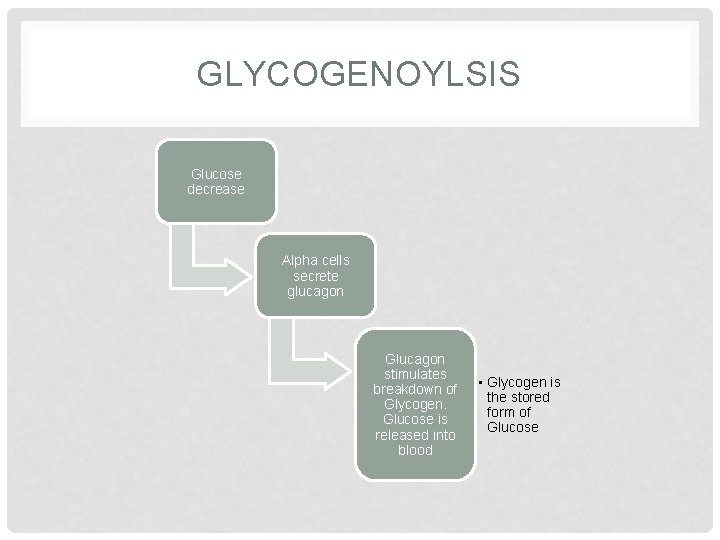
GLYCOGENOYLSIS Glucose decrease Alpha cells secrete glucagon Glucagon stimulates breakdown of Glycogen. Glucose is released into blood • Glycogen is the stored form of Glucose
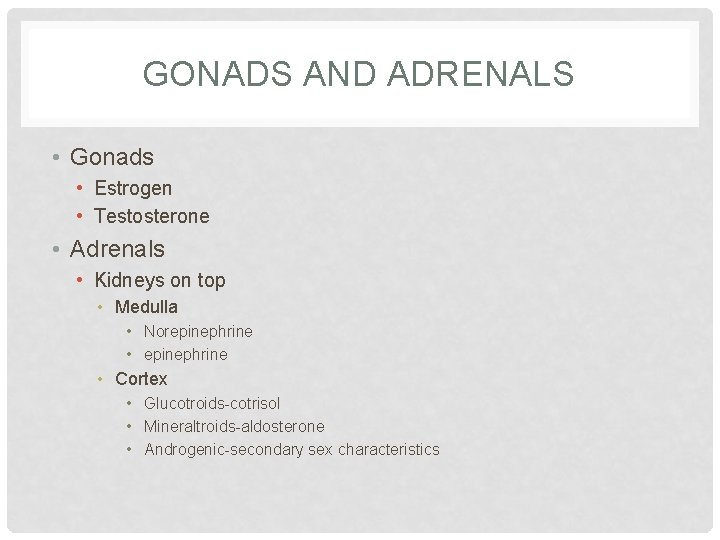
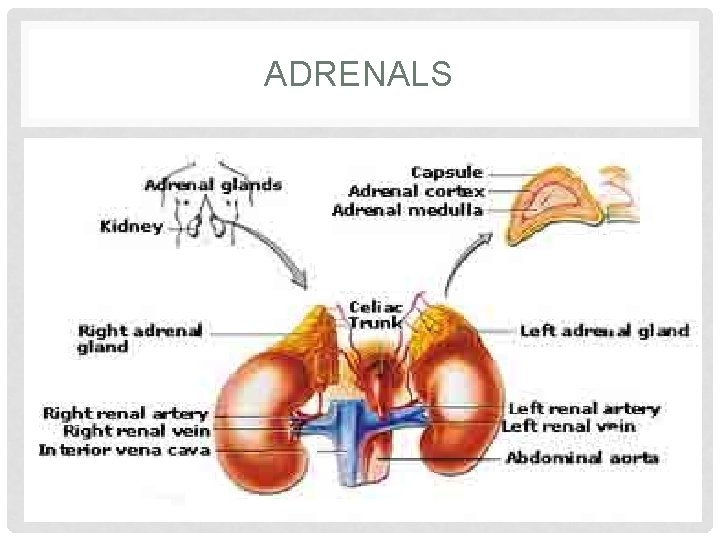
GONADS AND ADRENALS • Gonads • Estrogen • Testosterone • Adrenals • Kidneys on top • Medulla • Norepinephrine • epinephrine • Cortex • Glucotroids-cotrisol • Mineraltroids-aldosterone • Androgenic-secondary sex characteristics
ADRENALS
ENDOCRINE VIDEO • http: //www. youtube. com/watch? v=f_Z 1 zs. R 9 l. FM
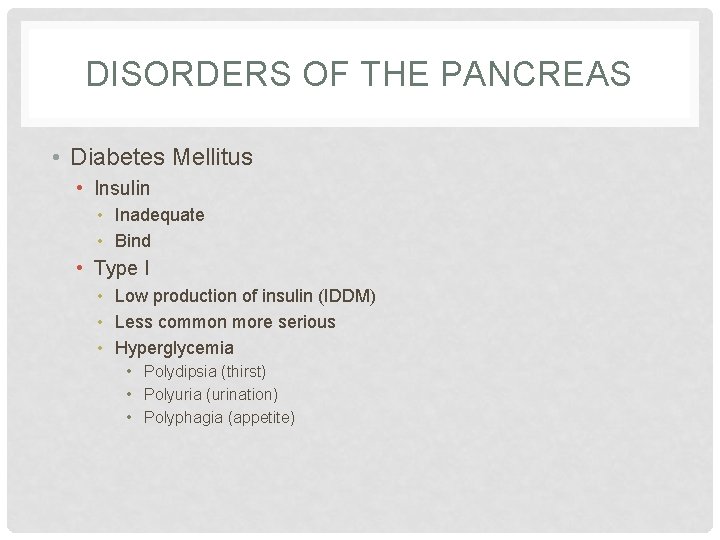
DISORDERS OF THE PANCREAS • Diabetes Mellitus • Insulin • Inadequate • Bind • Type I • Low production of insulin (IDDM) • Less common more serious • Hyperglycemia • Polydipsia (thirst) • Polyuria (urination) • Polyphagia (appetite)
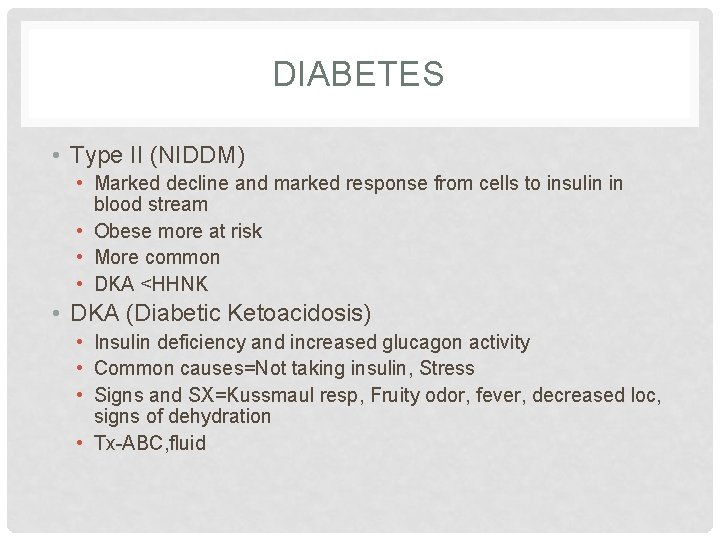
DIABETES • Type II (NIDDM) • Marked decline and marked response from cells to insulin in blood stream • Obese more at risk • More common • DKA <HHNK • DKA (Diabetic Ketoacidosis) • Insulin deficiency and increased glucagon activity • Common causes=Not taking insulin, Stress • Signs and SX=Kussmaul resp, Fruity odor, fever, decreased loc, signs of dehydration • Tx-ABC, fluid
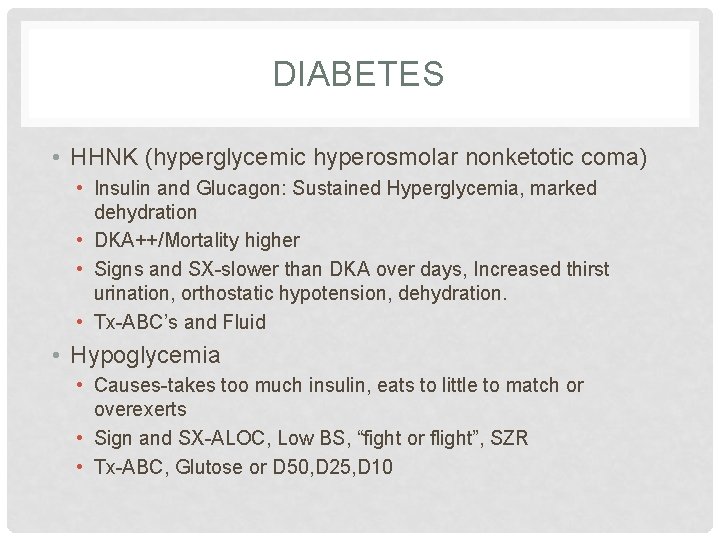
DIABETES • HHNK (hyperglycemic hyperosmolar nonketotic coma) • Insulin and Glucagon: Sustained Hyperglycemia, marked dehydration • DKA++/Mortality higher • Signs and SX-slower than DKA over days, Increased thirst urination, orthostatic hypotension, dehydration. • Tx-ABC’s and Fluid • Hypoglycemia • Causes-takes too much insulin, eats to little to match or overexerts • Sign and SX-ALOC, Low BS, “fight or flight”, SZR • Tx-ABC, Glutose or D 50, D 25, D 10
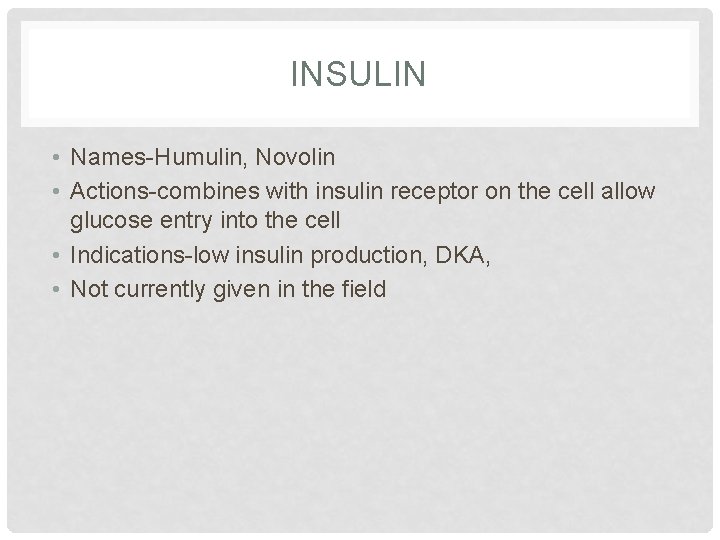
INSULIN • Names-Humulin, Novolin • Actions-combines with insulin receptor on the cell allow glucose entry into the cell • Indications-low insulin production, DKA, • Not currently given in the field
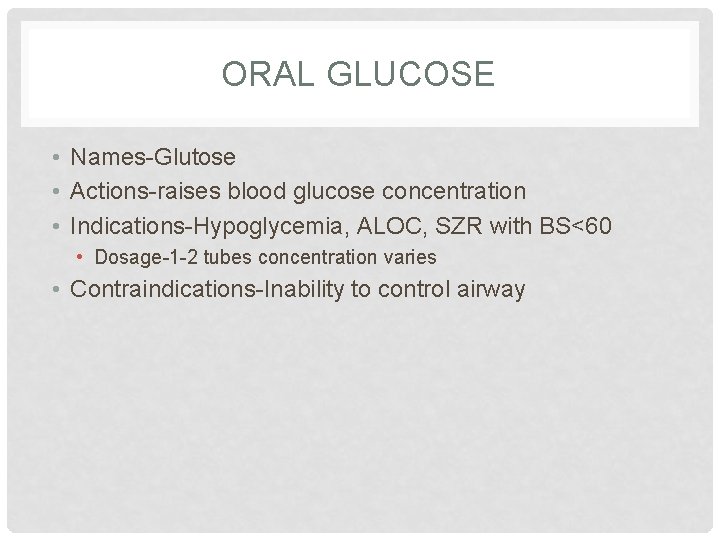
ORAL GLUCOSE • Names-Glutose • Actions-raises blood glucose concentration • Indications-Hypoglycemia, ALOC, SZR with BS<60 • Dosage-1 -2 tubes concentration varies • Contraindications-Inability to control airway
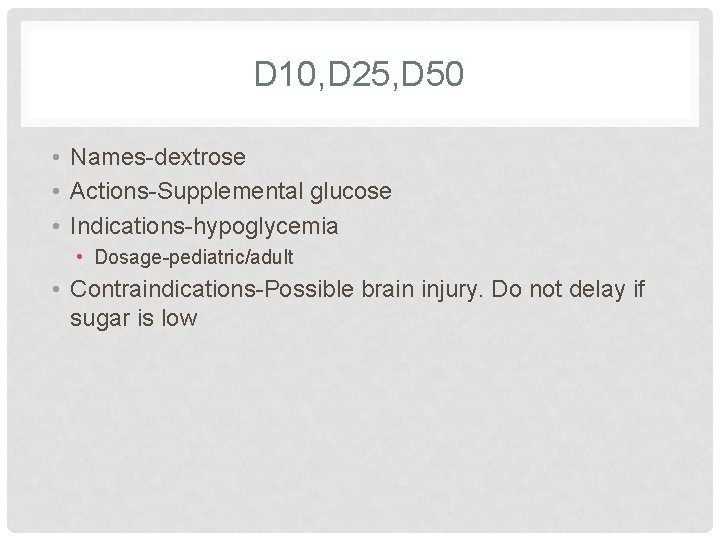
D 10, D 25, D 50 • Names-dextrose • Actions-Supplemental glucose • Indications-hypoglycemia • Dosage-pediatric/adult • Contraindications-Possible brain injury. Do not delay if sugar is low
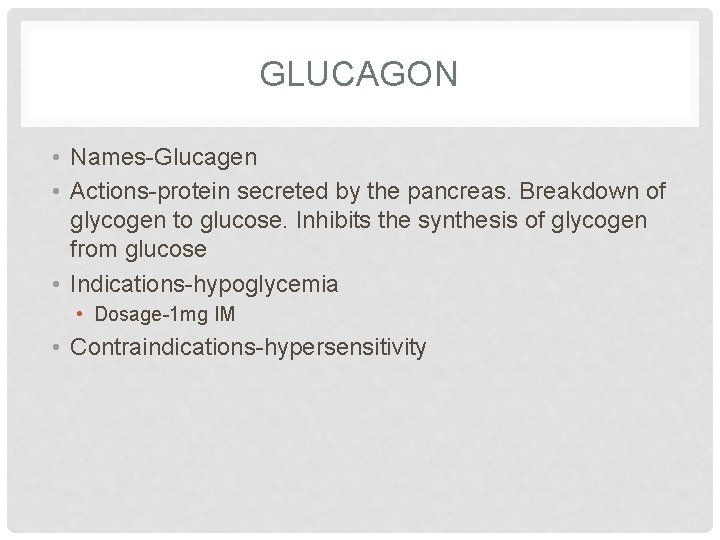
GLUCAGON • Names-Glucagen • Actions-protein secreted by the pancreas. Breakdown of glycogen to glucose. Inhibits the synthesis of glycogen from glucose • Indications-hypoglycemia • Dosage-1 mg IM • Contraindications-hypersensitivity
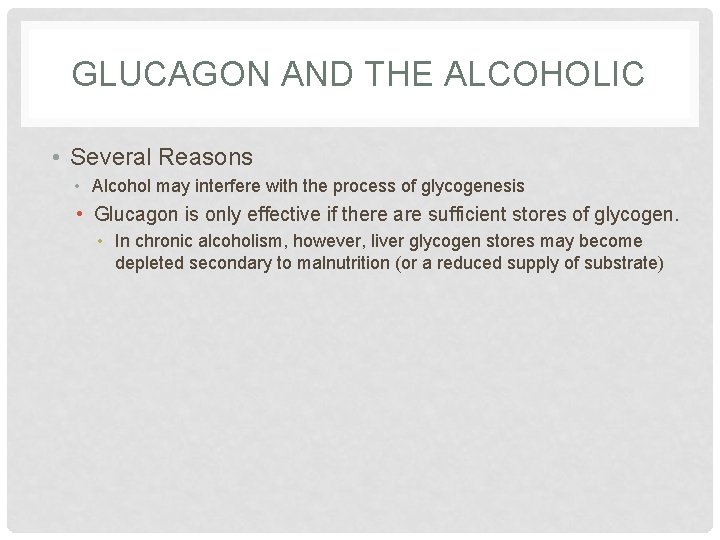
GLUCAGON AND THE ALCOHOLIC • Several Reasons • Alcohol may interfere with the process of glycogenesis • Glucagon is only effective if there are sufficient stores of glycogen. • In chronic alcoholism, however, liver glycogen stores may become depleted secondary to malnutrition (or a reduced supply of substrate)
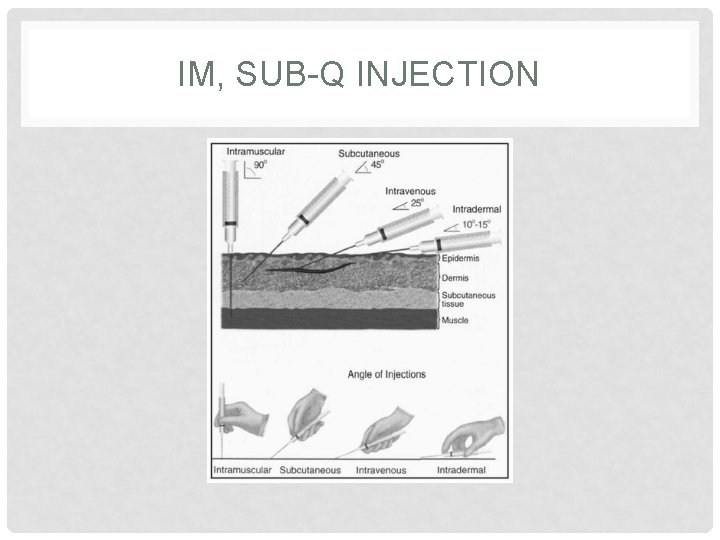
IM, SUB-Q INJECTION
DISORDERS OF THE THYROID • Hypothyroidism • Inadaquate thyroid hormone in blood • Low metabolic state • Myxedema-thickening of connective tissue • Signs/SX-fatigue (attributed to aging), cold intolerance, decreased mental function with increased weight. Myxedema-puffy face, thinned hair, enlarged tongue and pale cold skin, doughy • Tx-ABC, IV (limit fluids)/Coma-intubation and vent assist.
HYPERTHYROID • Graves Disease • Genetic • Autoimmune • Signs and SX=Agitation, weight loss despite increased appetite, weakness, cardiac changes (afib) • Not a medical emergency in itself? • Thyrotoxic crisis (thyroid storm) • • Caused by Graves Fatal within 48 hours Physiologic stress-trauma, infection Signs and Sx-high fever, delirium, coma, tachycardia, Hypotn, vomiting and diarrhea • Tx-Oxygenation, fluid, and monitoring
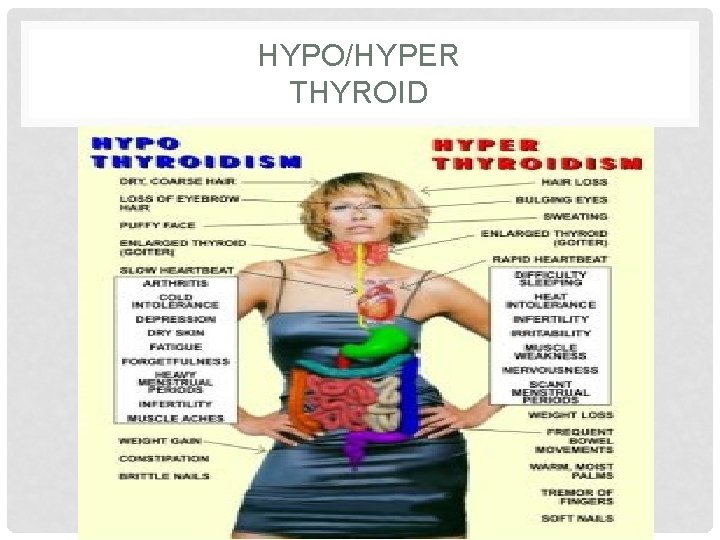
HYPO/HYPER THYROID
DISORDERS OF THE ADRENALS • Cushing Syndrome • To much adrenocortical activity • Middle aged Women>Men • Long term exposure to glucorticoids numerous changes • Insulin/handling of fat/diabetes/sodium retention/Htn • Signs and Sx-weight gain (moon face), buffalo hump, thinning skin, bruise easily, facial hair (women) mood swings. • Tx-Monitor treat signs and symptoms
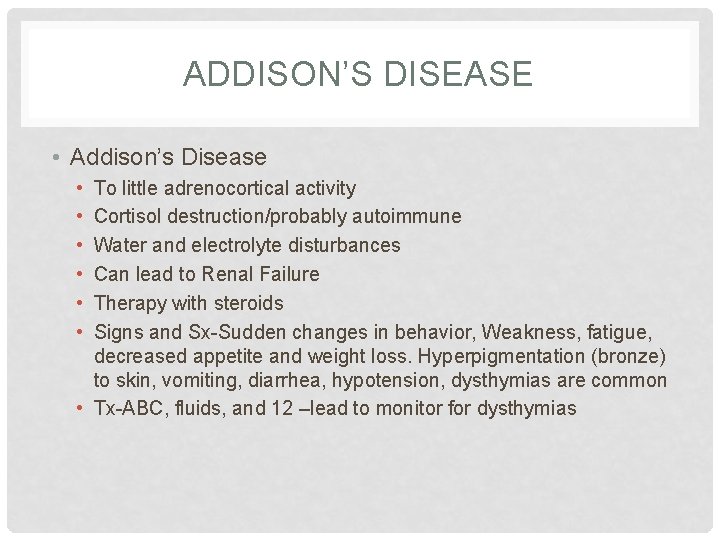
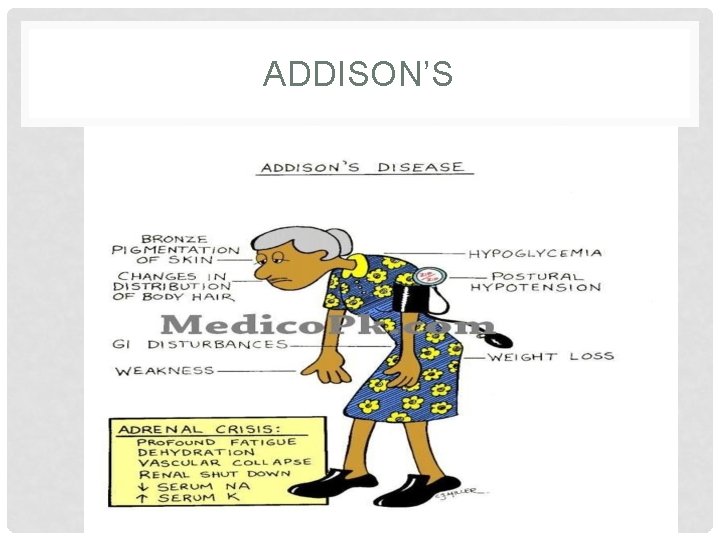
ADDISON’S DISEASE • Addison’s Disease • • • To little adrenocortical activity Cortisol destruction/probably autoimmune Water and electrolyte disturbances Can lead to Renal Failure Therapy with steroids Signs and Sx-Sudden changes in behavior, Weakness, fatigue, decreased appetite and weight loss. Hyperpigmentation (bronze) to skin, vomiting, diarrhea, hypotension, dysthymias are common • Tx-ABC, fluids, and 12 –lead to monitor for dysthymias
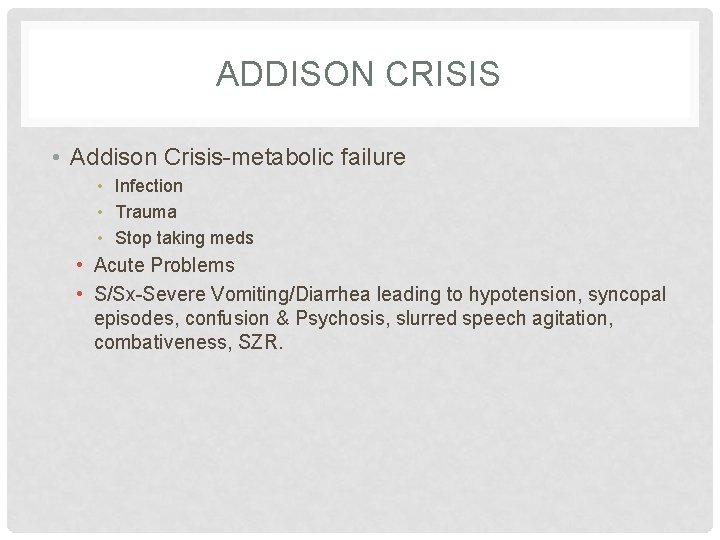
ADDISON CRISIS • Addison Crisis-metabolic failure • Infection • Trauma • Stop taking meds • Acute Problems • S/Sx-Severe Vomiting/Diarrhea leading to hypotension, syncopal episodes, confusion & Psychosis, slurred speech agitation, combativeness, SZR.
ADDISON’S
SCENARIO CONTINUED • What disease is effecting our patient. • What can we do for this patient • What do we want to assess
THE END