
Endocrine Cell Communication Part III Hormonal Communication Enduring



- Slides: 46
Endocrine & Cell Communication Part III: Hormonal Communication
• Enduring Understanding 3. D Cells communicate by generating, transmitting and receiving chemical signals. • EK 3 D 2: Cells communicate with each other through direct contact with other cells or from a distance via chemical signaling c. Signals released by one cell type can travel long distances to target cells of another cell types. 1. Endocrine signals are produced by endocrine cells that release signaling molecules, which are specific and can travel long distances through the blood to reach all parts of the body. 2
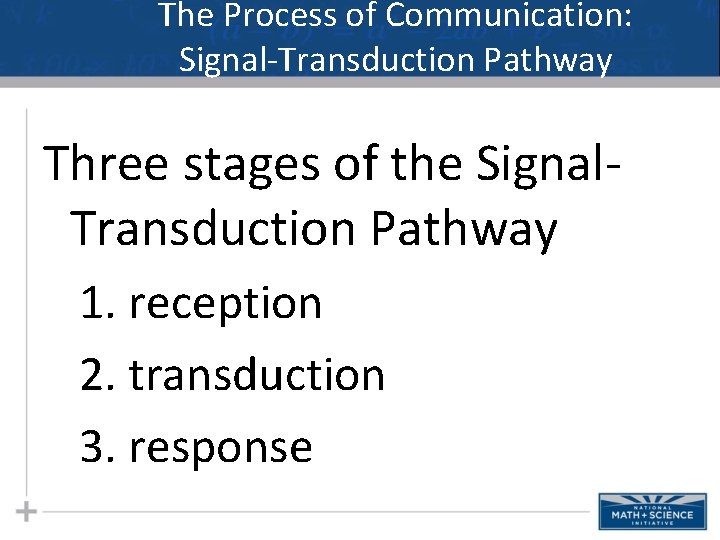
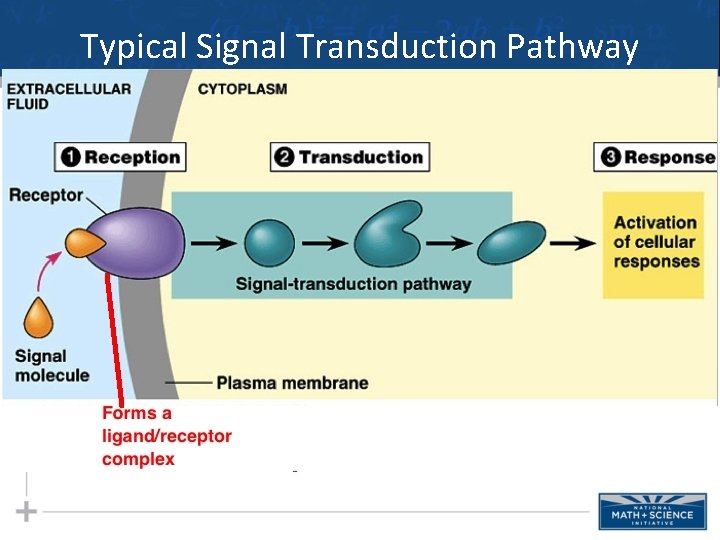
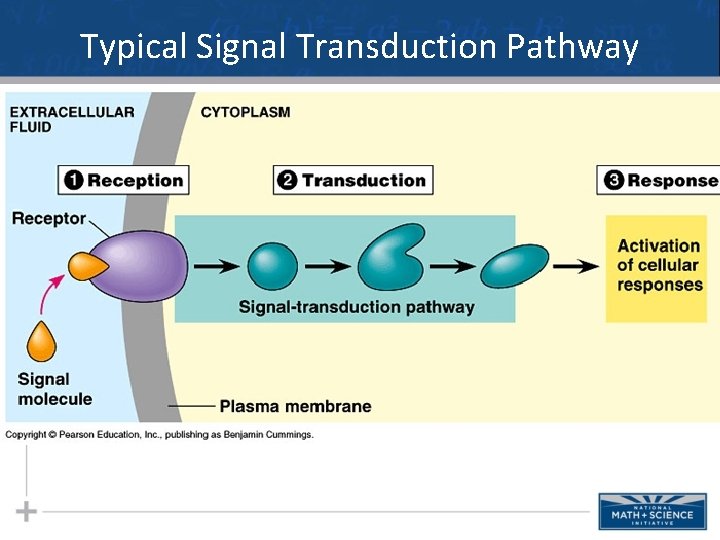
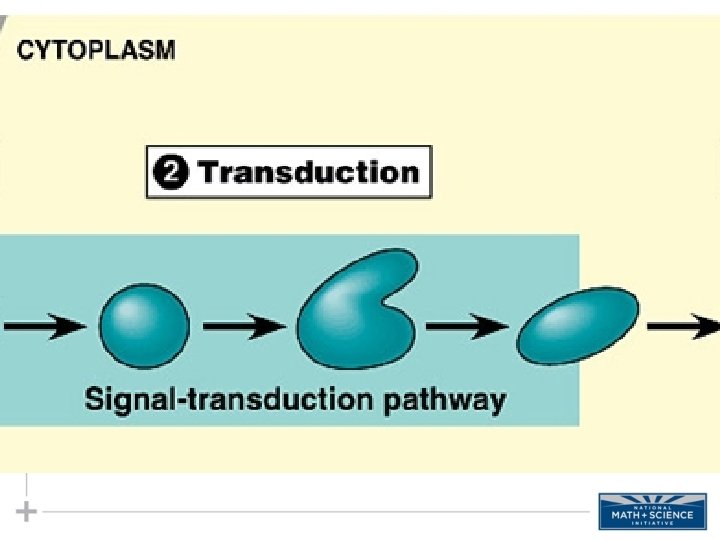
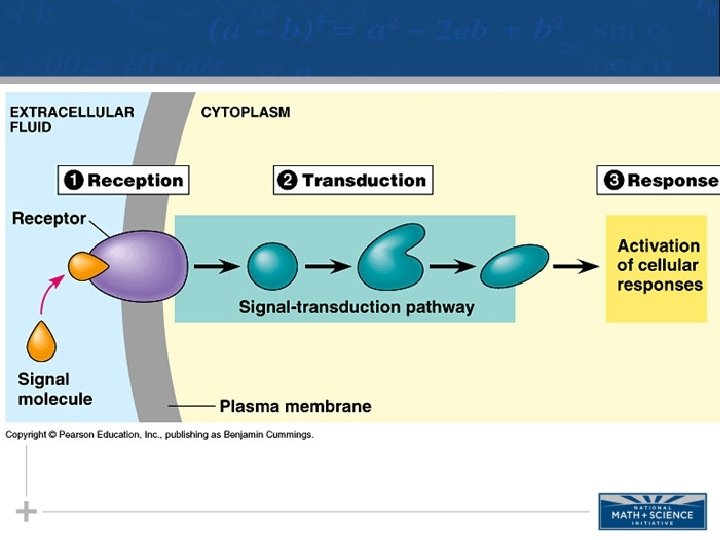
The Process of Communication: Signal-Transduction Pathway Three stages of the Signal. Transduction Pathway 1. reception 2. transduction 3. response
Typical Signal Transduction Pathway
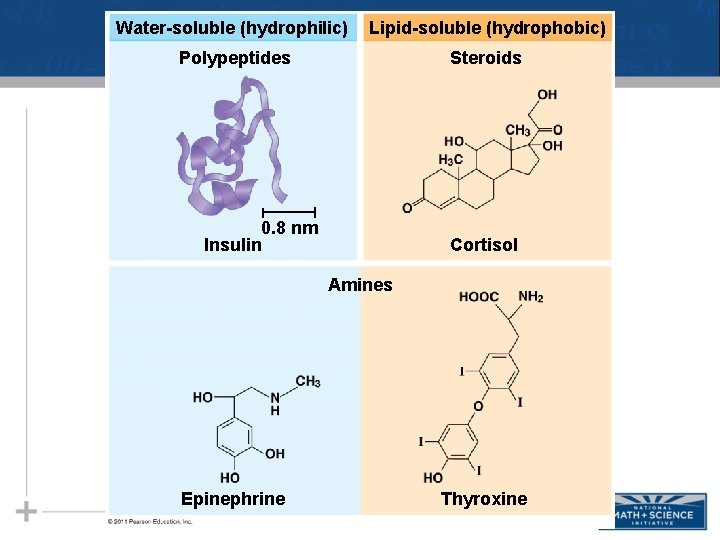
Ligand = Chemical Messenger • Three major classes of molecules function as hormones in vertebrates (ligands) – Polypeptides (proteins and peptides) – Amines derived from amino acids – Steroid hormones 5
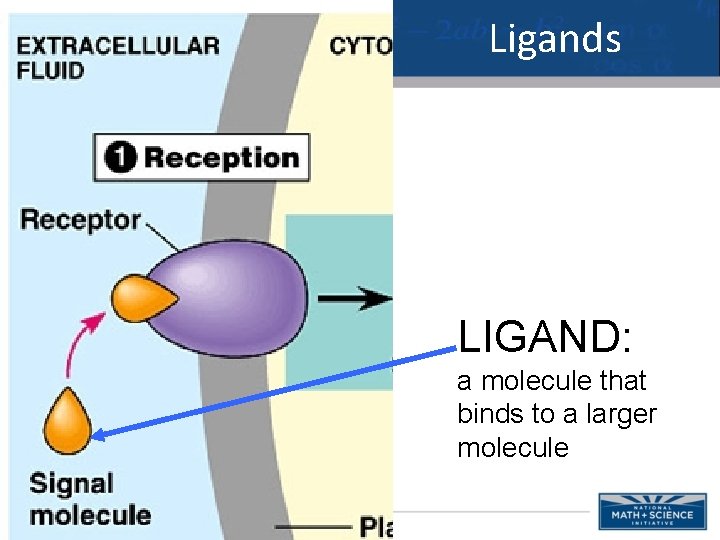
Ligands LIGAND: a molecule that binds to a larger molecule
Typical Signal Transduction Pathway
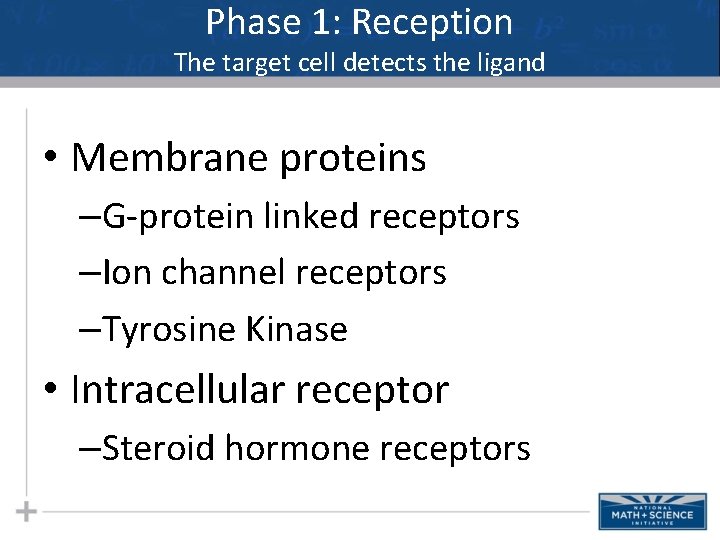
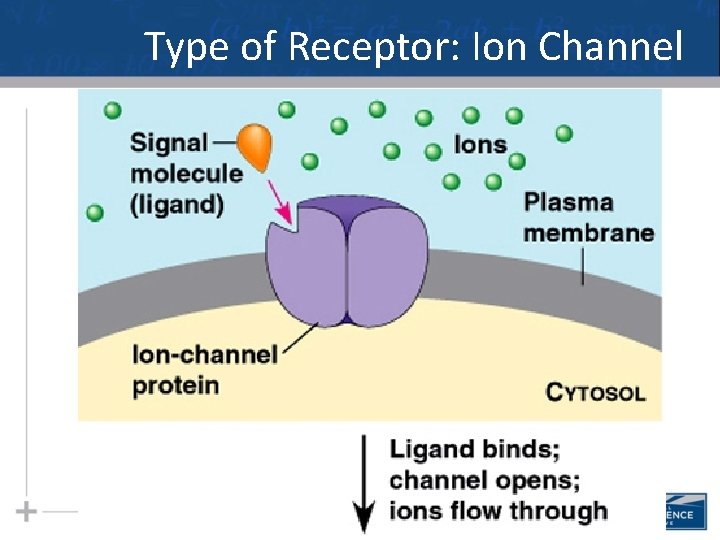
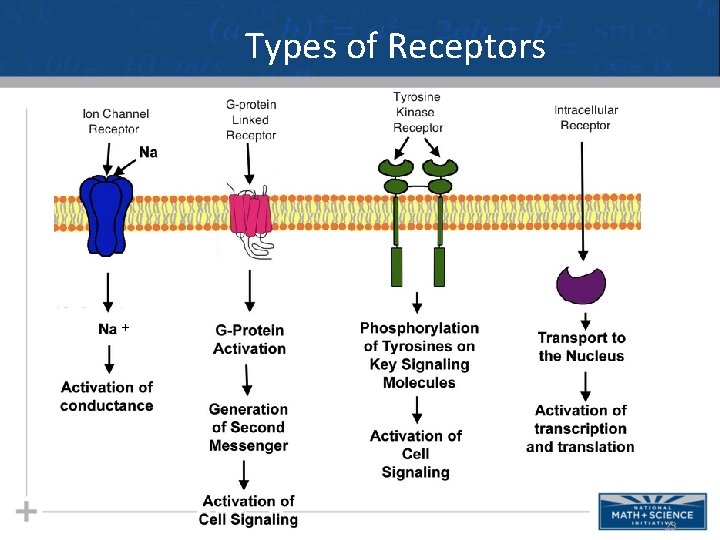
Phase 1: Reception The target cell detects the ligand • Membrane proteins –G-protein linked receptors –Ion channel receptors –Tyrosine Kinase • Intracellular receptor –Steroid hormone receptors
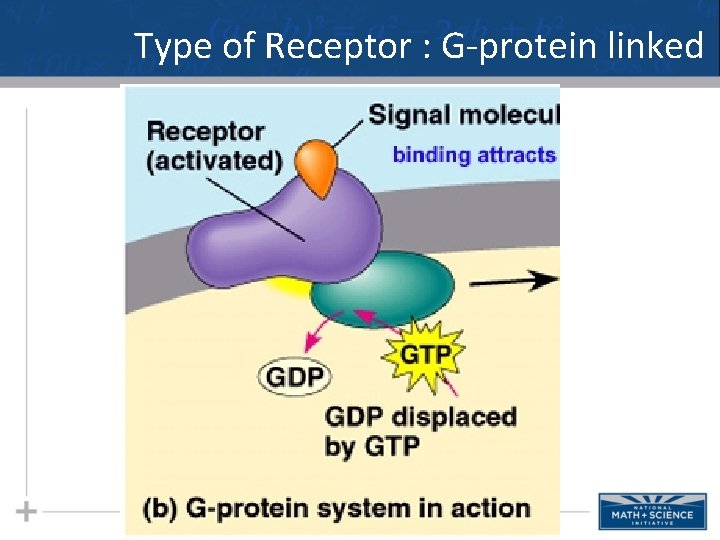
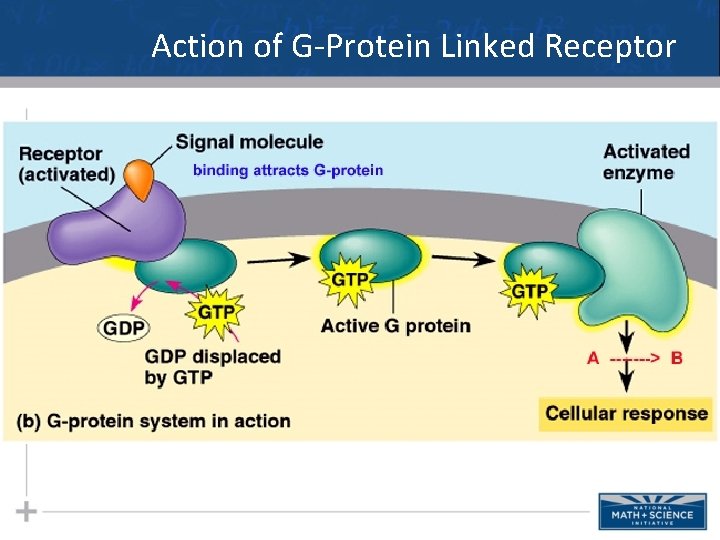
Type of Receptor : G-protein linked
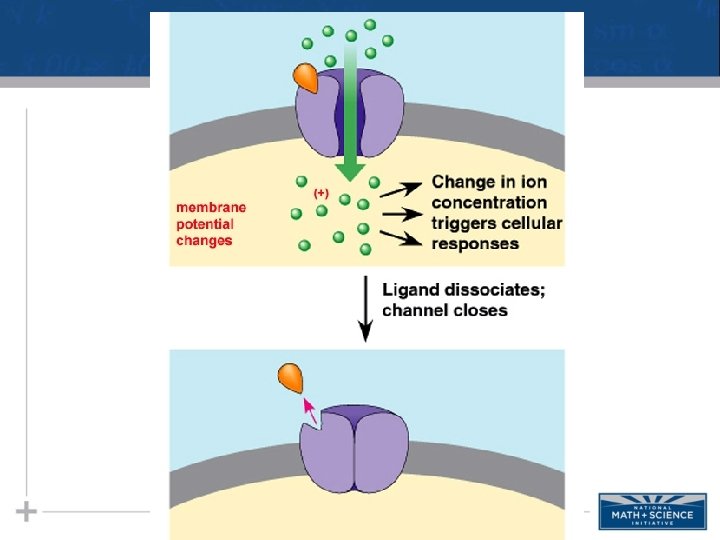
Type of Receptor: Ion Channel
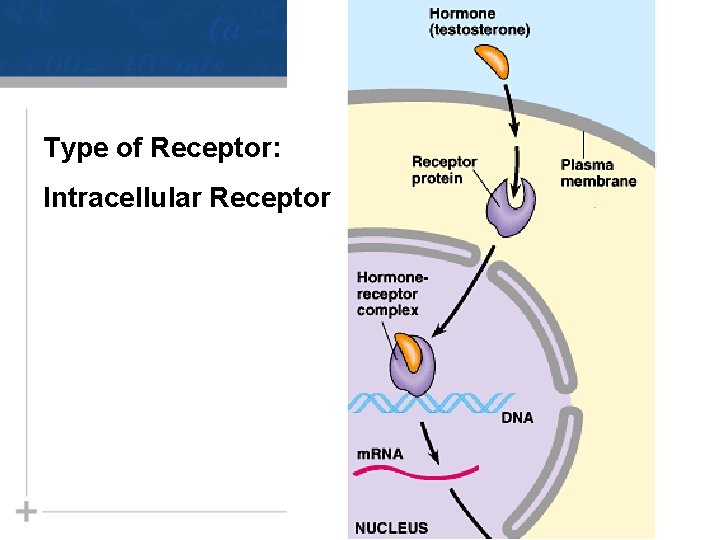
Type of Receptor: Intracellular Receptor
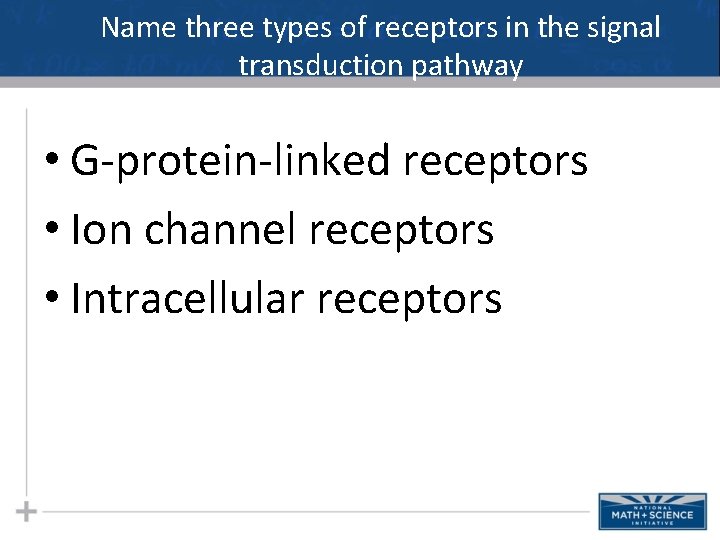
Name three types of receptors in the signal transduction pathway • G-protein-linked receptors • Ion channel receptors • Intracellular receptors
Action of G-Protein Linked Receptor
Transduction • Binding changes the receptor protein. • Can set off a cascade reaction
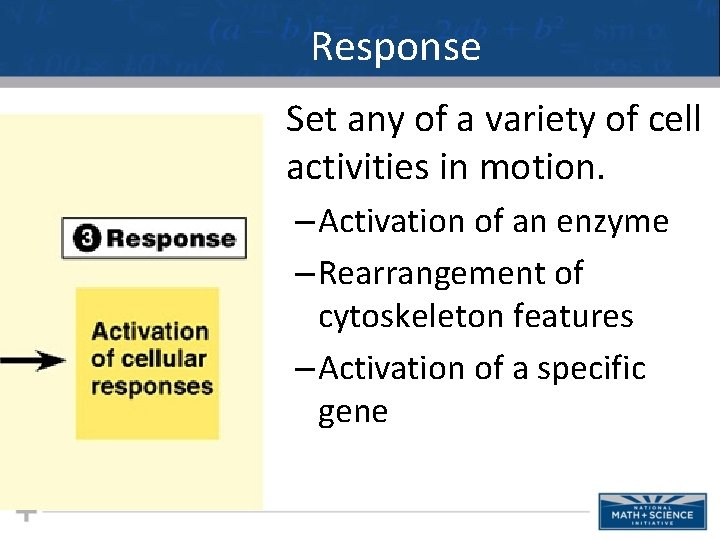
Response • Set any of a variety of cell activities in motion. – Activation of an enzyme – Rearrangement of cytoskeleton features – Activation of a specific gene
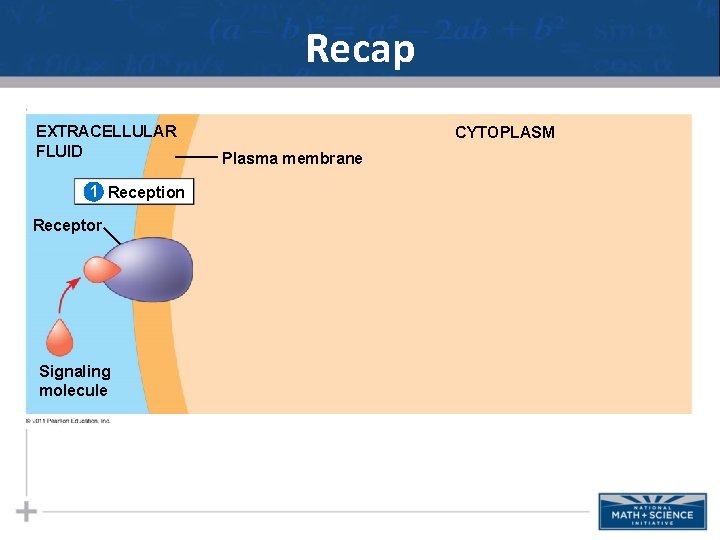
Recap EXTRACELLULAR FLUID 1 Reception Receptor Signaling molecule CYTOPLASM Plasma membrane
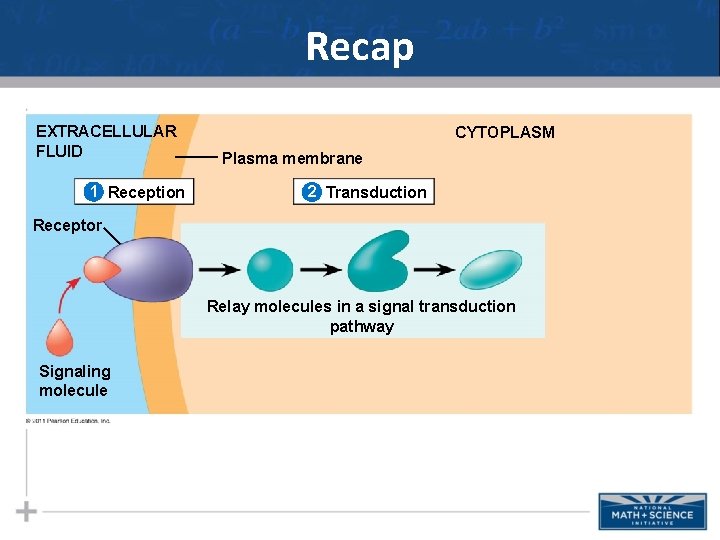
Recap EXTRACELLULAR FLUID 1 Reception CYTOPLASM Plasma membrane 2 Transduction Receptor Relay molecules in a signal transduction pathway Signaling molecule
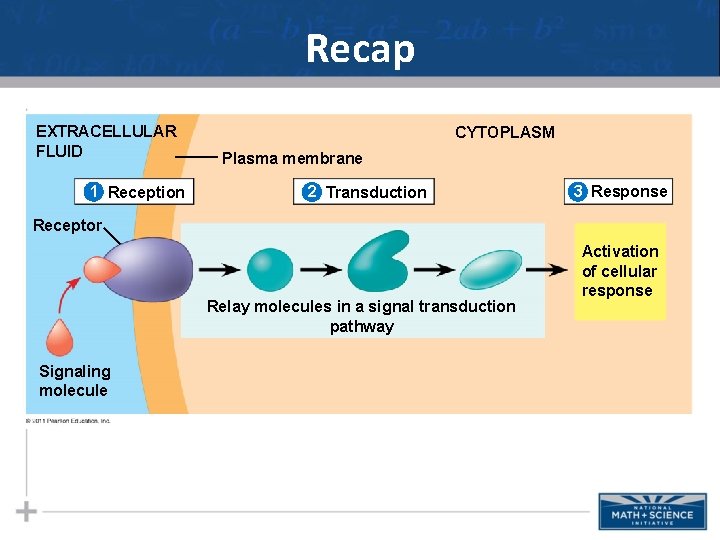
Recap EXTRACELLULAR FLUID 1 Reception CYTOPLASM Plasma membrane 2 Transduction 3 Response Receptor Relay molecules in a signal transduction pathway Signaling molecule Activation of cellular response
Types of Receptors + 23
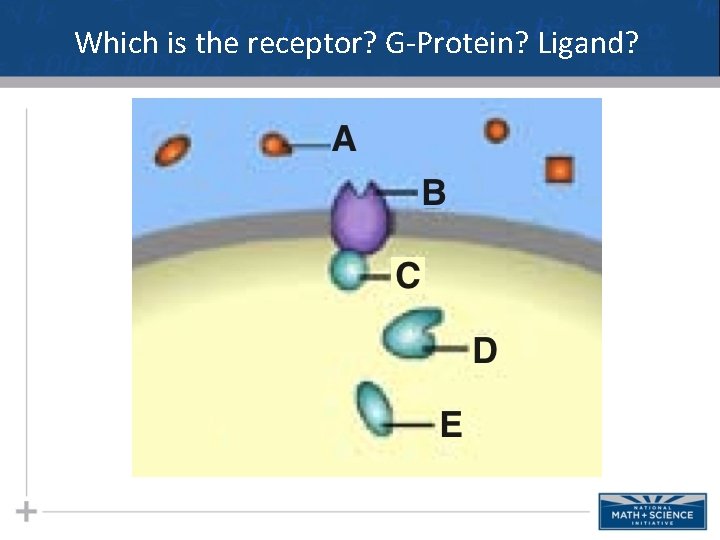
Which is the receptor? G-Protein? Ligand?
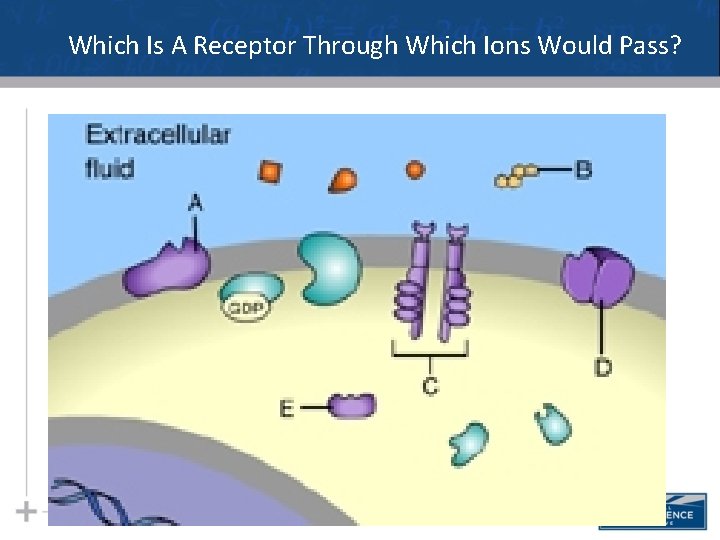
Which Is A Receptor Through Which Ions Would Pass?
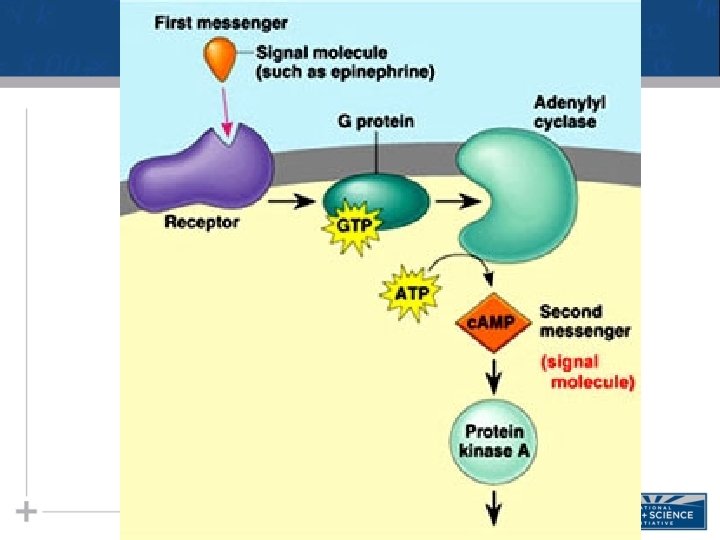
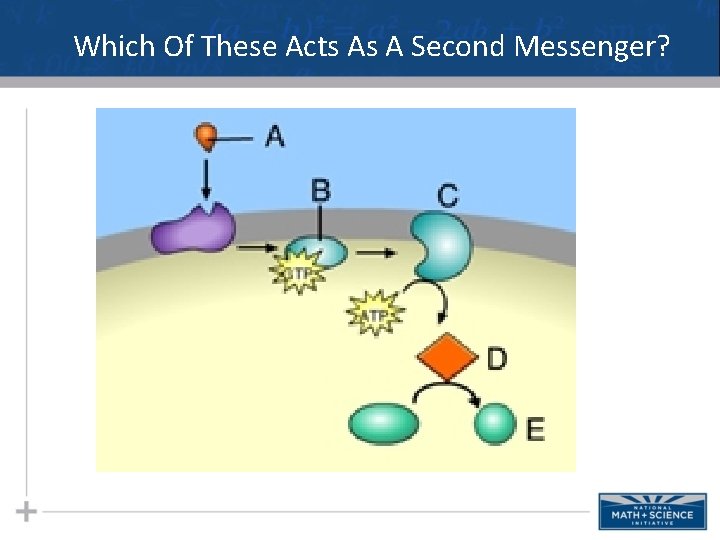
Which Of These Acts As A Second Messenger?
Water-soluble (hydrophilic) Lipid-soluble (hydrophobic) Polypeptides Steroids 0. 8 nm Insulin Cortisol Amines Epinephrine Thyroxine
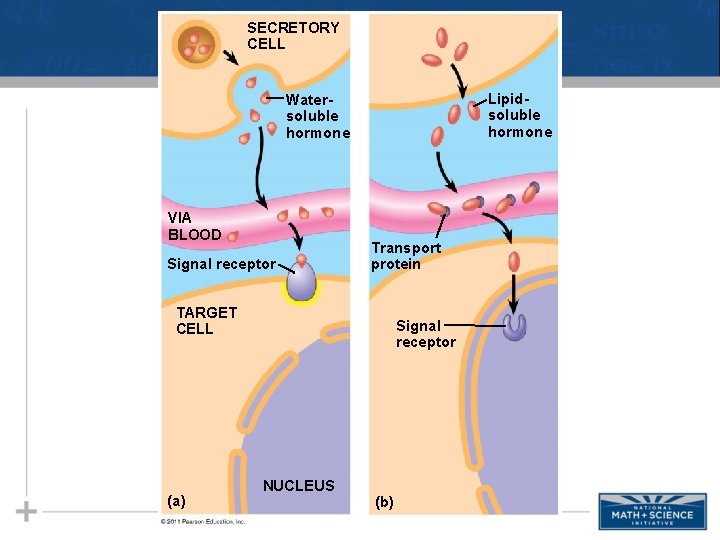
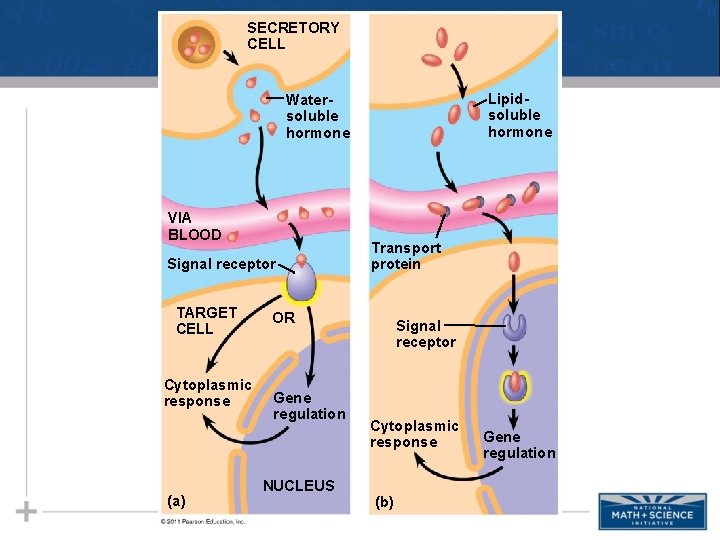
Cellular Response Pathways • Water- and lipid-soluble hormones differ in their paths through a body • Water-soluble hormones are secreted by exocytosis, travel freely in the bloodstream, and bind to cellsurface receptors • Lipid-soluble hormones diffuse across cell membranes, travel in the bloodstream bound to transport proteins, and diffuse through the membrane of target cells
SECRETORY CELL Lipidsoluble hormone Watersoluble hormone VIA BLOOD Signal receptor Transport protein TARGET CELL (a) Signal receptor NUCLEUS (b)
SECRETORY CELL Lipidsoluble hormone Watersoluble hormone VIA BLOOD Signal receptor TARGET CELL Cytoplasmic response (a) Transport protein OR Gene regulation NUCLEUS Signal receptor Cytoplasmic response (b) Gene regulation
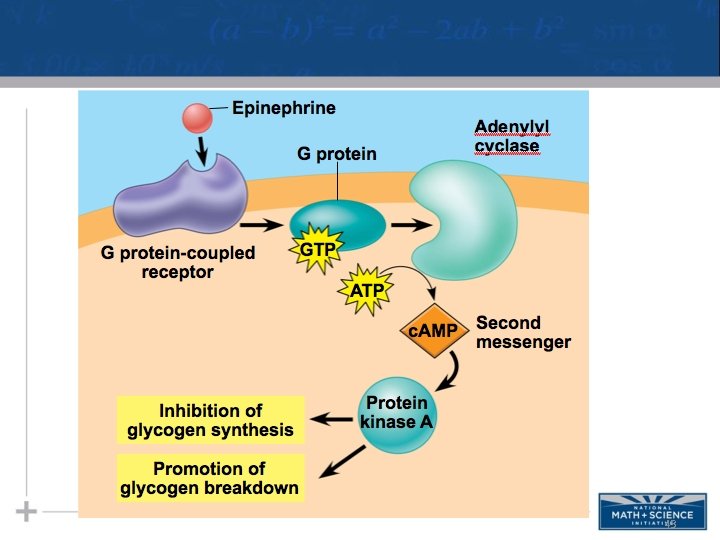
Pathway for Water-Soluble Hormones • Binding of a hormone to its receptor initiates a signal transduction pathway leading to responses in the cytoplasm, enzyme activation, or a change in gene expression
Pathway for Water-Soluble Hormones
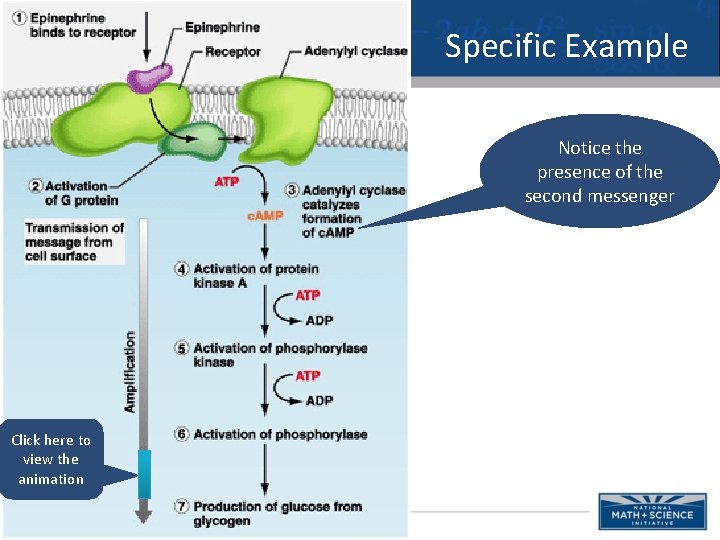
Specific Example Notice the presence of the second messenger Click here to view the animation
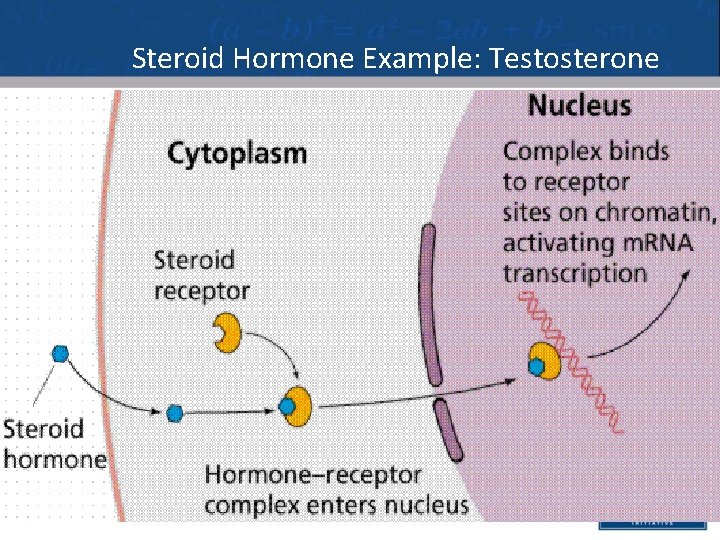
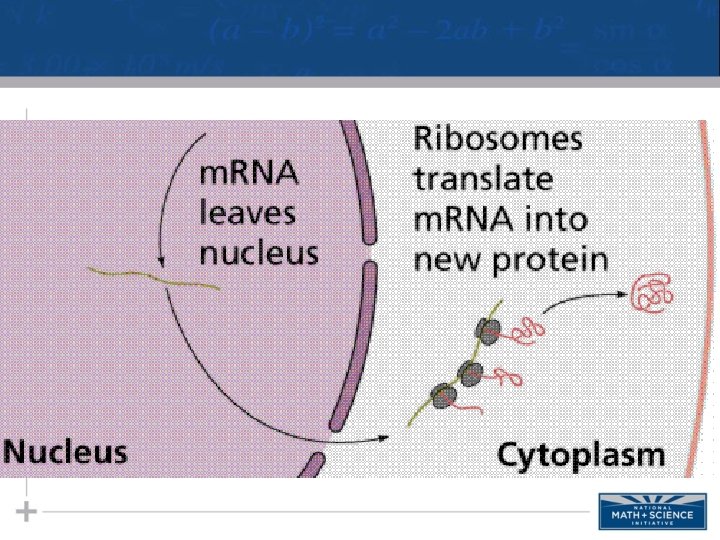
Pathway for Lipid-Soluble Hormones • The response to a lipid-soluble hormone is usually a change in gene expression • Steroids, thyroid hormones, and the hormonal form of vitamin D enter target cells and bind to protein receptors in the cytoplasm or nucleus • Protein-receptor complexes then act as transcription factors in the nucleus, regulating transcription of specific genes
Pathway for Lipid-Soluble Hormones
Steroid Hormone Example: Testosterone
Model Steroid Hormone Action using the Testosterone Manipulative
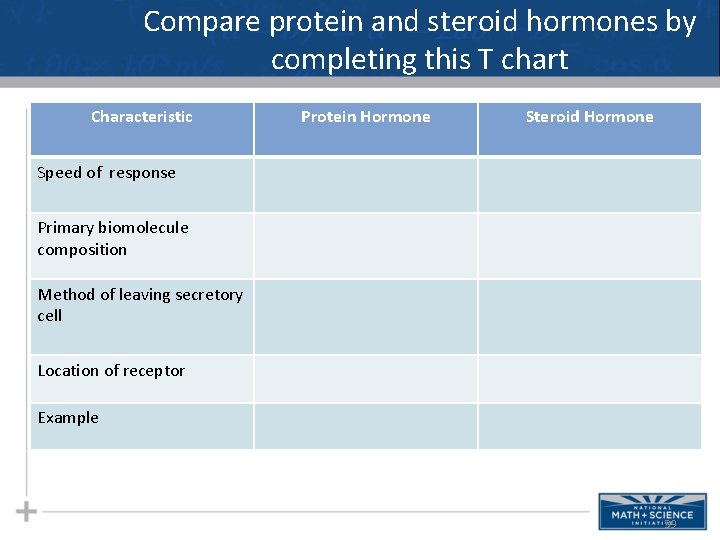
Compare protein and steroid hormones by completing this T chart Characteristic Protein Hormone Steroid Hormone Speed of response Primary biomolecule composition Method of leaving secretory cell Location of receptor Example 39
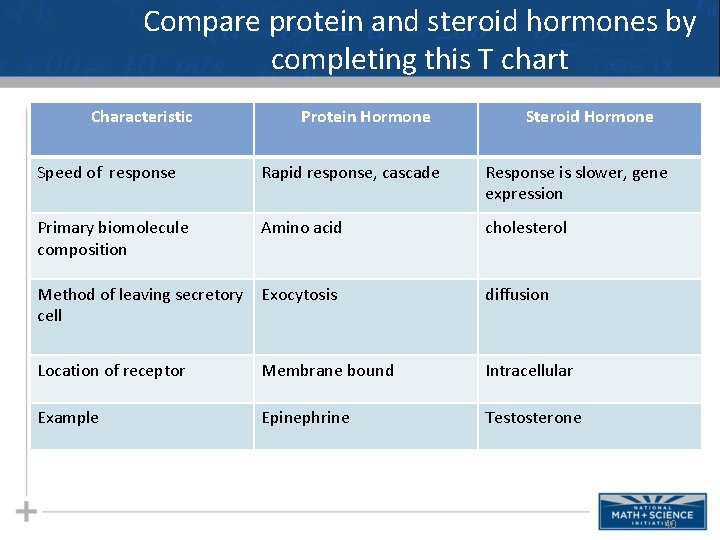
Compare protein and steroid hormones by completing this T chart Characteristic Protein Hormone Steroid Hormone Speed of response Rapid response, cascade Response is slower, gene expression Primary biomolecule composition Amino acid cholesterol Method of leaving secretory Exocytosis cell diffusion Location of receptor Membrane bound Intracellular Example Epinephrine Testosterone 40
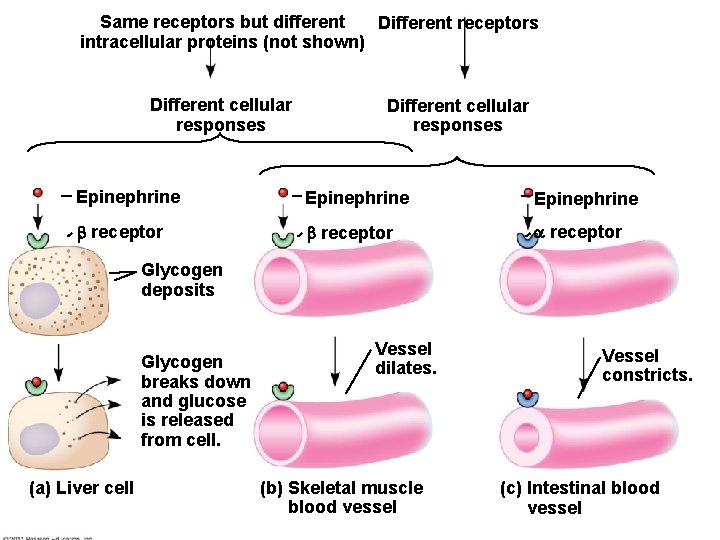
Multiple Effects of Hormones • The same hormone may have different effects on target cells that have – Different receptors for the hormone – Different signal transduction pathways
Multiple Effects of Hormones • The hormone epinephrine has multiple effects in mediating the body’s response to short-term stress • Epinephrine binds to receptors on the plasma membrane of liver cells • This triggers the release of messenger molecules that activate enzymes and result in the release of glucose into the bloodstream
43
Same receptors but different Different receptors intracellular proteins (not shown) Different cellular responses Epinephrine receptor Glycogen deposits Glycogen breaks down and glucose is released from cell. (a) Liver cell Vessel dilates. (b) Skeletal muscle blood vessel Vessel constricts. (c) Intestinal blood vessel
Did you know… • One reason that kittens sleep so much is because a growth hormone is released only during sleep. • The levels of two stress hormones, cortisol and epinephrine which suppress the body's immune system, will actually drop after a dose of laughter. • Chocolate is associated with the release of serotonin, the hormone that makes you feel relaxed, calm, and happy. So are hugs.
Created by: Debra Richards Coordinator of Secondary Science Programs Bryan ISD Bryan, TX