
Encodings of Range MaximumSum Segment Queries and Applications

- Slides: 50
Encodings of Range Maximum-Sum Segment Queries and Applications Paweł Gawrychowski* and Pat Nicholson** *University of Warsaw **Max-Planck-Institut für Informatik
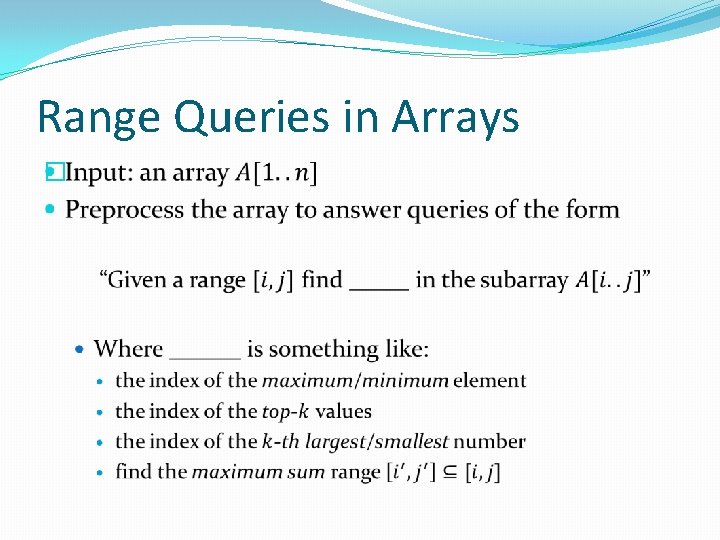
Range Queries in Arrays �
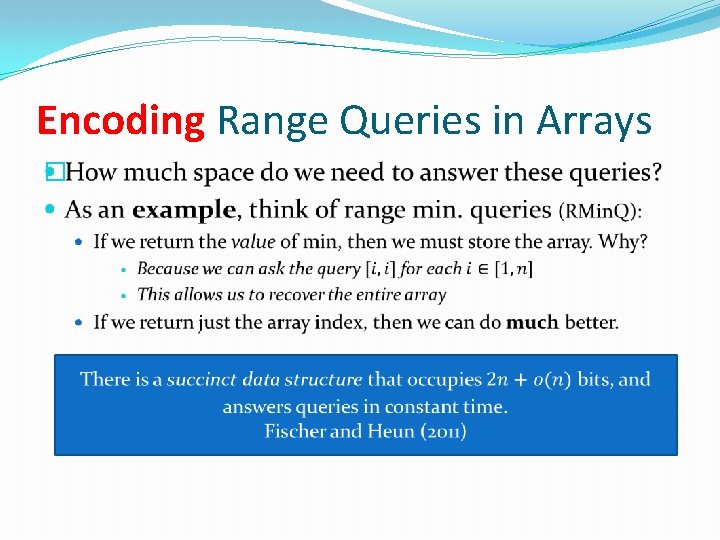
Encoding Range Queries in Arrays �
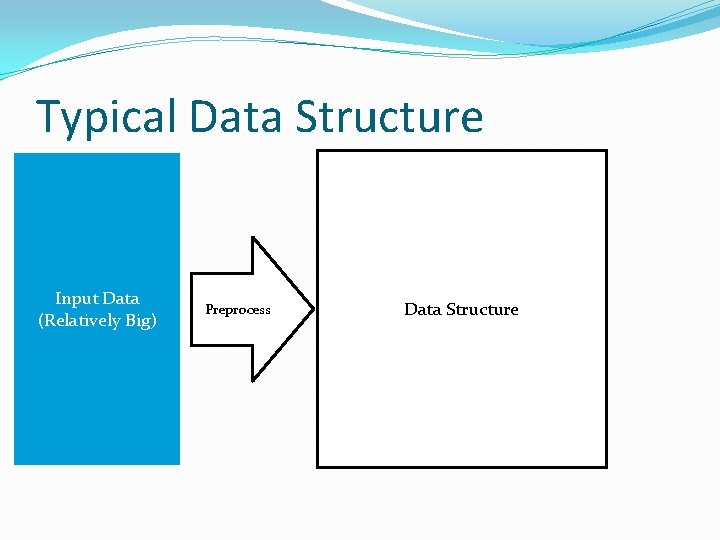
Typical Data Structure Input Data (Relatively Big)
Typical Data Structure Input Data (Relatively Big) Preprocess Data Structure
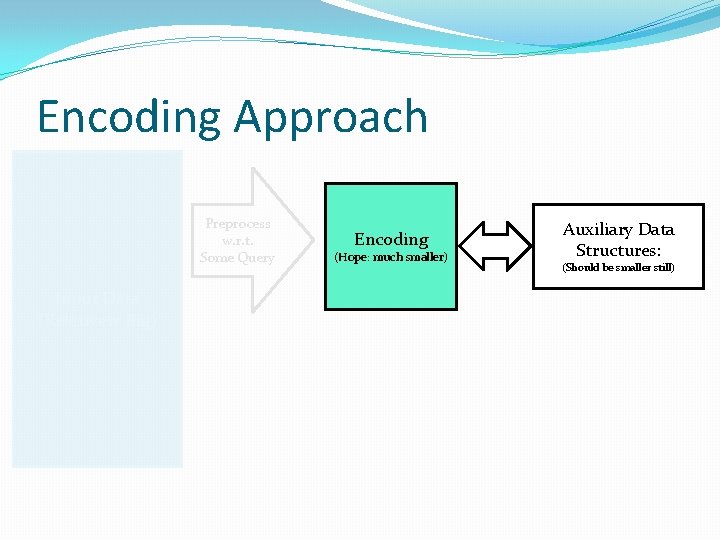
Encoding Approach Input Data (Relatively Big)
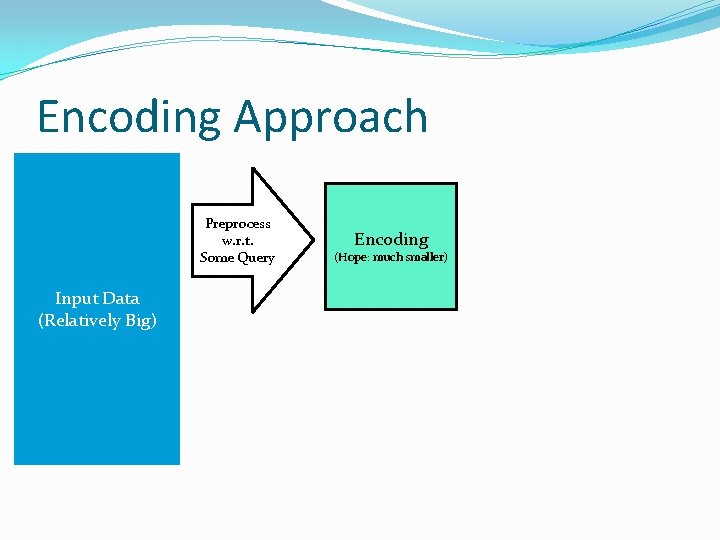
Encoding Approach Preprocess w. r. t. Some Query Input Data (Relatively Big) Encoding (Hope: much smaller)
Encoding Approach Preprocess w. r. t. Some Query Input Data (Relatively Big) Encoding (Hope: much smaller)
Encoding Approach Preprocess w. r. t. Some Query Input Data (Relatively Big) Encoding (Hope: much smaller) Auxiliary Data Structures: (Should be smaller still)
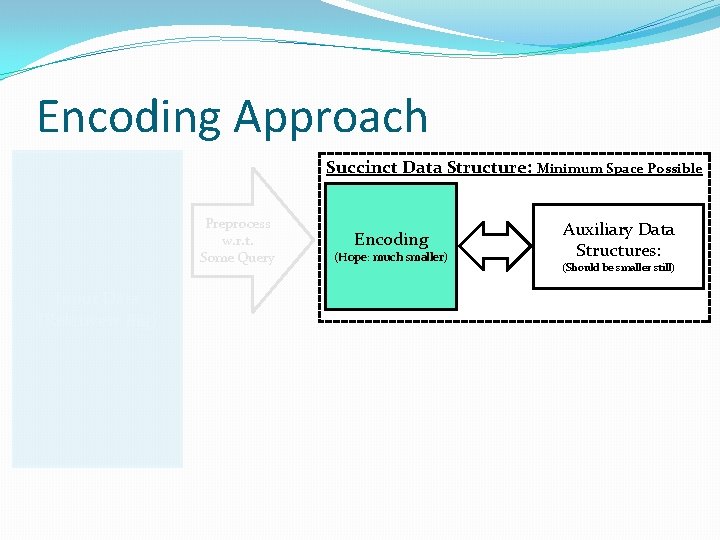
Encoding Approach Succinct Data Structure: Minimum Space Possible Preprocess w. r. t. Some Query Input Data (Relatively Big) Encoding (Hope: much smaller) Auxiliary Data Structures: (Should be smaller still)
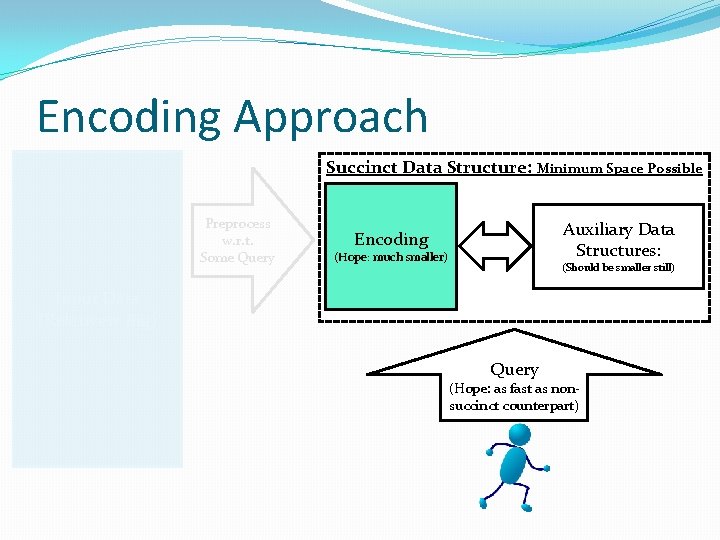
Encoding Approach Succinct Data Structure: Minimum Space Possible Preprocess w. r. t. Some Query Auxiliary Data Structures: Encoding (Hope: much smaller) (Should be smaller still) Input Data (Relatively Big) Query (Hope: as fast as nonsuccinct counterpart)
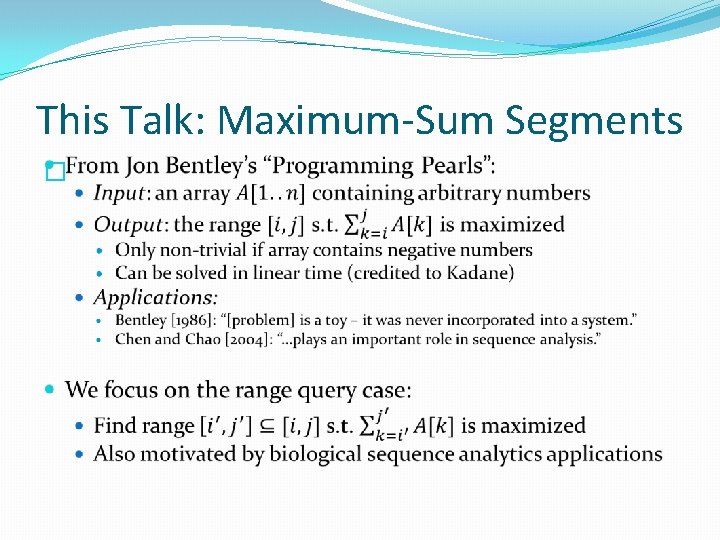
This Talk: Maximum-Sum Segments �
Range Maximum-Sum Segment Queries �
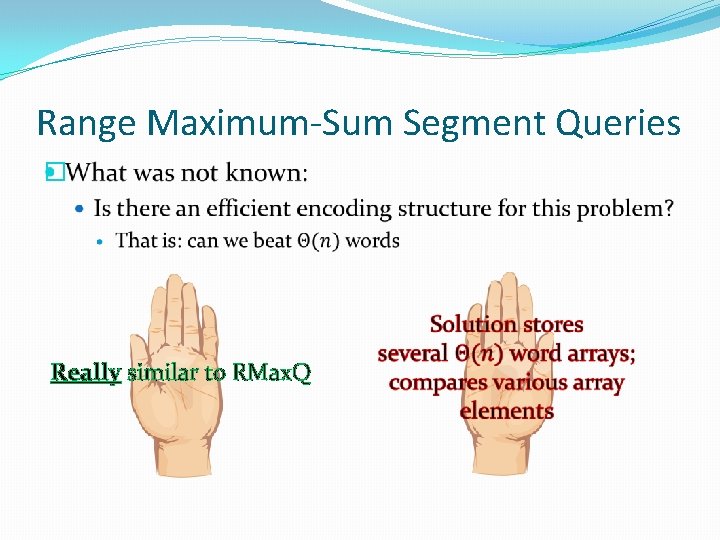
Range Maximum-Sum Segment Queries � Really similar to RMax. Q
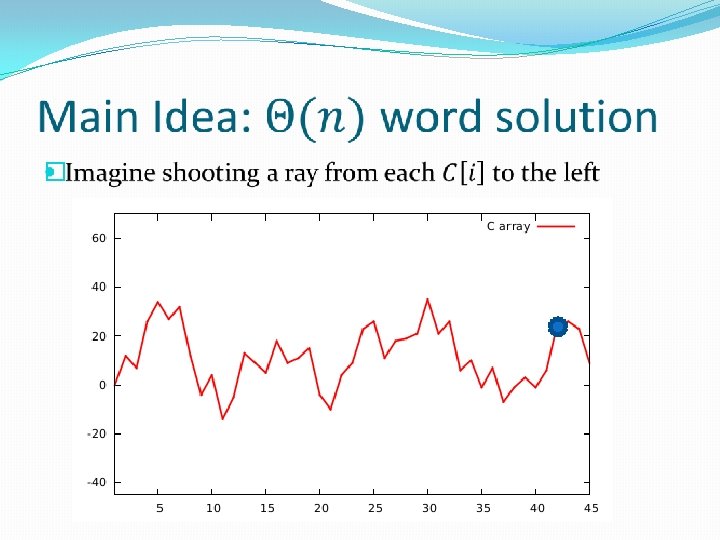
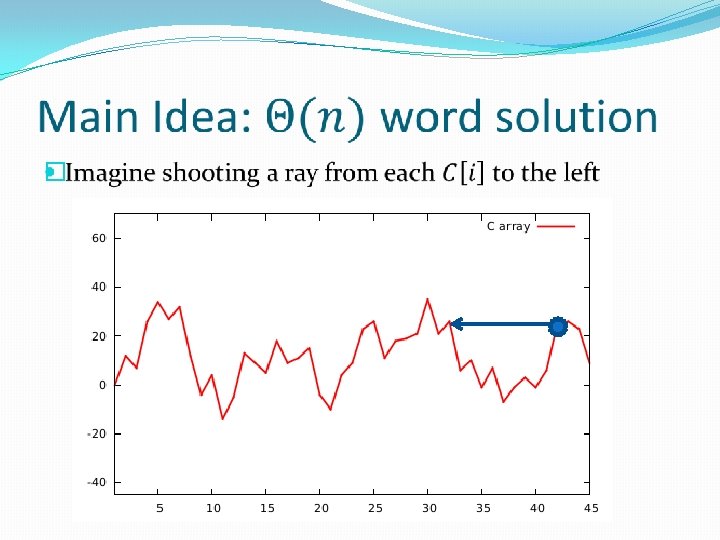
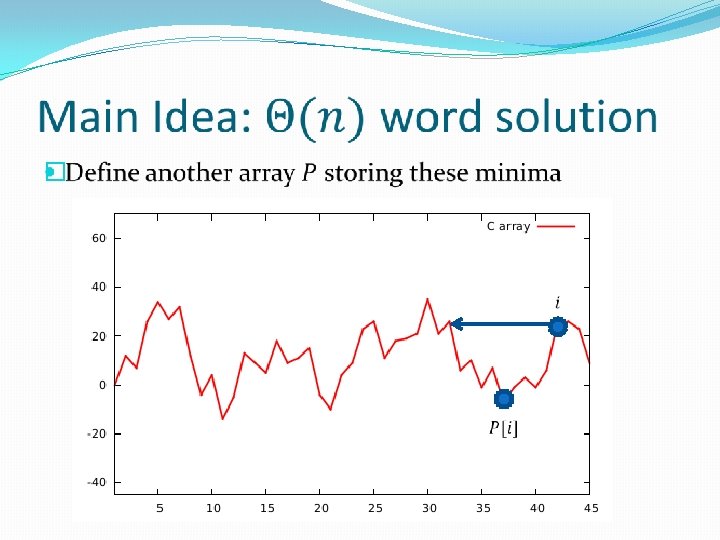
Range Maximum-Sum Segment Queries �
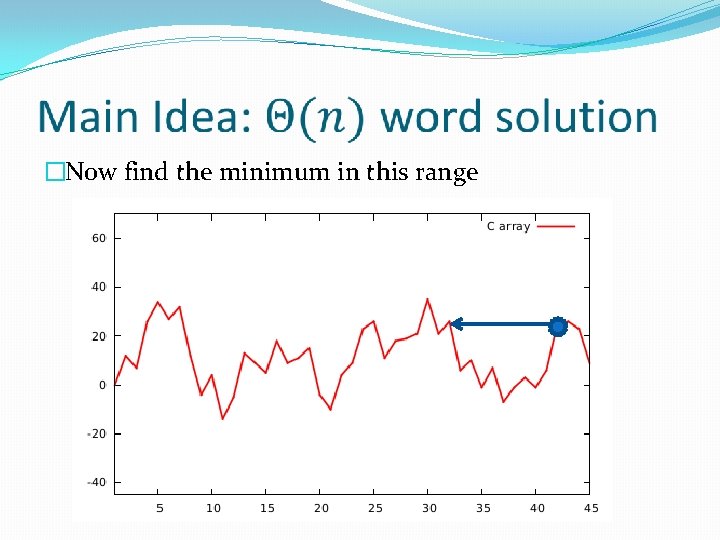
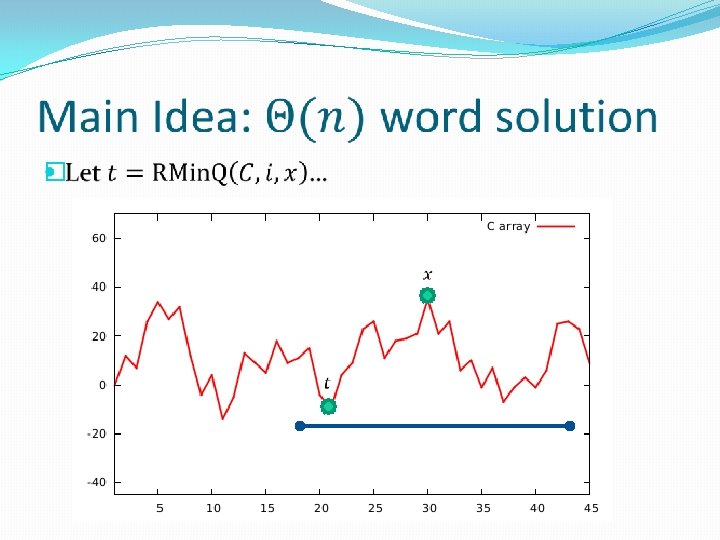
�Now find the minimum in this range
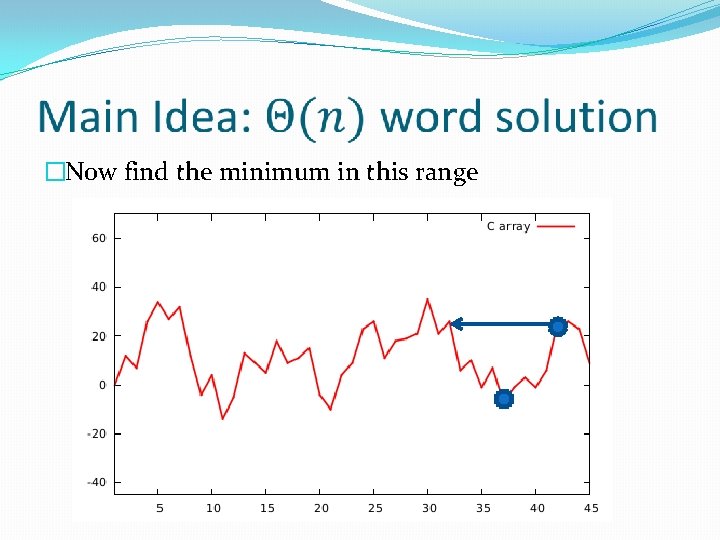
�Now find the minimum in this range
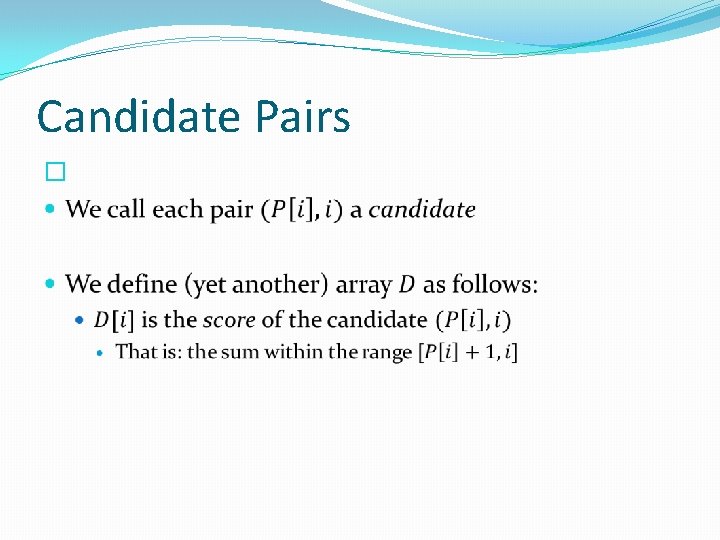
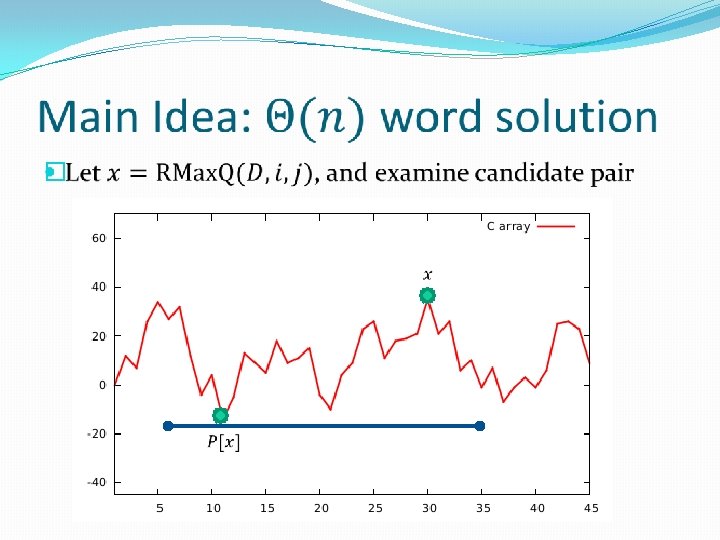
Candidate Pairs �
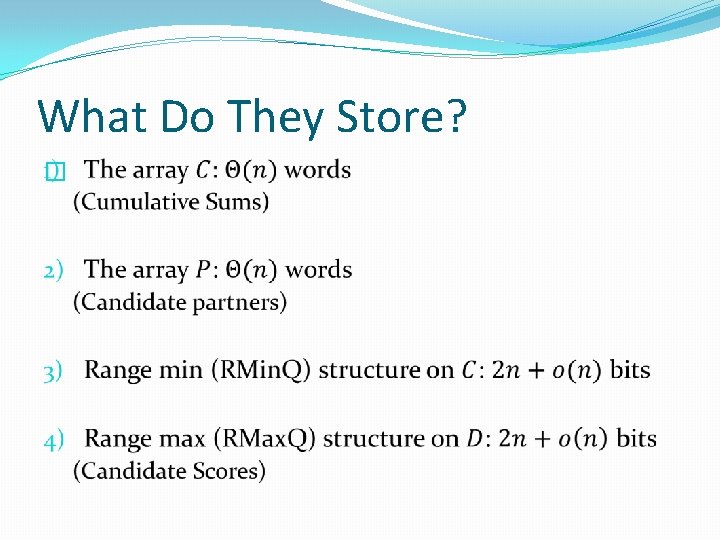
What Do They Store? �
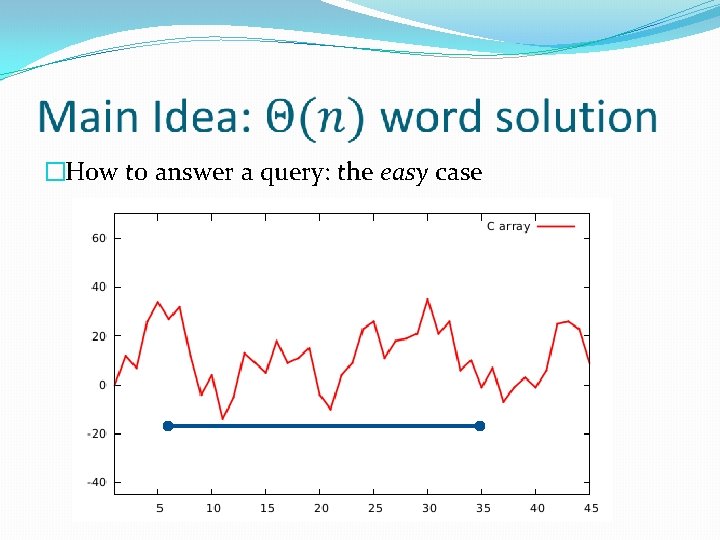
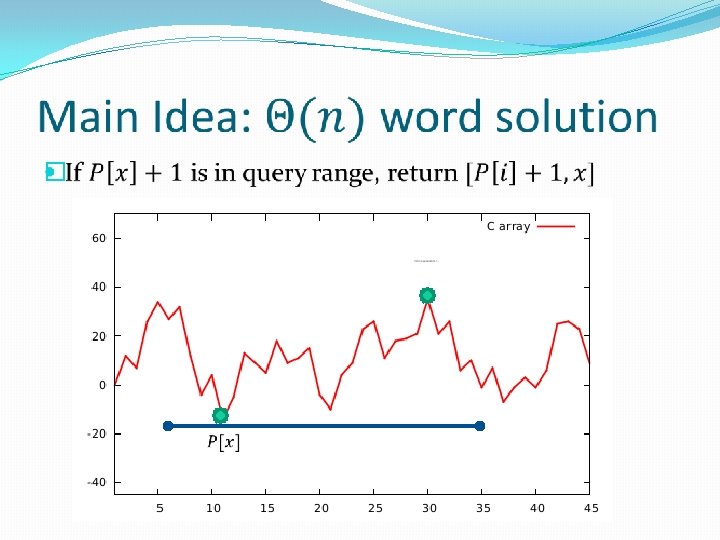
�How to answer a query: the easy case
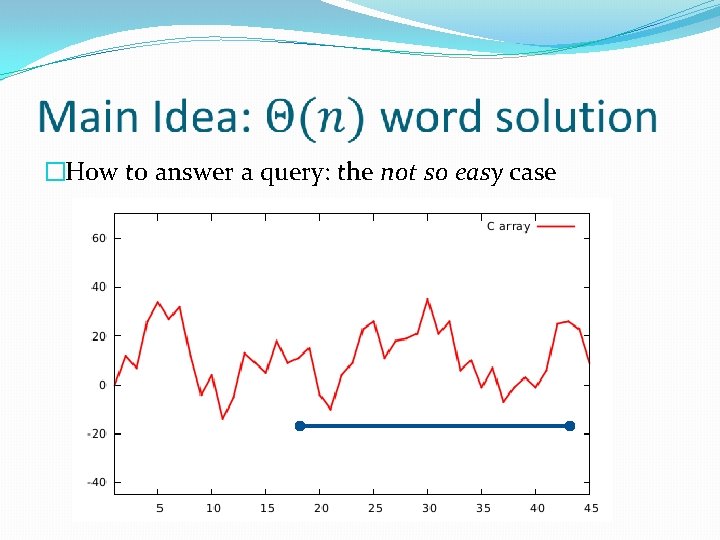
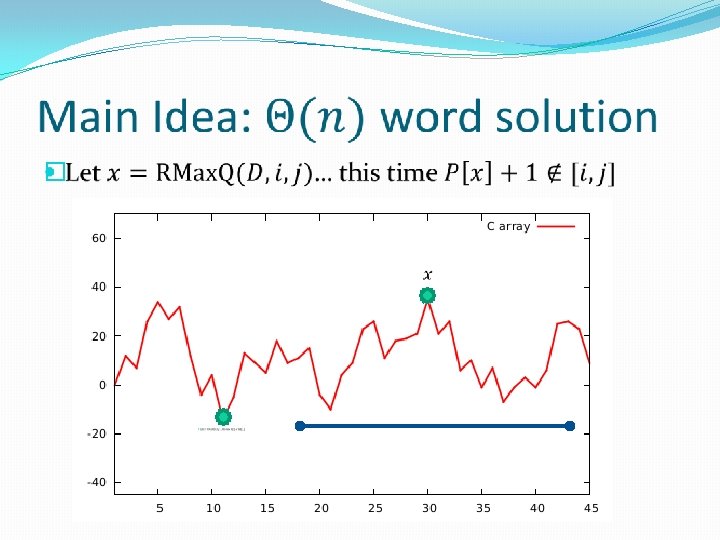
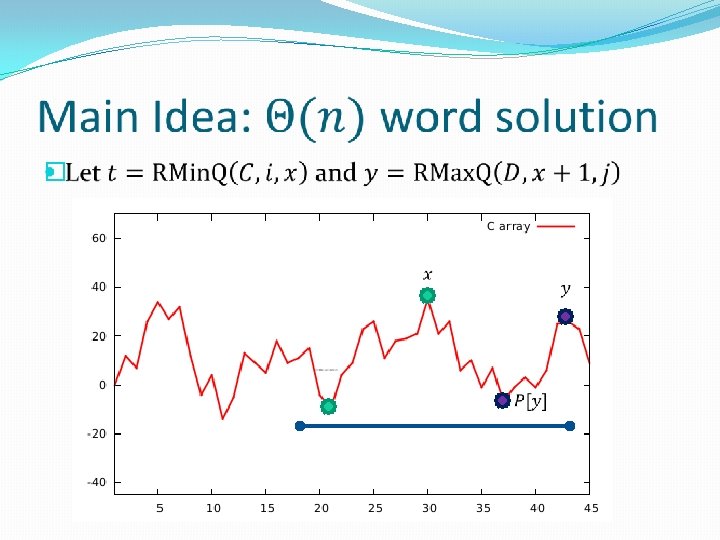
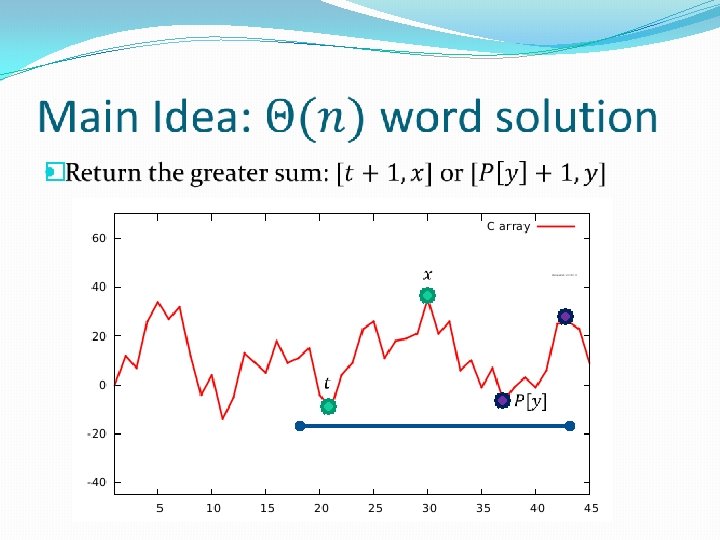
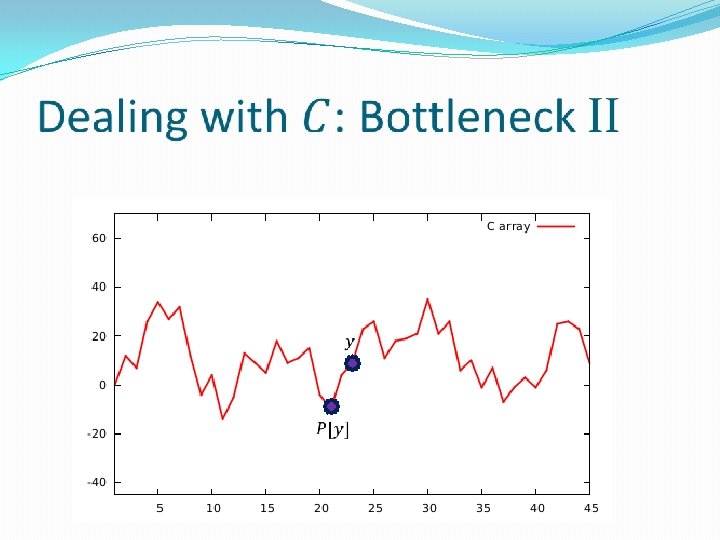
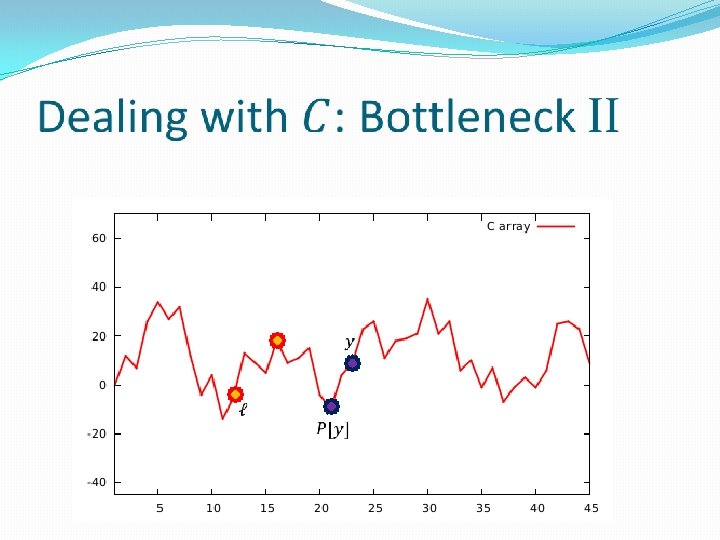
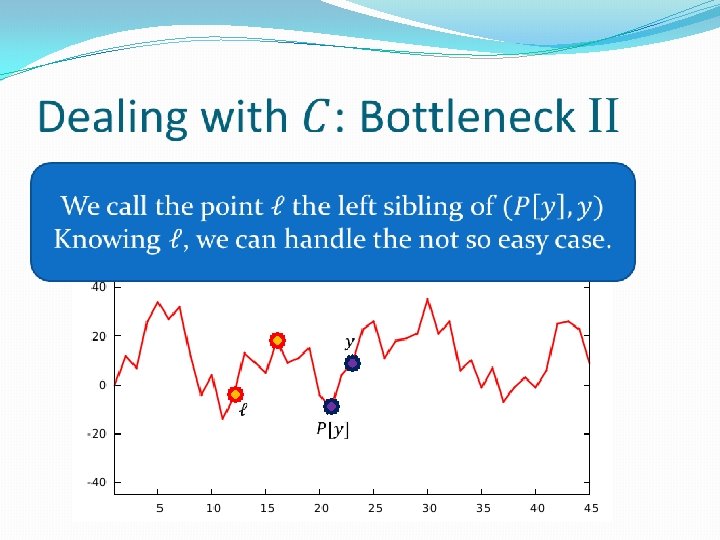
�How to answer a query: the not so easy case
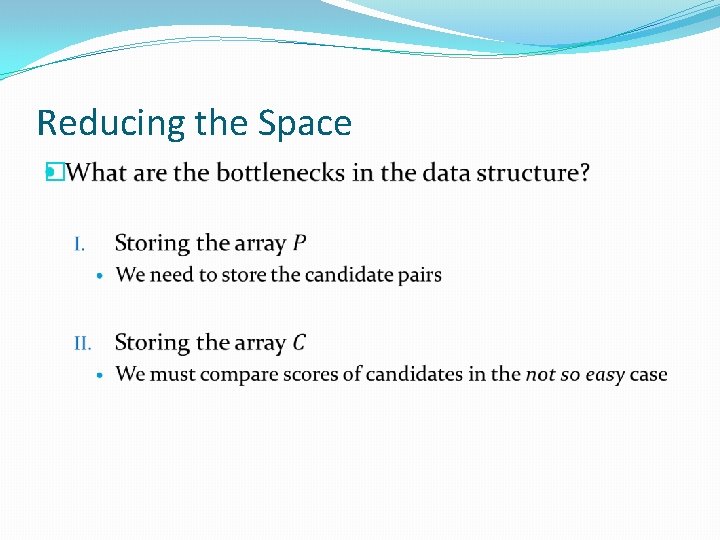
Reducing the Space �
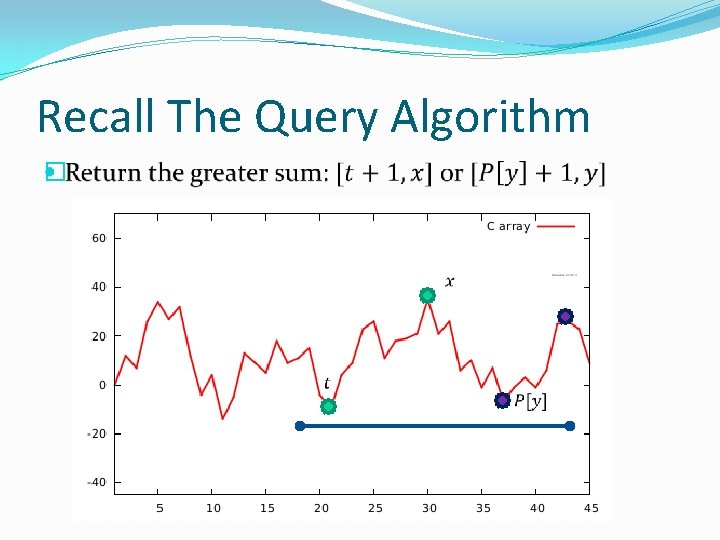
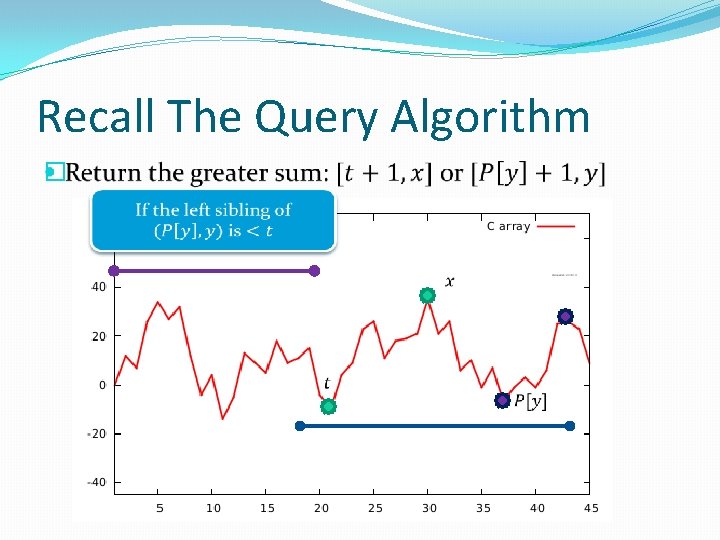
Recall The Query Algorithm �
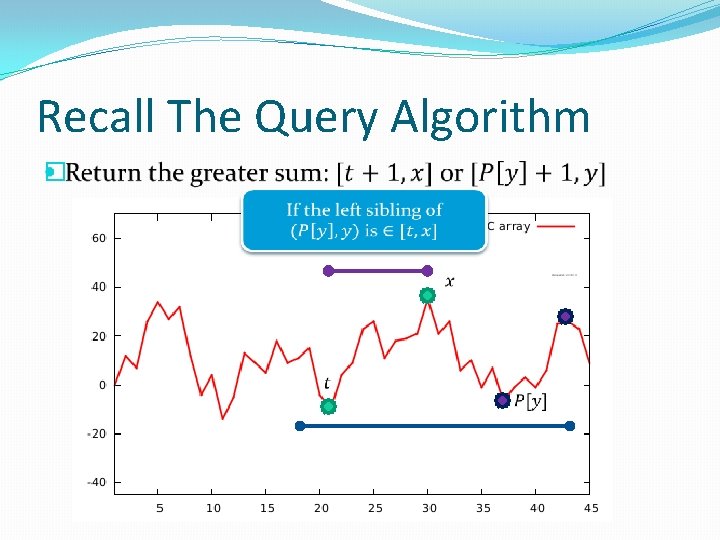
Recall The Query Algorithm �
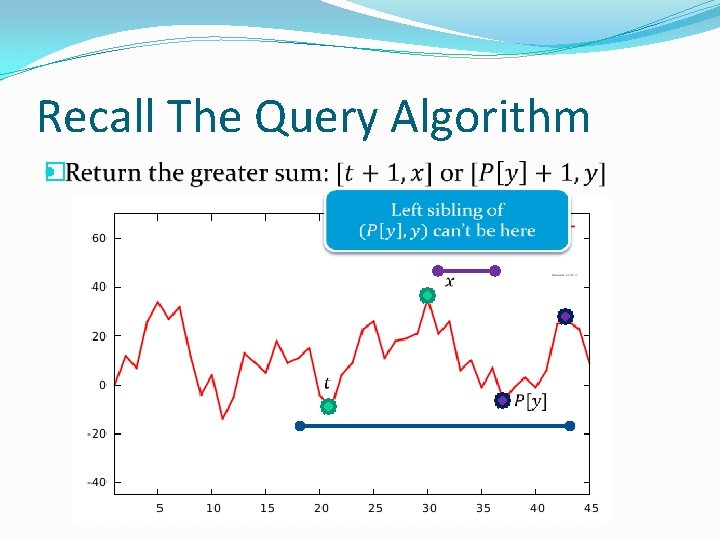
Recall The Query Algorithm �
Recall The Query Algorithm �
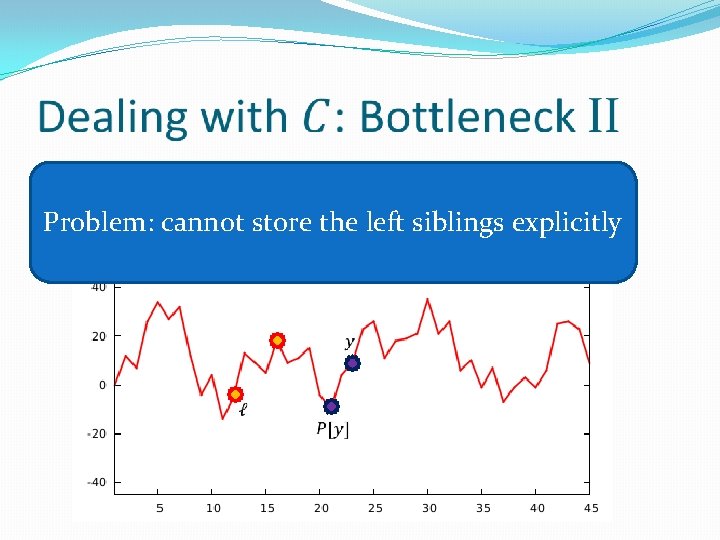
Problem: cannot store the left siblings explicitly
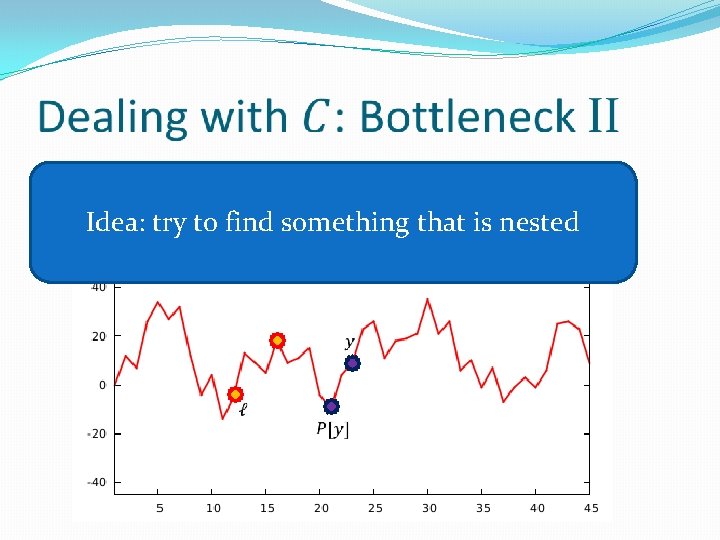
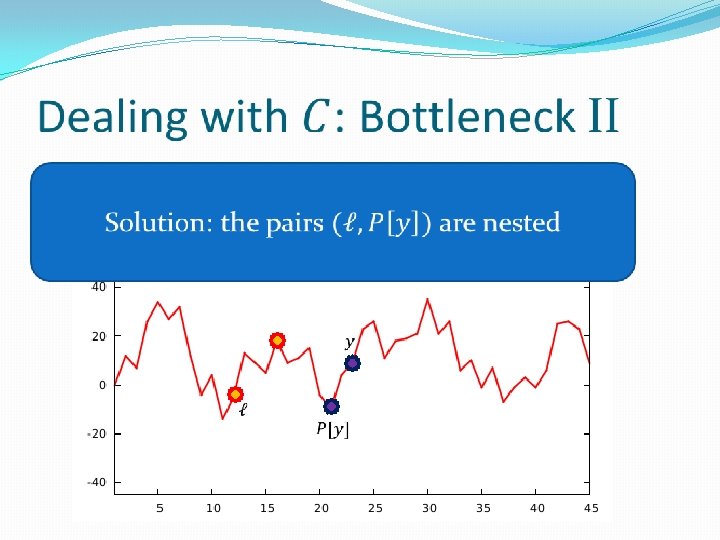
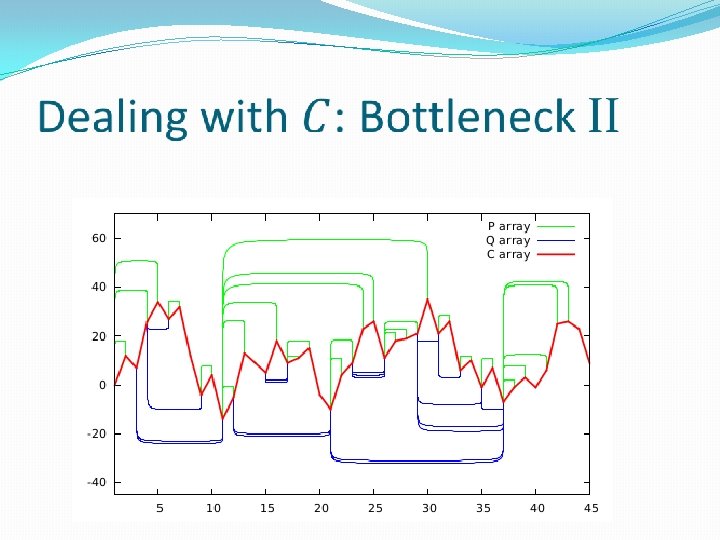
Idea: try to find something that is nested
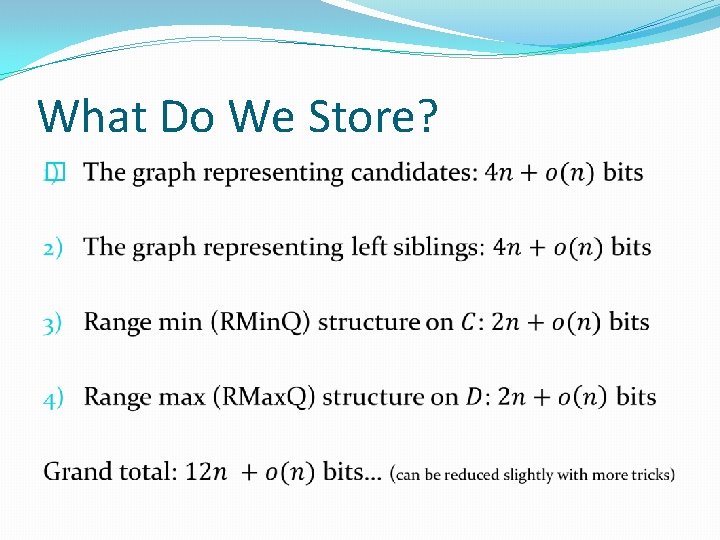
What Do We Store? �
Thank You