
Enabling structurebased datadriven selection of targets for cancer

Enabling structure-based data-driven selection of targets for cancer immunotherapy Dinler Amaral Antunes Postdoctoral Research Associate Rice University Kavraki Lab at Rice University Lizée Lab at UT MD Anderson Houston/TX
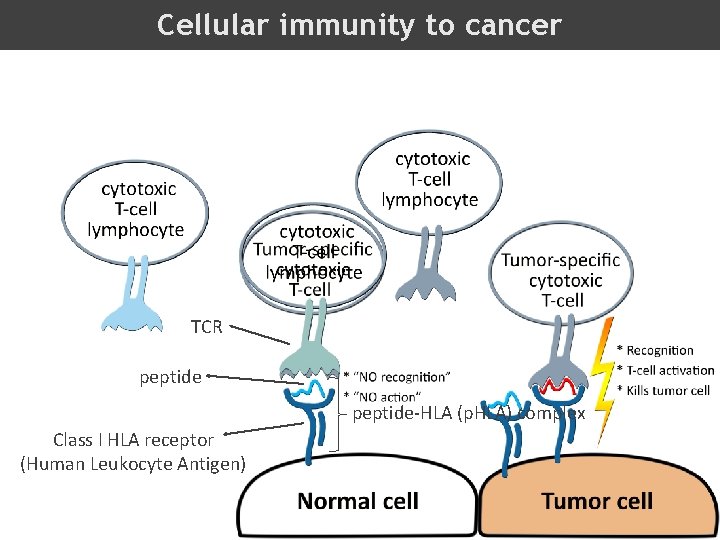
Cellular immunity to cancer TCR peptide-HLA (p. HLA) complex Class I HLA receptor (Human Leukocyte Antigen)
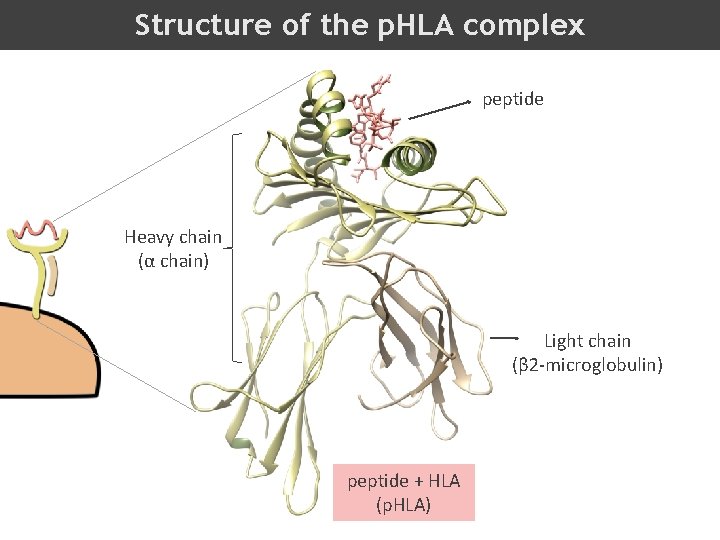
Structure of the p. HLA complex peptide Heavy chain (α chain) Light chain (β 2 -microglobulin) peptide + HLA (p. HLA)
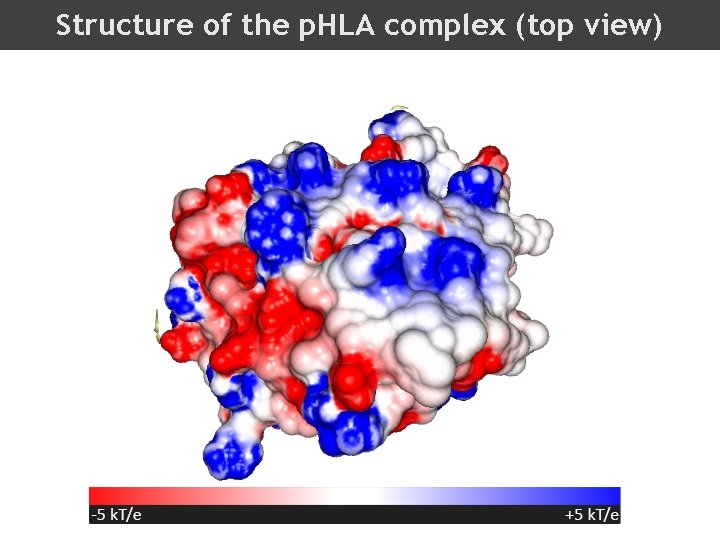
Structure of the p. HLA complex (top view)
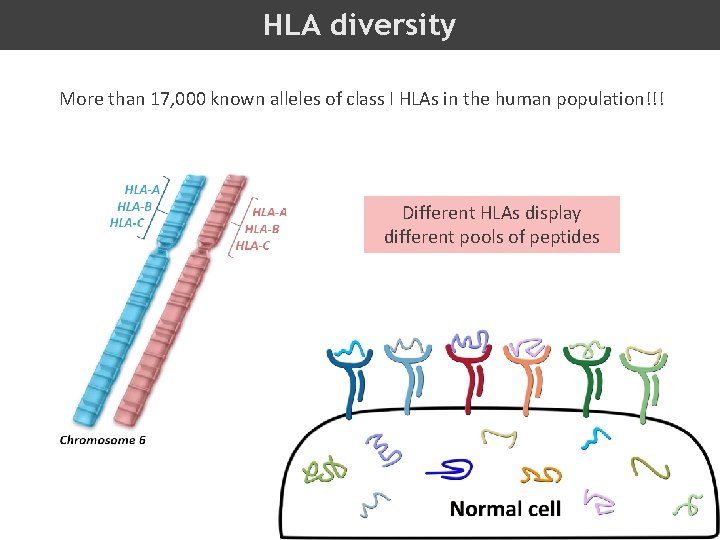
HLA diversity More than 17, 000 known alleles of class I HLAs in the human population!!! Different HLAs display different pools of peptides
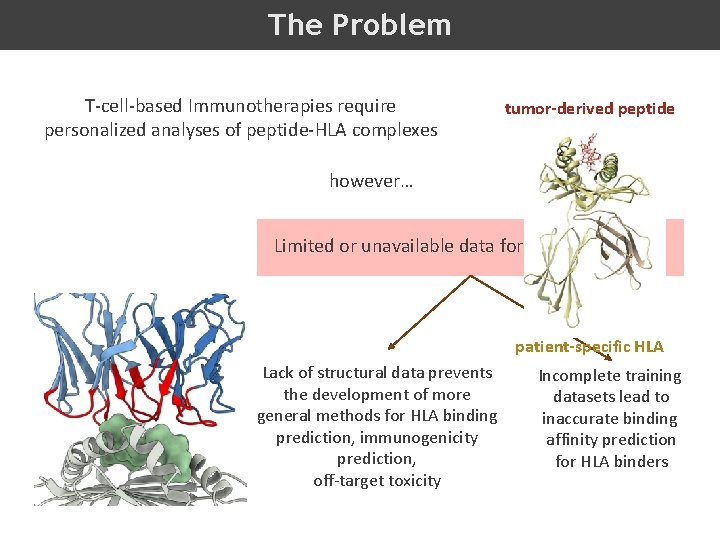
The Problem T-cell-based Immunotherapies require personalized analyses of peptide-HLA complexes tumor-derived peptide however… Limited or unavailable data for most HLA alleles patient-specific HLA Lack of structural data prevents the development of more general methods for HLA binding prediction, immunogenicity prediction, off-target toxicity Incomplete training datasets lead to inaccurate binding affinity prediction for HLA binders
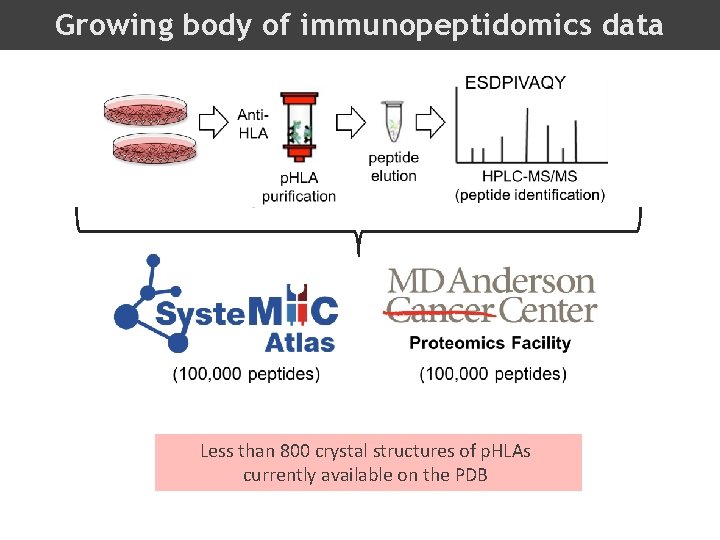
Growing body of immunopeptidomics data Less than 800 crystal structures of p. HLAs currently available on the PDB
Objective Perform large-scale modeling of peptide-HLA complexes, using immunopeptidomics data
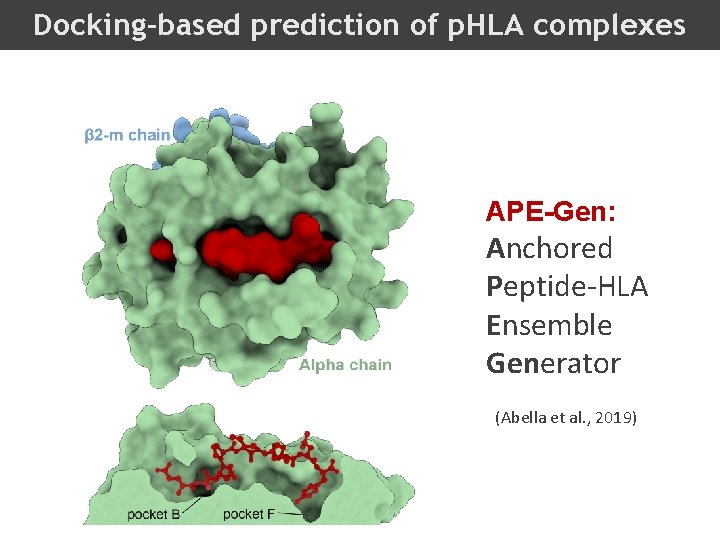
Docking-based prediction of p. HLA complexes APE-Gen: Anchored Peptide-HLA Ensemble Generator (Abella et al. , 2019)
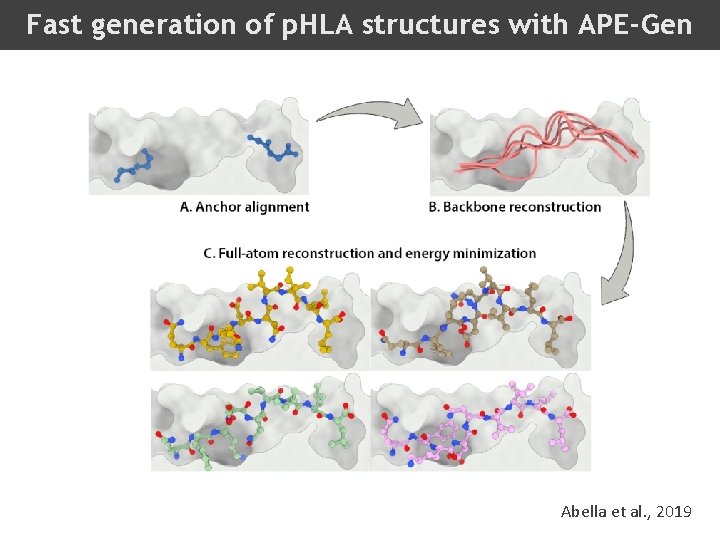
Fast generation of p. HLA structures with APE-Gen Abella et al. , 2019
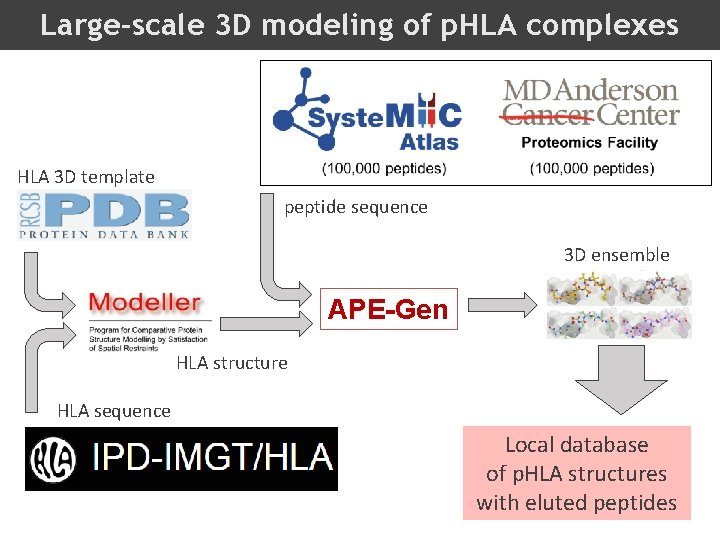
Large-scale 3 D modeling of p. HLA complexes HLA 3 D template peptide sequence 3 D ensemble APE-Gen HLA structure HLA sequence Local database of p. HLA structures with eluted peptides
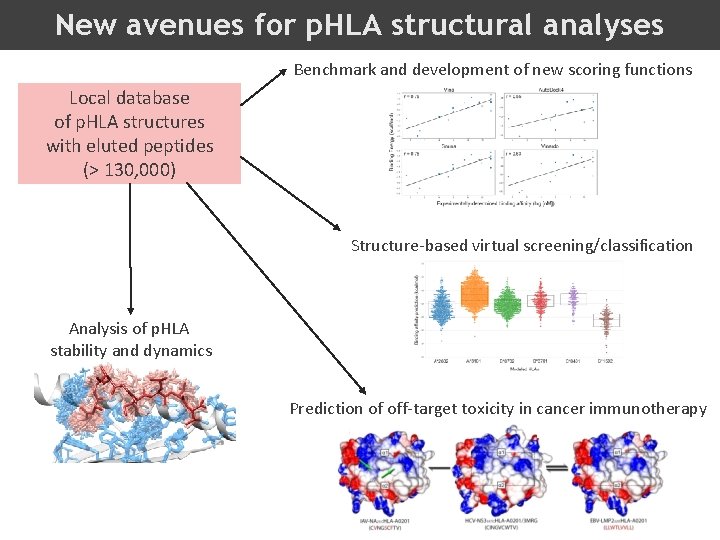
New avenues for p. HLA structural analyses Benchmark and development of new scoring functions Local database of p. HLA structures with eluted peptides (> 130, 000) Structure-based virtual screening/classification Analysis of p. HLA stability and dynamics Prediction of off-target toxicity in cancer immunotherapy
Conclusions • APE-Gen is a fast method to model p. HLA structures • We have modeled more than 130, 000 p. HLAs with peptides from immunopeptidomics projects • This database of modeled 3 D structures opens new avenues for structural and data-driven analysis • We plan to make all our resources available to the community (methods and datasets)

Acknowledgements Rice University (TX, US) • Lydia Kavraki • Jayvee Abella • Didier Devaurs • Sarah Hall-Swan • Mark Moll • Nicole Mitchell • Anja Conev UT MD Anderson (TX, US) • Gregory Lizée • Cassian Yee • Kyle Jackson

Rice University Houston – Texas/US dinler@rice. edu dinlerantunes. com
- Slides: 15