
Empires of Mesopotamia Akkadians long ago conquered Sumer



- Slides: 21
Empires of Mesopotamia
Akkadians long ago, conquered Sumer took control… The Sumerian city-states each wanted control over land water because of this, they were often at war with each other. Eventually, the Akkadian army from the north came and conquered the Sumerians. The leader of that army was Sargon I (Sargon the Great). He was a skilled general and strong king. To prevent rebellions, he destroyed city walls. He created the first empire. (Several groups of people ruled under one leader. )
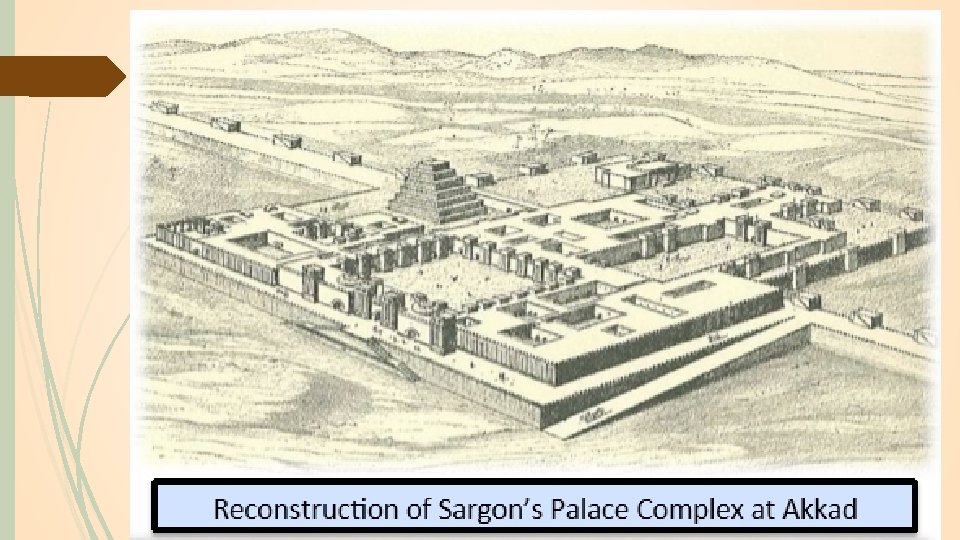
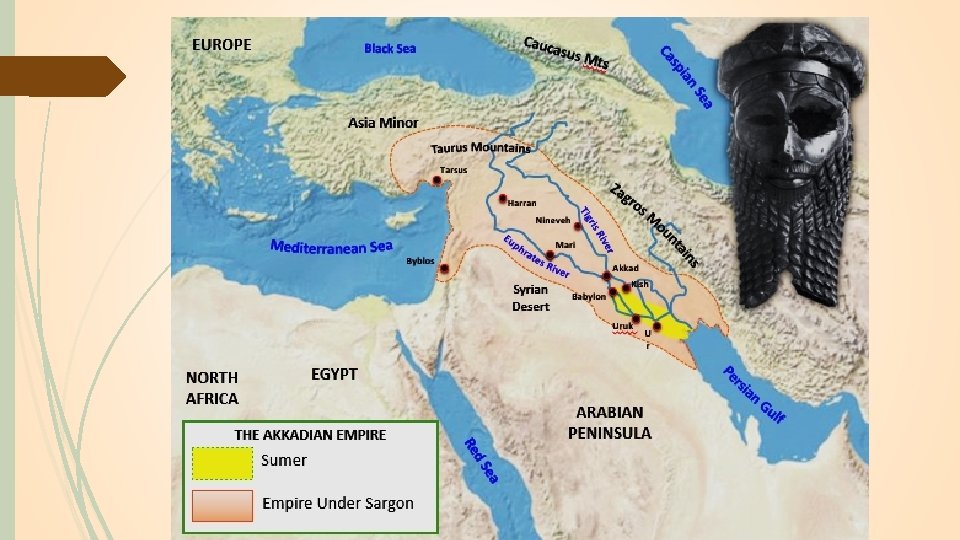
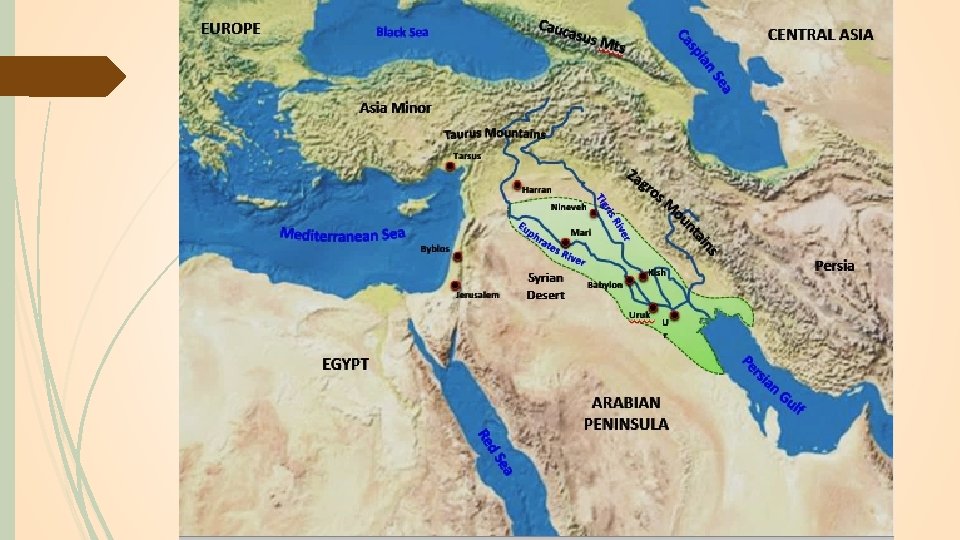
Sargon led his armies in the chariots they roll Eventually Sargon’s empire would stretch from the Mediterranean Sea all the way to the Persian Gulf. Sargon set up his capital at the city of Akkad, in central Mesopotamia. He was one of the first rulers to keep a standing army, a permenant army of paid soldiers. He was also one of the first to use large numbers of archers. Akkadians used Sumerian irrigation and farming techniques, Sumerian cuneiform, and Sumerian religion.
King Sargon got real old. Told his sons to take throne…but the huge Akkadian empire would fall out of their control When he finally died, around 2215 BC, his empire began to break apart and would only last for another 30 years under the leadership of his two sons. Akkad was eventually conquered and ruled by tribes from the north for over 200 years. Eventually the city-state of Ur, which Sargon had conquered, rose in strength and conquered large parts of Mesopotamia. Sumer’s city-states once again became independent.
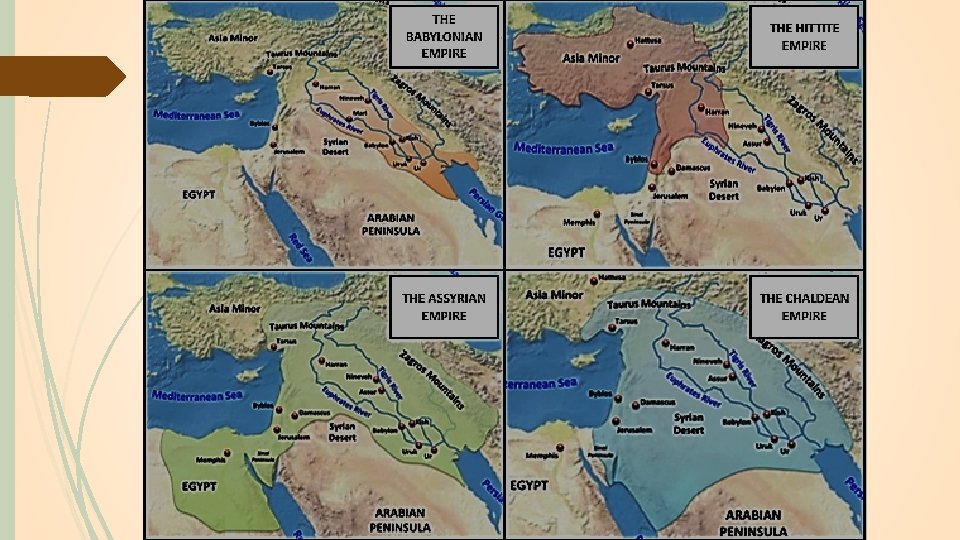
Then came Hammurabi, who would take full command…Hammurabi was the king of the Babylonians, Man…Babylonia, was the land, where they told ya…You’ll obey Hammurabi’s code, Praise Hammurabi’s code, break Hammurabi’s code and you’ll be saying “Oh no!” Between 1790 B. C. and 1750 B. C. , Hammurabi, the king of the citystate of Babylon, conquered and united most of Mesopotamia. He formed a large empire that became known as the Babylonian Empire. Hammurabi both encouraged agriculture, irrigation, and building projects. He also improved Babylon’s tax collection system. He is best known for a set of 282 laws which came to be known as Hammurabi’s Code – the earliest known set of written laws in the world.
Babylonians built roads, they traded grain for gold…they kept themselves united under Hammurabi’s code. Which was a bunch of laws, they believed it had no flaws…they obeyed it just because, they thought Hammurabi was chosen by the gods, OHHHH!!! Originally, each city-state had its own laws. Hammurabi collected these laws, sorted them, and came up with one collection of laws. These laws covered such matters as family relationships, taxes, land business deals, trade, loans, debts, wages, and crime. He had the code carved into stone and placed in a public place for everyone to see. Some of the laws followed the idea of “an eye for an eye. ” These laws called for punishments that matched the crimes that had been committed.
…by the Euphrates River! After Hammurabi died in 1750 BC, the Babylonian Empire entered into a swift decline as different parts began to break away. In the 1, 600’s B. C. , the Hittites, armed with war chariots and iron weapons, captured and looted Babylon. The Hittites originally came from Asia Minor. They began to invade surrounding areas, capturing them and forcing them to pay tribute. The Hittites were one of the earliest people to master ironworking which gave them a huge advantage over enemies who were still using bronze weapons.
…By the Euphrates River! They eventually returned to their homeland, and their neighbors, the Kassites, moved in and conquered the city of Babylon. The Kassites ruled the city of Babylon for more than 500 years. They adopted Babylonian laws, religion, and literature, which helped Babylonian culture live on.
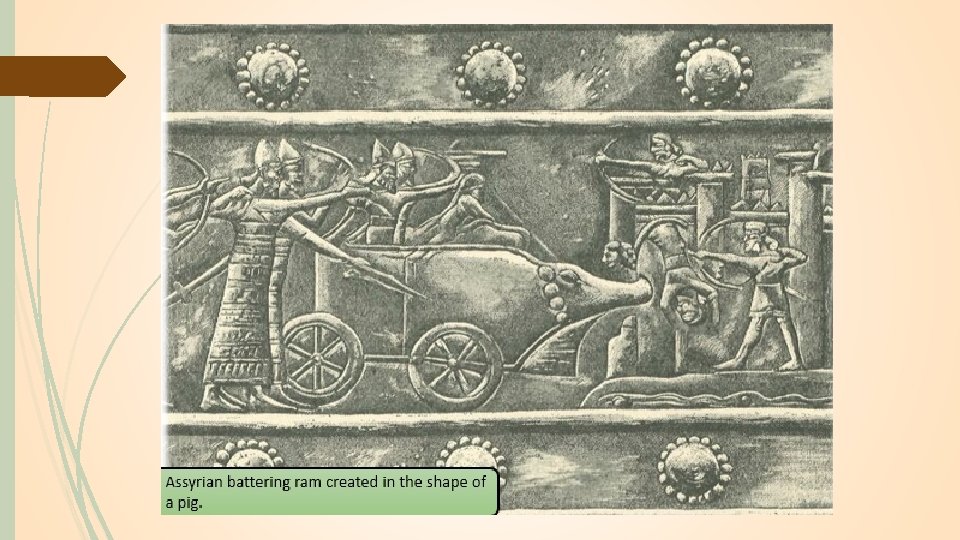
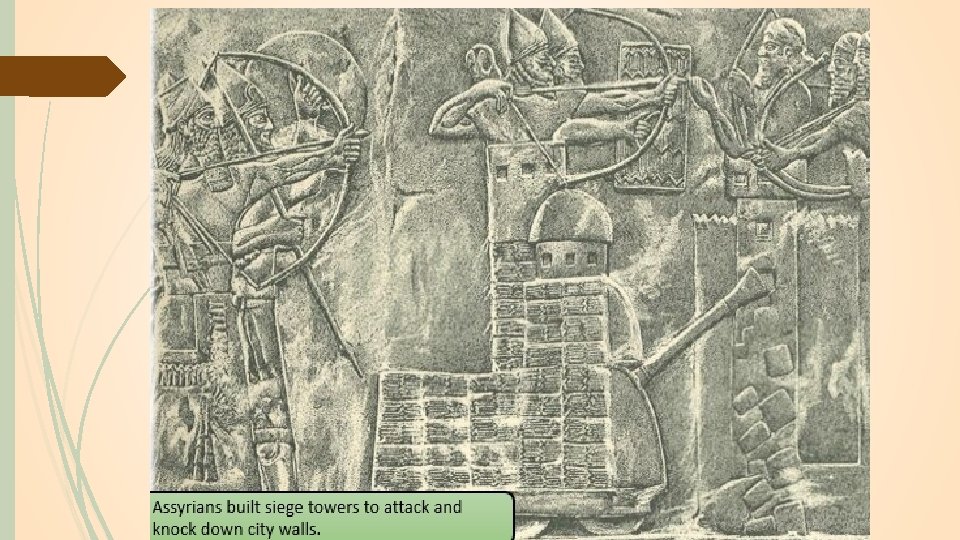
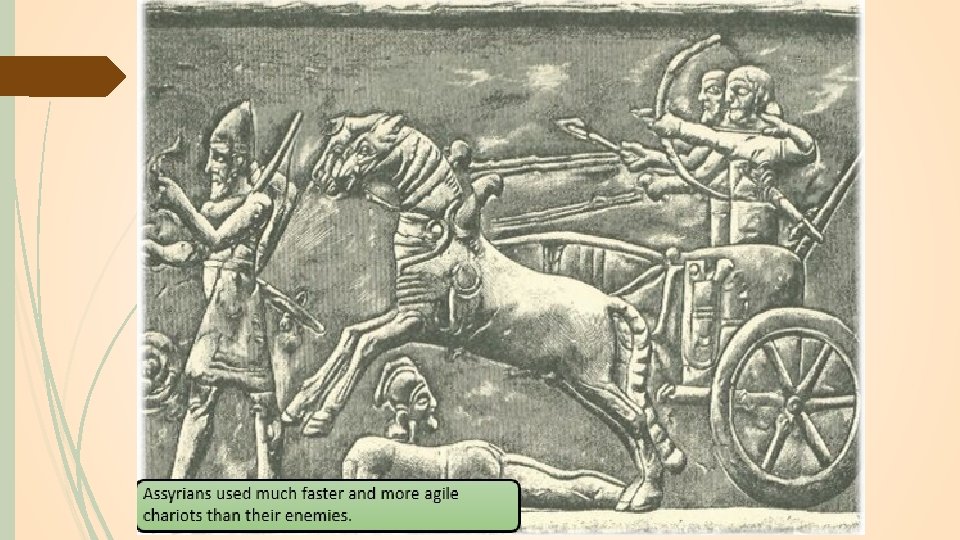
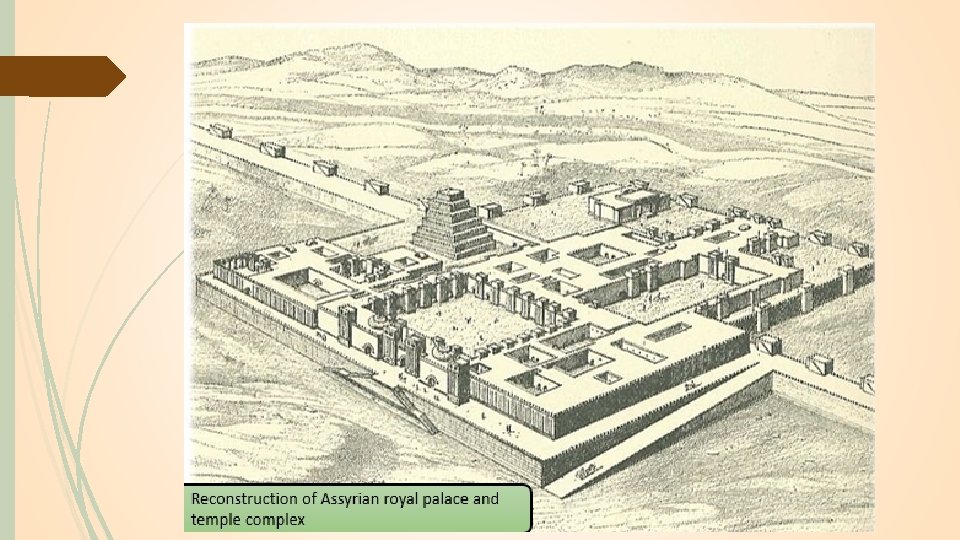
Near the Persian Gulf’s where they found ancient ruins underground… In time, the Assyrian Empire gained control of the region. The city-state of Assur had been founded in around 2, 600 B. C. . The Assyrians had a great desire to control the trade routes in the southwestern Asia. Their mastery over powerful new weapons helped them meet this goal. The Assyrian army introduced the battering ram, a heavy wooden beam used to break down walls. They were also among the first to use the lance, a spear attached to a long handle, and siege towers. The Assyrians spread terror wherever they went – burning villages and towns and torturing prisoners. Assyrian leaders often boasted about their campaigns and victories by having images of them carved onto the walls of their temples and palaces.
Archeologist did lots of excavation down… Assyrian kings united their huge empire by building the world's first system of paved roads and developing a postal system. The Assyrians were the first to make locks that opened with keys. They also invented the magnifying glass and built the first libraries. Around 630 B. C. , the Assyrian Empire fell to its enemies, and the New Babylonian (Chaldean) Empire rose in its place.
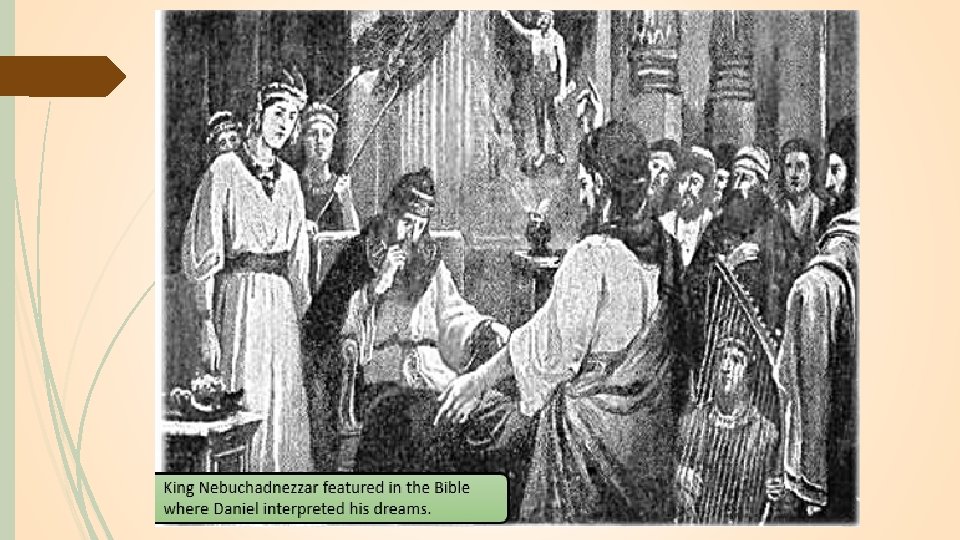
EU! Mesopawwwww…tamia!!! The Chaldeans (Neo-Babylonians) rebuilt the city of Babylon, constructing a new series of walls with magnificently decorated gates. One of this empire’s best-known rulers was Nebuchadnezzar. He is believed to have built the terraced garden known as the Hanging Gardens of Babylon. According to legend, king Nebuchadnezzar created a palace called the Hanging Gardens for one of his wives who missed the forests and mountains of her homeland. This building had gardens planted on its different levels, supplied with running water.