
Emotions What does this make you feel like






- Slides: 22
Emotions
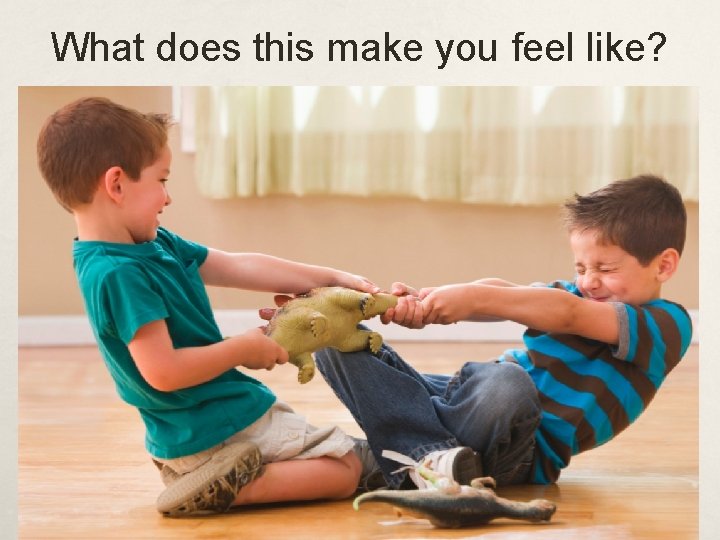
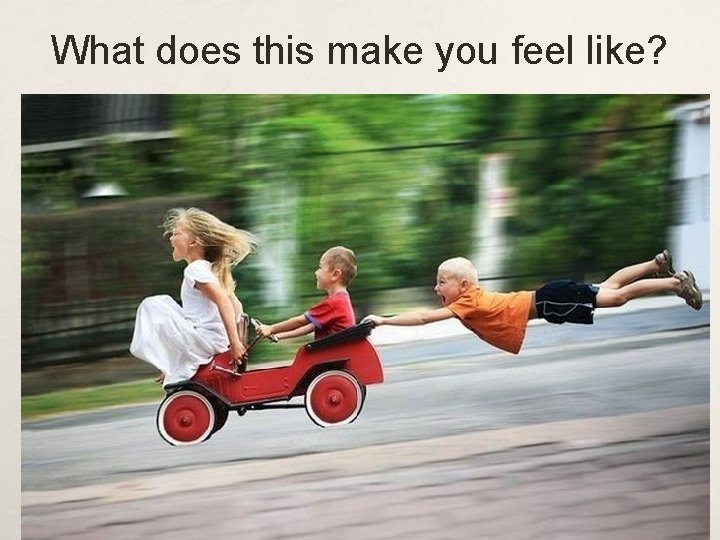
What does this make you feel like?
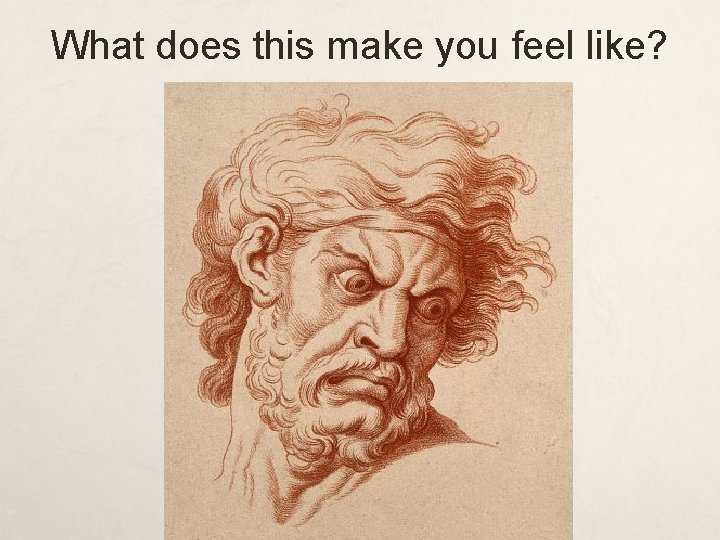
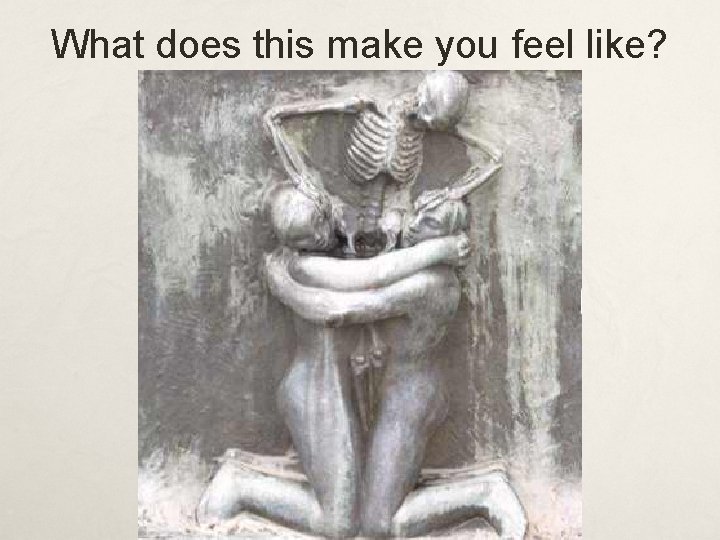
What does this make you feel like?
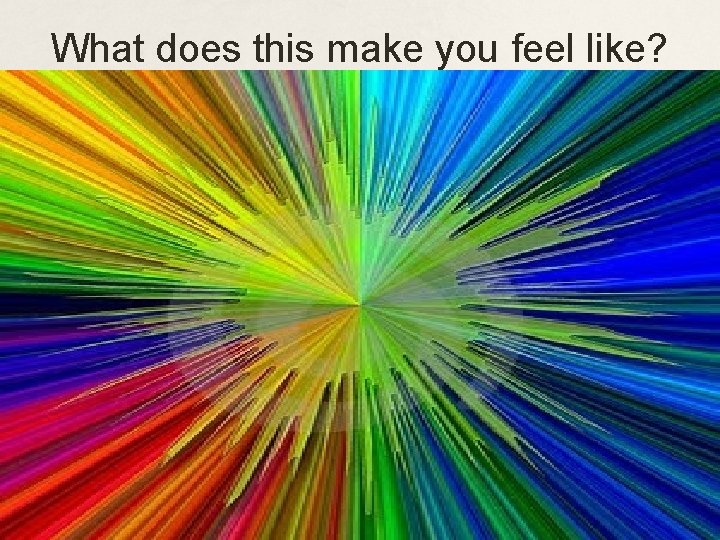
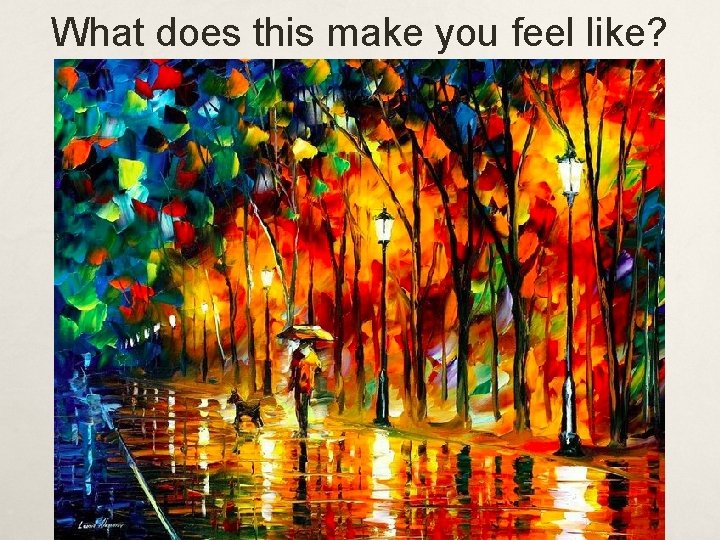
What does this make you feel like?
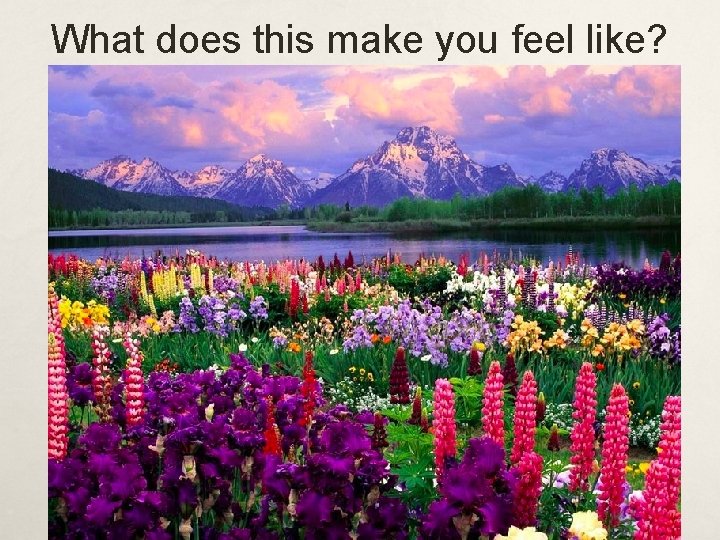
What does this make you feel like?
What does this make you feel like?
What does this make you feel like?
What does this make you feel like?
What does this make you feel like?
What does this make you feel like?
What does this make you feel like?
What does this make you feel like?
What does this make you feel like?
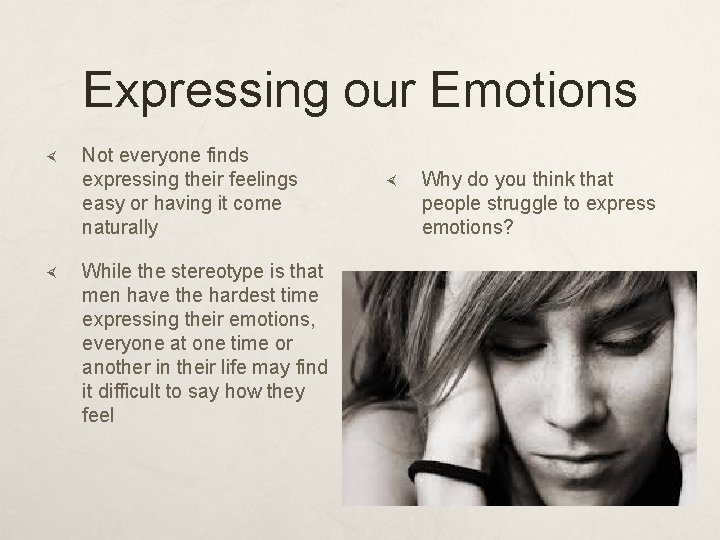
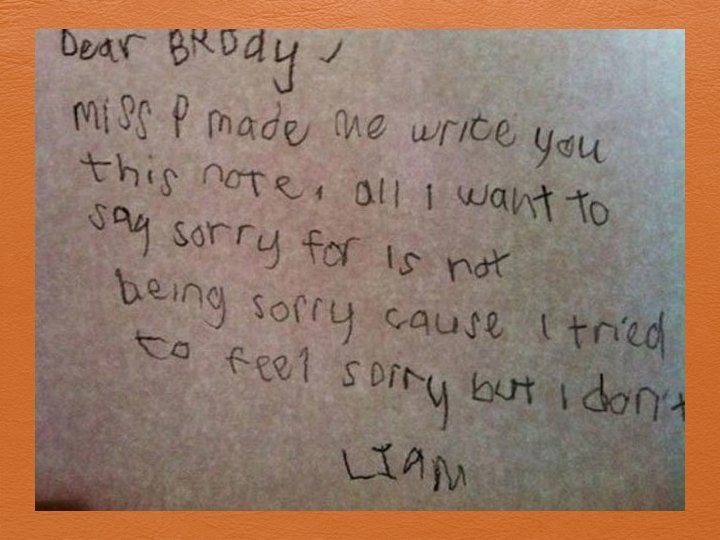
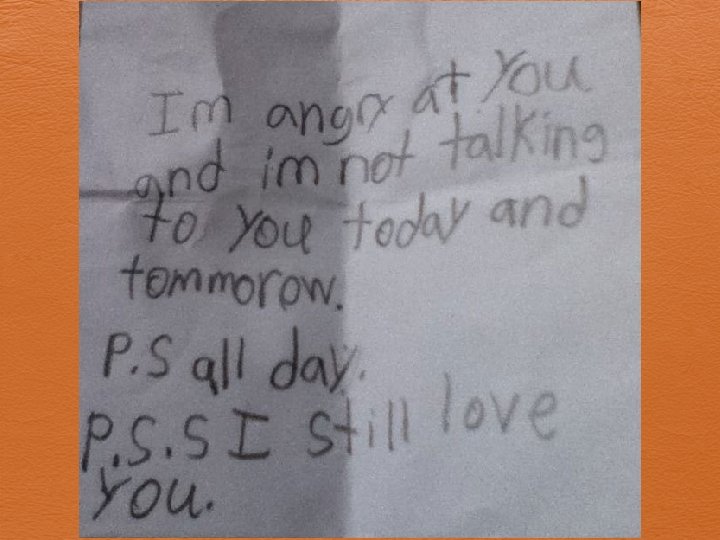
Expressing our Emotions Not everyone finds expressing their feelings easy or having it come naturally While the stereotype is that men have the hardest time expressing their emotions, everyone at one time or another in their life may find it difficult to say how they feel Why do you think that people struggle to express emotions?
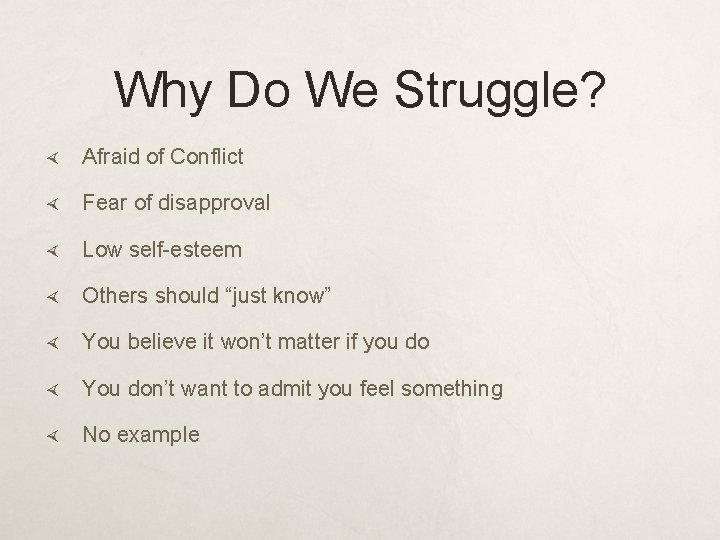
Why Do We Struggle? Afraid of Conflict Fear of disapproval Low self-esteem Others should “just know” You believe it won’t matter if you do You don’t want to admit you feel something No example
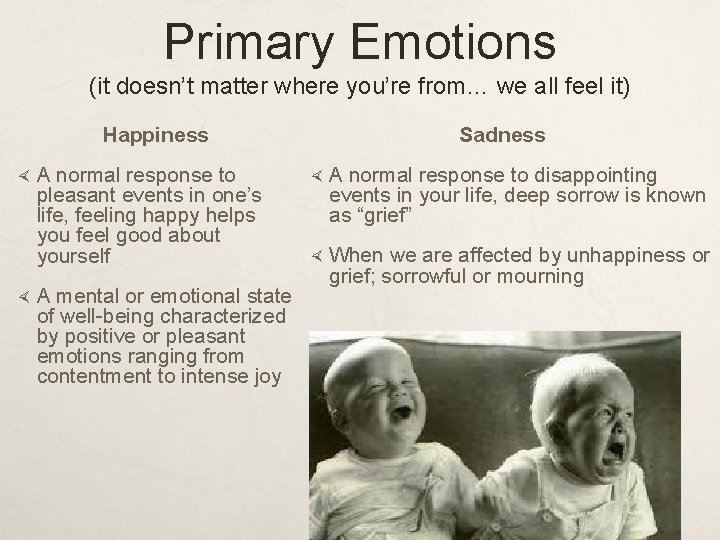
Primary Emotions (it doesn’t matter where you’re from… we all feel it) Happiness A normal response to pleasant events in one’s life, feeling happy helps you feel good about yourself A mental or emotional state of well-being characterized by positive or pleasant emotions ranging from contentment to intense joy Sadness A normal response to disappointing events in your life, deep sorrow is known as “grief” When we are affected by unhappiness or grief; sorrowful or mourning
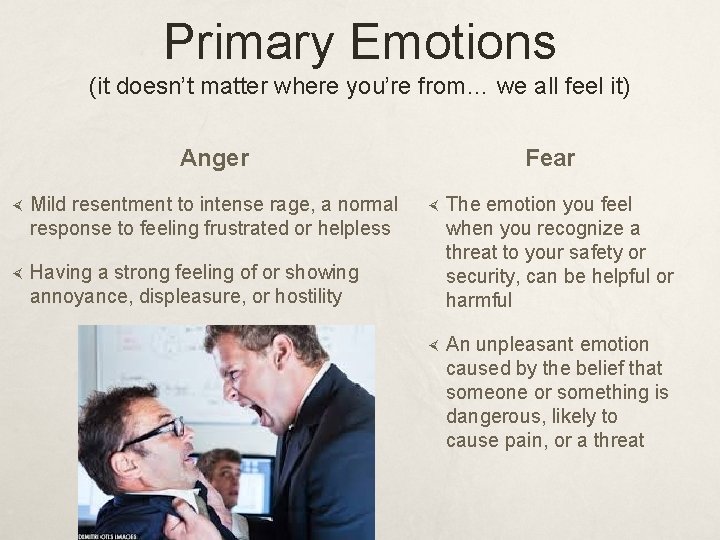
Primary Emotions (it doesn’t matter where you’re from… we all feel it) Anger Mild resentment to intense rage, a normal response to feeling frustrated or helpless Having a strong feeling of or showing annoyance, displeasure, or hostility Fear The emotion you feel when you recognize a threat to your safety or security, can be helpful or harmful An unpleasant emotion caused by the belief that someone or something is dangerous, likely to cause pain, or a threat
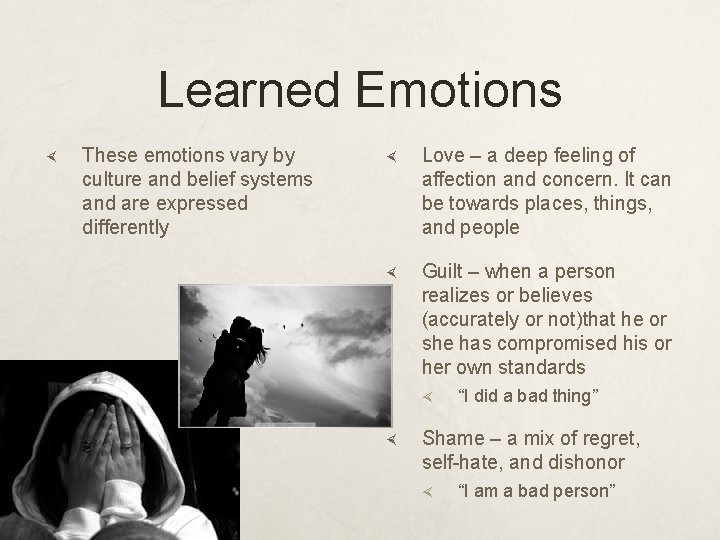
Learned Emotions These emotions vary by culture and belief systems and are expressed differently Love – a deep feeling of affection and concern. It can be towards places, things, and people Guilt – when a person realizes or believes (accurately or not)that he or she has compromised his or her own standards “I did a bad thing” Shame – a mix of regret, self-hate, and dishonor “I am a bad person”
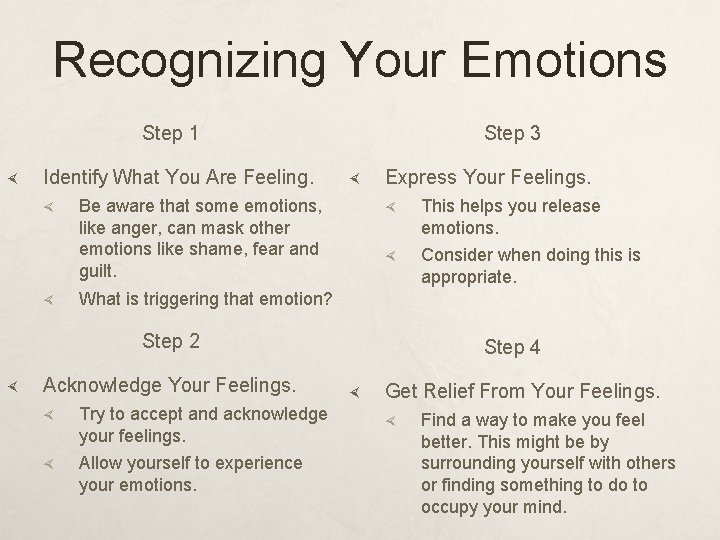
Recognizing Your Emotions Step 1 Identify What You Are Feeling. Step 3 Be aware that some emotions, like anger, can mask other emotions like shame, fear and guilt. Express Your Feelings. This helps you release emotions. Consider when doing this is appropriate. What is triggering that emotion? Step 2 Acknowledge Your Feelings. Try to accept and acknowledge your feelings. Allow yourself to experience your emotions. Step 4 Get Relief From Your Feelings. Find a way to make you feel better. This might be by surrounding yourself with others or finding something to do to occupy your mind.
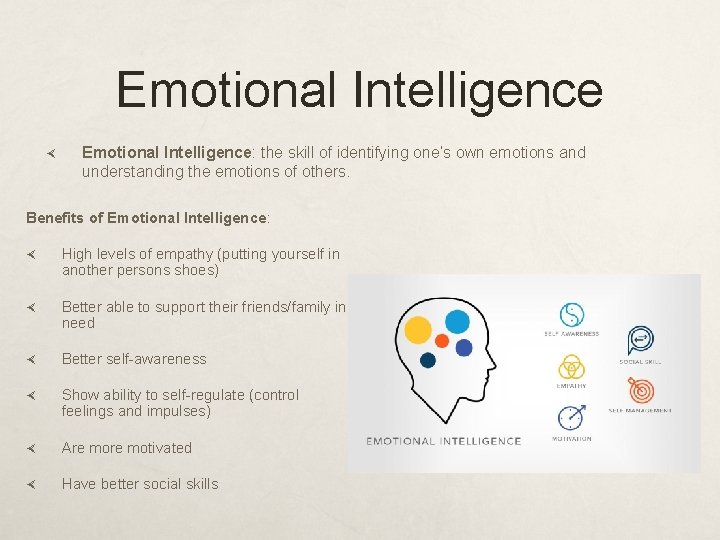
Emotional Intelligence Emotional Intelligence: the skill of identifying one’s own emotions and understanding the emotions of others. Benefits of Emotional Intelligence: High levels of empathy (putting yourself in another persons shoes) Better able to support their friends/family in need Better self-awareness Show ability to self-regulate (control feelings and impulses) Are motivated Have better social skills