
Emergencies in children Bapa Refresher Course 2016 Dr
Emergencies in children Bapa Refresher Course 2016 Dr Sanchez Torres Cristel Cliniques Universitaires Saint-Luc (Brussels, Belgium)
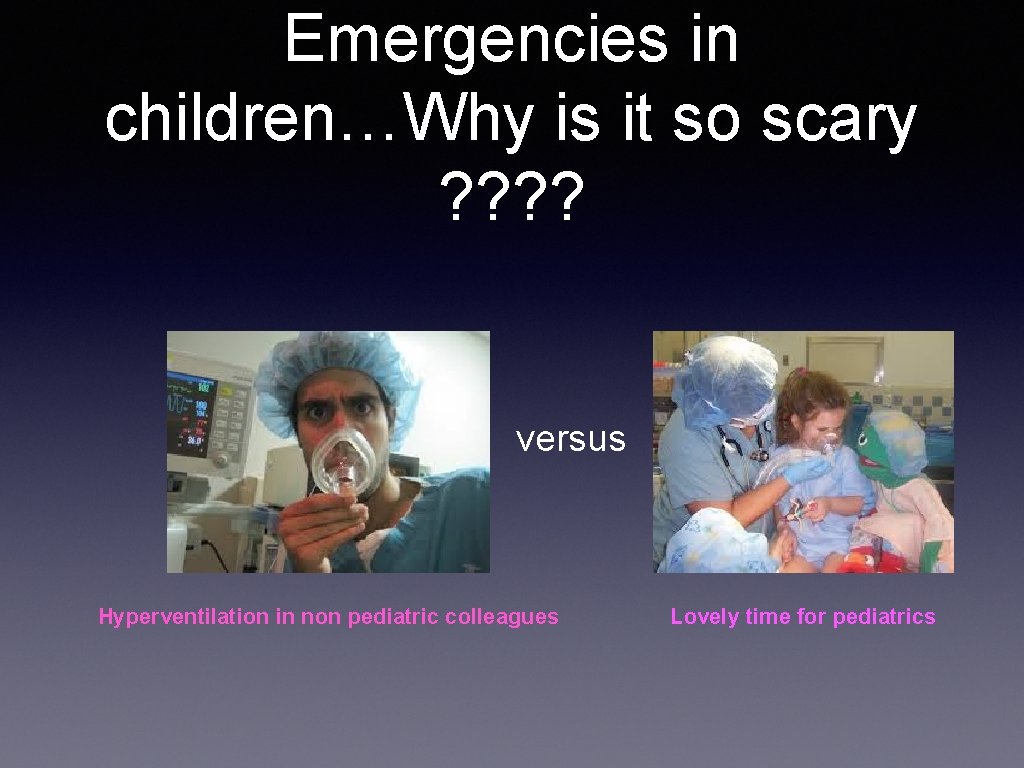
Emergencies in children…Why is it so scary ? ? versus Hyperventilation in non pediatric colleagues Lovely time for pediatrics
Why? • Pediatric perioperative cardiac arrest (USA) 1. 4 / 100 000 anesthesias Mortality in cardiac arrest = 26% Emergencies and <1 year Loss of airway = most common cause of cardiac arrest in children • Pediatric concerns Smaller CRF, rapid desaturation, laryngospasm, preoxygenation difficult IV line placement, intubation not easy in smaller kids syndromes ou non symptomatic cardiac and respiratory abnormalities
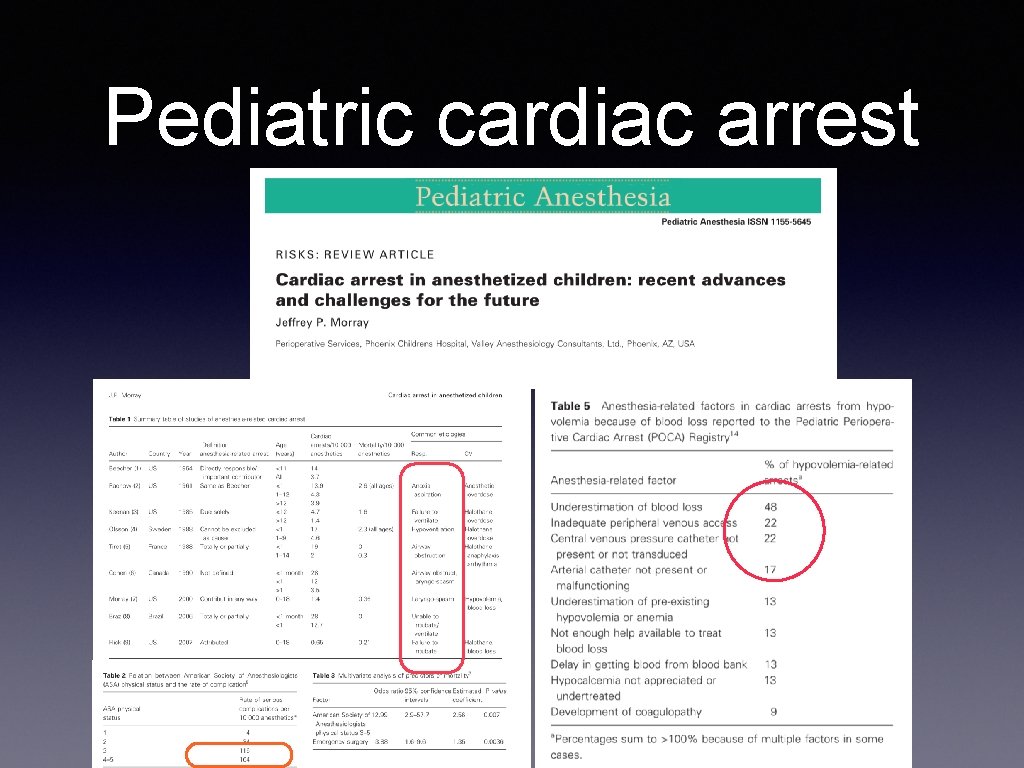
Pediatric cardiac arrest
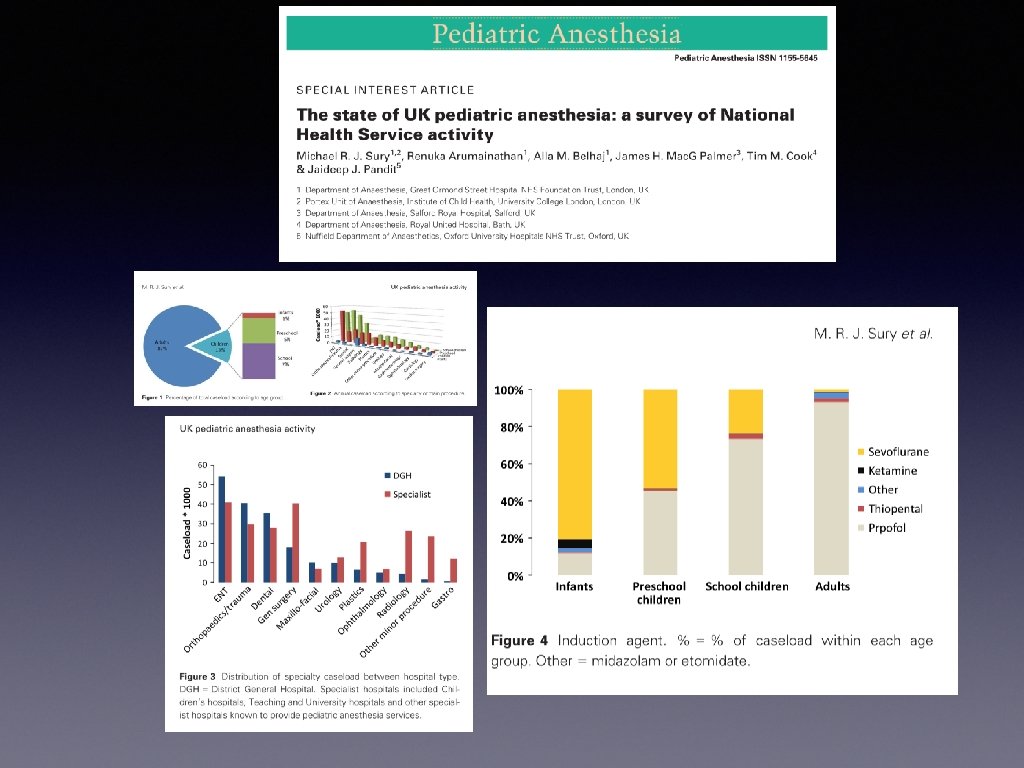
UK
Emergencies in children • Role of anesthetist/team • Some skills to have and to maintain • Pediatric equipment needed • « Complication rate is low despite many areas of ped. emergencies remain controversial » Davidson A. , Anesthetic management of common pediatric emergencies, Curr Opin Anaesthesiol. 2013 Jun, 26 (3): 304 -9 Mc. Dougall R. J. , Paediatric emergencies, Anesthesia 2013, 68 (Suppl. 1), 61 -71
Fasting and emergencies • Emergencies and recent dietary intake, occlusive syndrome, vomiting, … • !!!Gastro-oesophageal reflux, Nissen procedure in the history orooesophageal atresia repaired, …!!! • Trauma and stress : « … aspirates is larger in children injured within 2 hours of eating… » Bricker SR, Gastric aspirates after trauma in children. Anaesthesia 1989 • Majority of inhalational incidents occurs at the induction and 2/3 of them before the laryngoscopy (1 in 1162 children, 3 x than adults) (Olsson. GL. Aspiration during anaesthesia : a computer aided study of 185 385 anaesthestics. Acta Anaesthesiol Scand 1986; 30 : 80 -92) • In adults, complications of gastric inhalation are responsible of 10 to 30% of the deaths due to anesthesia • Sellick / Cricoid pressure…. Not completely effective Landrau B, Inhalation gastrique: epidemiologie et facteurs de risque. Ann Fr Anesth Réanim 2009; 28: 206 -10
Rapid Sequence Induction • Pulmonary aspiration is rare but feared as anesthesia complication • Preoxygenation, thiopentone, suxamethonium, no positive pressure ventilation and quick intubation • Young children more susceptible to hypoxemia than older children and than adults (Xue FS, Luo LK, Tong SY et al. Study of the safe treshold of apneic period in children during anesthesia induction. J Clin Anesth 1996; 8: 568 -574) • Hypoxemia more frequent in emergencies (increased metabolic rate, abdominal pathology decreasing functional residual capacity, upper respiratory tract infection, …) (Kinouchi K. Duration of apnea in anesthestized infants and children required for desaturation of Hb to 95%the influence of upper respiratory infection. Anesthesiology 1992; 77: 1105 -1107)
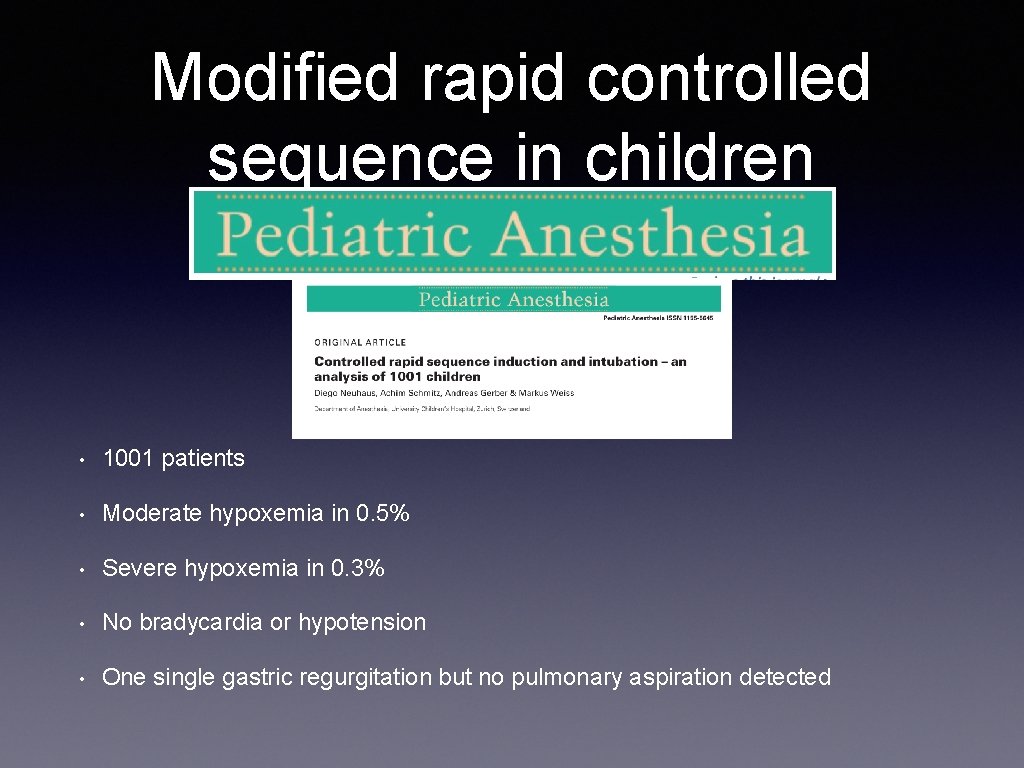
Modified rapid controlled sequence in children • 1001 patients • Moderate hypoxemia in 0. 5% • Severe hypoxemia in 0. 3% • No bradycardia or hypotension • One single gastric regurgitation but no pulmonary aspiration detected
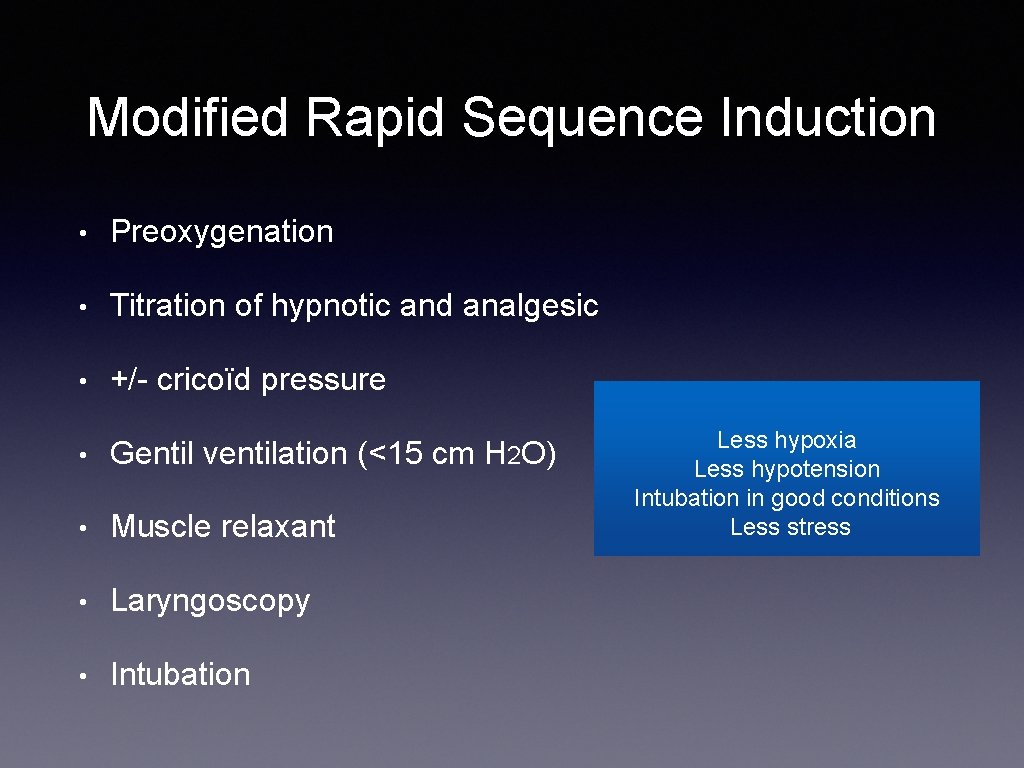
Modified Rapid Sequence Induction • Preoxygenation • Titration of hypnotic and analgesic • +/- cricoïd pressure • Gentil ventilation (<15 cm H 2 O) • Muscle relaxant • Laryngoscopy • Intubation Less hypoxia Less hypotension Intubation in good conditions Less stress
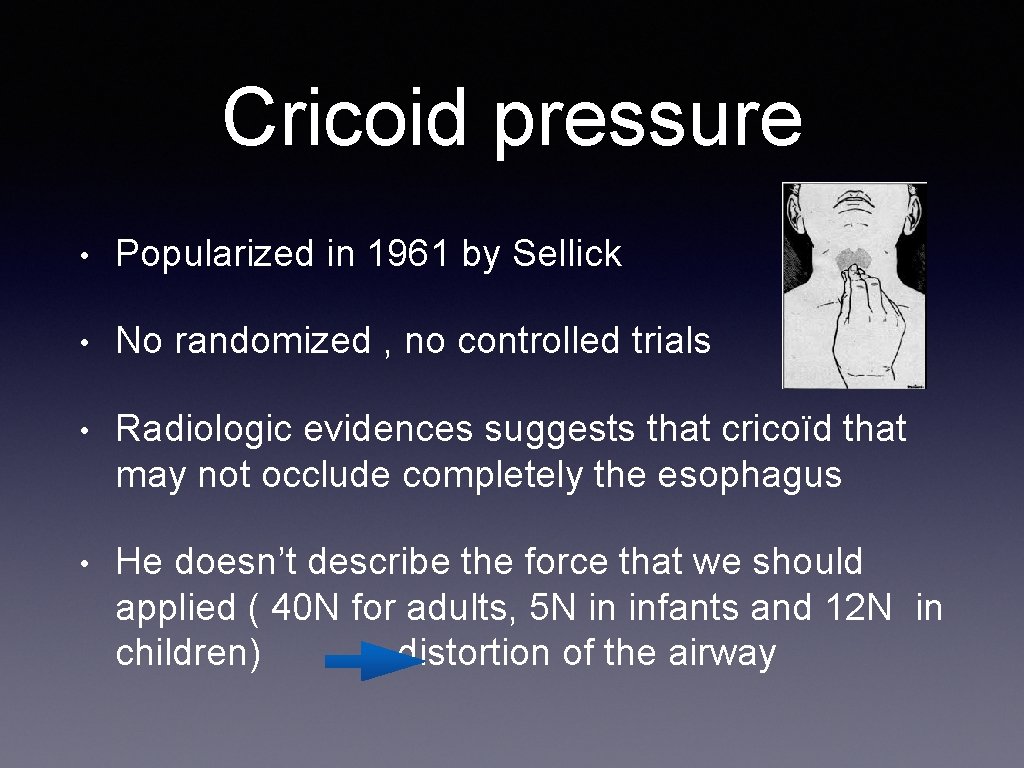
Cricoid pressure • Popularized in 1961 by Sellick • No randomized , no controlled trials • Radiologic evidences suggests that cricoïd that may not occlude completely the esophagus • He doesn’t describe the force that we should applied ( 40 N for adults, 5 N in infants and 12 N in children) distortion of the airway
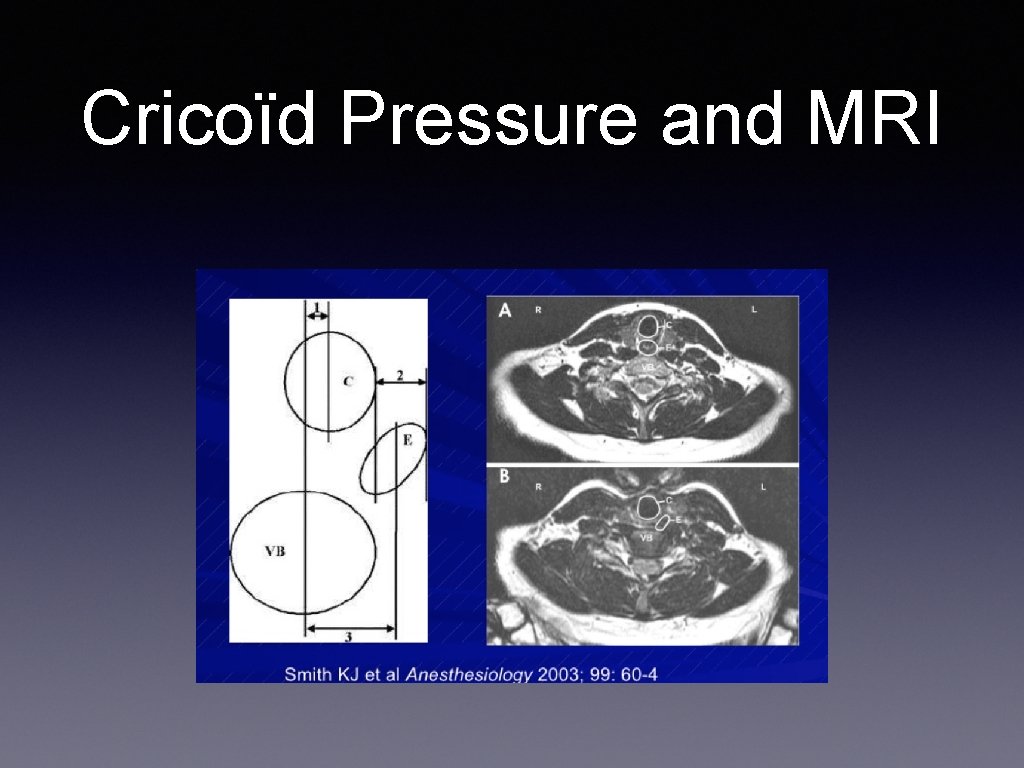
Cricoïd Pressure and MRI
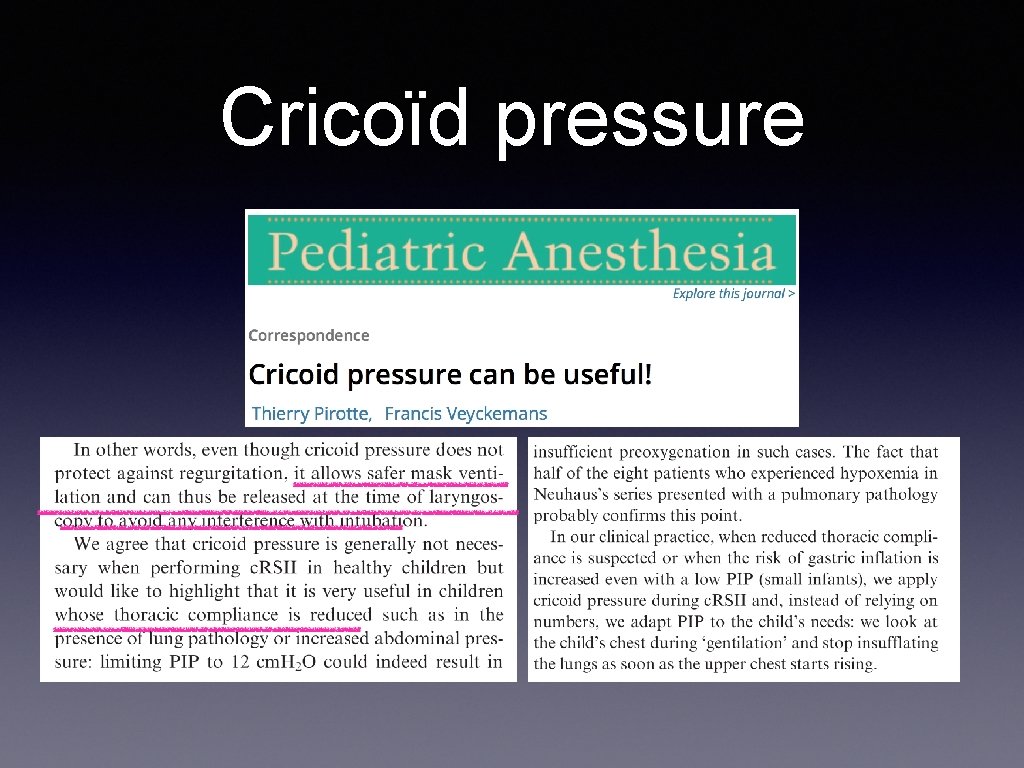
Cricoïd pressure
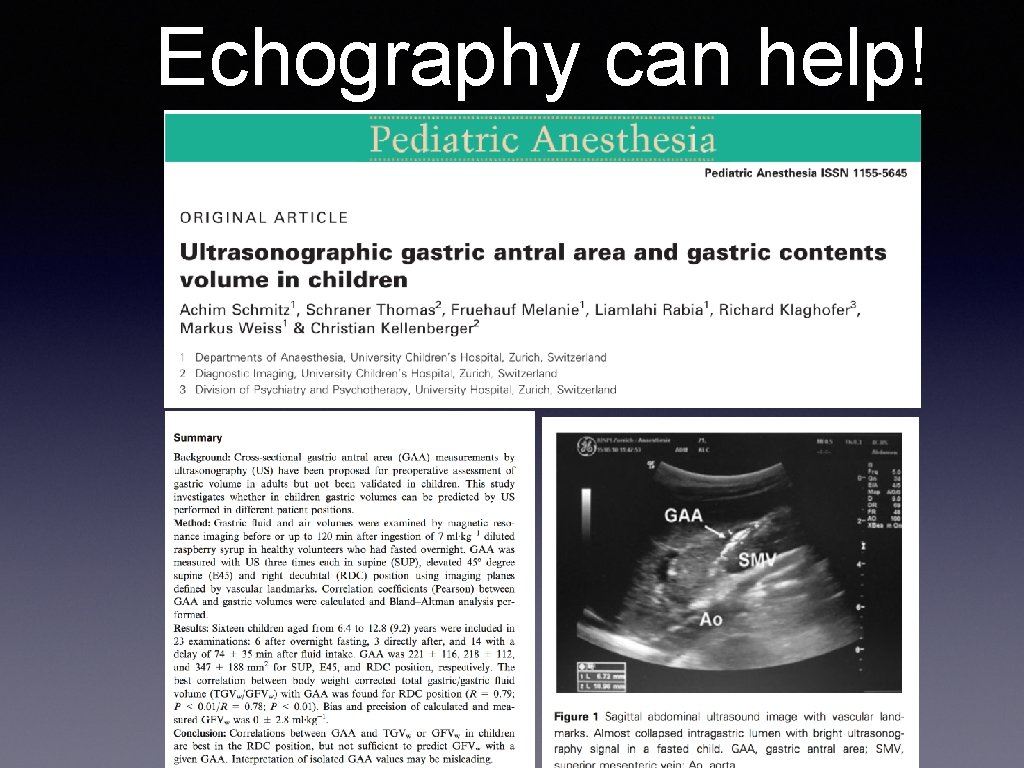
Echography can help!
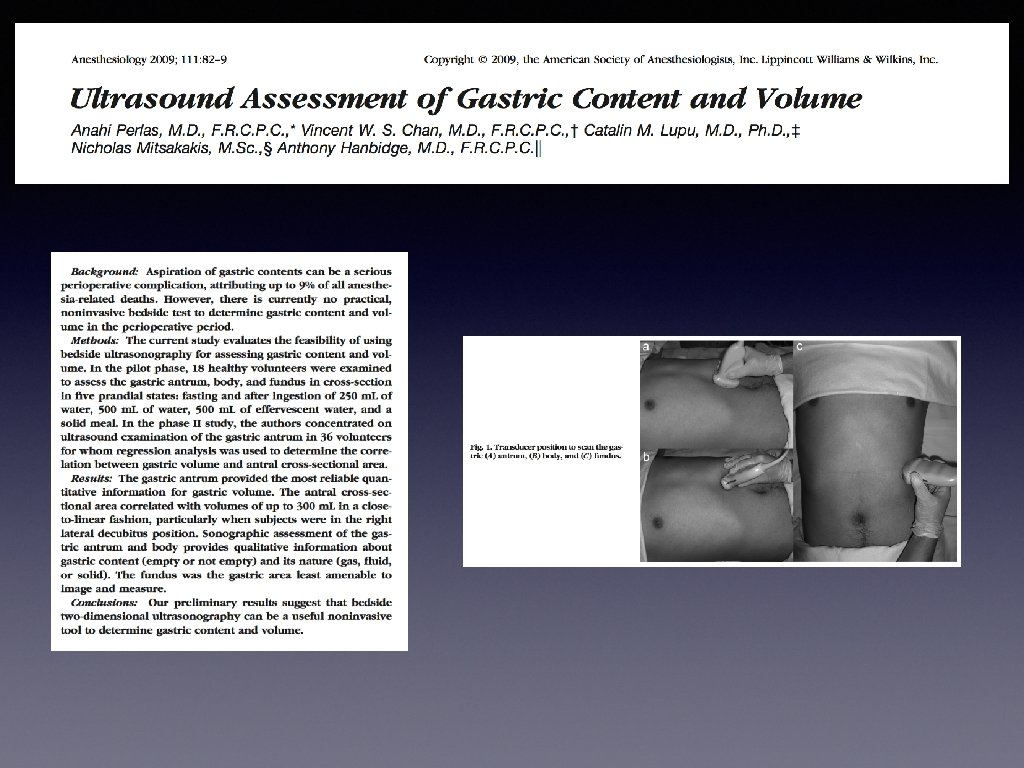
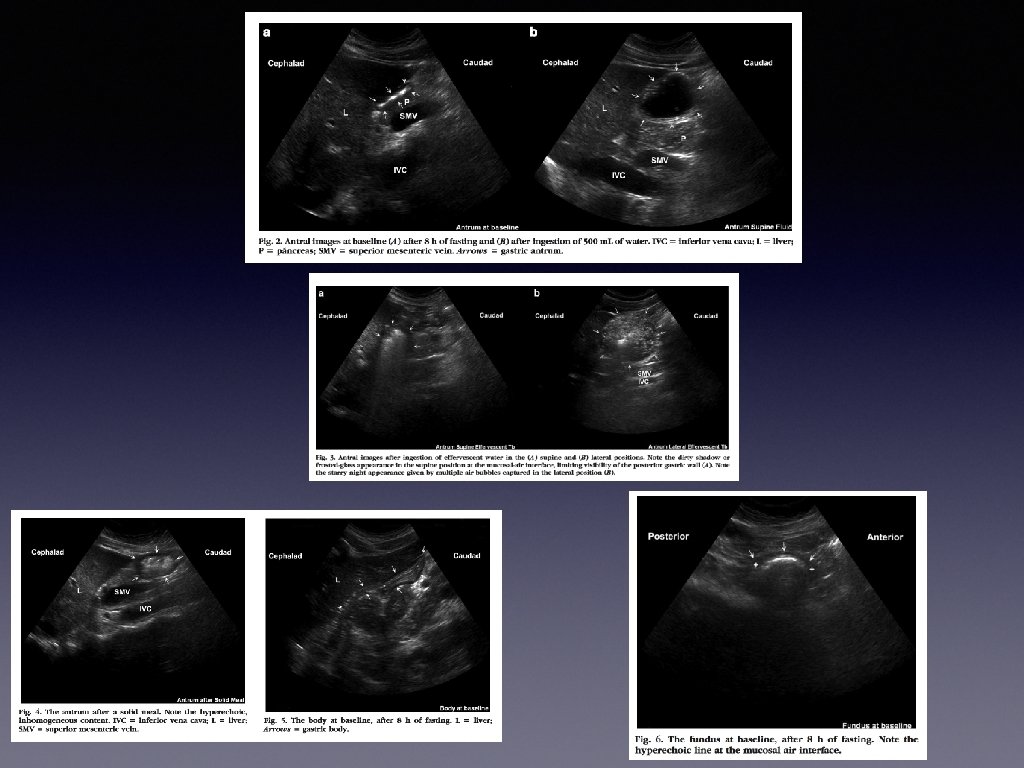
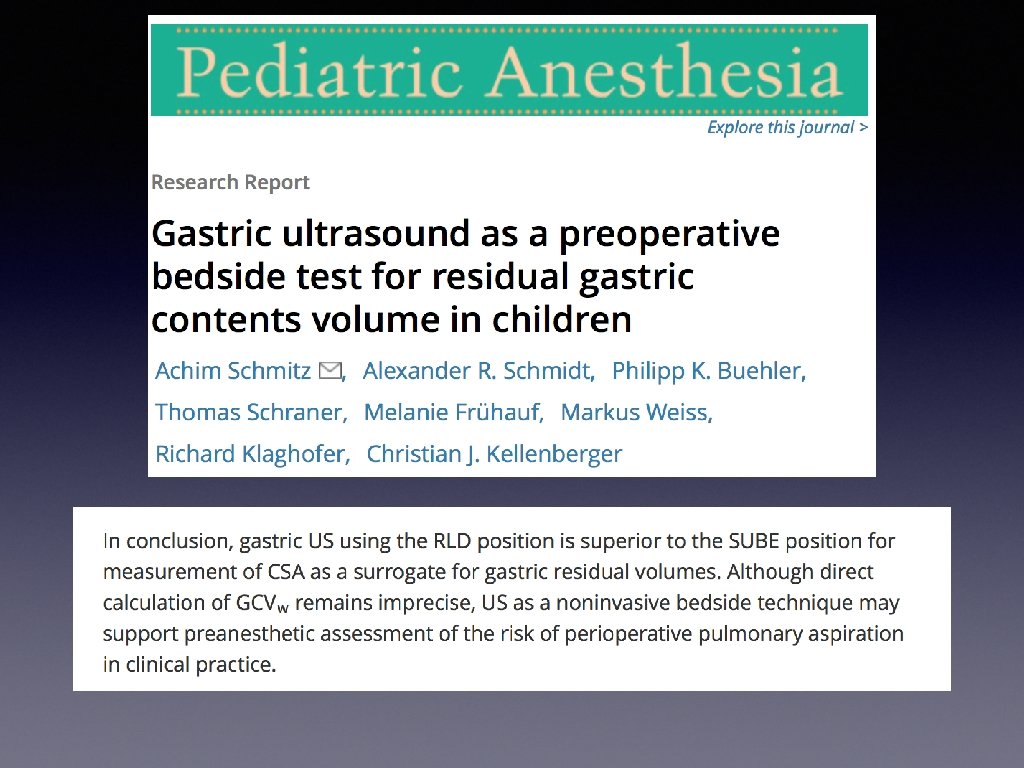
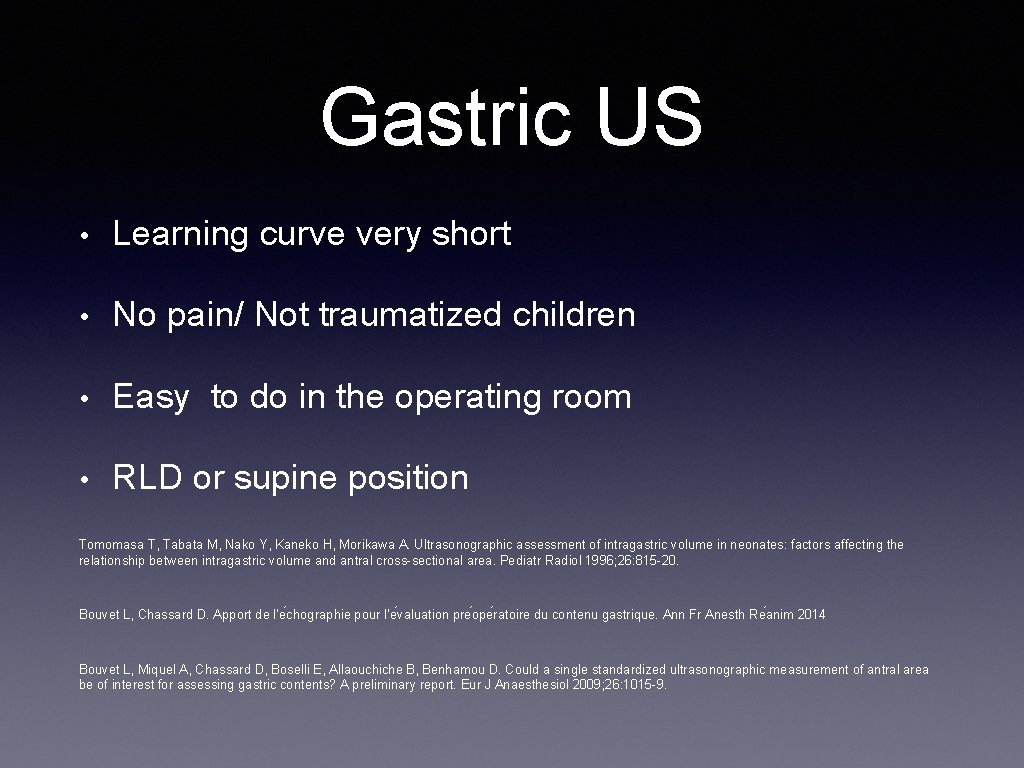
Gastric US • Learning curve very short • No pain/ Not traumatized children • Easy to do in the operating room • RLD or supine position Tomomasa T, Tabata M, Nako Y, Kaneko H, Morikawa A. Ultrasonographic assessment of intragastric volume in neonates: factors affecting the relationship between intragastric volume and antral cross-sectional area. Pediatr Radiol 1996; 26: 815 -20. Bouvet L, Chassard D. Apport de l’e chographie pour l’e valuation pre ope ratoire du contenu gastrique. Ann Fr Anesth Re anim 2014 Bouvet L, Miquel A, Chassard D, Boselli E, Allaouchiche B, Benhamou D. Could a single standardized ultrasonographic measurement of antral area be of interest for assessing gastric contents? A preliminary report. Eur J Anaesthesiol 2009; 26: 1015 -9.
Emergencies in children
Most frequent… • Acute appendicitis • Trauma • Epistaxis and post-tonsillectomy bleeding • Inguinal hernia and occlusive syndrome • Foreign body in esophagus or trachea • Burns • …
Appendicitis: background • Most commun pediatric surgical emergency Lifetime risk 8, 6% boys / 6, 7% girls • Symptoms: dull periumbilical pain that migrates to the RLQ 44% of children present « atypical » symptoms Ruptured? 80% children <4 years and 10 -20% of children 10 -17 years Pepper, V et al. Surg Clinics 2012
Appendicectomy • Not so easy to diagnose, 50% = atypical features (!!!! young patients!!!) • Better outcome if early diagnose…. . don’t wait • Septic shock/peritonitis • Laparoscopic surgery >>>> laparotomy: reducing requirements for po analgesia, shorter stay in hospital, reduction in minor complications , more rapid return to normal activities ( Wedgewood J et al. Anaesthesia and laparoscopic surgery in children. Ped Anesth, July 2011, vol 11, 4, 391 -399) • « Infiltration of ports sites with LA+ multimodal strategies because pain can be equivalent with laparotomy the first 24 h » Ped Anesth. Good pratice in postoperative and procedural pain management , 2012
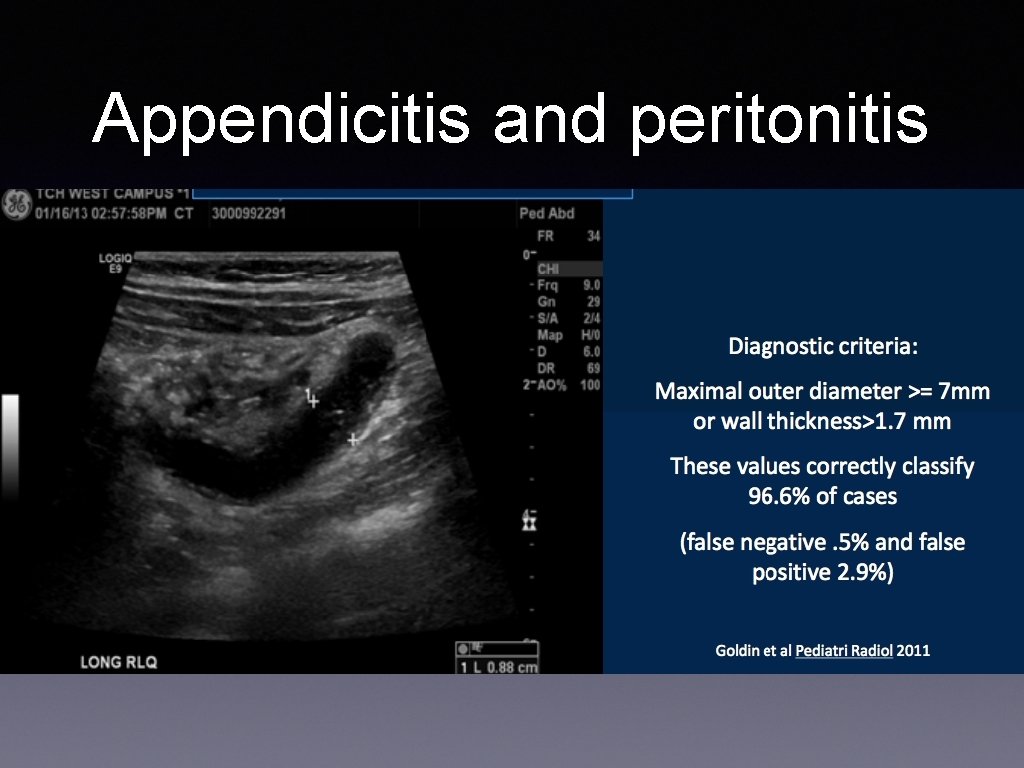
Appendicitis and peritonitis
Appendicitis: Differential Diagnose • Inflammatory • Mesenteric adenitis, IBD, intussusception, omental infarction • Infectious: viral, bacterial or parasitic • Vascular: Congenital • Meckel’s diverticulum, duplication cysts • Genitourinay • Pyelonephritis, PID, ovarian pathology, ….
Occlusive syndroms • Previous surgery and adhesions • Hernias • Intussusception • Meckel’s diverticulum • Midgut volvulus • Hirschsprung’s • Tumors
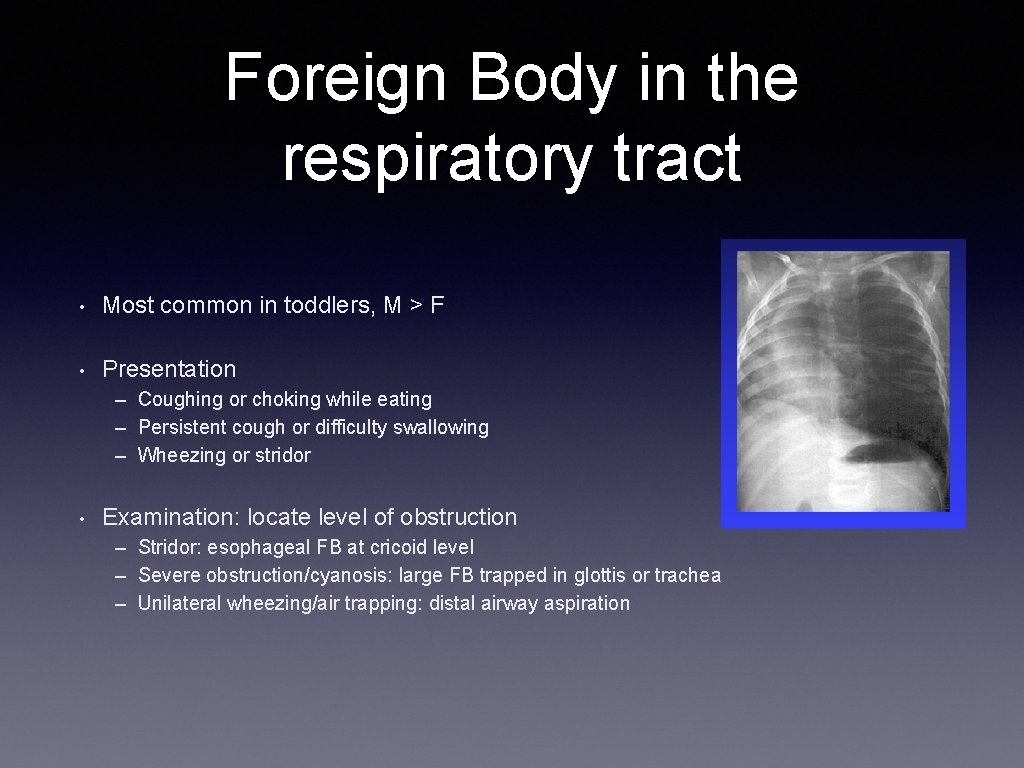
Foreign Body in the respiratory tract • Most common in toddlers, M > F • Presentation – Coughing or choking while eating – Persistent cough or difficulty swallowing – Wheezing or stridor • Examination: locate level of obstruction – Stridor: esophageal FB at cricoid level – Severe obstruction/cyanosis: large FB trapped in glottis or trachea – Unilateral wheezing/air trapping: distal airway aspiration
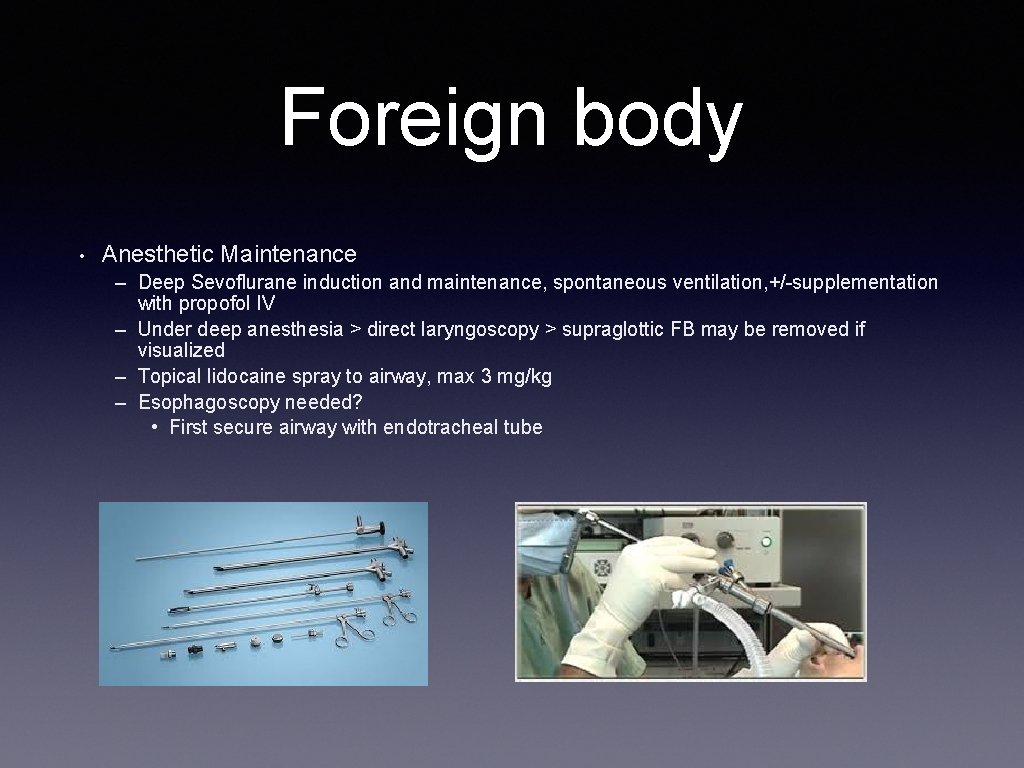
Foreign body • Anesthetic Maintenance – Deep Sevoflurane induction and maintenance, spontaneous ventilation, +/-supplementation with propofol IV – Under deep anesthesia > direct laryngoscopy > supraglottic FB may be removed if visualized – Topical lidocaine spray to airway, max 3 mg/kg – Esophagoscopy needed? • First secure airway with endotracheal tube
Post tonsillectomy bledding • Tonsillectomy and adenoidectomy are the more common surgery in children in many developping countries • Incidence of 0, 5%-2%, depending the surgical technique • Primary ( in the first 24 h ) or secondary ( to 28 days after surgence, peak at 5 days ) • Risk increases with age and is higher in male
Anesthetic considerations • Potential hypovolemic shock: preoperative resucitation • Pulmonary aspiration • Potential new difficult intubation ( blood and oedema) • Second GA in few hours, stressfull for everybody
Perioperative assessment • At theatre soon as possible…. bleeding++ • IV line • Avoid cardiovascular collapse: fluids given • Transfusion • Rapid sequence intubation (Ketamine/Sux) • Suction • Hb controlled and suction in stomach • Awake extubation
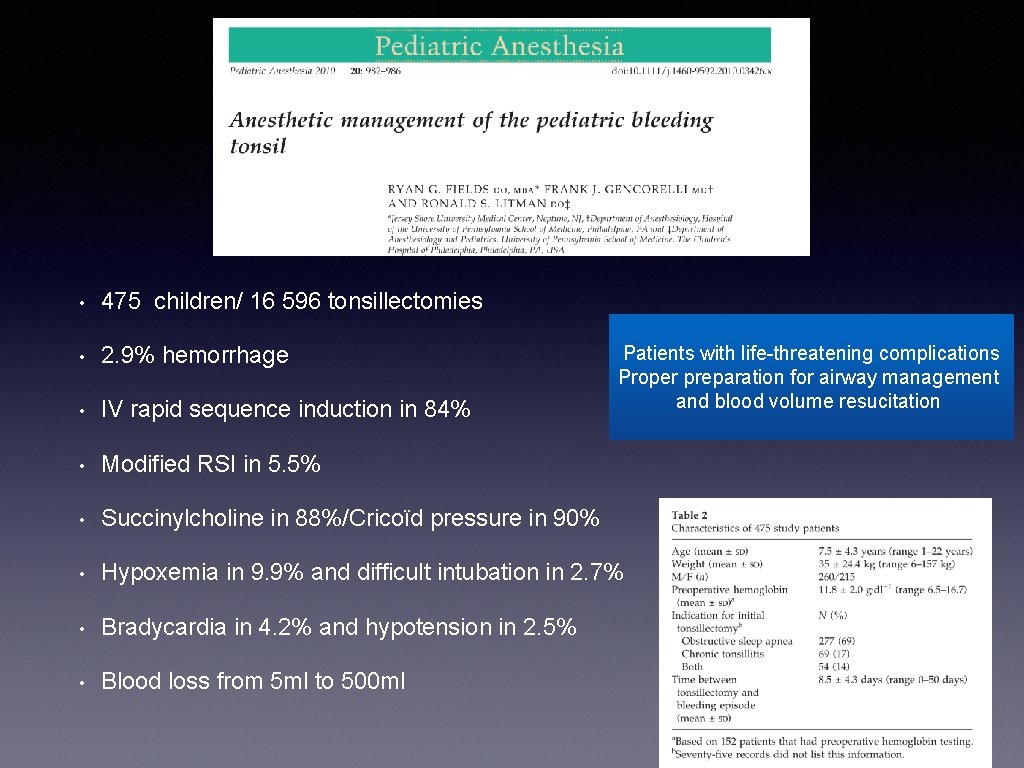
• 475 children/ 16 596 tonsillectomies • 2. 9% hemorrhage • IV rapid sequence induction in 84% • Modified RSI in 5. 5% • Succinylcholine in 88%/Cricoïd pressure in 90% • Hypoxemia in 9. 9% and difficult intubation in 2. 7% • Bradycardia in 4. 2% and hypotension in 2. 5% • Blood loss from 5 ml to 500 ml Patients with life-threatening complications Proper preparation for airway management and blood volume resucitation
Trauma • Significant challenges to anesthesia provider • Major cause of death (1 -14 y) • Motor vehicle collision (59% mortality from all accidents)
Trauma and anesthesiologists • Initial stabilization in the ER • Sedation/Monitoring for imaging • Emergent surgical procedures • Bone fracture fixations • Pain control
Trauma • Temperature monitoring and control • Airway control…full stomach, neck injury… • Warming fluids • Hypotension is a late sign of hemorrhage in children • Tachycardia = First sign • Begin with isotonic crystalloids, 2 boluses of 20 ml/kg • Rapid surgical control of bleding • Massive transfusion sometimes needed: RBC/Plama/plattelets 1: 1: 1 unit ration Ivashkov Y, Perioperative management of pediatric trauma patients. Int J Crit Illn Sci. , 2012, Sept; 2(3): 143 -148. Bhalla T, Perioperative management of the pediatric patient with traumatic brain injury, Pediatric Anesthesia, 2012, April; vol 22, 627 -640.
Fractures • Open fractures and nerves/vascular damages = emergency • No fasting needed • Stress/pain for the child delayed • Local anesthesia possible Gastric emptying
Burns • Most physically and psychologically devastating forms of trauma in children • Most common household injury • Children under age of 5, more frequent in male children • 70% : hot liquids at home
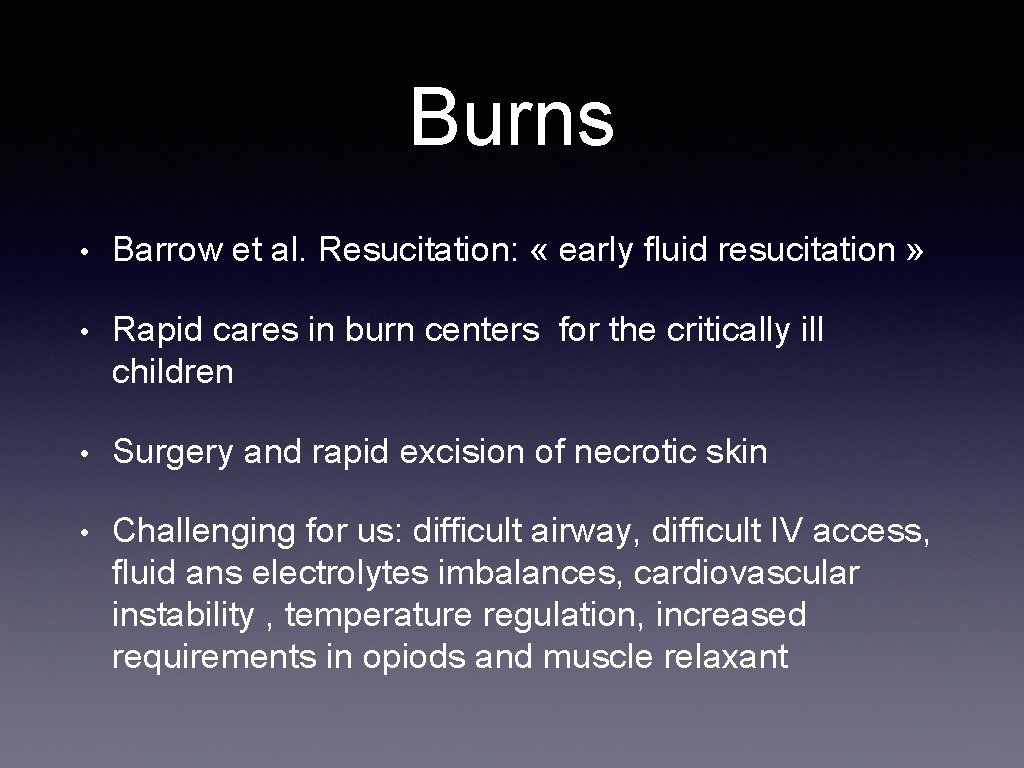
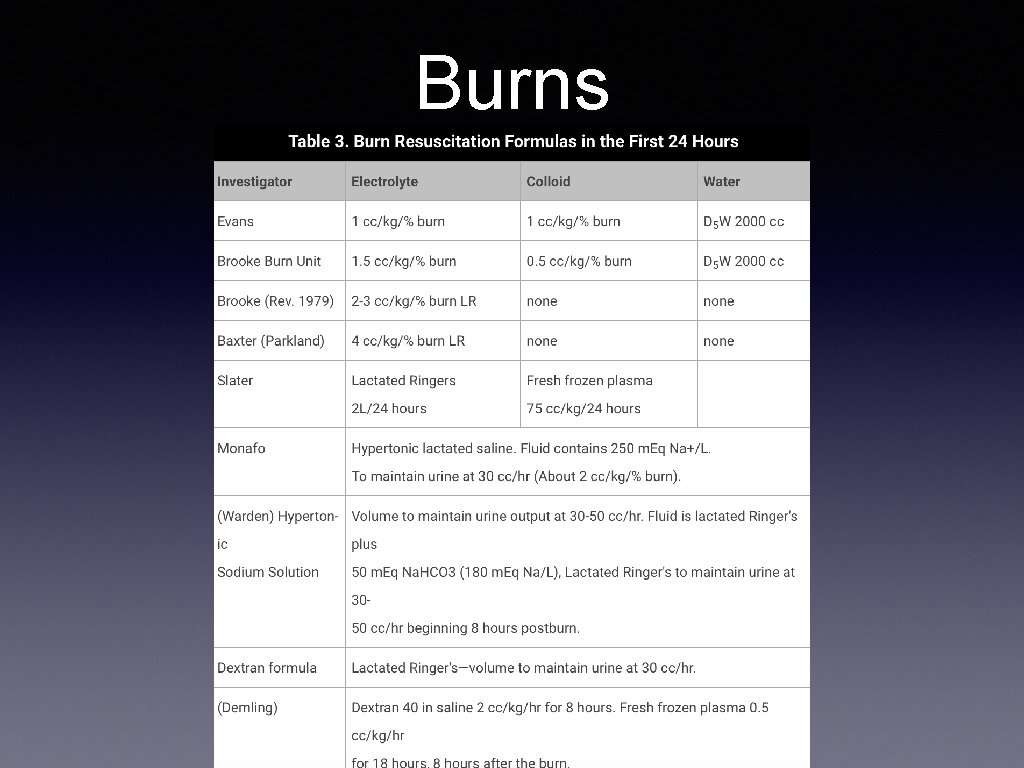
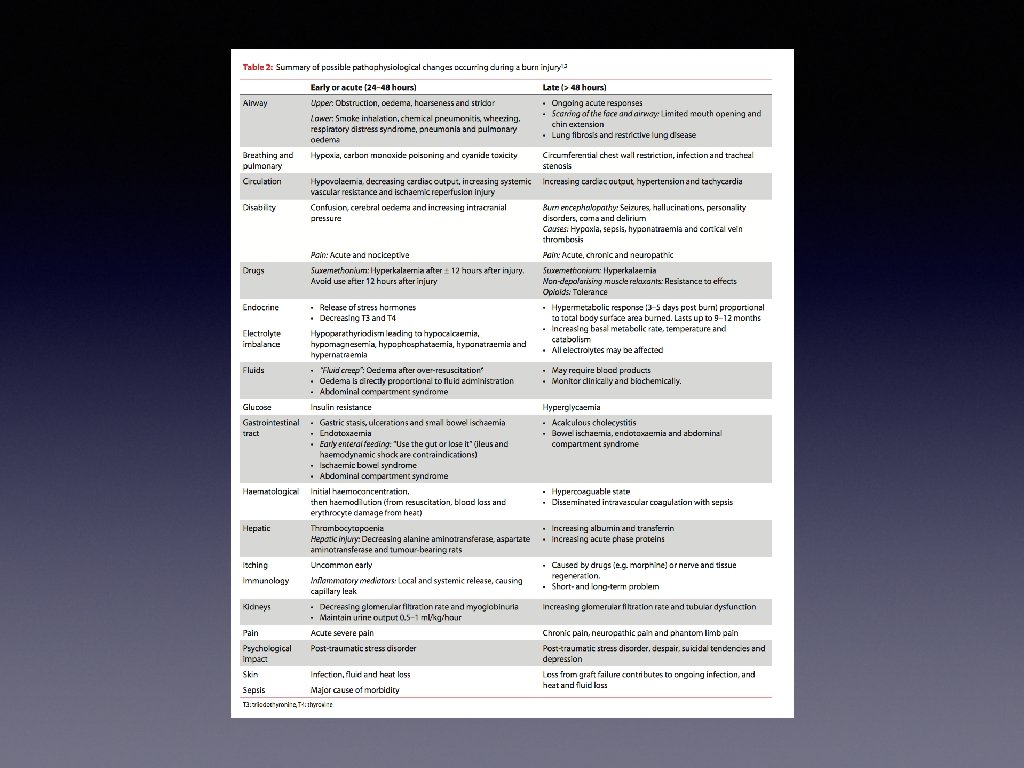
Burns • Barrow et al. Resucitation: « early fluid resucitation » • Rapid cares in burn centers for the critically ill children • Surgery and rapid excision of necrotic skin • Challenging for us: difficult airway, difficult IV access, fluid ans electrolytes imbalances, cardiovascular instability , temperature regulation, increased requirements in opiods and muscle relaxant
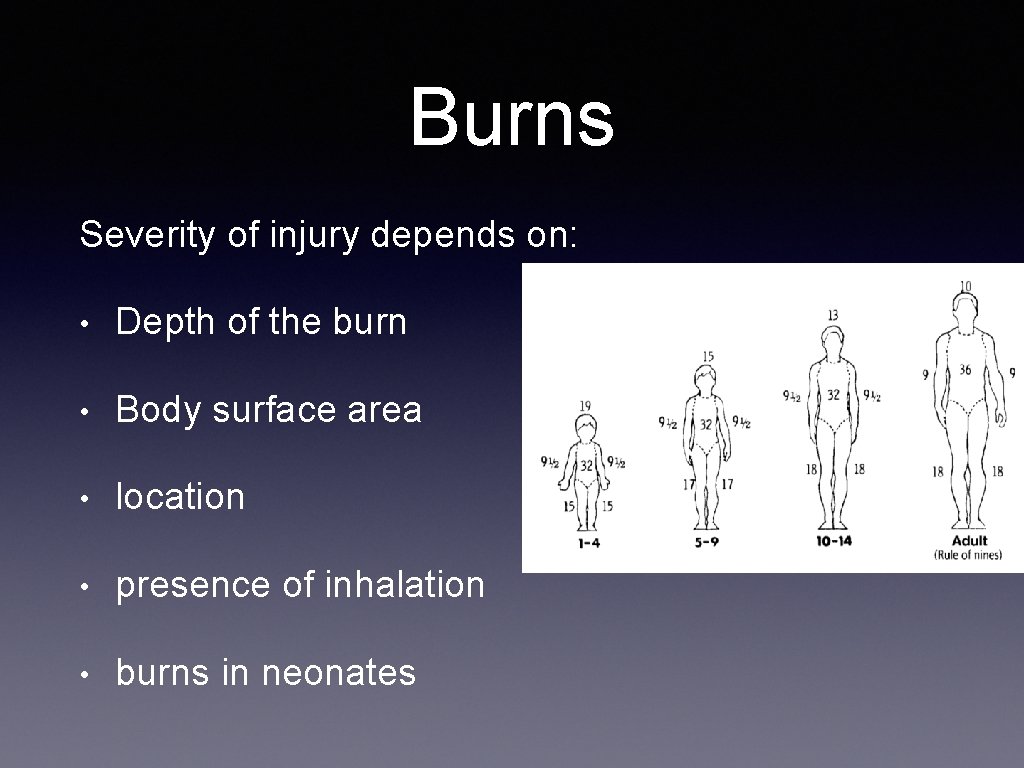
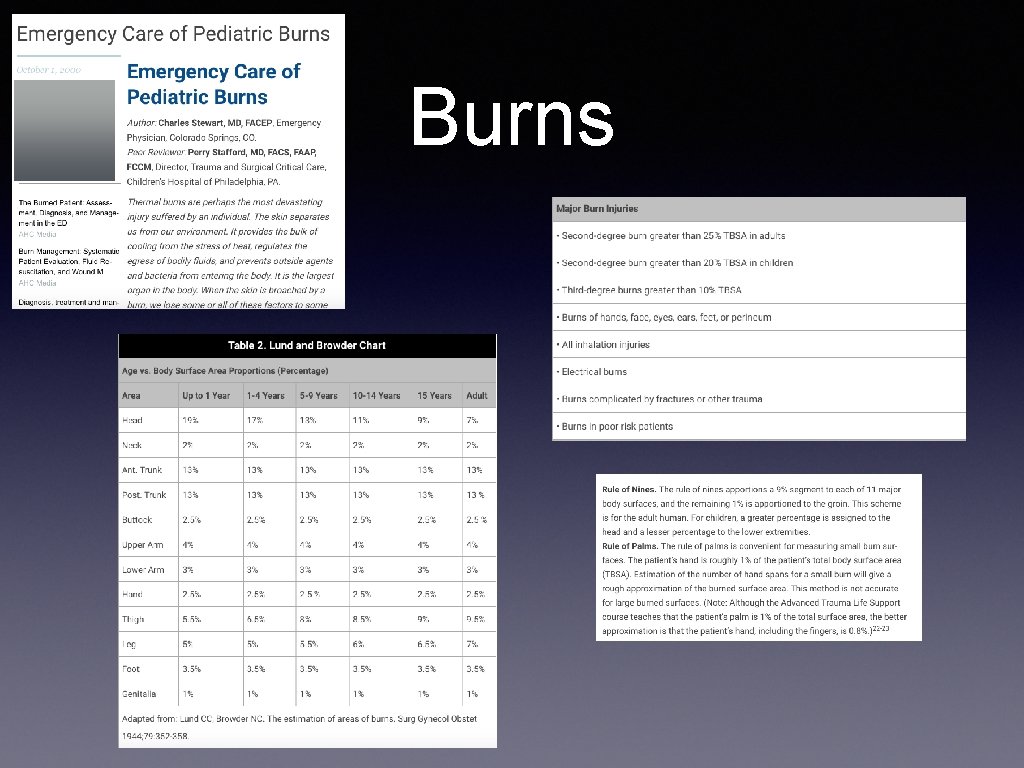
Burns Severity of injury depends on: • Depth of the burn • Body surface area • location • presence of inhalation • burns in neonates
Burns
Burns
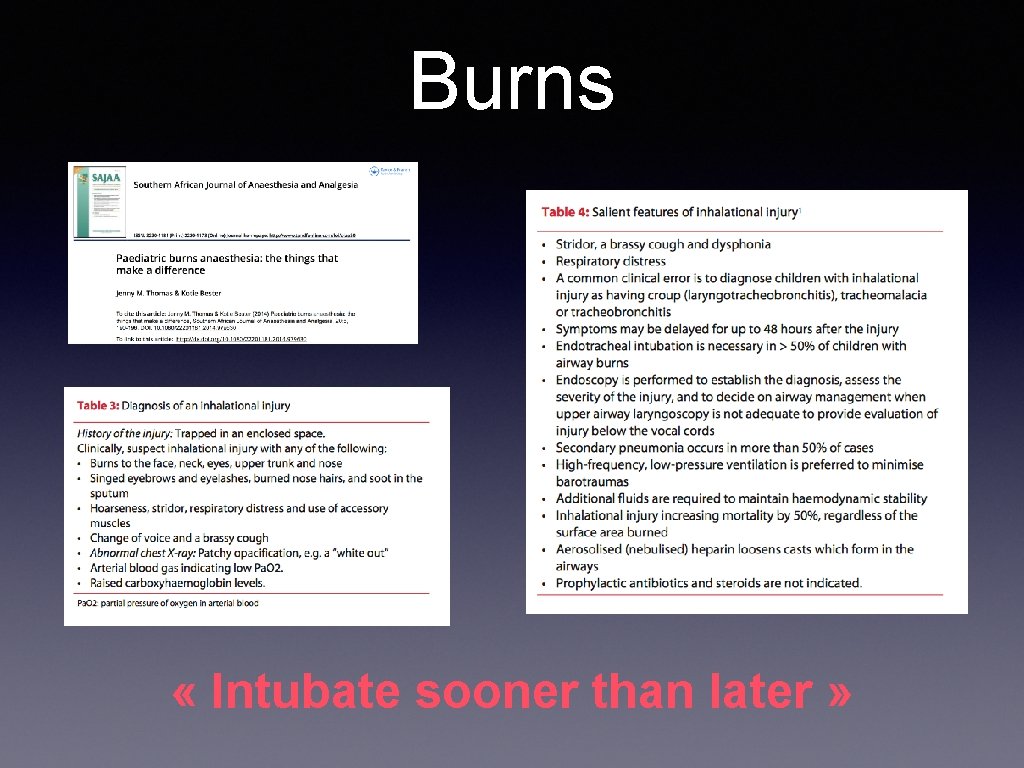
Burns « Intubate sooner than later »
Conclusion • Anesthesia for emergencies carries increased risks • Management for emergencies in children needs some experience et some specific equipment • Cooperation/team with surgeons and others teams in specialist hospitals
Thank you
- Slides: 44