
EMBRYOLOGY OLD NEW FRONTIERS BY Dr Samina Anjum
EMBRYOLOGY: OLD & NEW FRONTIERS BY Dr Samina Anjum
• Embryology means study of embryos, however the term generally refers to prenatal development of embryos and fetuses. • Developmental anatomy is the field of embryology concerned with the changes that cells, tissues, organs, and the body as a whole undergo from a germ cell of each parent to the resulting adult.
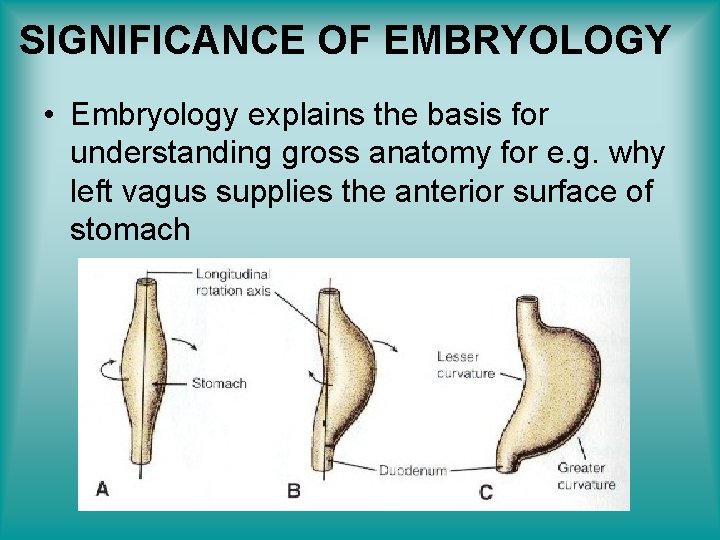
SIGNIFICANCE OF EMBRYOLOGY • Embryology explains the basis for understanding gross anatomy for e. g. why left vagus supplies the anterior surface of stomach
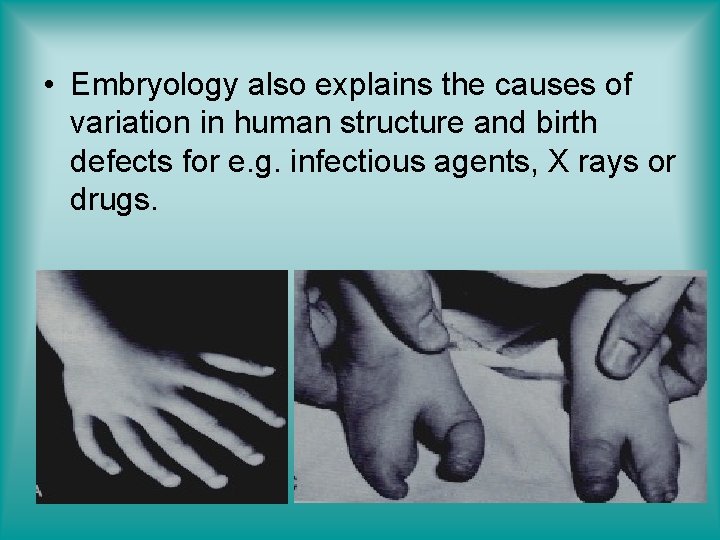
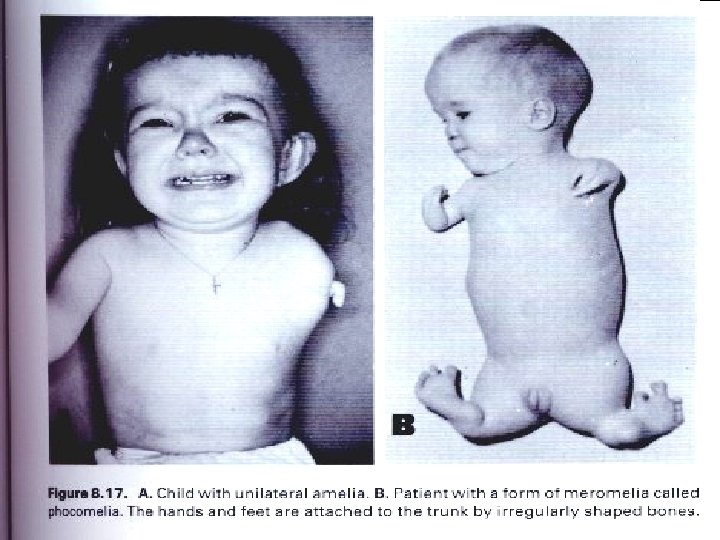
• Embryology also explains the causes of variation in human structure and birth defects for e. g. infectious agents, X rays or drugs.
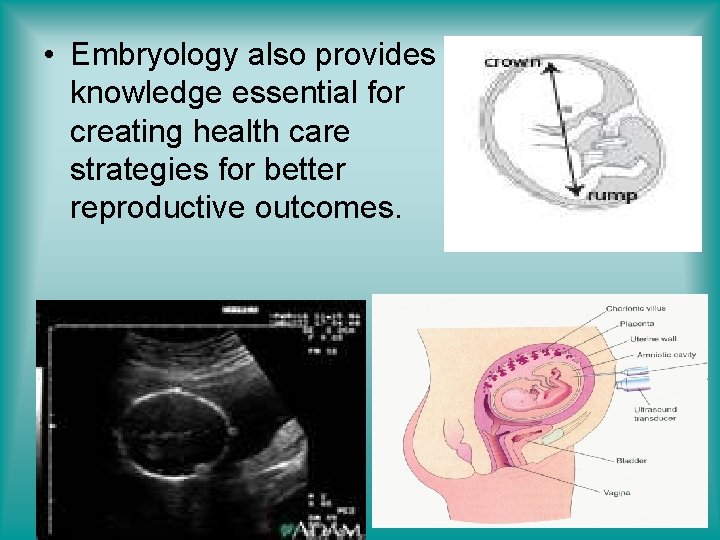
• Embryology also provides knowledge essential for creating health care strategies for better reproductive outcomes.
BRIEF HISTORY • Scientific approaches to study embryology have progressed over 100 of years. This is attributed to: • Advances in optical equipment and dissection techniques • Comparative and evolutionary studies • Investigation of off springs with birth defects (abnormal development) ---Teratology
20 th CENTURY ADVANCEMENTS IN EMBRYOLOGY • Observations of transparent embryos • Use of vital dyes to stain living cells to follow their fates • Radioactive labeled and autoradiographic techniques were employed • Grafting experiments provided the first insights into molecular signaling between tissues • Science of Teratology become prominent in 1961 when a drug thalidomide caused limb defects and for the first time the association b/w the drug and birth defects was determined. • Molecular approaches have been added such as reporter genes, fluorescent probes and markers
DEVELOPMENT • Human development is a continuous process that begins at fertilization, when a fertilized oocyte (zygote), a totipotential cell is transformed into a multicellular human being. • During this journey it has to pass through the stages of cell division, cell migration, programmed cell death, differentiation, growth and cell rearrangement.
CELLULAR DIFFERENTIATION • Is the process by which a less specialized cell becomes a more specialized cell type. • Differentiation occurs numerous times during the development of a multicellular organism as the organism changes from a simple zygote to a complex system of cell types and tissues.
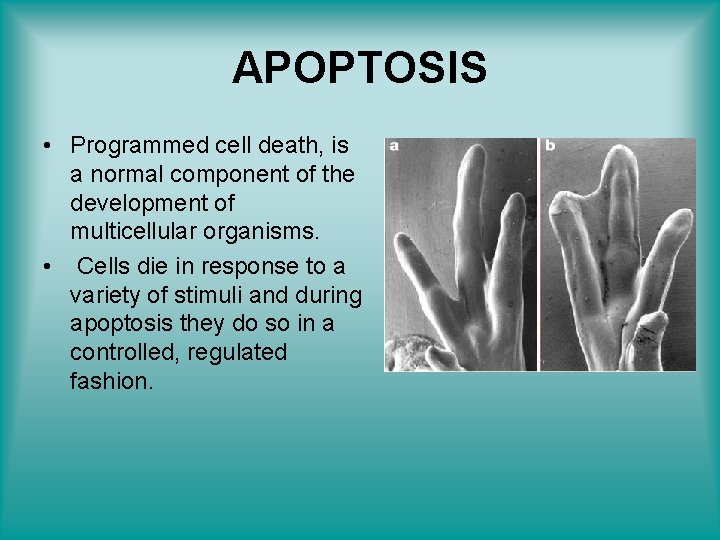
APOPTOSIS • Programmed cell death, is a normal component of the development of multicellular organisms. • Cells die in response to a variety of stimuli and during apoptosis they do so in a controlled, regulated fashion.
CELL POTENCY Totipotent cell: A cell that is able to differentiate into all cell types including the placental tissue. In mammals, only the zygote and subsequent blastomeres are totipotent. Pluripotent cell: refers to a stem cell that has the potential to differentiate into any fetal or adult cell type. into any of the three germ layers: endoderm, mesoderm, or ectoderm.
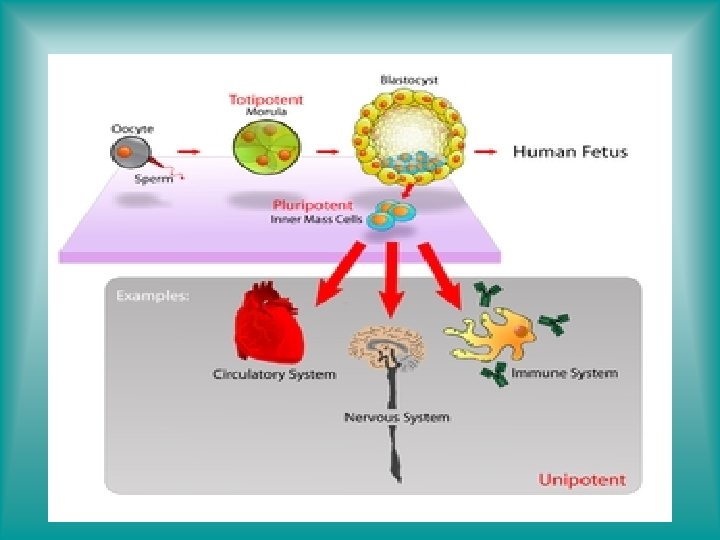

• Multipotent progenitor cells: have the potential to give rise to cells from multiple, but a limited number of lineages, for e. g. • Hematopoietic stem cell — a blood stem cell that can develop into several types of blood cells, but cannot develop into brain cells or other types of cells.
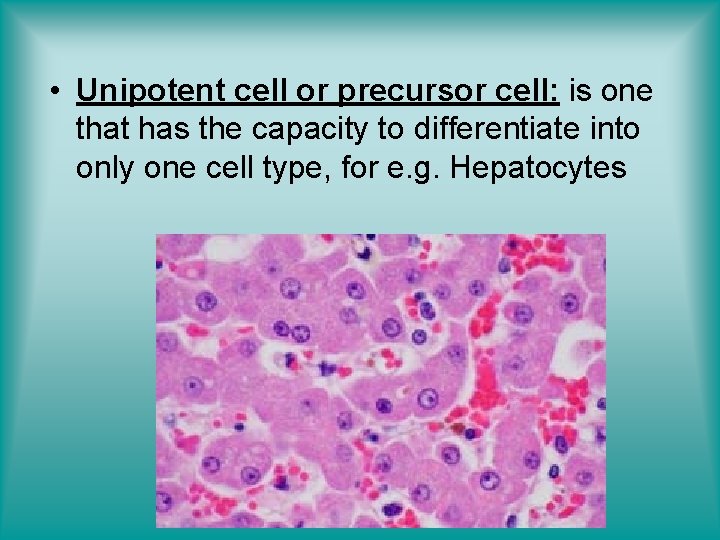
• Unipotent cell or precursor cell: is one that has the capacity to differentiate into only one cell type, for e. g. Hepatocytes
HUMAN DEVELOPMENT Is divided into: 1. Prenatal period 2. Postnatal period
PRENATAL PERIOD • Embryonic Period • Fetal Period

Embryonic Period/ Period of Organogenesis: 3 -8 weeks Process of progressing from a single cell till the formation of organ primordia

Fetal Period: 9 th week – birth Differentiation continues while the fetus grows and gains weight
EMBRYOLOGICAL TERMINOLOGY
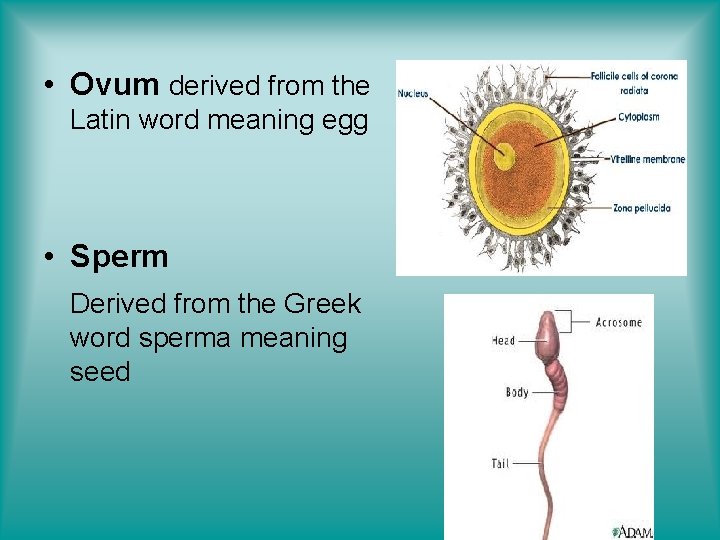
• Ovum derived from the Latin word meaning egg • Sperm Derived from the Greek word sperma meaning seed
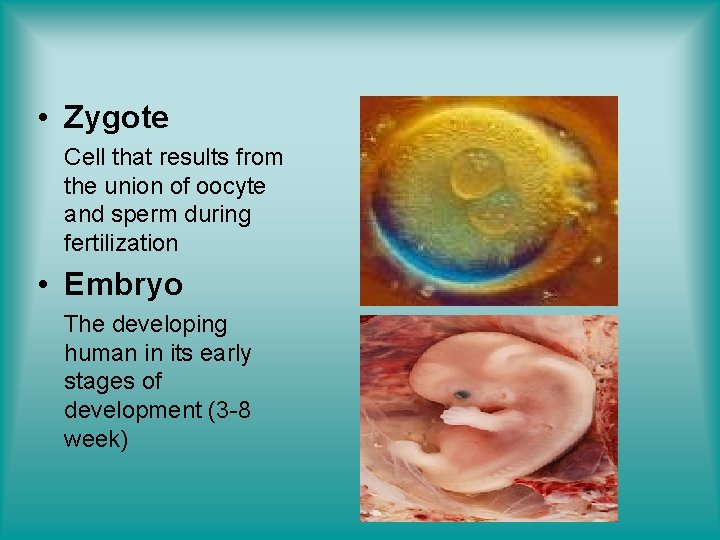
• Zygote Cell that results from the union of oocyte and sperm during fertilization • Embryo The developing human in its early stages of development (3 -8 week)
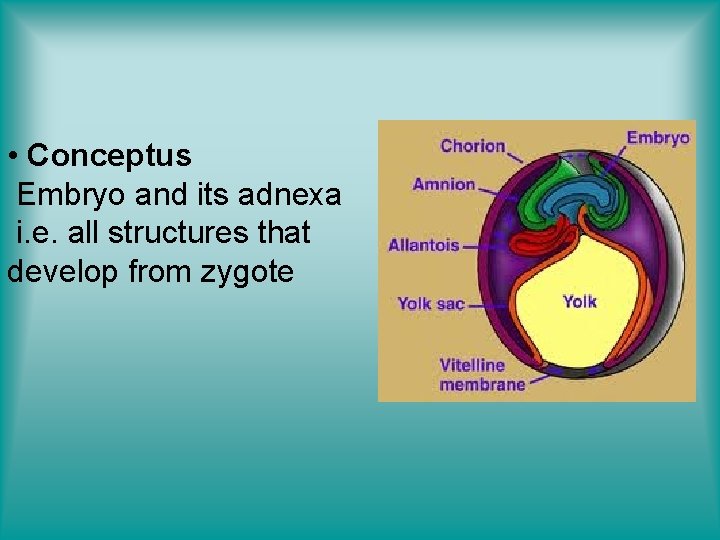
• Conceptus Embryo and its adnexa i. e. all structures that develop from zygote
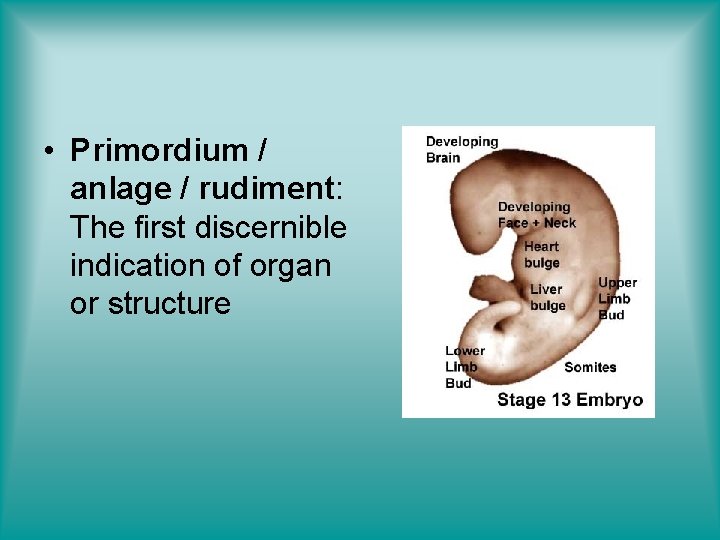
• Primordium / anlage / rudiment: The first discernible indication of organ or structure
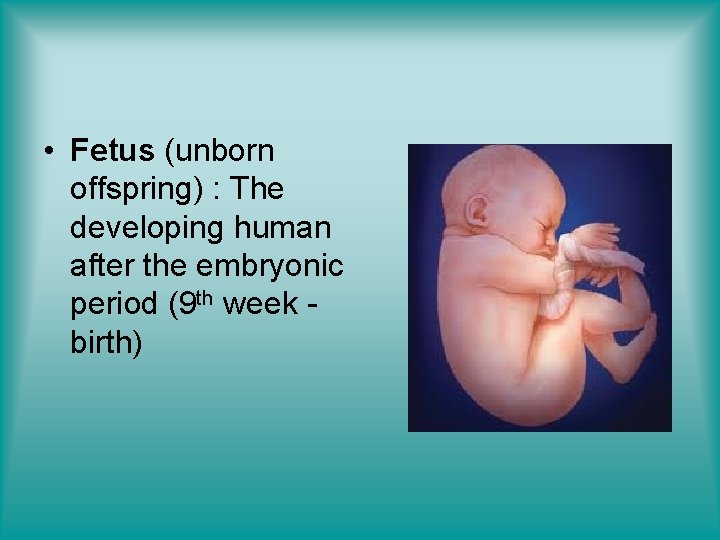
• Fetus (unborn offspring) : The developing human after the embryonic period (9 th week birth)

POSTNATAL PERIOD • • Infancy: 1 st year after birth Neonate: birth -1 month Childhood : A period from 13 th month till puberty Puberty (period of development of sex characteristics) In females-12 -15 years In males: 13 -16 years • Adolescence (period of rapid physical and sexual maturity): 11 -19 years • Adult hood (Attainment of full growth and maturity) 18 -21 years • There after developmental changes occur very slowly.
• Development does not stop at birth. Important changes in addition to growth occurs after birth such as development of teeth and development of female breasts. • The brain triples in weight b/w birth and 16 years; most developmental changes are completed by the age of 25.

- Slides: 28