
Elements Principles of Floral Design Elements of Floral
- Slides: 104
Elements & Principles of Floral Design
Elements of Floral Design The directly observable components, ingredients, and physical characteristics of a design.
Elements of Floral Design l Line l Form l Space l Texture l Pattern l Fragrance l Size l Color
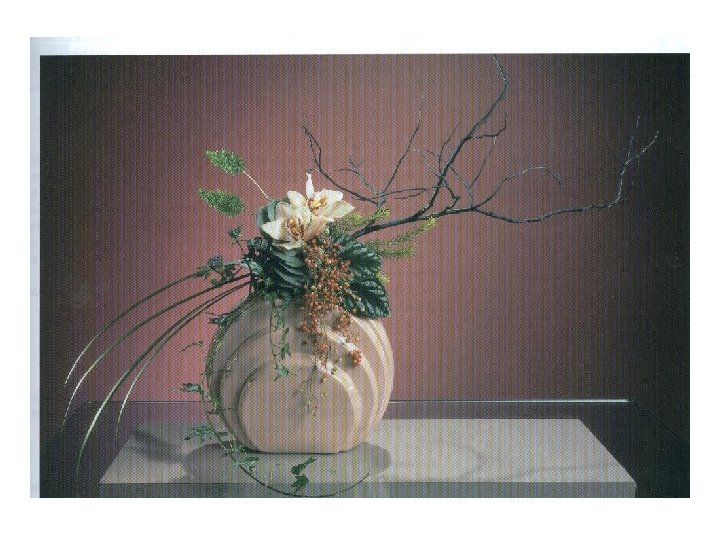
Line The visual pathway that directs eye movement through a composition • Distance between two points
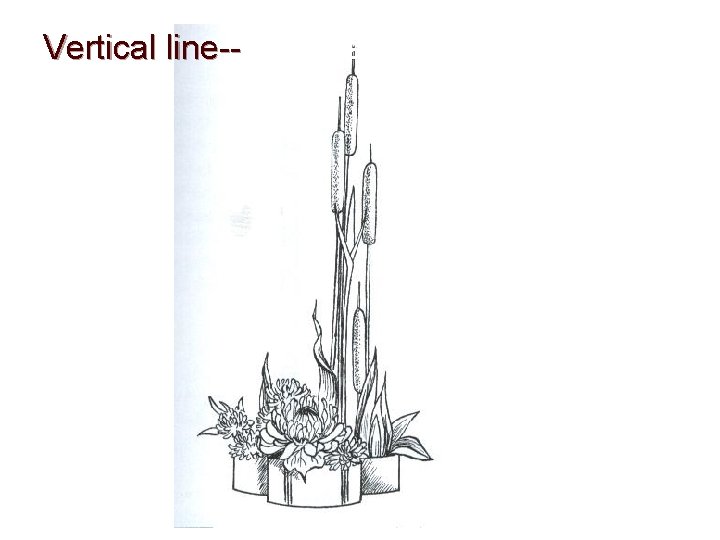
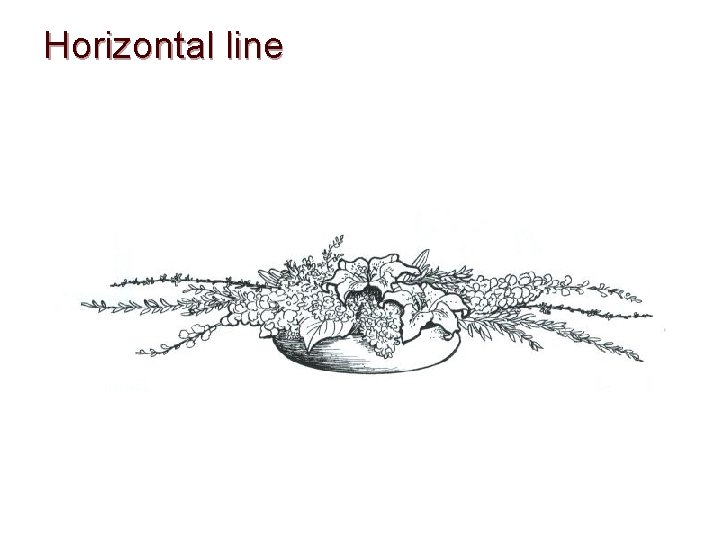
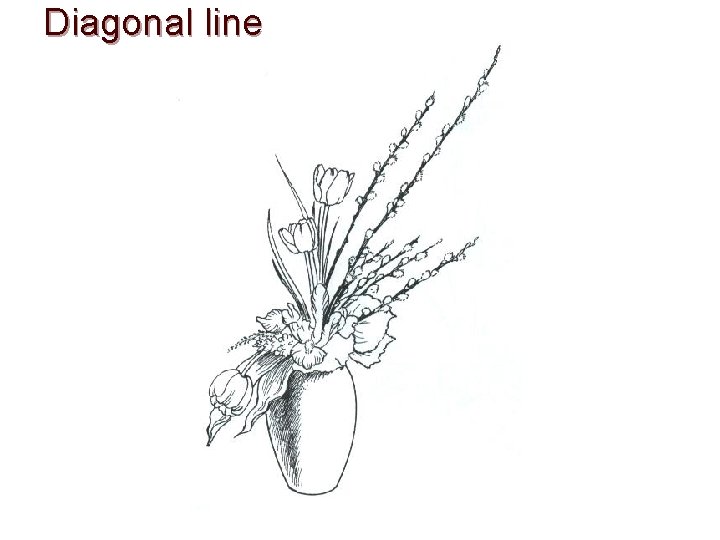
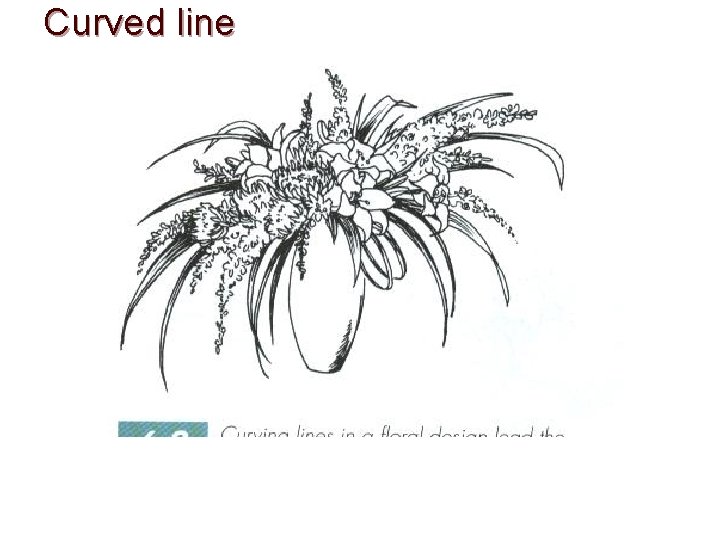
Line directions: l Vertical lines—stress height and suggest power and strength l Horizontal lines—stress width and are peaceful and calm, provide a sense of stability l Diagonal line—dynamically energetic, causing more eye movement. Use sparingly l Curved line—suggest motion, but are softer, more comforting. Eye moves quickly through design.
Vertical line--Power and strength line--
Horizontal line. Peaceful and calm line
Diagonal line. Dynamically energetic, line suggest motion
Curved line. Softer suggestion of line motion
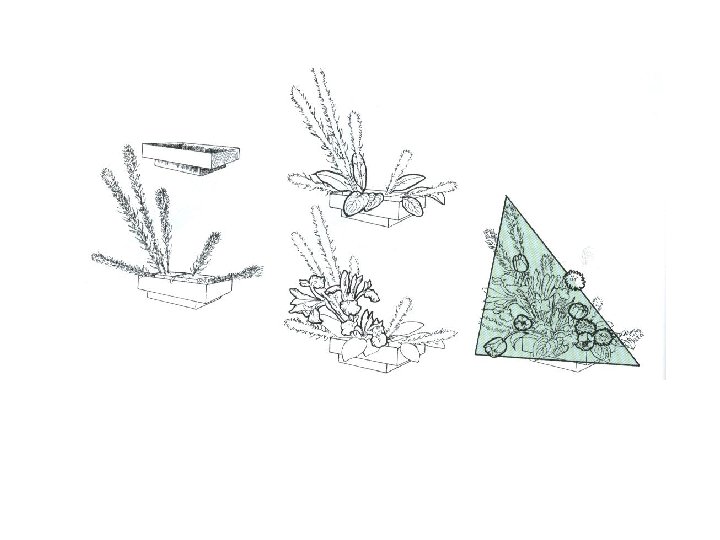
Form l the shape or configuration of an individual component of the composition. The overall, three-dimensional, geometric shape or configuration of a floral composition.
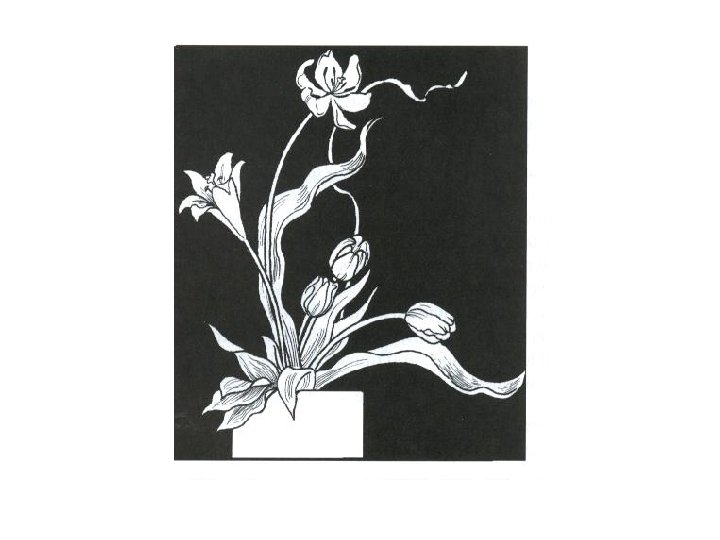
Space l the area in, around, and between the components of the design, defined by the three-dimensional area occupied by the composition. ¡Positive space ¡Negative space
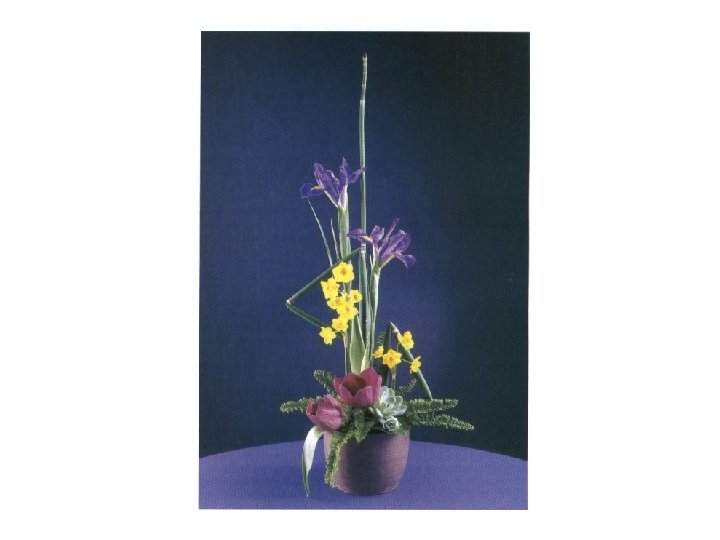
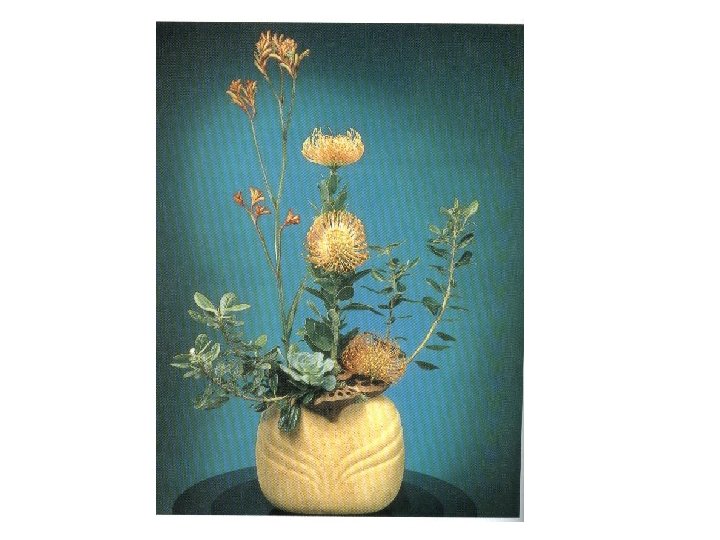
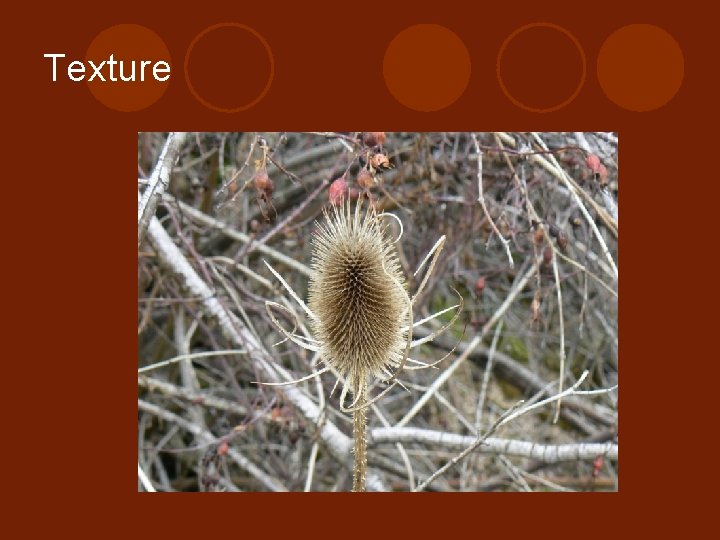
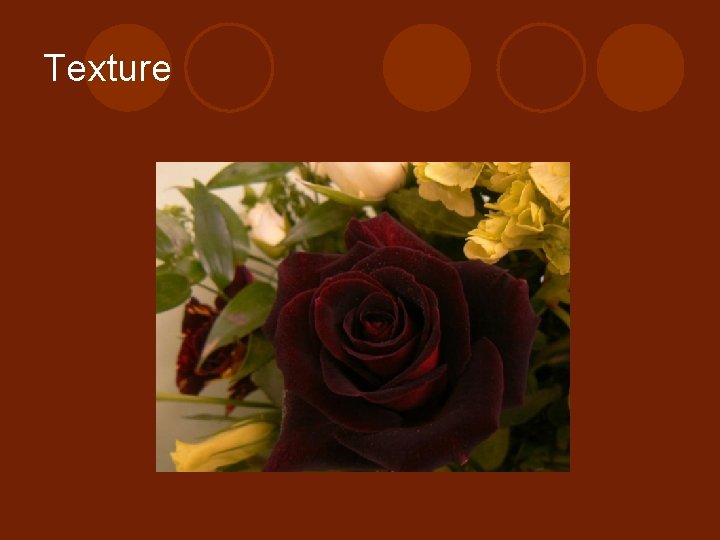
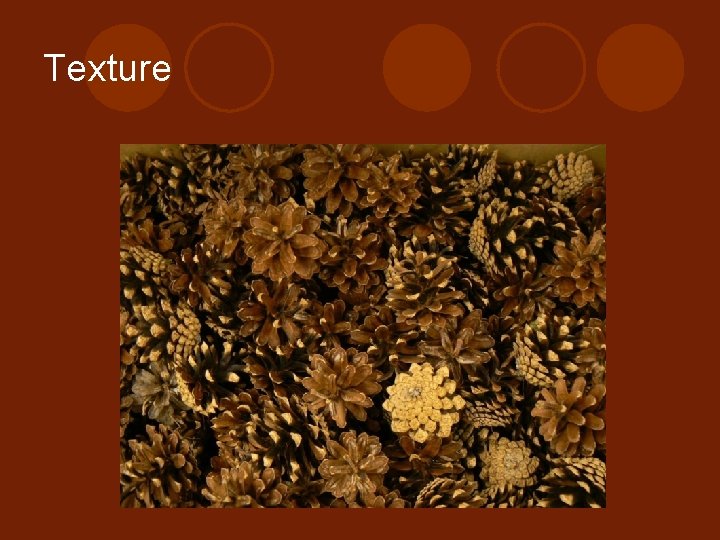
Texture l The surface quality of a material, as perceived by sight or touch ¡Smooth, coarse, waxy, rough, delicate, velvety
Texture
Texture
Texture
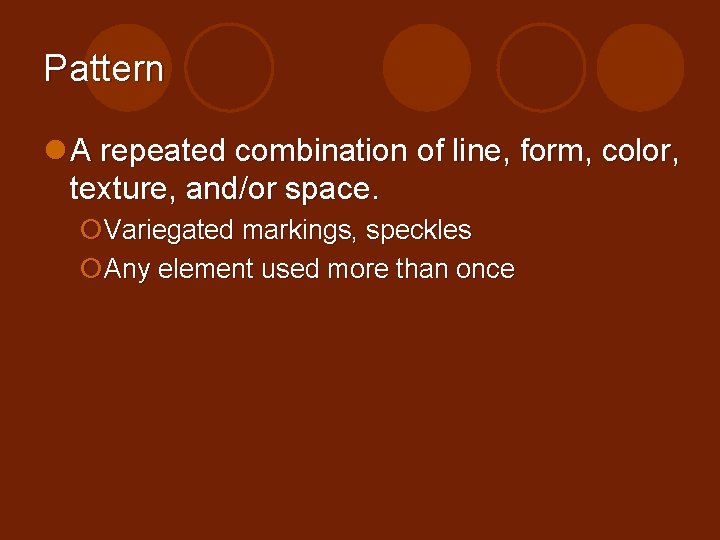
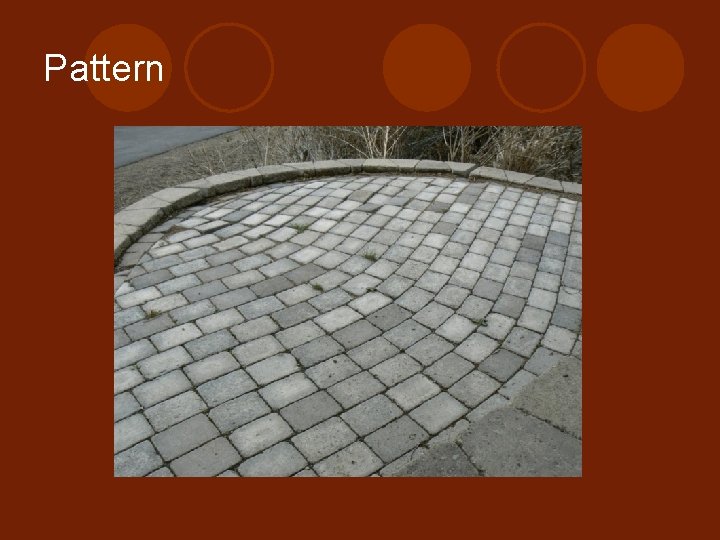
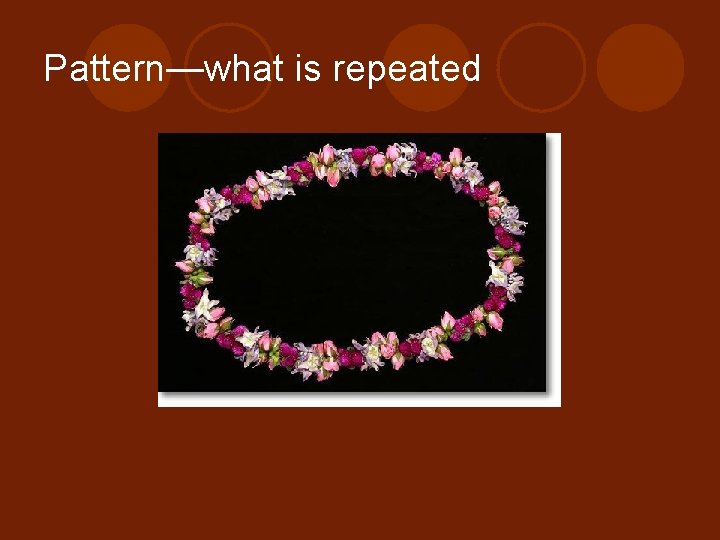
Pattern l A repeated combination of line, form, color, texture, and/or space. ¡Variegated markings, speckles ¡Any element used more than once
Pattern
Pattern—what is repeated
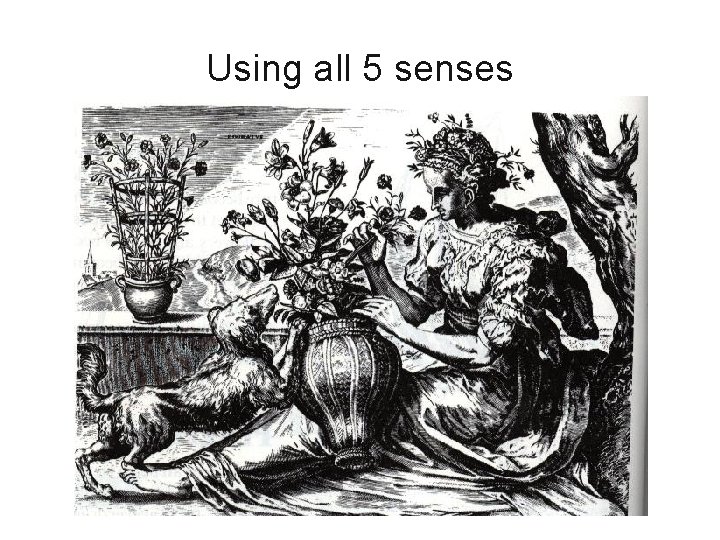
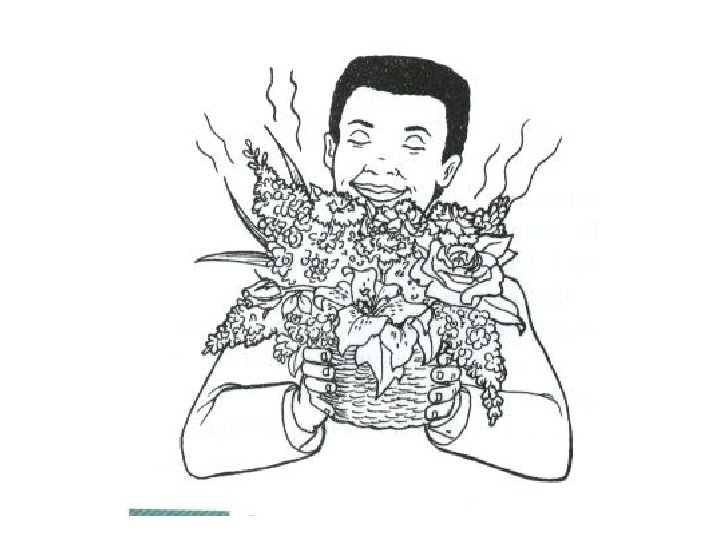
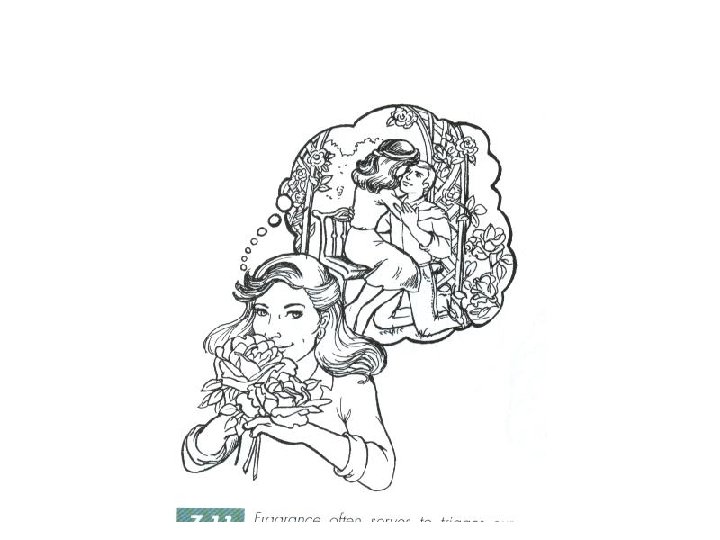
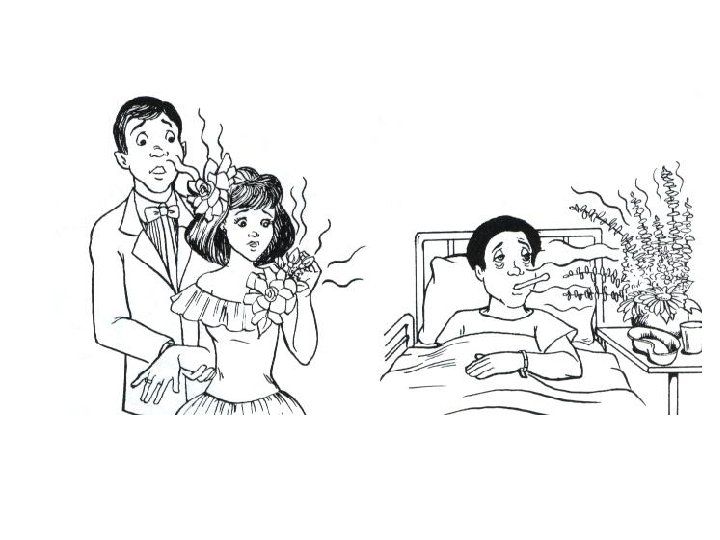
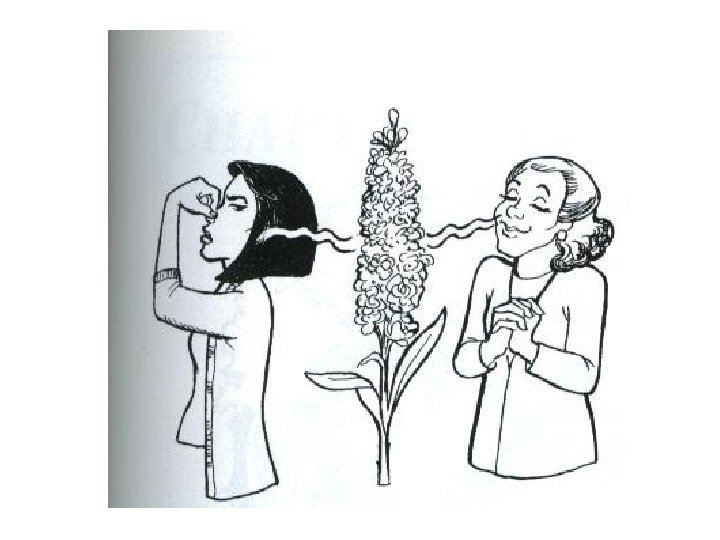
Fragrance l A sweet or pleasing odor, perceived by the sense of smell. ¡heightens our awareness ¡increases sensory enjoyment ¡triggers memory
Using all 5 senses
Size l The physical dimensions of line, form, or space ¡First considerations ¡Emotional aspect
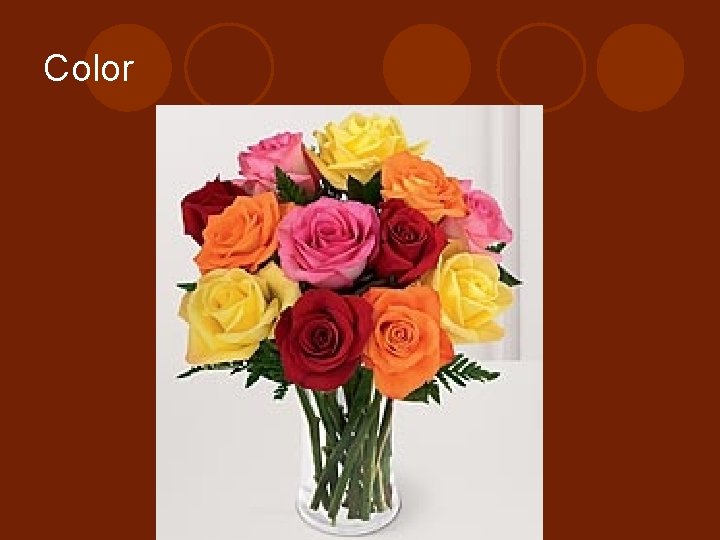
Color l The visual response of the eye to reflected rays of light ¡most important design element ¡Optical sensation, originating in the brain’s perception of light energy reflected to the eye from a pigmented surface. ¡Emotional response
Color
Principles of Floral Design Principles of design-fundamental guidelines to aesthetic design that govern the organization of the elements and materials in accordance with the laws of nature. Some primary principals of design are associated with related secondary principles of design.
Principles of Floral Design l Balance l Proportion ¡ Scale l Dominance ¡ Emphasis ¡ Focal Area ¡ Accent l Rhythm ¡ Depth ¡ Repetition ¡ Transition l Contrast ¡ Opposition ¡ Tension ¡ Variation l Harmony l Unity
Balance gives a sense of equilibrium and repose, a feeling of three-dimensional stability. . l Physical also known as mechanical balance—sound l Visual balance—sense of equilibrium
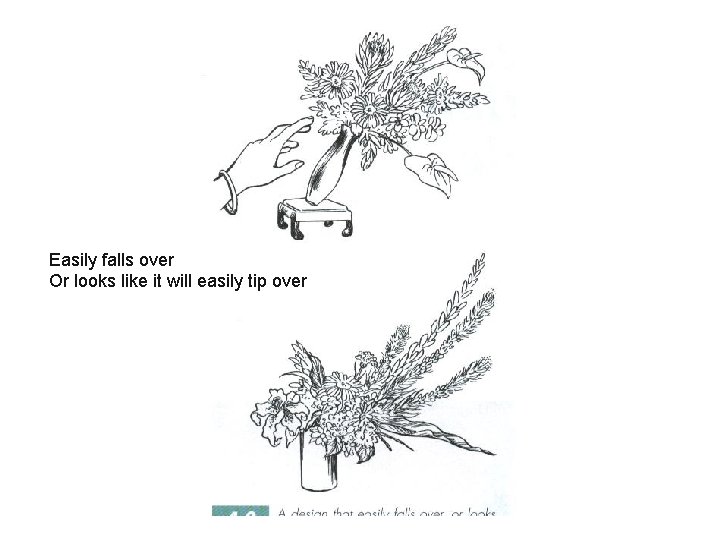
Easily falls over Or looks like it will easily tip over
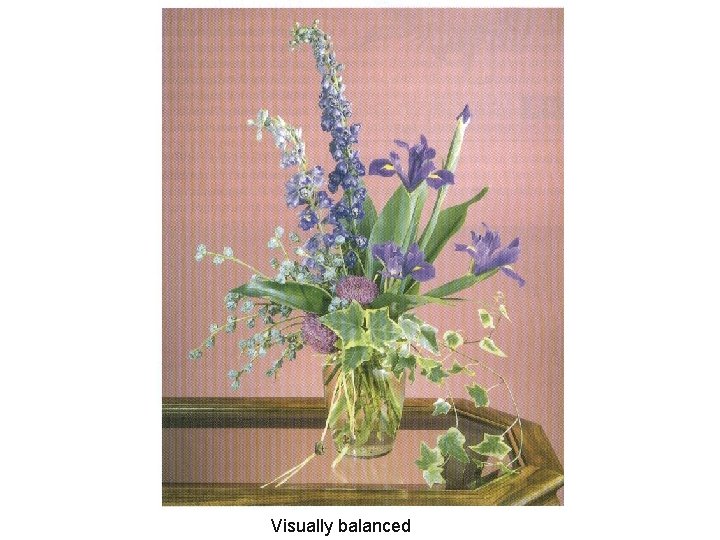
Visually balanced
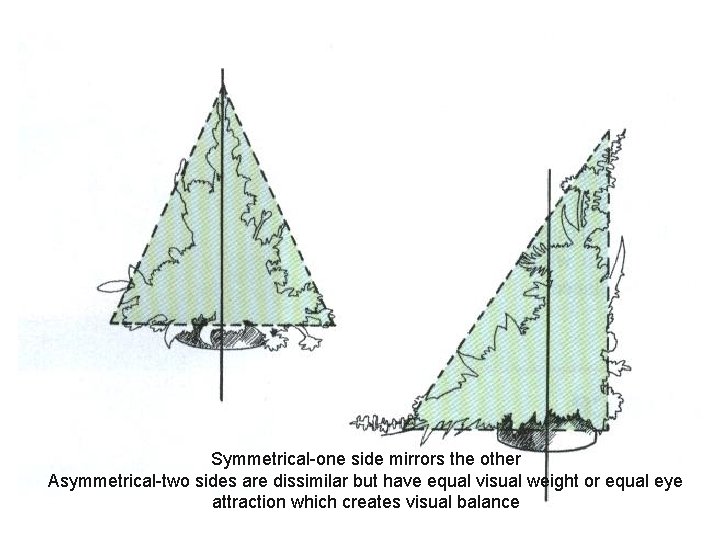
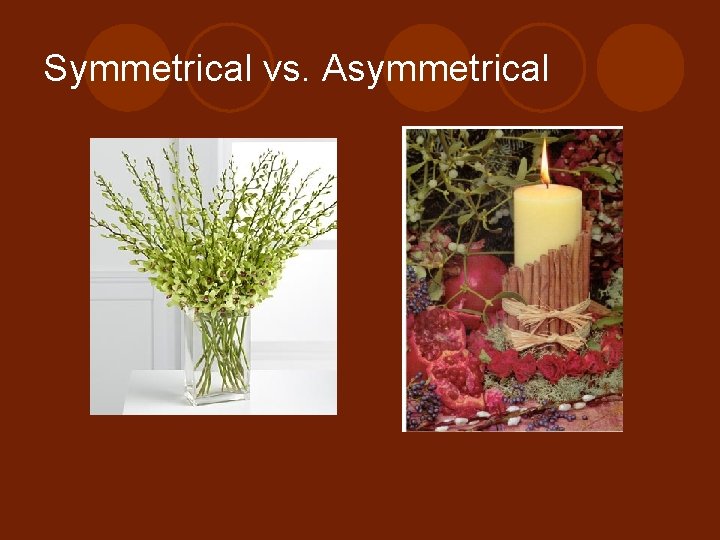
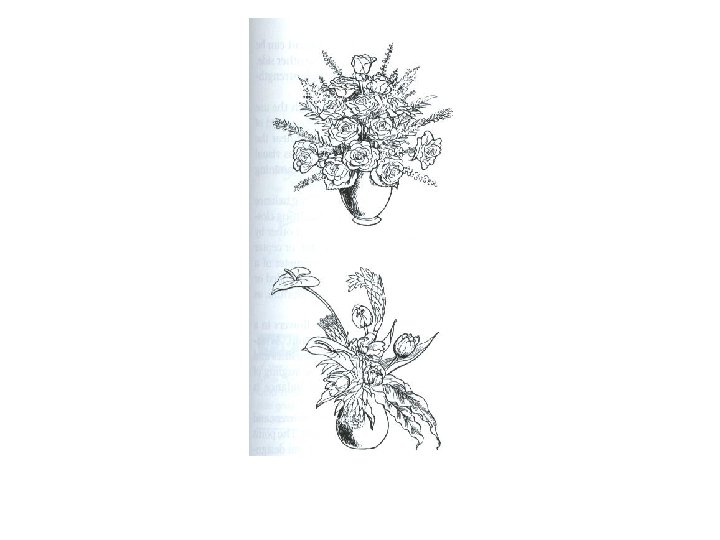
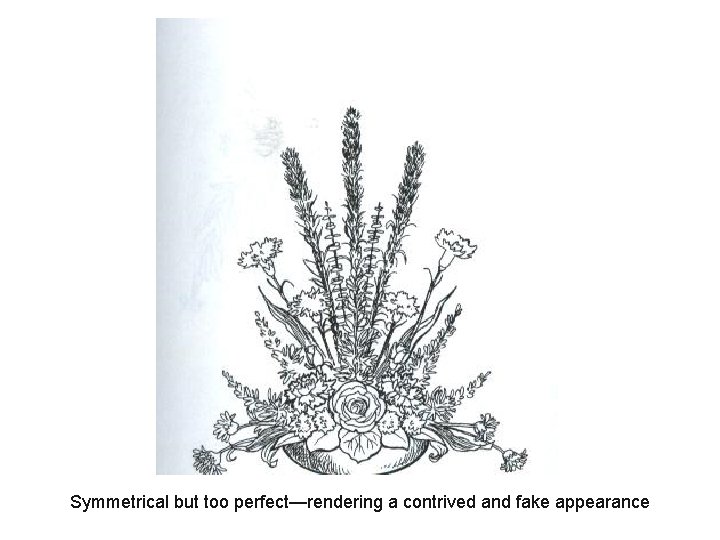
Balance l symmetrical balance—known as formal balance, flowers are repeated on opposite sides of the floral arrangement. Using an imaginary central axis, one side of the arrangement is the mirror image of the other. l Asymmetrical balance—known as informal balance. Formed by placing unequal visual weight on each side of a central vertical axis.
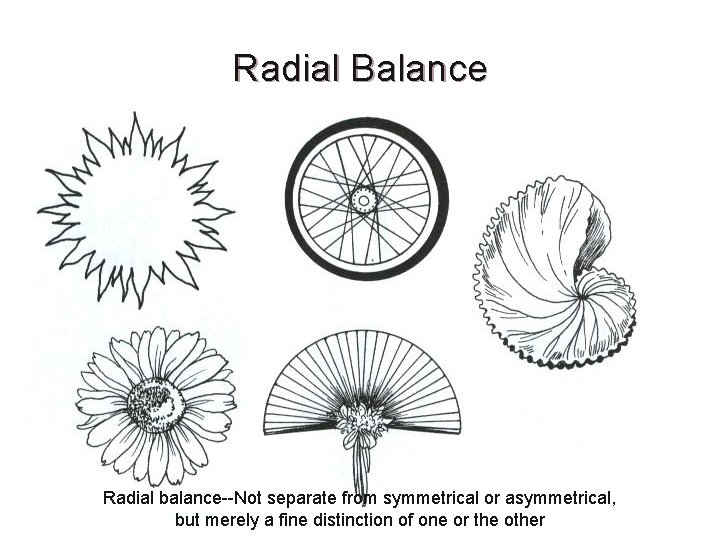
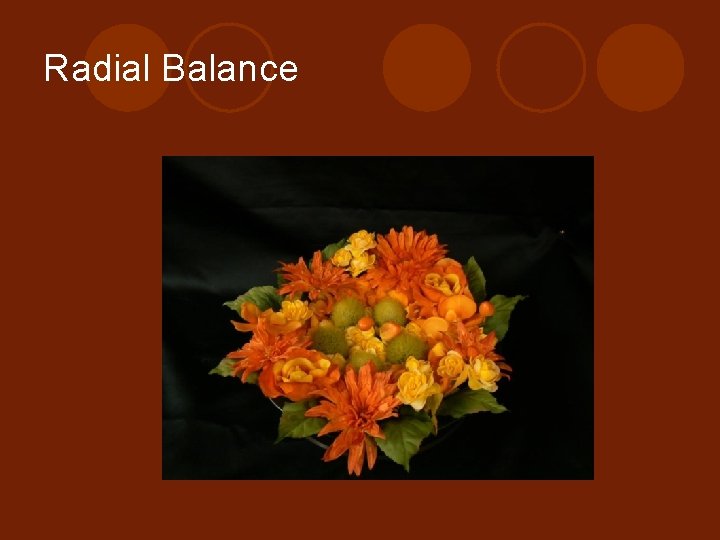
Balance l Radial balance—radiate from a central point like the spokes of a wheel or the rays of the sun.
Symmetrical-one side mirrors the other Asymmetrical-two sides are dissimilar but have equal visual weight or equal eye attraction which creates visual balance
Symmetrical vs. Asymmetrical
Radial Balance Radial balance--Not separate from symmetrical or asymmetrical, but merely a fine distinction of one or the other
Radial Balance
Symmetrical but too perfect—rendering a contrived and fake appearance
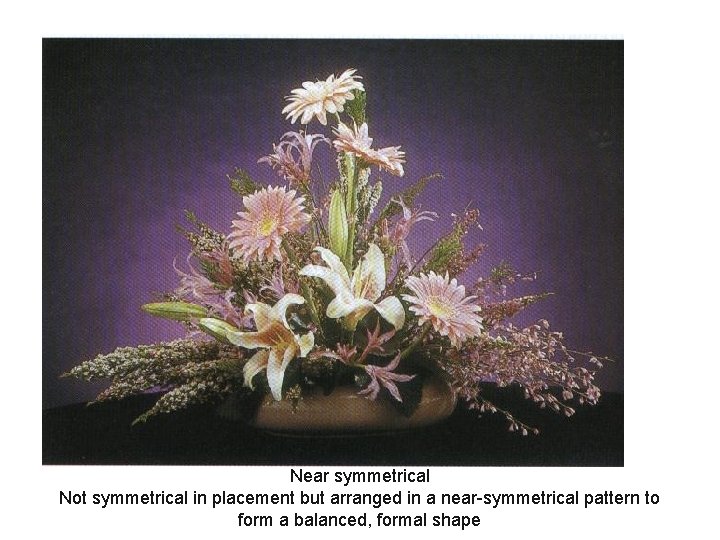
Near symmetrical Not symmetrical in placement but arranged in a near-symmetrical pattern to form a balanced, formal shape
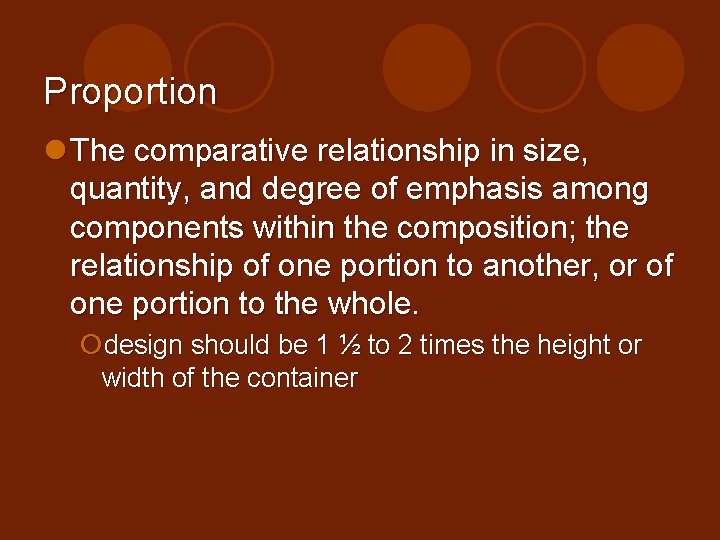
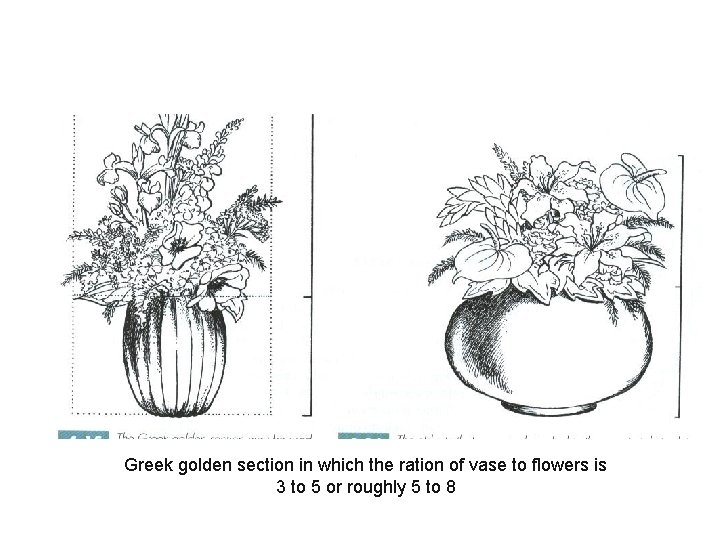
Proportion l The comparative relationship in size, quantity, and degree of emphasis among components within the composition; the relationship of one portion to another, or of one portion to the whole. ¡design should be 1 ½ to 2 times the height or width of the container
Greek golden section in which the ration of vase to flowers is 3 to 5 or roughly 5 to 8
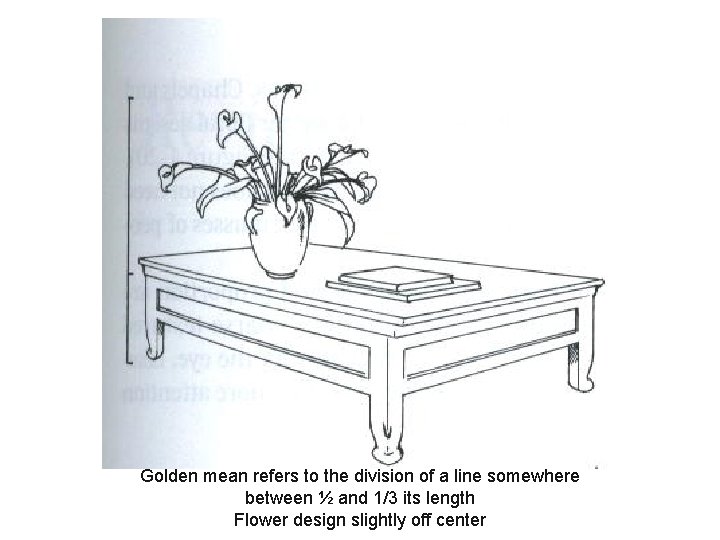
Golden mean refers to the division of a line somewhere between ½ and 1/3 its length Flower design slightly off center
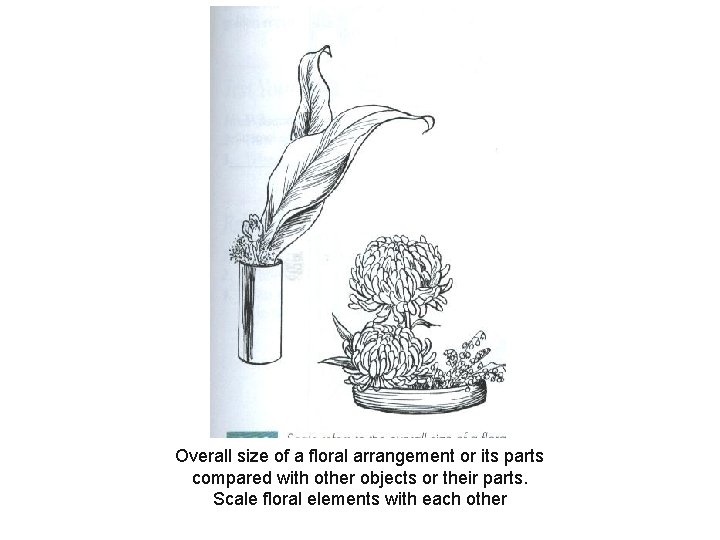
Overall size of a floral arrangement or its parts compared with other objects or their parts. Scale floral elements with each other
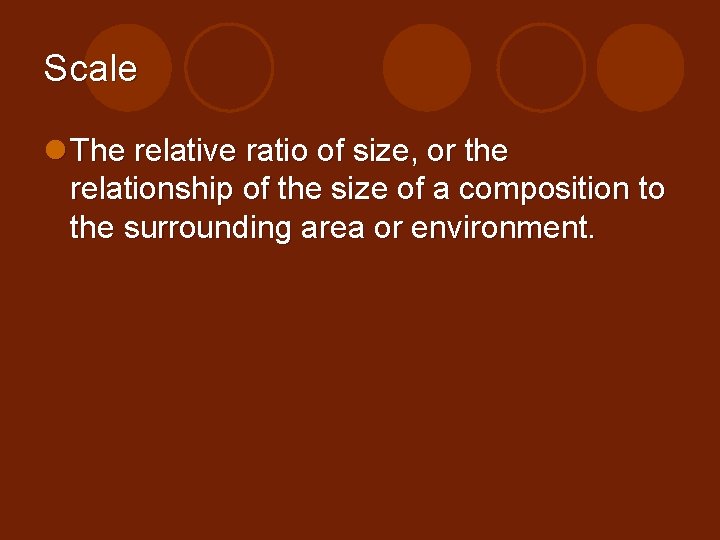
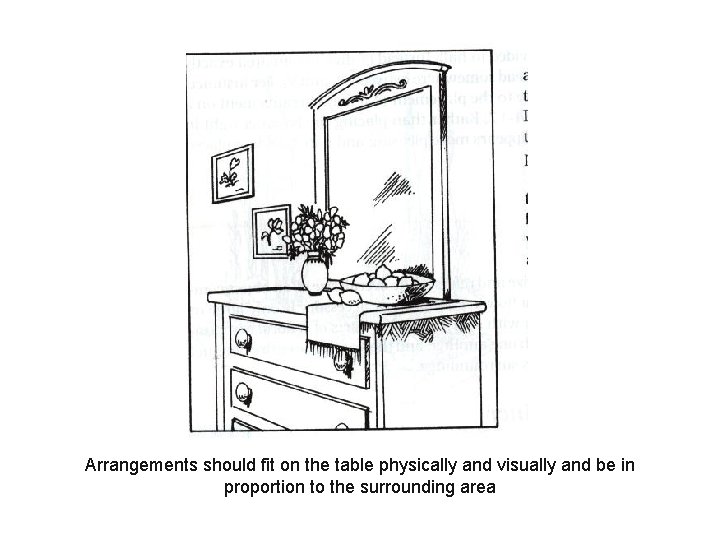
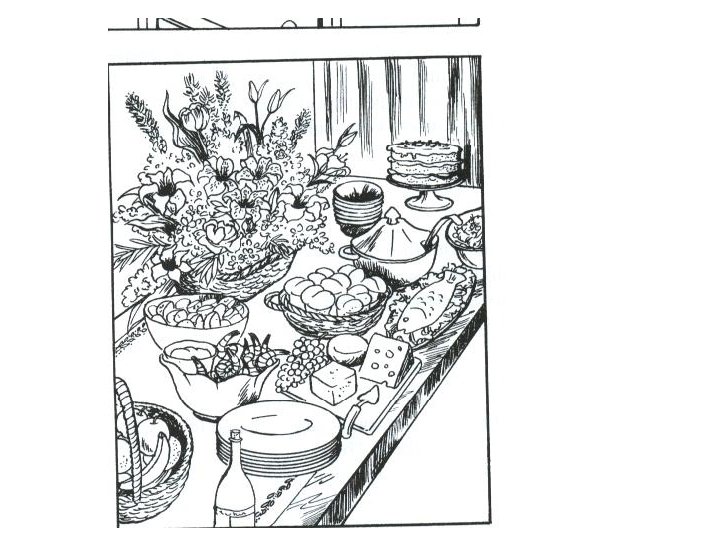
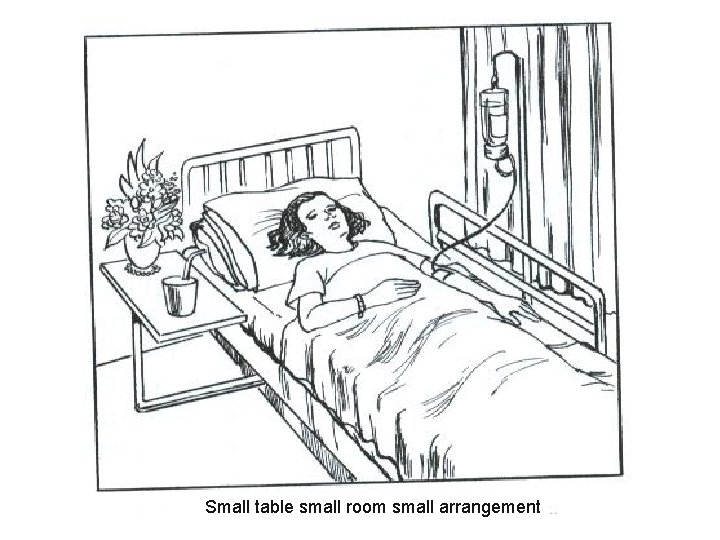
Scale l The relative ratio of size, or the relationship of the size of a composition to the surrounding area or environment.
Arrangements should fit on the table physically and visually and be in proportion to the surrounding area
Small table small room small arrangement
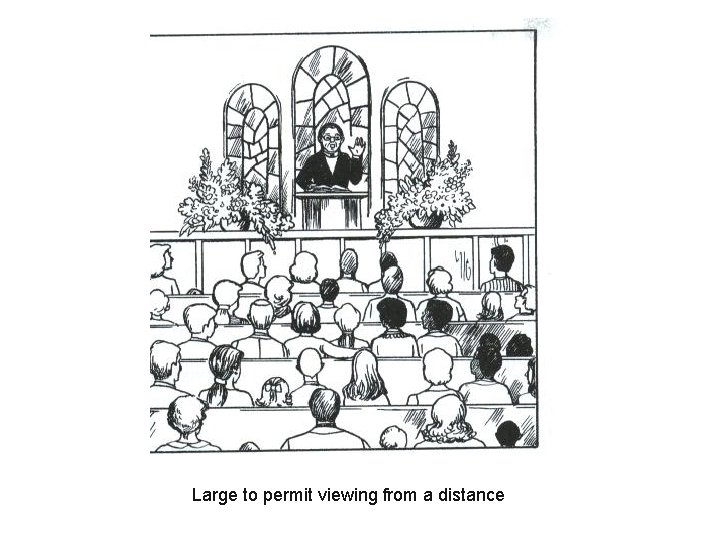
Large to permit viewing from a distance
Dominance l The visual organization within a design that emphasizes one or more aspects. When one element is emphasized, others are subordinate.
Emphasis l The special attention or importance given to one or more areas within a design. ¡Directs eye to more important areas
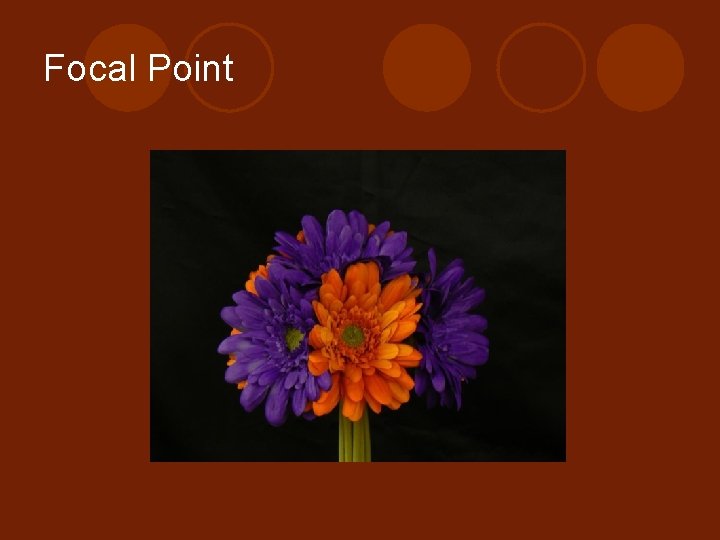
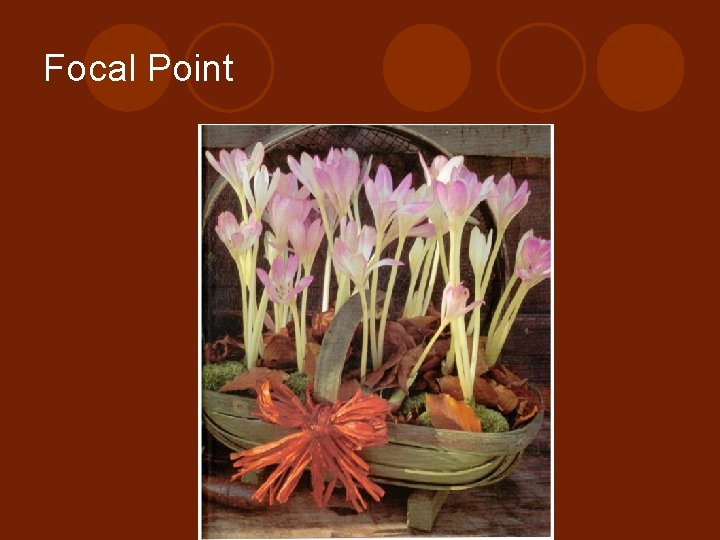
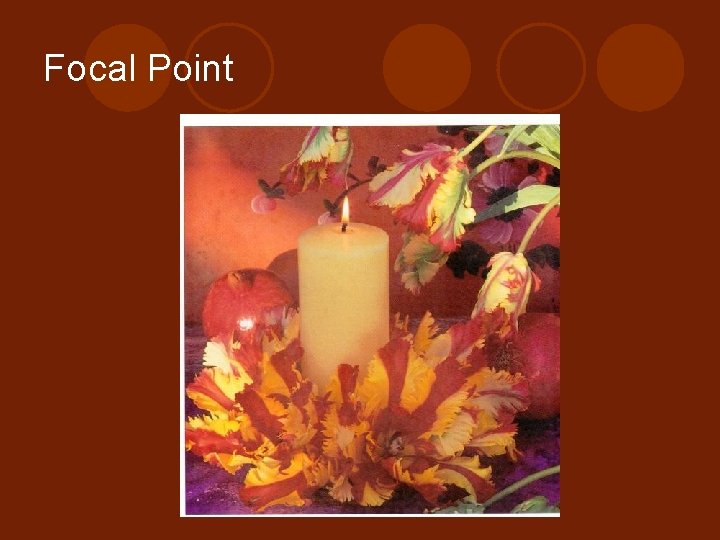
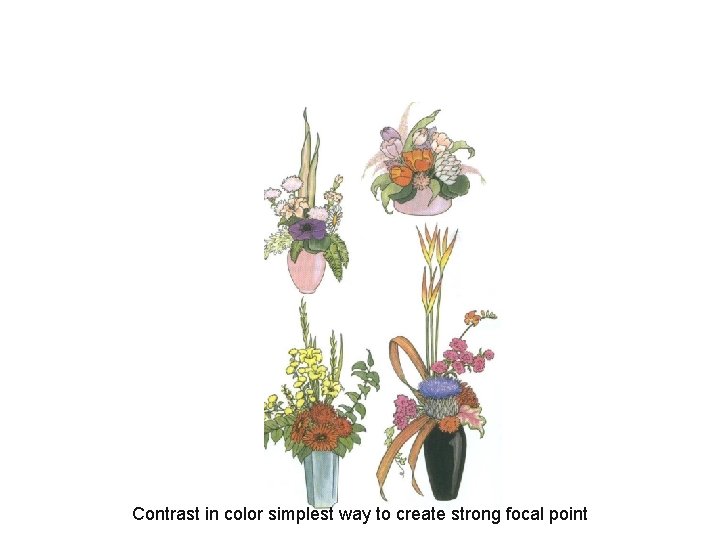
Focal Area l The area of greatest visual impact or weight; weight the center of interest to which the eye is most naturally drawn. ¡Center of gravity or balance ¡Where eye is drawn ¡Where the eye rests ¡One element different than others
Focal Point
Focal Point
Focal Point
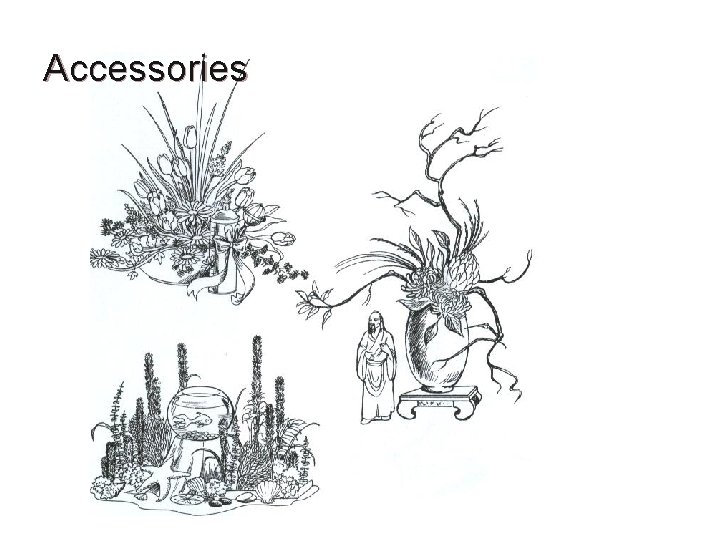
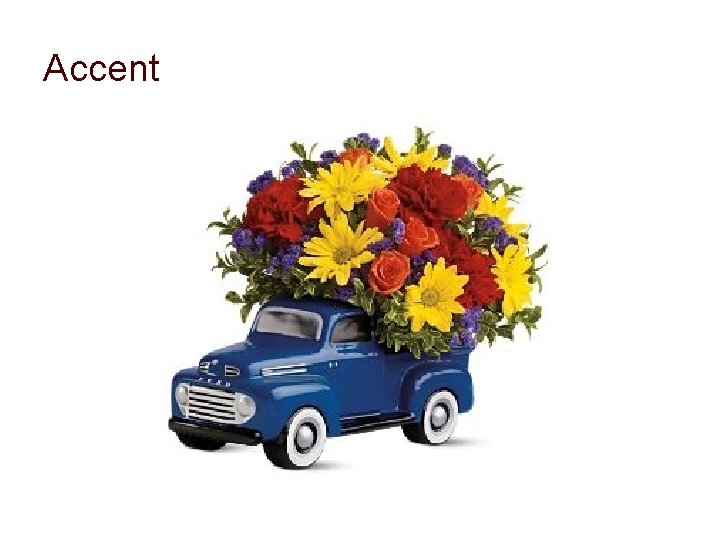
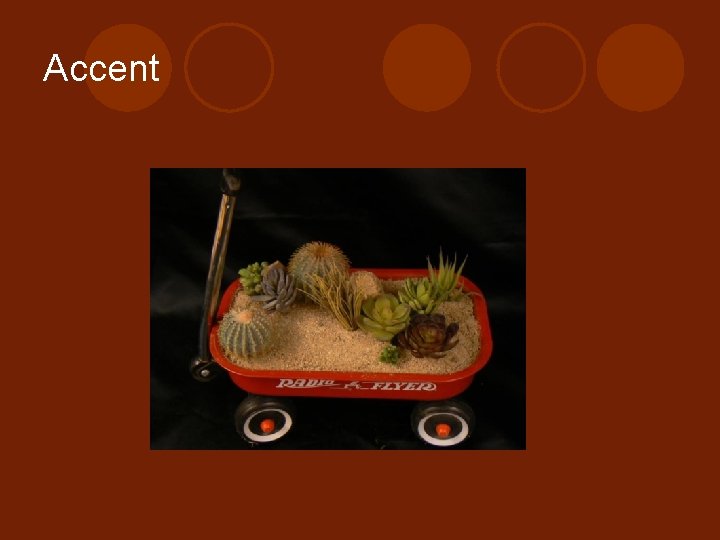
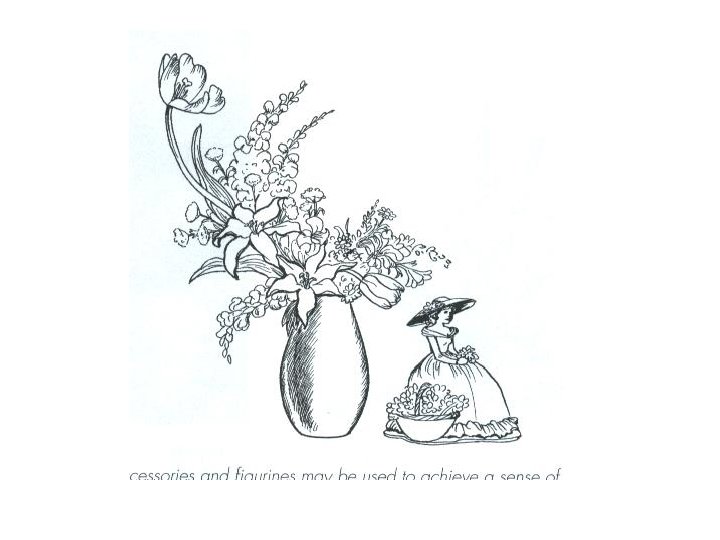
Accent l Detail added to a design to provide additional interest, affecting the total character of the composition. ¡Enlivens ¡Dash of something
Accessories
Accent
Accent
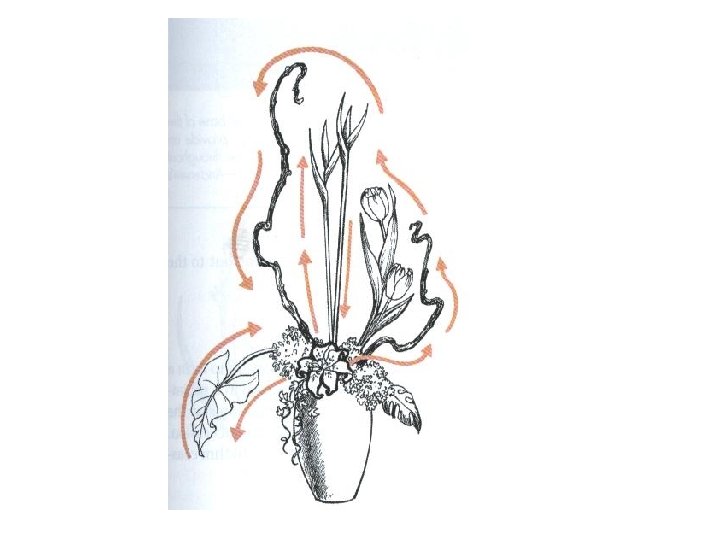
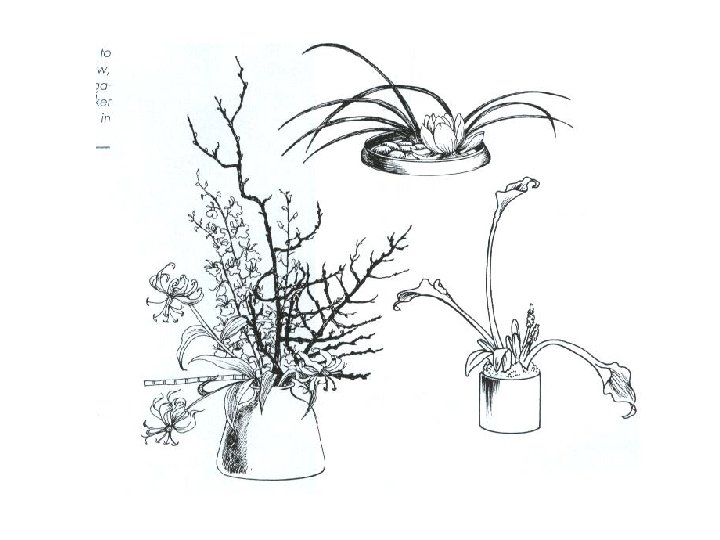
Rhythm Flow or movement characterized by regular recurrence of elements or features l Use repeated patterns and graceful spacing. l The goal is to create a visual pathway that leads the viewer’s eye around and through the design, then back to the focal point.
Depth l Three-dimensional arrangement ¡overlap or angle flowers ¡place bright, dark flowers on the bottom of the arrangement, lighter and smaller at the top
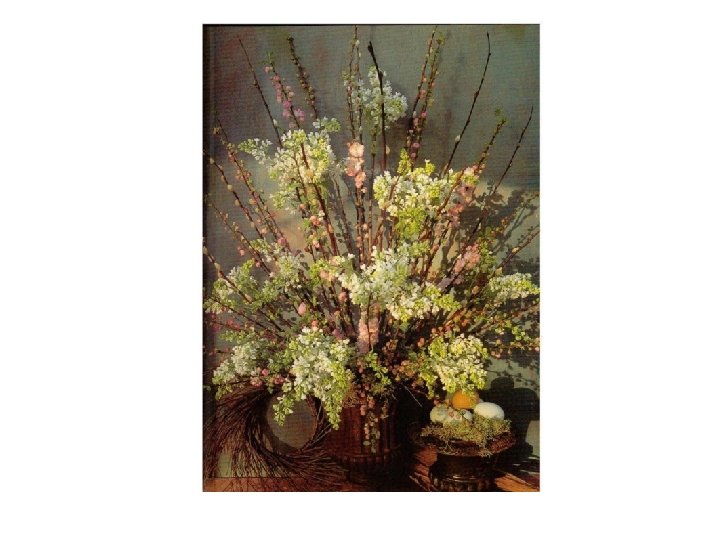
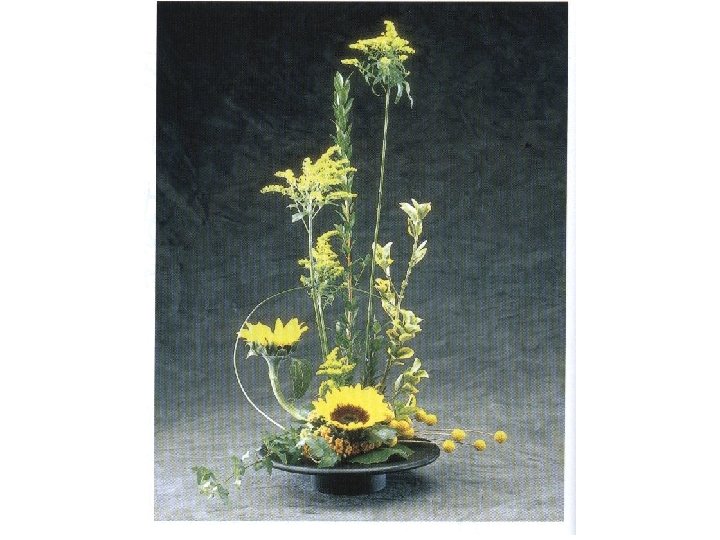
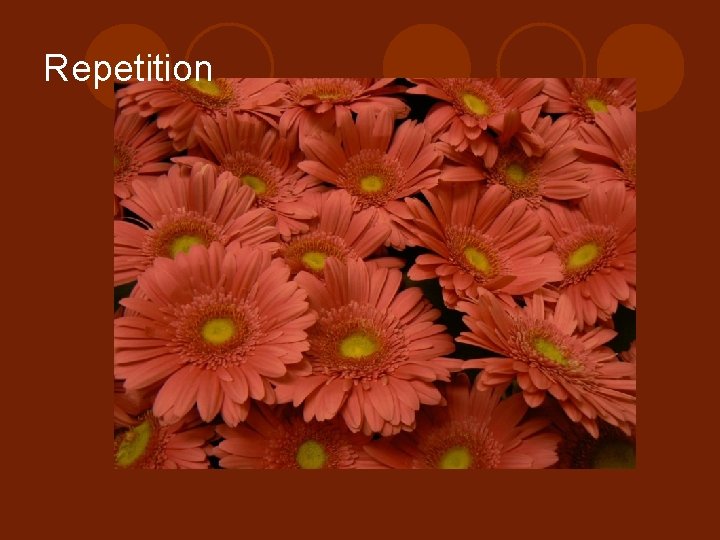
Repetition l The recurrence of like elements within a composition
Repetition
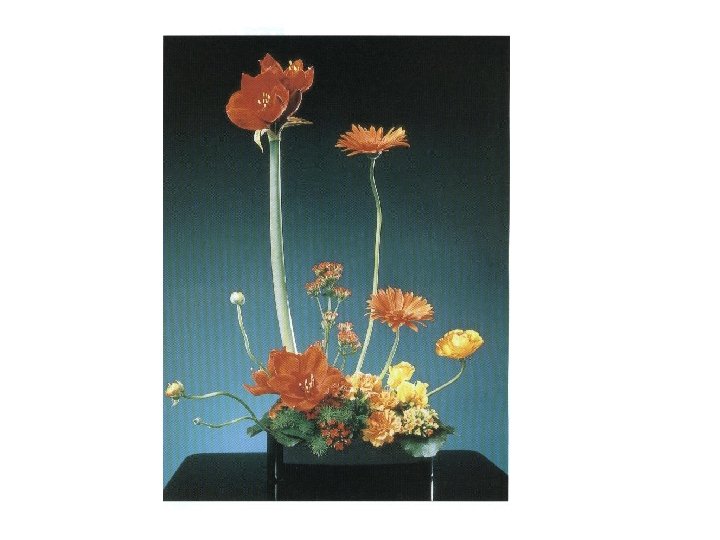
Transition l The ease of visual movement which results from gradual degrees of change among one or more of the elements
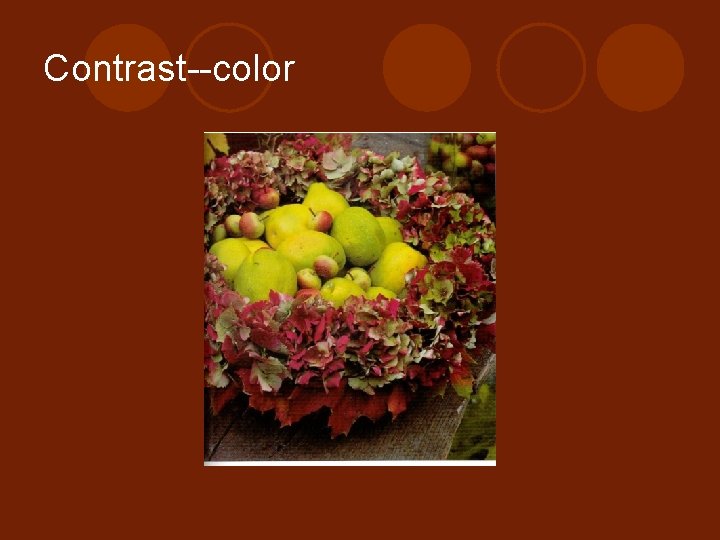
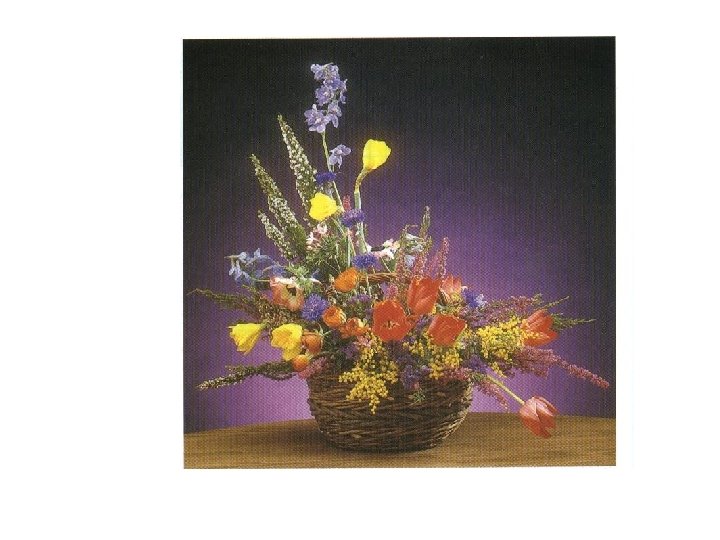
Contrast l Emphasis by means of difference
Contrast--color
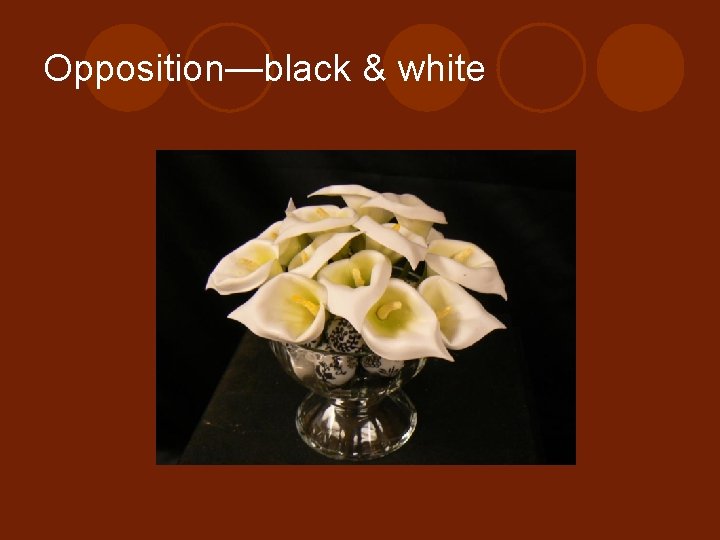
Opposition l Contrast between elements which are counterpoint in relation to each other. ¡Call attention to each other by being opposite whereas contrast is simply different from each other
Opposition—black & white
Contrast in color simplest way to create strong focal point
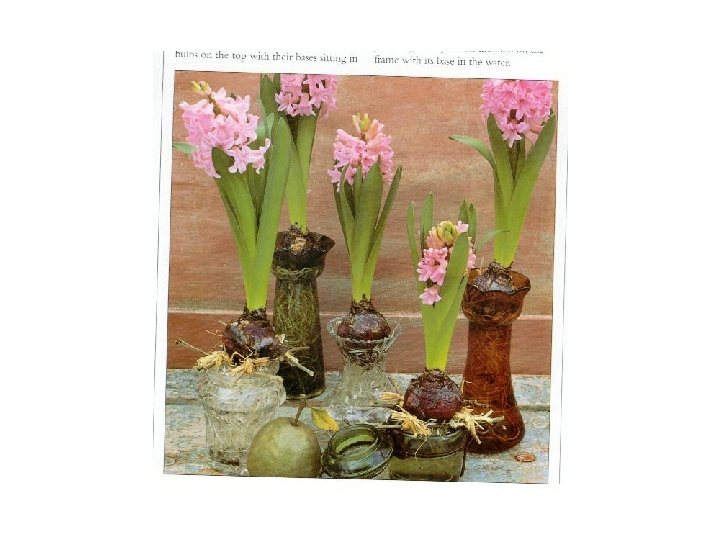
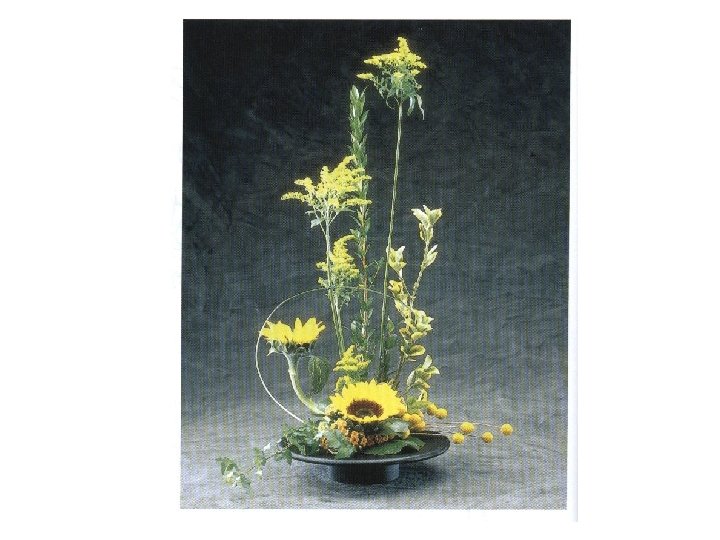
Tension l Implying or suggesting a sense of energy ¡Polarity—drawn together or pushed apart ¡Knot a leaf-energy has been exerted or applied ¡New bulb forcing out of soil ¡Ready to spring or snap
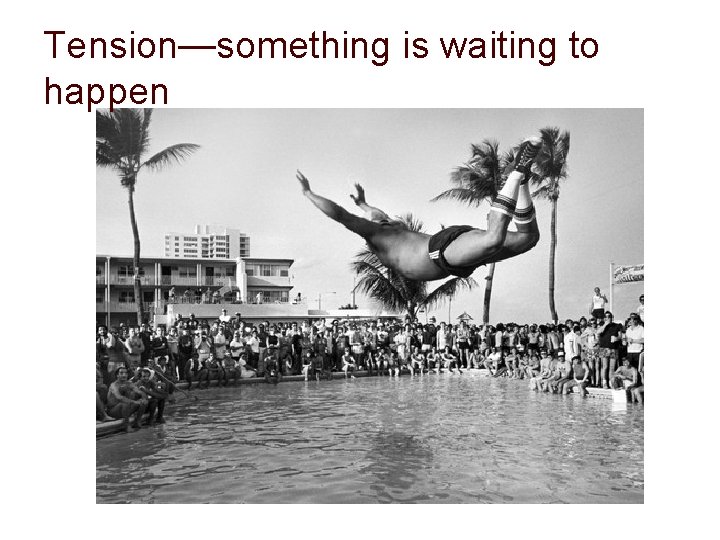
Tension—something is waiting to happen
Variation l Dissimilarity among attributes or characteristics. ¡Diversity among elements ¡Vary stages of development ¡All one color of flower, but different flowers
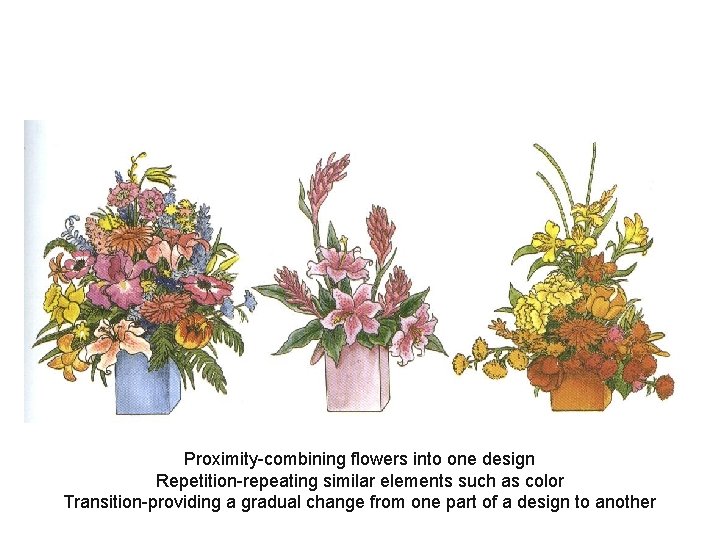
Proximity-combining flowers into one design Repetition-repeating similar elements such as color Transition-providing a gradual change from one part of a design to another
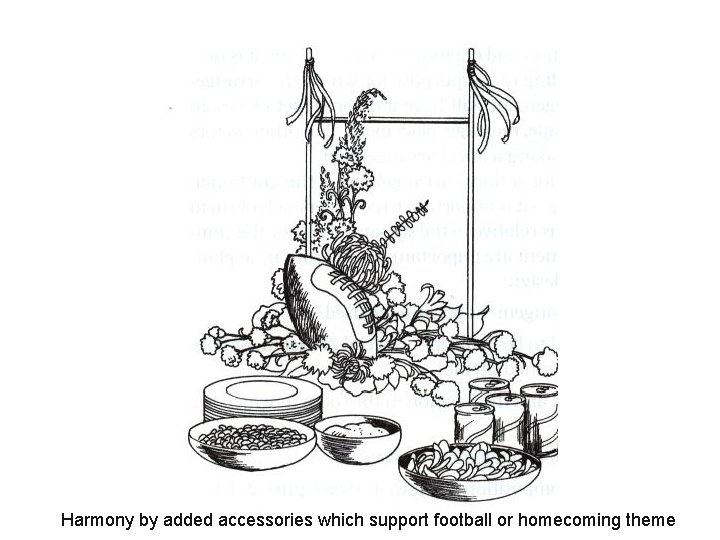
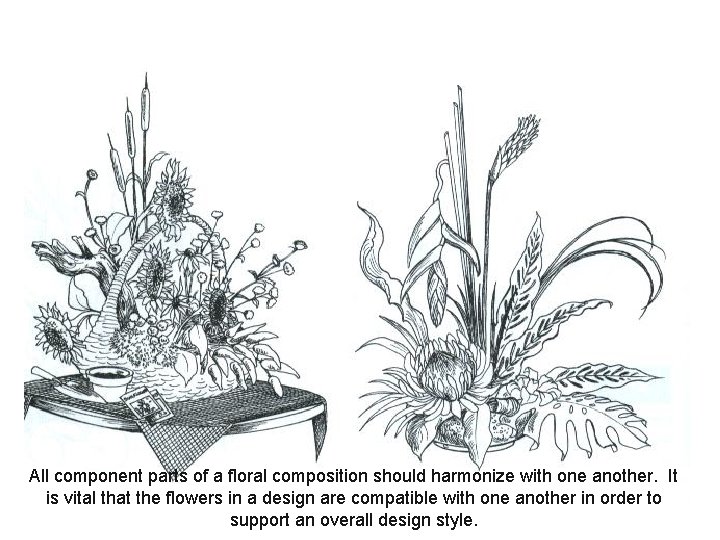
Harmony Compatibility; a pleasing or congruent arrangement of parts. l All parts should go together or “harmonize” with each other.
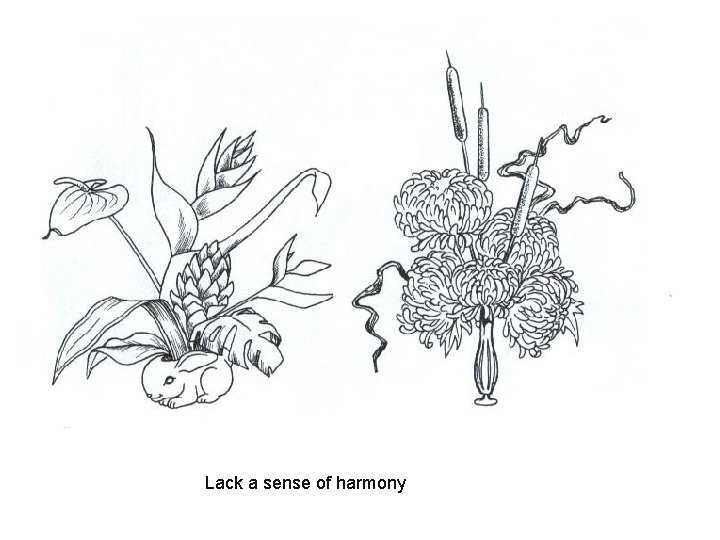
Lack a sense of harmony
Harmony by added accessories which support football or homecoming theme
All component parts of a floral composition should harmonize with one another. It is vital that the flowers in a design are compatible with one another in order to support an overall design style.
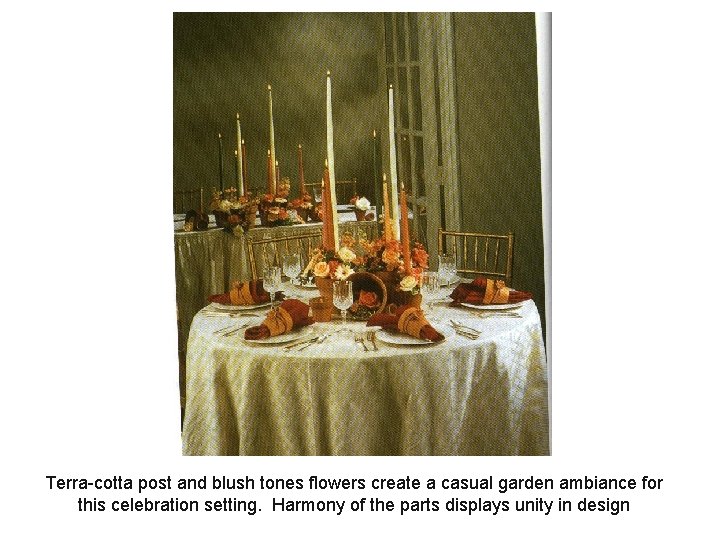
Terra-cotta post and blush tones flowers create a casual garden ambiance for this celebration setting. Harmony of the parts displays unity in design
Unity --the state of being one, united, or complete in itself. l The arrangement is seen as a whole piece instead of only individual parts. l Oneness of purpose, thought, style, and spirit.
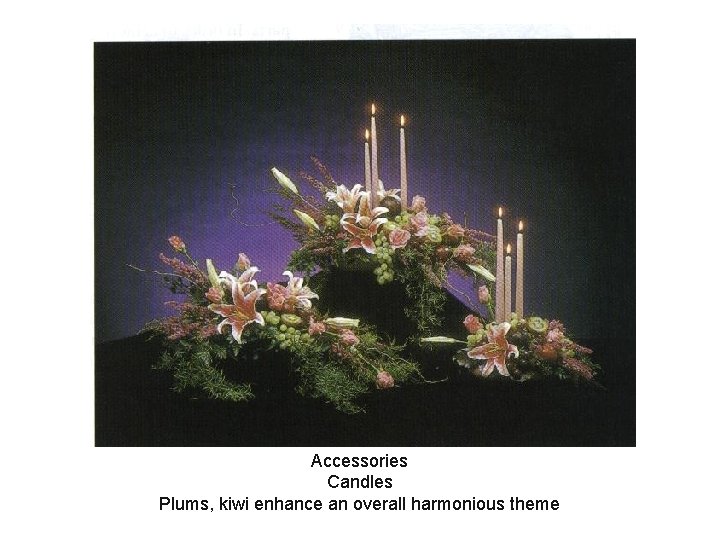
Accessories Candles Plums, kiwi enhance an overall harmonious theme
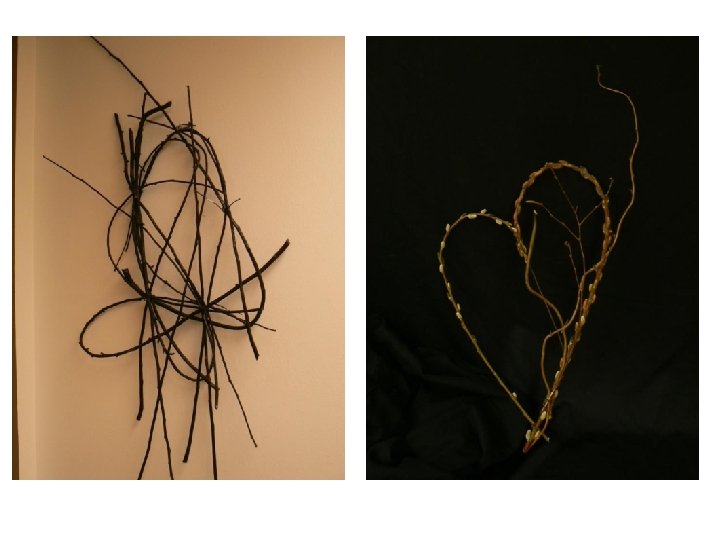
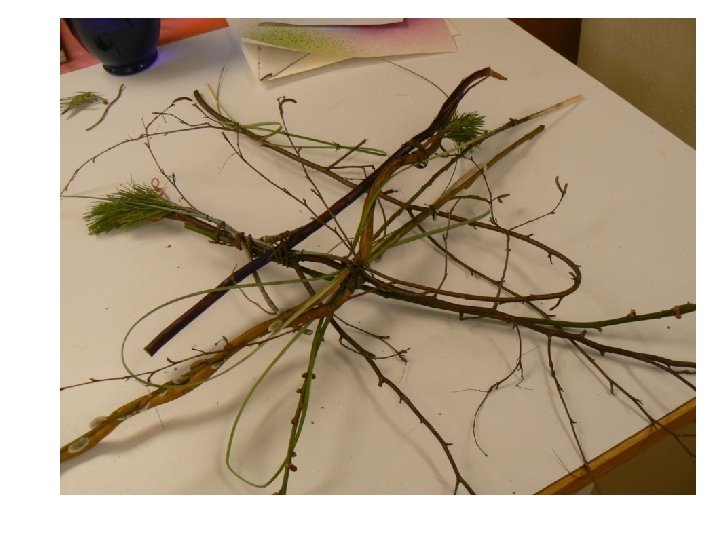
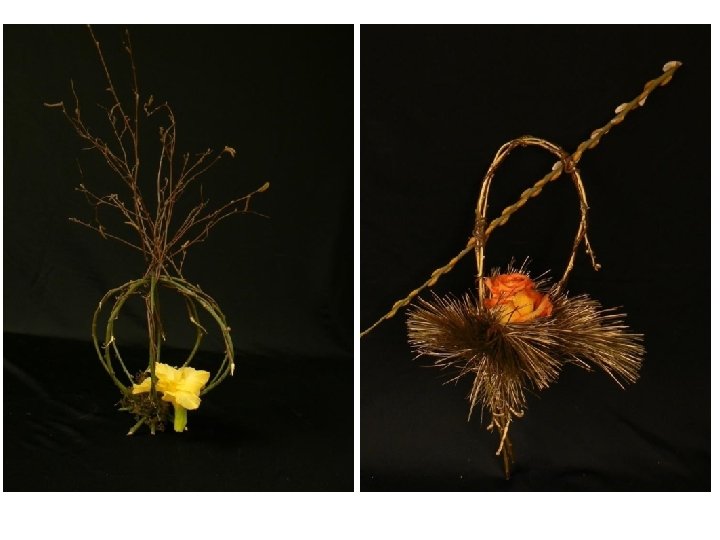
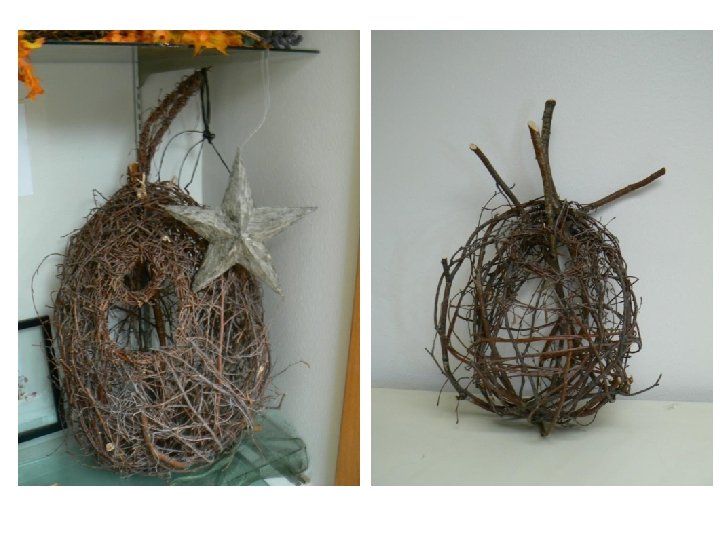
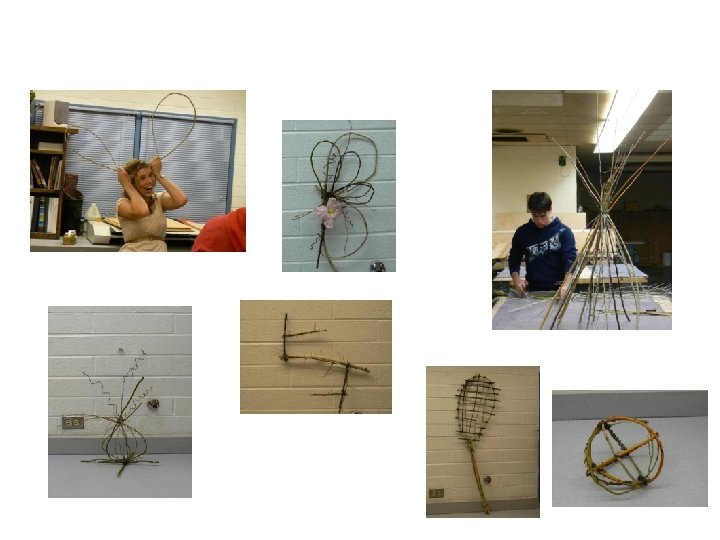
Examples of Line and Sticks Design Assignment