
Elements of Romanticism n Rebellion against Neoclassicism Primitivism
Elements of Romanticism n Rebellion against Neoclassicism Primitivism n Love of Nature n Sympathetic Interest in the Past n Mysticism n n Individualism
Romanticism Defined
Artistic and intellectual movement that originated in th the late 18 century and stressed emotion, imagination, freedom from classical correctness in art forms, and rebellion against social conventions.
Romanticism as a Rebellion 1. Rejection of precepts of order, calm, harmony, balance, idealization, and rationality typical of Neo-classicism and The Enlightenment 2. Reaction against 18 th century rationalism and materialism (Industrial Revolution)
Mind and Heart Romanticism exalted emotion over reason, the senses over the intellect
Primitivism n Noble Savage: The idea that primitive human beings are naturally good and that whatever evil they developed is the product of the corrupting influences of society and civilization
Primitivism n Human beings were potentially perfect, their faults are due to the vicious influence of the type of society in which they live, one which tended progressively to restrict freedom and lessen moral goodness
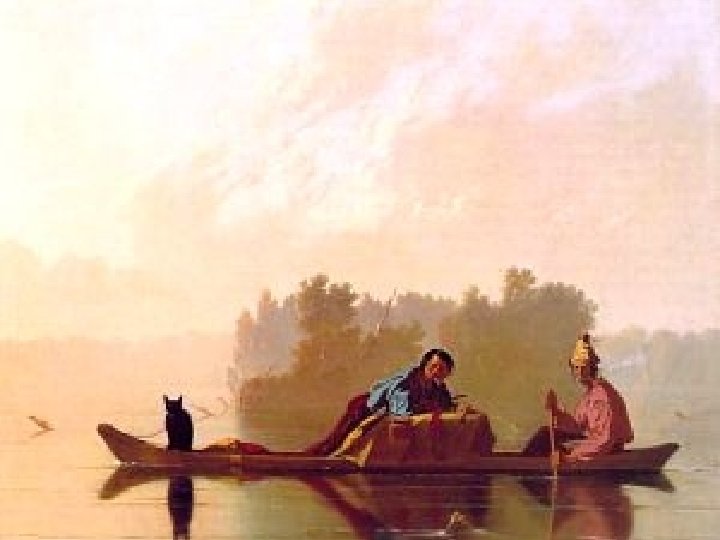
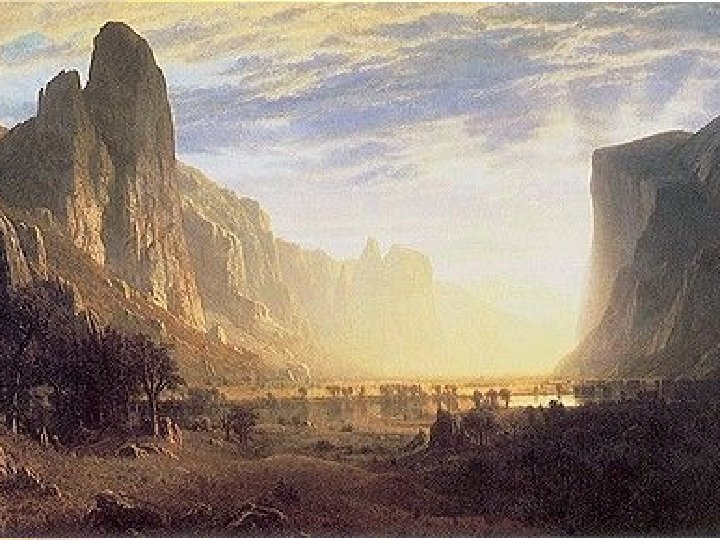
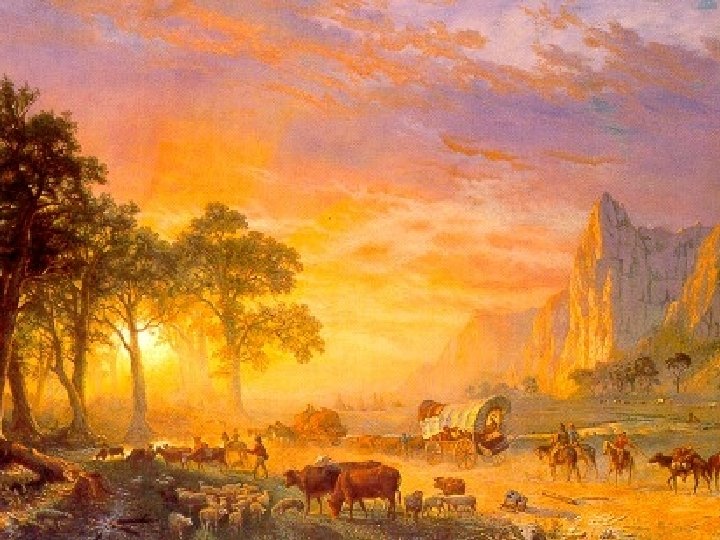
Love of Nature Earl of Shaftesbury contended that God had revealed himself completely through Nature— n Nature was perfect n Primitive People closer to God n Human nature prone to good; evil result of self-imposed limitations on freedom n
Mysticism n Knowledge of God is attainable through the use of human faculties, transcends intellect and does not use normal human perceptions and logical processes
Individualism n Heightened awareness of moods and mental potentials as well as personality
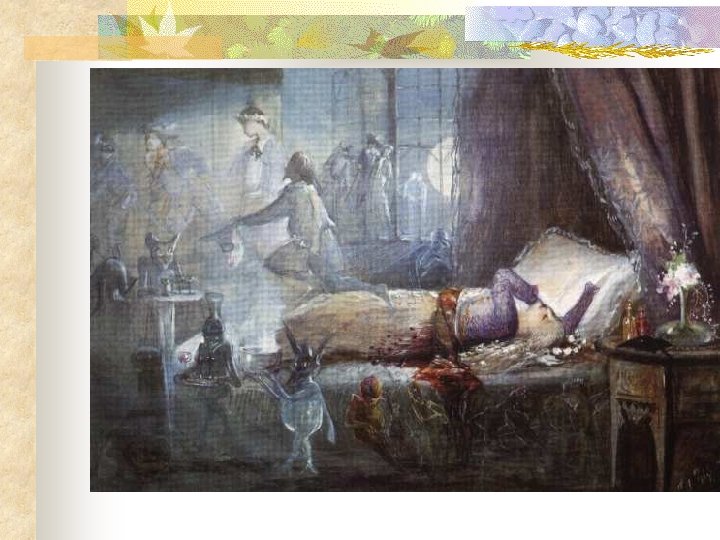
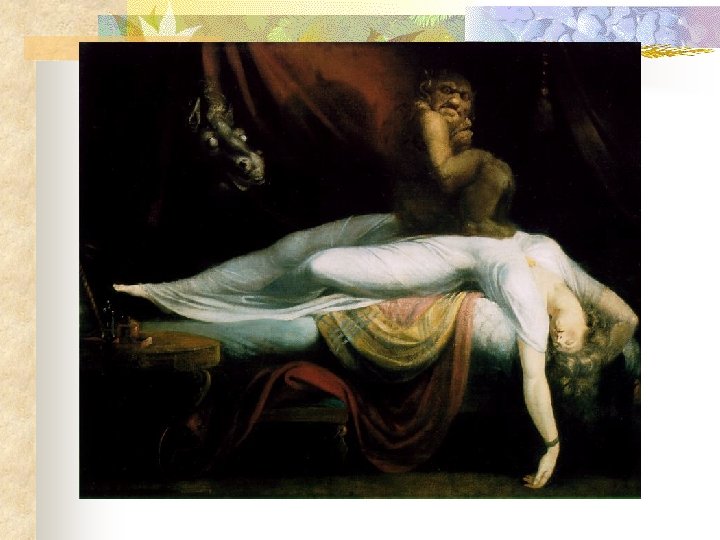
Dark Romanticism—Gothic n Most gothic novels or stories tales of mystery and horror and include the elements of n · the supernatural, n · wild and desolate landscapes (dark forests, feudal halls, mysterious castles),
nmonstrous apparitions and curses n· stupefying atmosphere of doom and gloom n· heroes and heroines in the direst of imaginable straits—who do not always triumph
n wicked villain (witches, monsters, evil lords and ladies) na keen focus on the gloomy atmosphere and setting
Transcendentalism n Emphasis on imagination as a gateway to transcendent experience and spiritual truth
Individualism n the spiritual center of the universe - and in an individual can be found the clue to nature, history and, ultimately, the cosmos itself. It is not a rejection of the existence of God, but a preference to explain an individual and the world in terms of an individual.
Mysteries of Nature n Transcendentalists accepted the neo-Platonic conception of nature as a living mystery, full of signs - nature is symbolic.
The structure of the universe literally duplicates the structure of the individual self - all knowledge, therefore, begins with selfknowledge. This is similar to Aristotle's dictum "know thyself. "
Individual Virtue The belief that individual virtue and happiness depend upon selfrealization - this depends upon the reconciliation of two universal psychological tendencies:
• the expansive or selftranscending tendency - a desire to embrace the whole world - to know and become one with the world.
• the contracting or selfasserting tendency - the desire to withdraw, remain unique and separate - an egotistical existence.
- Slides: 27