
Elements of Art and the Principles of Design

- Slides: 54
Elements of Art and the Principles of Design The Structure of Art
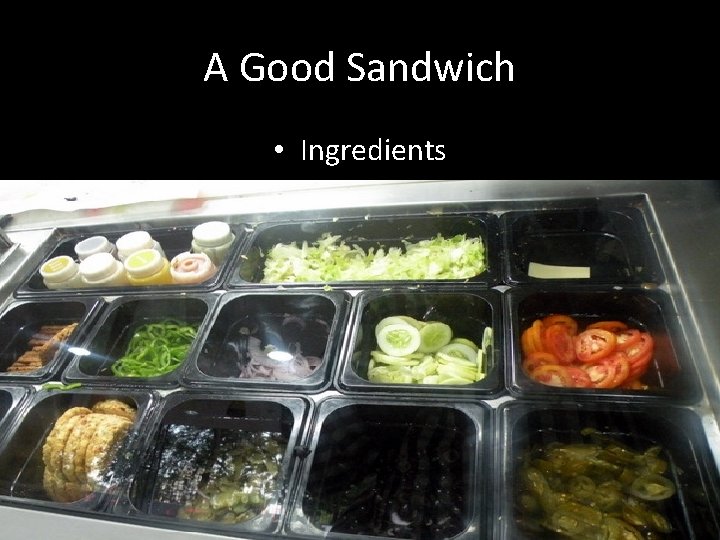
A Good Sandwich • Ingredients
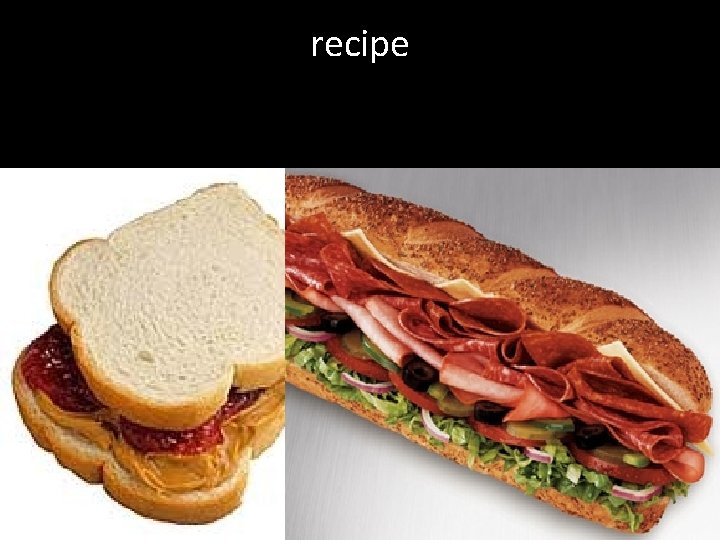
recipe
Good Art • Elements of art are the ingredients • And principles of design are recipes
Elements of Art • The basic building blocks of art. • Line • Shape • Texture • Value • Color • Space • Form
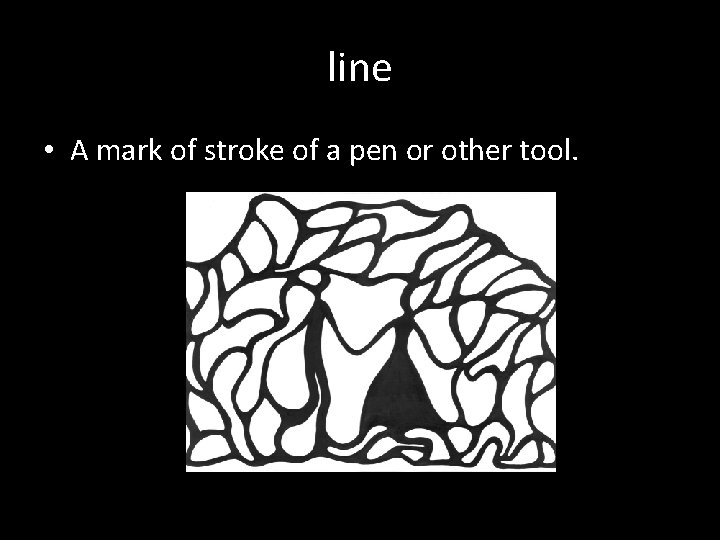
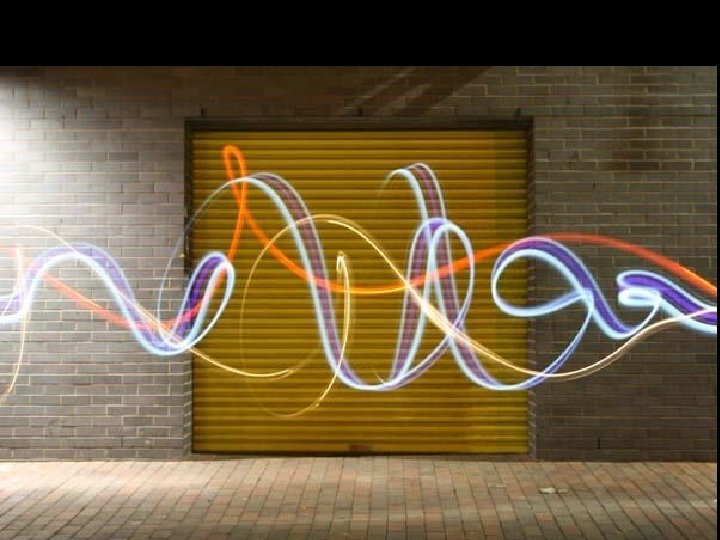
line • A mark of stroke of a pen or other tool.
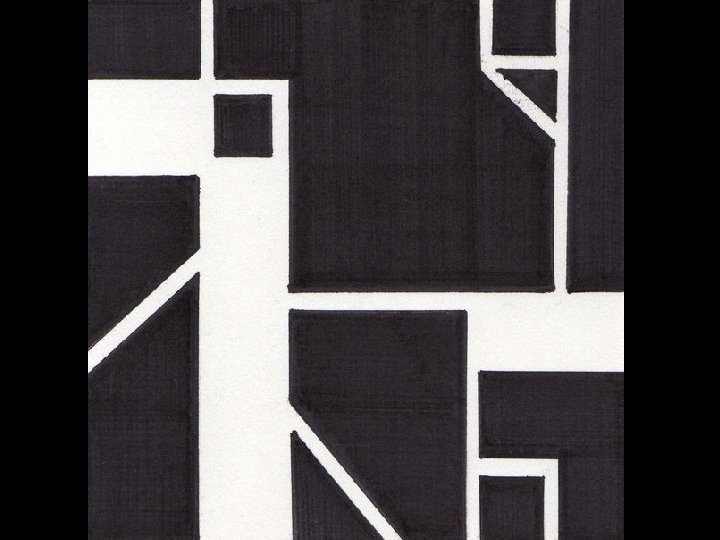
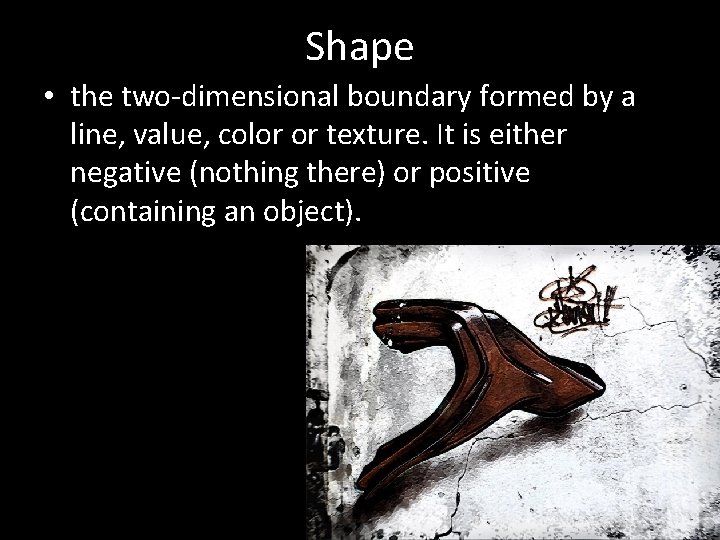
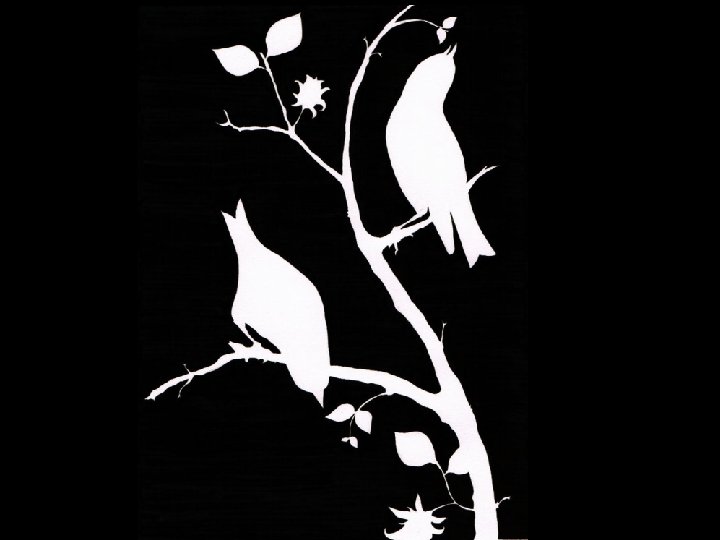
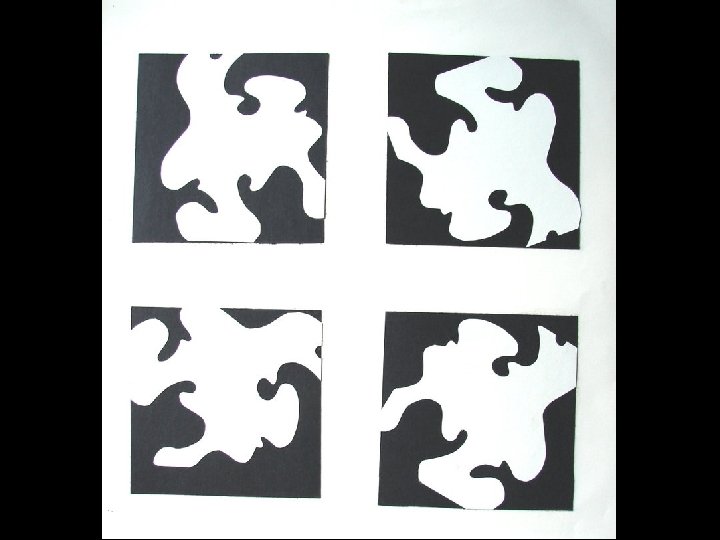
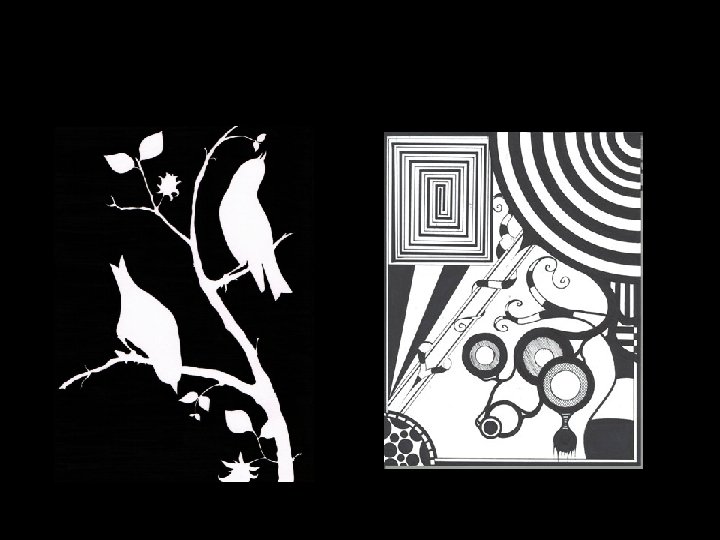
Shape • the two-dimensional boundary formed by a line, value, color or texture. It is either negative (nothing there) or positive (containing an object).
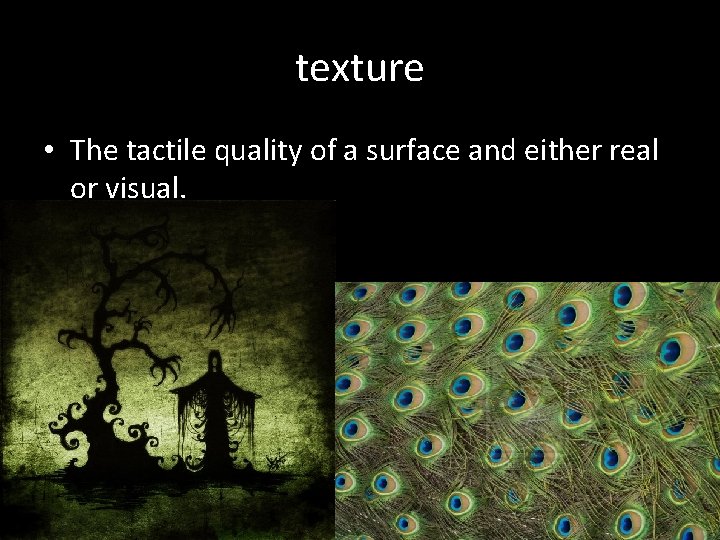
texture • The tactile quality of a surface and either real or visual.
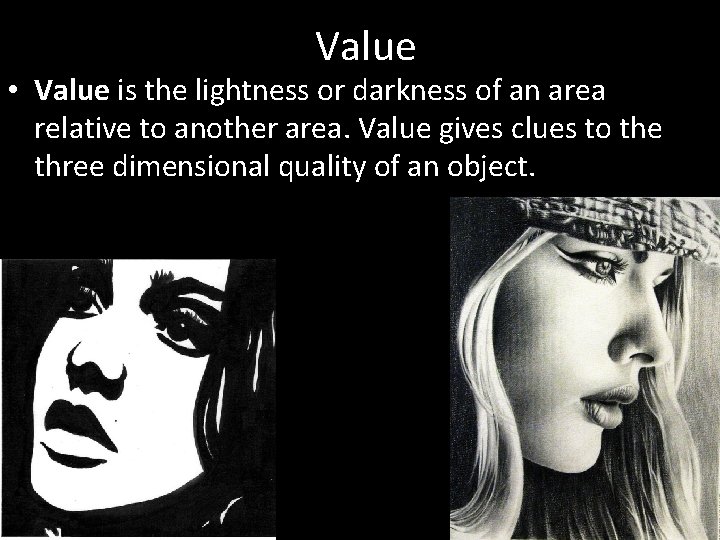
Value • Value is the lightness or darkness of an area relative to another area. Value gives clues to the three dimensional quality of an object.
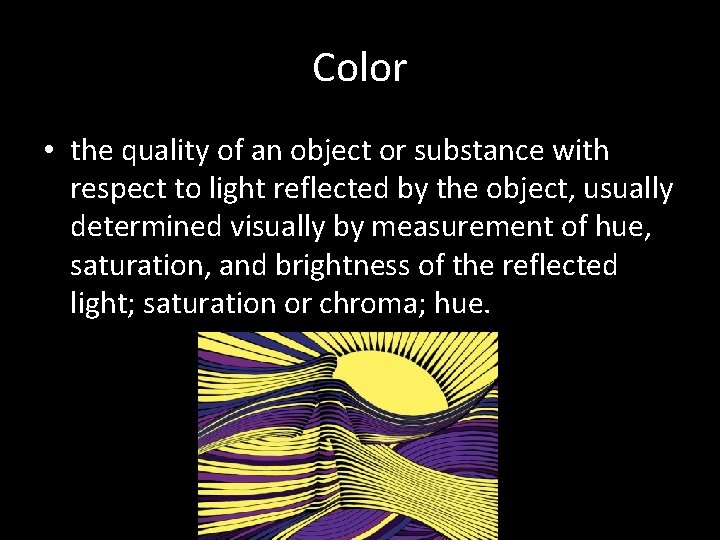
Color • the quality of an object or substance with respect to light reflected by the object, usually determined visually by measurement of hue, saturation, and brightness of the reflected light; saturation or chroma; hue.
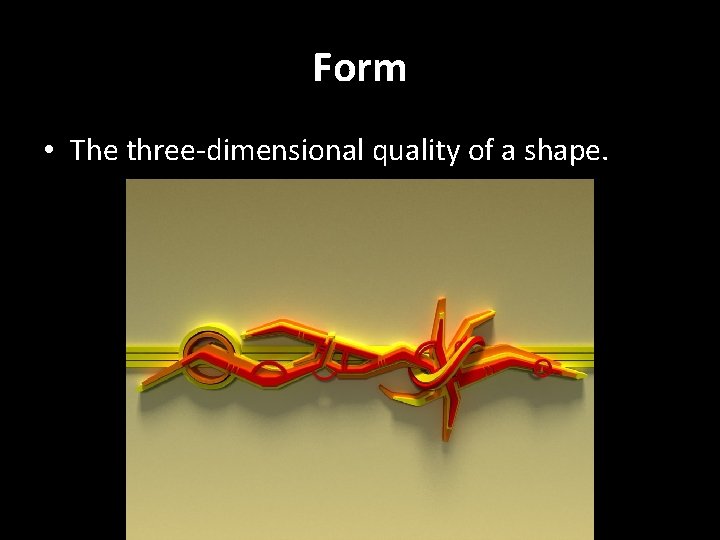
Form • The three-dimensional quality of a shape.
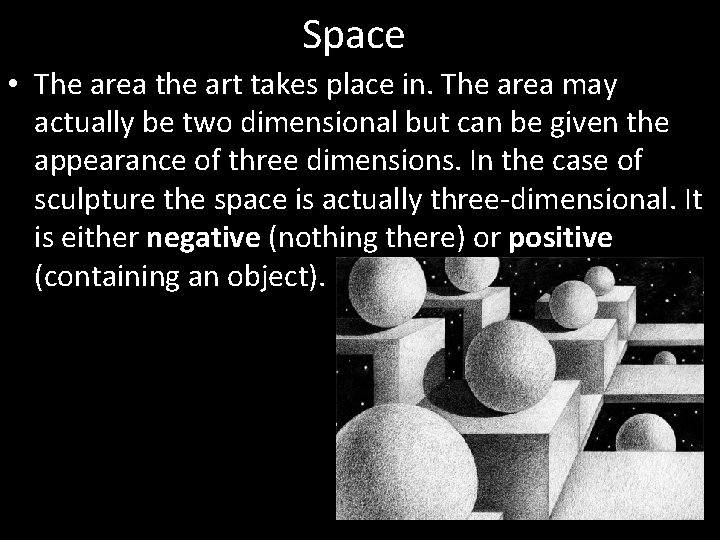
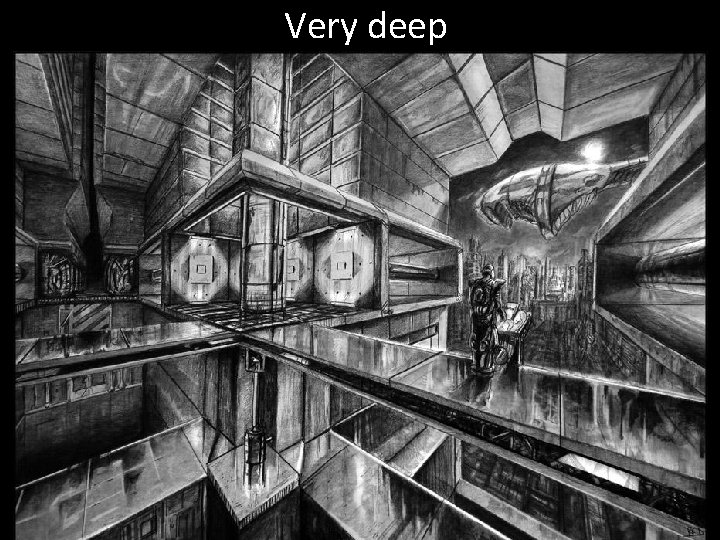
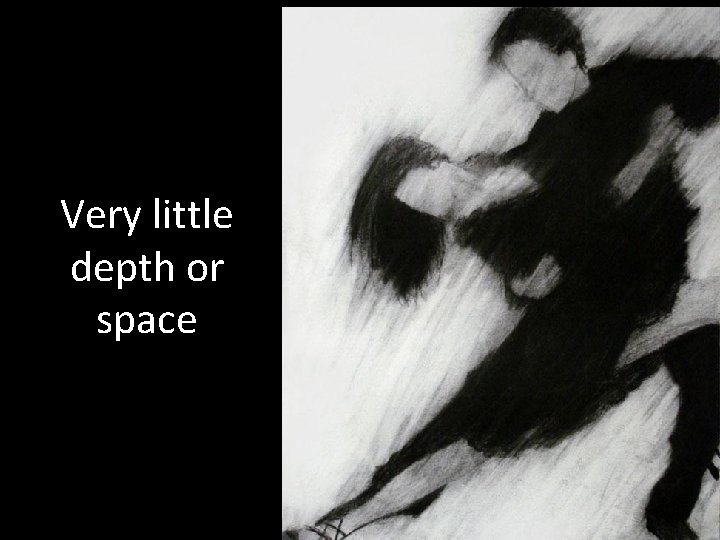
Space • The area the art takes place in. The area may actually be two dimensional but can be given the appearance of three dimensions. In the case of sculpture the space is actually three-dimensional. It is either negative (nothing there) or positive (containing an object).
Very deep
Very little depth or space
The Principles of Design • The Recipe for good art • Emphasis • Balance • Rhythm • Unity • Variety • Movement • Proportion
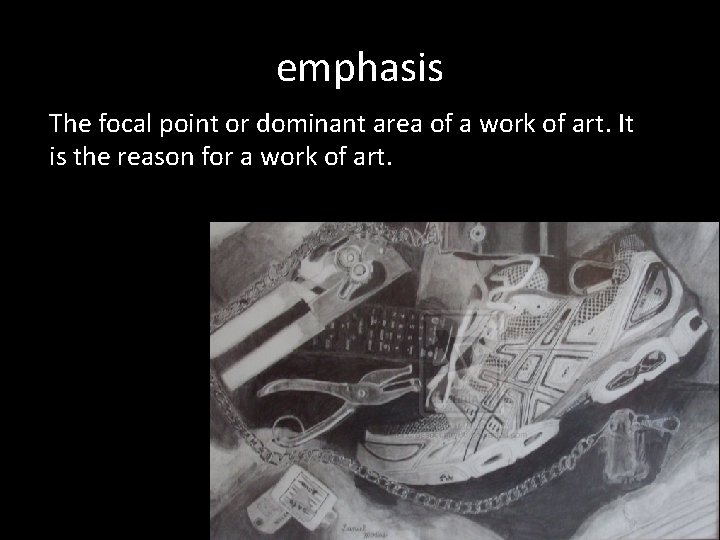
Emphasis is the focal point or dominant area of a work of art. It is the reason for a work of art. emphasis The focal point or dominant area of a work of art. It is the reason for a work of art.
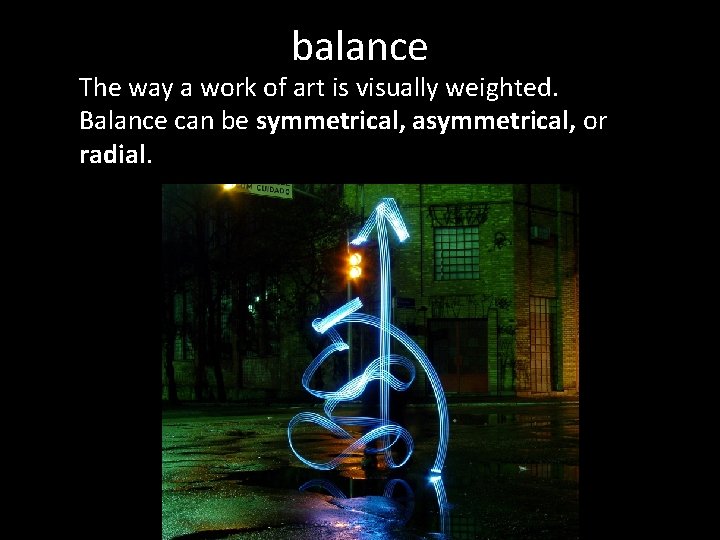
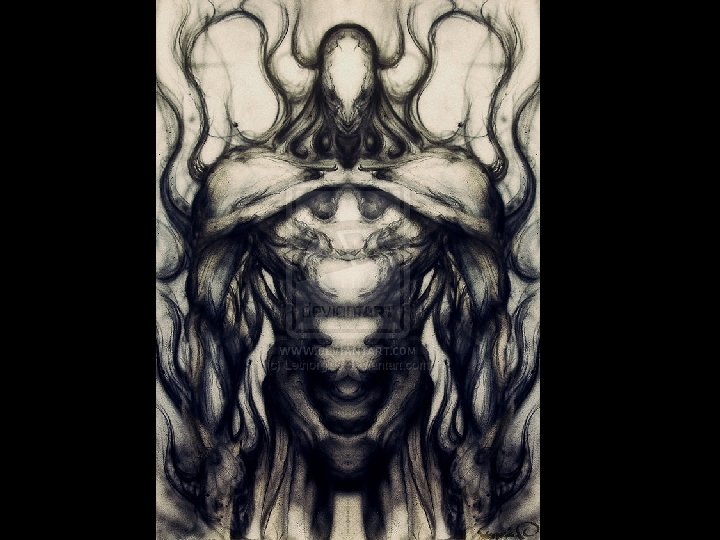
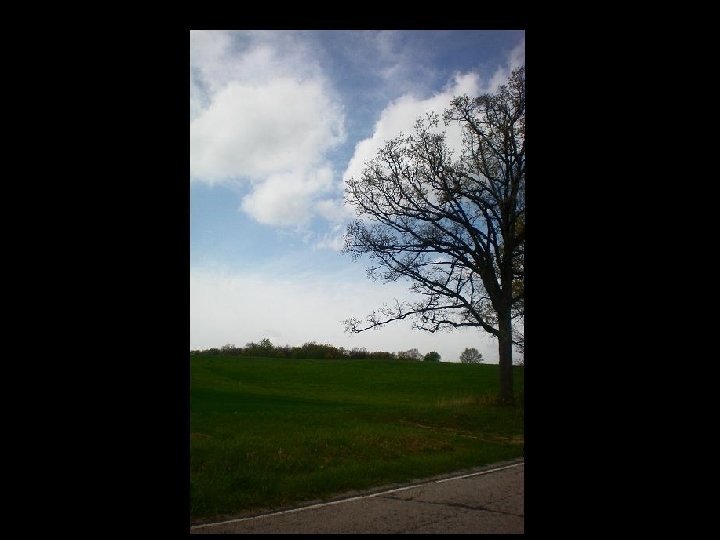
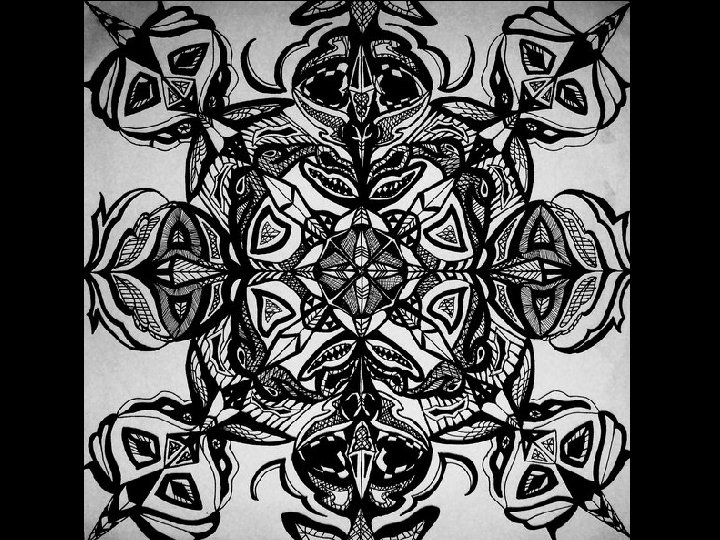
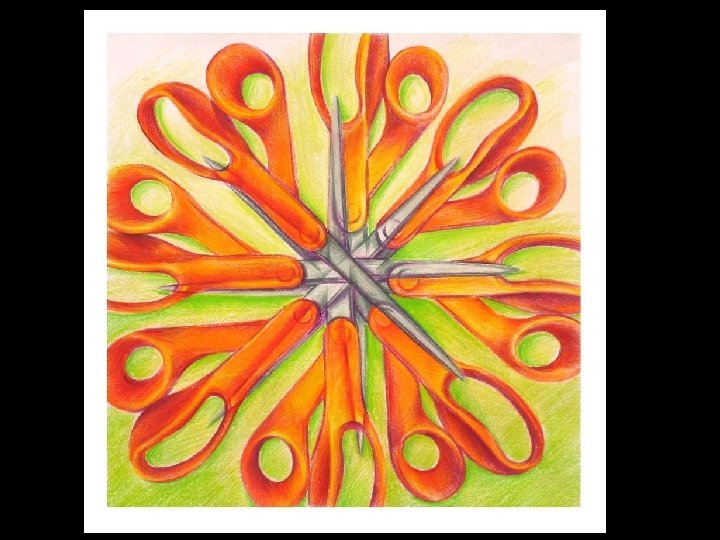
balance The way a work of art is visually weighted. Balance can be symmetrical, asymmetrical, or radial.
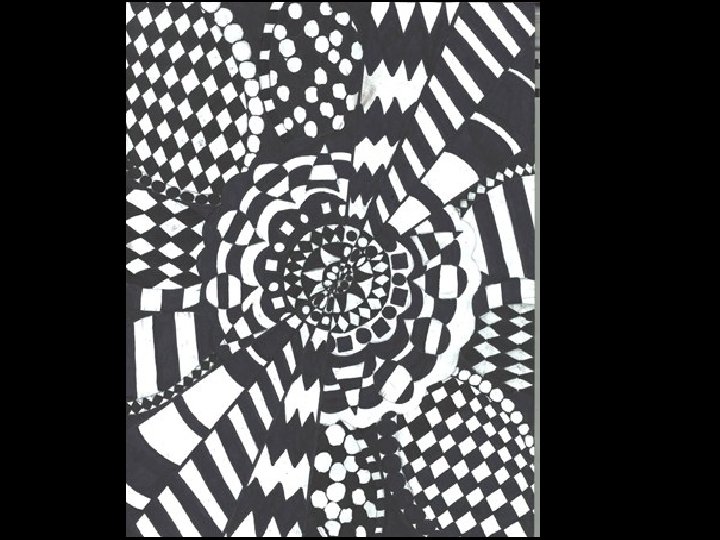
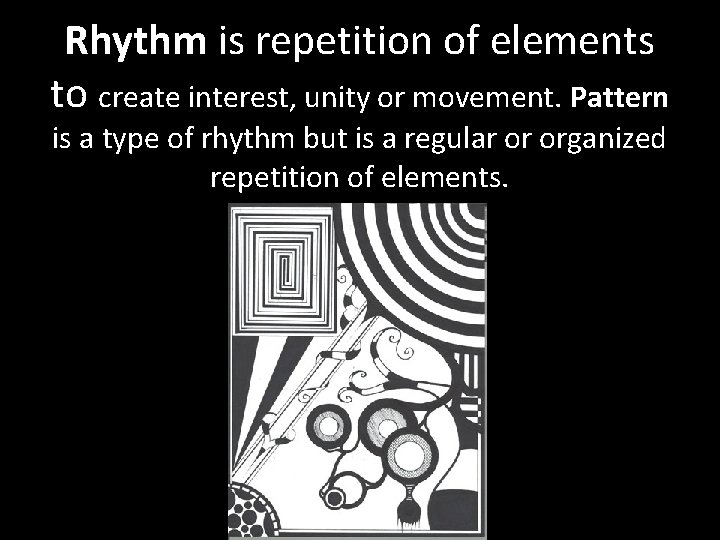
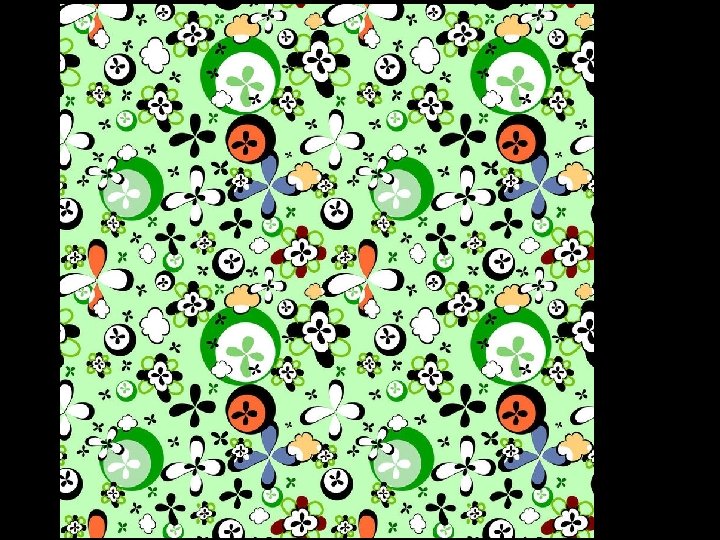
Rhythm is repetition of elements to create interest, unity or movement. Pattern is a type of rhythm but is a regular or organized repetition of elements.
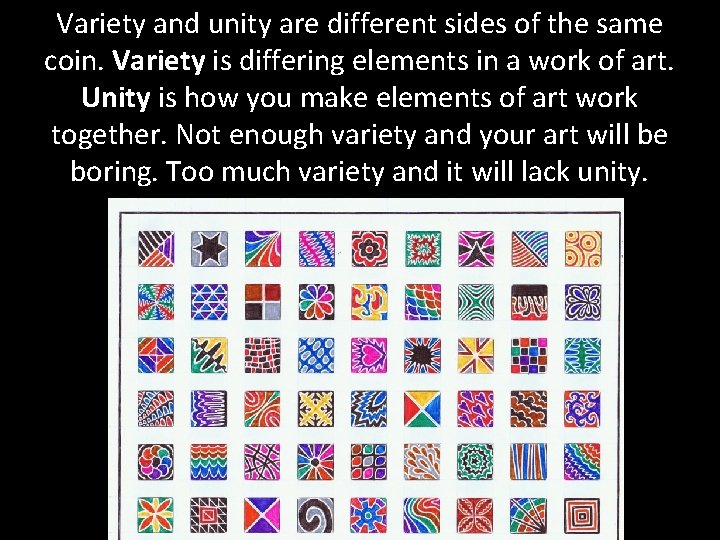
Variety and unity are different sides of the same coin. Variety is differing elements in a work of art. Unity is how you make elements of art work together. Not enough variety and your art will be boring. Too much variety and it will lack unity.
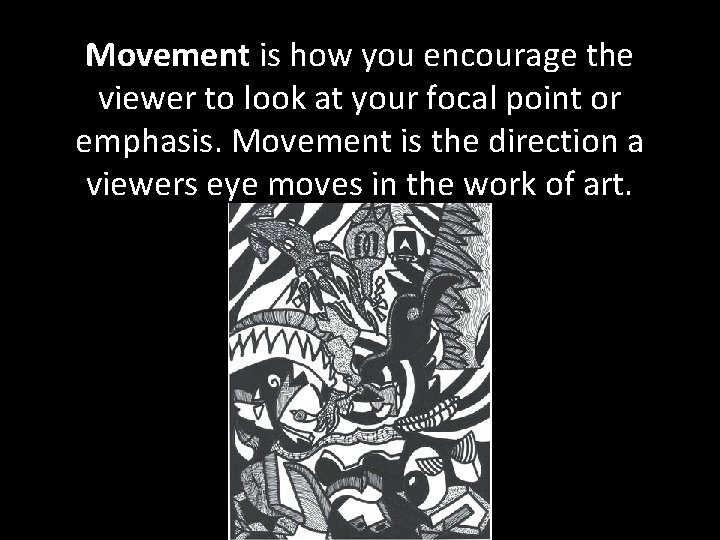
Movement is how you encourage the viewer to look at your focal point or emphasis. Movement is the direction a viewers eye moves in the work of art.
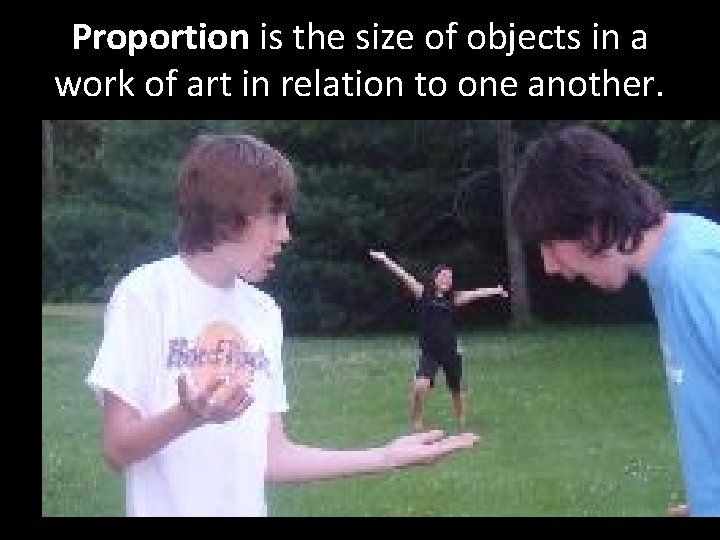
Proportion is the size of objects in a work of art in relation to one another.