
Electrosurgical unit n Bovie n Highfrequency electric currents
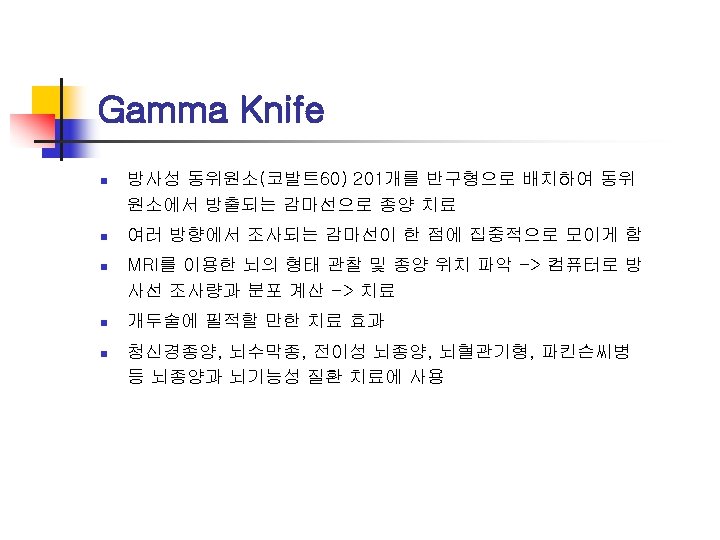
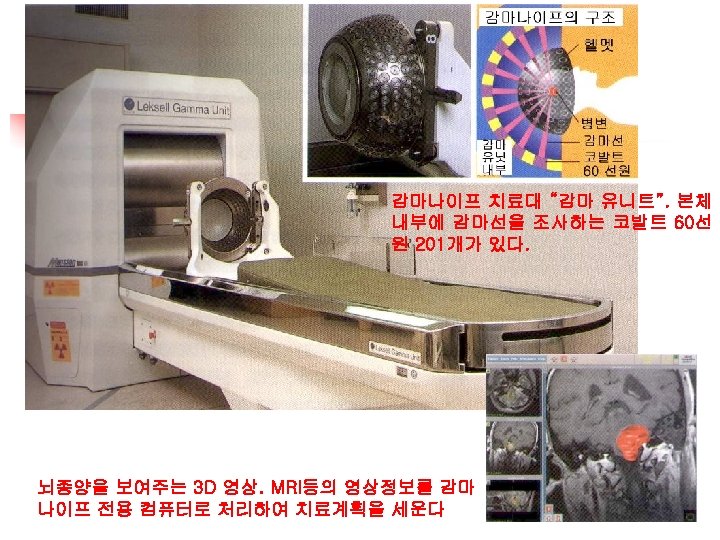
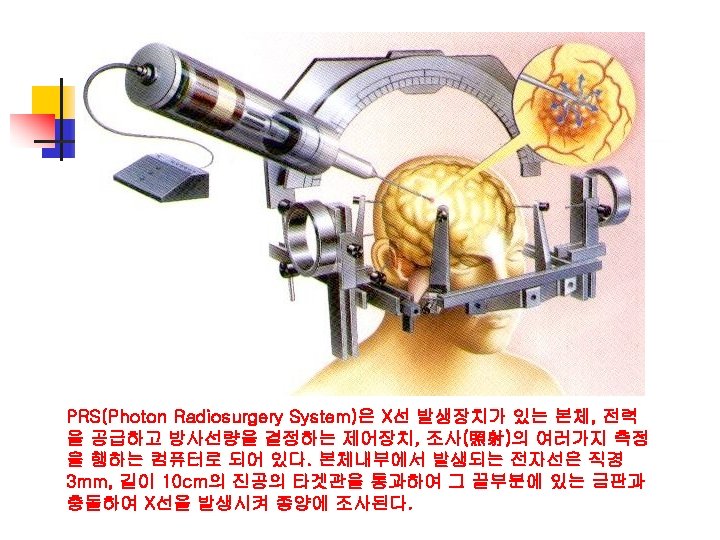
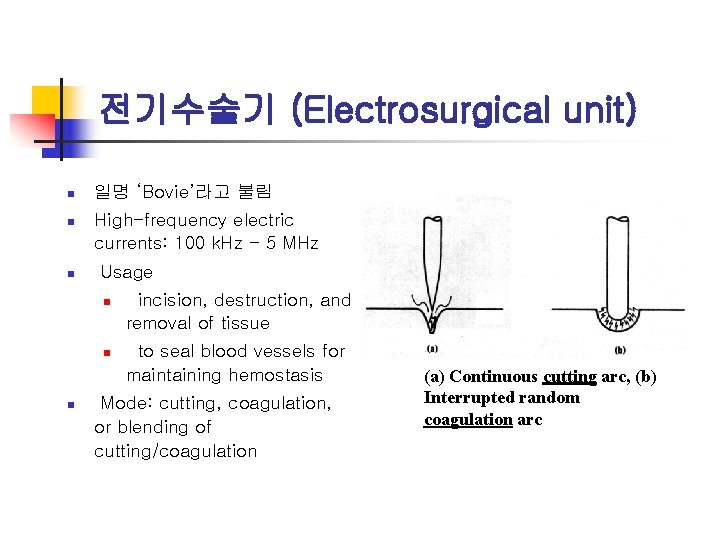
전기수술기 (Electrosurgical unit) n 일명 ‘Bovie’라고 불림 n High-frequency electric currents: 100 k. Hz - 5 MHz n Usage n n n incision, destruction, and removal of tissue to seal blood vessels for maintaining hemostasis Mode: cutting, coagulation, or blending of cutting/coagulation (a) Continuous cutting arc, (b) Interrupted random coagulation arc
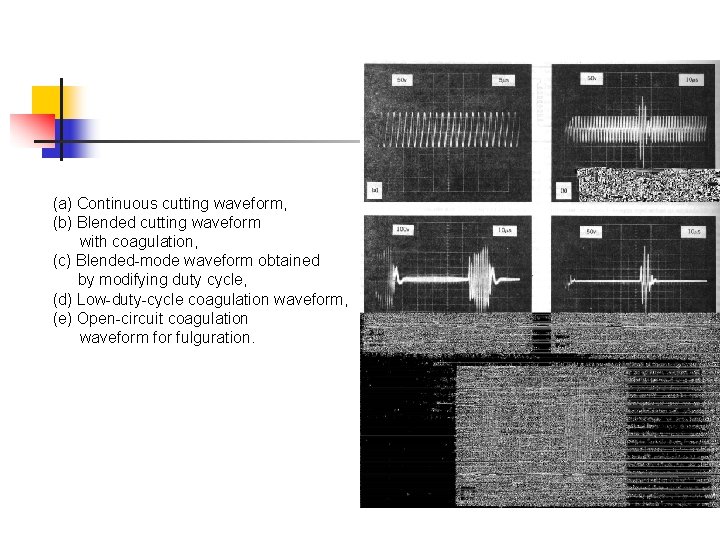
(a) Continuous cutting waveform, (b) Blended cutting waveform with coagulation, (c) Blended-mode waveform obtained by modifying duty cycle, (d) Low-duty-cycle coagulation waveform, (e) Open-circuit coagulation waveform for fulguration.
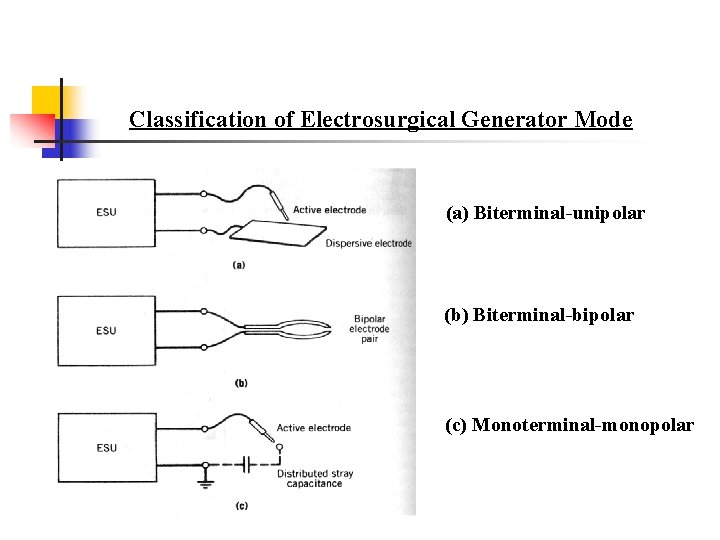
Classification of Electrosurgical Generator Mode (a) Biterminal-unipolar (b) Biterminal-bipolar (c) Monoterminal-monopolar
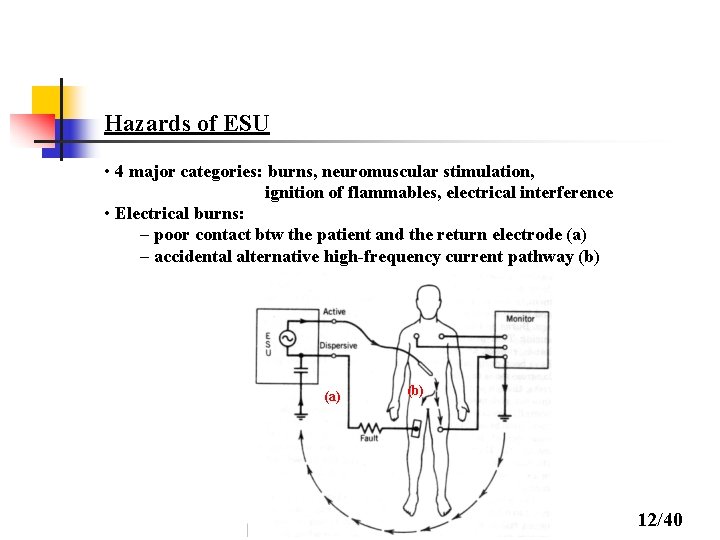
Hazards of ESU • 4 major categories: burns, neuromuscular stimulation, ignition of flammables, electrical interference • Electrical burns: – poor contact btw the patient and the return electrode (a) – accidental alternative high-frequency current pathway (b) (a) (b) 12/40
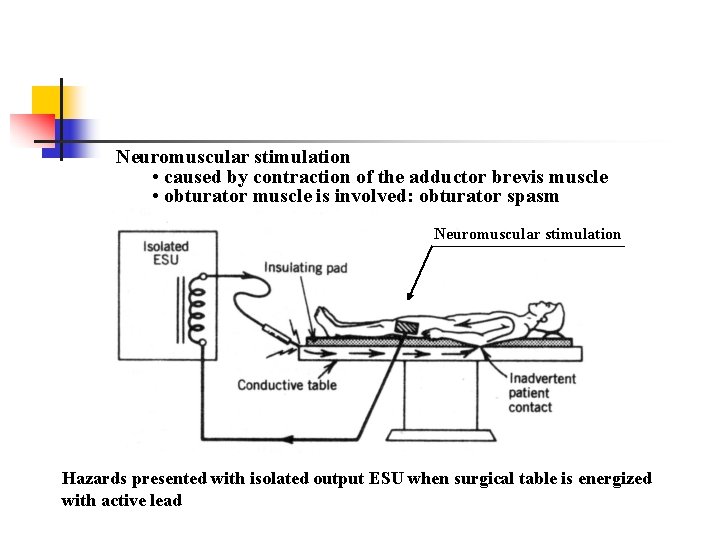
Neuromuscular stimulation • caused by contraction of the adductor brevis muscle • obturator muscle is involved: obturator spasm Neuromuscular stimulation Hazards presented with isolated output ESU when surgical table is energized with active lead
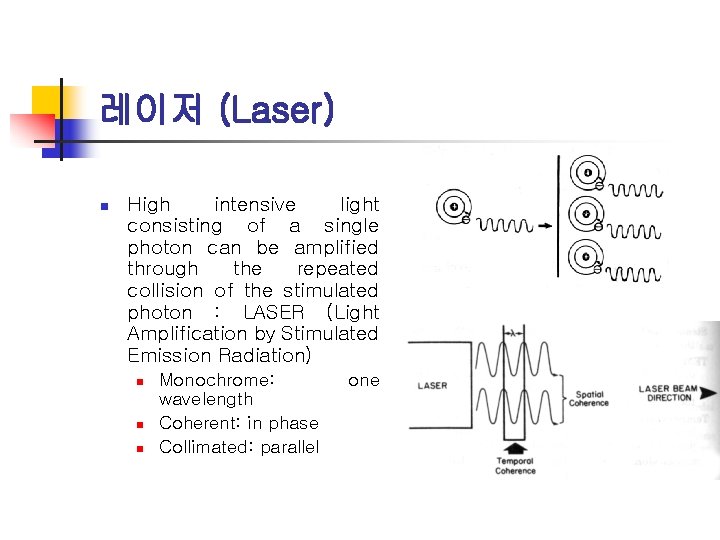
레이저 (Laser) n High intensive light consisting of a single photon can be amplified through the repeated collision of the stimulated photon : LASER (Light Amplification by Stimulated Emission Radiation) n n n Monochrome: wavelength Coherent: in phase Collimated: parallel one
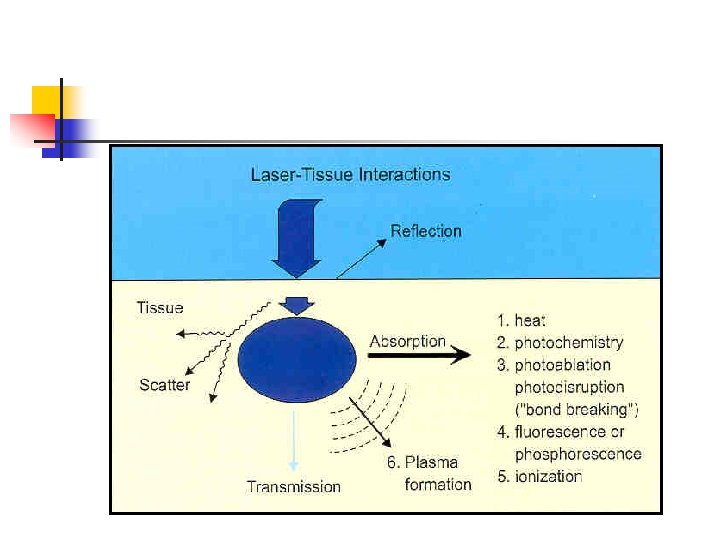
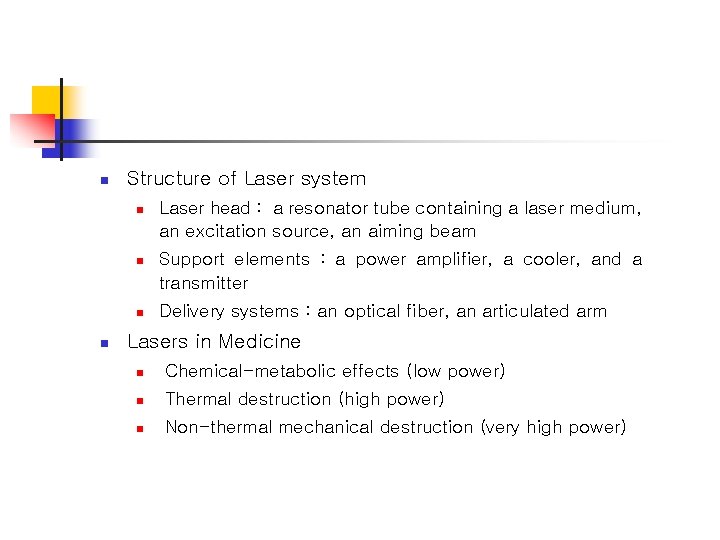
n Structure of Laser system n n Laser head : a resonator tube containing a laser medium, an excitation source, an aiming beam Support elements : a power amplifier, a cooler, and a transmitter Delivery systems : an optical fiber, an articulated arm Lasers in Medicine n Chemical-metabolic effects (low power) n Thermal destruction (high power) n Non-thermal mechanical destruction (very high power)
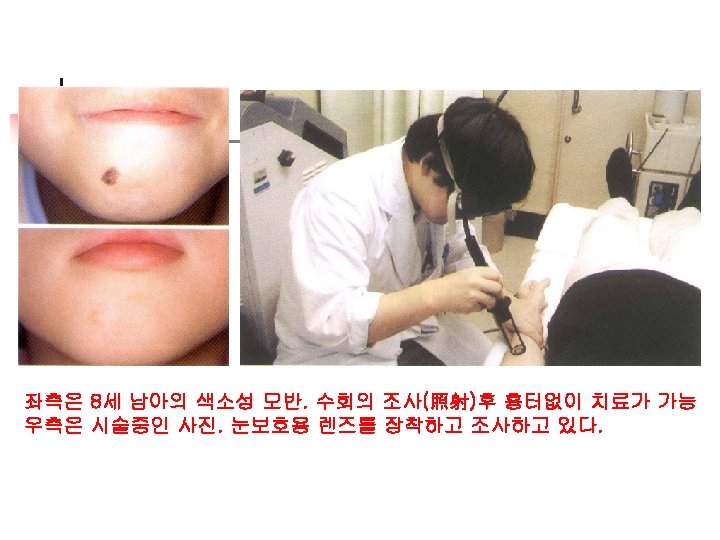
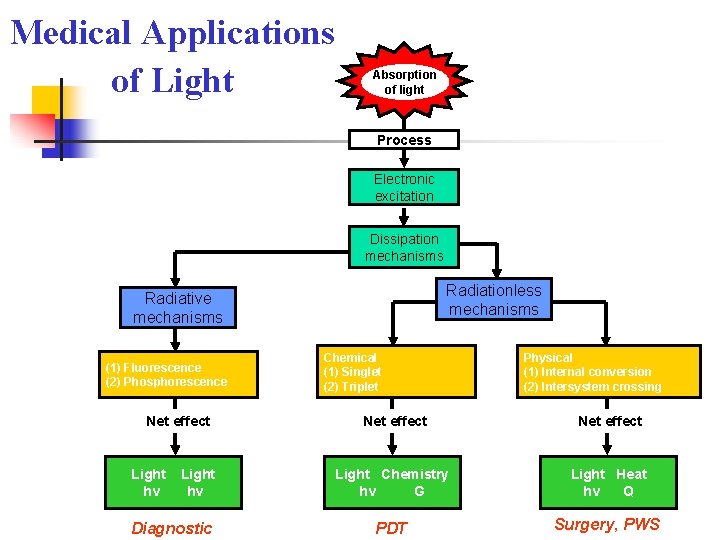
Medical Applications of Light Absorption of light Process Electronic excitation Dissipation mechanisms Radiationless mechanisms Radiative mechanisms (1) Fluorescence (2) Phosphorescence Net effect Light hv Diagnostic Chemical (1) Singlet (2) Triplet Physical (1) Internal conversion (2) Intersystem crossing Net effect Light Chemistry hv G Light Heat hv Q PDT Surgery, PWS
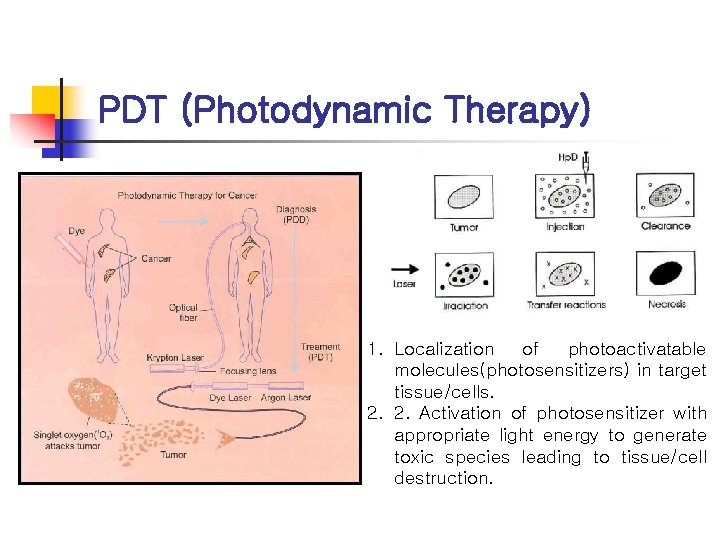
PDT (Photodynamic Therapy) 1. Localization of photoactivatable molecules(photosensitizers) in target tissue/cells. 2. 2. Activation of photosensitizer with appropriate light energy to generate toxic species leading to tissue/cell destruction.
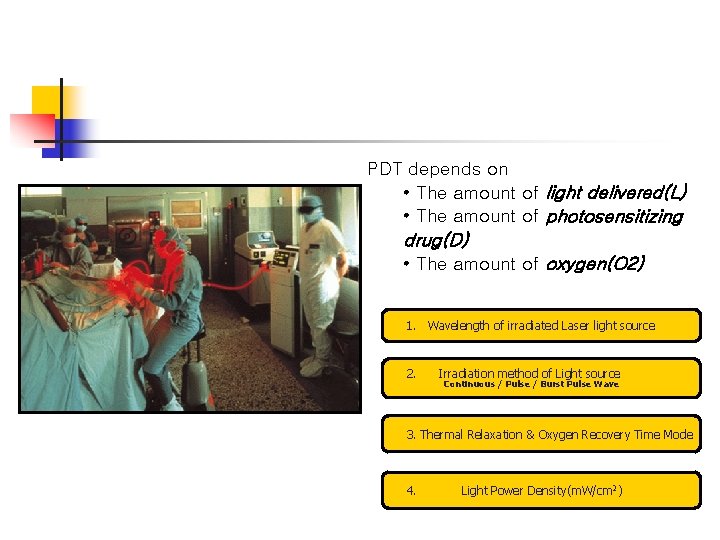
PDT depends on • The amount of light delivered(L) • The amount of photosensitizing drug(D) • The amount of oxygen(O 2) 1. Wavelength of irradiated Laser light source 2. Irradiation method of Light source Continuous / Pulse / Burst Pulse Wave 3. Thermal Relaxation & Oxygen Recovery Time Mode 4. Light Power Density(m. W/cm 2)
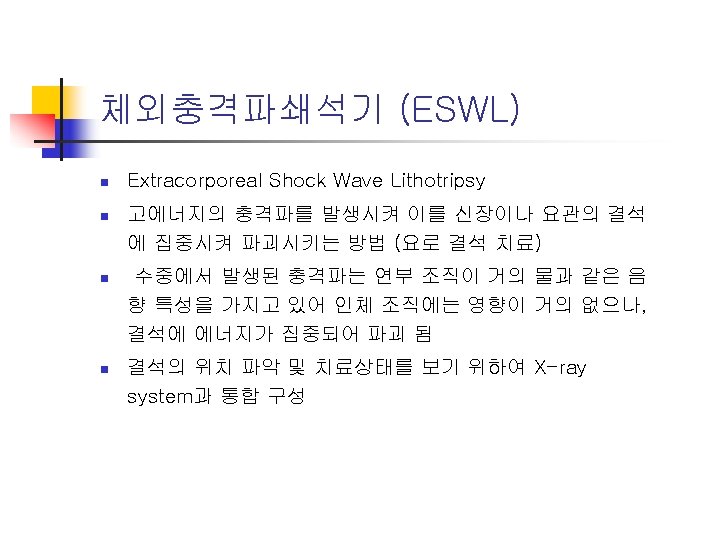
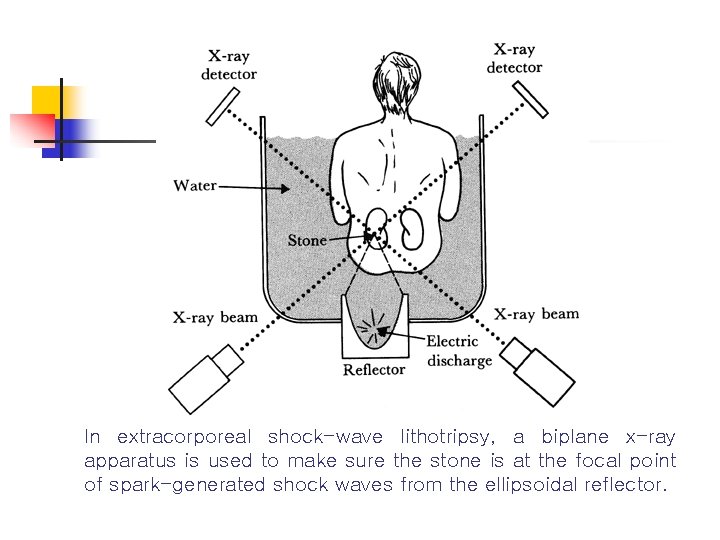
In extracorporeal shock-wave lithotripsy, a biplane x-ray apparatus is used to make sure the stone is at the focal point of spark-generated shock waves from the ellipsoidal reflector.
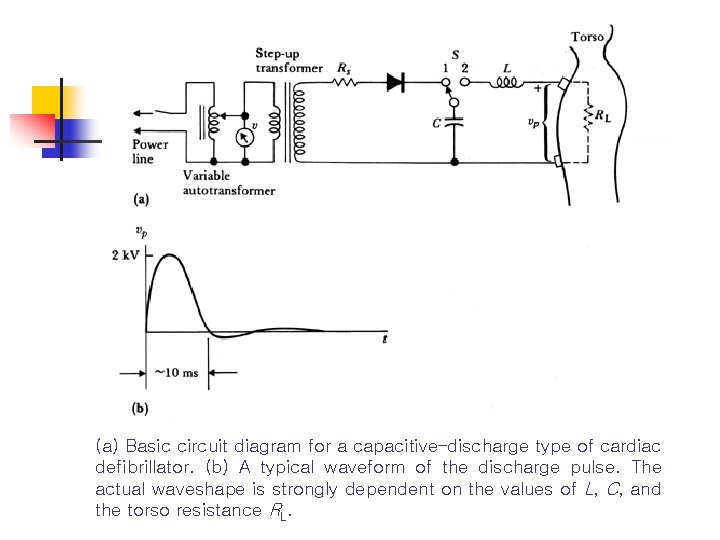
(a) Basic circuit diagram for a capacitive–discharge type of cardiac defibrillator. (b) A typical waveform of the discharge pulse. The actual waveshape is strongly dependent on the values of L, C, and the torso resistance RL.
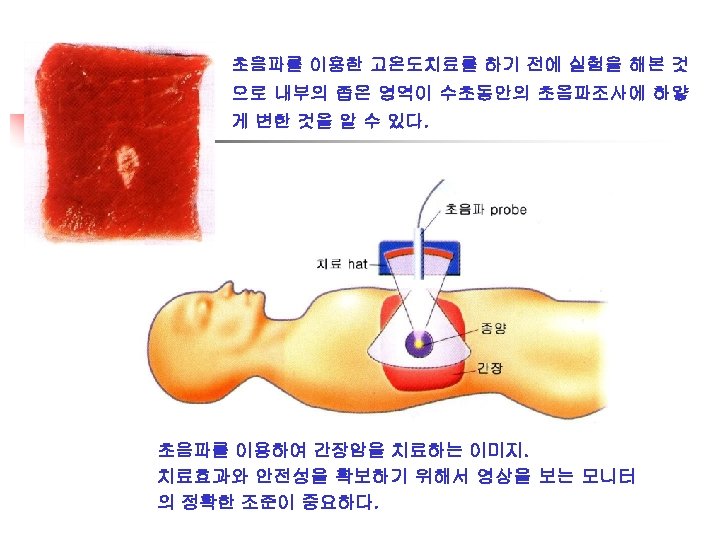
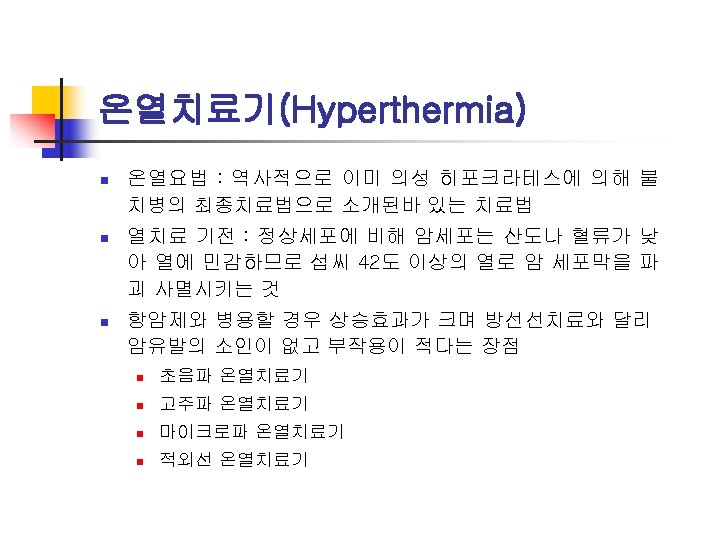

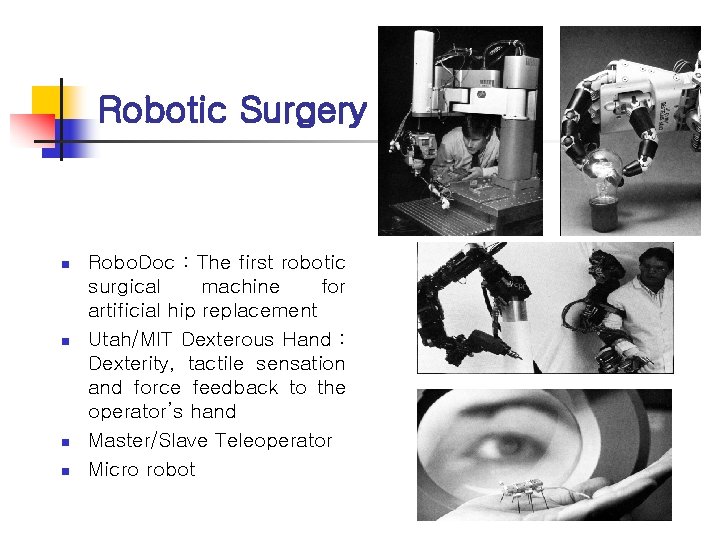
Robotic Surgery n n Robo. Doc : The first robotic surgical machine for artificial hip replacement Utah/MIT Dexterous Hand : Dexterity, tactile sensation and force feedback to the operator’s hand Master/Slave Teleoperator Micro robot
- Slides: 37