
Electron Microscopes Explain how the main features of


- Slides: 22
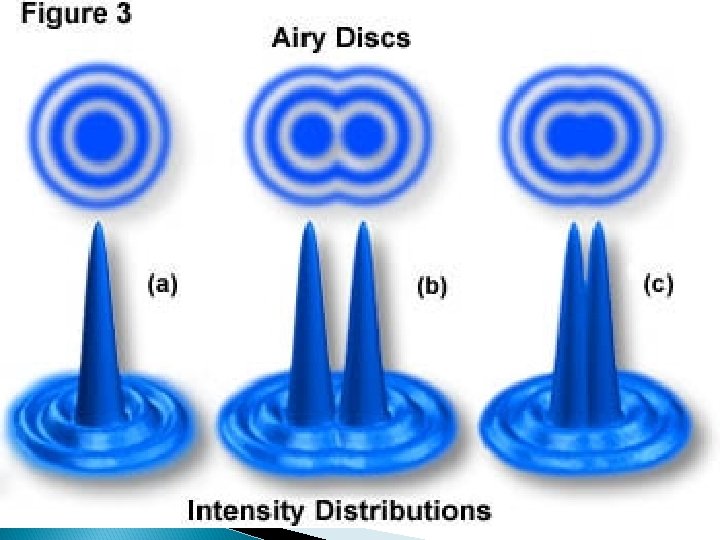
Electron Microscopes Explain how the main features of a Scanning Tunnelling Microscope allow an image to be formed Explain how the main features of a Transmission Electron Microscope allow an image to be formed. Explain what the resolution of a TEM is limited by.
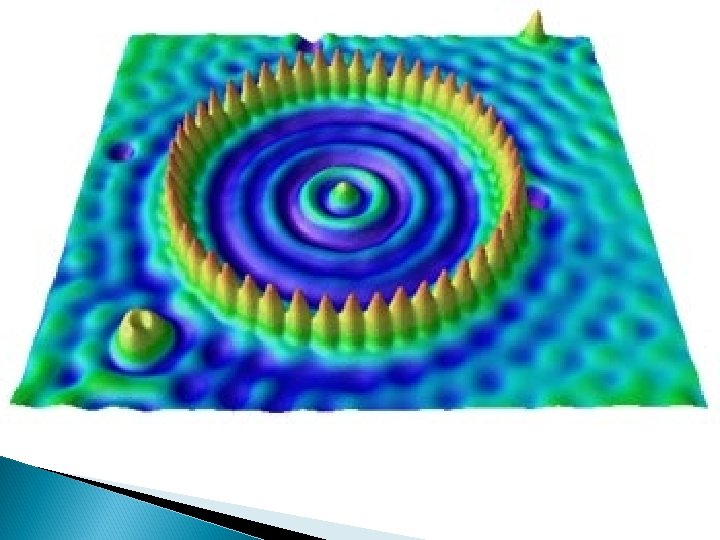
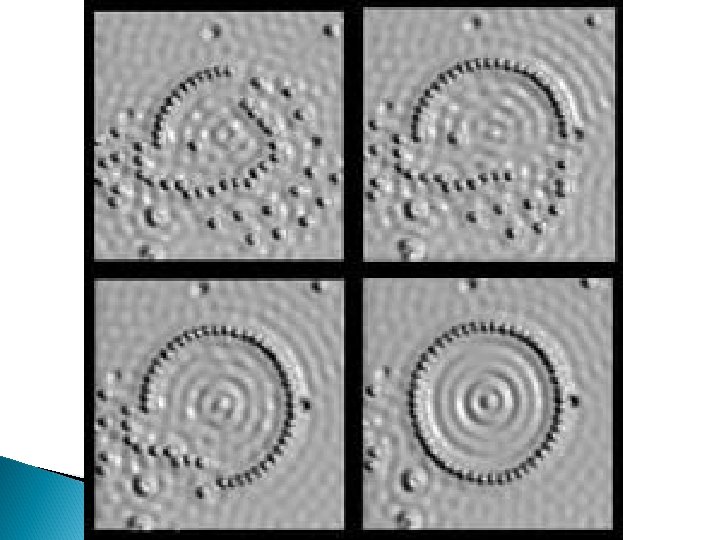
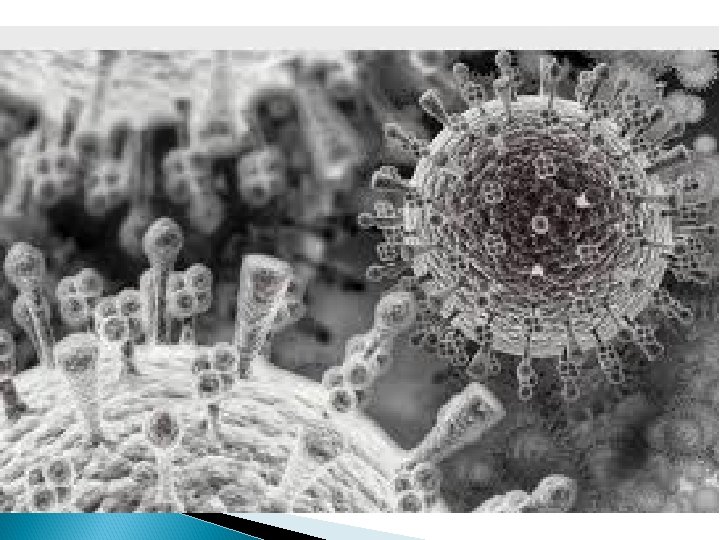
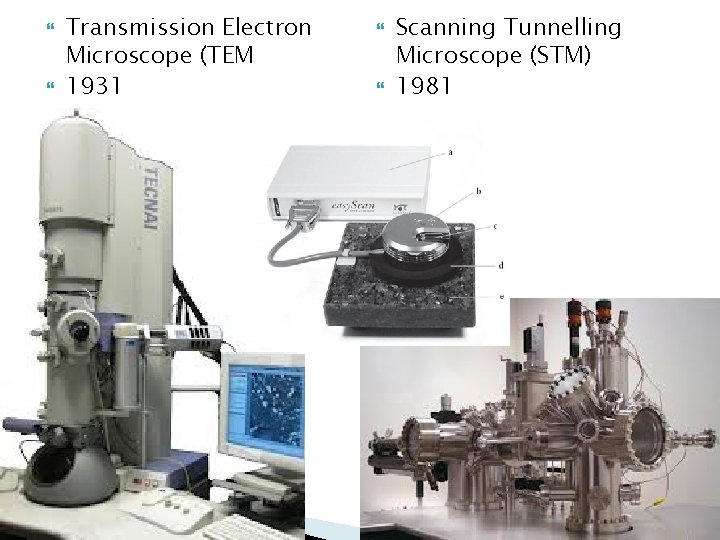
Transmission Electron Microscope (TEM 1931 Scanning Tunnelling Microscope (STM) 1981
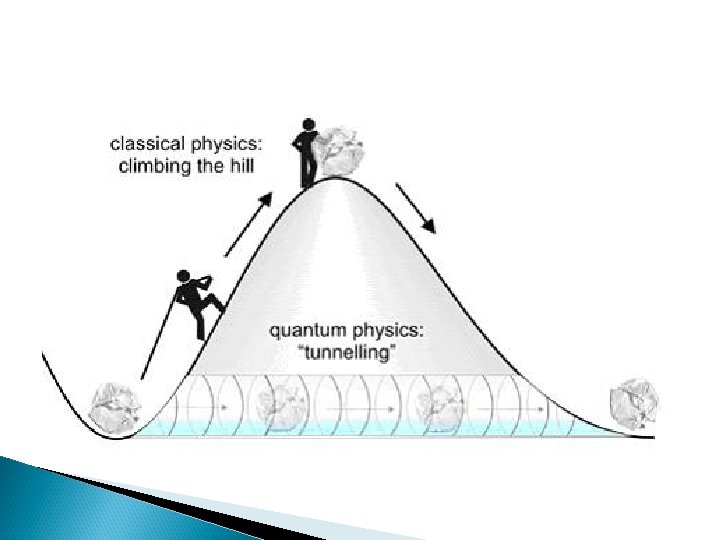
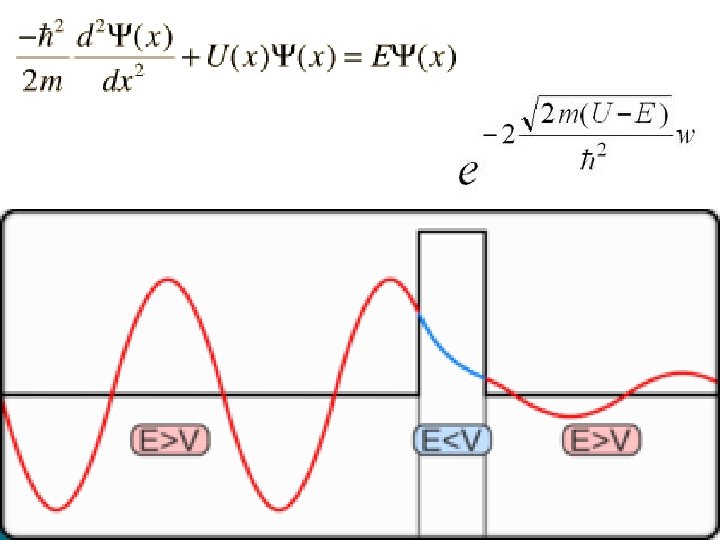
The foundations of electron microscopy Quantum tunnelling Piezoelectricity Resolution
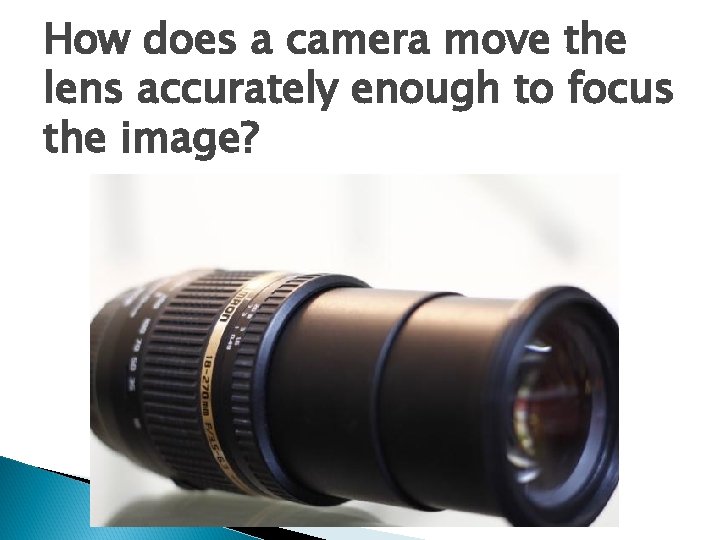
How does a camera move the lens accurately enough to focus the image?
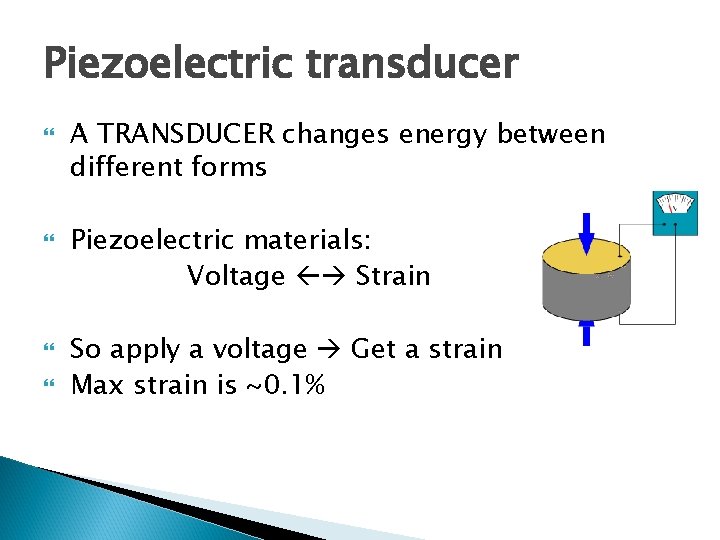
Piezoelectric transducer A TRANSDUCER changes energy between different forms Piezoelectric materials: Voltage Strain So apply a voltage Get a strain Max strain is ~0. 1%
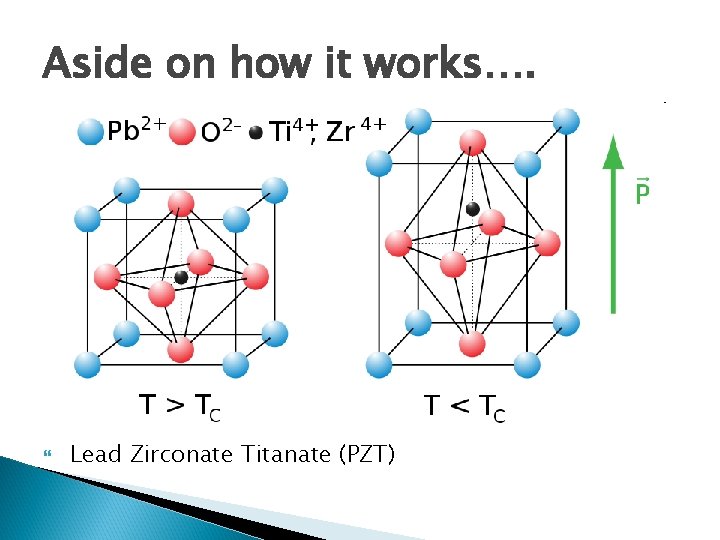
Aside on how it works…. Lead Zirconate Titanate (PZT)
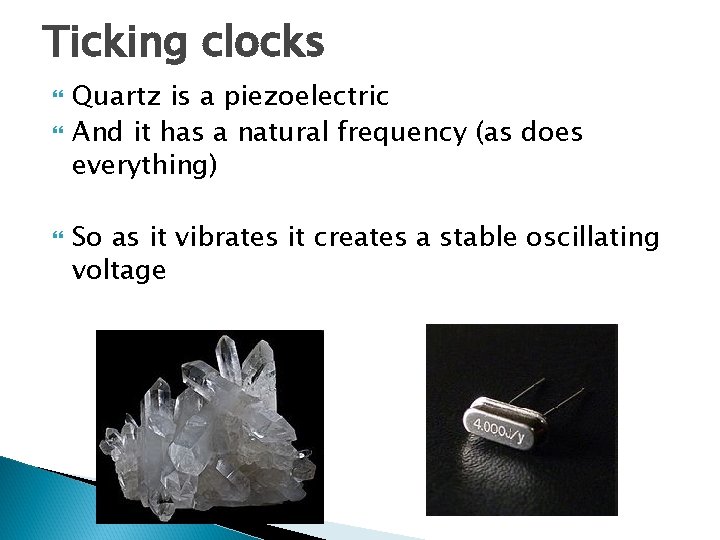
Ticking clocks Quartz is a piezoelectric And it has a natural frequency (as does everything) So as it vibrates it creates a stable oscillating voltage
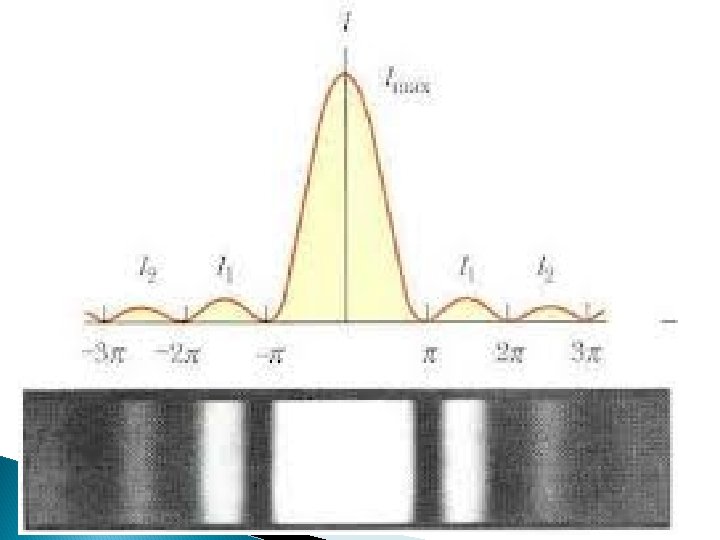
Resolution What does the diffraction pattern from a single slit look like?
Onward to the microscopes Two stations, one for each type of microscope. Complete the tasks at each station, following the task list. Check your learning against the understanding checklist. Extension: Read one of the articles related to today’s lesson (quantum tunnelling, uses of piezoelectrics, top-of-the-range electron microscopes)
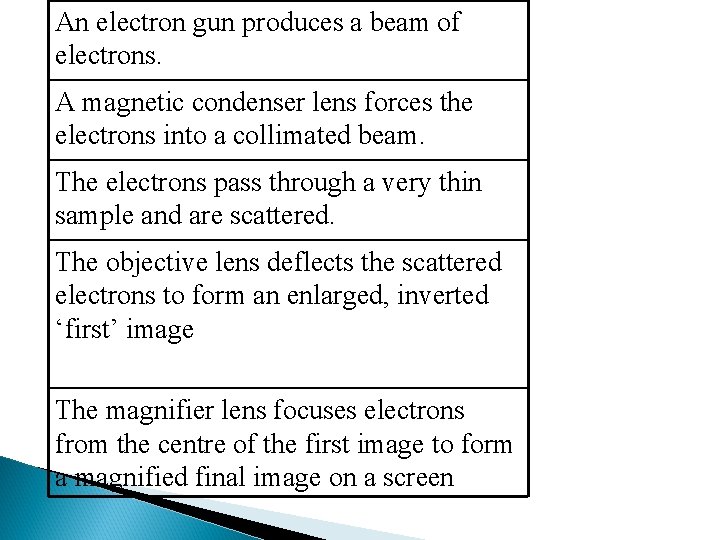
An electron gun produces a beam of electrons. A magnetic condenser lens forces the electrons into a collimated beam. The electrons pass through a very thin sample and are scattered. The objective lens deflects the scattered electrons to form an enlarged, inverted ‘first’ image The magnifier lens focuses electrons from the centre of the first image to form a magnified final image on a screen