
Electromagnetic Radiation Mind Maps DUE TODAY u STEP

- Slides: 25
Electromagnetic Radiation Mind Maps DUE TODAY! u STEP 1: Complete & attach mini Reflection: u 1) Overall work habit: G, S, N u 2)This work shows I have a Basic/Developing/Strong/Very Strong understanding because………… u STEP 2: Hand into front desk please u STEP 3: Complete TRAFFIC LIGHTS “BEFORE” Red. . Yellow. Green…
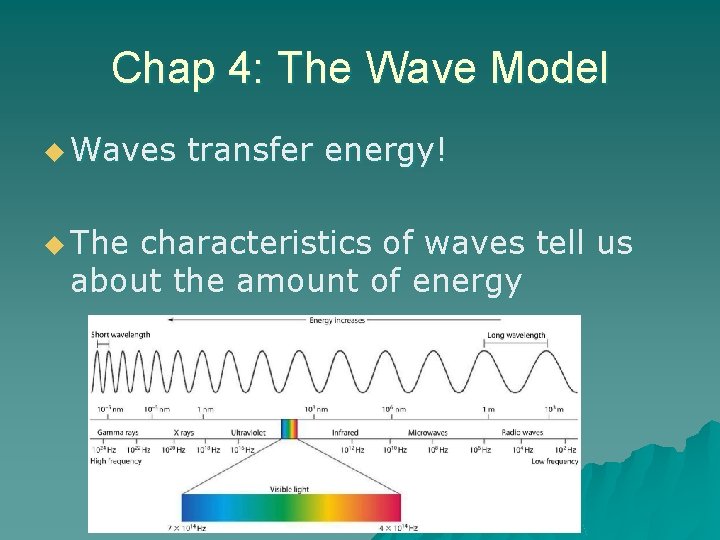
Chap 4: The Wave Model u Waves u The transfer energy! characteristics of waves tell us about the amount of energy
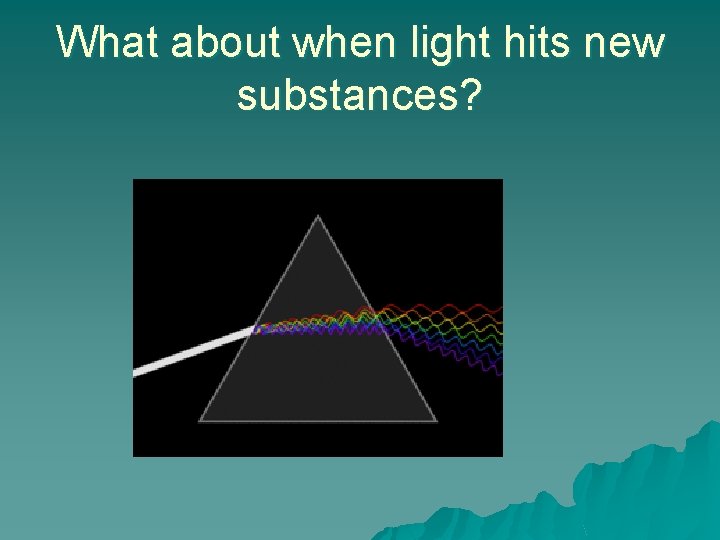
What about when light hits new substances?
Chap 5: Light, Mirrors and lenses!
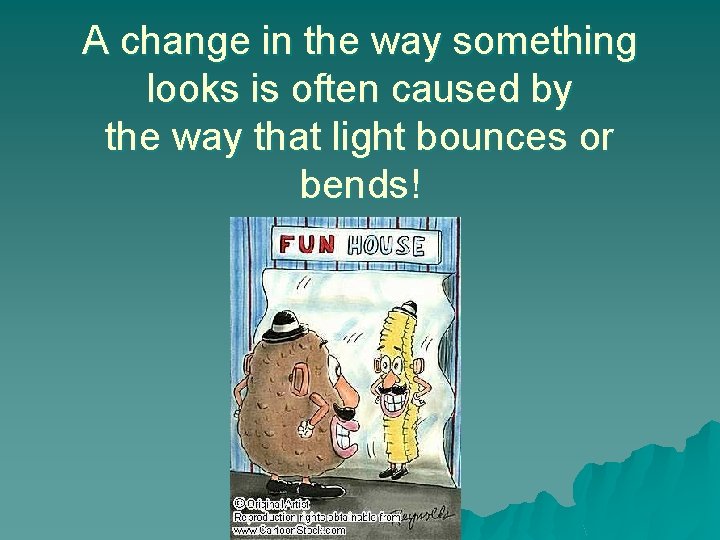
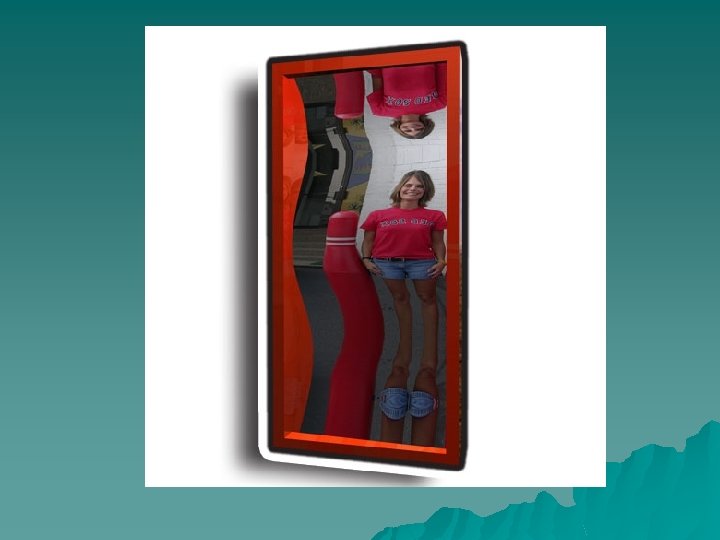
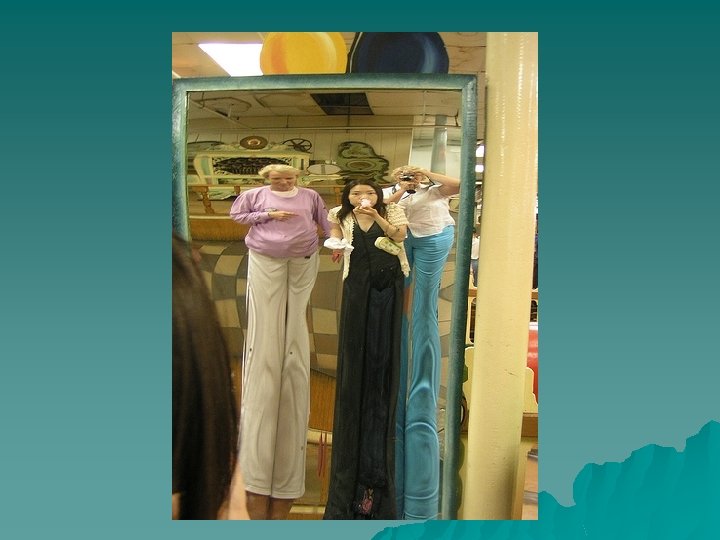
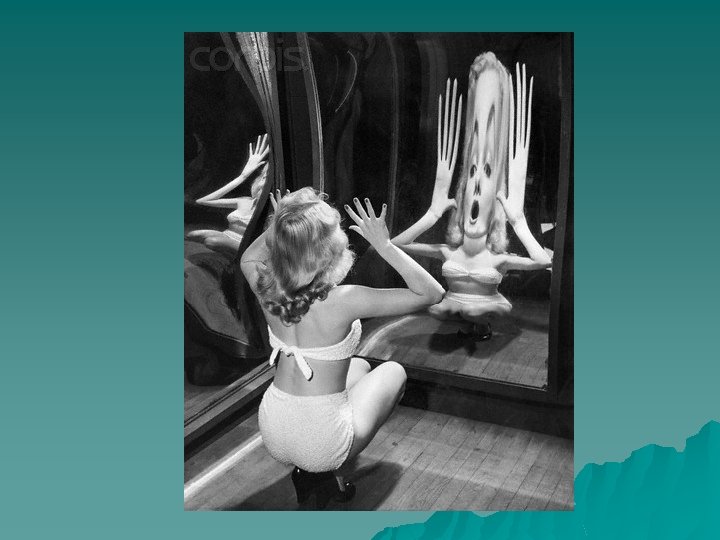
A change in the way something looks is often caused by the way that light bounces or bends!
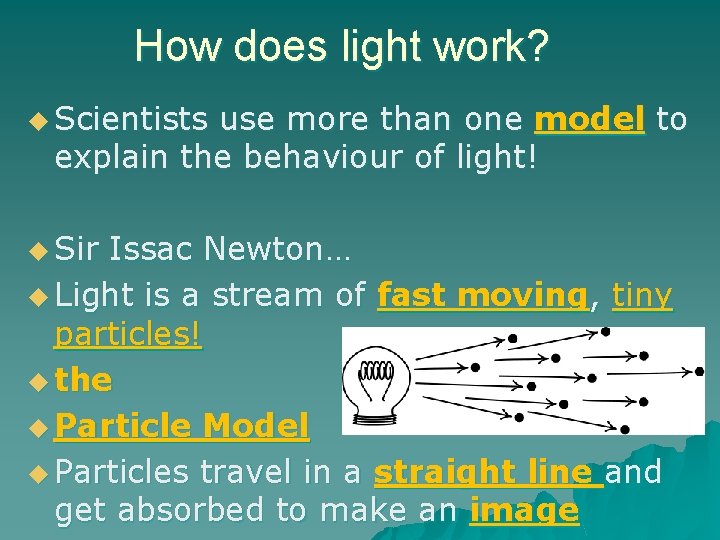
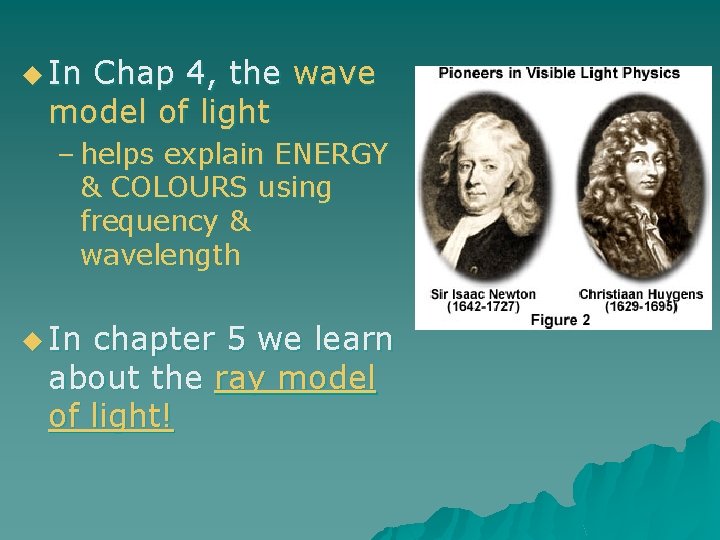
How does light work? u Scientists use more than one model to explain the behaviour of light! u Sir Issac Newton… u Light is a stream of fast moving, tiny particles! u the u Particle Model u Particles travel in a straight line and get absorbed to make an image
u In Chap 4, the wave model of light – helps explain ENERGY & COLOURS using frequency & wavelength u In chapter 5 we learn about the ray model of light!
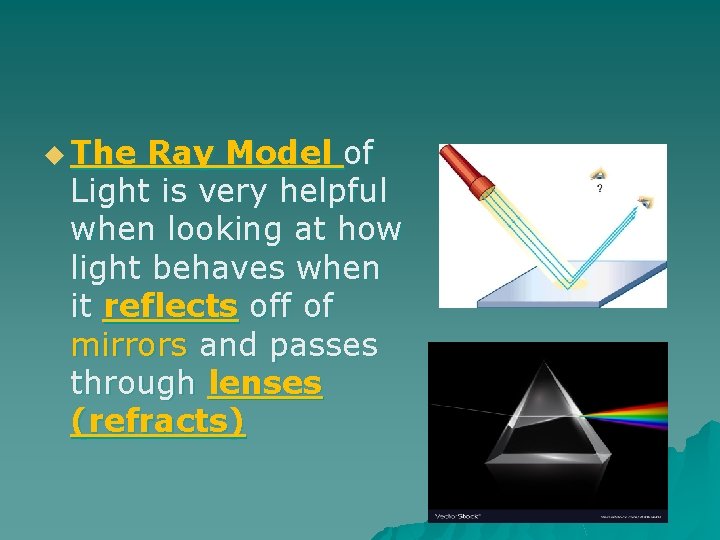
u The Ray Model of Light is very helpful when looking at how light behaves when it reflects off of mirrors and passes through lenses (refracts)
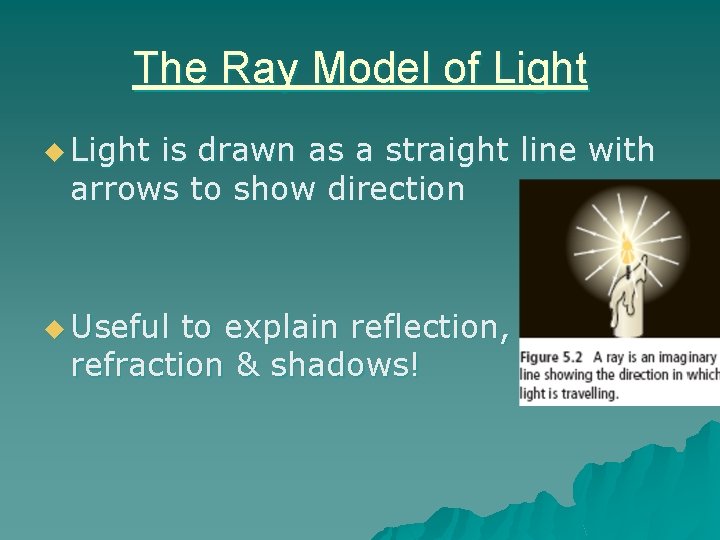
The Ray Model of Light u Light is drawn as a straight line with arrows to show direction u Useful to explain reflection, refraction & shadows!
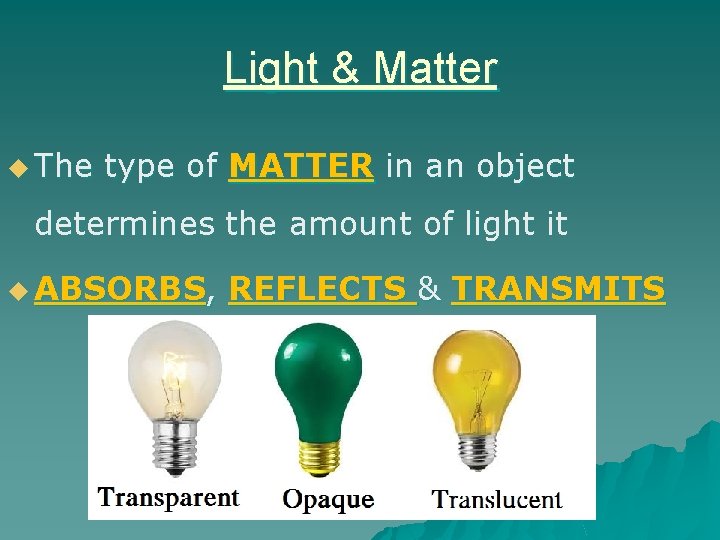
Light & Matter u The type of MATTER in an object determines the amount of light it u ABSORBS, REFLECTS & TRANSMITS
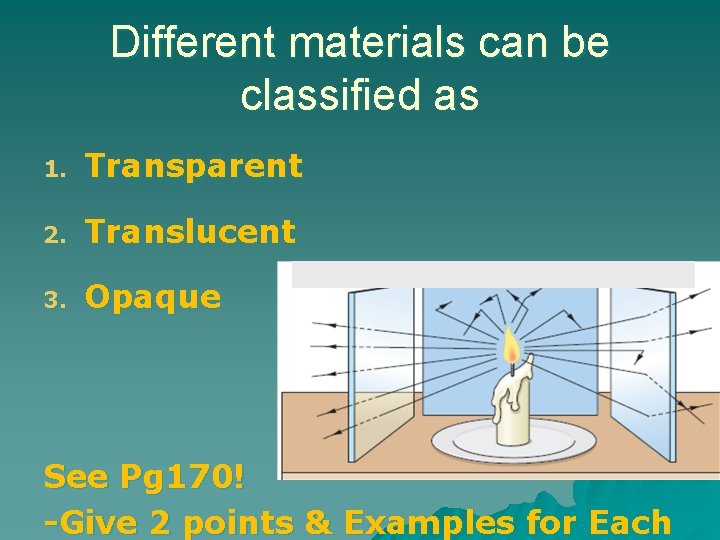
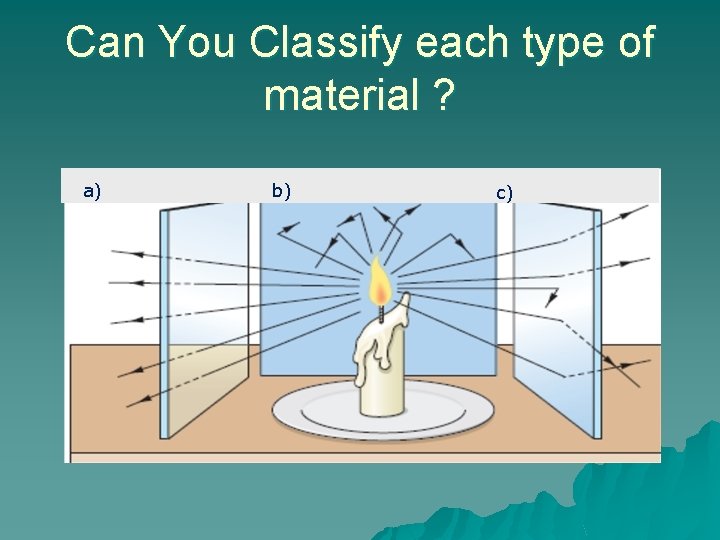
Different materials can be classified as 1. Transparent 2. Translucent 3. Opaque See Pg 170! -Give 2 points & Examples for Each
Let’s Experiment! u Use the ray box to shine 3 straight lines of light at a variety of objects u Observe record u Classify what happens to the light & the object & record: – opaque, transparent, translucent
Your Mission Today u 1. Finish the experiments & draw 2 labelled ray diagrams (in pencil with a ruler!) u 2. Use the old text book pg 170 -171 to finish the handout. u 3. Answer this Q at the bottom of your handout: Is a beaker of water with red food colouring transparent or translucent? Explain using the ray model of light!
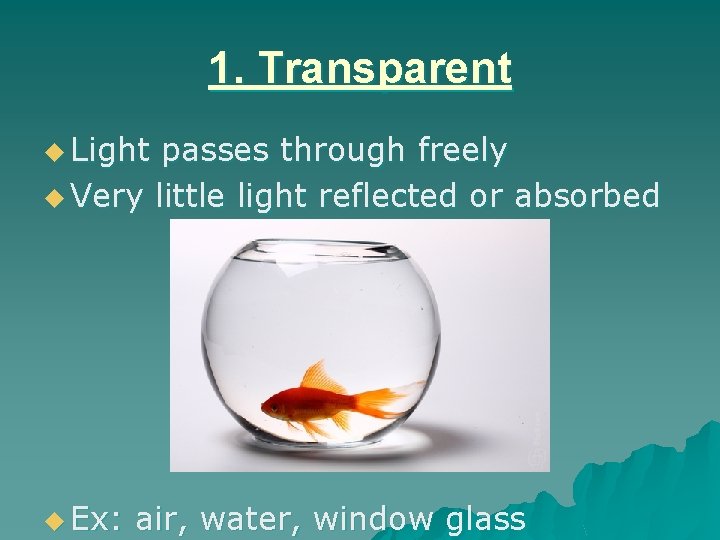
1. Transparent u Light passes through freely u Very little light reflected or absorbed u Ex: air, water, window glass
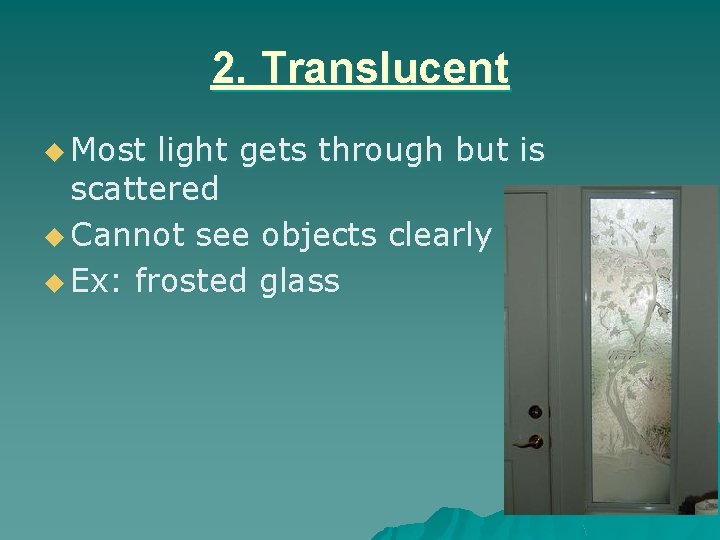
2. Translucent u Most light gets through but is scattered u Cannot see objects clearly u Ex: frosted glass
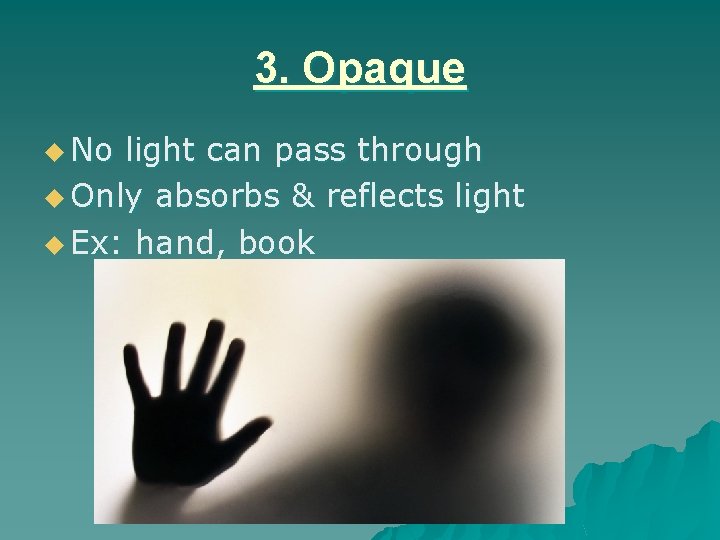
3. Opaque u No light can pass through u Only absorbs & reflects light u Ex: hand, book
Can You Classify each type of material ? a) b) c)
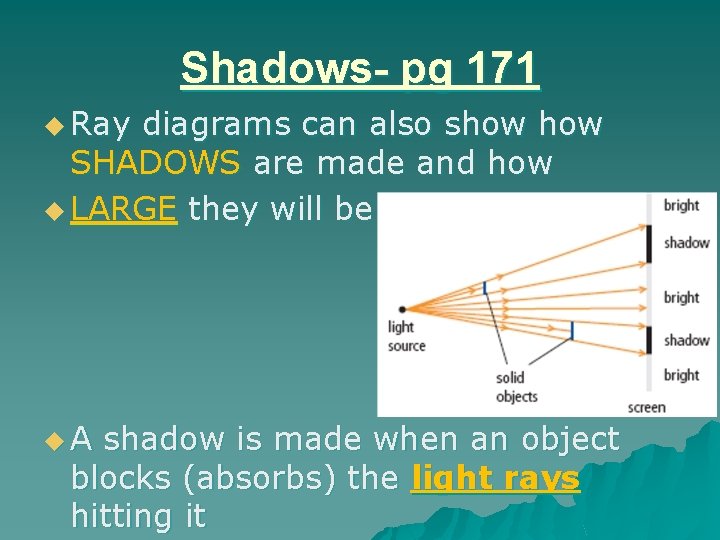
Shadows- pg 171 u Ray diagrams can also show SHADOWS are made and how u LARGE they will be u. A shadow is made when an object blocks (absorbs) the light rays hitting it