
Electrocardiograph History 1842 Italian scientist Carlo Matteucci realizes

- Slides: 44
Electrocardiograph
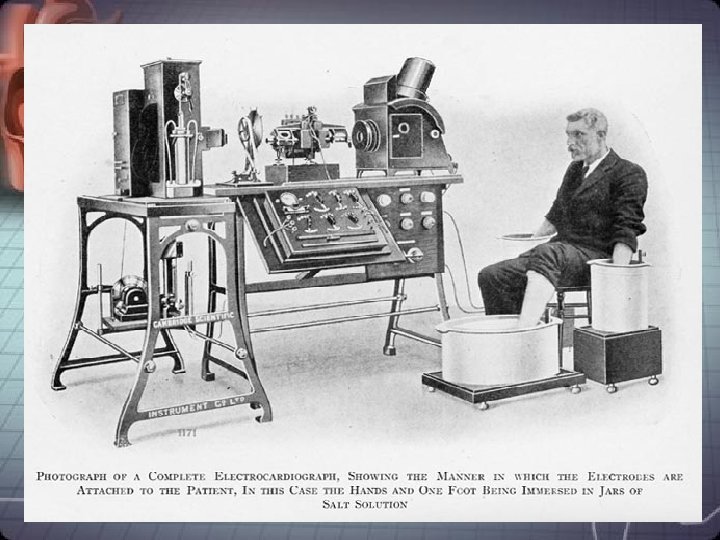
History • 1842 - Italian scientist Carlo Matteucci realizes that electricity is associated with the heart beat • 1876 - Irish scientist Marey analyzes the electric pattern of frog’s heart • 1895 - William Einthoven , credited for the invention of EKG • 1906 - using the string electrometer EKG, William Einthoven diagnoses some heart problems.
Contd. . • 1924 - the noble prize for physiology or medicine is given to William Einthoven for his work on EKG • 1938 -AHA and Cardiac society of great Britan defined and position of chest leads • 1942 - Goldberger increased Wilson’s Unipolar lead voltage by 50% and made Augmented leads • 2005 - successful reduction in time of onset of chest pain and PTCA by wireless transmission of ECG on his PDA.
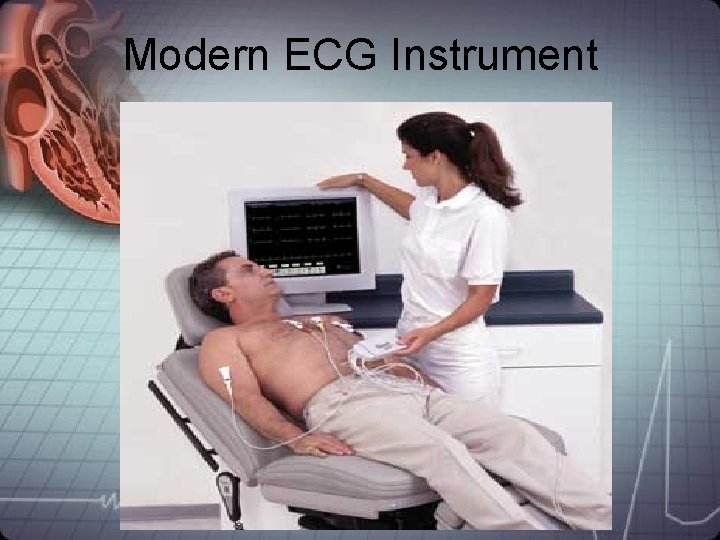
Modern ECG Instrument
Heart Functions • Heart has three functions: • Pumps oxygenated blood to all parts of the body • Has its’ own blood supply – called the coronary arteries • Has an electrical conduction system because cells are electrically charged and produce a wave form
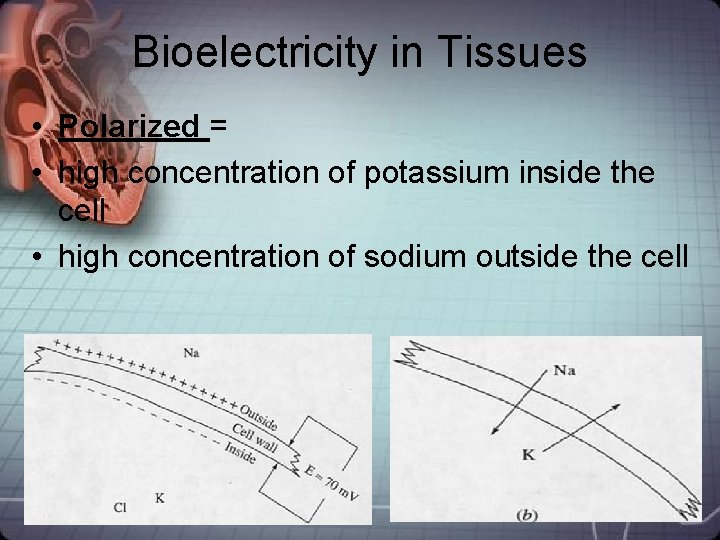
Bioelectricity in Tissues • Polarized = • high concentration of potassium inside the cell • high concentration of sodium outside the cell
Contd… • Stimulation of cell/Depolarization = sodium rushes in and potassium rushes out • When depolarization is completed, sodium and potassium return to their normal places, bringing the cell back to rest called repolarization. • This process of depolarization and repolarization produces wave forms on the EKG • ECG shows repolarization → polarization with ECG complex.
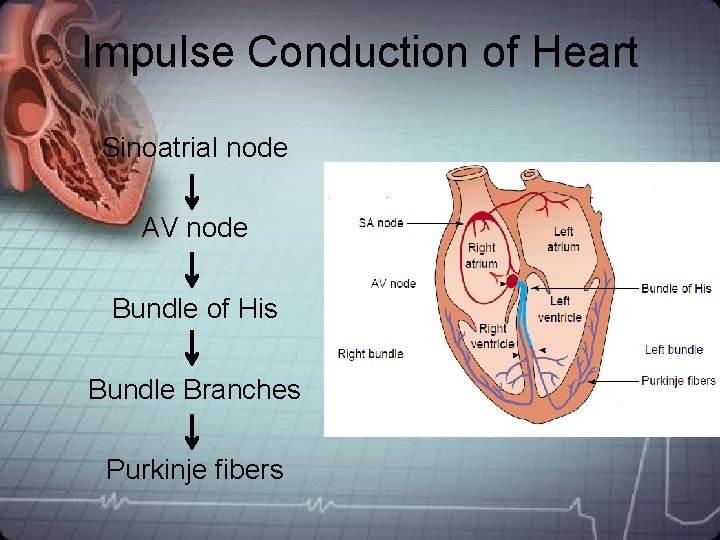
Impulse Conduction of Heart Sinoatrial node AV node Bundle of His Bundle Branches Purkinje fibers
Biopotential In Heart • SA node = Pacemaker of the heart (initiates the electricity that causes the heart to beat) • Rate=60 -100 beats per minute (NSR) • Stimulates the right and left atrium to contract after depolarization of the cells Impulse travels to the: • AV Node= Functions as a delay, keeping the atria and ventricles from contracting at the same time. • Rate is 40 -60 beats/minute • Bundle of His= Distal portion of the AV node • Splits into the Right and Left Bundle Branch, stimulating the right and left ventricle
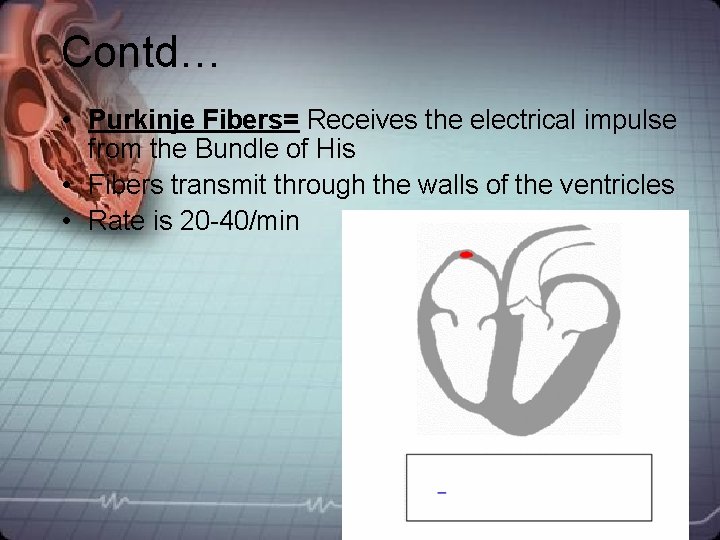
Contd… • Purkinje Fibers= Receives the electrical impulse from the Bundle of His • Fibers transmit through the walls of the ventricles • Rate is 20 -40/min
Definition of ECG • The ECG is a graphical representation of the electrical impulses that the heart generates during the cardiac cycle. • These electrical impulses are conducted to the body's surface, where they are detected by electrodes placed on the patient's limbs and chest.
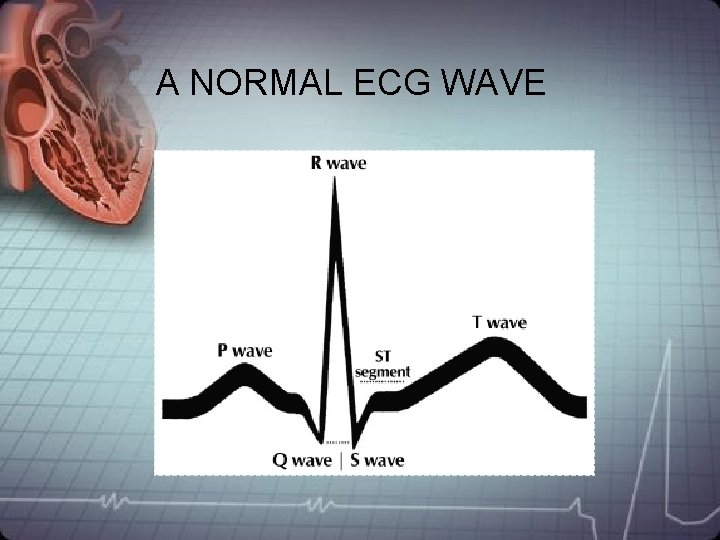
A NORMAL ECG WAVE
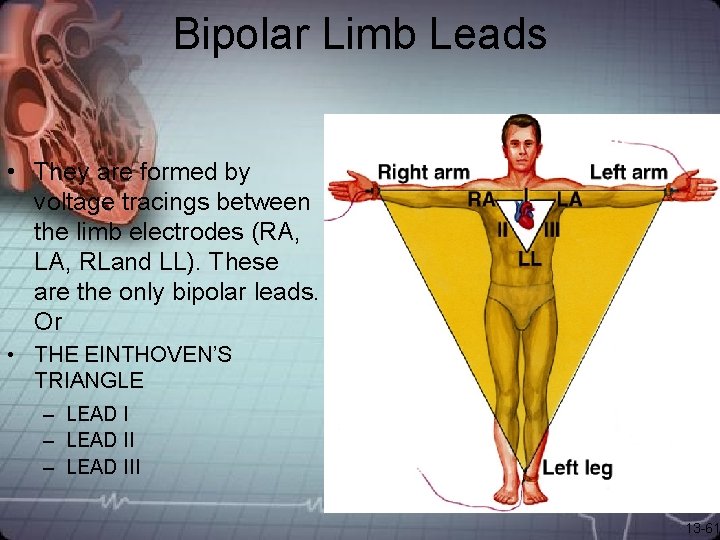
Standard Lead System • The Standard ECG have 12 Leads • 6 Limbs Leads Limbs lead divided into Bipolar and Unipolar Leads § 3 Bipolar Limb Leads § 3 Unipolar Limb Leads • 6 Precordial Leads
Bipolar Limb Leads • They are formed by voltage tracings between the limb electrodes (RA, LA, RLand LL). These are the only bipolar leads. Or • THE EINTHOVEN’S TRIANGLE – LEAD III 13 -61
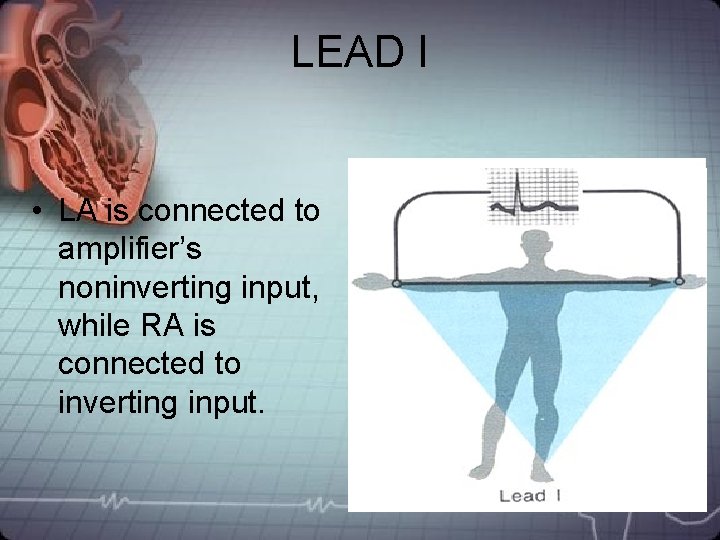
LEAD I • LA is connected to amplifier’s noninverting input, while RA is connected to inverting input.
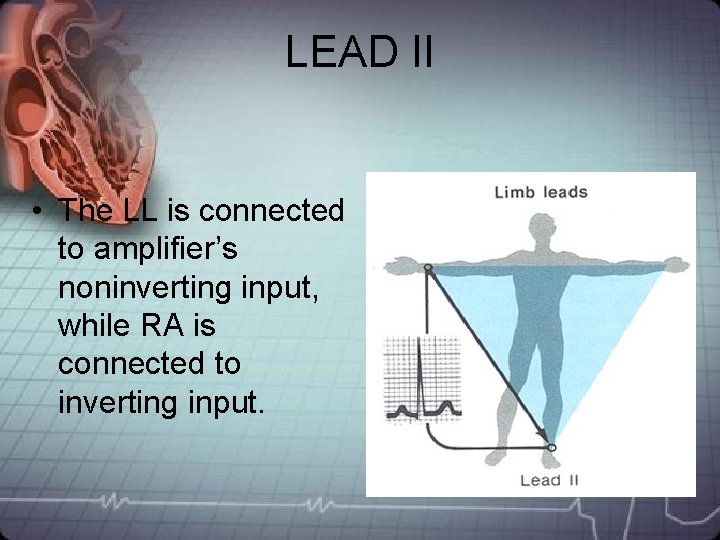
LEAD II • The LL is connected to amplifier’s noninverting input, while RA is connected to inverting input.
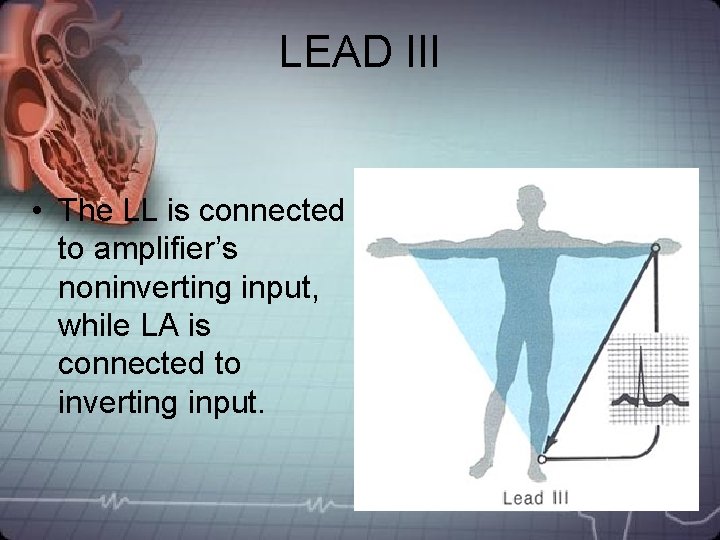
LEAD III • The LL is connected to amplifier’s noninverting input, while LA is connected to inverting input.
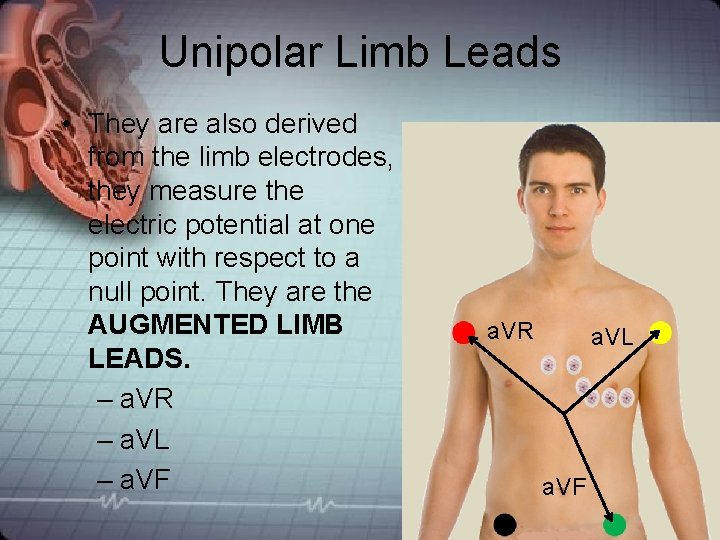
Unipolar Limb Leads • They are also derived from the limb electrodes, they measure the electric potential at one point with respect to a null point. They are the AUGMENTED LIMB LEADS. – a. VR – a. VL – a. VF a. VR a. VL a. VF
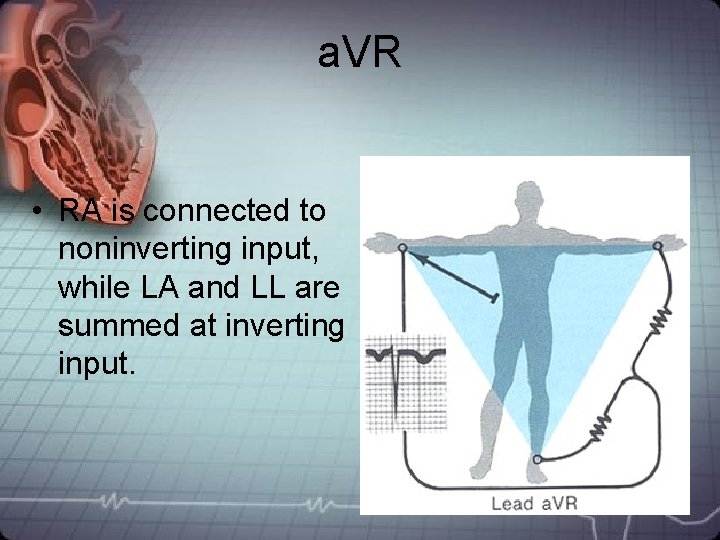
a. VR • RA is connected to noninverting input, while LA and LL are summed at inverting input.
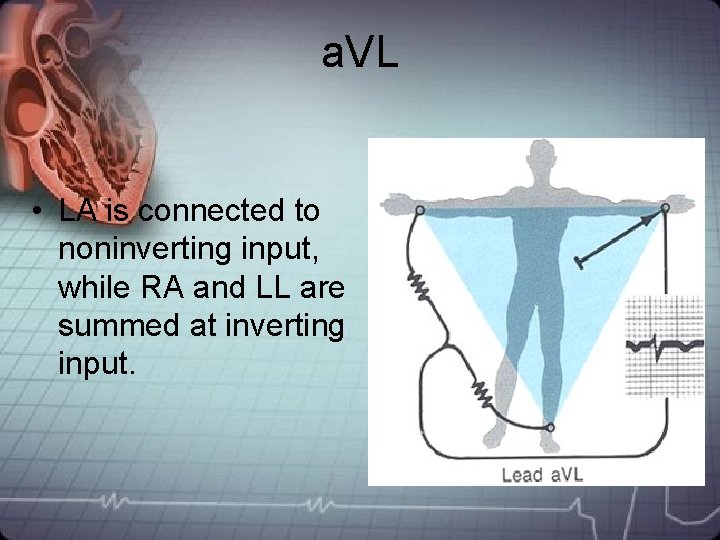
a. VL • LA is connected to noninverting input, while RA and LL are summed at inverting input.
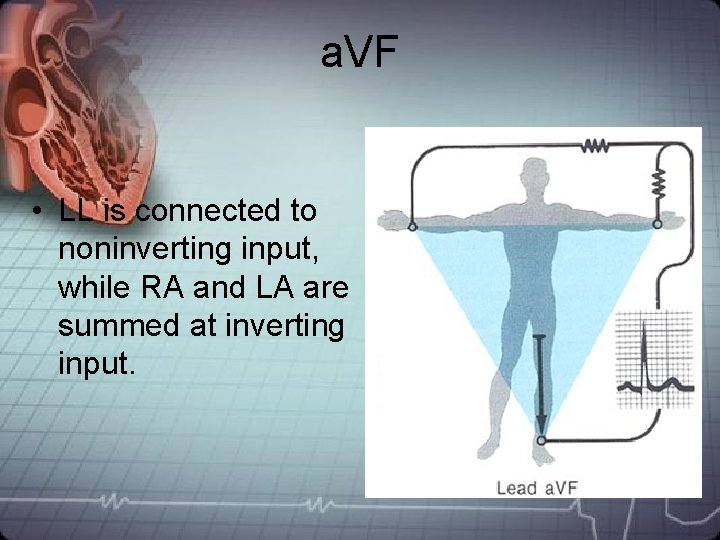
a. VF • LL is connected to noninverting input, while RA and LA are summed at inverting input.
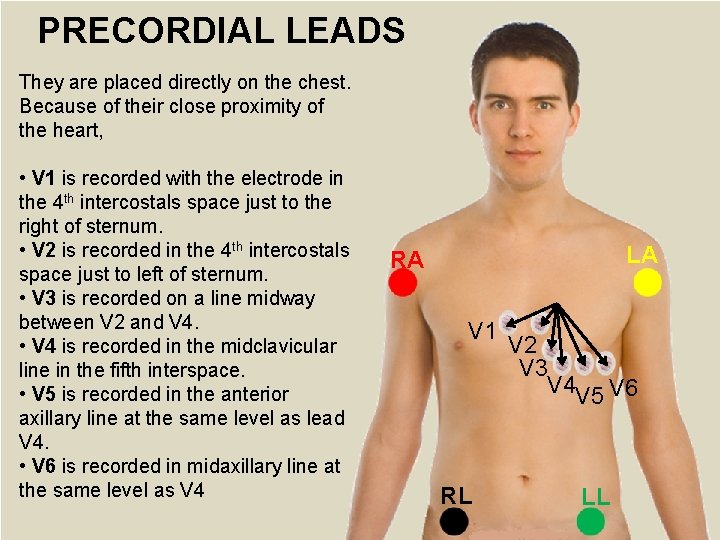
PRECORDIAL LEADS They are placed directly on the chest. Because of their close proximity of the heart, • V 1 is recorded with the electrode in the 4 th intercostals space just to the right of sternum. • V 2 is recorded in the 4 th intercostals space just to left of sternum. • V 3 is recorded on a line midway between V 2 and V 4. • V 4 is recorded in the midclavicular line in the fifth interspace. • V 5 is recorded in the anterior axillary line at the same level as lead V 4. • V 6 is recorded in midaxillary line at the same level as V 4 LA RA V 1 RL V 2 V 3 V 4 V 5 V 6 LL
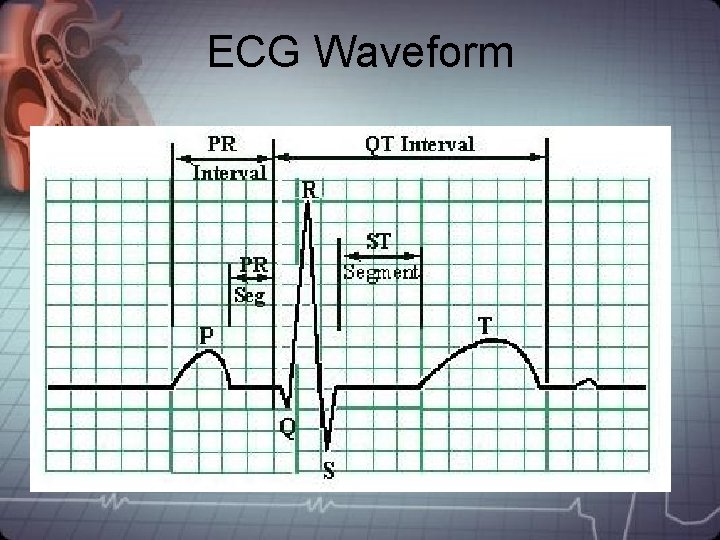
ECG Waveform
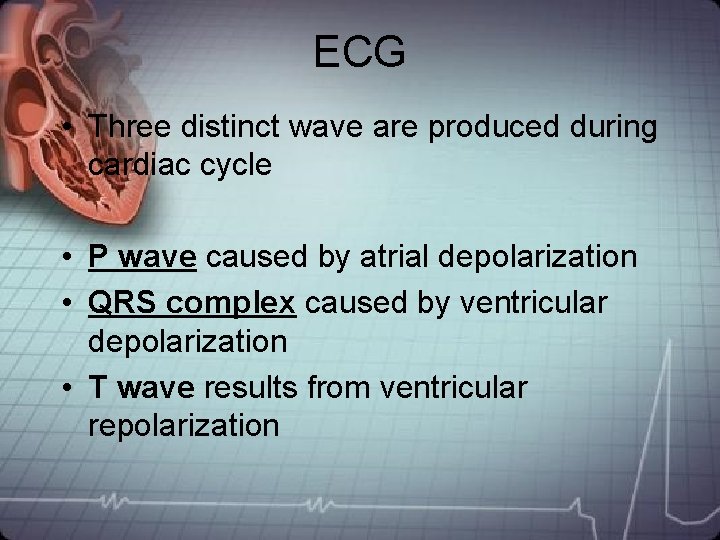
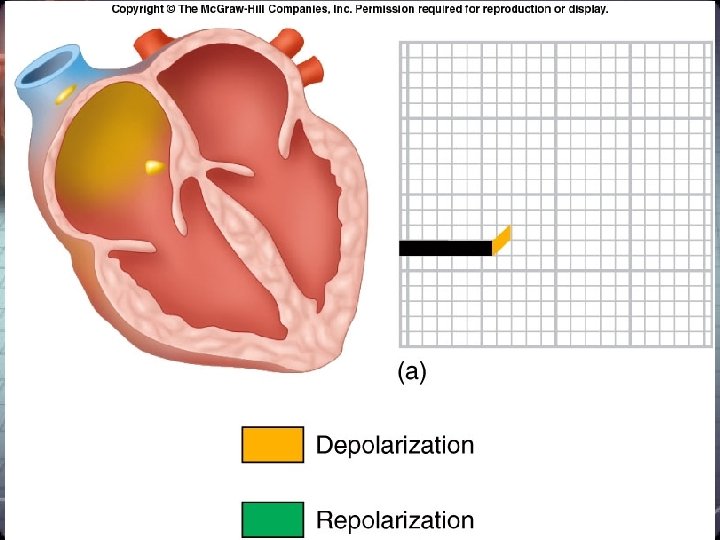
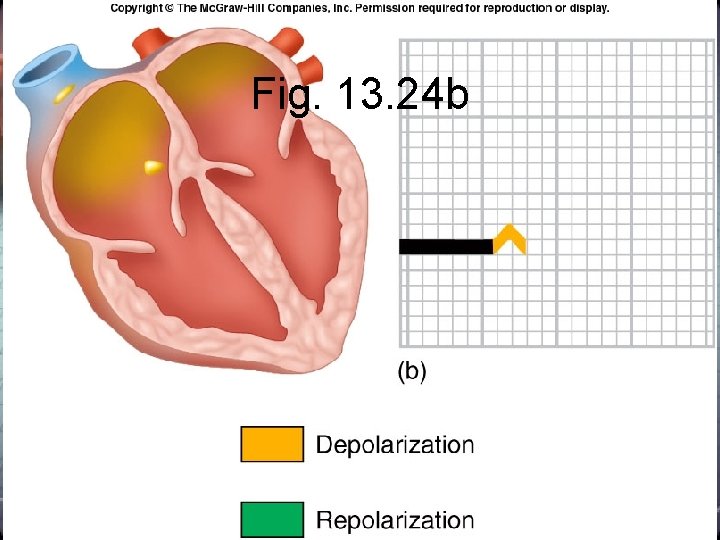
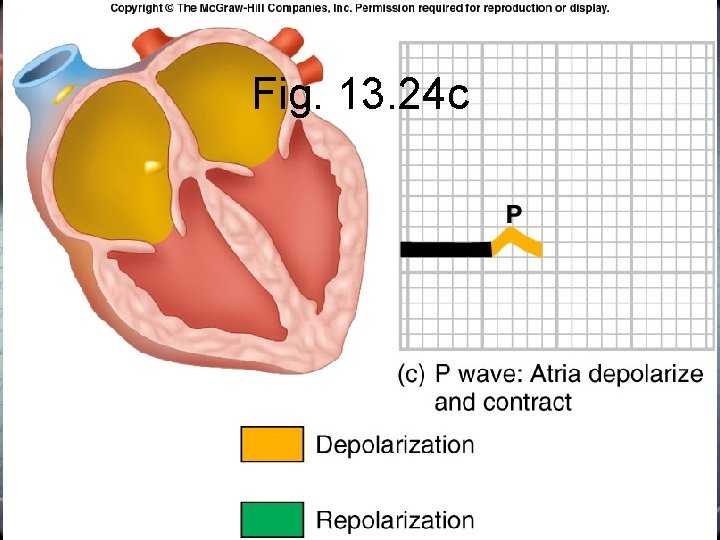
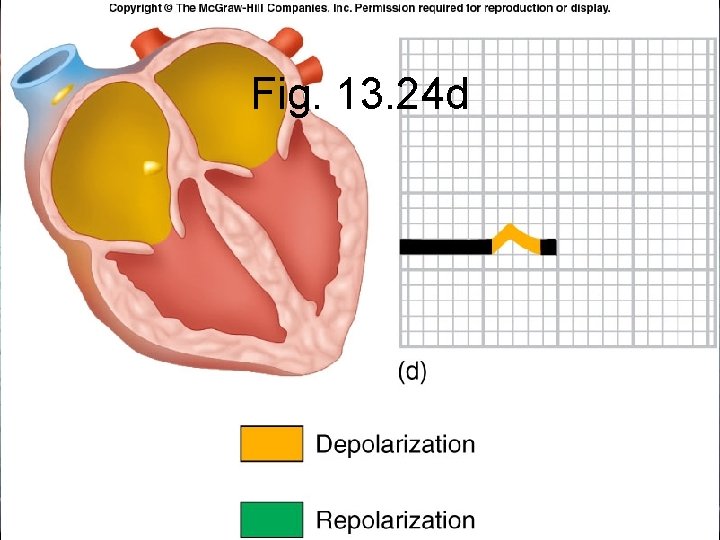
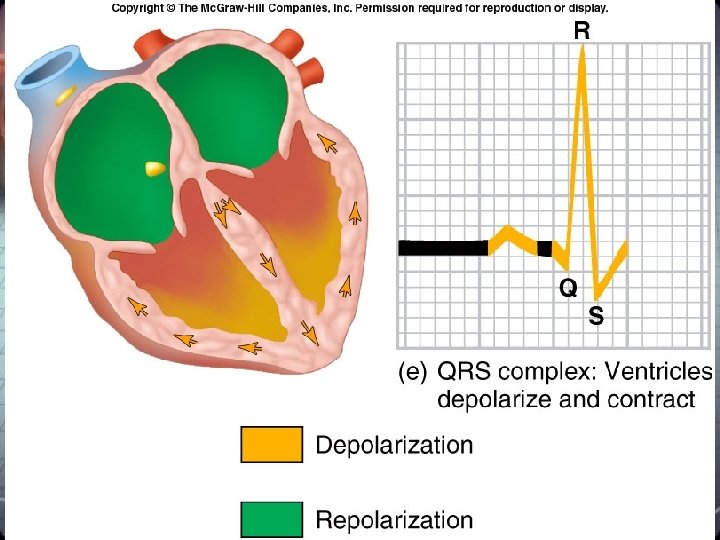
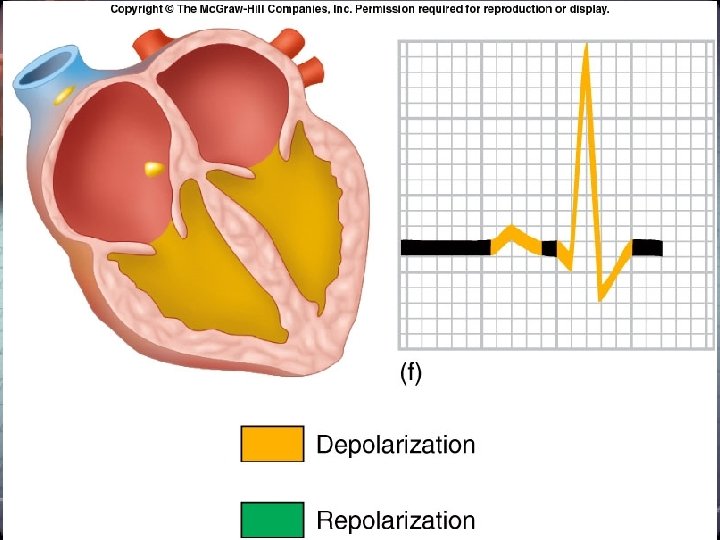
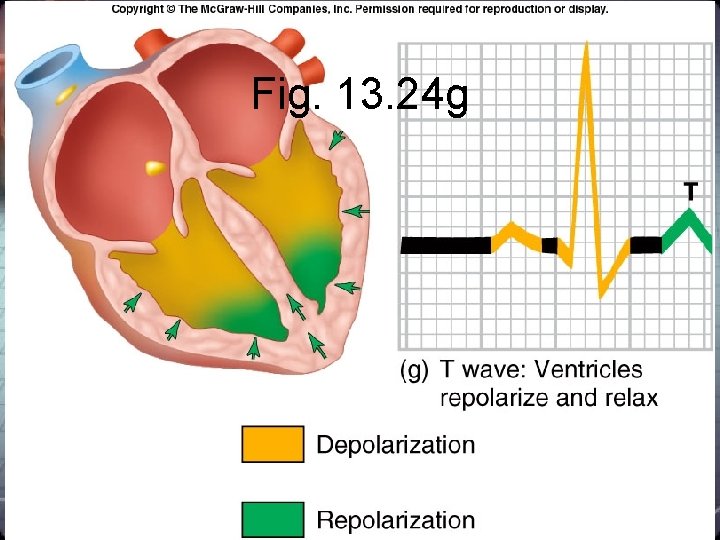
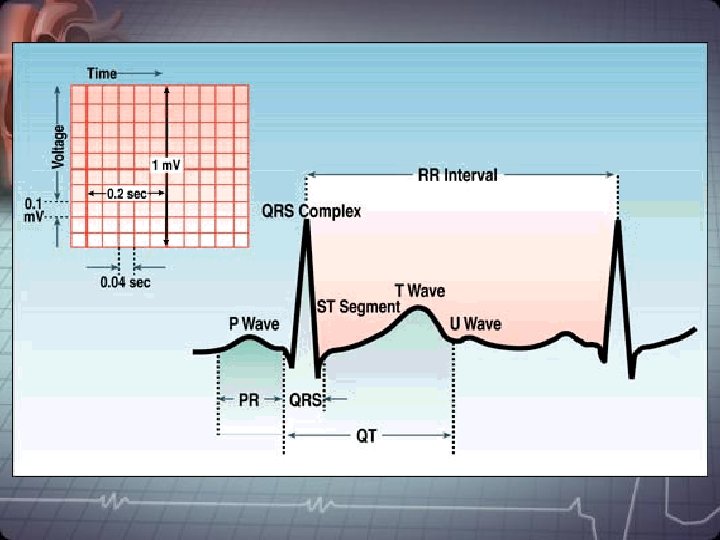
ECG • Three distinct wave are produced during cardiac cycle • P wave caused by atrial depolarization • QRS complex caused by ventricular depolarization • T wave results from ventricular repolarization
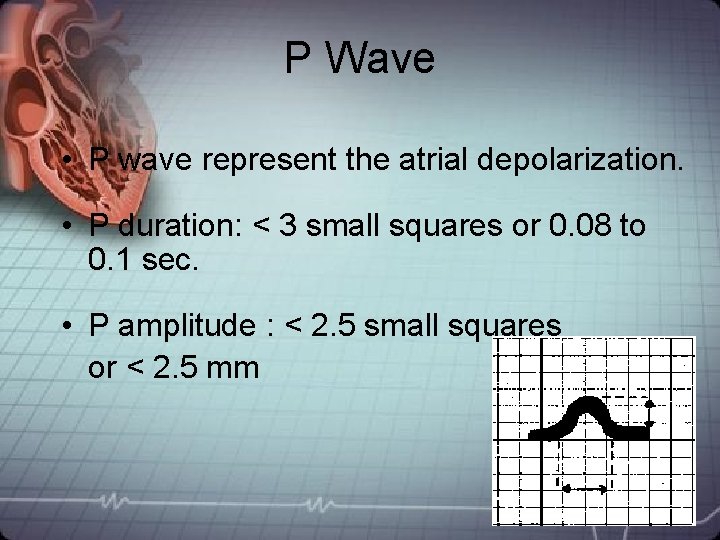
P Wave • P wave represent the atrial depolarization. • P duration: < 3 small squares or 0. 08 to 0. 1 sec. • P amplitude : < 2. 5 small squares or < 2. 5 mm
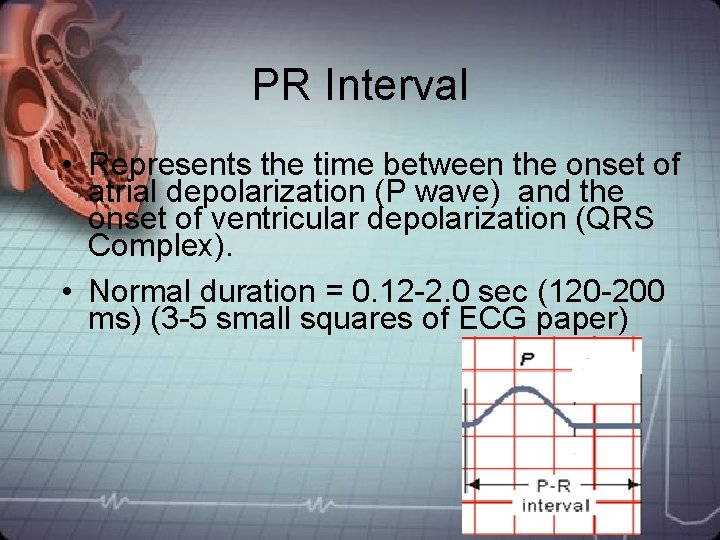
PR Interval • Represents the time between the onset of atrial depolarization (P wave) and the onset of ventricular depolarization (QRS Complex). • Normal duration = 0. 12 -2. 0 sec (120 -200 ms) (3 -5 small squares of ECG paper)
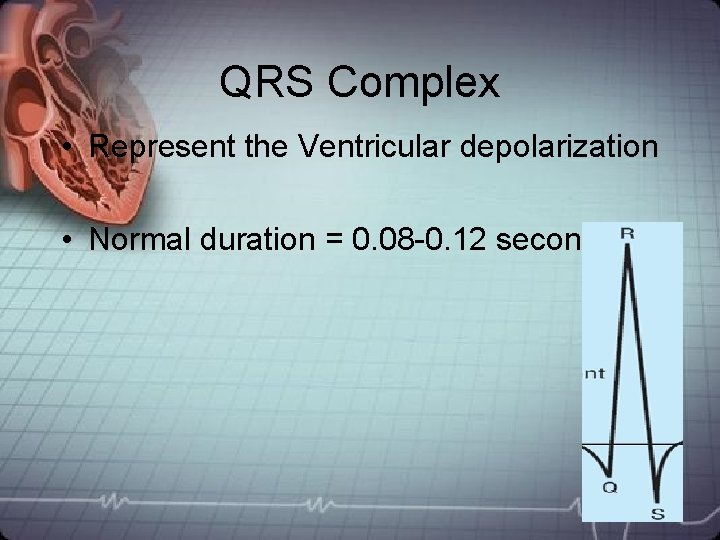
QRS Complex • Represent the Ventricular depolarization • Normal duration = 0. 08 -0. 12 seconds
ST Segment • Connects the QRS complex and T wave • Duration of 0. 08 -0. 12 sec (80 -120 msec)
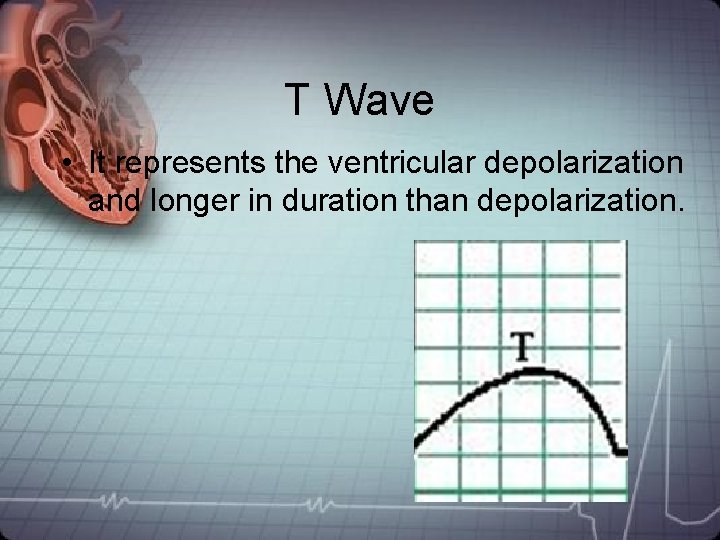
T Wave • It represents the ventricular depolarization and longer in duration than depolarization.
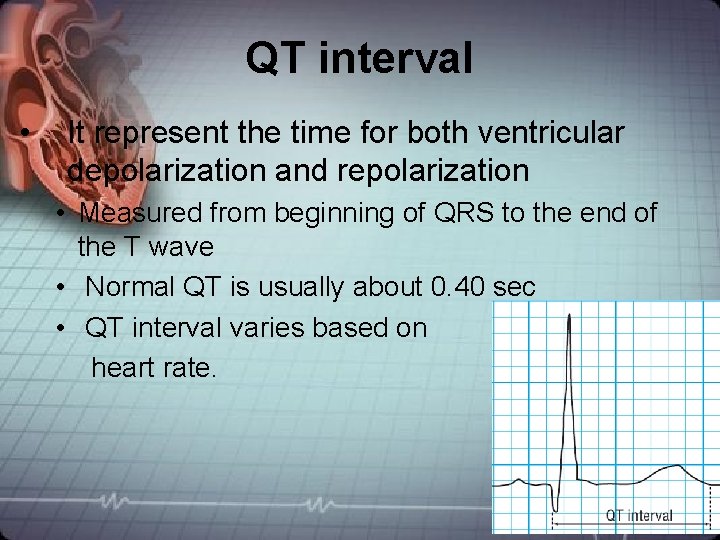
QT interval • It represent the time for both ventricular depolarization and repolarization • Measured from beginning of QRS to the end of the T wave • Normal QT is usually about 0. 40 sec • QT interval varies based on heart rate.
Fig. 13. 24 b
Fig. 13. 24 c
Fig. 13. 24 d
Fig. 13. 24 g
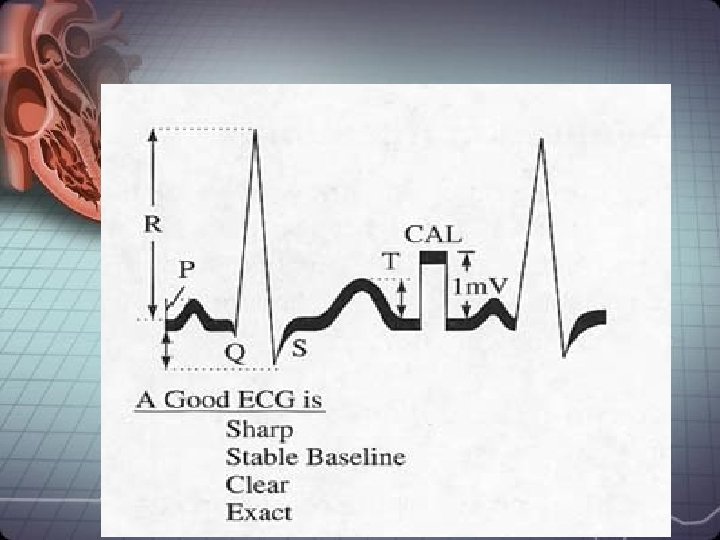
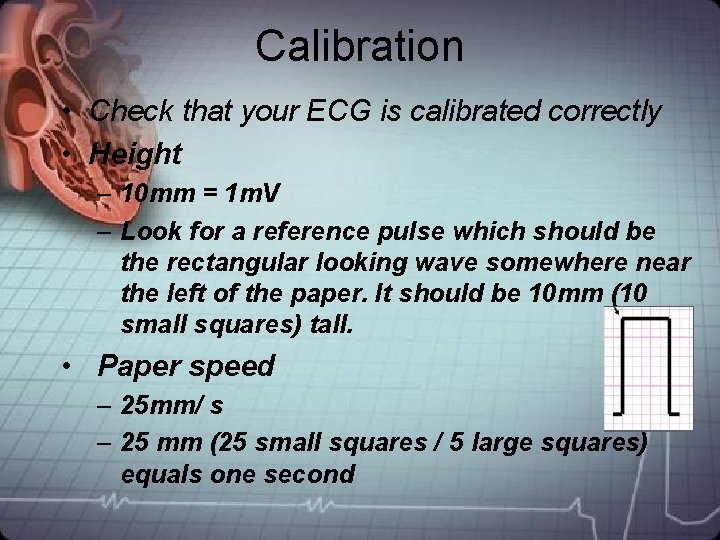
Calibration • Check that your ECG is calibrated correctly • Height – 10 mm = 1 m. V – Look for a reference pulse which should be the rectangular looking wave somewhere near the left of the paper. It should be 10 mm (10 small squares) tall. • Paper speed – 25 mm/ s – 25 mm (25 small squares / 5 large squares) equals one second
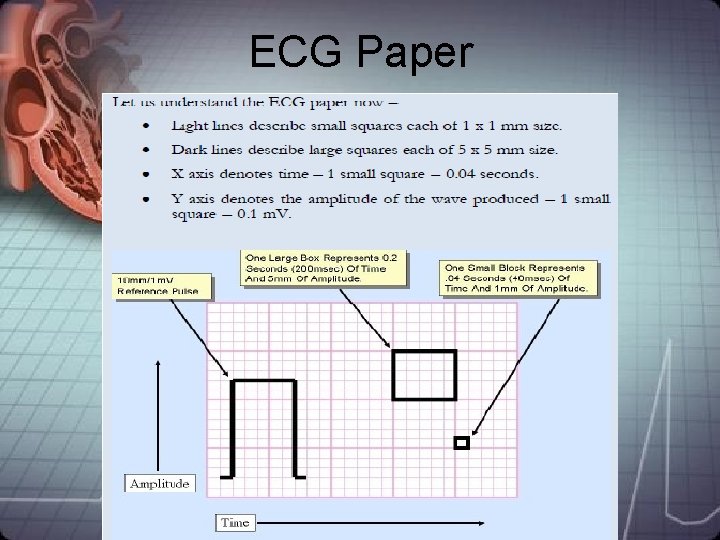
ECG Paper