
Electroanalytical Part I Overview Basics and Conductometry Some
Electroanalytical Part I Overview, Basics, and Conductometry
Some objectives for our study of electrochemistry… 1. Be able to draw a simple electrochemical cell (e. g. , Cu and Ag) and predict which species will be reduced/oxidized using thermodynamics to support your argument 2. Be able to discuss the significance of the Nernst equation in instrumental methods 3. Be able to discuss the differences and similarities between the four main electroanalytical methods 4. Be able to explain the utility of amperometry as a tool for both qualitative and quantitative analysis 5. Be able to discuss the origin of the membrane potential in the case of potentiometry (ion-selective electrodes)
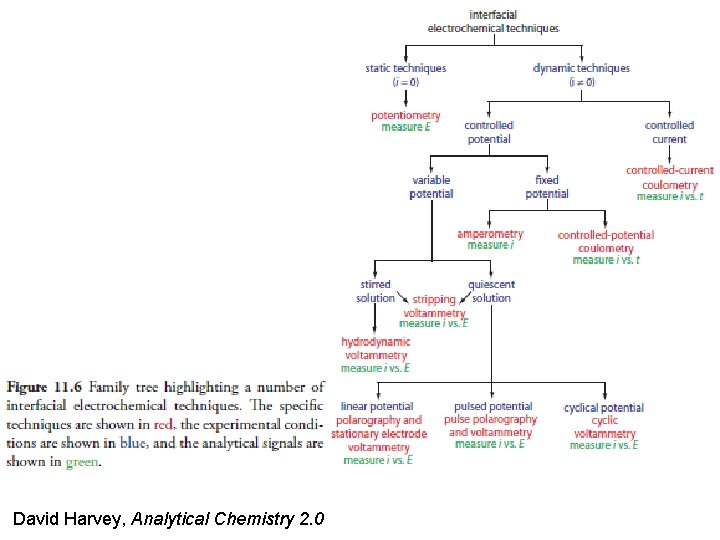
David Harvey, Analytical Chemistry 2. 0
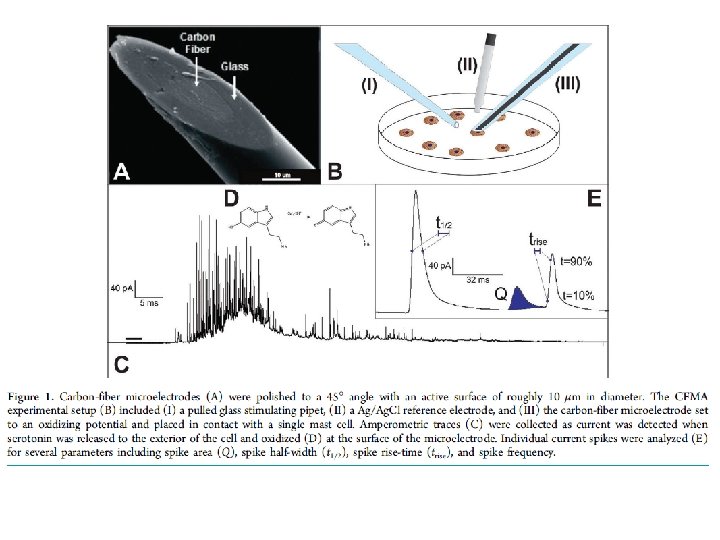
Some important features of electrochemical methods… 1. Mostly used quantitatively, but some very important qualitative work can be done 2. Precision – most methods ~ 1 -5% RSD, but coulometry can be better than 0. 01% !! 3. Selectivity – not so good per se, but there are ways of dealing with this: a. Example – Ion-selective electrode, where chemistry of membrane permits passage of specific ions 4. Speed – generally fast – nanoseconds to minutes per analysis 5. Footprint (size) – generally small, but can be VERY small (probing single cells) 6. Cost – few $100 (p. H electrode) to $10 -20 k (potentiostat) 7. LOD – Okay, but typically not anything special 8. Only works for ionic/electroactive compounds – generally not good for complex mixtures or trace analysis without adding preseparation and/or preconcentration
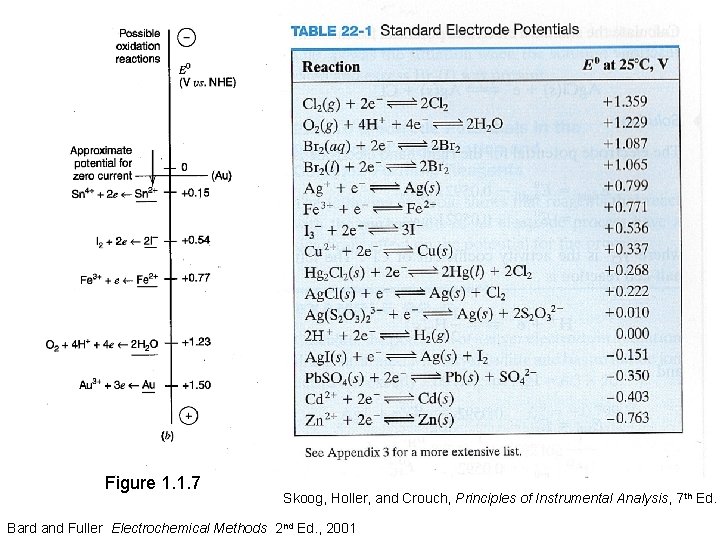
Figure 1. 1. 7 Skoog, Holler, and Crouch, Principles of Instrumental Analysis, 7 th Ed. Bard and Fuller Electrochemical Methods 2 nd Ed. , 2001
Electroanalytical Part II Amperometry and Voltammetry
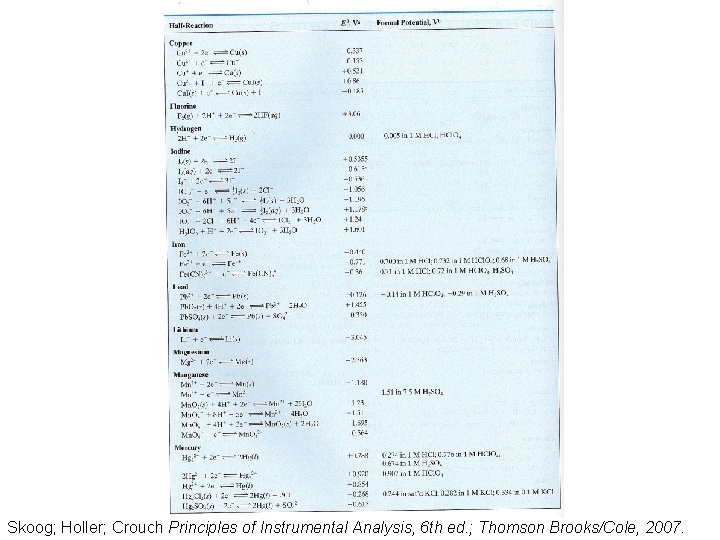
Skoog; Holler; Crouch Principles of Instrumental Analysis, 6 th ed. ; Thomson Brooks/Cole, 2007.
Amperometry and Voltammetry • Measurement of current with a small or very small area electrode. • Electrode potential is set so that the analyte of interest is oxidized or reduced at the electrode surface. 8
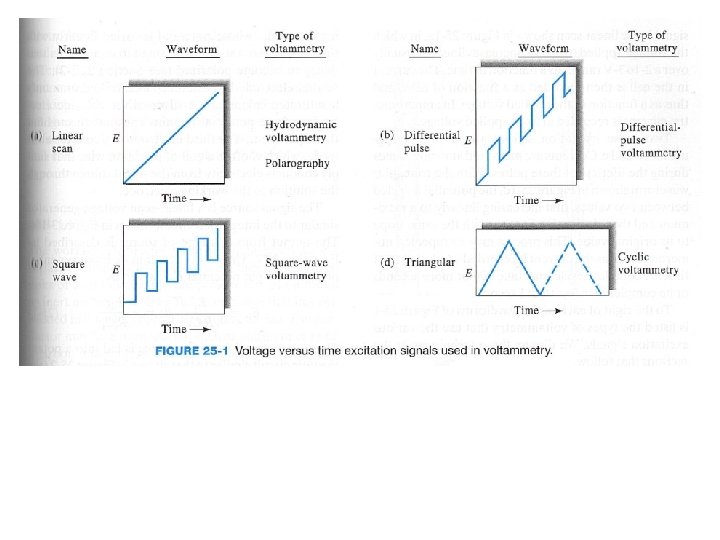
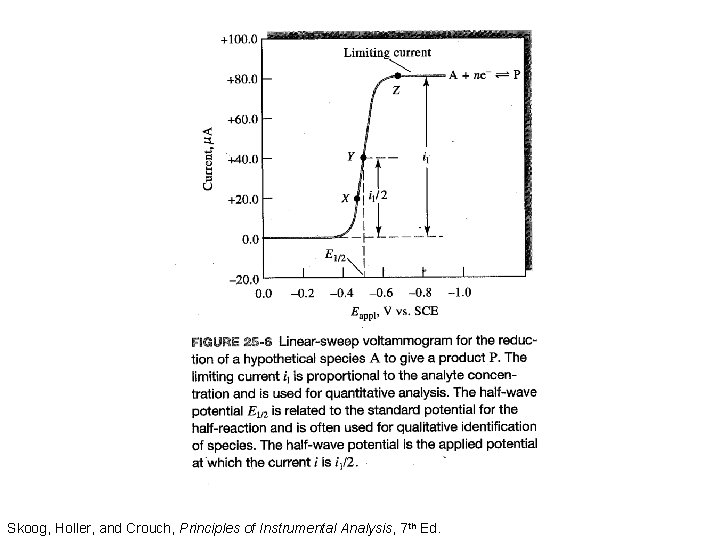
Skoog, Holler, and Crouch, Principles of Instrumental Analysis, 7 th Ed.
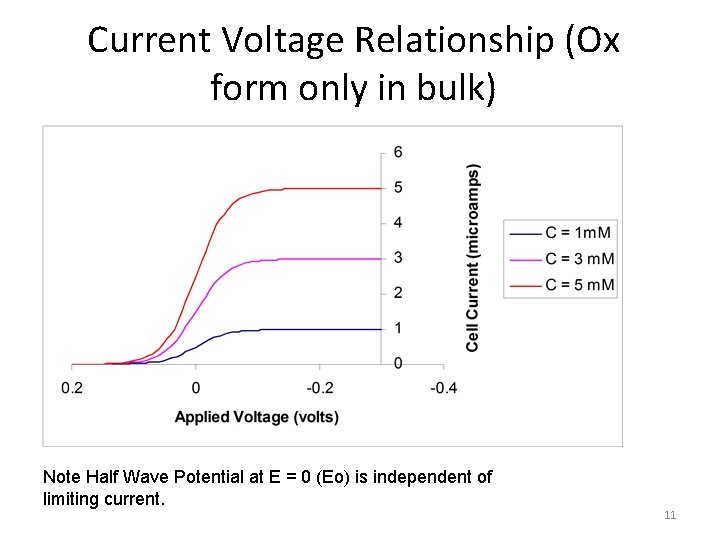
Current Voltage Relationship (Ox form only in bulk) Note Half Wave Potential at E = 0 (Eo) is independent of limiting current. 11
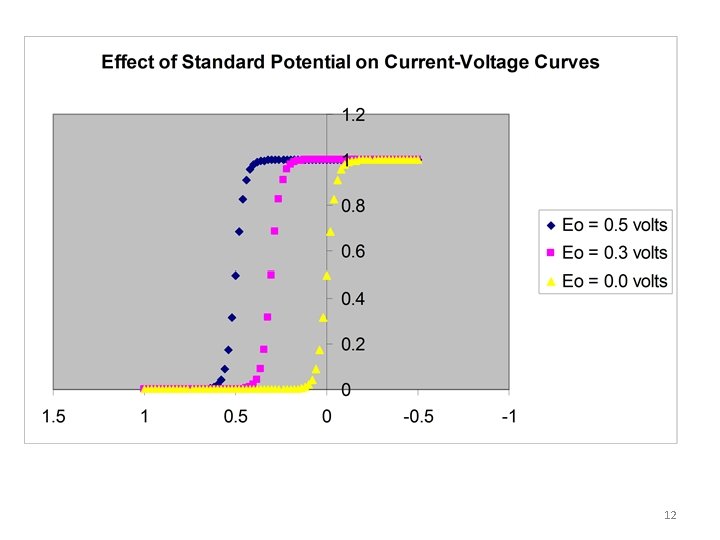
12
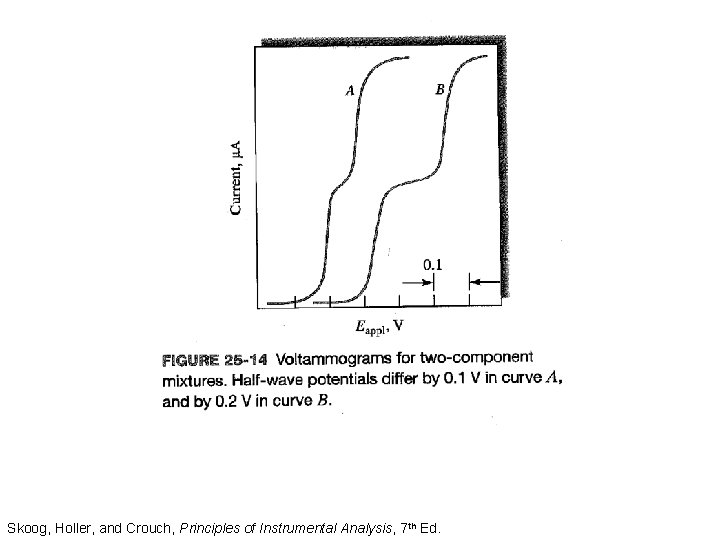
Skoog, Holler, and Crouch, Principles of Instrumental Analysis, 7 th Ed.
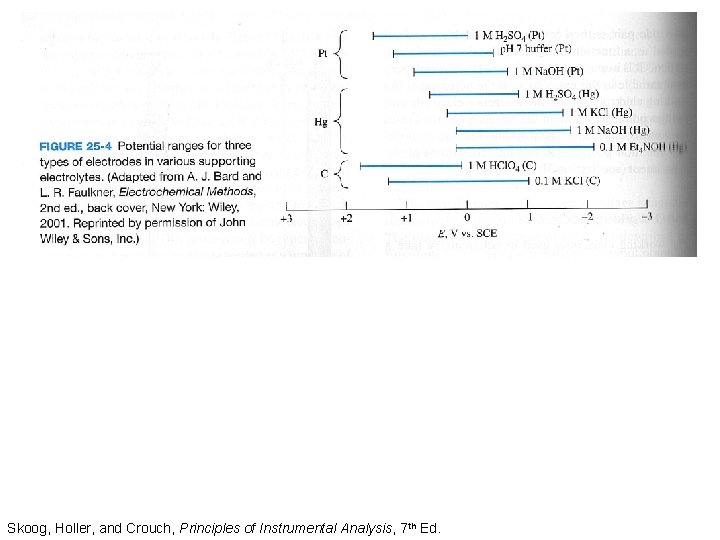
Skoog, Holler, and Crouch, Principles of Instrumental Analysis, 7 th Ed.
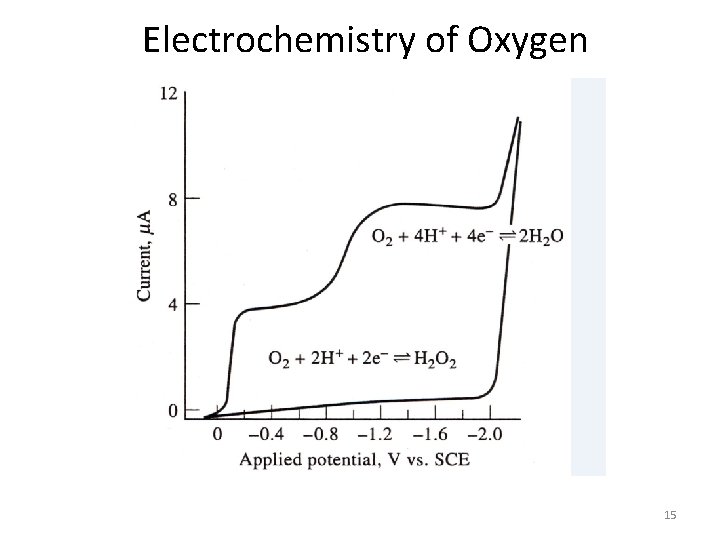
Electrochemistry of Oxygen 15
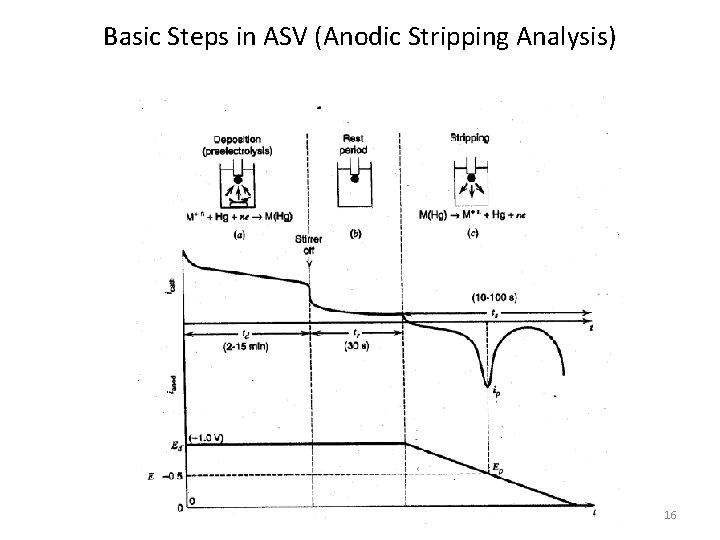
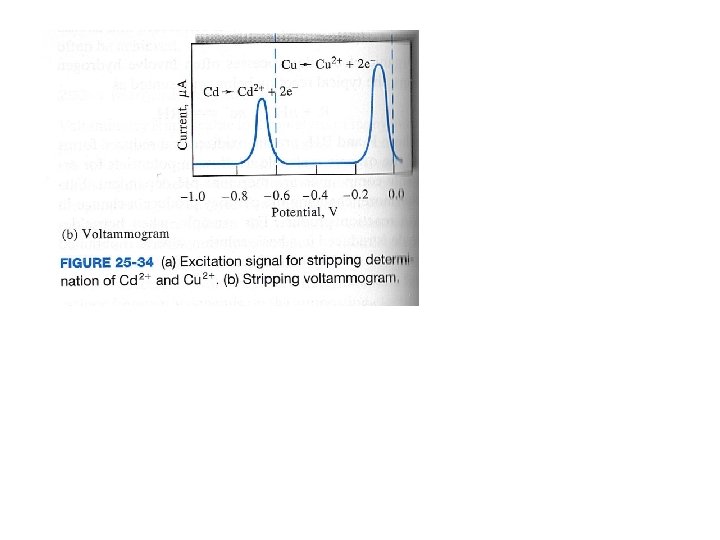
Basic Steps in ASV (Anodic Stripping Analysis) 16
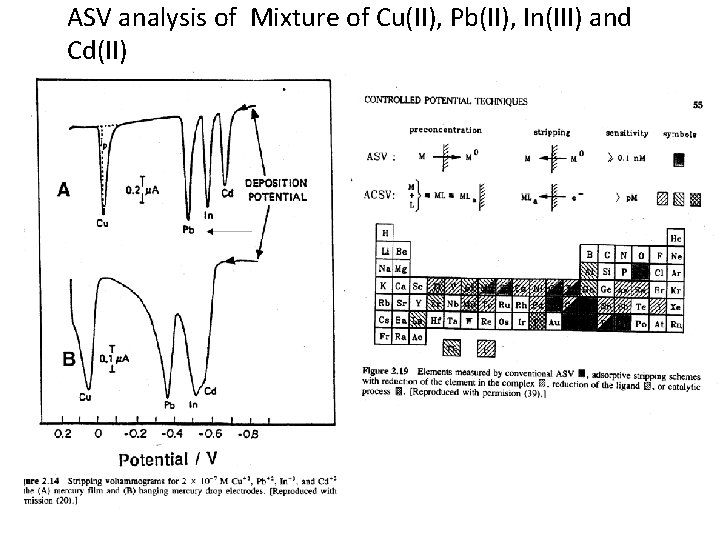
ASV analysis of Mixture of Cu(II), Pb(II), In(III) and Cd(II) 18
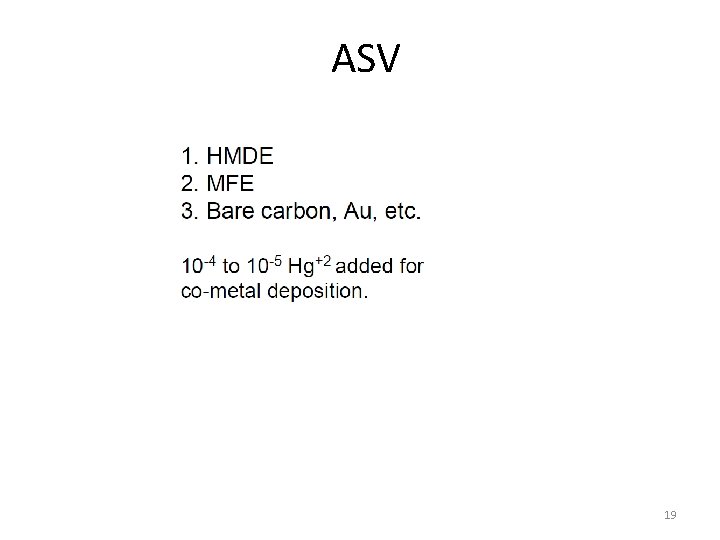
ASV 19
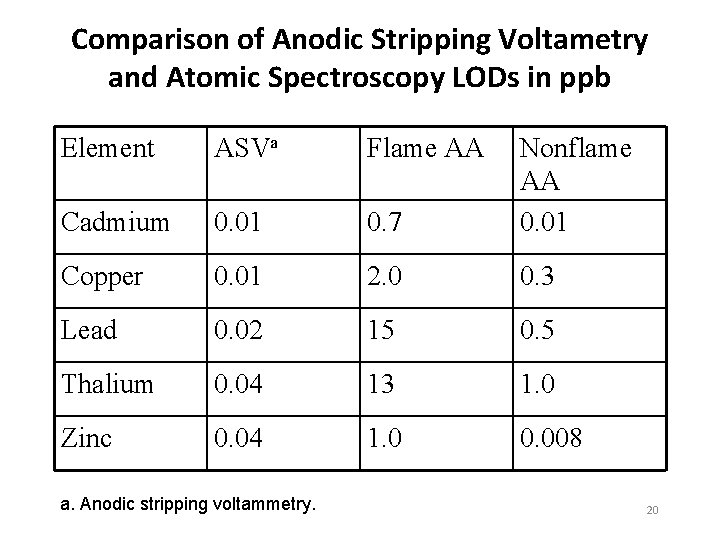
Comparison of Anodic Stripping Voltametry and Atomic Spectroscopy LODs in ppb Element ASVa Flame AA Cadmium 0. 01 0. 7 Nonflame AA 0. 01 Copper 0. 01 2. 0 0. 3 Lead 0. 02 15 0. 5 Thalium 0. 04 13 1. 0 Zinc 0. 04 1. 0 0. 008 a. Anodic stripping voltammetry. 20
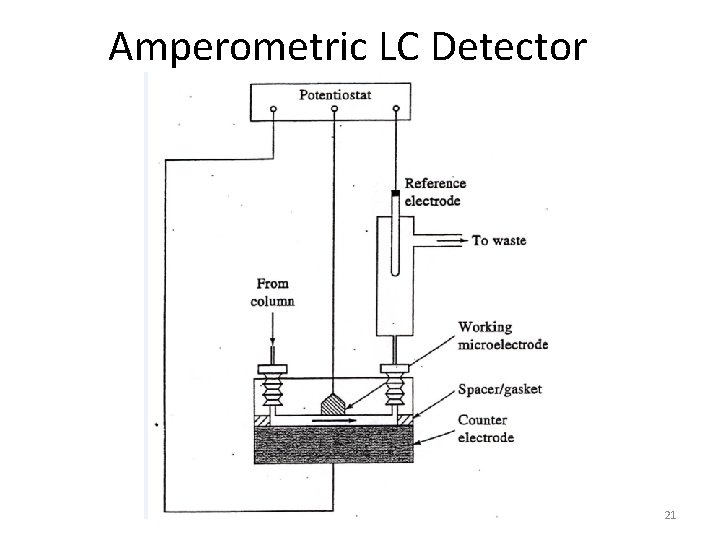
Amperometric LC Detector 21
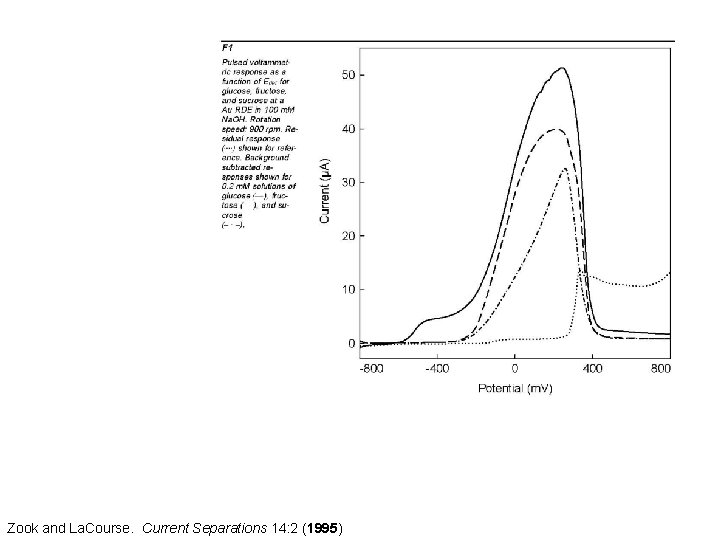
Zook and La. Course. Current Separations 14: 2 (1995)
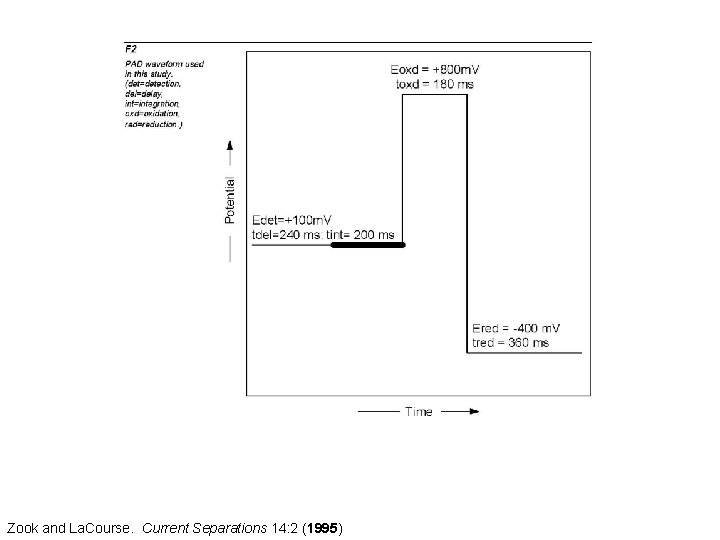
Zook and La. Course. Current Separations 14: 2 (1995)
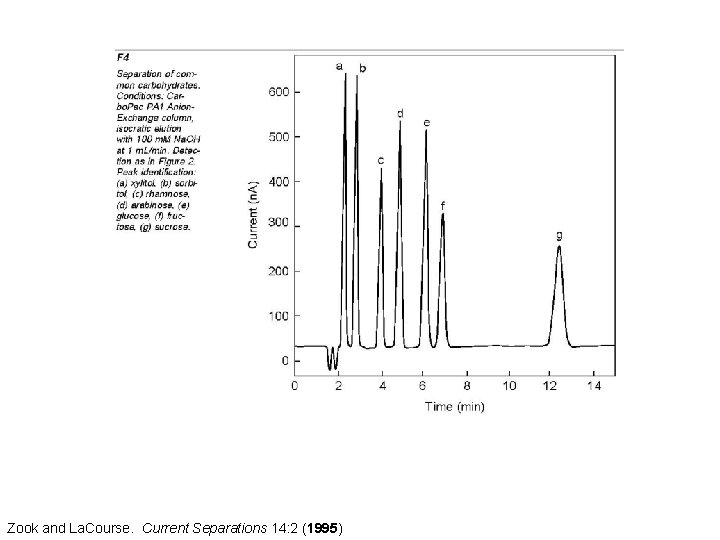
Zook and La. Course. Current Separations 14: 2 (1995)

Electroanalytical Part III Coulometry and Potentiometry
Coulometric Analysis • All (100%) of a given species is oxidized or reduced at a LARGE electrode in a well stirred solution. Normally takes a long time (many minutes, possibly hours). • Either controlled potential of the “working” electrode vs. a reference electrode or a constant current is used. • The total charge Q needed is measured. • Q=n. F*moles of analyte. • Extraordinary precision can be obtained fairly easily (0. 001%, 0. 01%) if the chemistry permits. • Karl Fisher coulometric titration for determination of water is a good example. 26
Examples • Coulometric titration of acids and bases by electrolysis of water. • Coulometric titration of halides by generation of Ag+. 27
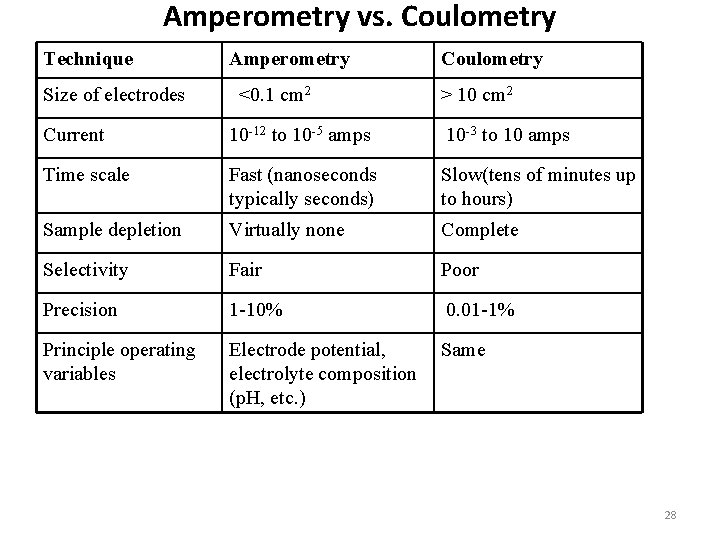
Amperometry vs. Coulometry Technique Size of electrodes Amperometry <0. 1 cm 2 Coulometry > 10 cm 2 Current 10 -12 to 10 -5 amps 10 -3 to 10 amps Time scale Fast (nanoseconds typically seconds) Slow(tens of minutes up to hours) Sample depletion Virtually none Complete Selectivity Fair Poor Precision 1 -10% 0. 01 -1% Principle operating variables Electrode potential, electrolyte composition (p. H, etc. ) Same 28
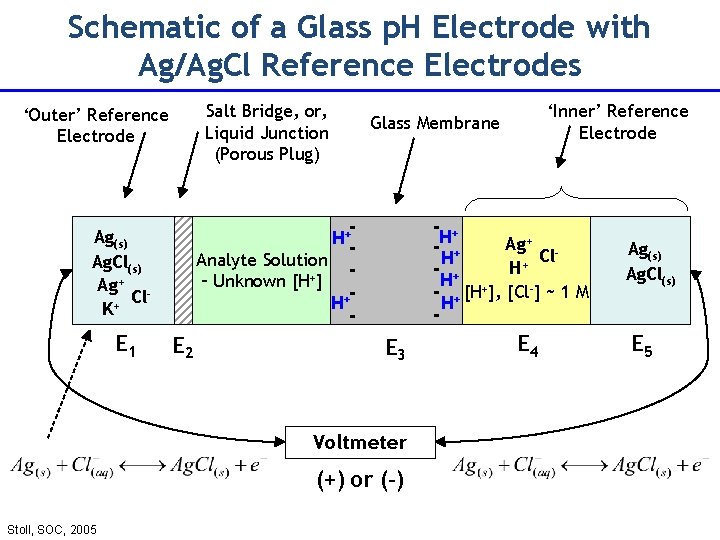
Schematic of a Glass p. H Electrode with Ag/Ag. Cl Reference Electrodes Salt Bridge, or, Liquid Junction (Porous Plug) ‘Outer’ Reference Electrode E 1 - + H Ag+ - + Cl H H+ - + H - + [H+], [Cl-] ~ 1 M H - Analyte Solution – Unknown [H+] H+ - Ag(s) Ag. Cl(s) Ag+ Cl K+ H+ E 2 E 3 Voltmeter (+) or (-) Stoll, SOC, 2005 ‘Inner’ Reference Electrode Glass Membrane E 4 Ag(s) Ag. Cl(s) E 5

30
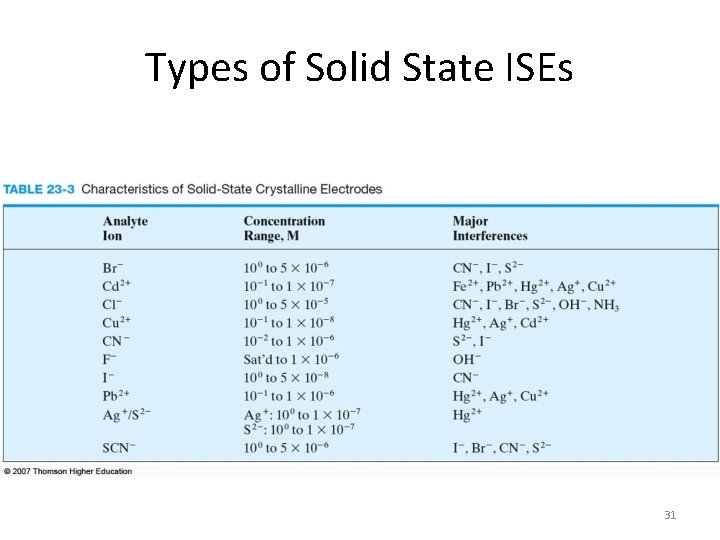
Types of Solid State ISEs 31
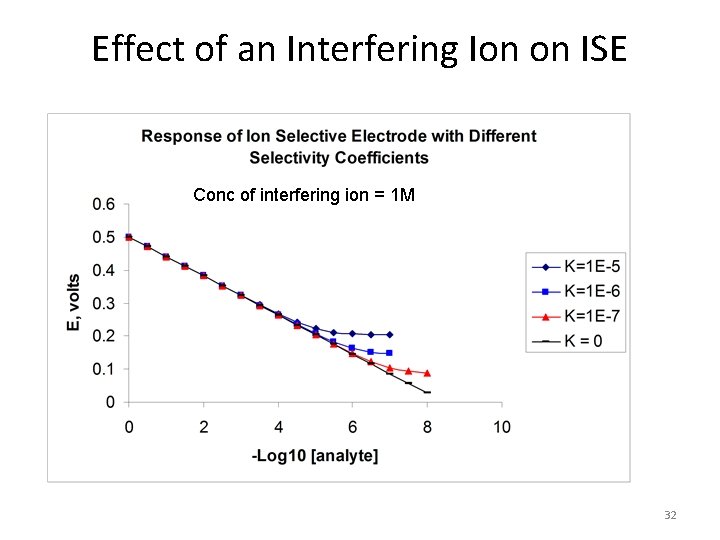
Effect of an Interfering Ion on ISE Conc of interfering ion = 1 M 32

Electroanalytical Part IV Recent Applications

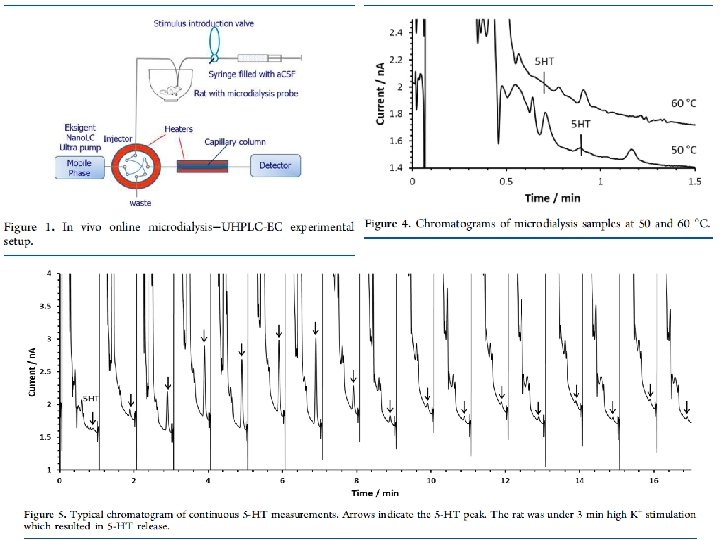
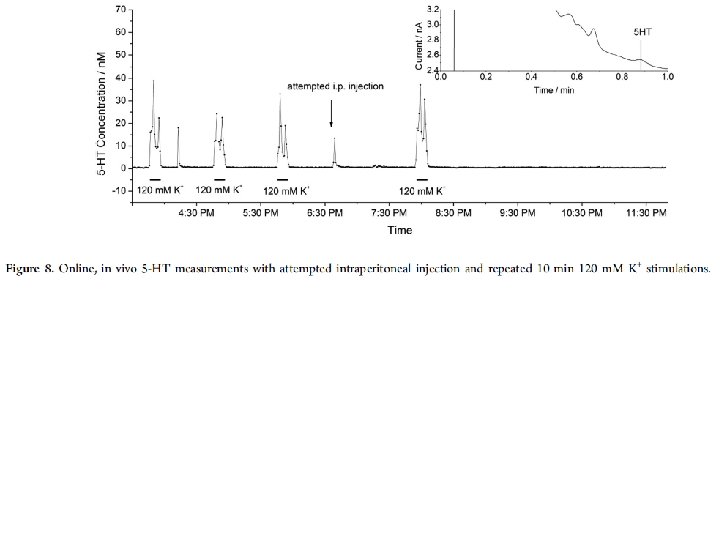

- Slides: 39