
Electrical Signals 1 BIOL 1407 Electrical Signals Changes
Electrical Signals 1 BIOL 1407

Electrical Signals • Changes in membrane potential currents • Used by cells for quick communication
Chemical vs. Electrical Signaling • Type of Signals – Chemical – Electrical + Chemical = Electrochemical • Types of Chemicals Used – Hormones – Neurotransmitters
Chemical vs. Electrical Signaling • Speed of Transmission – Slow – Fast • Duration of Response – Long – Short

Functions of Nervous Systems
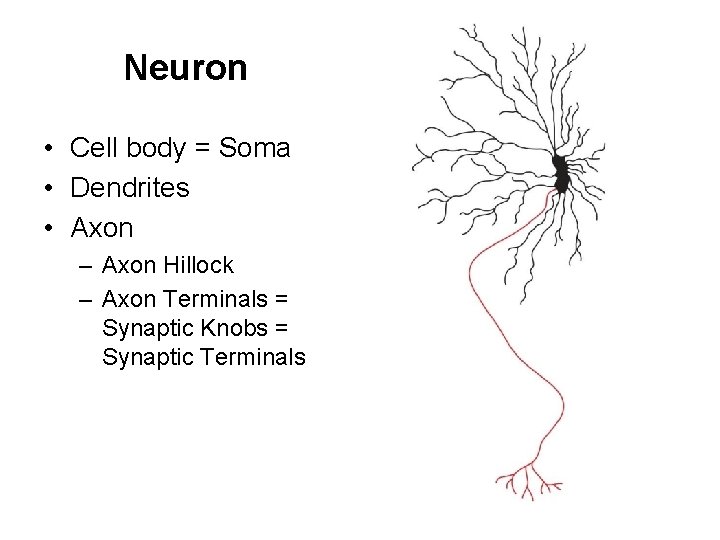
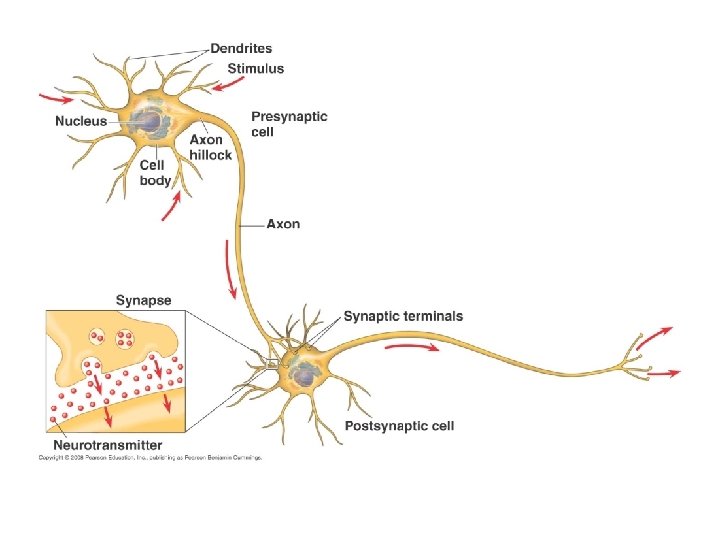
Neuron • Cell body = Soma • Dendrites • Axon – Axon Hillock – Axon Terminals = Synaptic Knobs = Synaptic Terminals
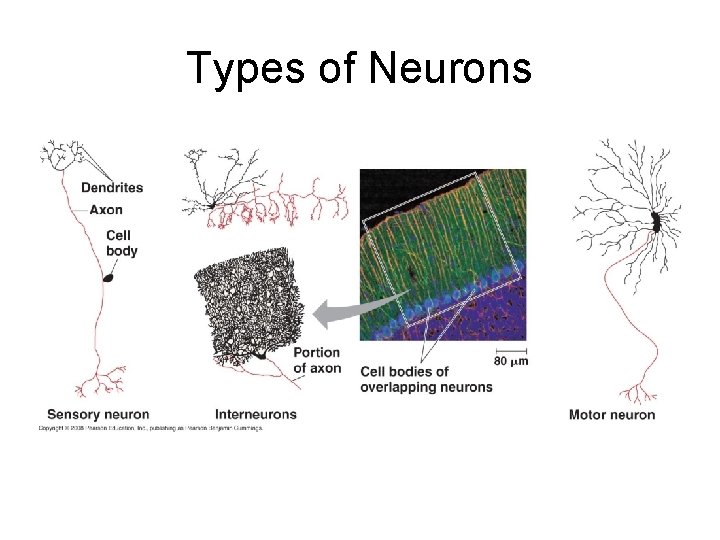
Types of Neurons
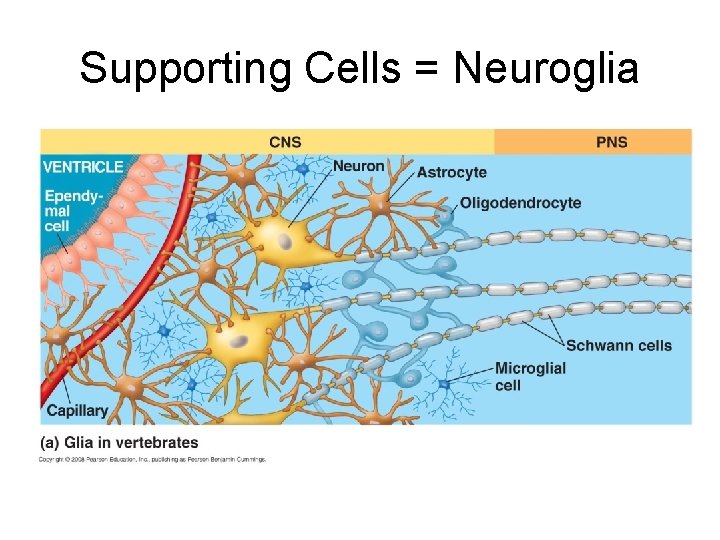
Supporting Cells = Neuroglia

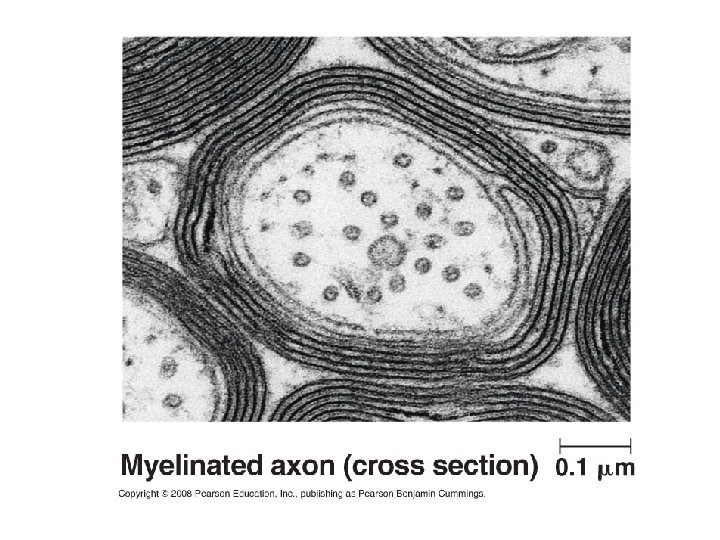
Schwann Cells
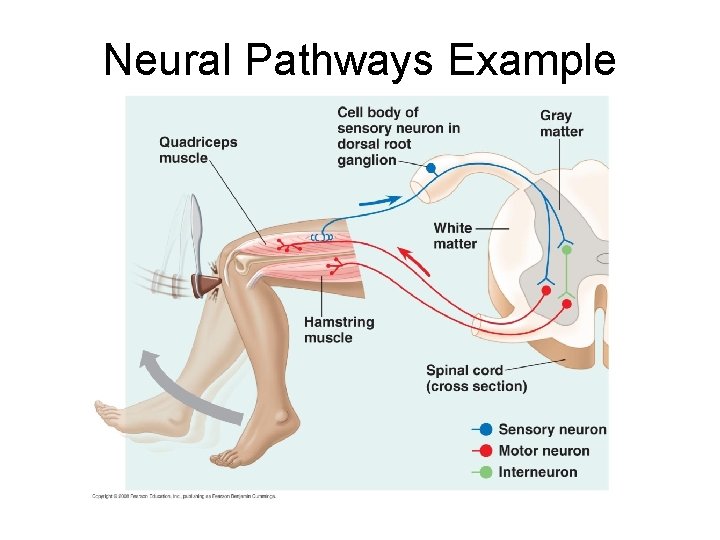
Neural Pathways Example
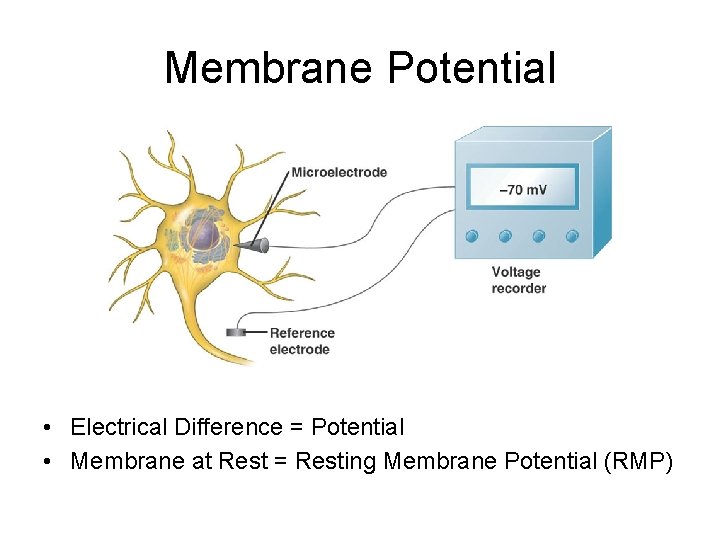
Membrane Potential • Electrical Difference = Potential • Membrane at Rest = Resting Membrane Potential (RMP)
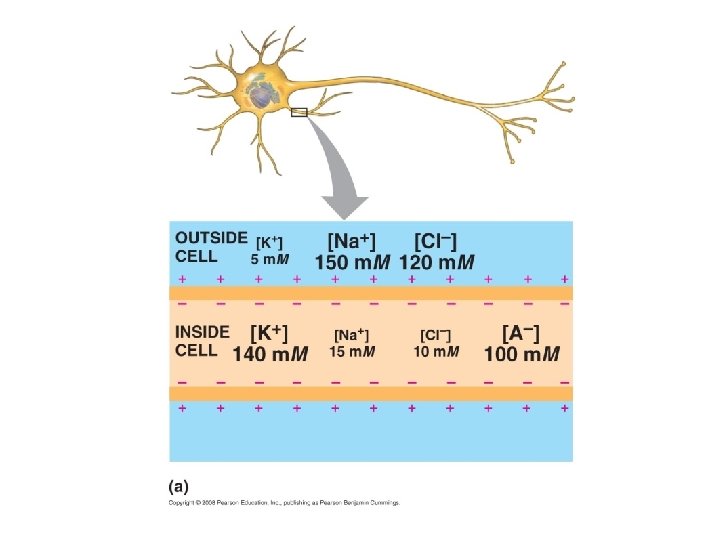
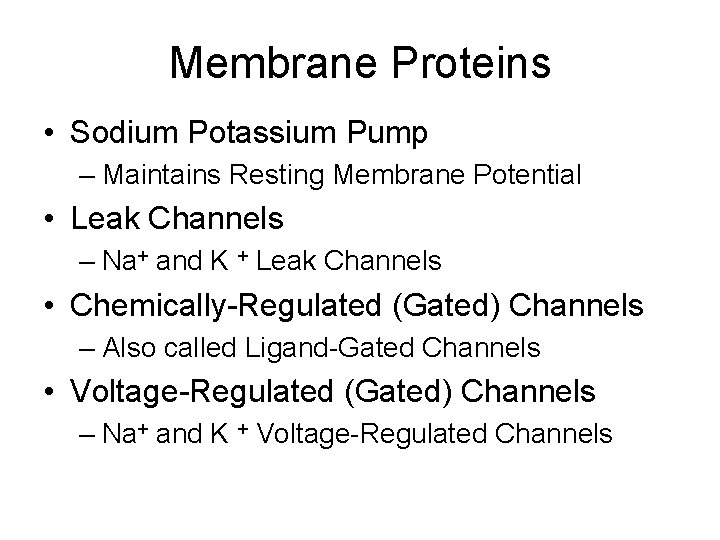
Membrane Proteins • Sodium Potassium Pump – Maintains Resting Membrane Potential • Leak Channels – Na+ and K + Leak Channels • Chemically-Regulated (Gated) Channels – Also called Ligand-Gated Channels • Voltage-Regulated (Gated) Channels – Na+ and K + Voltage-Regulated Channels
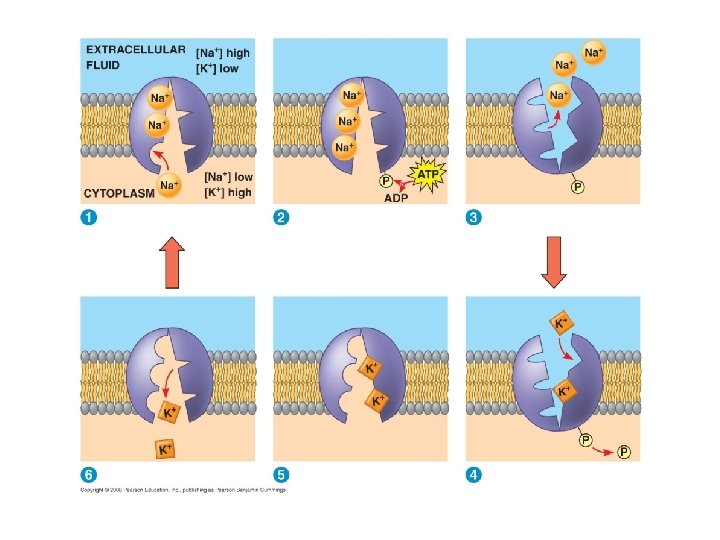


• Chemically-Regulated Channels • Gated • On dendrites and cell body • Responds to chemicals • Graded potentials

• Voltage-Regulated Channels • Gated • On axons • Respond to changes in voltage • Action potentials (APs)

Voltage-Regulated + Na Channel Na+ Channel is Closed and Activated Na+ Channel is Closed and Inactivated Na+ Channel is Open; Stays Open for Short Amount of Time
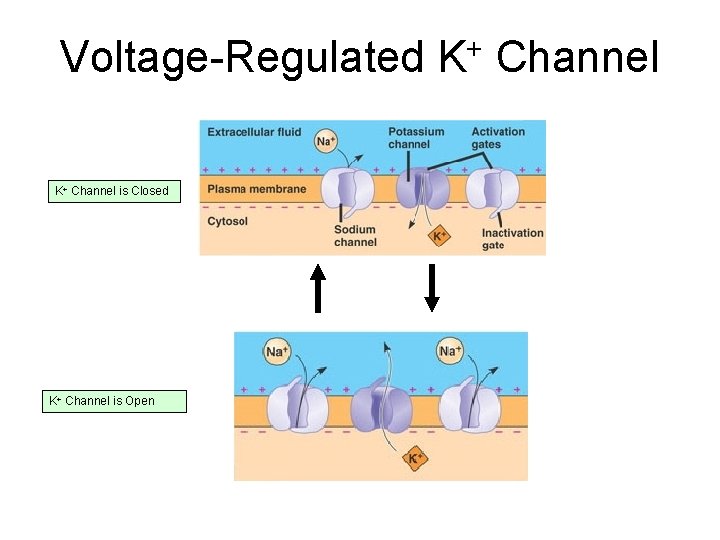
Voltage-Regulated K+ Channel is Closed K+ Channel is Open + K Channel
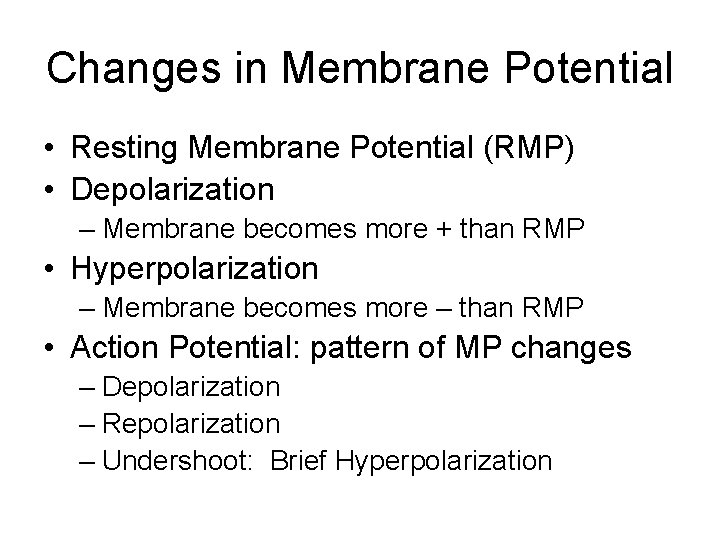
Changes in Membrane Potential • Resting Membrane Potential (RMP) • Depolarization – Membrane becomes more + than RMP • Hyperpolarization – Membrane becomes more – than RMP • Action Potential: pattern of MP changes – Depolarization – Repolarization – Undershoot: Brief Hyperpolarization
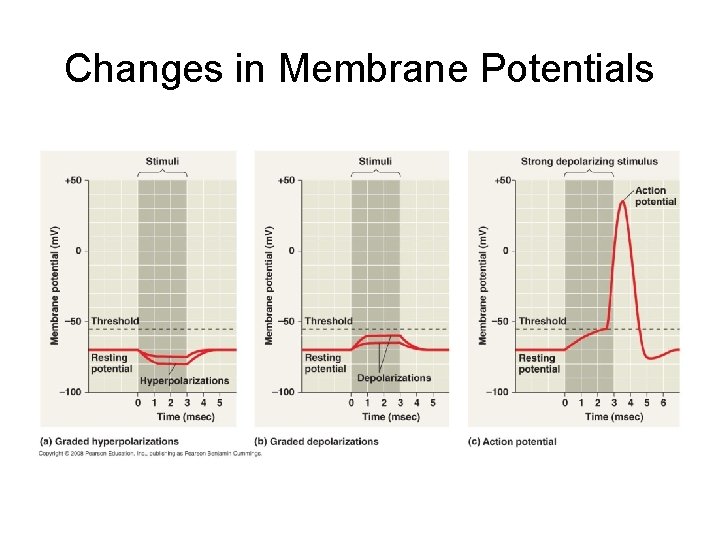
Changes in Membrane Potentials
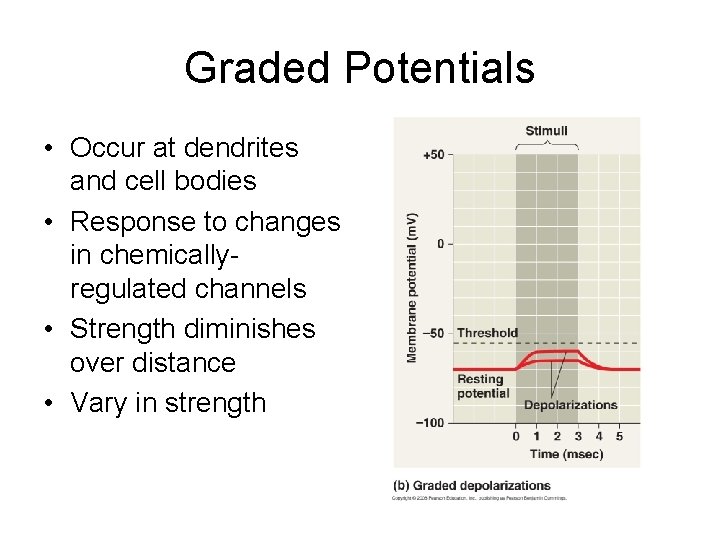
Graded Potentials • Occur at dendrites and cell bodies • Response to changes in chemicallyregulated channels • Strength diminishes over distance • Vary in strength

Graded Potentials • Can be depolarizing event or hyperpolarizing event
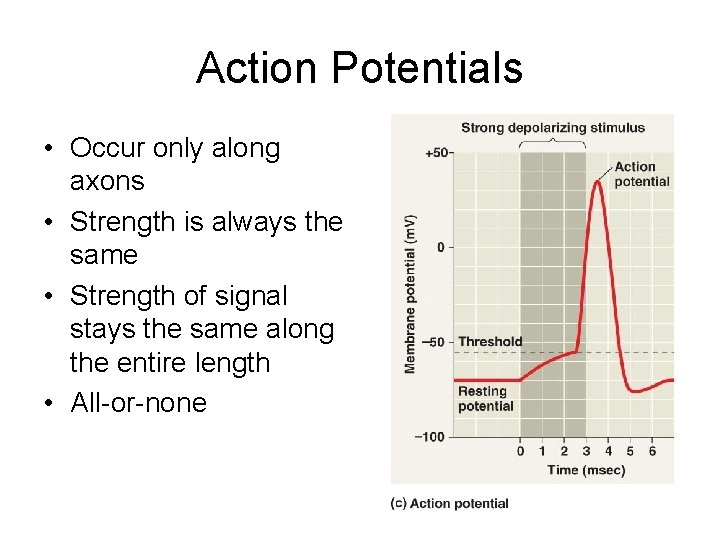
Action Potentials • Occur only along axons • Strength is always the same • Strength of signal stays the same along the entire length • All-or-none
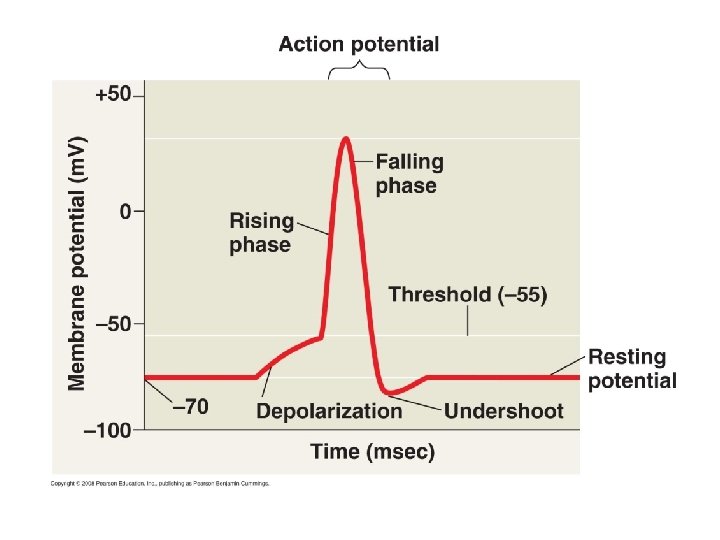
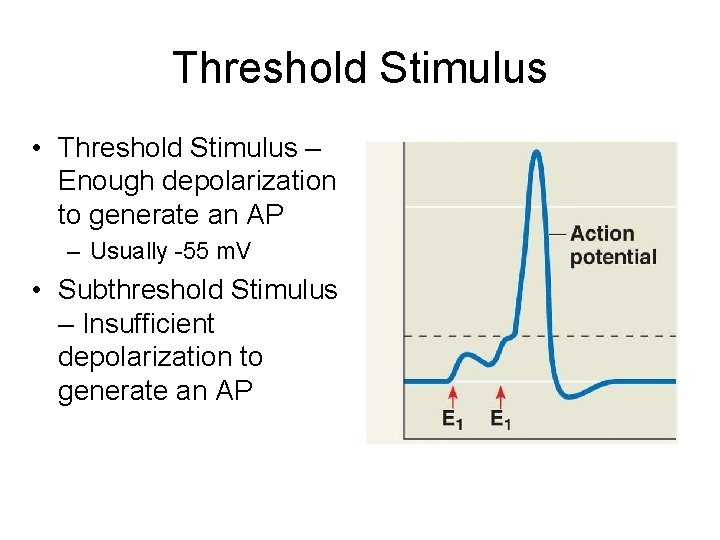
Threshold Stimulus • Threshold Stimulus – Enough depolarization to generate an AP – Usually -55 m. V • Subthreshold Stimulus – Insufficient depolarization to generate an AP

The End Unless otherwise specified, all images in this presentation came from: Campbell, et al. Biology, 7 th ed. and 8 th ed. Pearson Benjamin Cummings.
- Slides: 30