
Elearning the strategy continuum Dr Alejandro Armellini Unit
- Slides: 19
E-learning: the strategy continuum Dr Alejandro Armellini Unit for the Enhancement of Learning and Teaching University of Kent 12 June 2003
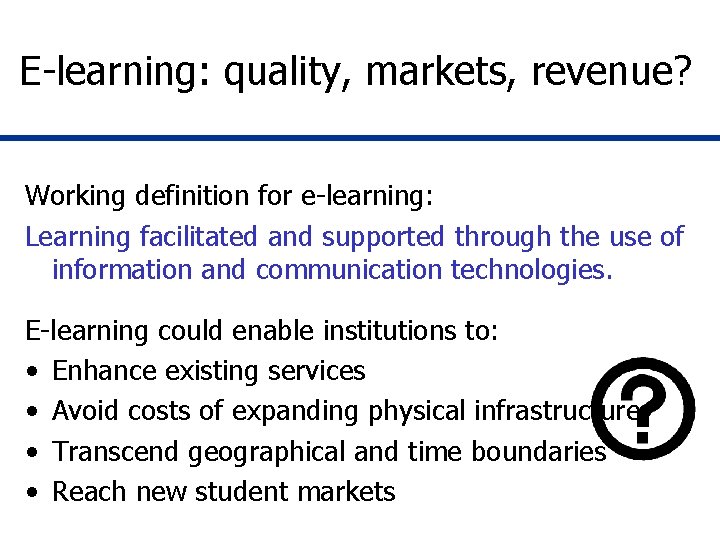
E-learning: quality, markets, revenue? Working definition for e-learning: Learning facilitated and supported through the use of information and communication technologies. E-learning could enable institutions to: • Enhance existing services • Avoid costs of expanding physical infrastructure • Transcend geographical and time boundaries • Reach new student markets
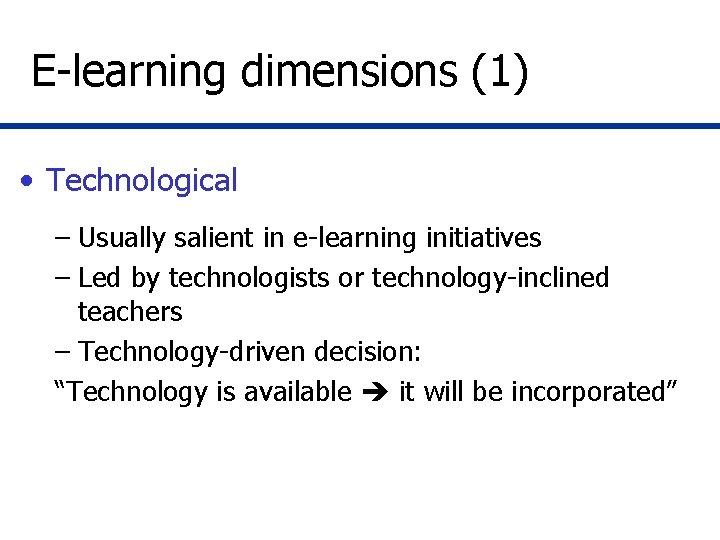
E-learning dimensions (1) • Technological – Usually salient in e-learning initiatives – Led by technologists or technology-inclined teachers – Technology-driven decision: “Technology is available it will be incorporated”
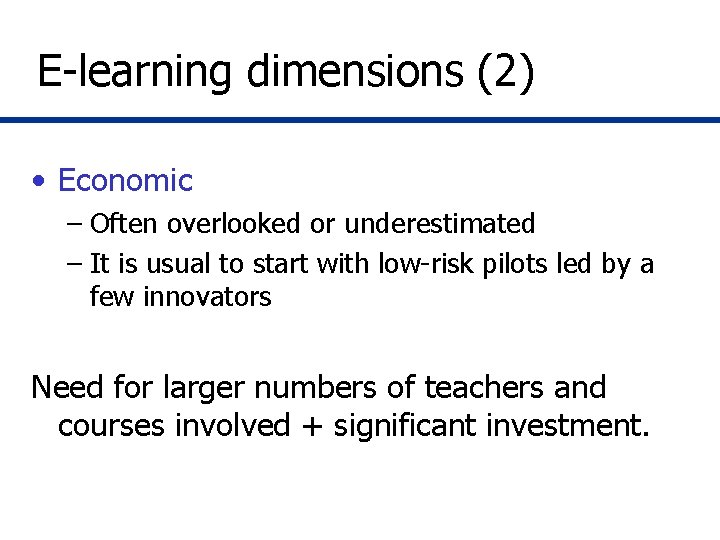
E-learning dimensions (2) • Economic – Often overlooked or underestimated – It is usual to start with low-risk pilots led by a few innovators Need for larger numbers of teachers and courses involved + significant investment.
E-learning dimensions (3) • Pedagogical – Significant dependence of pedagogical strategies on technology and technical skills – Teaching strategies, among other decisions, often exceed teachers’ expertise
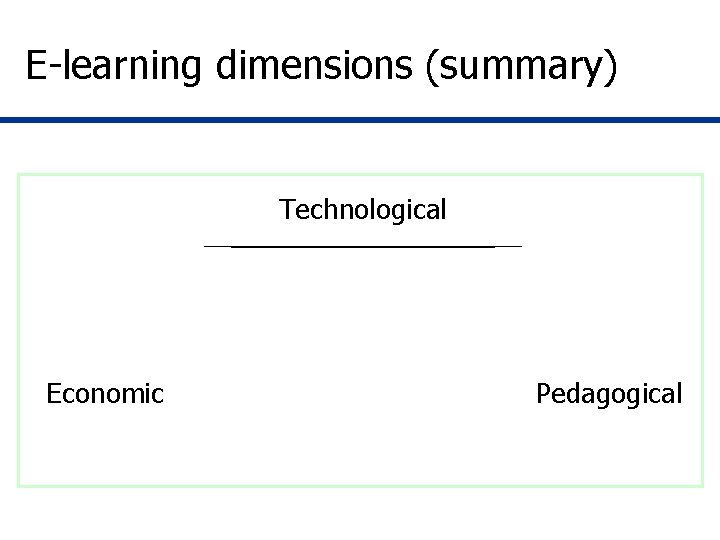
E-learning dimensions (summary) Technological Economic Pedagogical
A needs analysis • What the institution offers • Which services it aims to improve or what new services it aims to launch • Can e-learning be used to achieve the above in a technologically, financially and pedagogically effective way? In other words: What questions is e-learning the answer to?
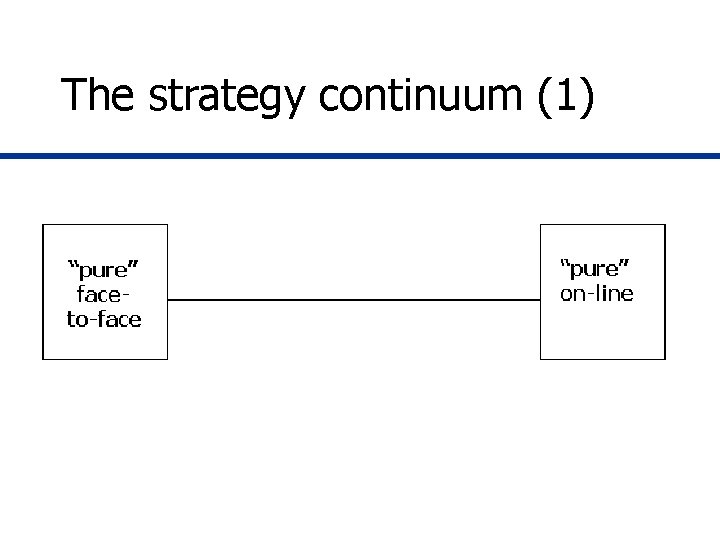
The strategy continuum (1)
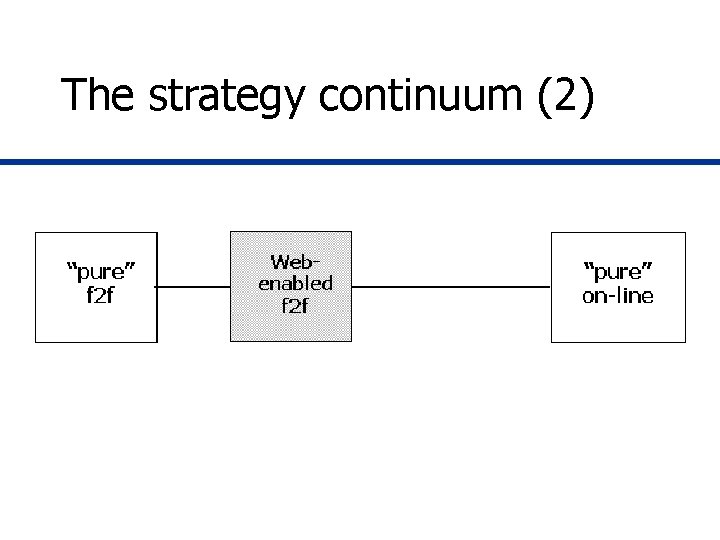
The strategy continuum (2)
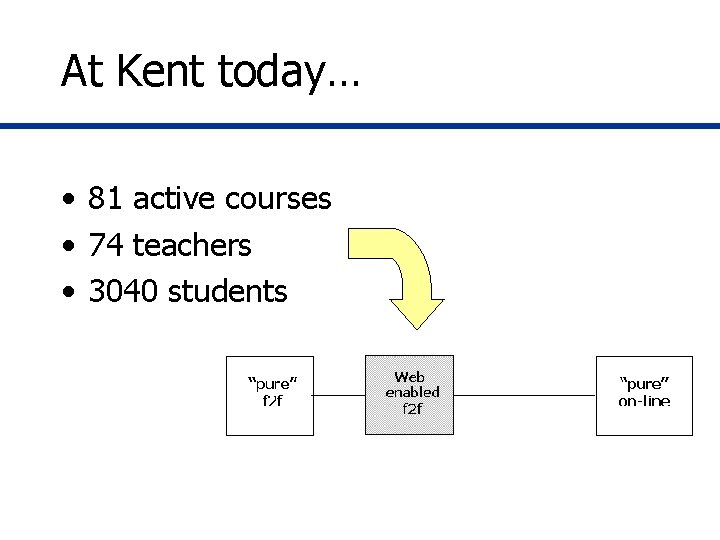
At Kent today… • 81 active courses • 74 teachers • 3040 students
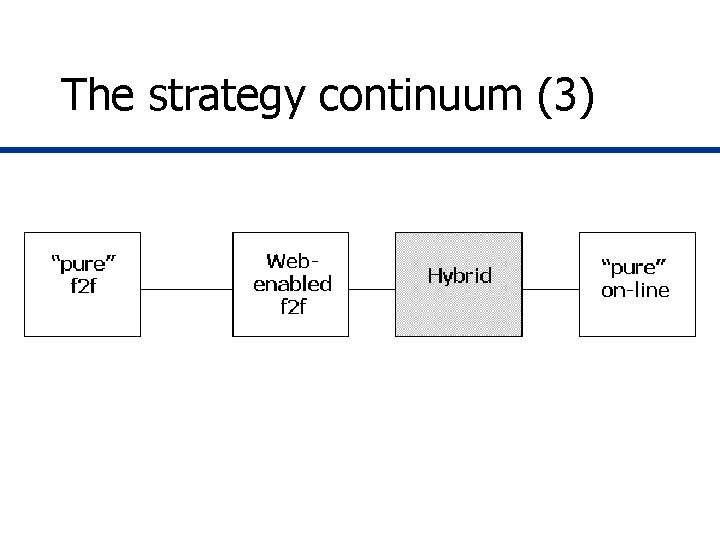
The strategy continuum (3)
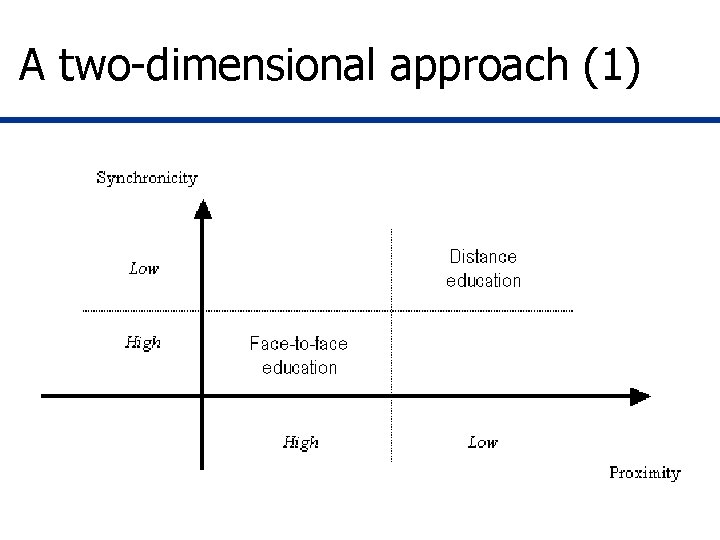
A two-dimensional approach (1)
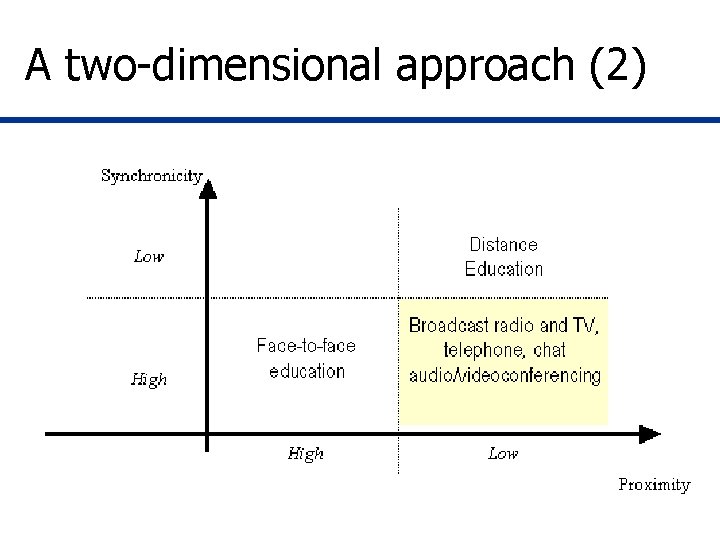
A two-dimensional approach (2)
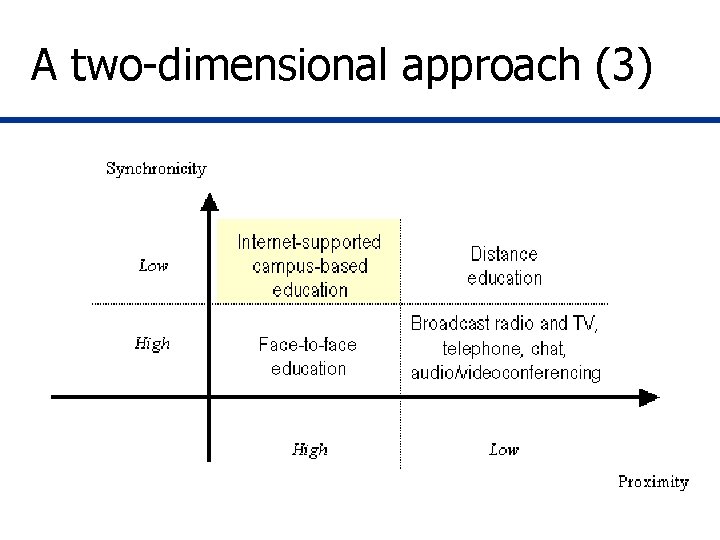
A two-dimensional approach (3)
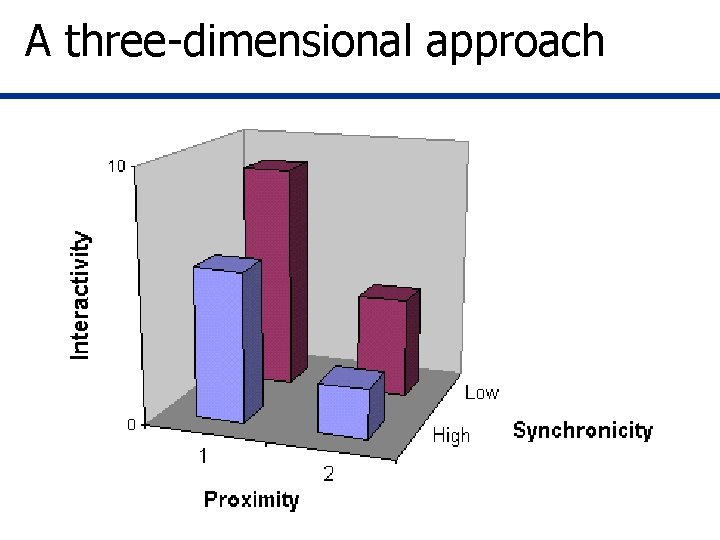
A three-dimensional approach
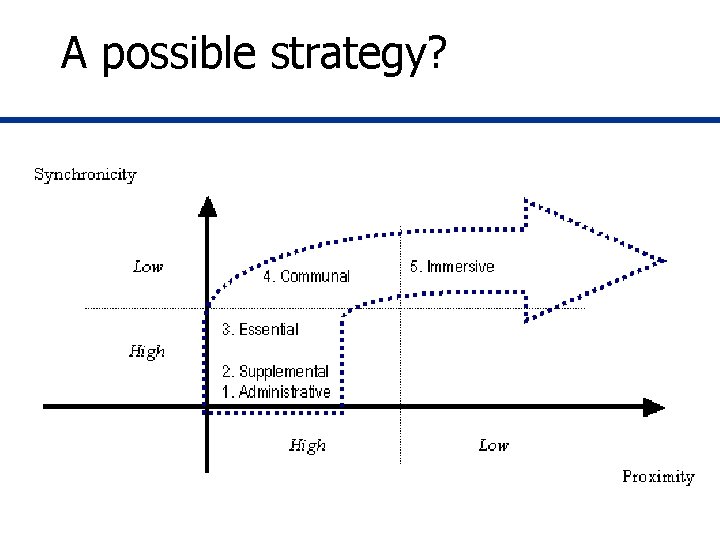
A possible strategy?
Final thoughts: appropriate technologies as agents of change (1) • E-learning is not limited to 'new forms of distance education'. • It enables a spectrum of models that combine f 2 f & online learning. • Each tool, old and new, should be used for what it does best for teachers and learners.
Final thoughts: appropriate technologies as agents of change (2) • The Internet is here to stay and will develop further: research-based teacher education programmes are needed to understand, adapt and incorporate new technologies as and where appropriate. • Appropriate e-learning models as agents of change and innovation in educational systems. • Clear rules needed by all: where is this institution going on the e-learning front?
Thank you Dr Alejandro Armellini Unit for the Enhancement of Learning and Teaching University of Kent C. A. Armellini@kent. ac. uk