
Egypt Characteristics of Civilization TEKS Objectives WH1 History
Egypt Characteristics of Civilization
TEKS Objectives • WH(1) History. The student understands traditional historical points of reference in word history – (A) Identify major causes and describe the major effects of the following events from 8000 BC to 500 BC: the development of agriculture and the development of the river value civilizations • WH(2) History. The student understands how early civilizations developed from 8000 BC to 500 BC. – (B) Identify the characteristics of civilizations – (C) Explain how the major river valley civilizations influenced the development o the classical civilizations • WH(15) Geography. The student understands the impact of geographic factors on major events and processes. – (A) Locate places and regions of historical significance directly related to major eras and turning points in world history – Analyze the influece of human physical geographic factors on major events in world history, including the development of river valley civilizations […]
TEKS Objectives • WH(17) Economics. The student understands the impact of the Neolithic and Industrial revolutions and globalization on humanity – (A) Identify important changes in human life caused by the Neolithic Revolution and the inudstrial Revolution – (B) Summarize the role of economics in driving political changes as related to the Neolithic Revolution and the Industrial Revolution • WH (19) Government. The student understands the characteristiics of major political systems throughout history. – (A) Identify the characteristics of monarchies and theocracies as forms of government in early civilizations • WH (24) Culture. The student understands the roles of women, children, and families in different historical culture – (A) Describe the changing roles of women, children, and families during major eras of world history

TEKS Objectives • WH (26) Culture. The student understands the relationship between the arts and the times during which they were created. – (A) Identify significant examples of art and architecture that demonstrate an artistic ideal or visual principle from selected cultures • WH (27) Science, technology, and society. The student understands how major scientific and mathematical discoveries and technological innovations affected societies prior to 1750 – (A) Identify the origin and diffusion of major ideas in mathematics, science, and technology that occurred in river valley civilizations, […]
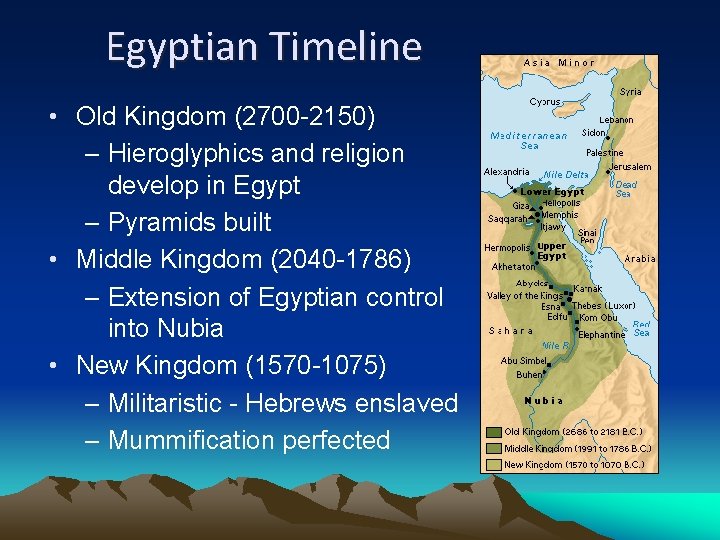
Egyptian Timeline • Old Kingdom (2700 -2150) – Hieroglyphics and religion develop in Egypt – Pyramids built • Middle Kingdom (2040 -1786) – Extension of Egyptian control into Nubia • New Kingdom (1570 -1075) – Militaristic - Hebrews enslaved – Mummification perfected
Politics • The pharaoh was the absolute monarch of the country • Pharaoh was a God-King • The pharaoh was the supreme military commander and head of the government • Relied on a bureaucracy of officials to manage his affairs.
Politics • Ancient Egypt was also a theocracy, controlled by the clergy. • The Pharaoh¹s advisors and ministers were almost always priests, who were considered the only ones worthy and able to carry out the god-king¹s commands.
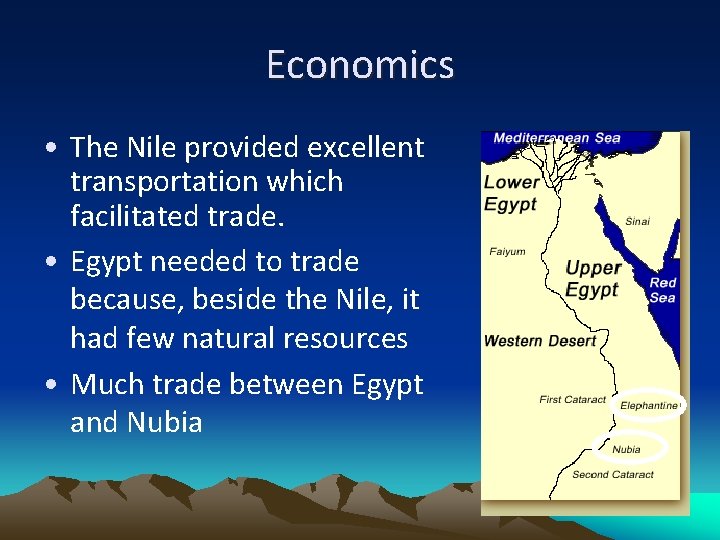
Economics • The Nile provided excellent transportation which facilitated trade. • Egypt needed to trade because, beside the Nile, it had few natural resources • Much trade between Egypt and Nubia
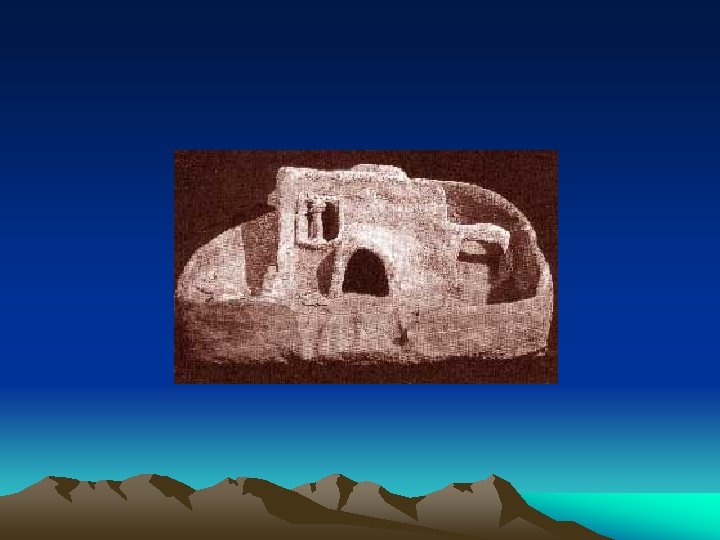
Daily Life • Homes – Close to the Nile – Made of mud bricks – Usually 2 -3 stories high to avoid flooding
Daily Life • Religion – Ancient Egyptians practiced a polytheistic, animistic religion.
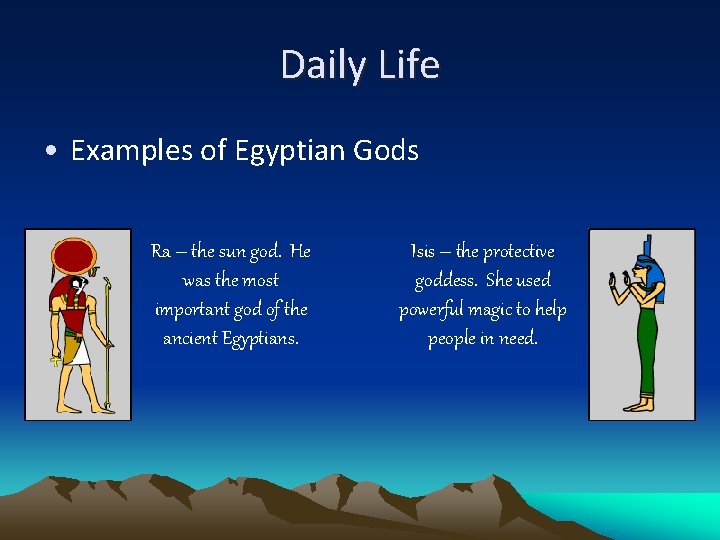
Daily Life • Examples of Egyptian Gods Ra – the sun god. He was the most important god of the ancient Egyptians. Isis – the protective goddess. She used powerful magic to help people in need.
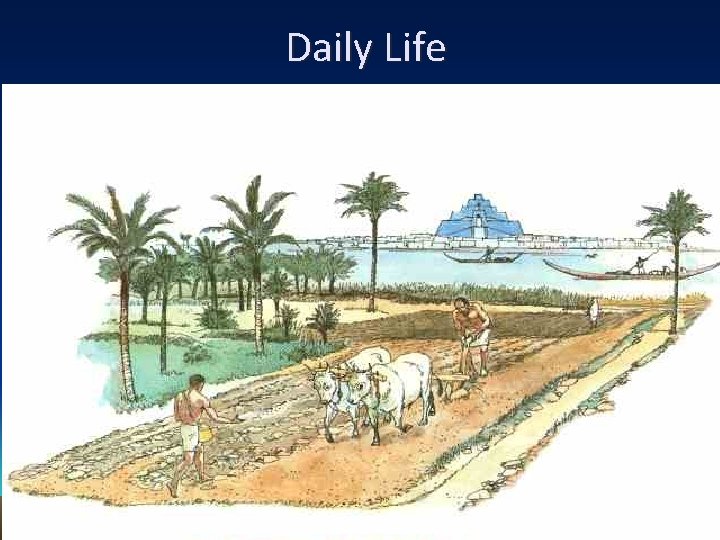
Daily Life • Food & Agriculture – Most common job was farming – Depended on crops – Wheat and barley used to make beer and bread – Ate beef, pork, mutton, fowl and wild game meat – The commoners ate fish as a substitution for meat
Daily Life
Daily Life • Family & Gender – For the ancient Egyptians, the prime purpose of marriage was to establish a family. – A suitable age for men to be married is at the age of 20. – Egypt’s society was typically male-dominated. – Upper-class men often became scribes or priests. – Lower-class man often were farmers, hunters, potters, or craftsmen.
Daily Life • Family & Gender – Women took care of the daily needs of their family. – Women were able to own property and celebrated more rights than women from Mesopotamia
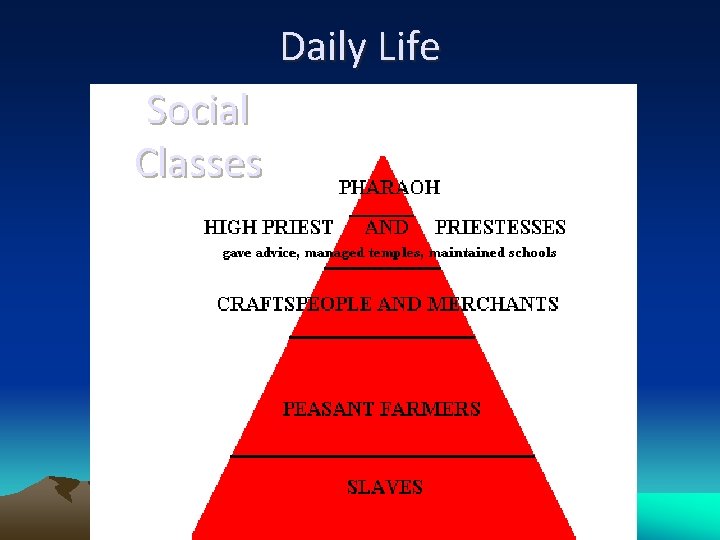
Daily Life Social Classes
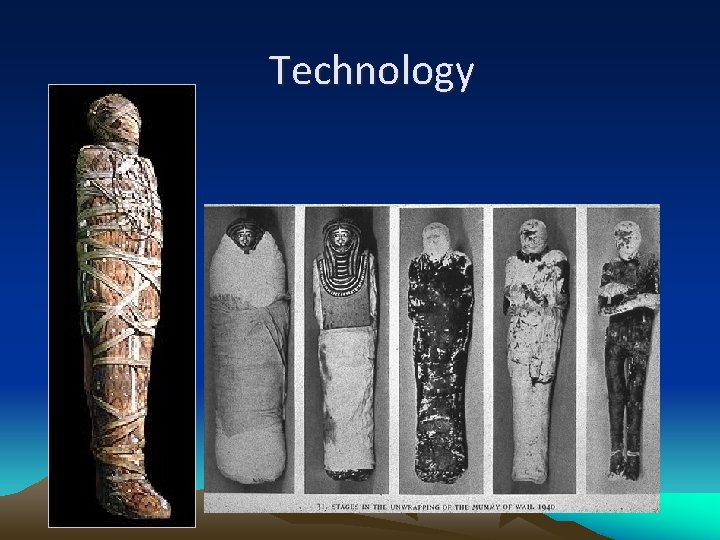
Technology • Mummification: Process of embalming & drying corpses to prevent them from decaying. • Ancient Egyptians believed in an afterlife. They mummified the body so the soul could return later.
Technology
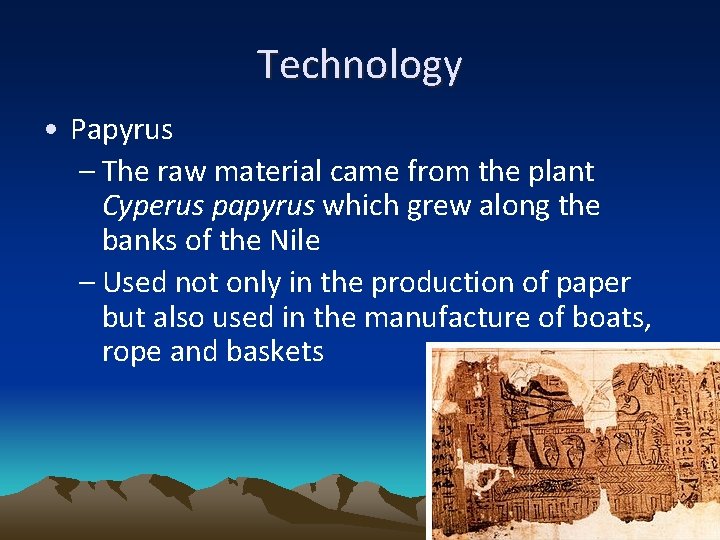
Technology • Papyrus – The raw material came from the plant Cyperus papyrus which grew along the banks of the Nile – Used not only in the production of paper but also used in the manufacture of boats, rope and baskets
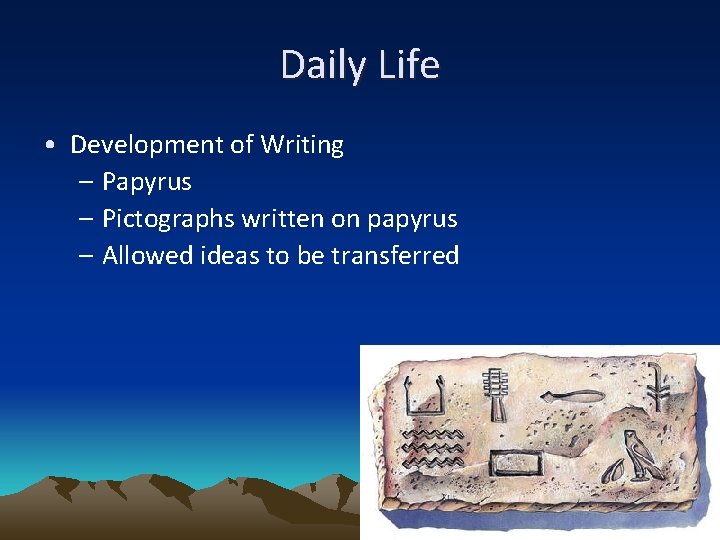
Daily Life • Development of Writing – Papyrus – Pictographs written on papyrus – Allowed ideas to be transferred
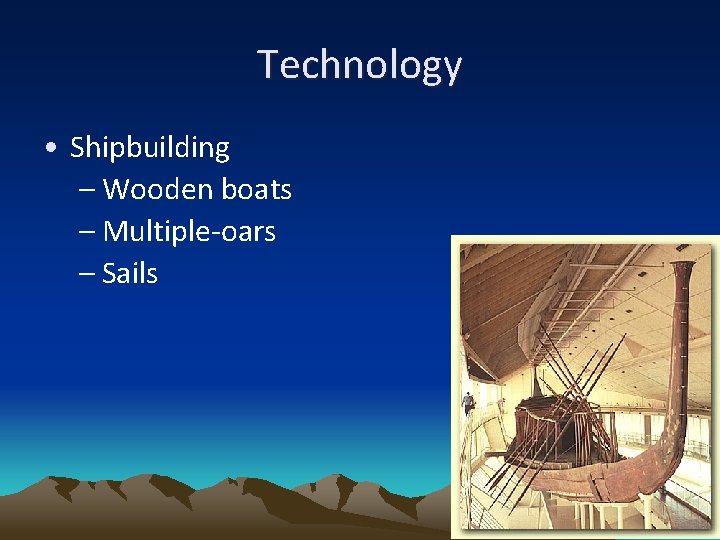
Technology • Shipbuilding – Wooden boats – Multiple-oars – Sails
Architecture • Why build the pyramids? • Belief in the afterlife • The need to protect the bodies demanded good burial tombs • First were mastabas, then came pyramids
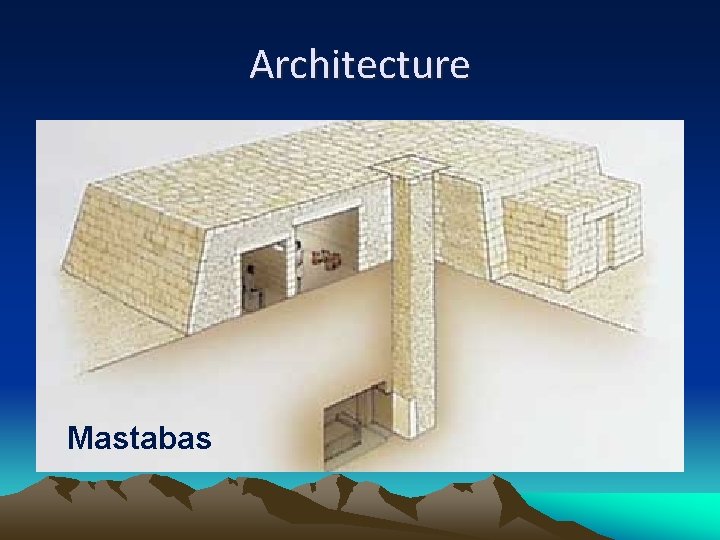
Architecture Mastabas
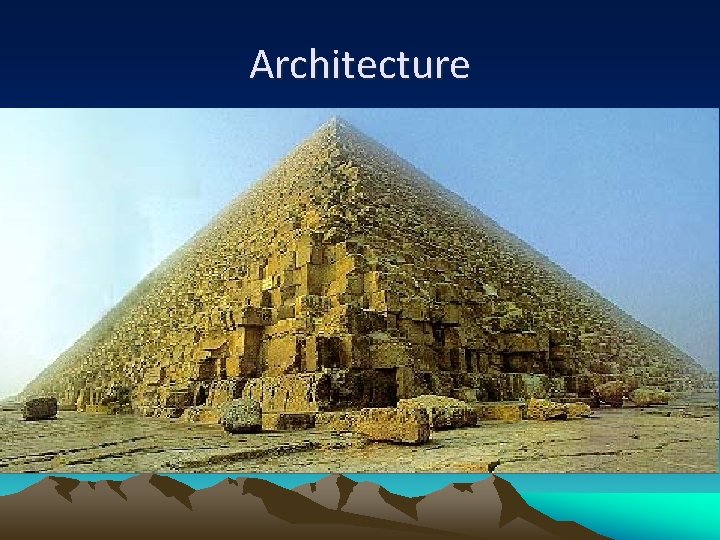
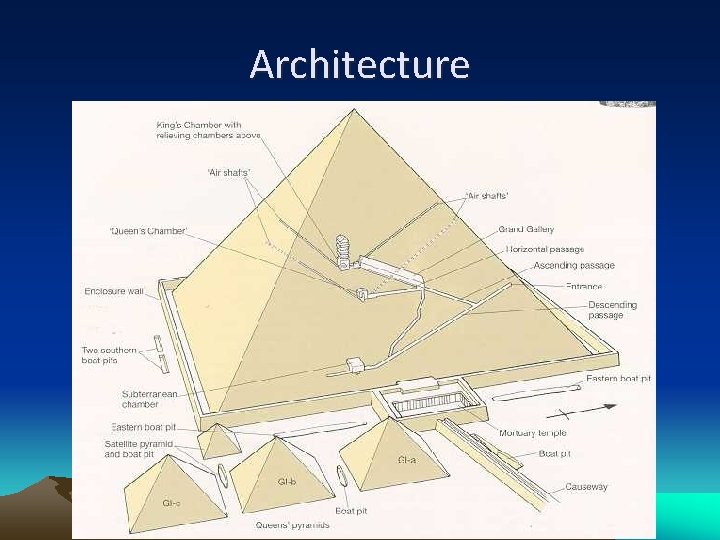
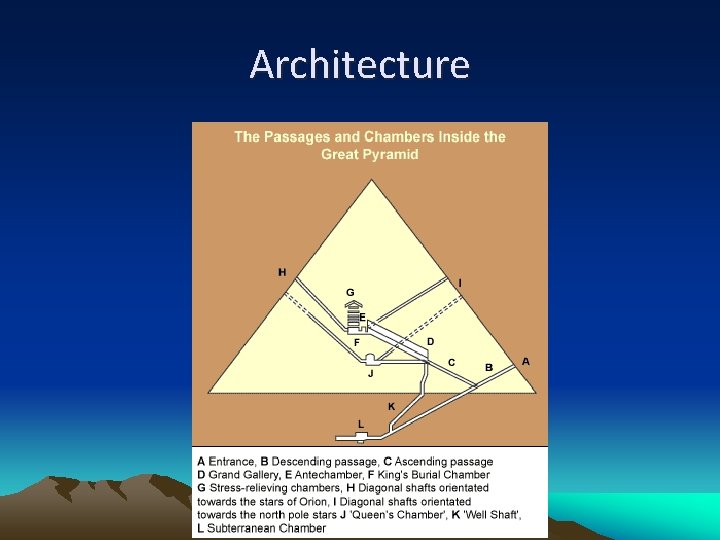
Architecture • The Great Pyramid – Tomb for Khufu – -------------------– An almost perfect square (deviation. 05%) – Orientation is exactly North, South, East West – 2, 300, 000 blocks, 500 ft high – 20 years to build – Average block weighs 2. 5 tons • Some weigh 9 tons!
Architecture
Architecture
Architecture
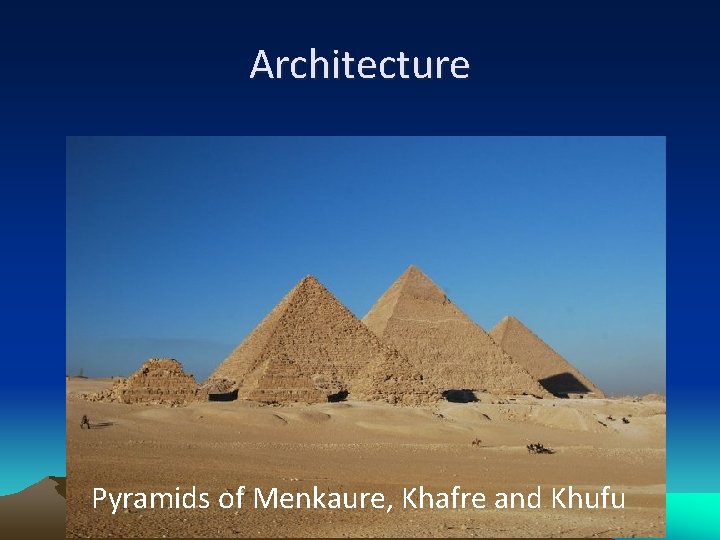
Architecture Pyramids of Menkaure, Khafre and Khufu
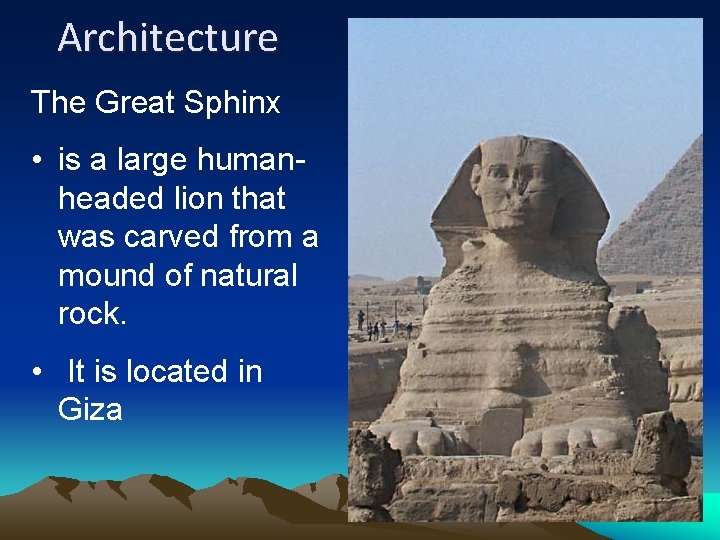
Architecture The Great Sphinx • is a large humanheaded lion that was carved from a mound of natural rock. • It is located in Giza
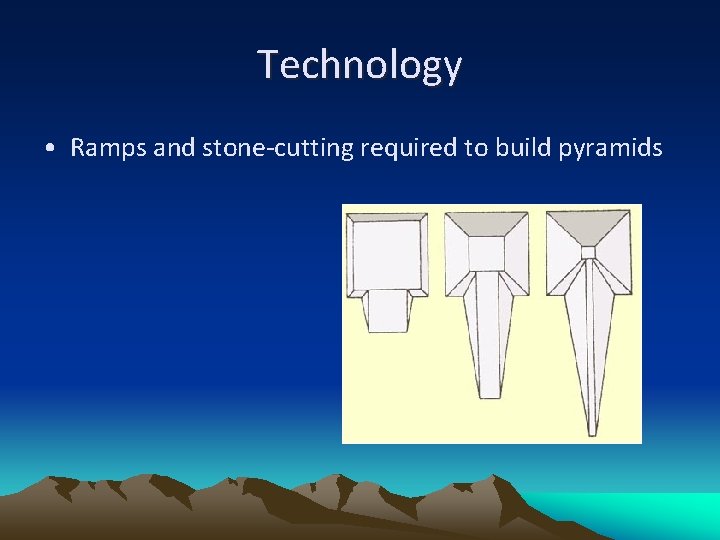
Technology • Ramps and stone-cutting required to build pyramids
Technology • Medicine • Egyptian medical practice went largely unchanged and was highly advanced for its time • Created first medical texts (7 medical books) • First surgeons in history • Drugs from plant, mineral and animal
Geography
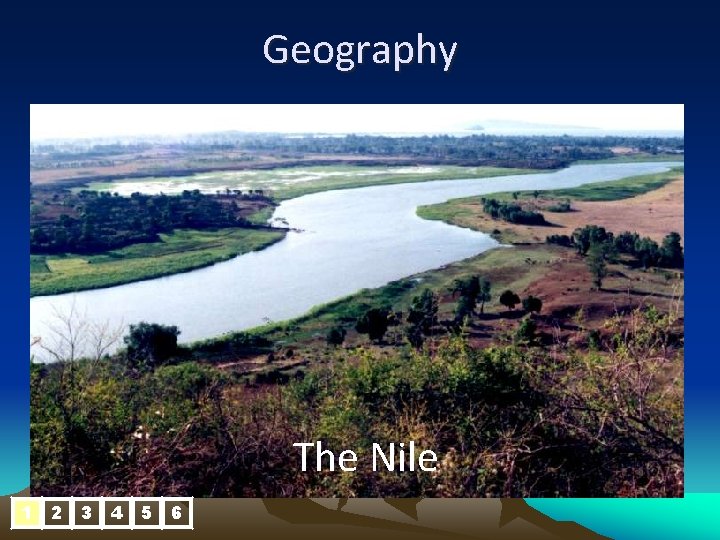
Geography The Nile 1 2 3 4 5 6
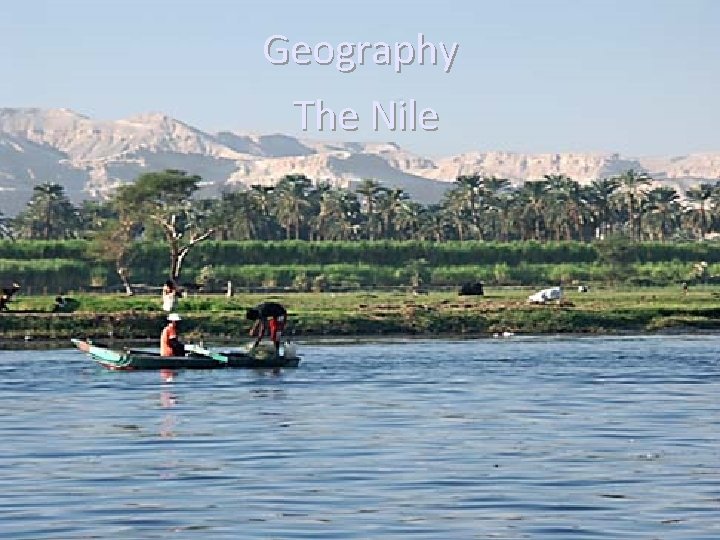
Geography The Nile
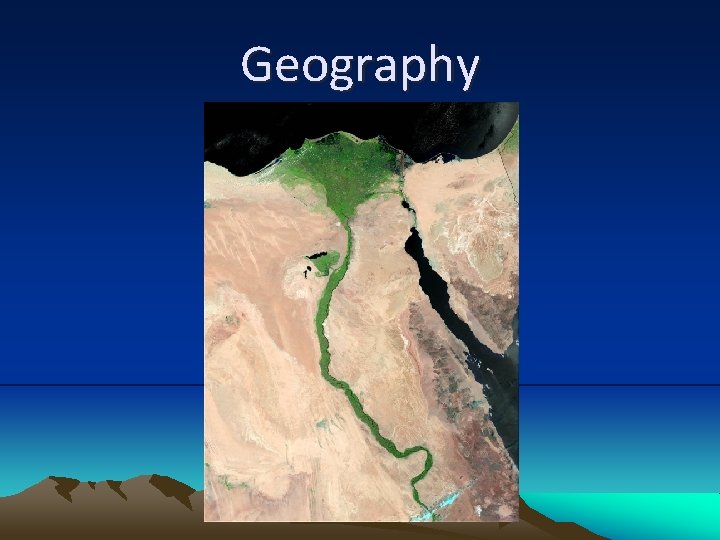
Geography • Egypt- located in North Africa near Mediterranean sea, Red Sea, near Sinai peninsula. • Desert climate
Geography • The Nile – Yearly flooding • Irrigation systems • Encouraged trade, communication, political unity
- Slides: 37