
Effetto fotoelettrico Reticolo cubico semplice Sir William Henry
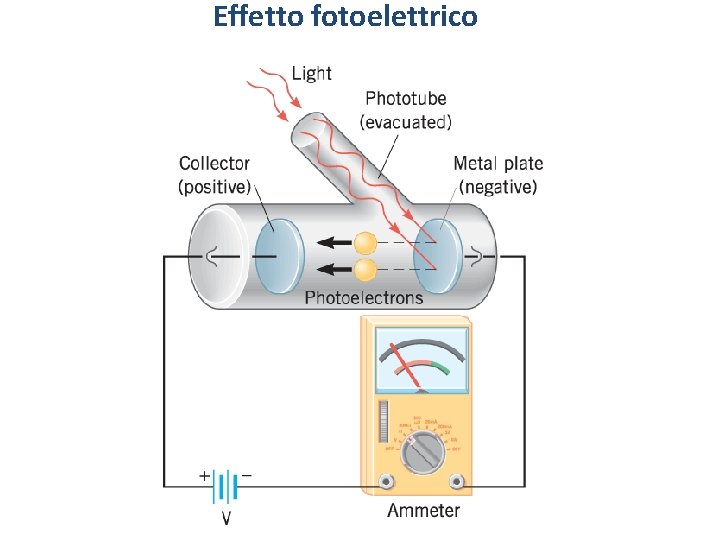
Effetto fotoelettrico
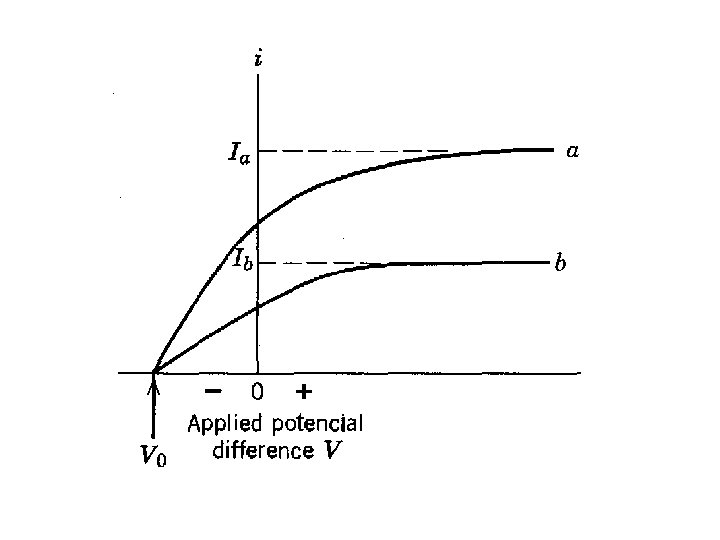
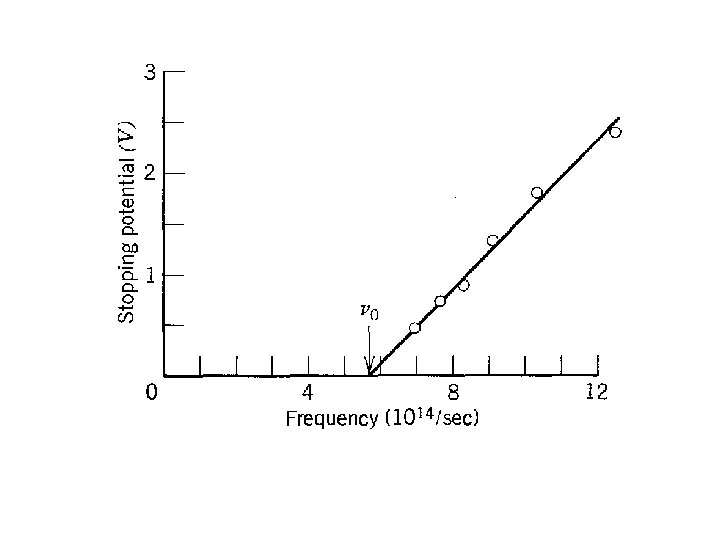
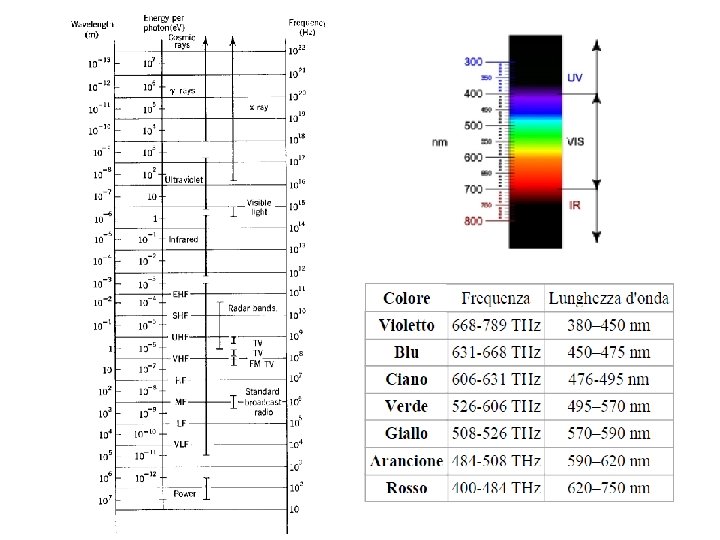
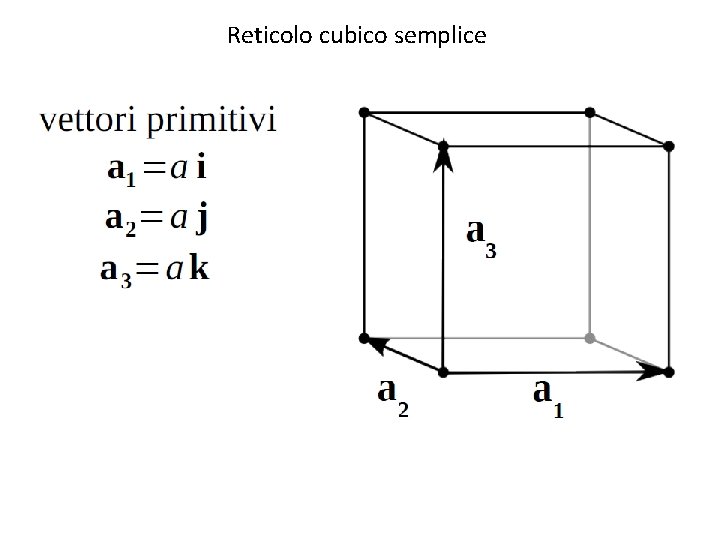
Reticolo cubico semplice
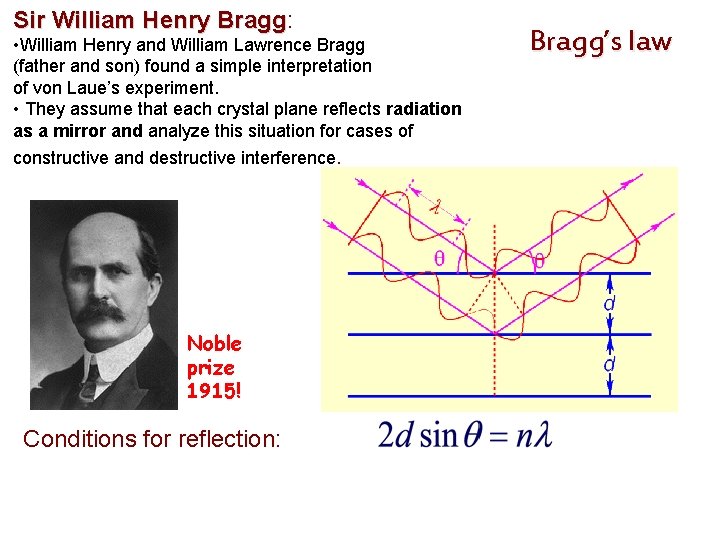
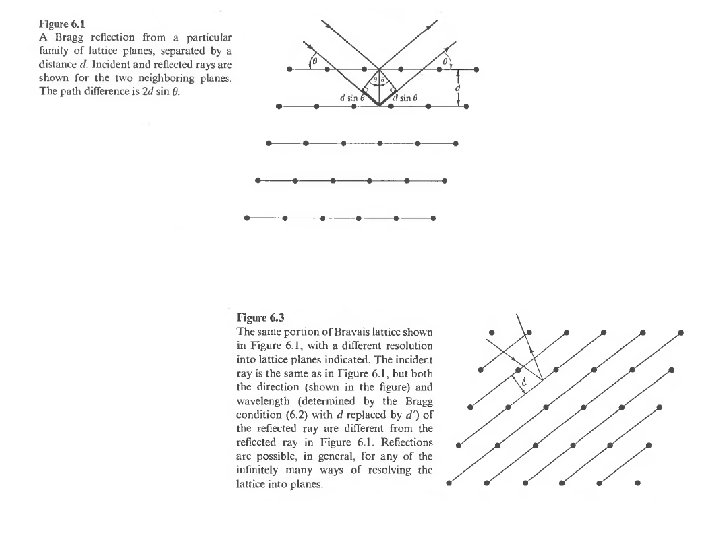
Sir William Henry Bragg: Bragg • William Henry and William Lawrence Bragg (father and son) found a simple interpretation of von Laue’s experiment. • They assume that each crystal plane reflects radiation as a mirror and analyze this situation for cases of constructive and destructive interference. Noble prize 1915! Conditions for reflection: Bragg’s law
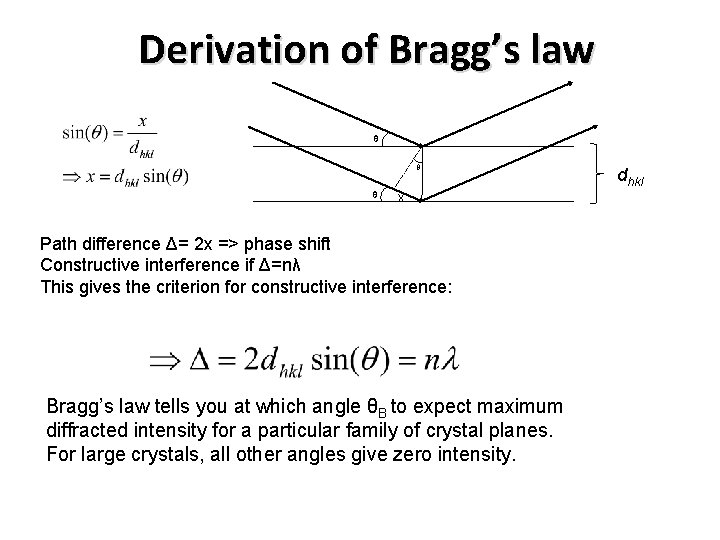
Derivation of Bragg’s law θ θ θ x Path difference Δ= 2 x => phase shift Constructive interference if Δ=nλ This gives the criterion for constructive interference: Bragg’s law tells you at which angle θB to expect maximum diffracted intensity for a particular family of crystal planes. For large crystals, all other angles give zero intensity. dhkl
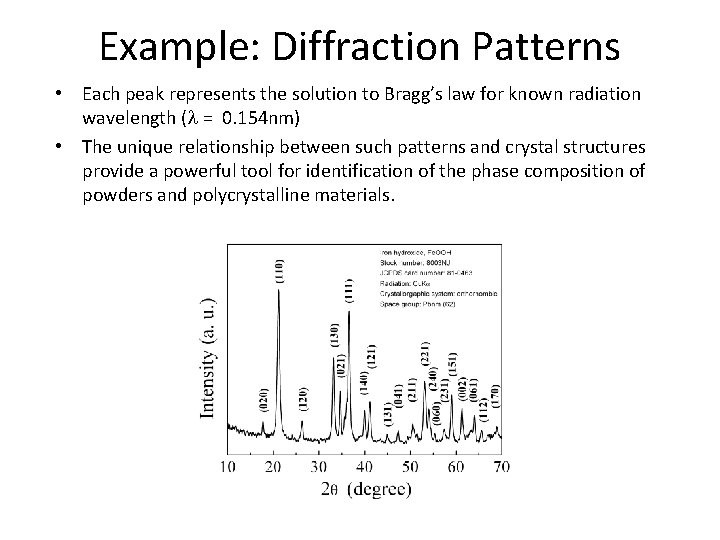
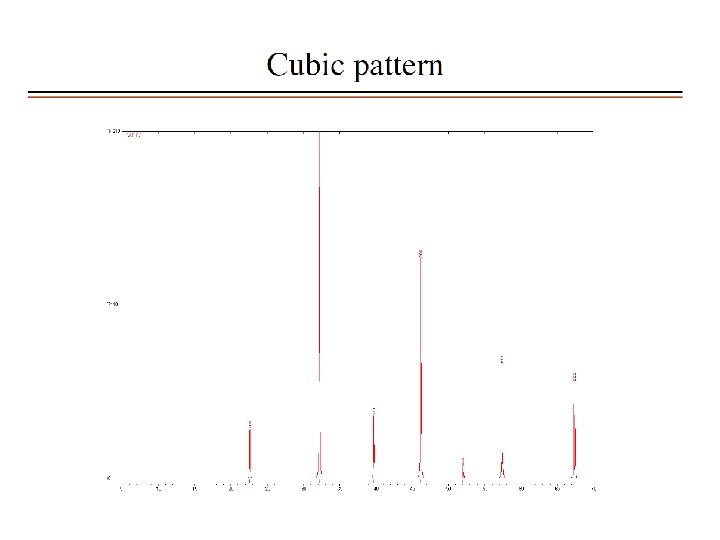
Example: Diffraction Patterns • Each peak represents the solution to Bragg’s law for known radiation wavelength (l = 0. 154 nm) • The unique relationship between such patterns and crystal structures provide a powerful tool for identification of the phase composition of powders and polycrystalline materials.
Effetto Compton
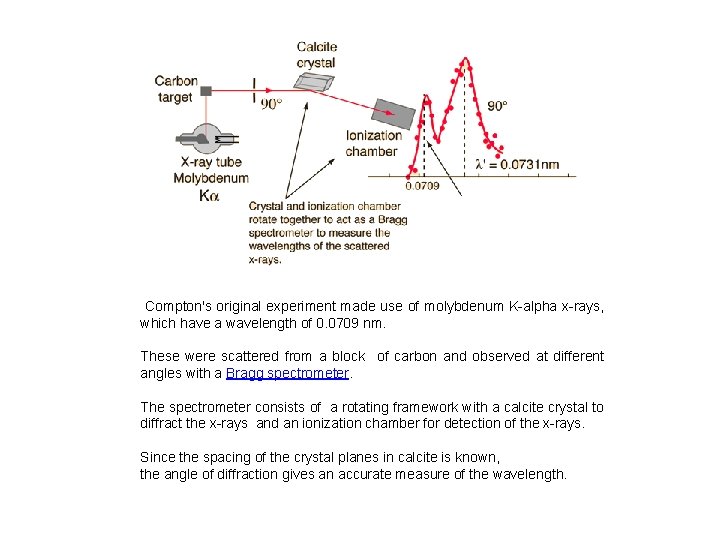
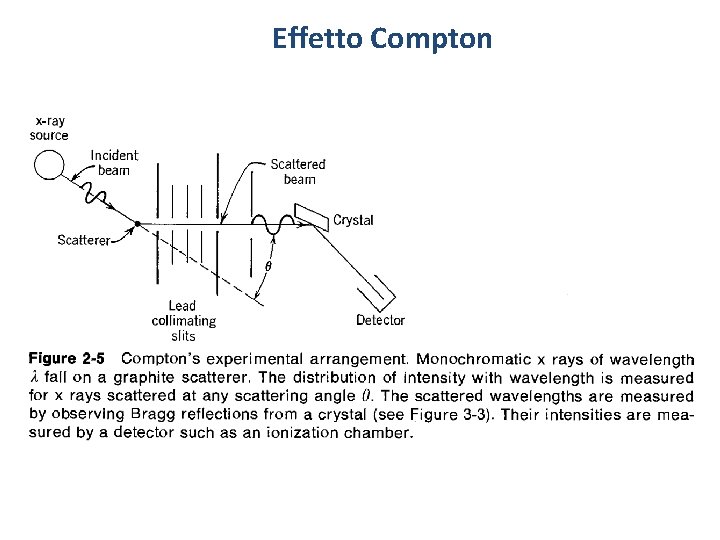
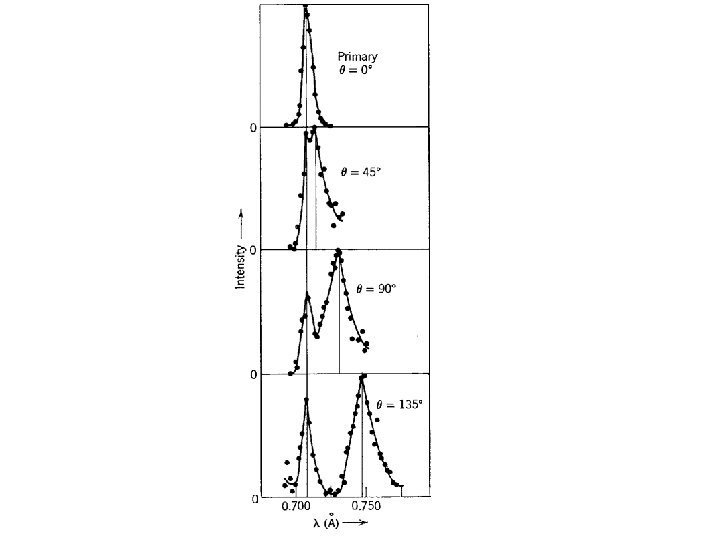
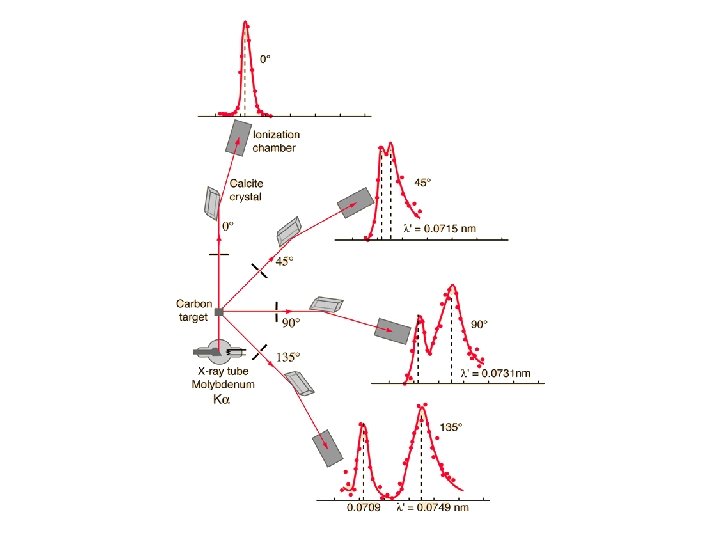
Compton's original experiment made use of molybdenum K-alpha x-rays, which have a wavelength of 0. 0709 nm. These were scattered from a block of carbon and observed at different angles with a Bragg spectrometer. The spectrometer consists of a rotating framework with a calcite crystal to diffract the x-rays and an ionization chamber for detection of the x-rays. Since the spacing of the crystal planes in calcite is known, the angle of diffraction gives an accurate measure of the wavelength.
- Slides: 22