
Effects Of Bile Acid Sequestration On Bile Acid

Effects Of Bile Acid Sequestration On Bile Acid Profile And Bile Acid Signaling Invited Speaker: Peizhen Song, Ph. D/MD 4 th Global Summit on Toxicology Philadelphia, PA, USA Aug. 24 -26, 2015

Bile Acid Sequestrant (BAS) or Resin Ø Cholesterol-lowering drugs BASs: - Cholestyramine (Questran, 1973), - Colesevelam (Welchol, 2000) Ø BASs Novel Utilities: Glycemic Control in T 2 D Patients In 2008, USA FDA Approved BASs as a Conjunct Medicine for the Treatment of T 2 D. 2
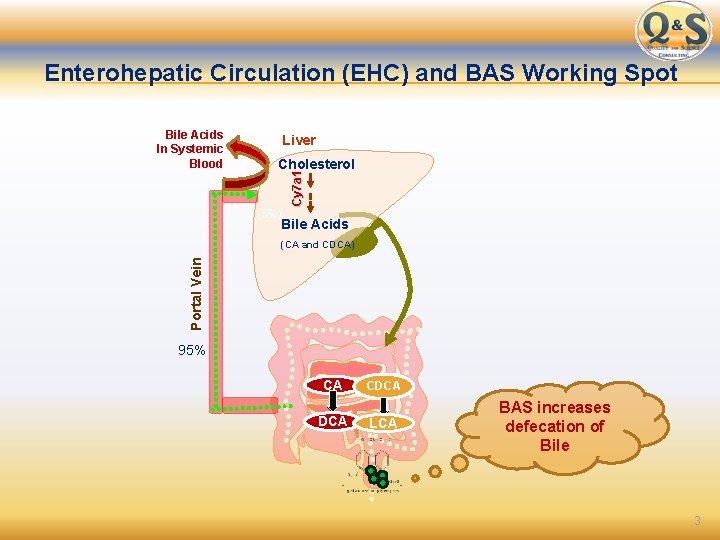
Enterohepatic Circulation (EHC) and BAS Working Spot Liver Cholesterol Cy 7 a 1 Bile Acids In Systemic Blood (5%) Bile Acids Portal Vein (CA and CDCA) 95% CA CDCA LCA BAS increases defecation of Bile 3
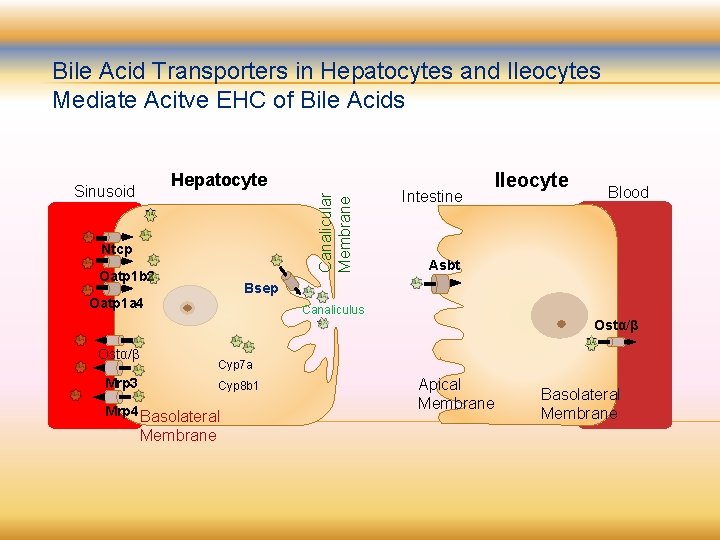
Bile Acid Transporters in Hepatocytes and Ileocytes Mediate Acitve EHC of Bile Acids Canalicular Membrane Hepatocyte Sinusoid Ntcp Oatp 1 b 2 Intestine Ileocyte Blood Asbt Bsep Oatp 1 a 4 Canaliculus Ostα/β Cyp 7 a Mrp 3 Cyp 8 b 1 Mrp 4 Basolateral Membrane Apical Membrane Basolateral Membrane

Bile Acids and Their Physiological Function Bile Acids: Classic Physiological Functions Ø Facilitate: • The absorption of dietary fat • The elimination of cholesterol and some xenobiotics Bile Acids: Novel Functions: Hormones ØRegulate: • Homeostasis of cholesterol, bile acids, fatty acids, and glucose via activation of FXR, TGR 5, etc.
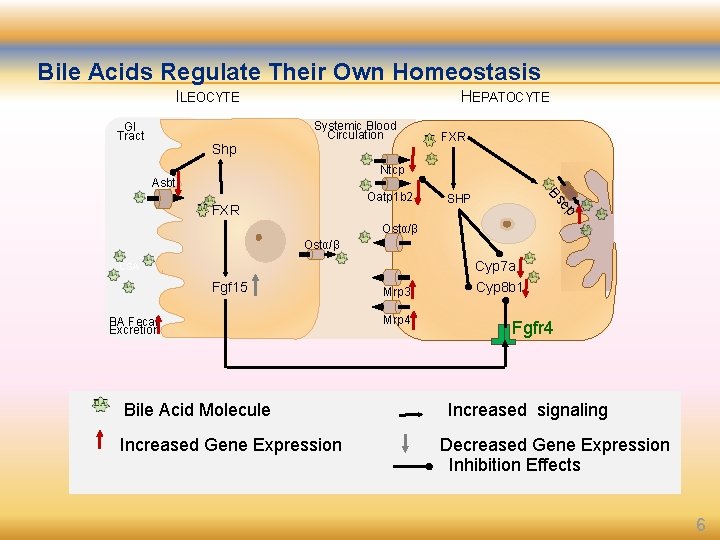
Bile Acids Regulate Their Own Homeostasis ILEOCYTE GI Tract Shp HEPATOCYTE Systemic Blood Circulation FXR Ntcp Asbt SHP ep Bs Oatp 1 b 2 FXR Ostα/β CSA Fgf 15 BA Fecal Excretion Bile Acid Molecule Increased Gene Expression Mrp 3 Mrp 4 Cyp 7 a Cyp 8 b 1 Fgfr 4 Increased signaling Decreased Gene Expression Inhibition Effects 6
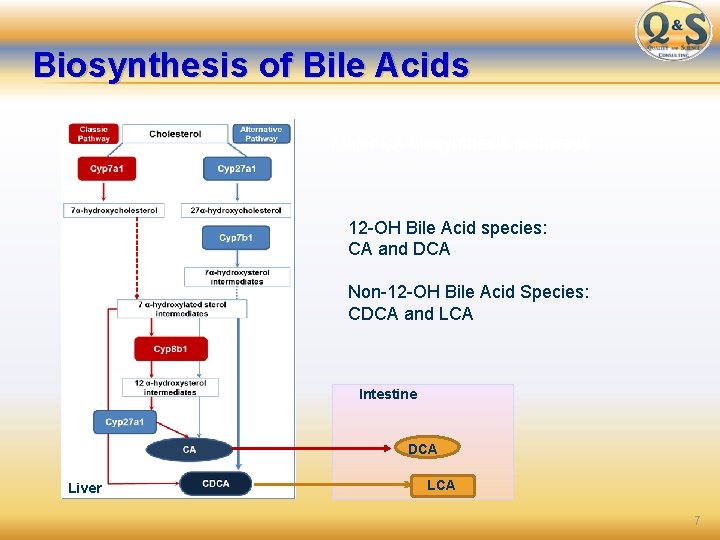
Biosynthesis of Bile Acids Major BA biosynthesis pathways 12 -OH Bile Acid species: CA and DCA Non-12 -OH Bile Acid Species: CDCA and LCA Intestine DCA Liver LCA 7
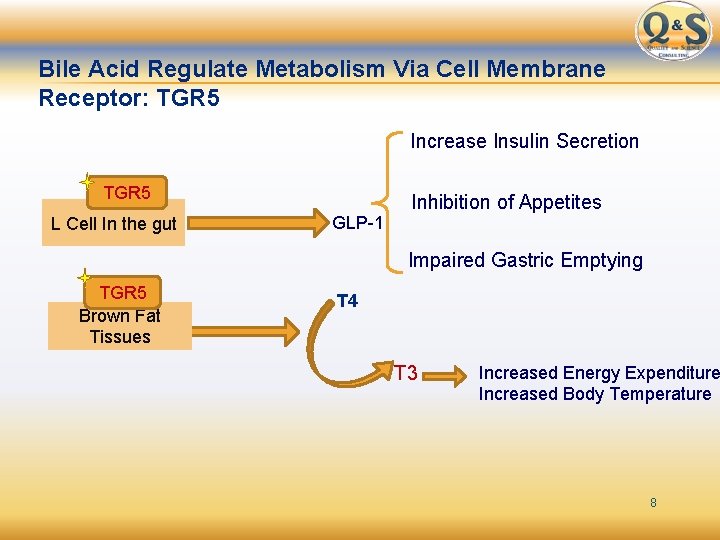
Bile Acid Regulate Metabolism Via Cell Membrane Receptor: TGR 5 Increase Insulin Secretion TGR 5 L Cell In the gut Inhibition of Appetites GLP-1 Impaired Gastric Emptying TGR 5 Brown Fat Tissues T 4 T 3 Increased Energy Expenditure Increased Body Temperature 8
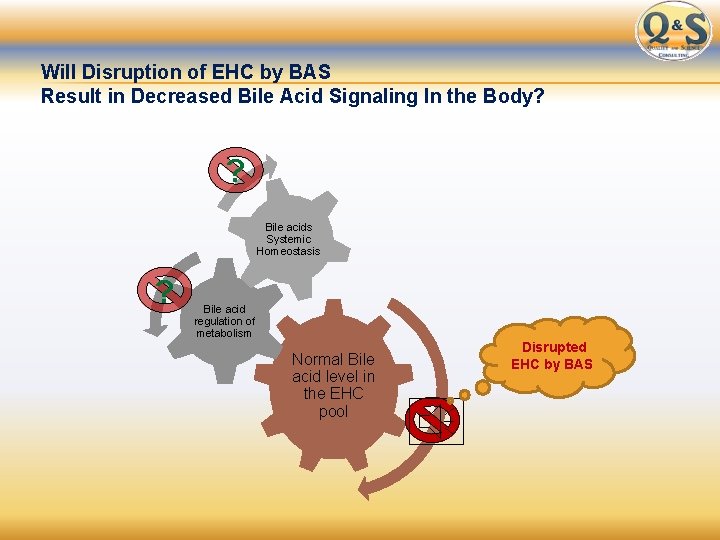
Will Disruption of EHC by BAS Result in Decreased Bile Acid Signaling In the Body? ? Bile acids Systemic Homeostasis ? Bile acid regulation of metabolism Normal Bile acid level in the EHC pool Disrupted EHC by BAS
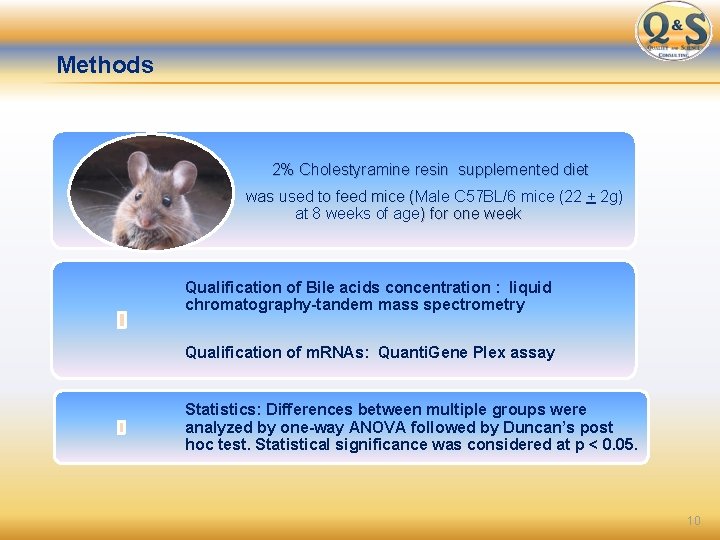
Methods 2% Cholestyramine resin supplemented diet was used to feed mice (Male C 57 BL/6 mice (22 + 2 g) ( at 8 weeks of age) for one week Qualification of Bile acids concentration : liquid chromatography-tandem mass spectrometry Qualification of m. RNAs: Quanti. Gene Plex assay Statistics: Differences between multiple groups were analyzed by one-way ANOVA followed by Duncan’s post hoc test. Statistical significance was considered at p < 0. 05. 10
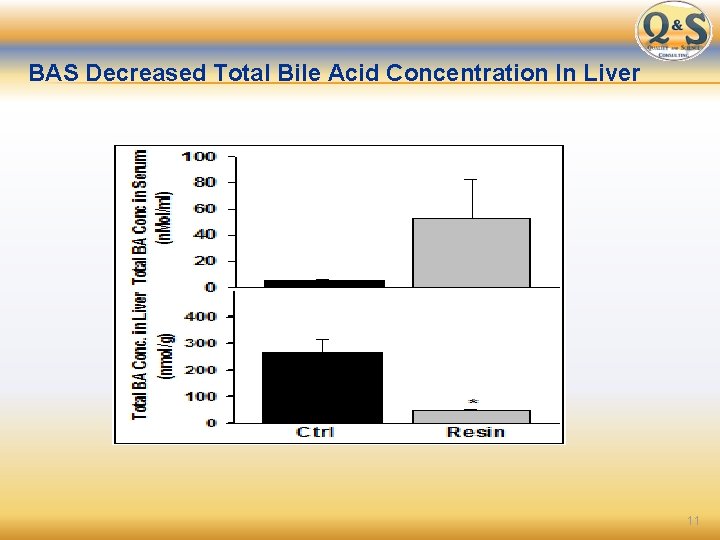
BAS Decreased Total Bile Acid Concentration In Liver 11
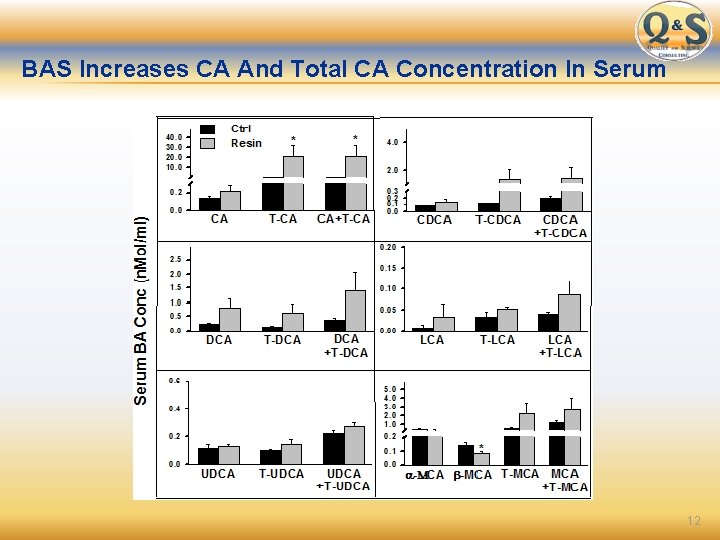
BAS Increases CA And Total CA Concentration In Serum 12

BAS Decreased Bile Acid Concentrations In Liver 13
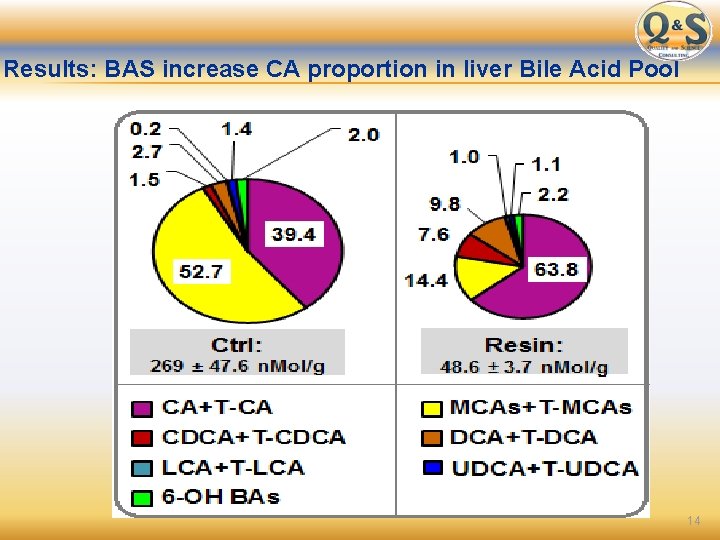
Results: BAS increase CA proportion in liver Bile Acid Pool 14
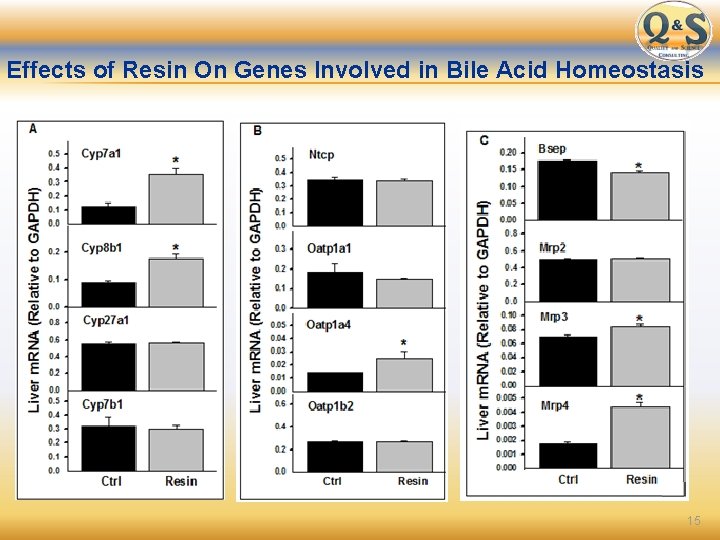
Effects of Resin On Genes Involved in Bile Acid Homeostasis 15
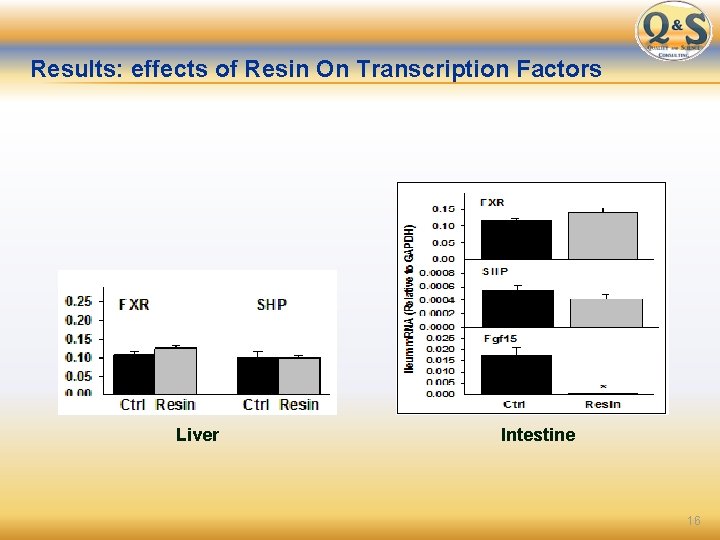
Results: effects of Resin On Transcription Factors Liver Intestine 16
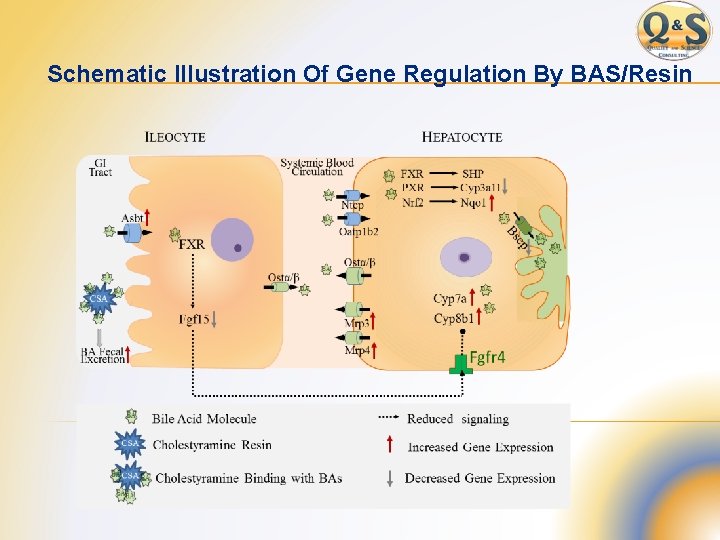
Schematic Illustration Of Gene Regulation By BAS/Resin
Peizhen Song Highlights Of The Study: Ø The BAS Decreases Bile Acid Signaling inside EHC system (including the ileum and the liver) Ø The BAS Increased Bile Acid Concentration In Systemic Blood which may be responsible for increased metabolism of lipid and glucose. Ø The data suggest a possible third mechanisms for the Cholesterol-Lowering drug BASs: BAS increases the blood CA concentration, which can activate TGR 5 causing increased metabolism of Sugar and Lipids. 18
Acknowledgements Quality & Science Consulting: • Boj Kong, Ph. D • Ryan Wiley M. S University of Kansas, School of Medicine: • • • Dr. Sara Li Dr. Johnason Li Fang Fan, Ph. D/MD 19

4 th Global Summit on Toxicology Effects Of Bile Acid Sequestration On Bile Acid Profile And Bile Acid Signaling ----The Bile Acid Sequestrant Decrease Bile Acid Signaling in the EHC, But Enhances Systemic Bile Acid Signaling Invited Speaker: Peizhen Song, Ph. D/MD
- Slides: 20