
Effective Teaching Skills for Adult Learners James Graham

- Slides: 24
Effective Teaching Skills for Adult Learners James Graham, M. D. November 17, 2020
Teaching Doesn’t Necessarily Mean Learning
What are the key issues when teaching adult learners?
Andragogy • Self concept/need to know: does the topic mesh with learner goals/self concept; relevance • Role of learner experiences/timeliness: adjusting topic/depth to learners previous experiences • Theory to practice/application: adult learners learn better when they see the application to practice • Active learner participation/problem oriented: Problem oriented/case based rather than content oriented
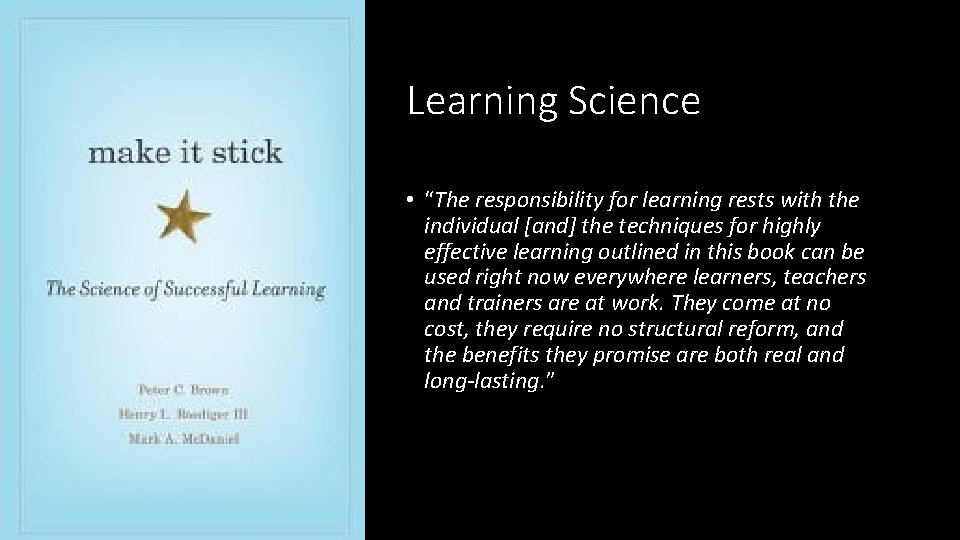
Learning Science • “The responsibility for learning rests with the individual [and] the techniques for highly effective learning outlined in this book can be used right now everywhere learners, teachers and trainers are at work. They come at no cost, they require no structural reform, and the benefits they promise are both real and long-lasting. ”
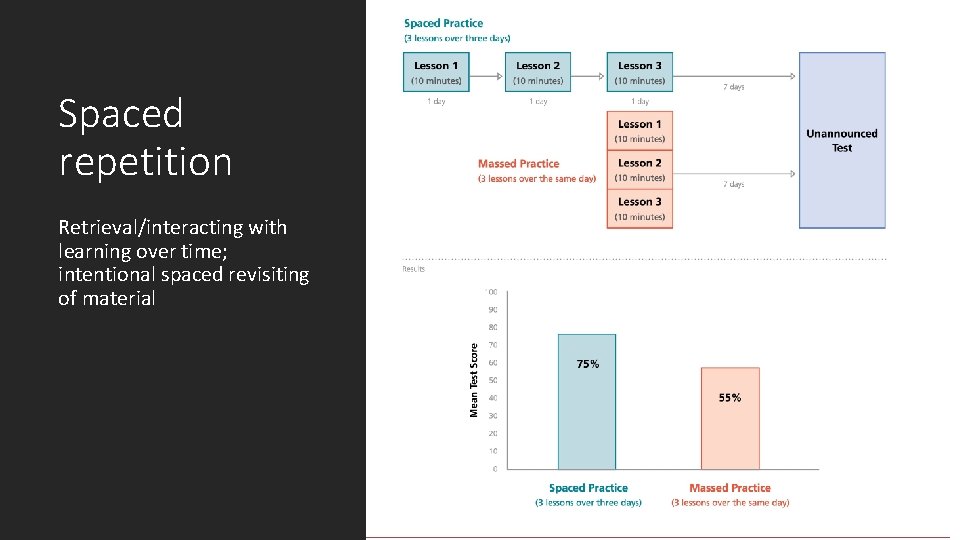
The Myths We Believe about Learning • Mindless repetition by itself isn’t necessarily effective • Timing, quality, and type of repetition are very important • Fluency isn’t the same as deep understanding • Just because we can repeat something doesn’t mean we understand it, Feynman technique • Rereading and massed practice are common, but less effective strategies • Massed practice = cramming, not very effective
”Good learning is active learning” • What is it? • How do we do it?
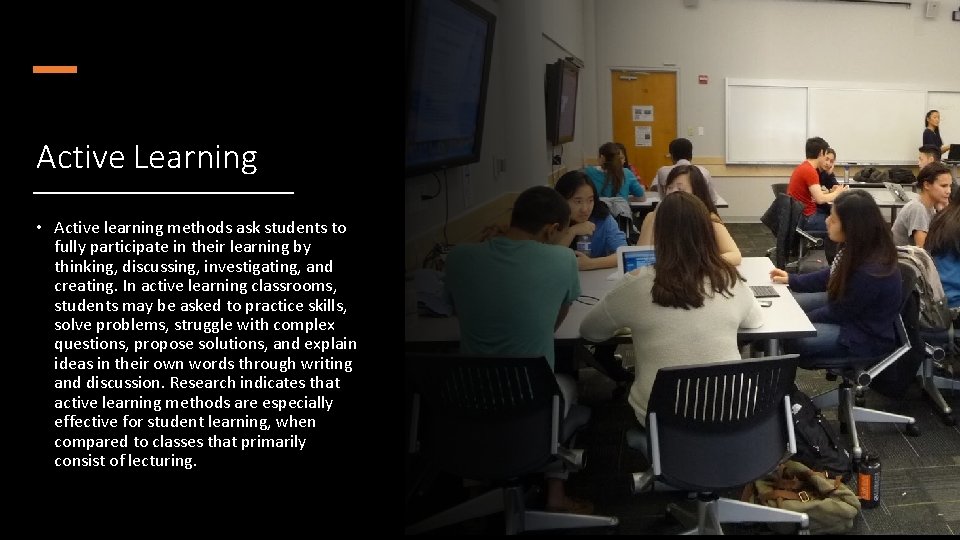
Active Learning • Active learning methods ask students to fully participate in their learning by thinking, discussing, investigating, and creating. In active learning classrooms, students may be asked to practice skills, solve problems, struggle with complex questions, propose solutions, and explain ideas in their own words through writing and discussion. Research indicates that active learning methods are especially effective for student learning, when compared to classes that primarily consist of lecturing.
https: //www. youtube. com/watch? v=FUY 049 r. Ijd. M
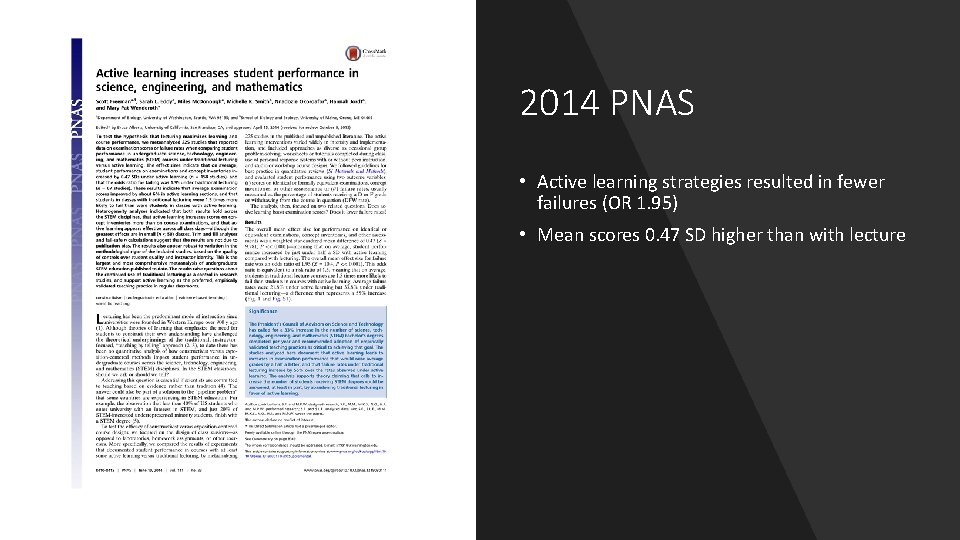
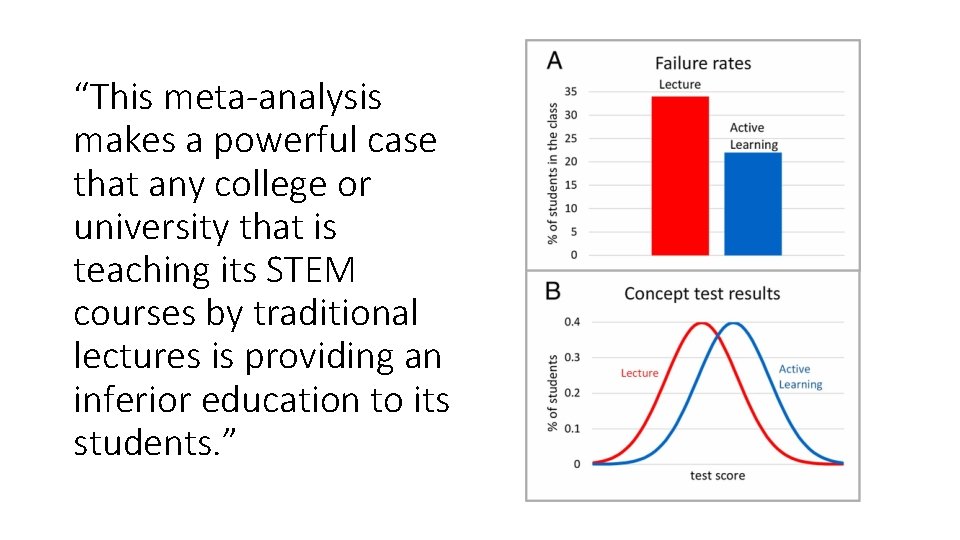
2014 PNAS • Active learning strategies resulted in fewer failures (OR 1. 95) • Mean scores 0. 47 SD higher than with lecture
“This meta-analysis makes a powerful case that any college or university that is teaching its STEM courses by traditional lectures is providing an inferior education to its students. ”
To learn, retrieve. • Questions are perhaps the most powerful learning tool. • Deliberate retrieval improves long term retention; and the more difficult, the stronger the effect. • Clickers, quizzes, low stakes formative assessment: think of it as a learning tool, not an exam
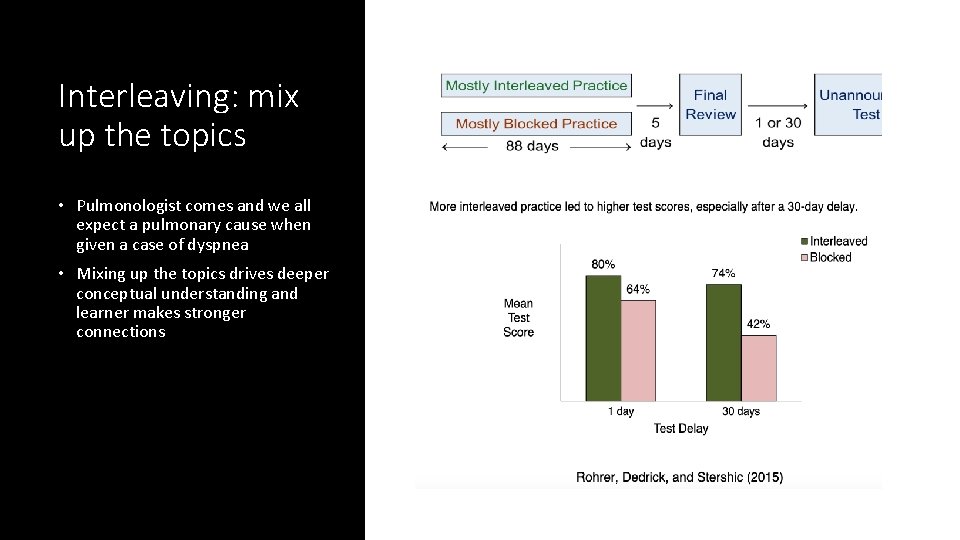
Interleaving: mix up the topics • Pulmonologist comes and we all expect a pulmonary cause when given a case of dyspnea • Mixing up the topics drives deeper conceptual understanding and learner makes stronger connections
Spaced repetition Retrieval/interacting with learning over time; intentional spaced revisiting of material
Think Pair Share How can you use these strategies in medical education to make learning more effective?
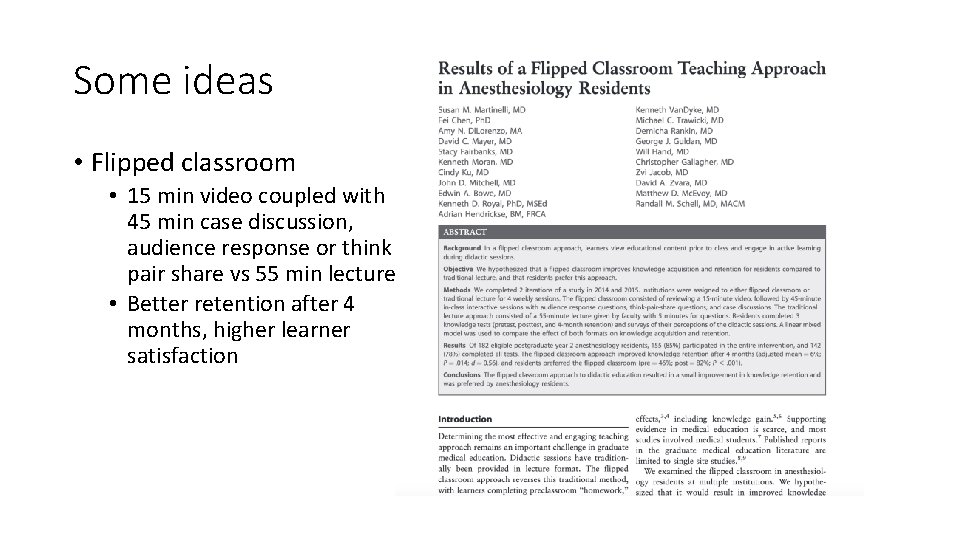
Some ideas • Flipped classroom • 15 min video coupled with 45 min case discussion, audience response or think pair share vs 55 min lecture • Better retention after 4 months, higher learner satisfaction
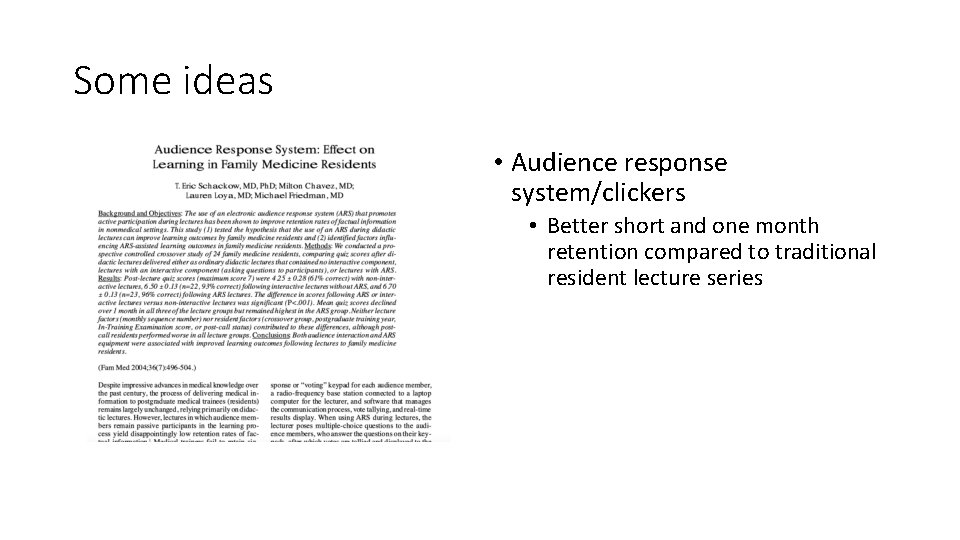
Some ideas • Audience response system/clickers • Better short and one month retention compared to traditional resident lecture series
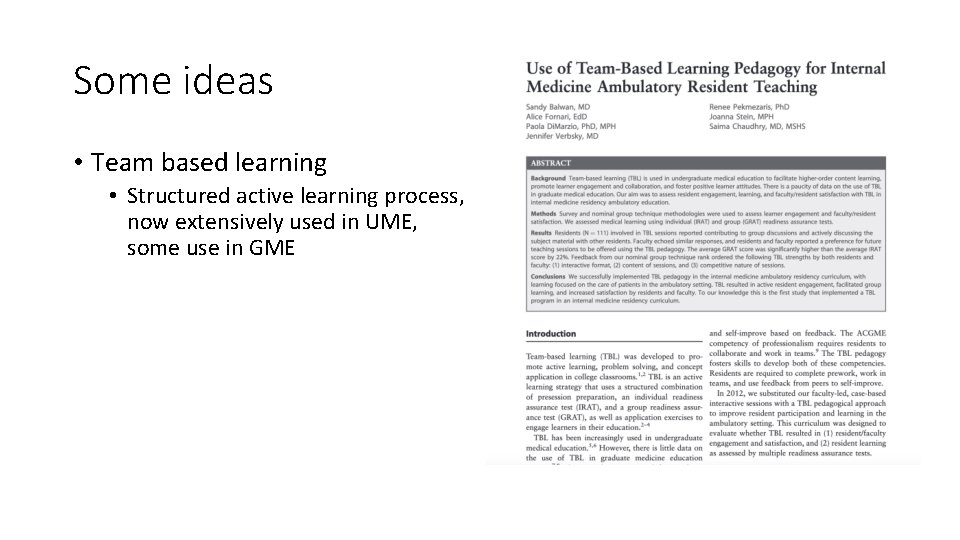
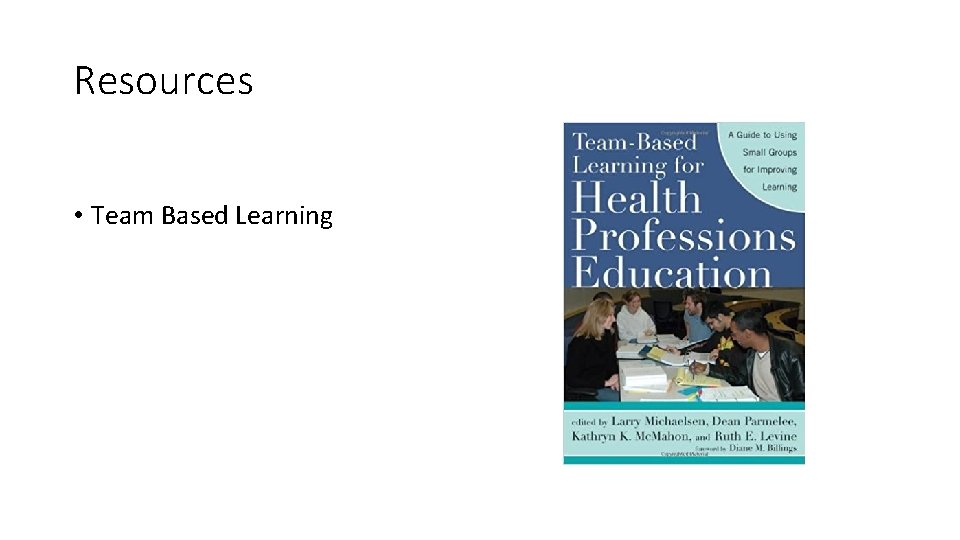
Some ideas • Team based learning • Structured active learning process, now extensively used in UME, some use in GME
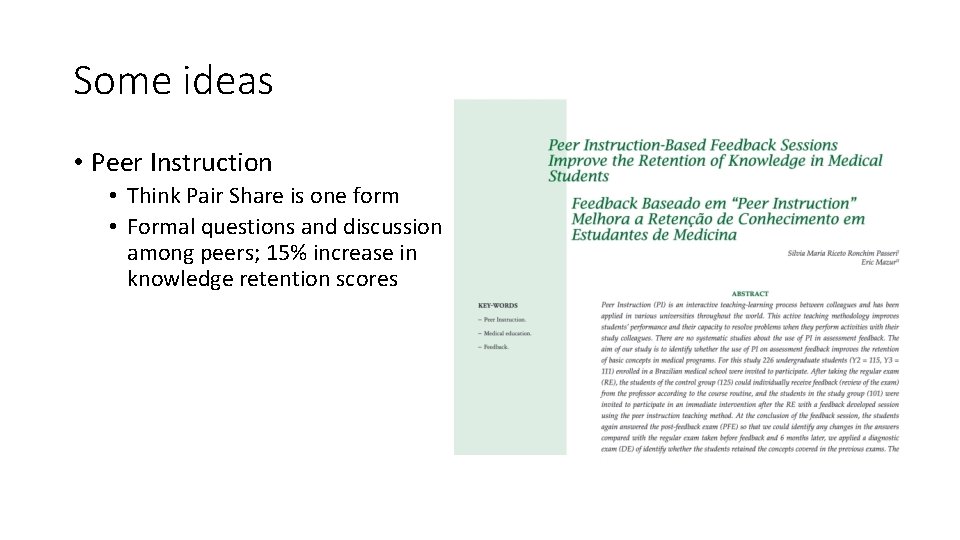
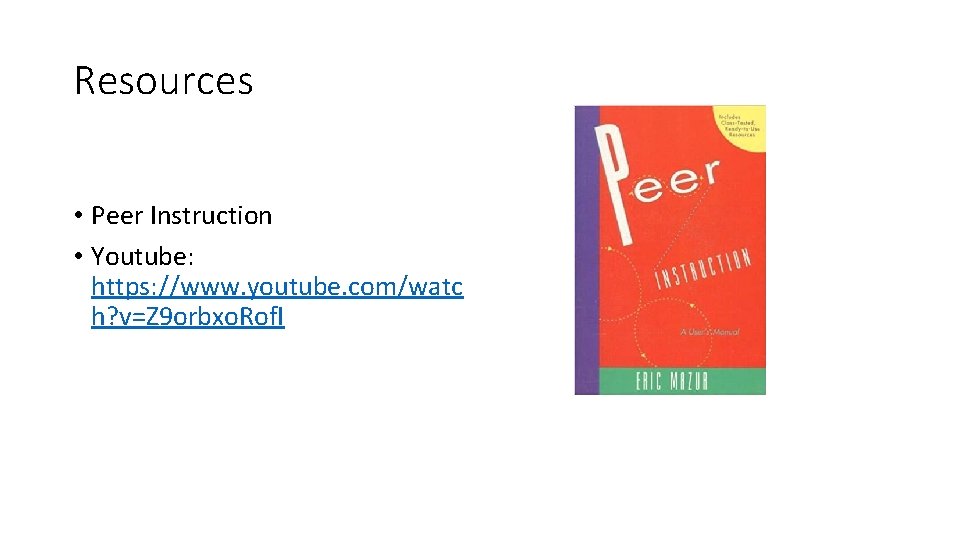
Some ideas • Peer Instruction • Think Pair Share is one form • Formal questions and discussion among peers; 15% increase in knowledge retention scores
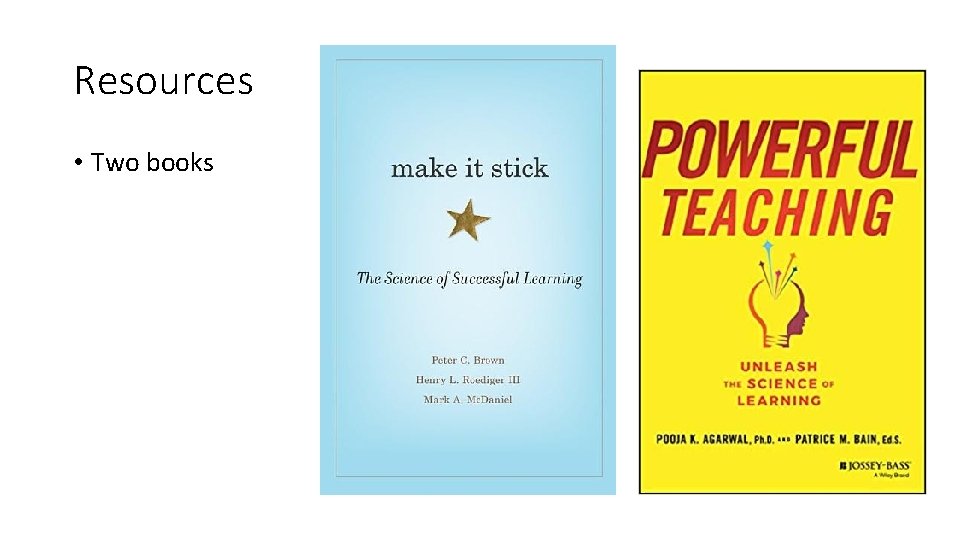
Resources • Two books
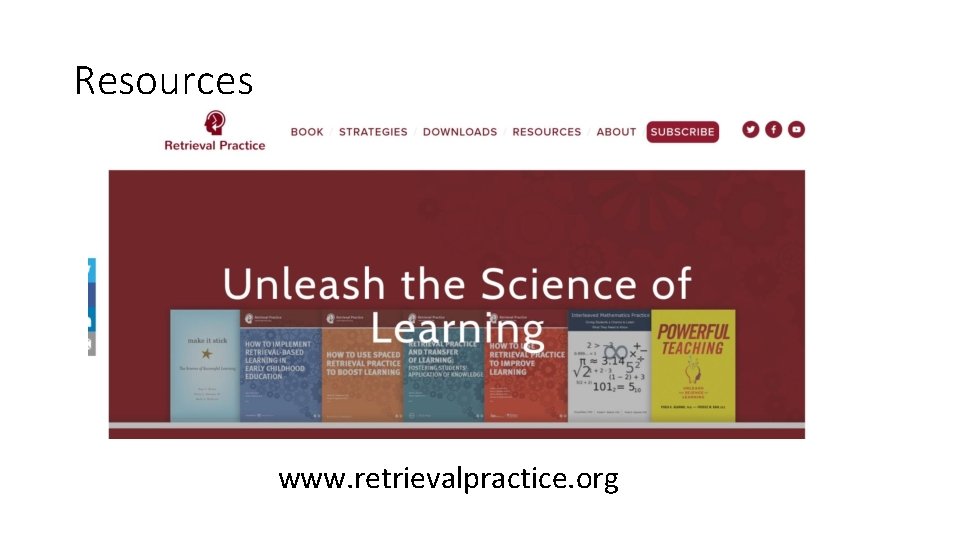
Resources www. retrievalpractice. org
Resources • Team Based Learning
Resources • Peer Instruction • Youtube: https: //www. youtube. com/watc h? v=Z 9 orbxo. Rof. I
Questions?