
Effective Teacher Practices Supporting the North Carolina Foundations
- Slides: 71
Effective Teacher Practices Supporting the North Carolina Foundations for Early Learning and Development 2019 Module 2: Language Development and Communication Environment NC EARLY LEARNING NETWORK IS A JOINT PROJECT OF THE NC DEPARTMENT OF PUBLIC INSTRUCTION, OFFICE OF EARLY LEARNING AND UNC FRANK PORTER GRAHAM CHILD DEVELOPMENT INSTITUTE
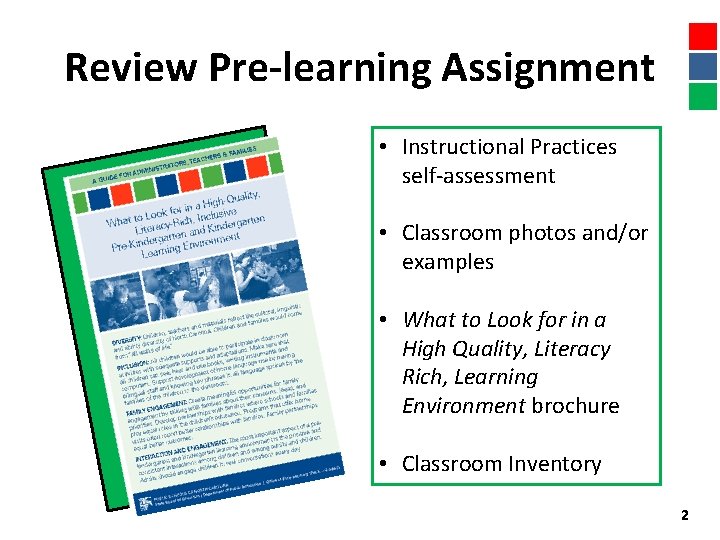
Review Pre-learning Assignment • Instructional Practices self-assessment • Classroom photos and/or examples • What to Look for in a High Quality, Literacy Rich, Learning Environment brochure • Classroom Inventory 2
Objectives Understand how to: • effectively use instructional practices related to the environment to promote children’s language and communication development • articulate the relationships between targeted instructional practices, NC Foundations for Early Learning and Development, and NC Professional Teaching Standards • engage families in practices related to creating environments that promote children’s language and communication development 3
Literacy Support in the Environment 4
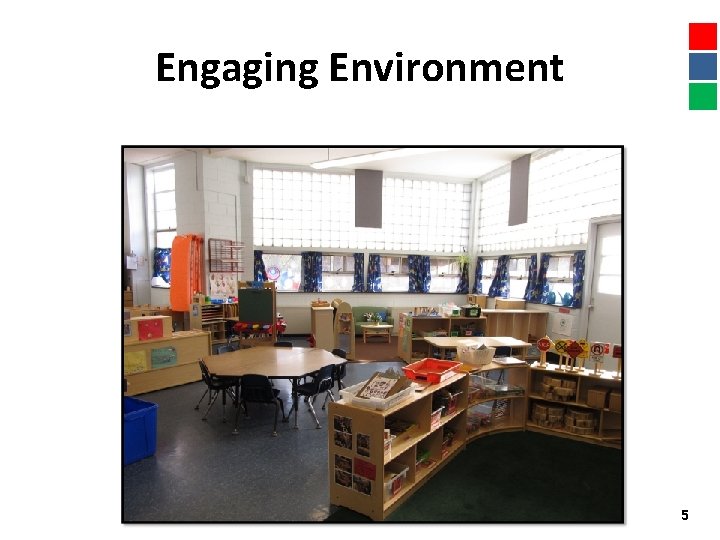
Engaging Environment 5
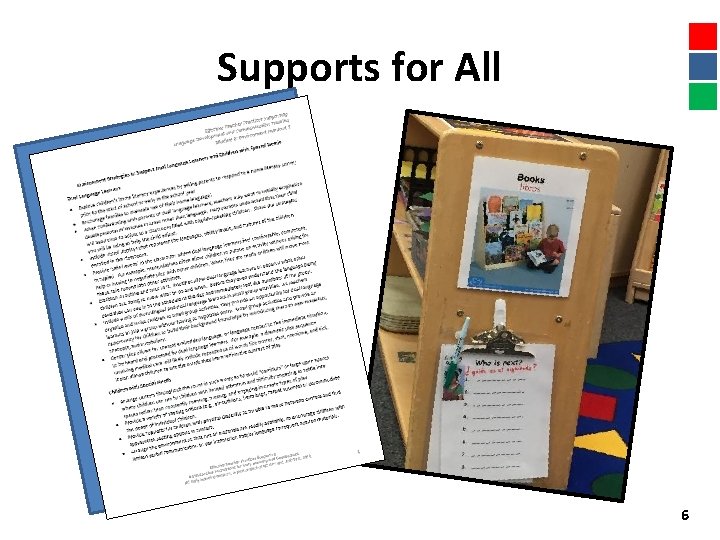
Supports for All 6
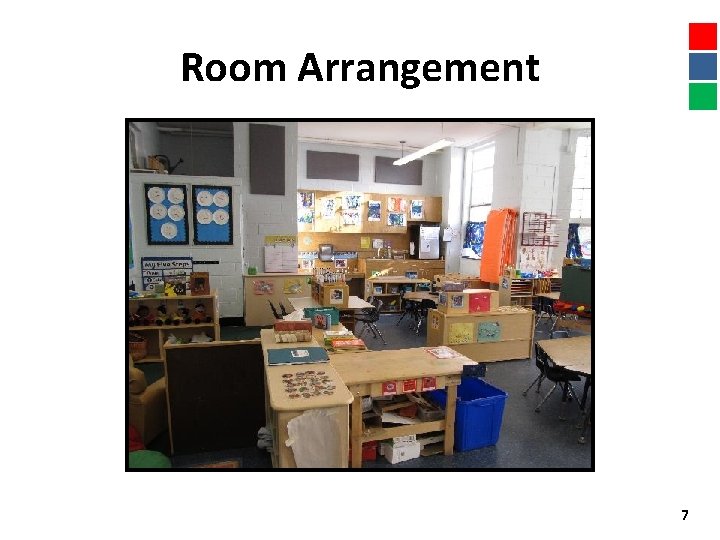
Room Arrangement 7
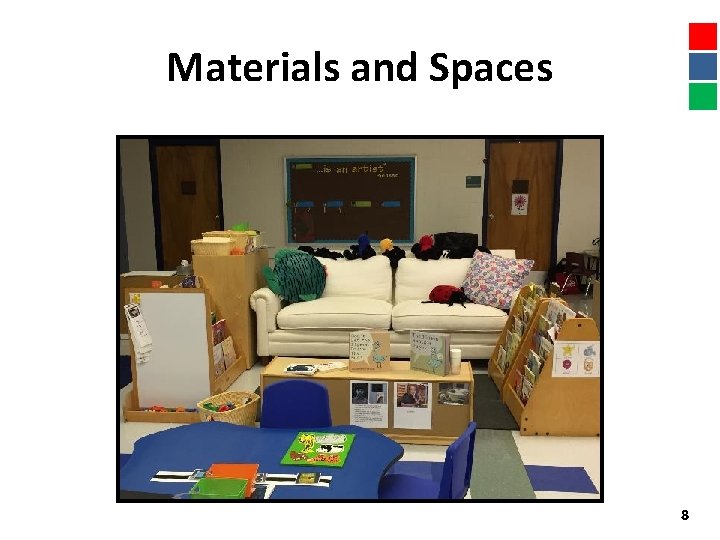
Materials and Spaces 8
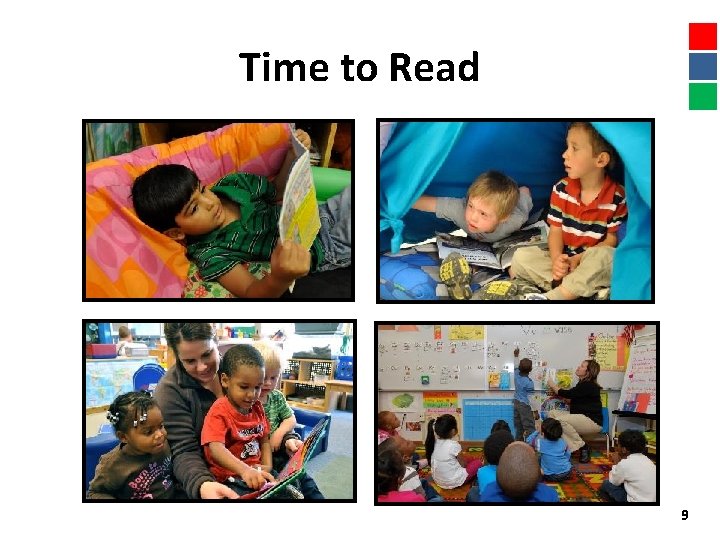
Time to Read 9
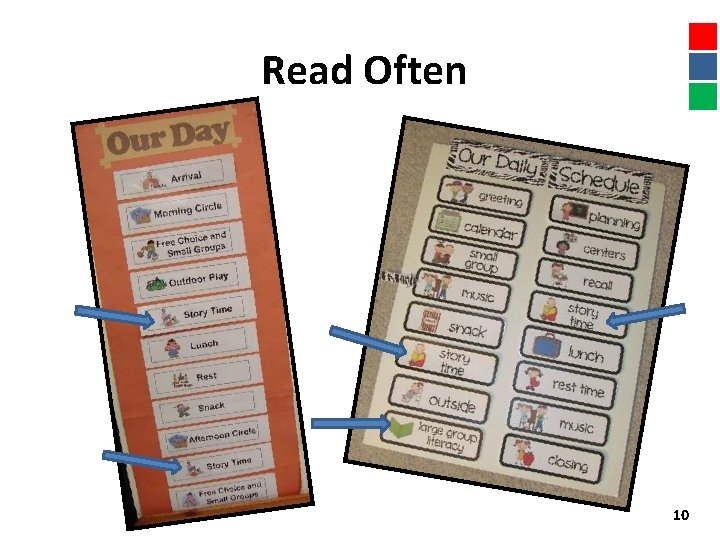
Read Often 10
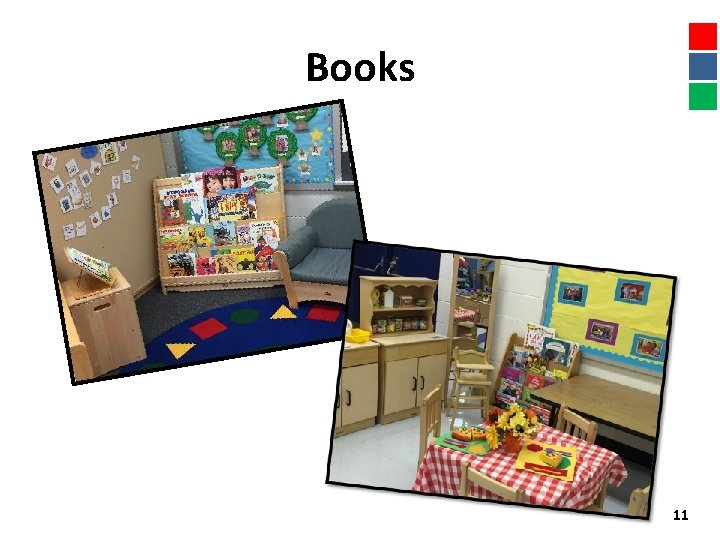
Books 11
Book Recommendations for the Classroom • Review the handout Book Recommendations for the Classroom. • Complete the following sentence related to your assigned book type: When I use _______ books, it helps children learn _______. • Discuss how you use or could use this type of book in large group, small group, and individually 12
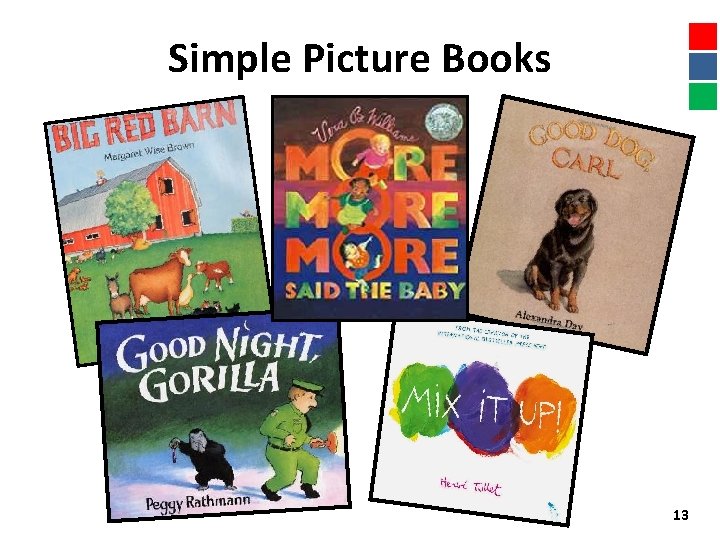
Simple Picture Books 13
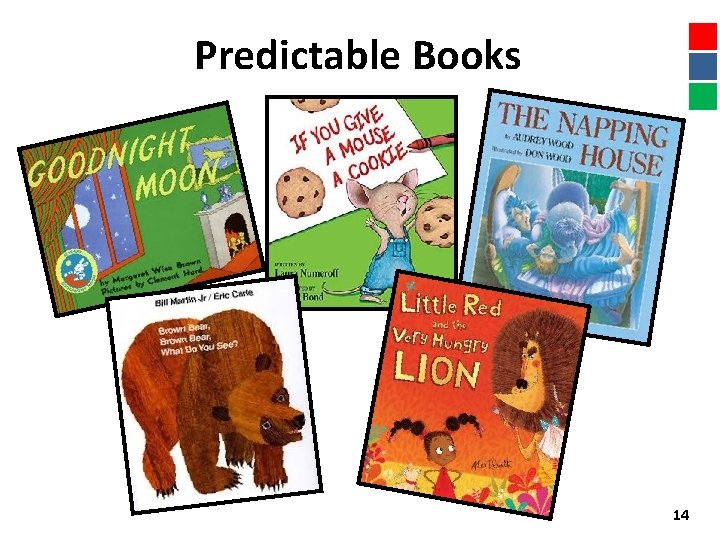
Predictable Books 14
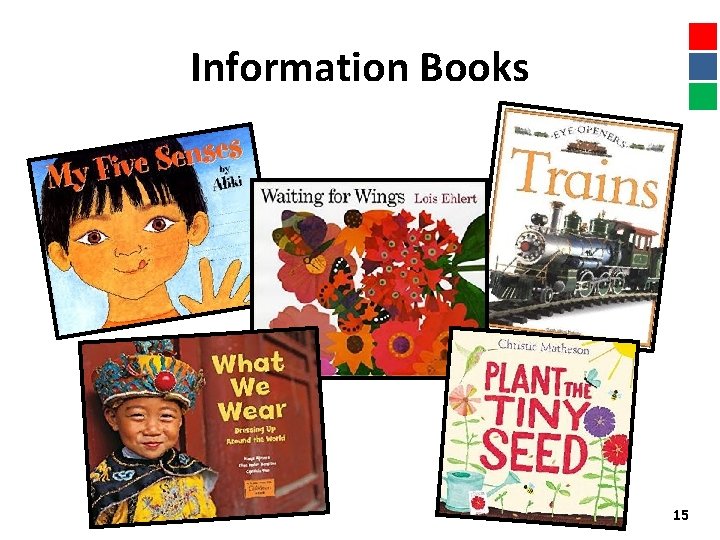
Information Books 15
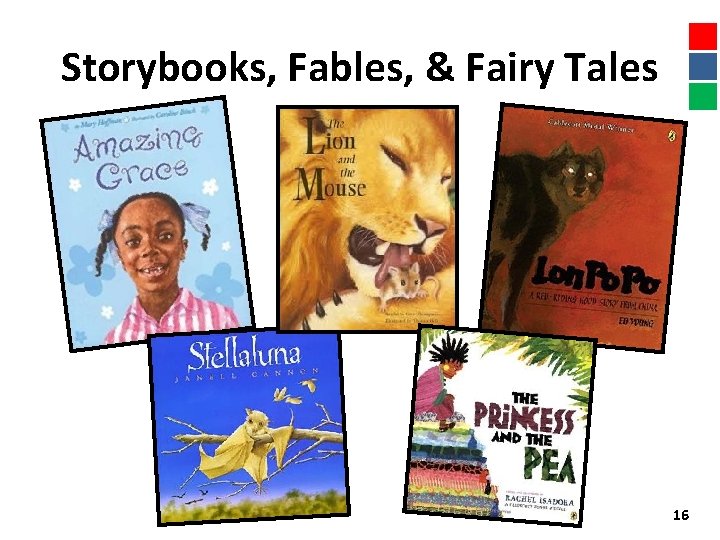
Storybooks, Fables, & Fairy Tales 16
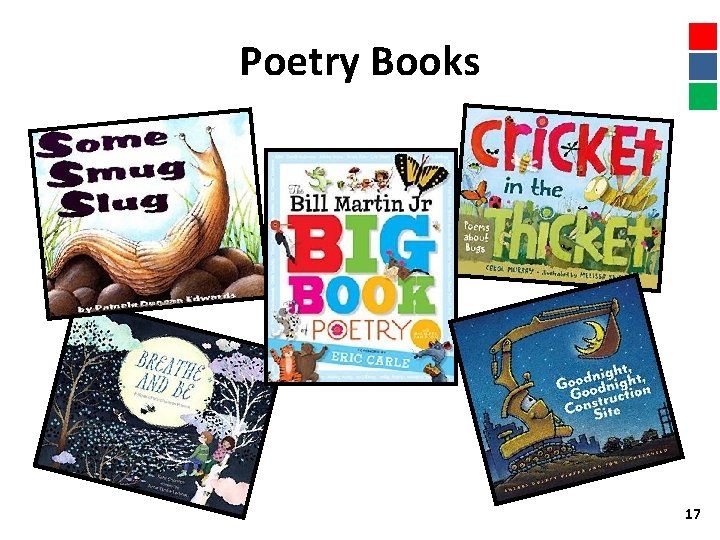
Poetry Books Intrusion/Seclusion High Mobility/Low Mobility Open/Closed Simple/Complex Hard/Soft Risk/Safety 17
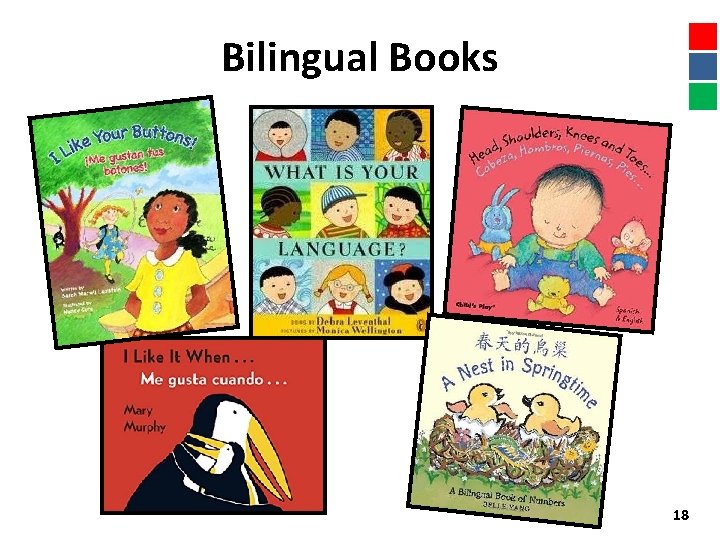
Bilingual Books 18
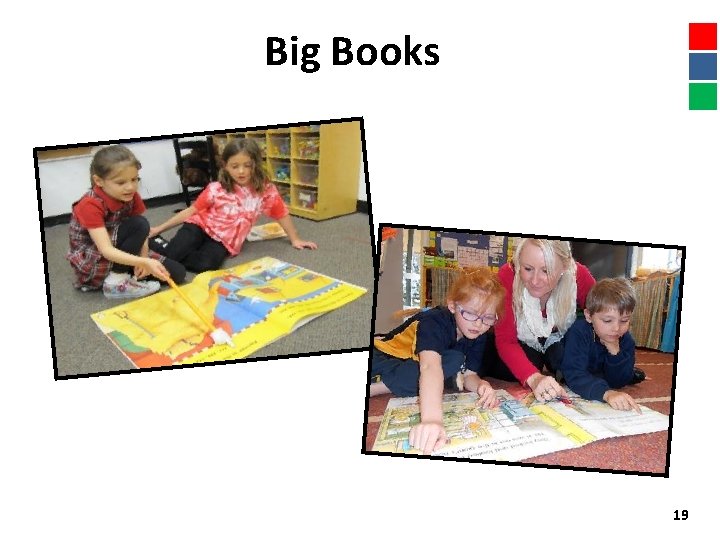
Big Books 19
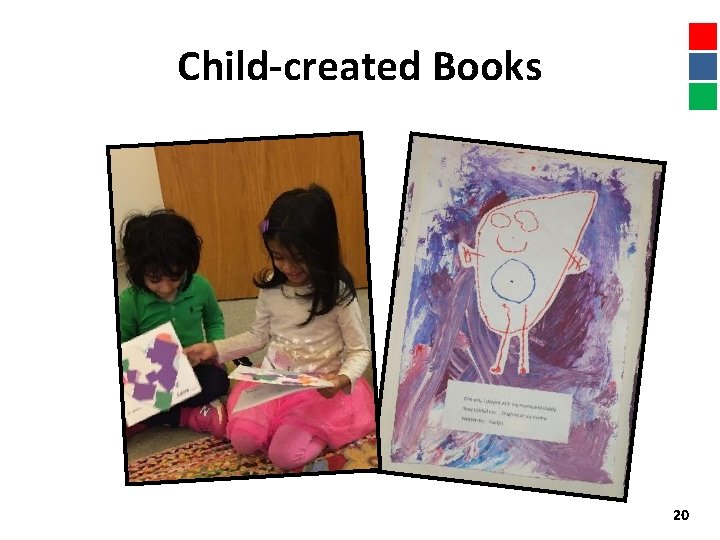
Child-created Books 20
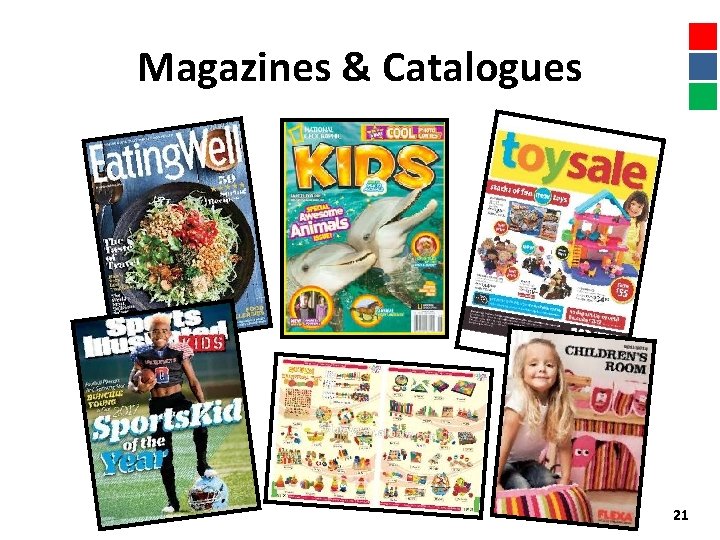
Magazines & Catalogues 21
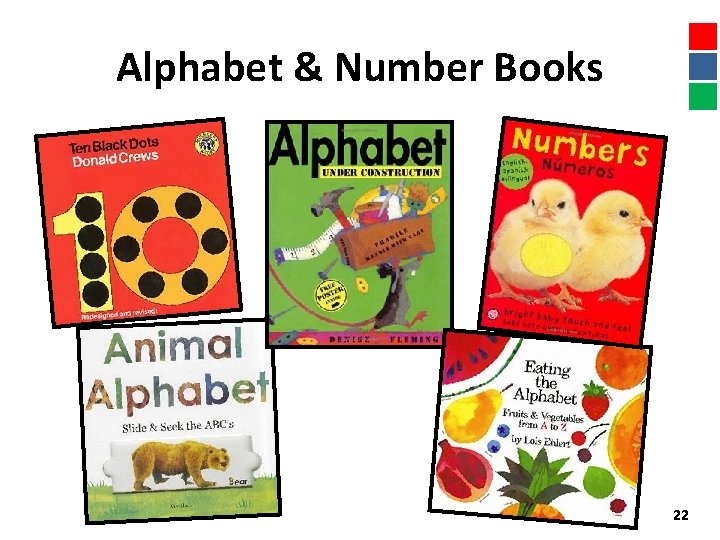
Alphabet & Number Books 22
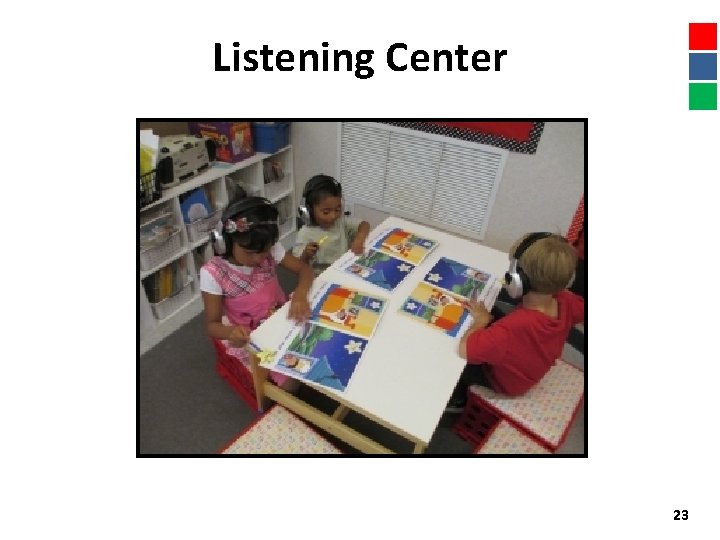
Listening Center 23
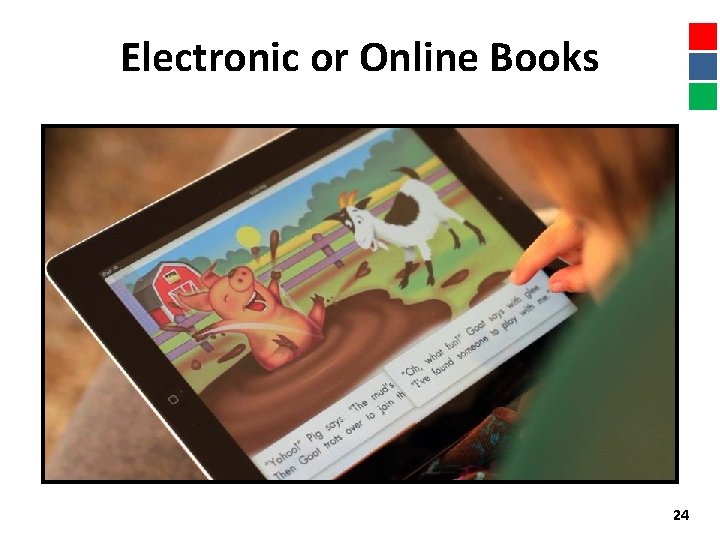
Electronic or Online Books 24
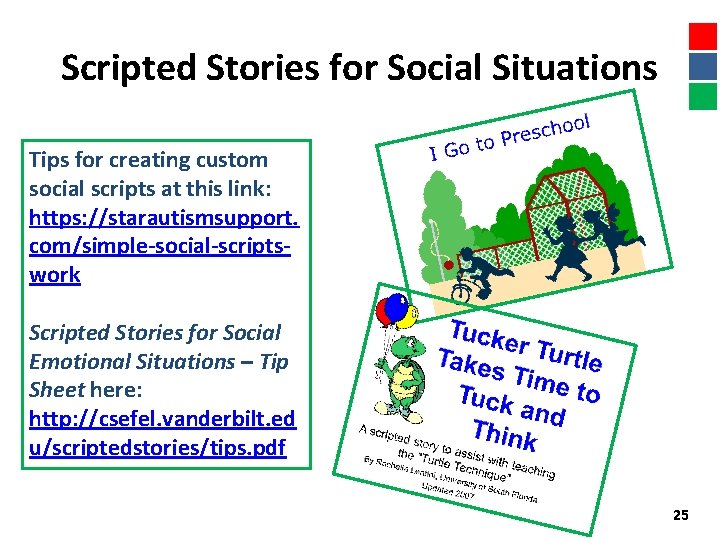
Scripted Stories for Social Situations Tips for creating custom social scripts at this link: https: //starautismsupport. com/simple-social-scriptswork Scripted Stories for Social Emotional Situations – Tip Sheet here: http: //csefel. vanderbilt. ed u/scriptedstories/tips. pdf 25
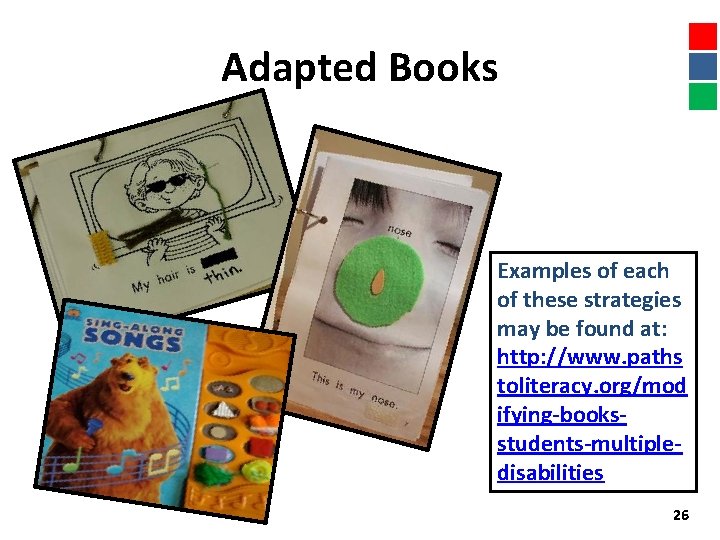
Adapted Books Examples of each of these strategies may be found at: http: //www. paths toliteracy. org/mod ifying-booksstudents-multipledisabilities 26
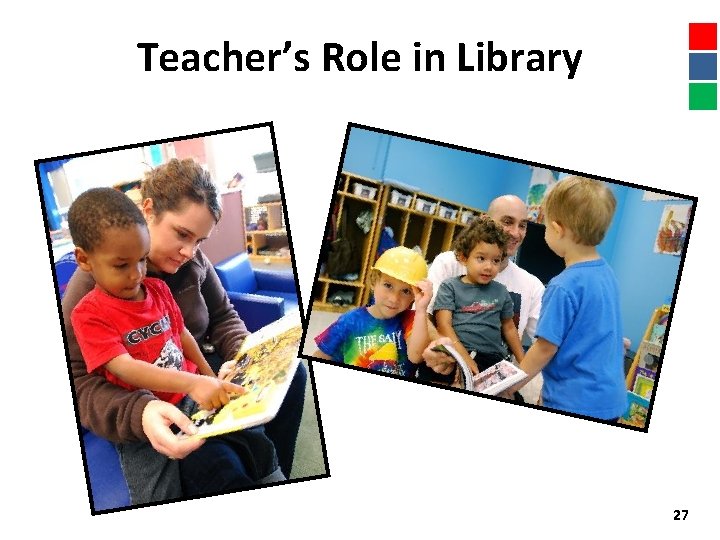
Teacher’s Role in Library 27
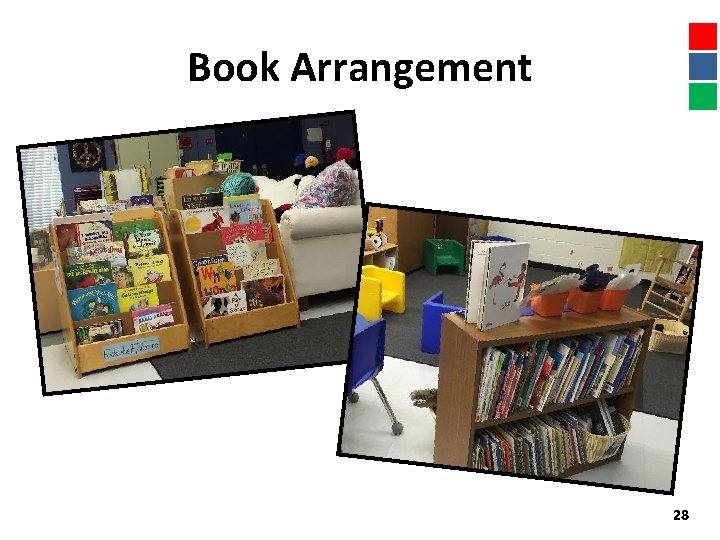
Book Arrangement 28
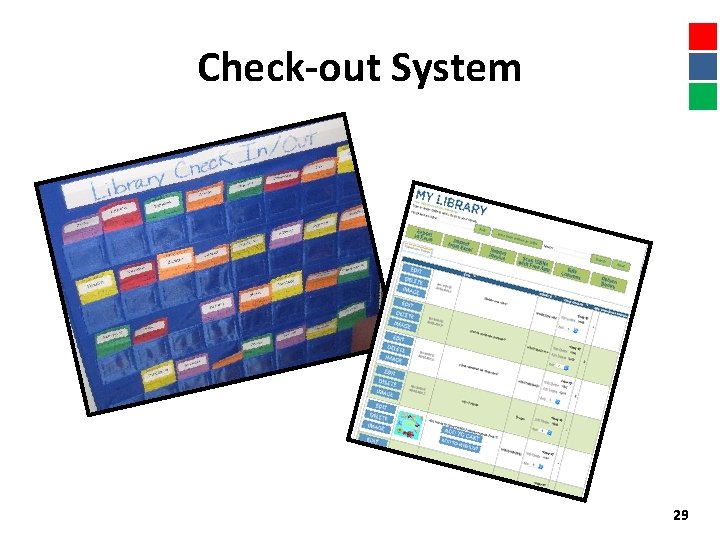
Check-out System 29
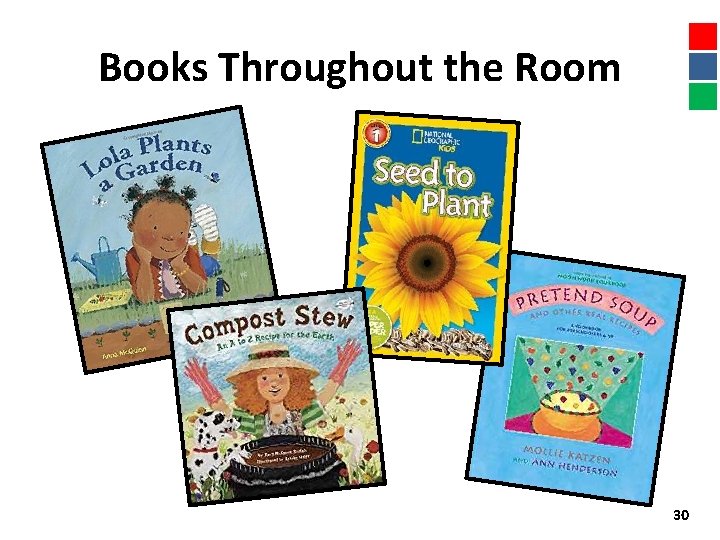
Books Throughout the Room 30
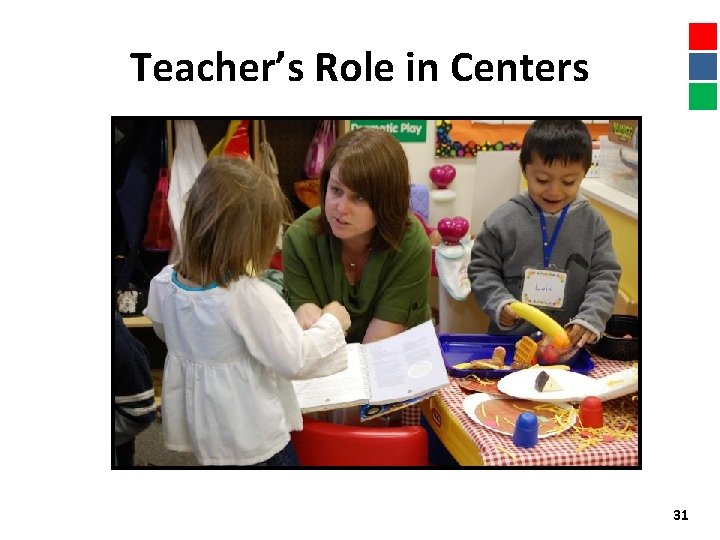
Teacher’s Role in Centers 31
Classroom Video • Insert M 2 V 1 – Science center discussion 32
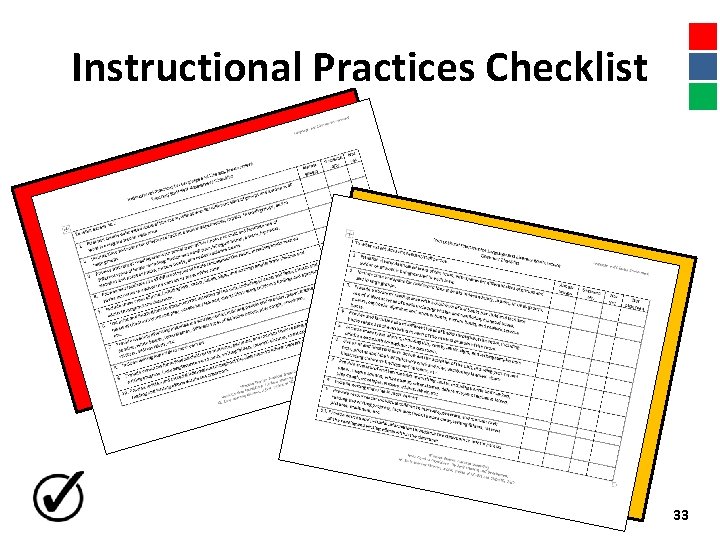
Instructional Practices Checklist 33
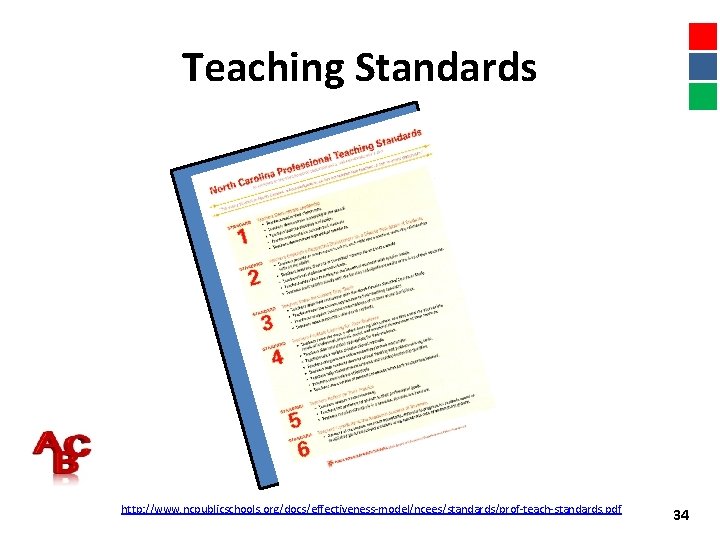
Teaching Standards http: //www. ncpublicschools. org/docs/effectiveness-model/ncees/standards/prof-teach-standards. pdf 34
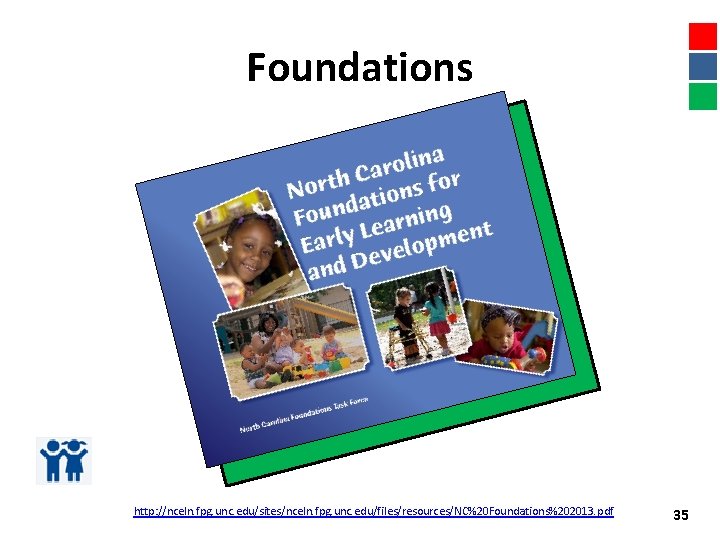
Foundations http: //nceln. fpg. unc. edu/sites/nceln. fpg. unc. edu/files/resources/NC%20 Foundations%202013. pdf 35
Classroom Video • Insert M 2 V 1 – Science center discussion 36
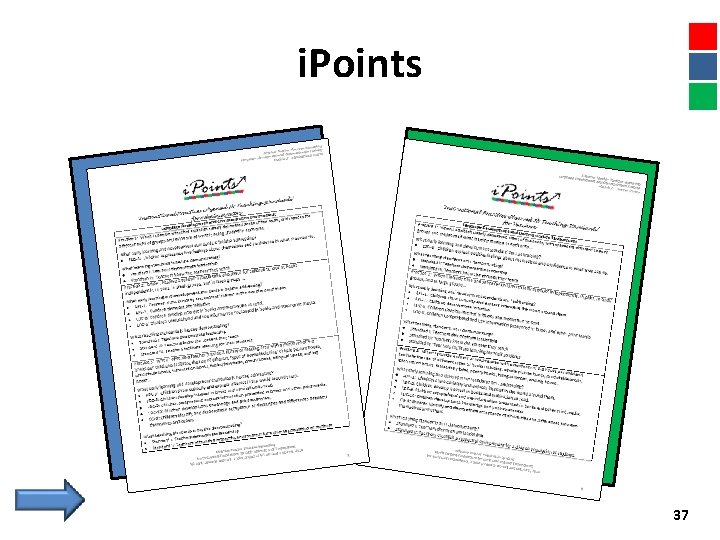
i. Points 37
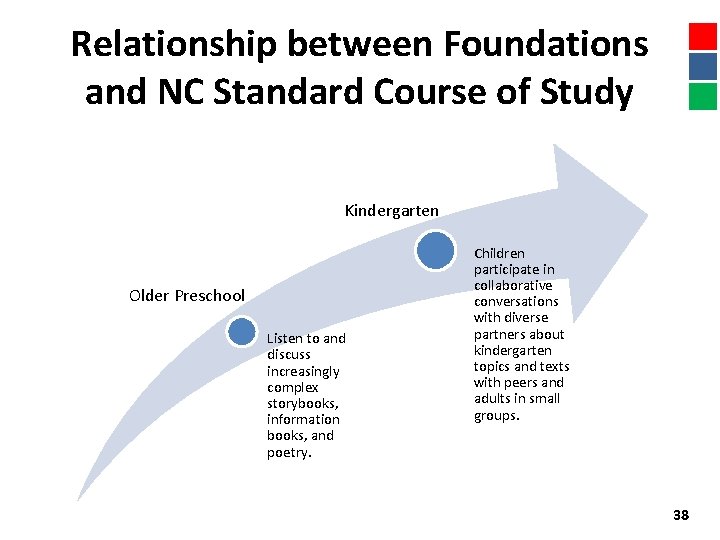
Relationship between Foundations and NC Standard Course of Study Kindergarten Older Preschool Listen to and discuss increasingly complex storybooks, information books, and poetry. Children participate in collaborative conversations with diverse partners about kindergarten topics and texts with peers and adults in small groups. 38
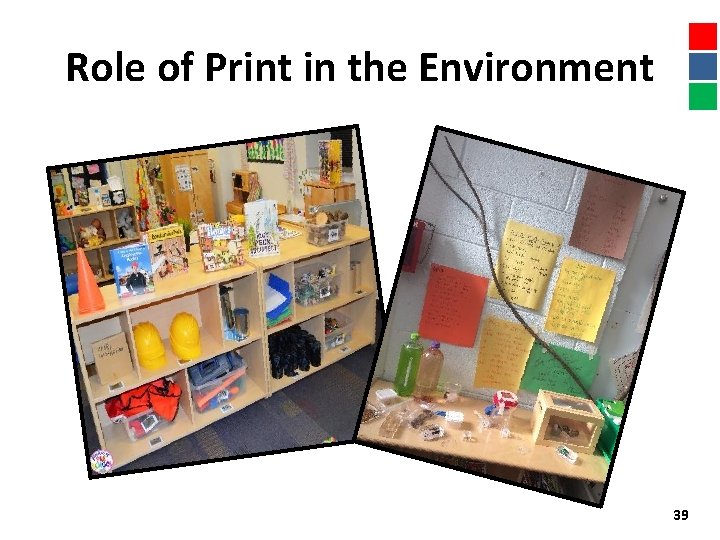
Role of Print in the Environment 39
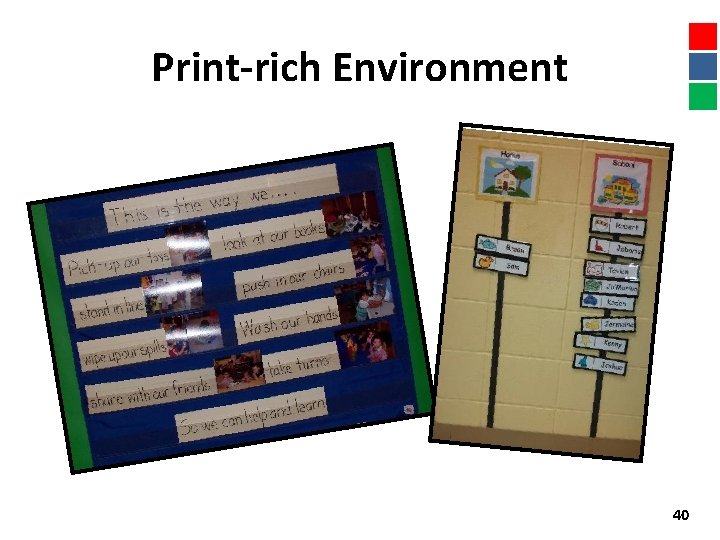
Print-rich Environment 40
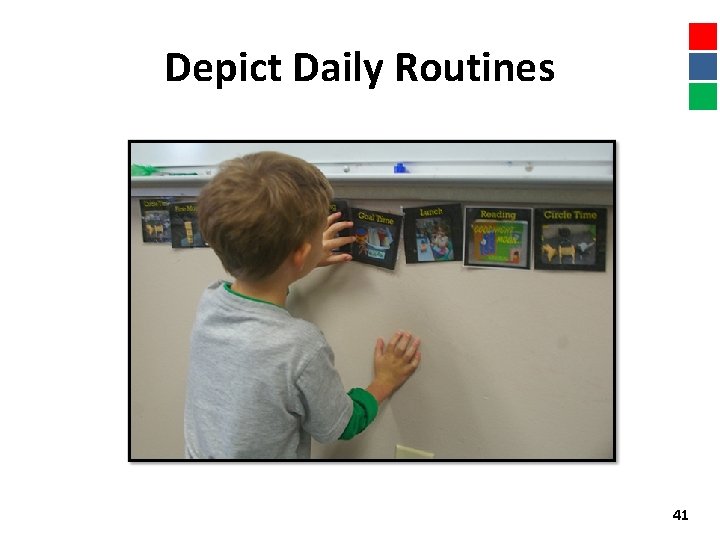
Depict Daily Routines 41
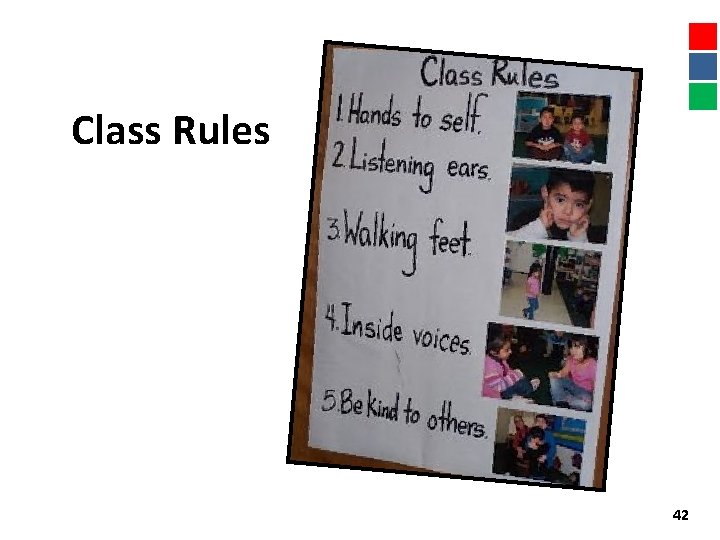
Class Rules 42
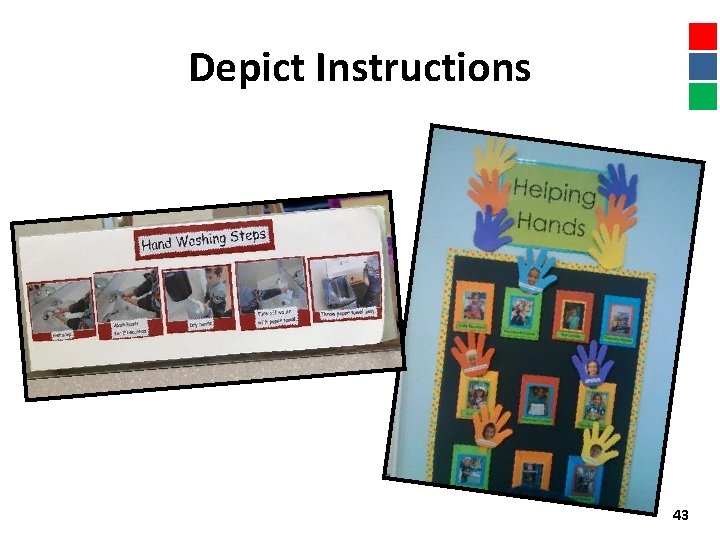
Depict Instructions 43
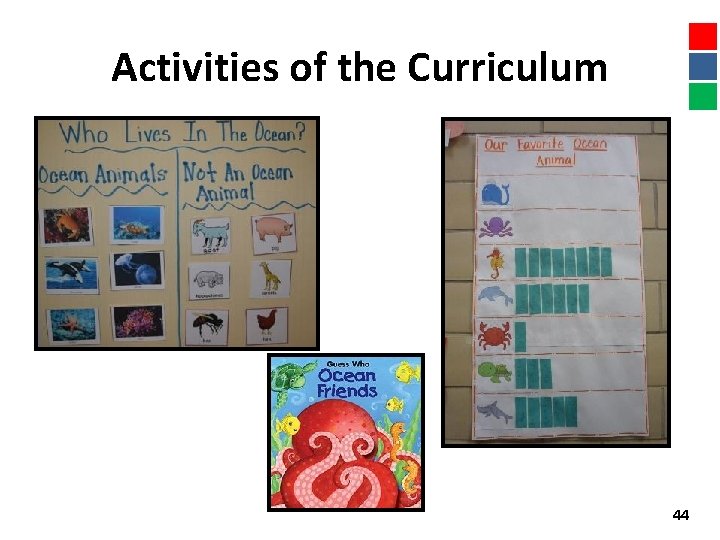
Activities of the Curriculum 44
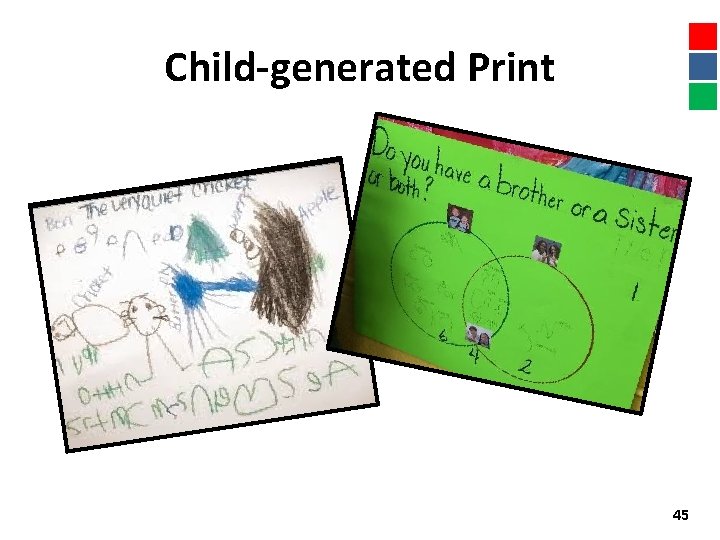
Child-generated Print 45
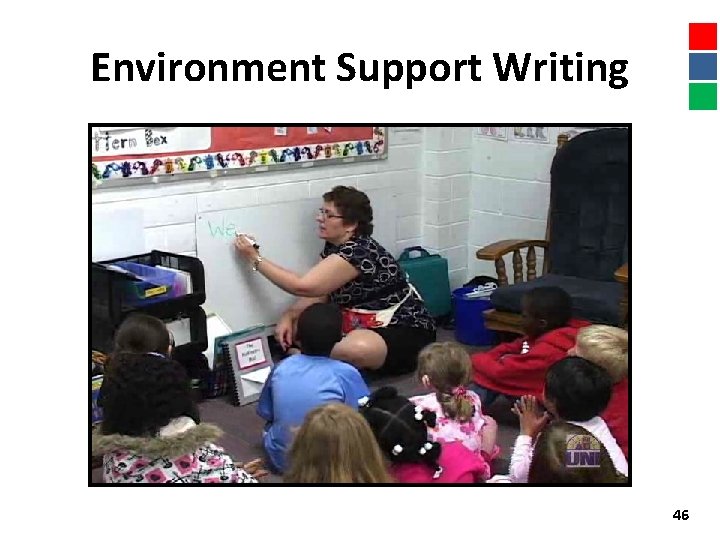
Environment Support Writing 46
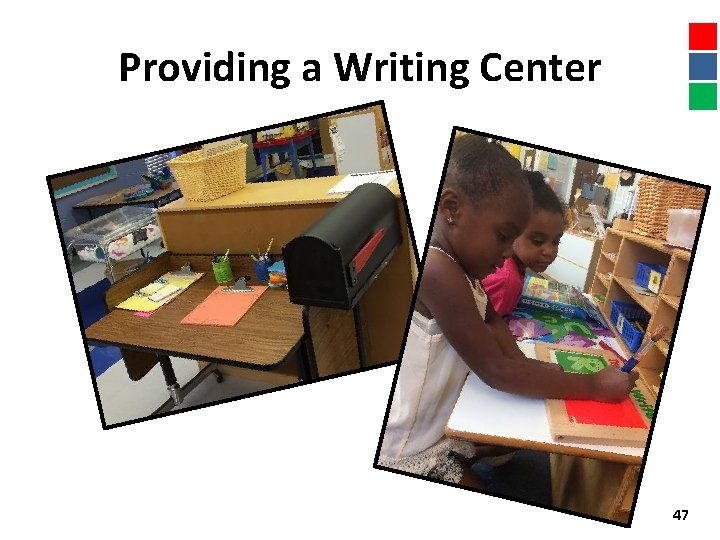
Providing a Writing Center 47
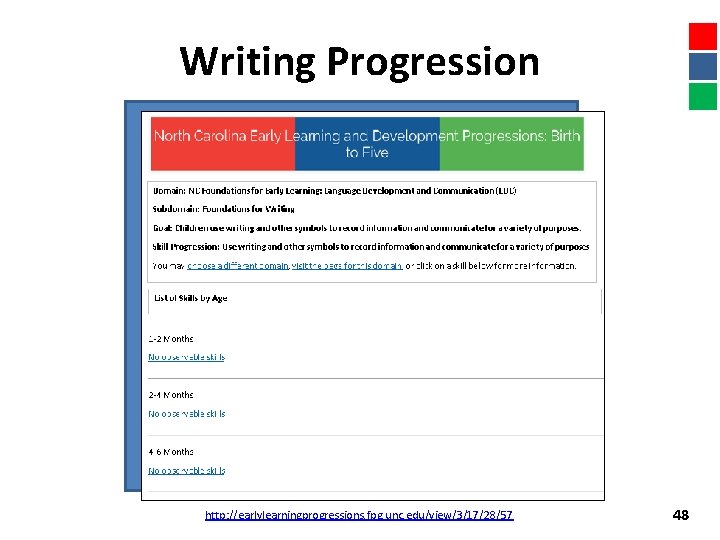
Writing Progression http: //earlylearningprogressions. fpg. unc. edu/view/3/17/28/57 48
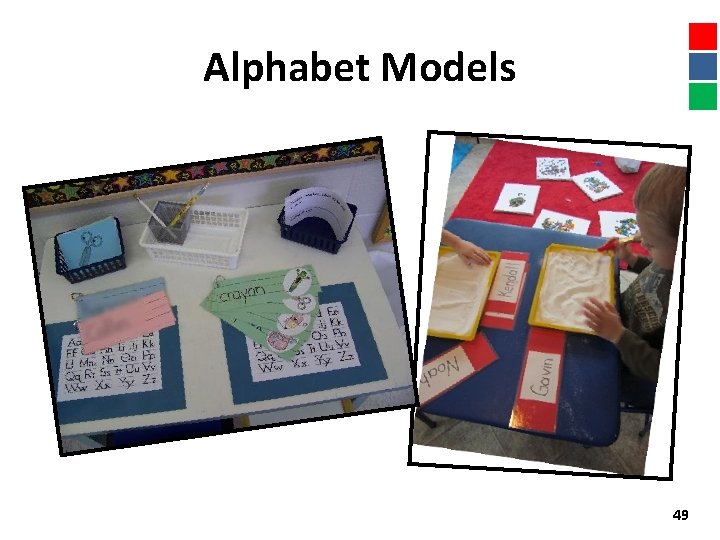
Alphabet Models 49
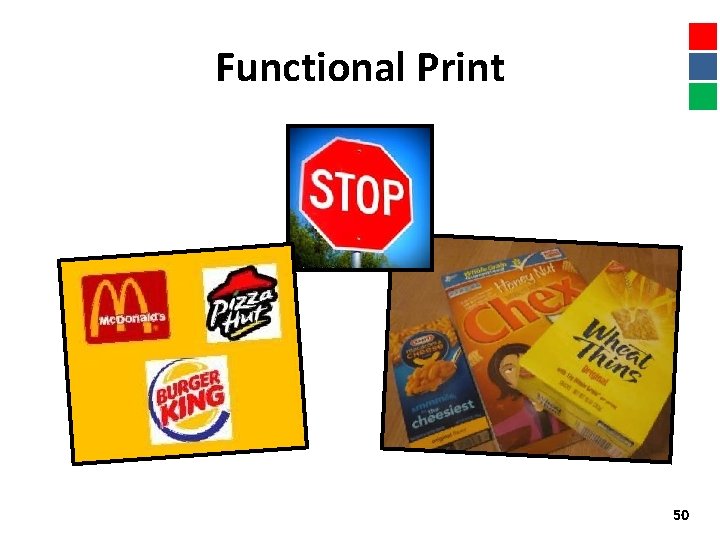
Functional Print 50
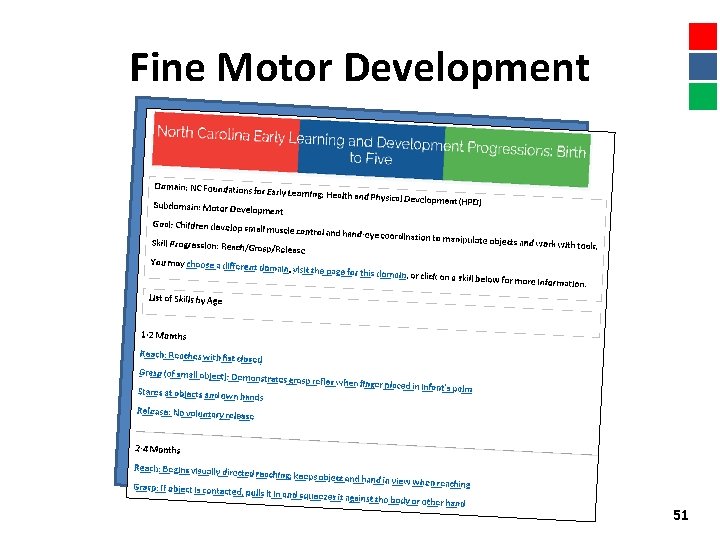
Fine Motor Development 51
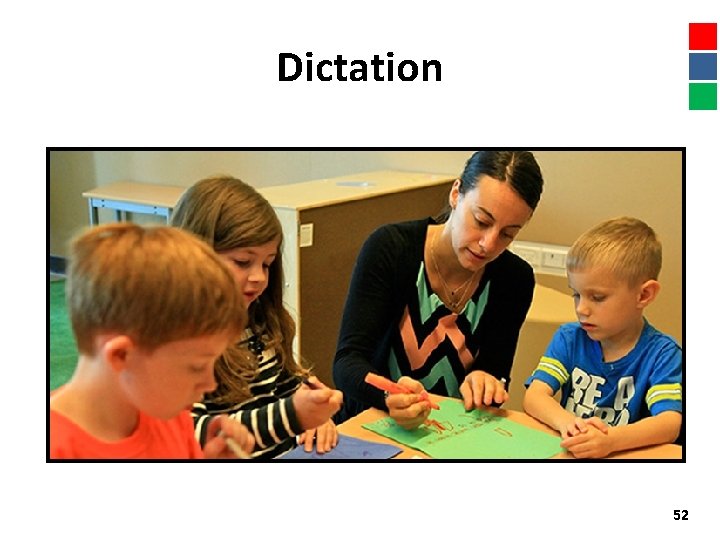
Dictation 52
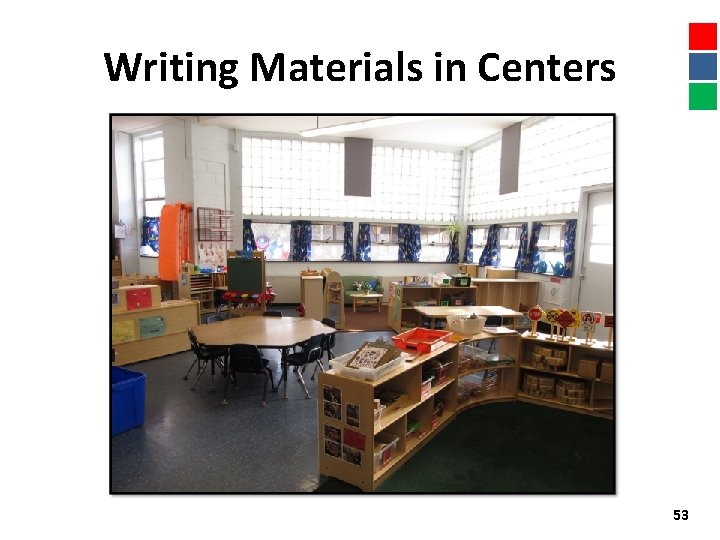
Writing Materials in Centers 53
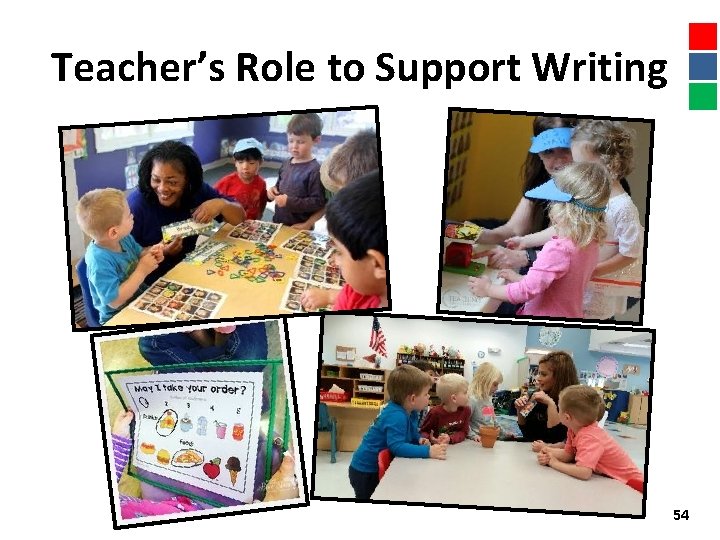
Teacher’s Role to Support Writing 54
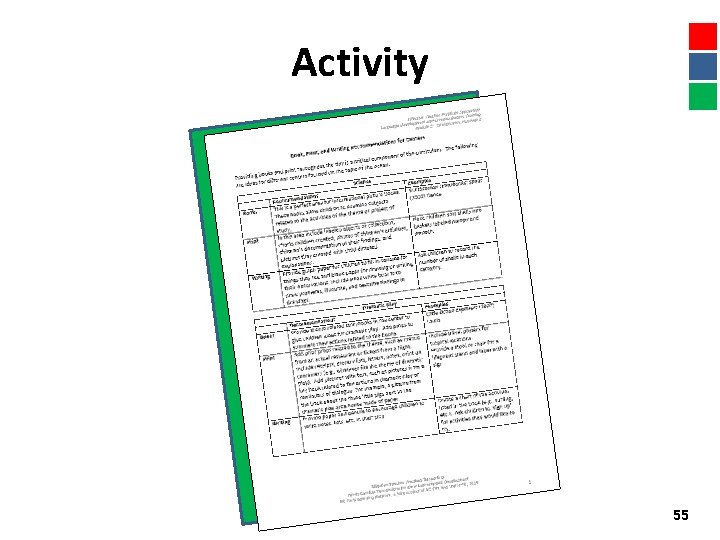
Activity 55
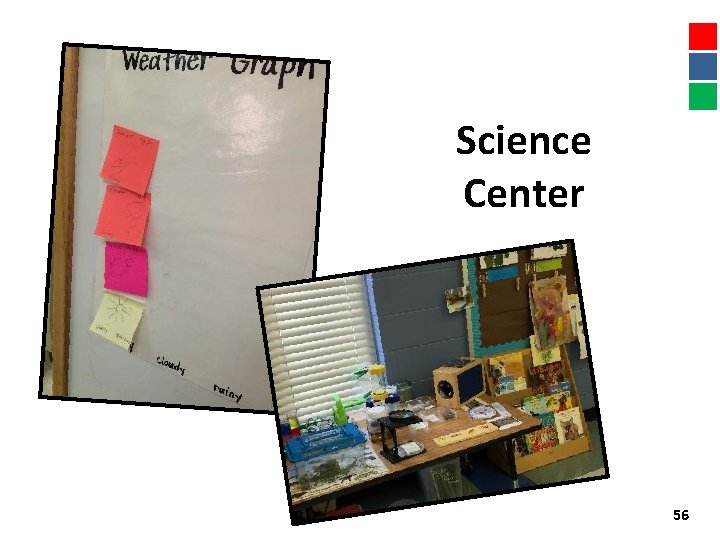
Science Center 56
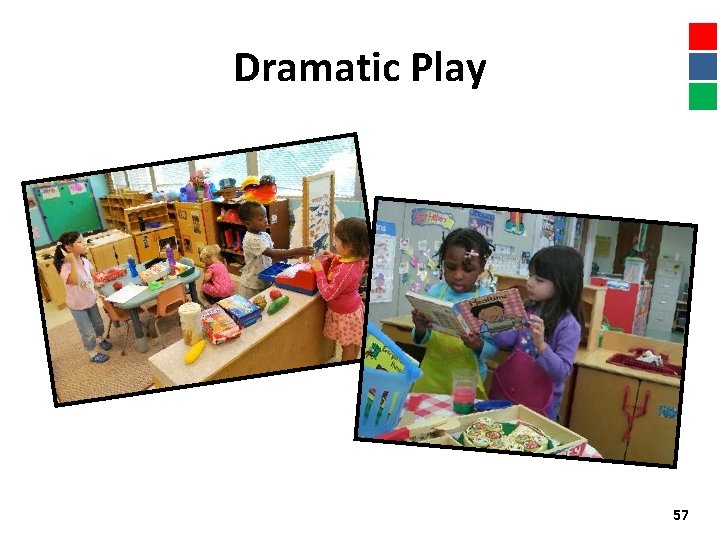
Dramatic Play 57
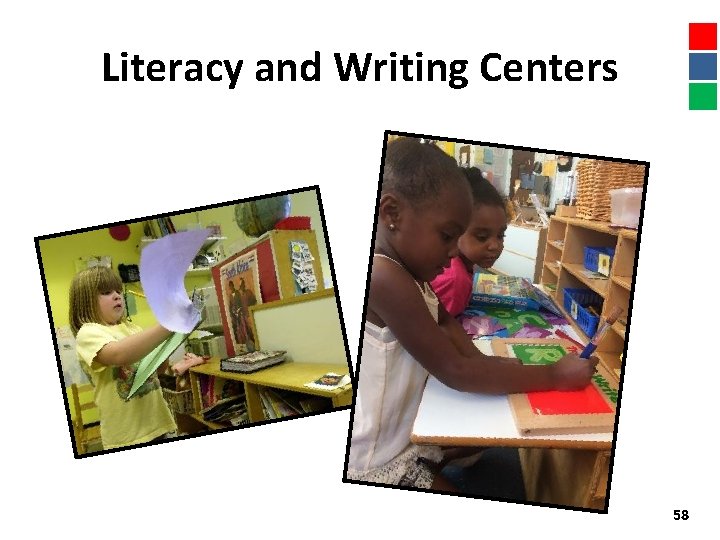
Literacy and Writing Centers 58
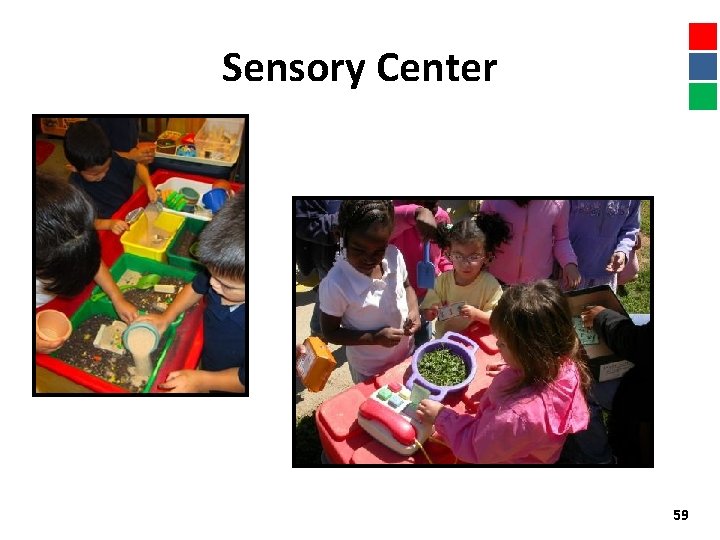
Sensory Center 59
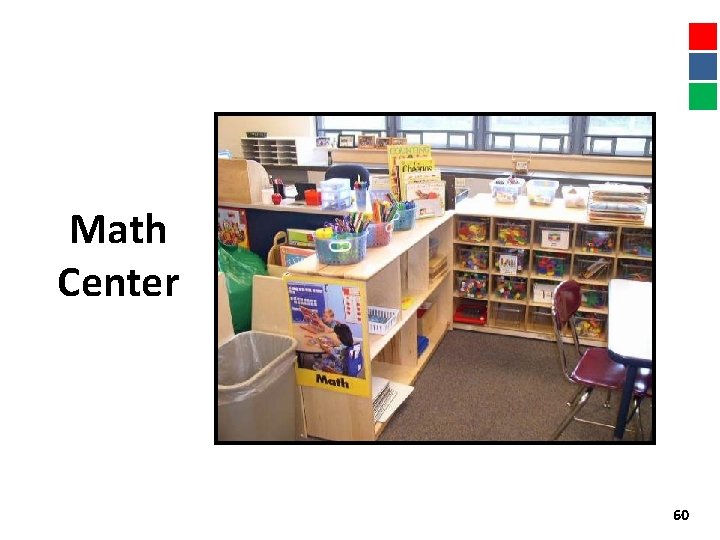
Math Center 60
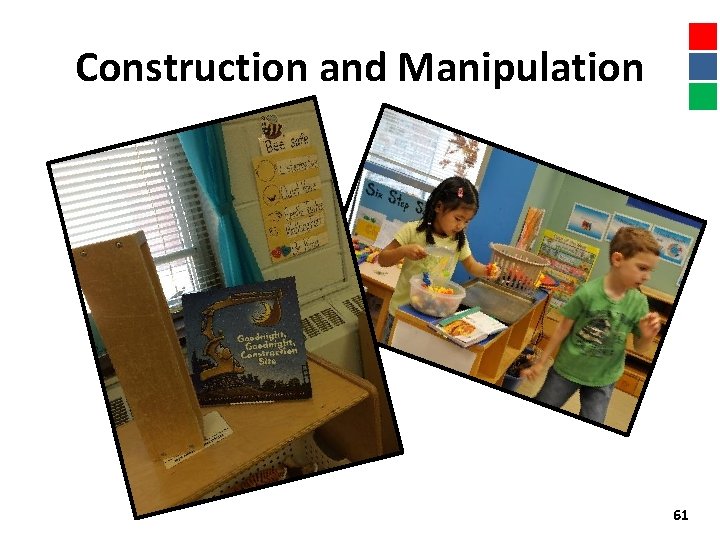
Construction and Manipulation 61
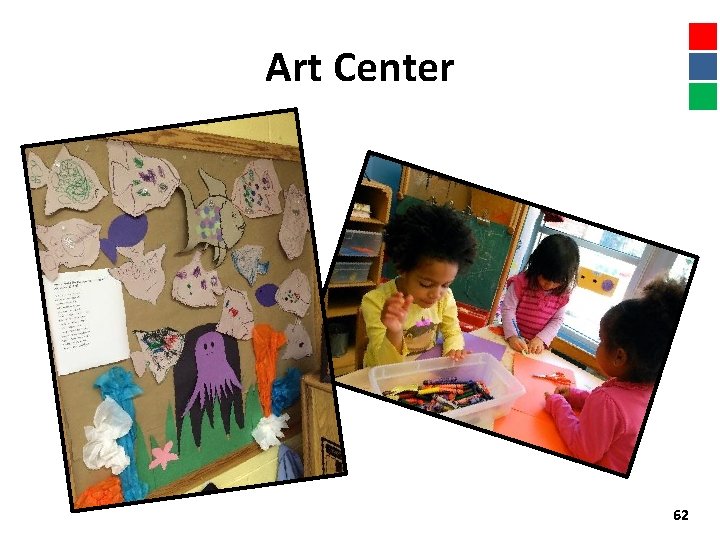
Art Center 62
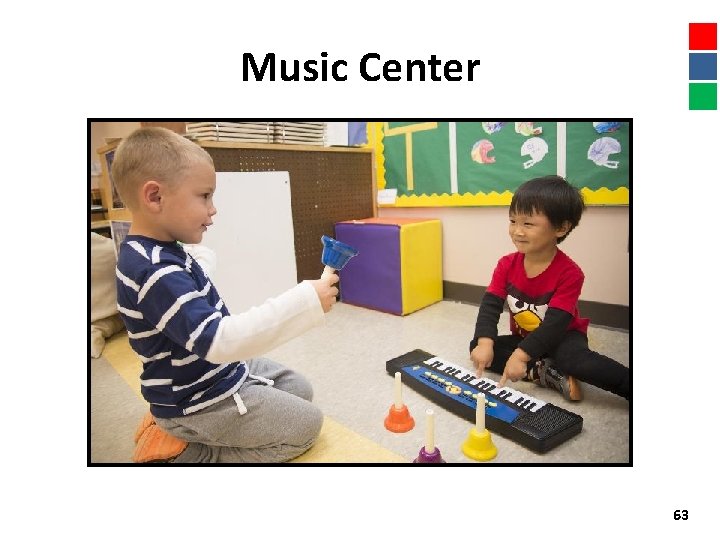
Music Center 63
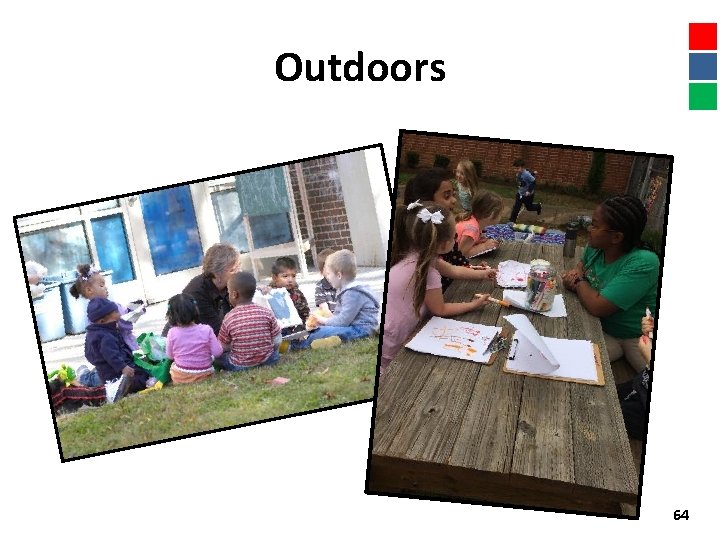
Outdoors 64
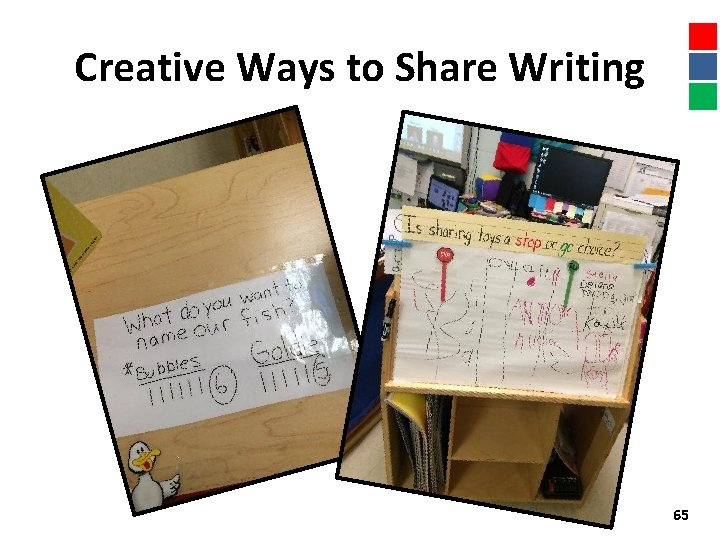
Creative Ways to Share Writing 65
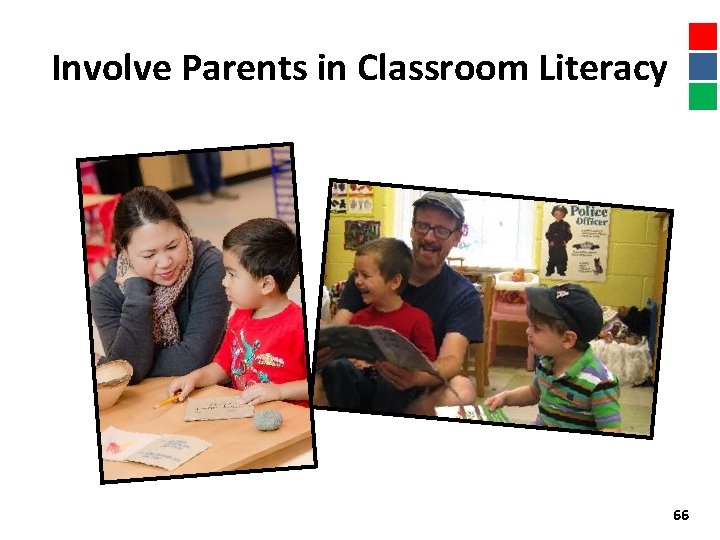
Involve Parents in Classroom Literacy 66
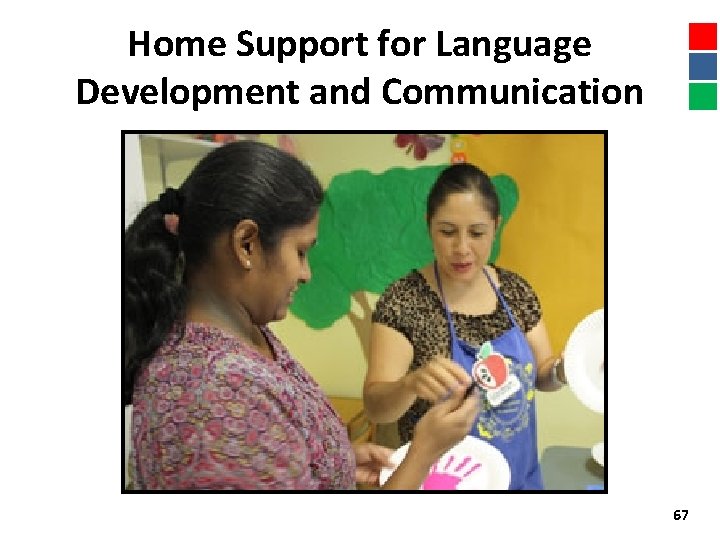
Home Support for Language Development and Communication 67
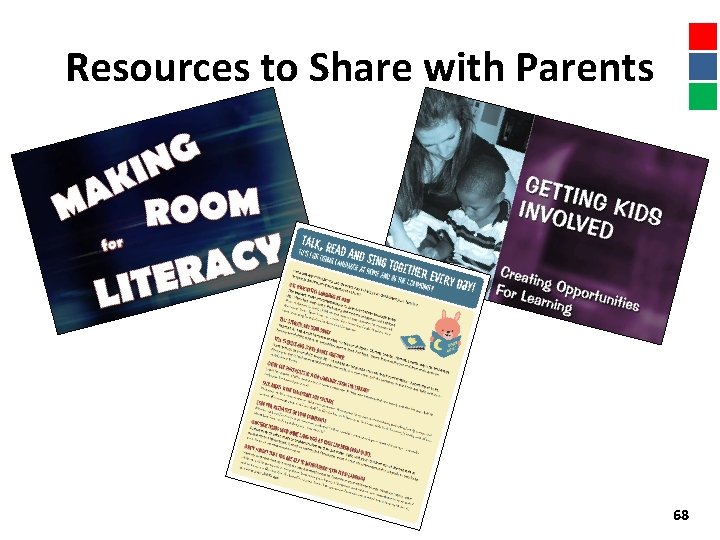
Resources to Share with Parents 68
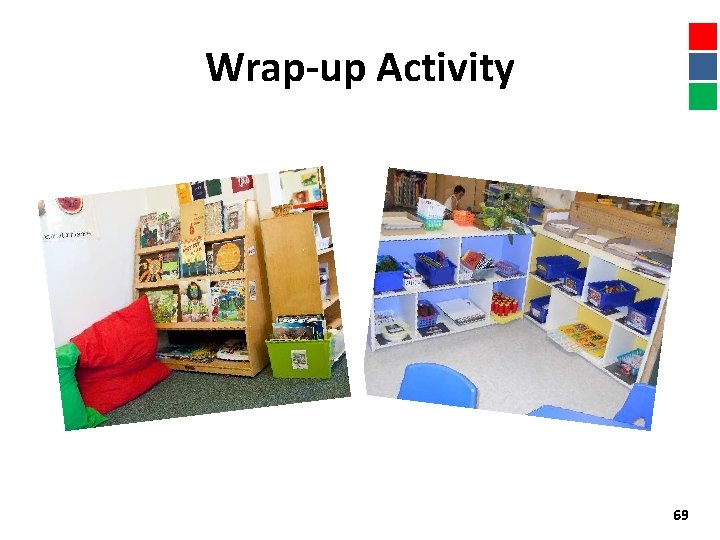
Wrap-up Activity 69
Post-Learning Activity 70
References • • • • Axelrod, Y. , Hall, A. H. , & Mc. Nair, J. C. (2015). A is for burrito and b is for sloppy joe: Creating print-rich environments for children in k-3 classrooms. Young Children, 70(4), 16 -25. Beeler, T. (1993). I can read! I can write! Creating a print-rich environment. Cypress, CA: Creative Teaching Press. Christie, J. F. , Enz, B. J. , Vukelich, C. , & Roskos, K. A. (2014). Teaching language and literacy: Preschool through the elementary grades (5 th ed. ). Boston, MA: Pearson. Clark, P. , & Kragler, S. (2005). The impact of writing materials in early childhood classrooms on the early literacy development of children from low-income families. Early Childhood Development and Care, 175(4), 285 -301. Conn-Powers, M. , Cross, A. F. , Traub, E. K. , & Hutter-Pishgahi, L. (2006). The universal design of early education: Moving forward for all children. Young Children, 61(5). Retrieved from https: //www. iidc. indiana. edu/styles/iidc/defiles/ECC_Universal_Design_Early_Education. pdf. Guernsey, L. & Levine, M. H. (2016). Getting smarter about e-books for children. Young Children, 71(2), 38 -43. Espinosa, L. M. (2013). Pre. K – 3 rd: Challenging common myths about dual language learners. Retrieved from https: //www. fcd-us. org/prek-3 rd -challenging-common-myths-about-dual-language-learners-an-update-to-the-seminal-2008 -report/ Marvin, C. A. & Ogden, N. J. (2002). A home literacy inventory: Assessing young children’s contexts for emergent literacy. Young Exceptional Children, 5(2), 2 -10. North Carolina Department of Public Instruction. (2015). North Carolina Early Learning and Development Progressions: Birth to Five Online Tool. Retrieved from https: //earlylearningprogressions. fpg. unc. edu/. Pathways to Literacy. (N. D. ). Modifying books for students with multiple disabilities. Retrieved from http: //www. pathstoliteracy. org/modifying -books-students-multiple-disabilities. Pathways to Literacy. (N. D. ). Story boxes and story boards for students with multiple disabilities. Retrieved from http: //www. pathstoliteracy. org/story-boxes-and-story-boards-students-multiple-disabilities. Ryan, T. (2015). Using mobile devices and apps to create and manage classroom libraries. Literacy Daily. Retrieved from http: //www. literacyworldwide. org/blog/literacy-daily/2015/07/31/using-mobile-devices-and-apps-to-create-and-manage-classroom-libraries Segal-Drori, O. , Korat, O. , Shamir, A. , & Klein, P. S. (2010). Reading electronic and print books with and without adult instruction: Effects on emergent reading. Reading and Writing, 23(8), 913 -930. Templeton, S. , & Gehsman, K. M. (2014). Teaching reading and writing: The developmental approach – Pre. K to grade 8. Boston, MA: Pearson. 71