
Effective Questioning ObjectiveLearning Target Teachers will analyze questioning
Effective Questioning Objective/Learning Target: Teachers will analyze questioning strategies and add at least one to their classroom instruction. 2
Designing a Learning Target Think of the learning target as a GPS—a kind of Goal Plan Shared. It’s the destination of the lesson— what to learn, how deeply to learn it, and exactly how to demonstrate their learning. SO, plan by answering from the student’s POV: ü What will I be able to do when I’ve finished this lesson? ü What idea, topic, or subject is important for me to learn and understand so I can do this? ü How will I show that I can do this, and how well will I have to do it? 3
What is the role of questioning in education? What do you notice about teacher feedback? 4
Dylan Wiliam on feedback. . . ü The only thing that matters is what students do with it. ü We can debate about whether feedback should be descriptive or evaluative, but it is absolutely essential that feedback is productive. ü Feedback should be more work for the student than it is for the teacher. ü Feedback will be most effective when students are fully engaged in learning. ü The thing that really matters in feedback is the relationship between the student and the teacher. 5
Questioning As Conversation It lets the teacher know: What the learner knows What the learner doesn’t know Whether the learner is linking background knowledge with newer concepts Whethere are fundamental misconceptions 6
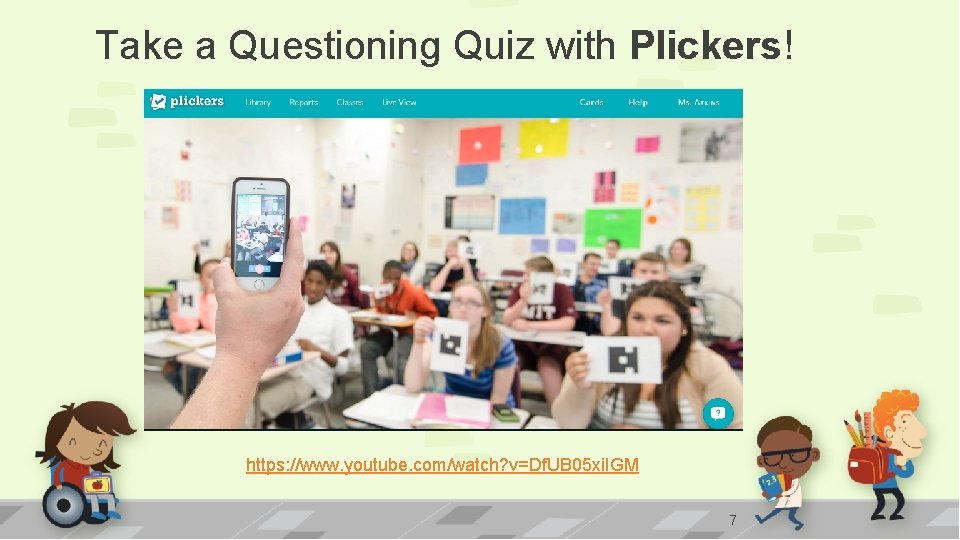
Take a Questioning Quiz with Plickers! https: //www. youtube. com/watch? v=Df. UB 05 xi. IGM 7
Engagement Assessment 8
Cold Call 9
Cold Call Options Ask the question in advance to give all students think time. Ask the question and immediately call on the students. Call on students regardless of raised hands (random, charts, sticks, name cards, etc. ). Scaffold questions from simple to complex. Connect next questions or follow-ups to previously answered questions. 10
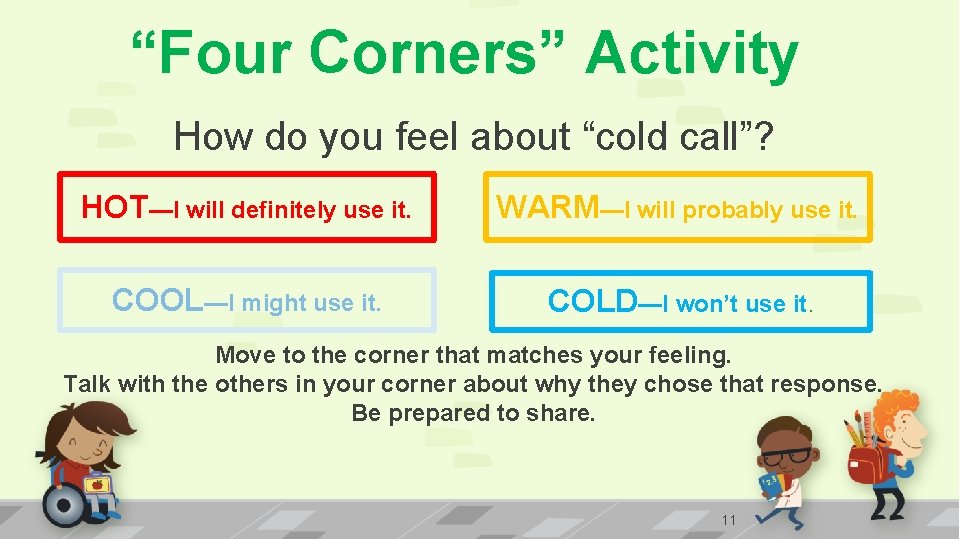
“Four Corners” Activity How do you feel about “cold call”? HOT—I will definitely use it. WARM—I will probably use it. COOL—I might use it. COLD—I won’t use it. Move to the corner that matches your feeling. Talk with the others in your corner about why they chose that response. Be prepared to share. 11
No Opt-Out What are the rules of “No Opt-Out”? 12
“No Opt-Out” Rules All students must answer the question correctly, even if first answered incorrectly. How? Ask other students the same question until the correct answer is given. Then. . . Ask the student who answered incorrectly to repeat the correct answer. 13
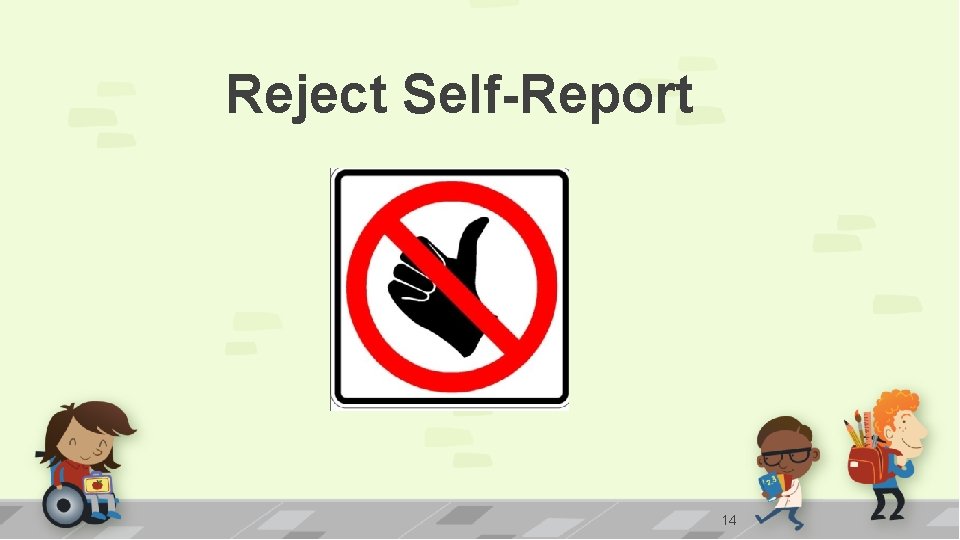
Reject Self-Report 14
Hot Seat 15
“Debrief” Using the Learning Target Objective/Learning Target: Teachers will analyze questioning strategies and add at least one to their classroom instruction. 16
Wait Time Can we teach more by saying less? 17
Wait Time Some Important Facts Wait time is the period of silence between the time a question is asked and the time when one or more students respond to that question. Teachers typically wait less than one (1) second for students to respond to a question. Most teachers tend to ask another question within an average time span of 9/10 of a second. Danielson 3 b—Unsatisfactory-Level 1 (Critical Attributes) § Questions are rapid-fire and convergent, with a single correct answer. 18
Wait Time There are two crucial junctions in the questioning process: Wait Time 1: After a question is posed but before a student is called on to answer Wait Time 2: Directly following that student’s response 19
Wait For It! The benefits: üImproved achievement/retention üGreater numbers of higher cognitive responses üLonger responses üDecreases in interruptions üIncreased student-student interactions 20
Hinge Questions 21
Hinge Questions 22
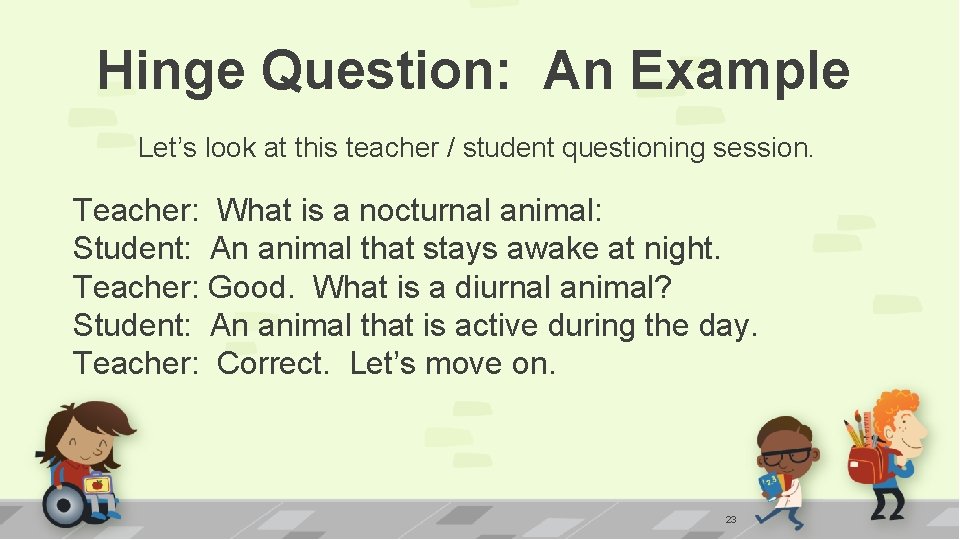
Hinge Question: An Example Let’s look at this teacher / student questioning session. Teacher: What is a nocturnal animal: Student: An animal that stays awake at night. Teacher: Good. What is a diurnal animal? Student: An animal that is active during the day. Teacher: Correct. Let’s move on. 23
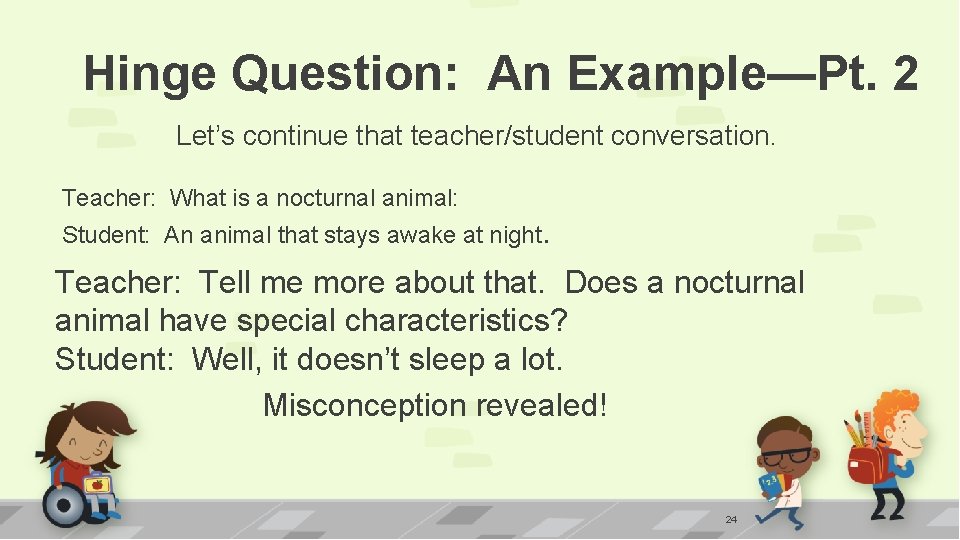
Hinge Question: An Example—Pt. 2 Let’s continue that teacher/student conversation. Teacher: What is a nocturnal animal: Student: An animal that stays awake at night. Teacher: Tell me more about that. Does a nocturnal animal have special characteristics? Student: Well, it doesn’t sleep a lot. Misconception revealed! 24
Great Hinge Questions Should: • 1. Get a response from every student. • 2. Do a quick check on understanding, instead of engaging in extended discussions. • 3. Decide whether to go forward or back on the basis of student responses. • 4. Elicit the right response for the right reason. Now, it’s your turn. Design a hinge question/s for a lesson you will teach this week. 25
- Slides: 25