
Effective Job Coaching Fading Strategies Corey Smith Griffin
Effective Job Coaching & Fading Strategies Corey Smith Griffin Hammis Associates October 6, 2017
Effective Training • https: //www. youtube. com/watch? v=4 b 8 qk 3 zpo ps
Types of Learning • Cognitive = Knowledge • Psycho-Motor = Skill’s • Affective/Cognitive = Belief’s/Values • Competent =Confident = More Competent = More Confident =
Systematic Instruction
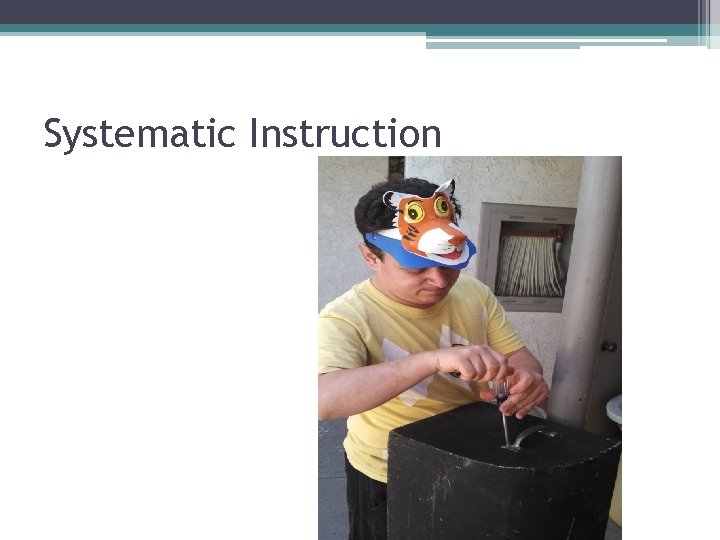
Tim’s Systematic Instruction • • Learning to use a screw driver Power Drill Projector Vacuuming Sweeping Setting up the stage & lobby areas Laundry Ironing
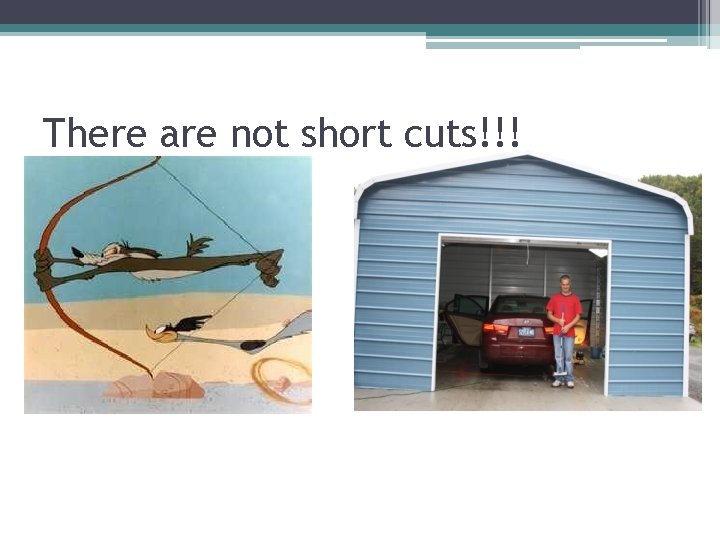
There are not short cuts!!!
“Communication is the Problem to the Answer” 10 CC • More people lose jobs based on ineffective communication strategies and social skills. • All behavior is a form of communication • The concept of competence deviance • Why do people behave differently in different environments? • Using communication devises and teaching coworkers how to assist
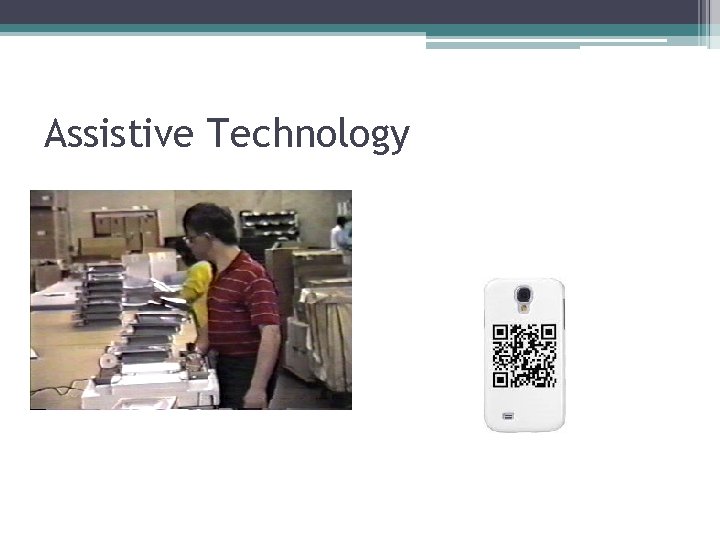
Assistive Technology
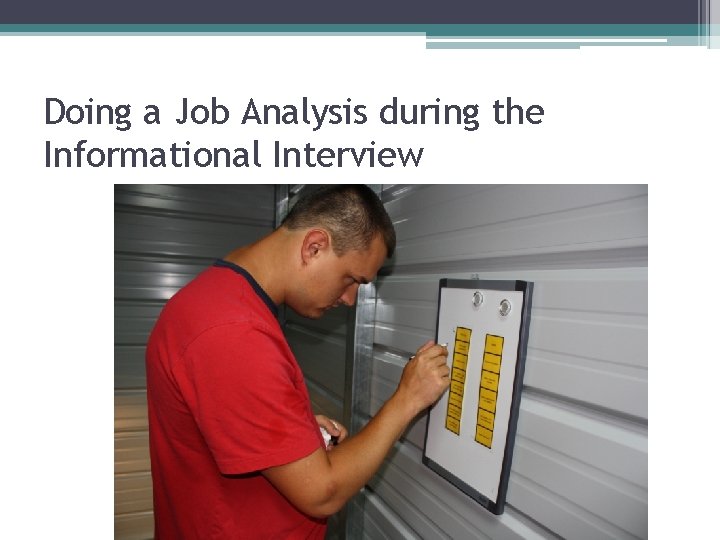
Doing a Job Analysis during the Informational Interview
Identifying the “What” • • • Going beyond jobs tasks themselves Company Culture Company Ritual’s Co-worker interactions Insights on supervisor-staff relationships Pace & structure of the work day
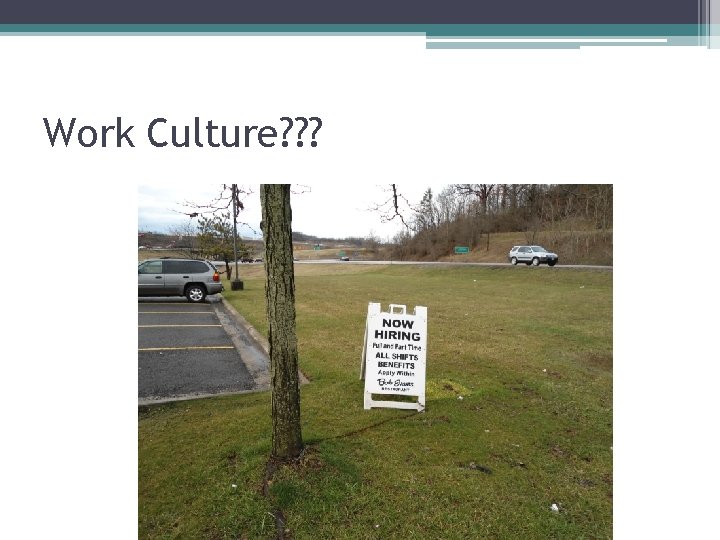
Work Culture? ? ?
The Job Analysis Record (JAR) • Tool for identifying what to teach • Capture tangible and intangible elements of job, e. g. : • Tasks, performance & quality measures • Rituals, natural trainers, “go to” people • Writing it down is best safety net for not overlooking critical components
JAR When to Use • Use the JAR as a foundation for: • Negotiating a job • Assessing what to teach once job has been secured
Goodness of Fit • Critical Consideration • • Must be based on: Knowledge of Individual, and Knowledge of Job/Company/Culture Best instruction in the world can’t overcome a bad fit
JAR: Key Components • • Project oriented Developed for all work routines: Core Episodic Job-related Task steps should: Reflect natural instruction Be verified by supervisory/co-workers
The Job Analysis Record (JAR) • Tool for identifying what to teach • Capture tangible and intangible elements of job, e. g. : • Tasks, performance & quality measures • Rituals, natural trainers, “go to” people • Writing it down is best safety net for not overlooking critical components
Core Routines • • Repeating cycles Performed most frequently during work day End of one cycle signals start of next Typically easiest to master • (Callahan & Garner, 1997)
Episodic Routines • • Have cycles/specific steps Performed less frequently during day or week Less opportunity to practice Typically more difficult
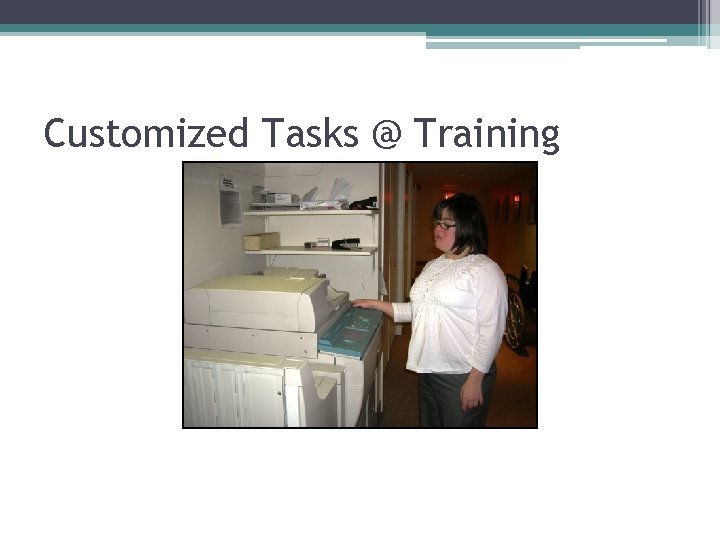
Customized Tasks @ Training
Task Analysis • Break down a task into its component parts (teachable steps) • Steps listed in sequence first to last • Perform listed steps to assess accuracy & completeness
Facilitating Worksite Support • Presume Discovery & Job Match • “Ecological Fit” • “Your New Employee” sets Expectations of the Employer • Goal is to Augment the Natural Trainer’s Efforts
Facilitating Worksite Support: Job Analysis • • Before The New Employee Begins Working: Observe the tasks being performed by workers Learn each task you will have to teach Prepare Task Analyses, Checklists & possible assistive tech • Review with Employer & Natural Trainer for Refinement & Permissions
Facilitating Worksite Support: Job Analysis • • Observe to identify potential Natural Support Observe Intersecting Tasks Use the Job Analysis Record (JAR) Break Tasks into Discrete “Jobs” or “Projects” and teach accordingly • Learn the Tasks but decide with Employer who should initially Teach • Regardless, learn the Tasks
Facilitating Worksite Support: Job Analysis • Note that not all Tasks need a TA • Note that not all Tasks are as important as Others • Note that not all Tasks have specific Performance Requirements or Expectations • If unsure, be sure to Ask • Always consider the needs of the Learner
Facilitating Worksite Support: Work Support • • Prep for Day One: Clarify everyone’s role for Day One/Week One Get Schedule, hours, pay in writing (an email will do) If planning to modify Typical Means & Methods, negotiate before Day One if possible • Make it known clearly that your role is to support & fade
Facilitating Worksite Support: Work Support • Day One/Week One: • If Needed, Re-Clarify everyone’s role • Review Schedule & any Modifications with Employer & Employee • Review & Update modifications to Typical Means & Methods • Discuss/Adapt Performance & Expectations with Employee & Employer
Facilitating Worksite Support: Work Support • Support both the Trainer & the Trainee • Fit in: dress, breaks, cell phone off • Design & Perform tasks as closely to the business norm as possible • Use Systematic Instruction & Minimize Reward/Verbals! • You are not the Supervisor
Facilitating Worksite Support: Work Support • Work Support (and Long Term Support) is usually determined thru Assessment • Self-Support methods: having strong social bonds; facilitate inclusion in worksite that matches the person; the use of assistive tech from simple checklists to recorders to Apps to labor-saving equipment….
Facilitating Worksite Support: Work Support • Work Support often requires Negotiation of: • Job Tasks & Methods (Functional Vs Topographic) • Hours & Pay (Modified work day due to accessible transit schedule) • Support and Supervision (May need new tasks taught differently) • Health & Safety (Seizure awareness; food allergy awareness)
Facilitating Worksite Support: Work Support • Work Support Scenarios: • Luis is responsible for stocking the Supply Room Inventory. He often finishes stocking a product & then stops, not recalling what to do next. His speech is difficult to understand so he gets frustrated when asking for help. Possible Solutions?
Facilitating Worksite Support: Work Support • Work Support Scenarios: • Sharon works in a bakery. She is usually in back, but sometimes brings products to the retail area where she’ll ask customers how they are, if they are married, and if they enjoy Elvis. Possible Solutions?
Facilitating Worksite Support: Work Support Self-Support/Self-Management: Skills or Supports that foster Autonomy • Teach & Support these Critical Elements: • What needs to be Done • How it needs to be Done • When it needs to be Done • The Criteria for Success • What needs to be be done Next
Facilitating Worksite Support: Work Support • • • Summary Self-Support/Self-Management: Use proper Systematic Instruction Don’t replace the Natural Trainer Negotiate Tasks within Reason Use Self-Management: Checklists, Apps, Schedules, Pictures, Recorded Cues… • Remember that Social Issues cause most job loss
Facilitating Worksite Support: Work Support • • • Summary Self-Support/Self-Management: Use proper Systematic Instruction Don’t replace the Natural Trainer Negotiate Tasks within Reason Use Self-Management: Checklists, Apps, Schedules, Pictures, Recorded Cues… • Remember that Social Issues cause most job loss
How to Teach • Errorless Learning • Time Delay • Prompting • Reinforcement/Motivation
Errorless Learning? ? ?
Errorless Learning • • • Mistakes aren’t always the best teacher Hard to unlearn the “wrong” way Mistakes can be demoralizing Minimize errors & decrease frustration Maximize correct learning
Prompting Pitfalls • • • Too Much Information!! Multiple prompts given concurrently Prompt mixed with extra conversation “I’m There for You” Prompts provided automatically, not based on data or need • Level/type of prompt not decreased • The Dreaded…. Prompt Dependency • Play Cary Griffin Video
Time Delay • Time between cue & performance of step • ES frequently prompt to quickly • Increase time for new steps/tasks • * Count to 5 general guide • Intervene if mistake indicates/progress halts
Prompts • Critical powerful teaching technique • Rarely understood • Frequently misused • *Correct: Facilitate learning, support independence • *Incorrect: Inhibit learning, create overdependence
Types of Prompts • Verbal: spoken instruction/reminder • Gestural: gesture indicates next step • Modeling: show to do the task • Physical: Provide physical assistance (hand over hand) • The issue of stamina? ?
Using the Hierarchy • 1. Begin with the least intrusive prompt • 2. Wait 5 seconds • *Intervene if error about to be made (errorless learning) • 3. Go to next prompt ONLY if step not performed • *wait 5 seconds • 4. Continue process as necessary
Fading Prompts • Fading correctly is a equally critical component • Goal is to “back-off” the prompting hierarchy • Start working on fading as soon as correct prompt level has been determined
Instructional Assists • Permanent product to provide prompt • Checklist, photos, written/visual schedule, etc • Use if task not mastered despite correct prompting & teach strategies
Reinforcement • The purposeful arrangement of events in order to increase recurrence of desired behavior • If behavior doesn’t increase or recur… it wasn’t reinforcing!!
R+: Common Misconceptions • 1. If it is a good desirable thing, it is a reinforcer • 2. The most powerful reinforcer should always result in correct task performance
Motivation • Natural features of an environment that promote desired, initiative, cooperation & desired behaviors.
Motivation • Functionally impossible to “motivate” anyone to do anything • Motivation comes from within • DPG is critical to finding a good job match • Work & environment must be intrinsically motivating
Natural Reinforcers • • • Reinforcers occur naturally in workplace Paycheck Recognition in staff meeting “Thank-you” or appreciation from co-workers Good review Is the individual being allowed to spend money that they make at work?
Artificial Reinforcers • Increased rate in natural reinforcers • • Artificial reinforcers Increased praise More frequent breaks Shorter timeline for paycheck
Behavior Analysis • Behavior- Communication • Exercise: • What “stresses you out? ”
Behavior Analysis • Behavior –Communication • Exercise • What do you do to relieve your stress?
Behavior Analysis • Behavior-Communication • Exercise: • What “stresses out people you provide services to? ”
Behavior Analysis • Behavior –Communication • Exercise • How do people you provide services to relieve stress? ”
Behavior Analysis • Behavioral Functional Analysis • Values Re: Herb Lovett • “Positive reinforcement technologies are perfectly capable of being controlling, demeaning, hardest of all to see, irrelevant and frustrating to people’s real needs and wishes”

Work Environmental Fit
Behavior Analysis • Behavior Functional Analysis • Values- Re: Herb Lovett • Creating responsive environments • Serious concerns require serious relationships • Keith Yandle Radcliff
Behavior Analysis • Behavioral Functional Analysis • Exercise • Break into groups and discuss people we work with who have problematic behaviors and brain storm strategies
Questions and Answers • • • Thanks for attending!!! Corey Smith Griffin-Hammis Associates Inc Educate, Demonstrate, Change, Sustain csmith@griffinhammis. com
- Slides: 59